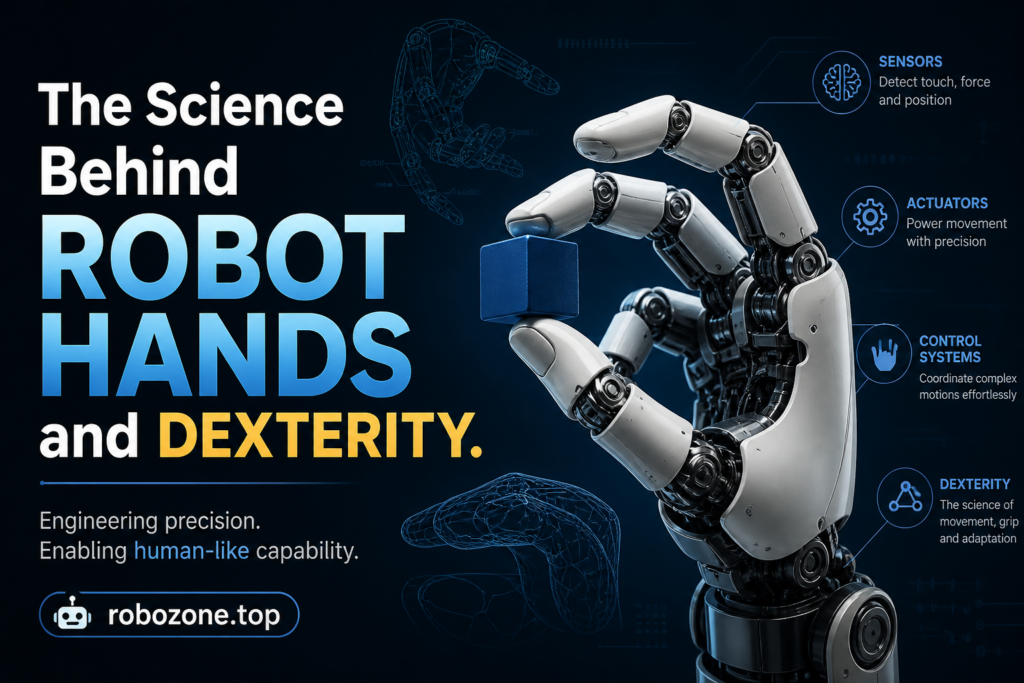
In this era, where artificial intelligence enriches machinery with unscripted finesse, understanding the evolution and future of robotic dexterity blends into a captivating narrative of ambition and relentless pursuit.
Watch the video on the YouTube channel RoboZone @robozonetop:
The Science and Future of Robot Hands Engineering Dexterity
Understanding Robot Hands
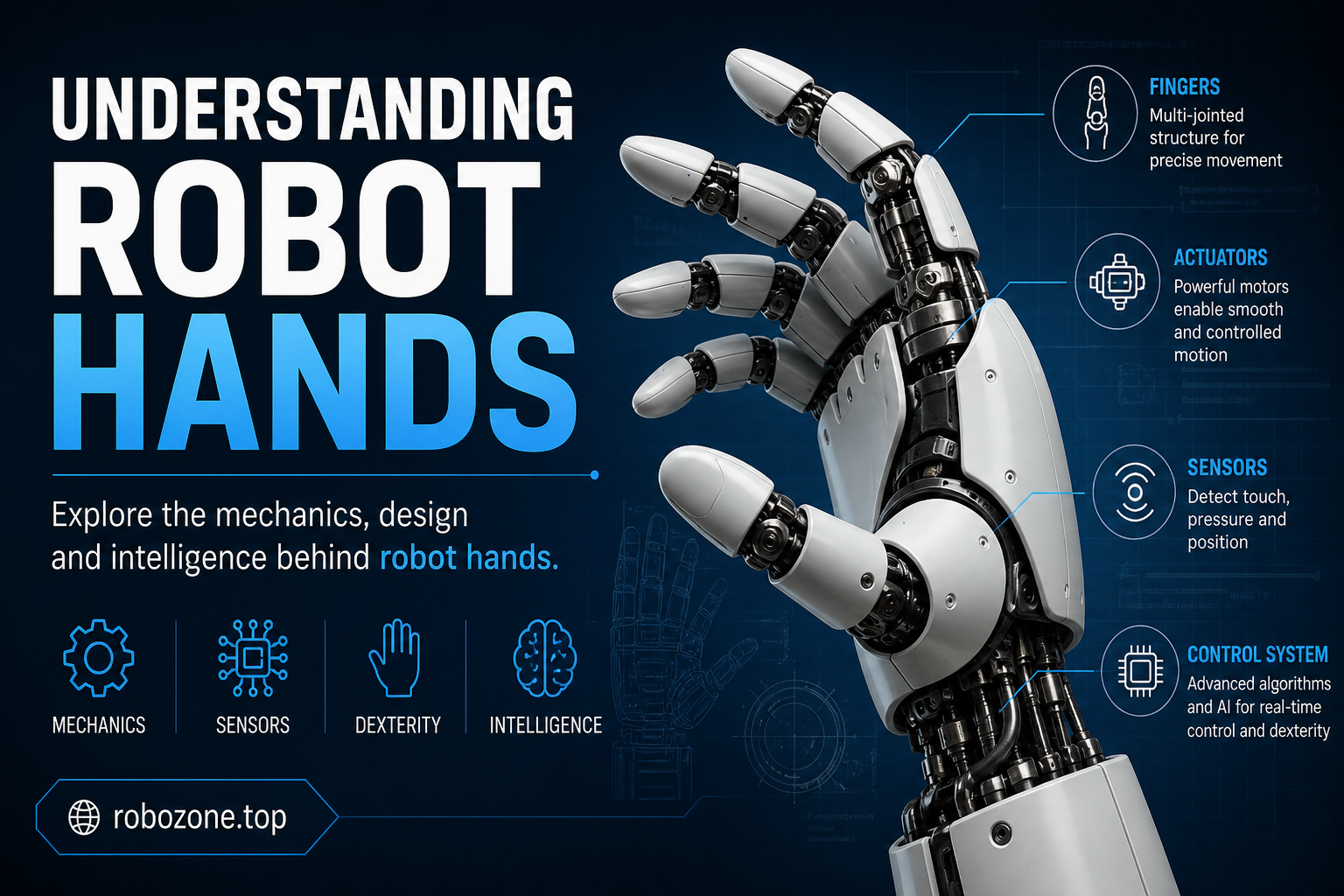
The sophistication of robot hands is akin to reverse-engineering the human hand, which itself is a masterpiece of evolution. Crafting a mechanical analog involves piecing together metals, sensors, and software to create a device capable of replicating human-like dexterity. But why is this so challenging? Human hands not only grasp or manipulate objects; they execute a symphony of signals translated from the brain—a level of complexity that AI researchers have only recently begun to emulate.
The core concept that underpins robotic hands is their ability to interact dynamically with their environment. Robot hands are equipped with sensor-rich fingertips and flexible materials molded to mimic the human musculoskeletal system. The nerve-like sensors transmit vital feedback data, enabling the hand to adapt its grip strength and subtle movements in real-time. This capability is crucial for tasks requiring nuanced touch, such as handling delicate materials or performing intricate operations.
Real-World Applications Across Industries
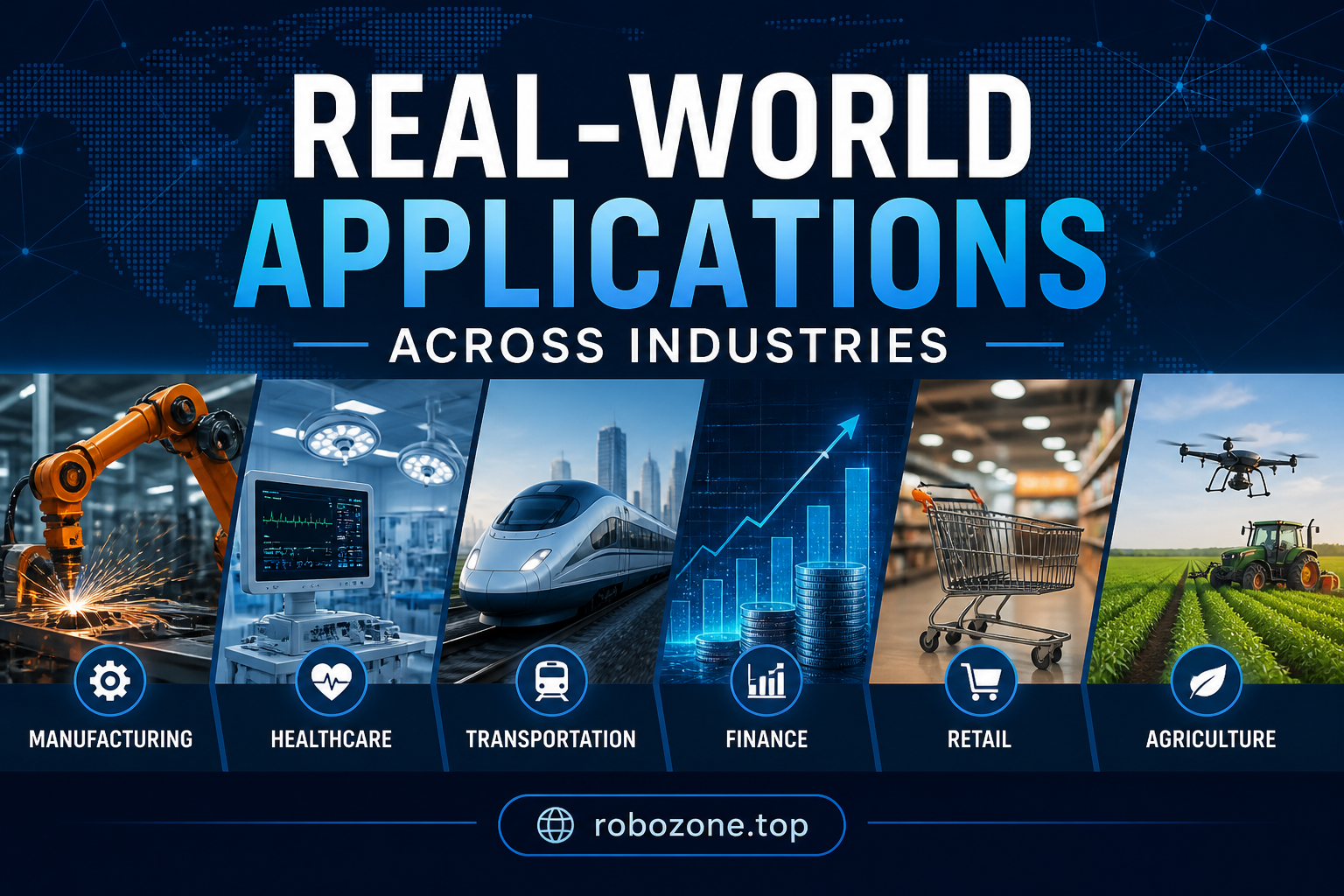
The ingenuity found in robotic hands is not just a marvel of theoretical robotics but a real-world force with impactful applications. In the industrial domain, robotic hands are increasingly integral in assembly lines, where they deftly maneuver tiny parts with unerring precision. These mechanized hands take on tasks once deemed too delicate or hazardous for human workers, optimizing production efficiency while ensuring safety.
Beyond the well-worn factory floors, healthcare holds another significant frontier for robotic hand technology. Surgical robots, possibly the most profound expression of this technology, are now extending the reach of human physicians. With robotic hands, surgeons perform minimally invasive procedures, enhancing precision in ways the naked hand cannot. Such innovation is not just about replacing human endeavor but complementing it with technology’s unparalleled accuracy.
Technical Insights: AI and Robotics Systems
At the heart of robot hand dexterity is a blend of artificial intelligence and robust robotic systems designed to process vast amounts of sensory data with immediacy. These technological marvels employ advanced AI models that facilitate sophisticated learning algorithms. The systems, akin to human learning, observe, predict, and adapt based on their experiences from interacting with various environments and objects.
NVIDIA’s latest advancements in AI chips have notably propelled these robotic systems forward. By providing substantial computational power in smaller, efficient processors, companies can endow their robots with near-human computation abilities within the constraints of mobile hardware. This technology leap bridges the gap between theoretical potential and practical deployment across industries.
Market Analysis: Growth and Economic Impact

Robotic hands are becoming the vanguard of a significant industrial revolution. According to a report by the International Federation of Robotics, the market for robotic systems—including dexterous hands—has been on an exponential growth trajectory. This growth trajectory is bolstered by substantial investments from major tech players like Boston Dynamics and Tesla, aiming to capitalize on the burgeoning demand for high-precision robotic applications.
As industries increasingly adopt these technologies, economic impacts become evident. Not only do these robotic systems enhance efficiency by leaps and bounds, but they also forge new career pathways. From skilled robotics technicians to AI specialists, the demand for human expertise in developing and operating these systems remains irrefutable. Thomas Huynh frequently notes how these transformations are an opportunity for society to reimagine traditional jobs, weaving them into the fabric of a digital renaissance.
Challenges and Limitations
Even as robotic hands are crafted with intricate finesse, they are not bereft of challenges. The quest for near-perfect dexterity runs into roadblocks of sensor limitations and software granularity. Despite advancements, the ability of a robotic hand to accurately interpret complex tactile data in real-time involves a Herculean level of engineering that continues to perplex even the best minds in the industry.
Moreover, there is the broader issue of conformity. The world is a maze of different standards and requirements that robotic systems must adapt to. From handling varied substances to interfacing with pre-existing human and mechanical systems, robot hands must often be tailored extensively to meet specific needs. Consequently, the applications of these hands, while promising, require thorough customization—a significant hurdle in scaling technology across different sectors.
Future Predictions: What Lies Ahead?

With the dawn of the next decade on the horizon, the trajectory for robot hands appears gleaming with potential. Experts predict a substantial influx of AI-powered enhancements in these systems, pushing boundaries into what is considered near human-level dexterity. As such, continuing advancements in machine learning from institutions like the Stanford AI Lab will refine these systems’ capabilities, enabling robots to comprehend and execute sophisticated tasks otherwise reserved for humans.
Thomas Huynh often speculates that this technological evolution will extend beyond improving the accuracy of robotic operations to unlocking new realms of possibility. Consider robot musicians, artists, or chefs—industries that thrive on creative nuance, inviting an intriguing crossroad between creativity and technological precision. The near future opens the door for transformative experiences as robots step out of roles of utility into those of enrichment.
Strategic Insights for Stakeholders

For businesses, developers, and users navigating through this burgeoning field, strategic foresight is critical. Companies poised to lead this technological charge must focus on investing further in AI research and infrastructure development to accommodate advanced robotic technologies. Those integrating robotic systems must prioritize adaptable designs to ensure seamless integration into future tech landscapes.
Moreover, developers are tasked with mastering cross-disciplinary skills that interconnect AI, hardware engineering, and human-computer interaction. By staying ahead of these curves, stakeholders can capitalize on the burgeoning industry’s potential, securing competitive advantages while paving the way for pioneering innovations.
What should we really pay attention to? The surge of dexterous robot hands marks only the beginning of an era where machinery learns to mimic not just the function but the subtle art of human touch. As technology forges into territories once thought to be dominated by human creativity and precision, it paves a path for a future that reimagines how we interact with machines. Consider robot hands as dancers on the world stage of innovation—every move calculated, every touch nuanced, yet rooted in the ingenuity of their creators.
As Thomas Huynh, the wise steward behind RoboZone.top might say, this is not just about what robots can hold, but what they can become a part of—a transformative shift embracing both machine logic and human legacy.
Thomas Huynh – Admin of RoboZone.top
References & Further Reading:
– MIT Technology Review — https://www.technologyreview.com
– IEEE Spectrum — https://spectrum.ieee.org
– McKinsey & Company — https://www.mckinsey.com
– Stanford AI Lab — https://ai.stanford.edu
– Harvard Business Review — https://hbr.org
– NVIDIA research/blogs — https://blogs.nvidia.com
– International Federation of Robotics — https://ifr.org
– World Economic Forum — https://www.weforum.org
– – – – – – – – – – – – – – – – – – – – – – – – – – – – – –
Love this content? Support the blog by checking out these items:
If you buy through these links, I may earn a small commission at no extra cost to you. Thank you for supporting the blog!