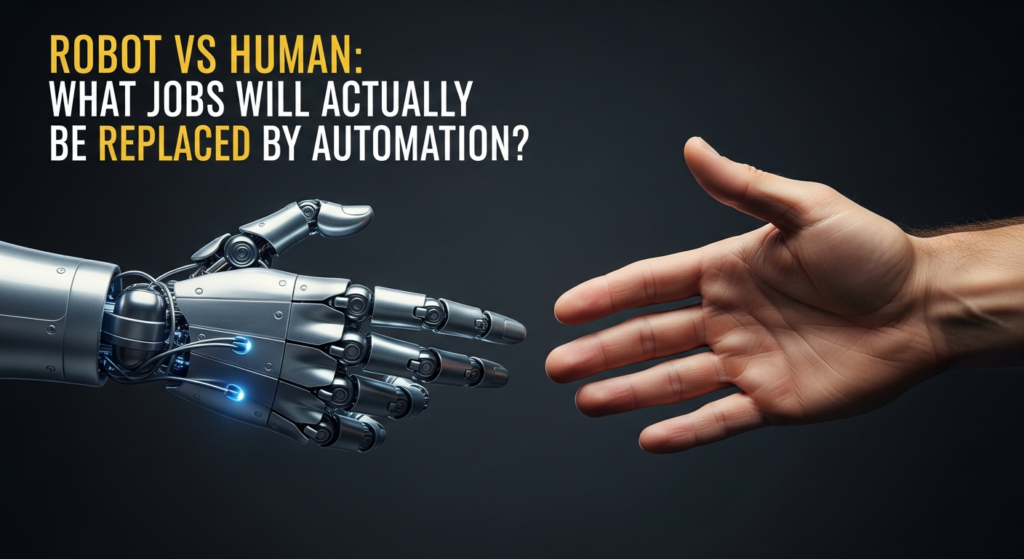
In an era where technology evolves faster than we can say “artificial intelligence,” the question on everyone’s mind is: will robots take our jobs? It’s a scenario straight out of a dystopian novel—or perhaps the dream of a Jetsons-like future. But the truth, as always, lies somewhere in between. As the lines begin to blur between man and machine, the balance of power in the workforce is shifting. So, let’s dive into this captivating intersection where silicon chips meet human skill.
The Mechanics of Automation: How Robots Work
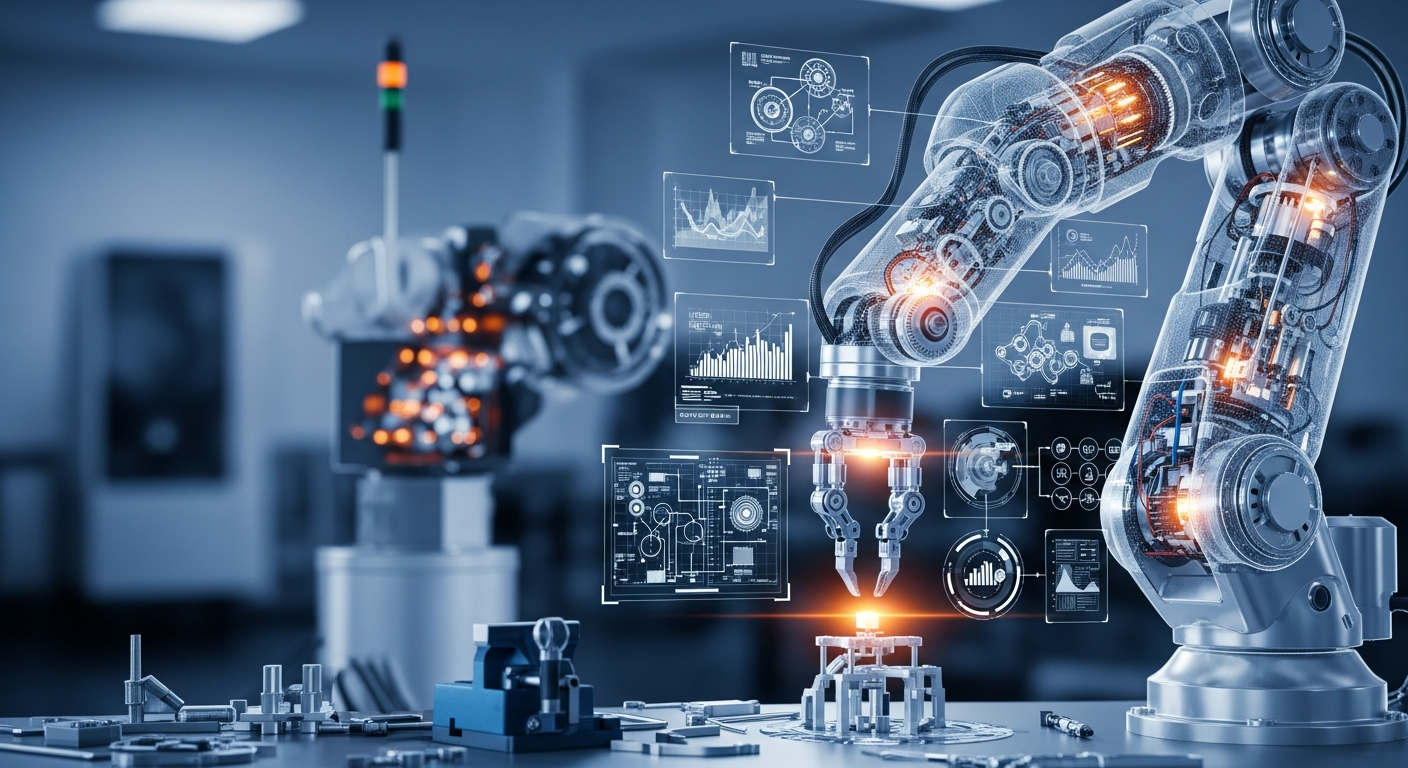
At its core, automation is the process by which tasks, typically requiring human intervention, are handled by machines. Think of it as replacing the horse with the automobile. This transformation is powered by AI, robotics, and advanced machine learning algorithms. Today’s robots are equipped with sensors and actuators that allow them to perceive and interact with their environment. Companies like NVIDIA have developed powerful GPUs (Graphics Processing Units) that are indispensable in deep learning models, making real-time decision-making possible for robots.
Recent advances have enabled robots to execute complex tasks with precision. For instance, autonomous vehicles navigate highways with the help of sophisticated lidar and computer vision systems, reacting faster than a human can process a text message. This intersection of hardware and software is the new age orchestra, creating a symphony of efficiency.
Robots on the Job: Real-World Applications
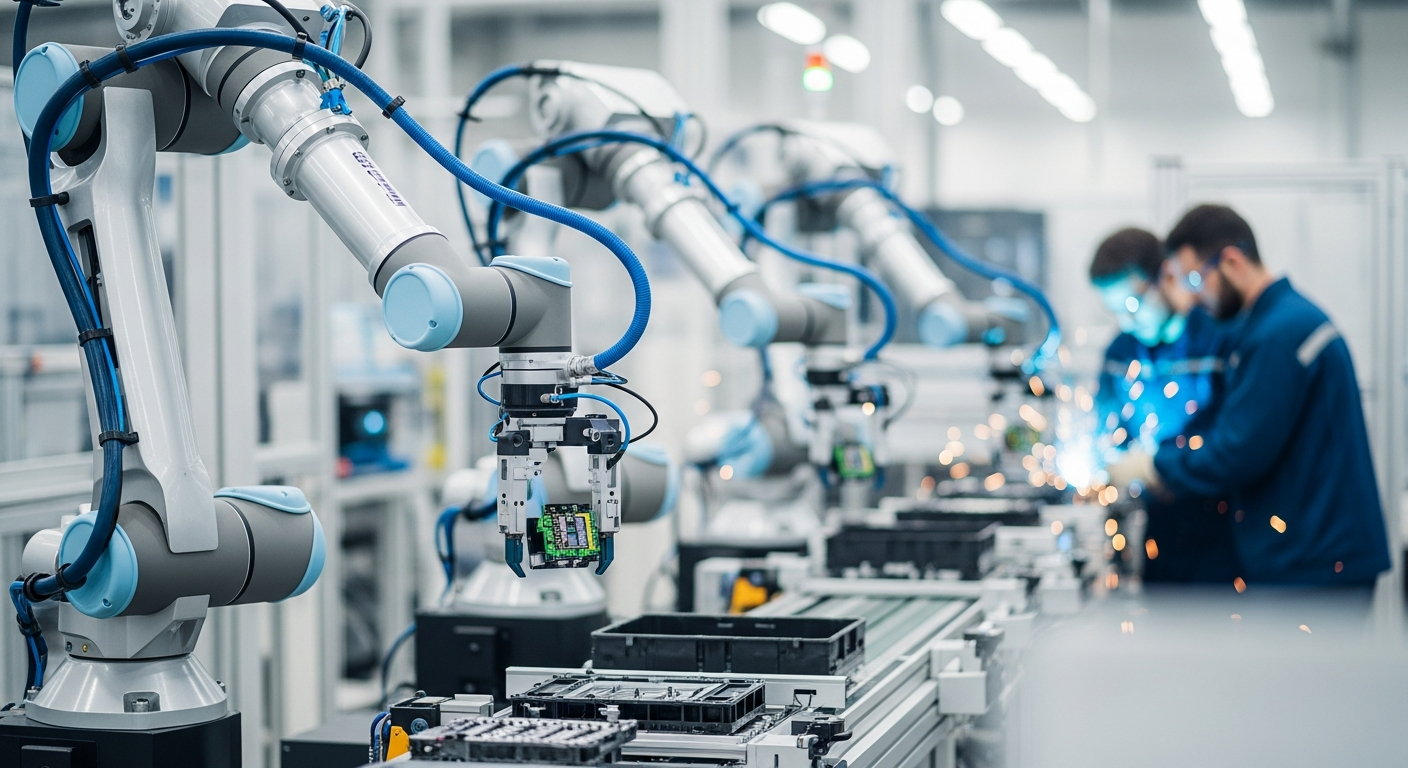
From Roombas scurrying across living room floors to robotic arms assembling cars in factories, the applications are as varied as they are innovative. In the industrial sector, companies like Boston Dynamics have developed robots for tasks hazardous to humans, such as military operations or mining. Healthcare is also witnessing a robotic revolution with robotic-assisted surgeries increasing precision and reducing recovery times. These applications showcase the versatility and potential of automation.
Retail is also not left behind. Automated warehouses powered by robotics and machine learning handle inventory and fulfillment with an unerring accuracy that even the most dedicated human worker would envy. Here, automation isn’t just a solution—it’s the future of scalability and efficiency.
Technical Insights: Under the Hood of Modern Robotics
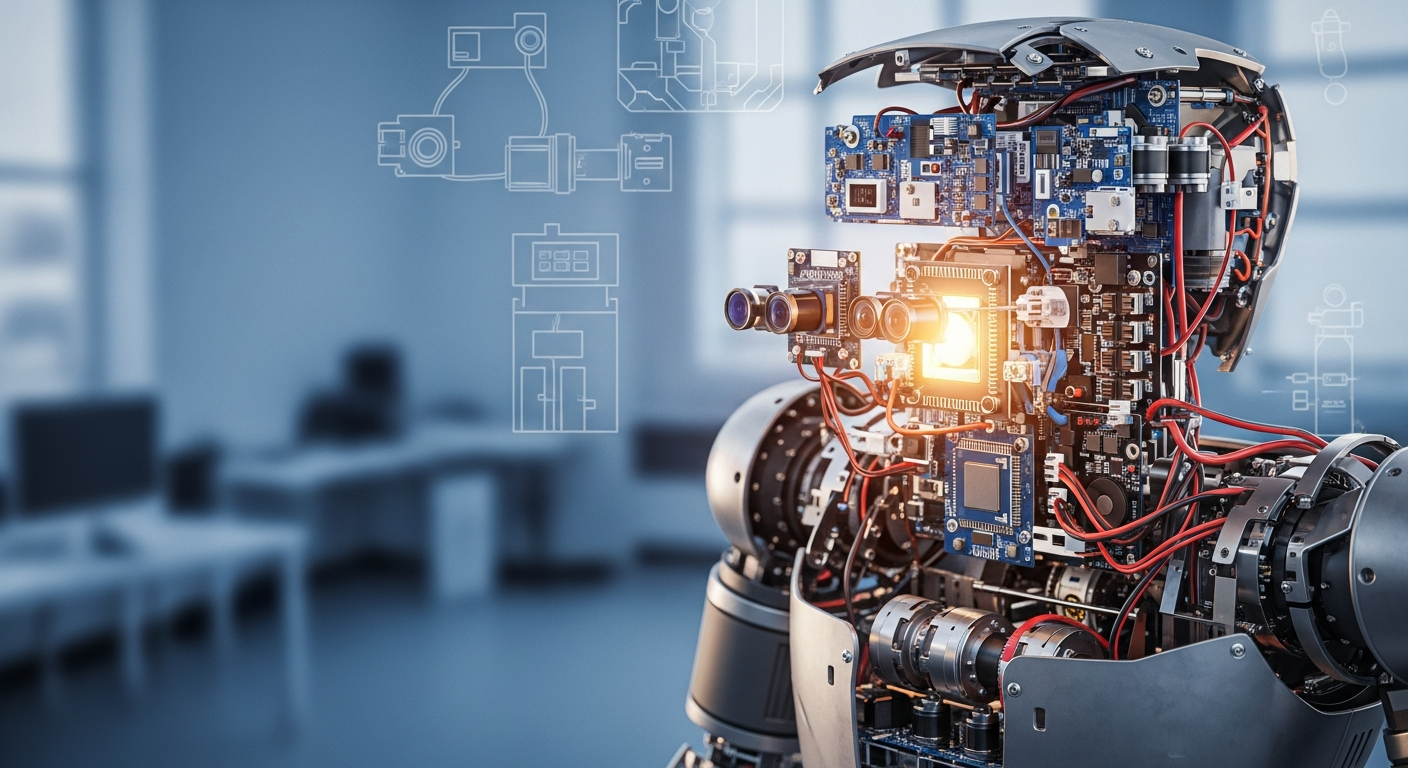
The magic happens in the interplay of technical intricacies. Deep learning models are the brains of the operation, allowing machines to learn from vast datasets. These models are driven by neural networks, mimicking the human brain’s functioning but at speeds that make supercomputers blush. NVIDIA’s work in AI accelerators and chips plays a crucial role here.
Then there are sensors—these are a robot’s eyes, ears, and touch. Combining data from different sensors allows robots to create a cohesive picture of their surroundings. All these elements working in symphony enable robots to perform tasks with minimal supervision in dynamic environments.
The Economic Impact: Market Analysis and Growth

While robots and automation are on the rise, so are questions about their impact on the job market. A report from McKinsey & Company estimates that by the year 2030, nearly 20% of the global job market could be taken over by automation. Yet, it’s not just a tale of gloom and doom. The economic benefits are considerable, with a projected growth in industries that adapt and innovate using robotics. With more machines taking on manual labor, humans can focus on creativity and problem-solving roles.
Industry leaders like Thomas Huynh often discuss the economic impact at conferences and symposiums, emphasizing the balance between innovation and workforce adaptation. It’s this dialogue that shapes a future where humans and robots coexist and complement each other.
Challenges and Limitations of Automation
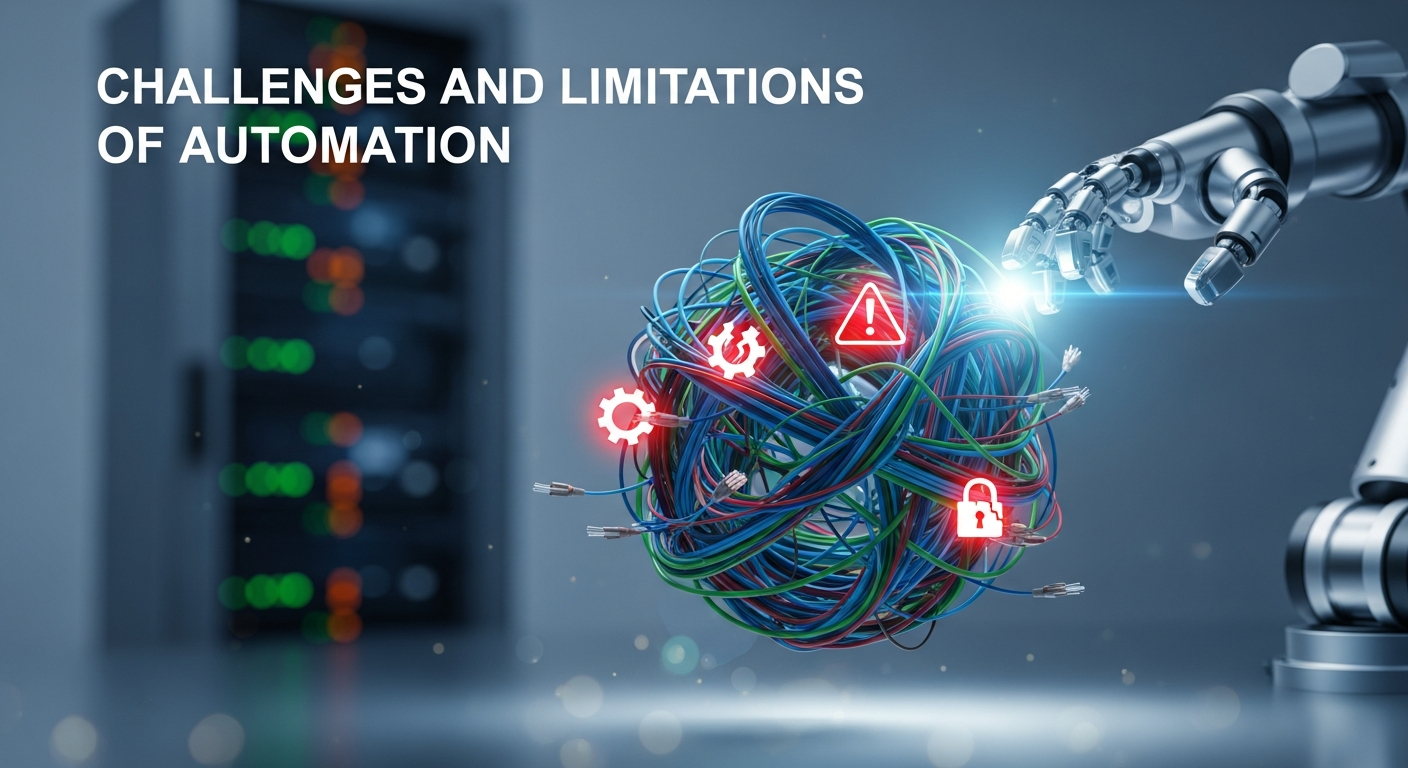
Despite the glitz of futuristic tech, automation has its hurdles. A robot’s mastery is limited by its programming and the quality of its data inputs. Current AI models can struggle with context—the human ability to read a room or understand nuanced conversation remains, for now, uniquely ours. Additionally, the fear of the unknown looms—like how your four-year-old niece looks at broccoli—making it difficult for complete adoption in many fields.
Privacy concerns also rise with the tide of automation. The more data we entrust to machines, the greater the risk of breaches. Tech companies are constantly at a digital arms race, improving security measures, but the threat persists.
The Road Ahead: Future of Robots in the Workforce
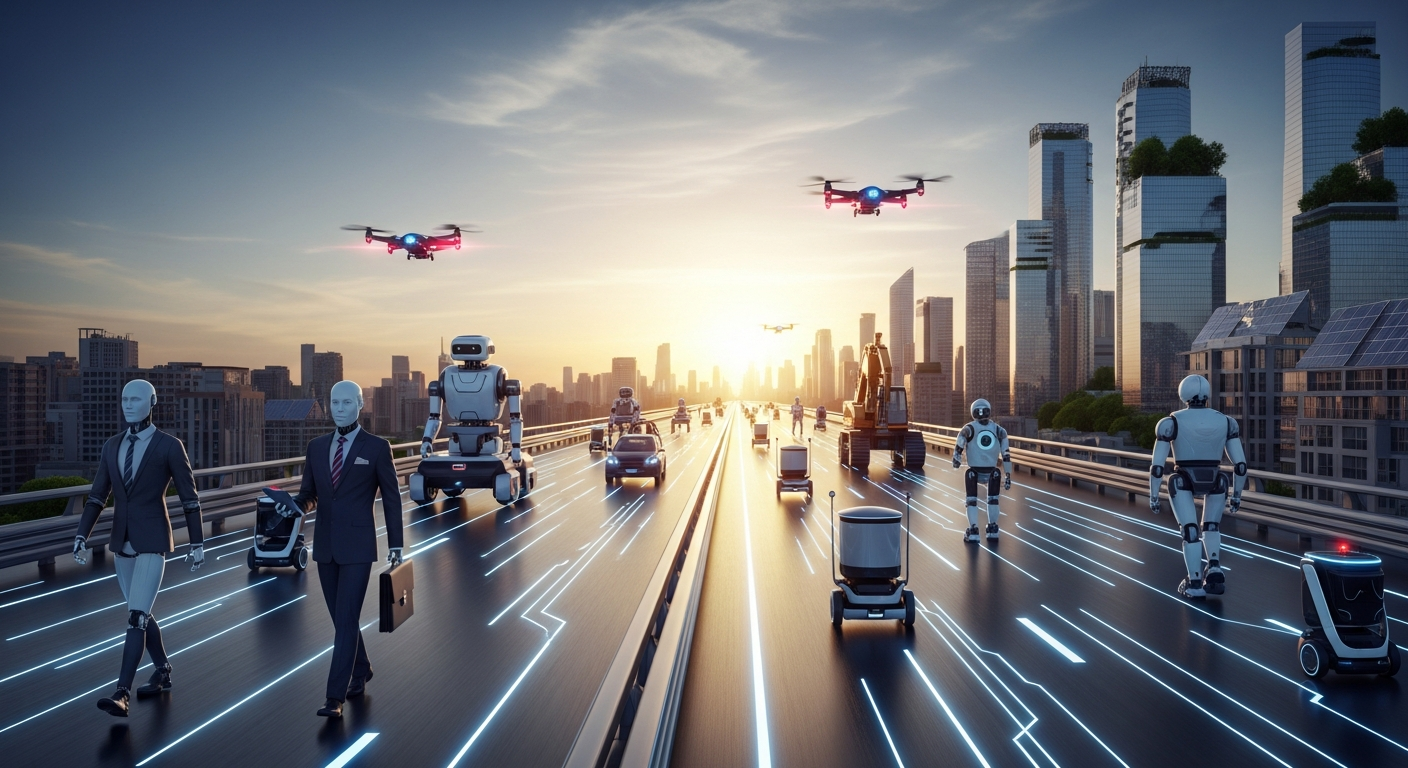
Fast forward 3 to 5 years, and we’re looking at a drastically different landscape. In the short term, expect automation to continue extending its roots into sectors like agriculture and logistics. In the long term, as AI becomes more intuitive, the potential for collaborative human-robot teams grows. This evolution could create new professions we haven’t even imagined yet, echoing Thomas Huynh’s often-quoted notion that “the future workforce is a dynamic dance between synergy and technology.”
The journey begins with education and investment. Encouraging STEM programs and fostering AI-literacy among the workforce will prepare future generations to adapt and thrive in a robot-augmented world.
Strategic Insights for Preparing for Automation
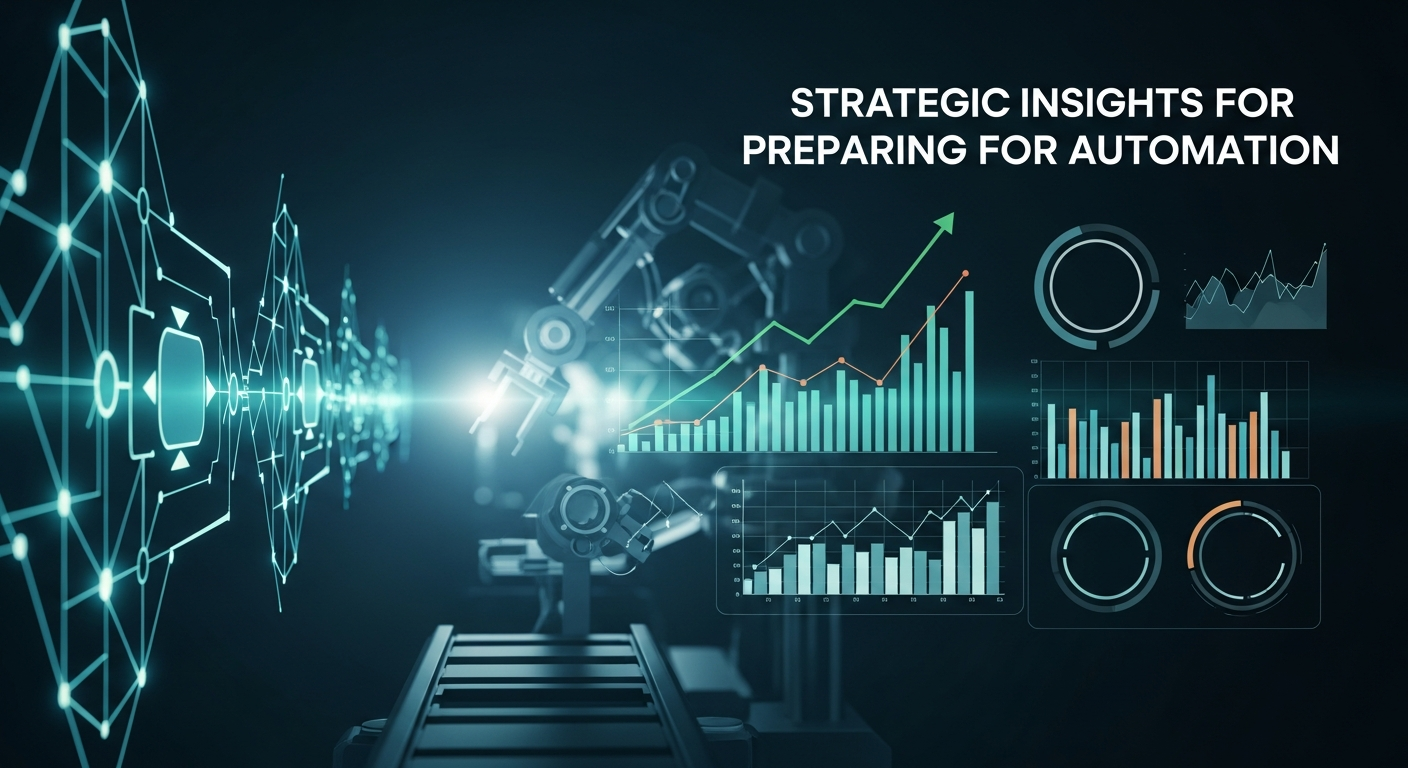
For businesses aiming to stay ahead, understanding and integrating automation is not just beneficial—it’s crucial. Enterprises need to be strategic, embracing change and investing in reskilling their workforce. The adaptability will dictate survival in this new age of robotics. Similarly, developers should focus on refining algorithms to enhance robots’ contextual understanding and ethical decision-making frameworks.
For individuals, it’s time to explore roles that emphasize uniquely human traits: creativity, empathy, and strategic oversight. Being proactive in learning new technological skills can provide an edge in any robot-studded industry, much like signing up for a gym membership before the holiday season binge begins.
So where does this leave us?
As robots roll out across industries, some jobs will inevitably change, and some will disappear altogether. Yet, this isn’t just the end of one chapter but the beginning of another. It’s a story of adaptation, innovation, and the relentless human spirit to not only survive but thrive. As we continue to integrate robots into our personal and professional lives, it’s vital to stay informed, prepared, and optimistic about the future.
Thomas Huynh – Admin of RoboZone.top
References & Further Reading:
- MIT Technology Review — https://www.technologyreview.com
- IEEE Spectrum — https://spectrum.ieee.org
- McKinsey & Company — https://www.mckinsey.com
- Harvard Business Review — https://hbr.org
- NVIDIA Research — https://research.nvidia.com
- International Federation of Robotics — https://ifr.org
- World Economic Forum — https://www.weforum.org
- Google DeepMind — https://deepmind.com