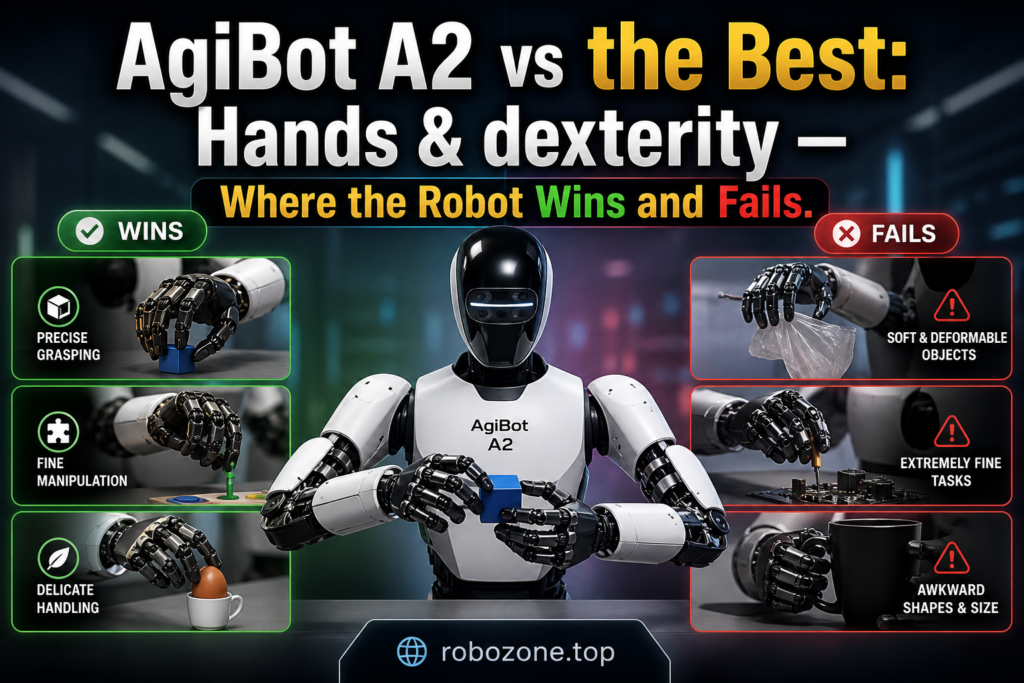
Understanding Robotic Dexterity
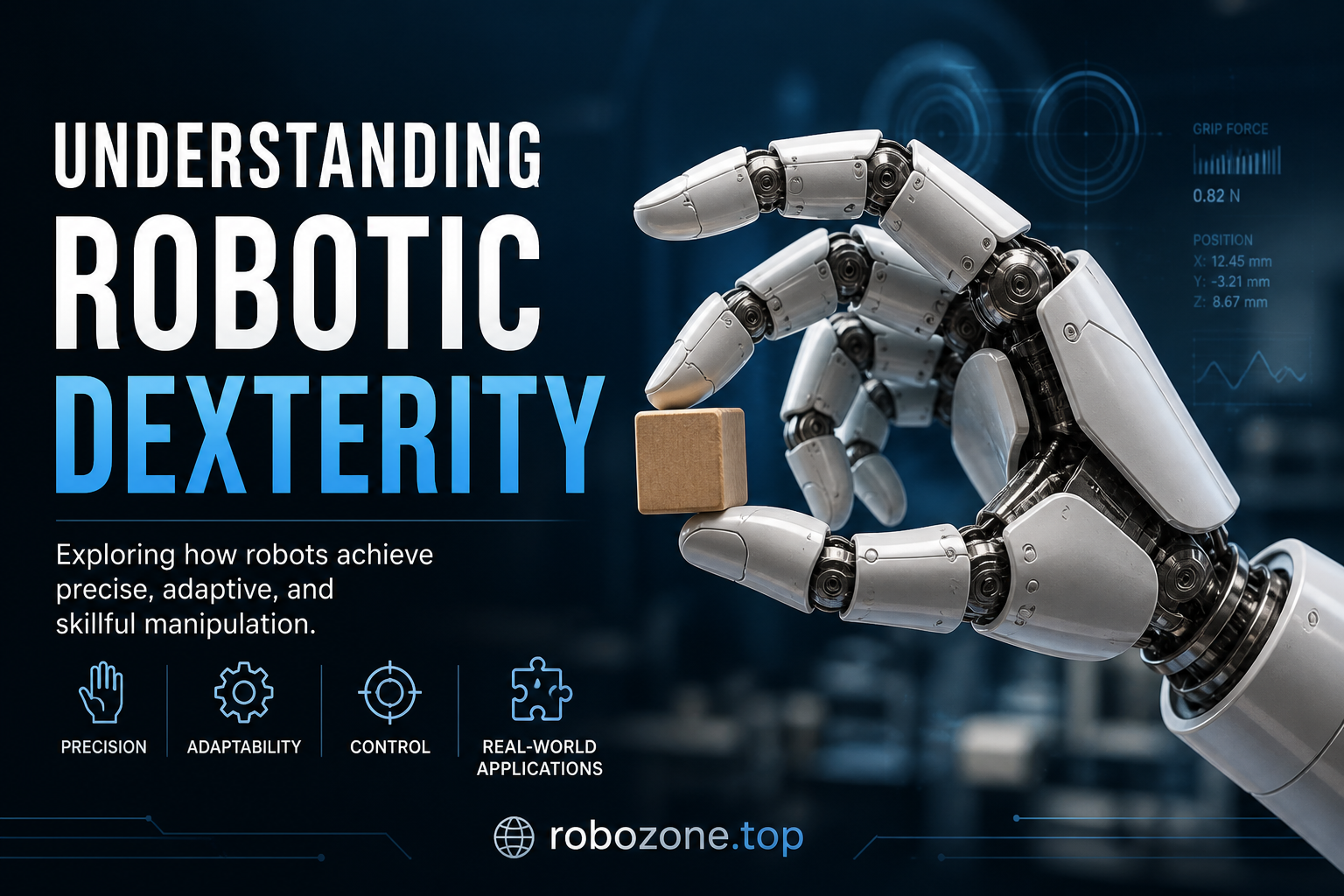
Dexterity—the ability to skillfully use the hands for complex tasks—has always been a benchmark in the ongoing quest for creating lifelike robots. The AgiBot A2 is at the forefront of this revolution, combining cutting-edge technology with innovative design. But before delving too deeply into specifics, it is crucial to understand what robotic dexterity entails.
Robotic dexterity goes beyond mere finger flexibility; it encompasses the entire suite of movements that mimic human actions. Think of performing the delicate task of picking up a ripe strawberry without squashing it, or threading a needle with precision—such tasks require not only advanced hardware but sophisticated programming. Sensors, AI algorithms, and a plethora of electronic components all contribute to achieving any semblance of dexterity in robots.
The AgiBot A2, for instance, leverages AI models such as Reinforcement Learning that allow it to learn from its environment through trial and error, much like a child learning to walk by falling repeatedly. Cutting-edge sensors and processors, including those popular in the 2026 tech scene like NVIDIA’s latest chips, underscore its capability to process visual and tactile data rapidly. These innovations enable AgiBot A2 to perform with precision in complex scenarios.
Applications Across Diverse Industries
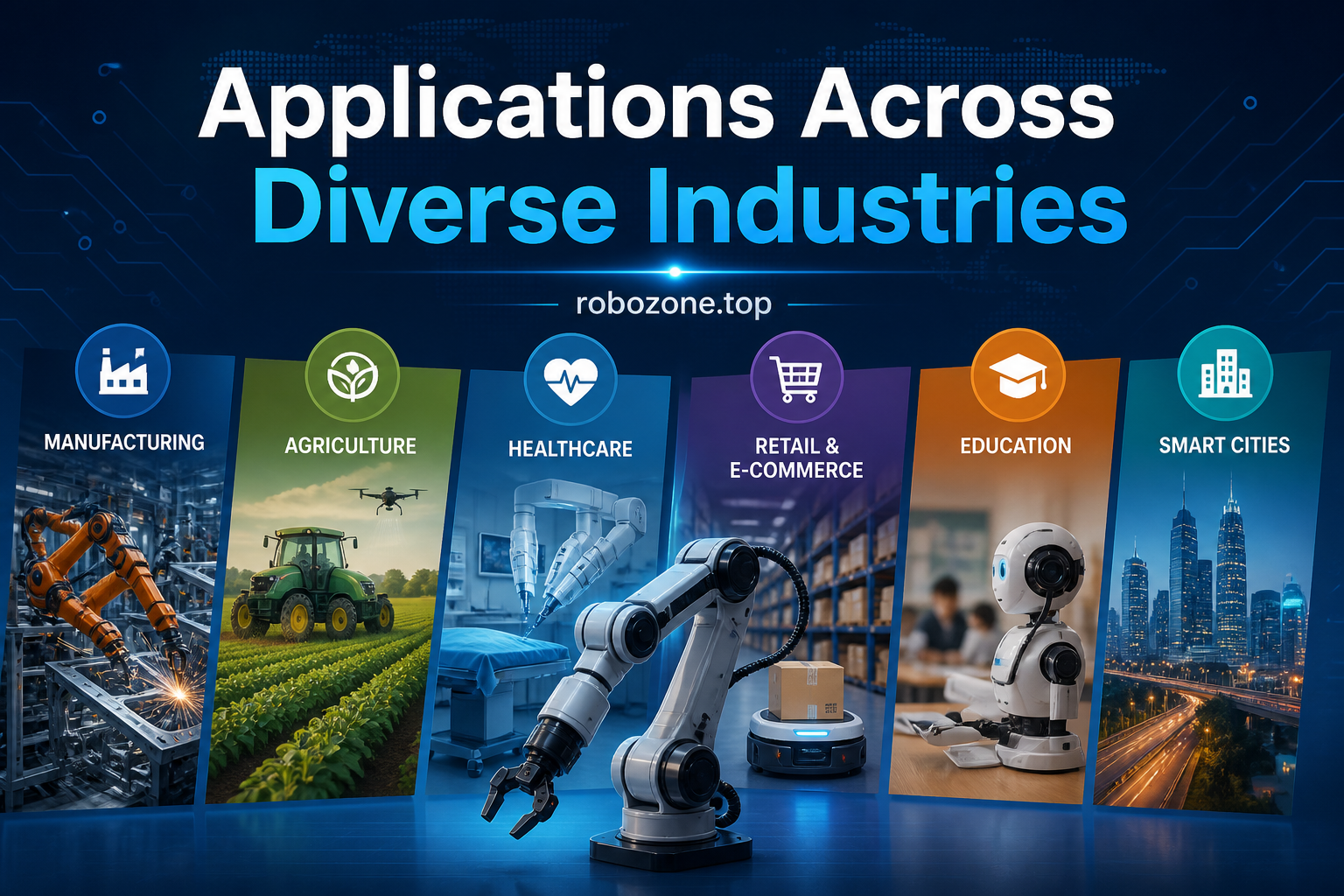
One can’t help but marvel at the dexterous prowess of AgiBot A2 when applying it across various industrial sectors. In healthcare, imagine AgiBot A2 assisting surgeons in performing precise incisions, offering not just an extra pair of hands but ones that don’t fatigue. The industrial sector also benefits significantly as robots like AgiBot A2 take on tasks requiring both speed and precision—assembly lines, packaging delicate components, or engaging in repair tasks that are too dangerous or monotonous for humans.
The AgiBot A2’s hands can manipulate almost any object, from the smallest circuit in the tech industry to the fragile glass used in luxury homes. But where does it really shine? One area that stands out is its deployment in smart homes. Picture this scene: a humanoid robot akin to AgiBot A2 brewing morning coffee, slicing bread without spilling crumbs, and efficiently sorting laundry, transforming mundane household chores forever. These applications illustrate the compelling case for embracing robotics within domestic spaces.
Technical Insights: Sensors, AI, and More
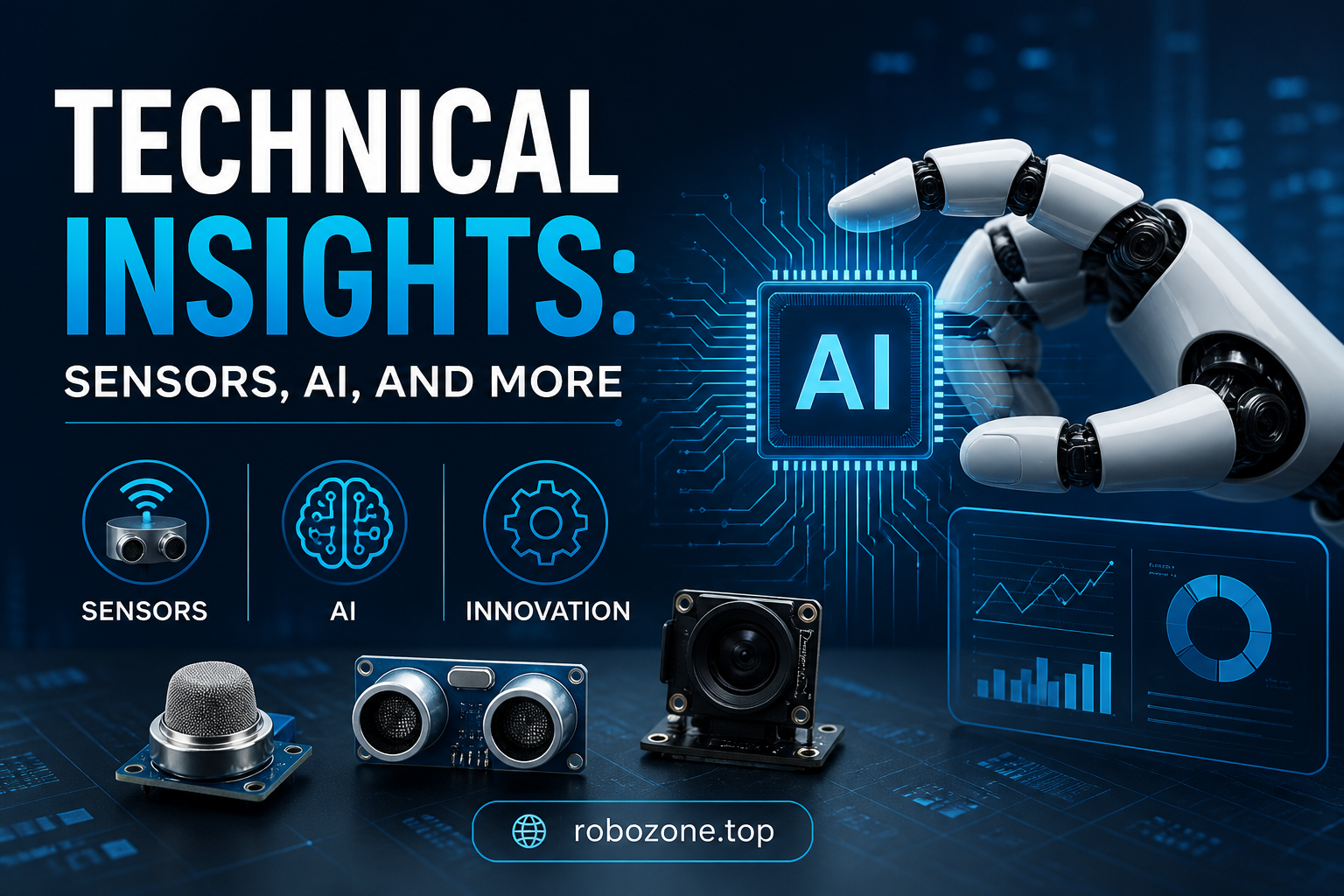
The anatomy of AgiBot A2’s dexterity is largely rooted in its underlying technologies. Its sensory arsenal includes advanced tactile sensors capable of pressure detection with an accuracy that rivals human perception. These sensors, coupled with computer vision, enable AgiBot to ‘see’ and ‘feel’ objects, something vital when engaging in tasks requiring fine-tuned control.
On the processing front, chips such as those developed by NVIDIA empower this robot by enabling lightning-fast computations necessary for real-time decision-making. But it’s the AI at the core of AgiBot A2 that breathes life into its hands. By employing neural networks that mimic human brain function, AgiBot adapts to varied tasks seamlessly, a feature highlighted in IEEE Spectrum’s latest robotics conference.
Mr. Thomas Huynh, an industry expert whose views often set the pace for technological discourse, describes AgiBot A2 as a ‘technical marvel’—a sentiment echoed across technological publications like MIT Technology Review and Stanford AI Lab articles, due to its advanced robotic system integrations.
AGIBOT A2-AGIBOT Innovation (Shanghai) Technology Co., Ltd.
AGIBOT A2 Interactive Service Robot: – H169 cm, W69 kg, Bat 117 wh, Turning 10 cm, Runtime 0 h (battery swap), DoF 7 + Active.
Market Dynamics and Economic Impact

With technology evolving at breakneck speed, it’s no surprise that investments in robotics are setting record highs. Market analysis from McKinsey & Company suggests a significant upward trajectory for the robotics industry, with specialization in advanced dexterity being a lucrative niche. AgiBot A2 is not just a symbol of technological progress; it is an indicator of economic change.
The economic impact of dexterous robots comes with substantial benefits. Increased efficiency in manufacturing processes translates to cost reductions, which invariably ripple through consumer prices. Moreover, the ability of robots like AgiBot A2 to work without fatigue increases operational hours in many sectors, promising a profound shift in productivity metrics.
However, this rapid growth also leads to critical discussions around employment and the displacement of human roles. As World Economic Forum reported, while robotics brings new opportunities, there’s an imminent need for workforce realignment.
Challenges and Limitations
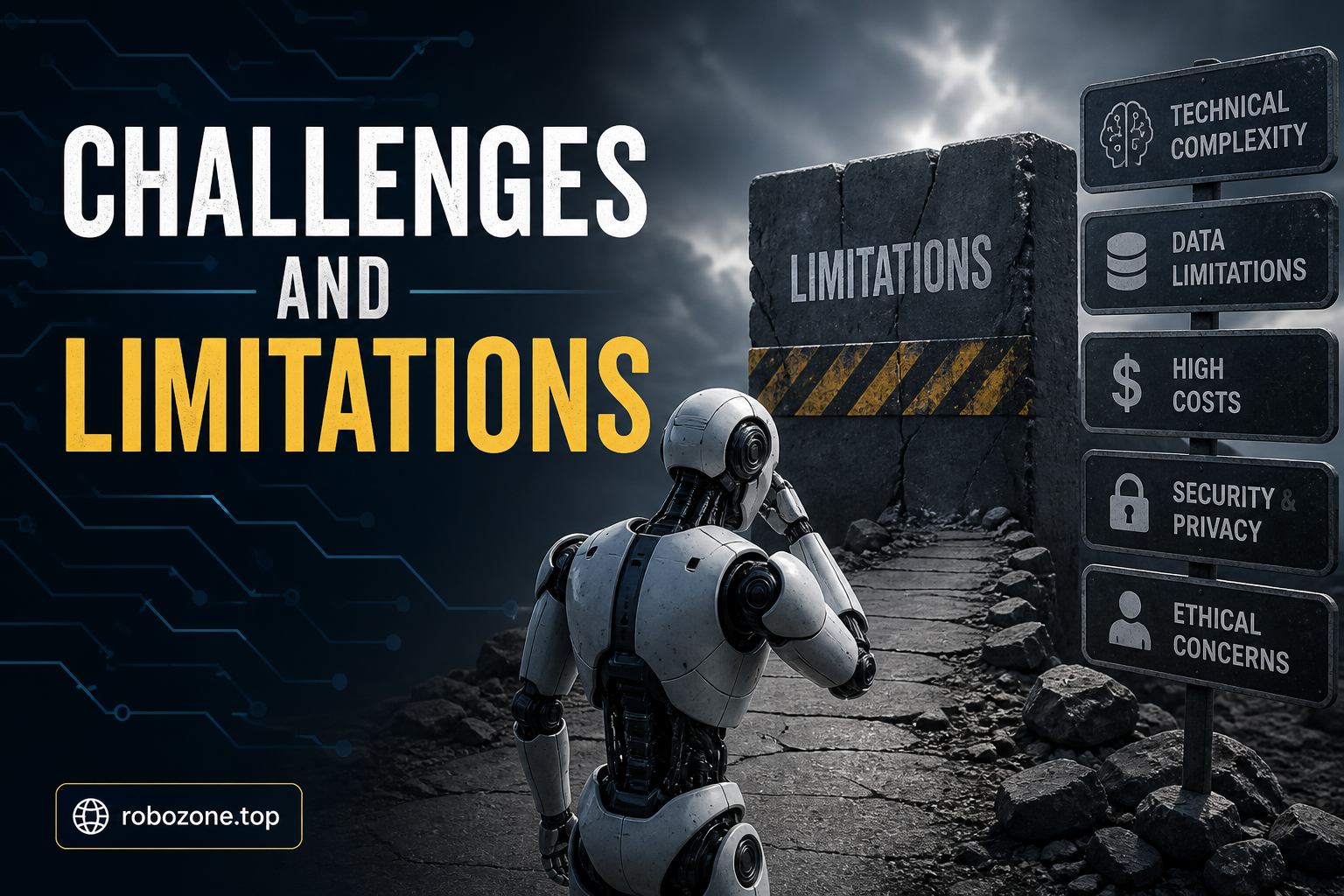
Despite the remarkable advancements showcased by AgiBot A2, challenges persist. One of the primary limitations remains the inability to replicate certain human intricacies, such as intuitive problem-solving during unexpected scenarios—robots can be quite literal, often requiring explicit instructions.
Moreover, while hardware advancements continue to impress, limitations in AI software mean that truly autonomous robots capable of human-like reasoning are still years away. Security also poses a concern as greater connectivity in robotics introduces potential entry points for cyber threats, a topic frequently discussed in the context of Tesla’s robotics initiatives.
There are practical issues too. Power efficiency remains a constraint for many robots, affecting both operational duration and the feasibility of certain applications. As per Stanford AI Lab’s latest reports, these human-machine collaborations still demand significant energy advancements for sustainable integration on a large scale.
Looking Ahead: The Future of Robotics in Dexterity
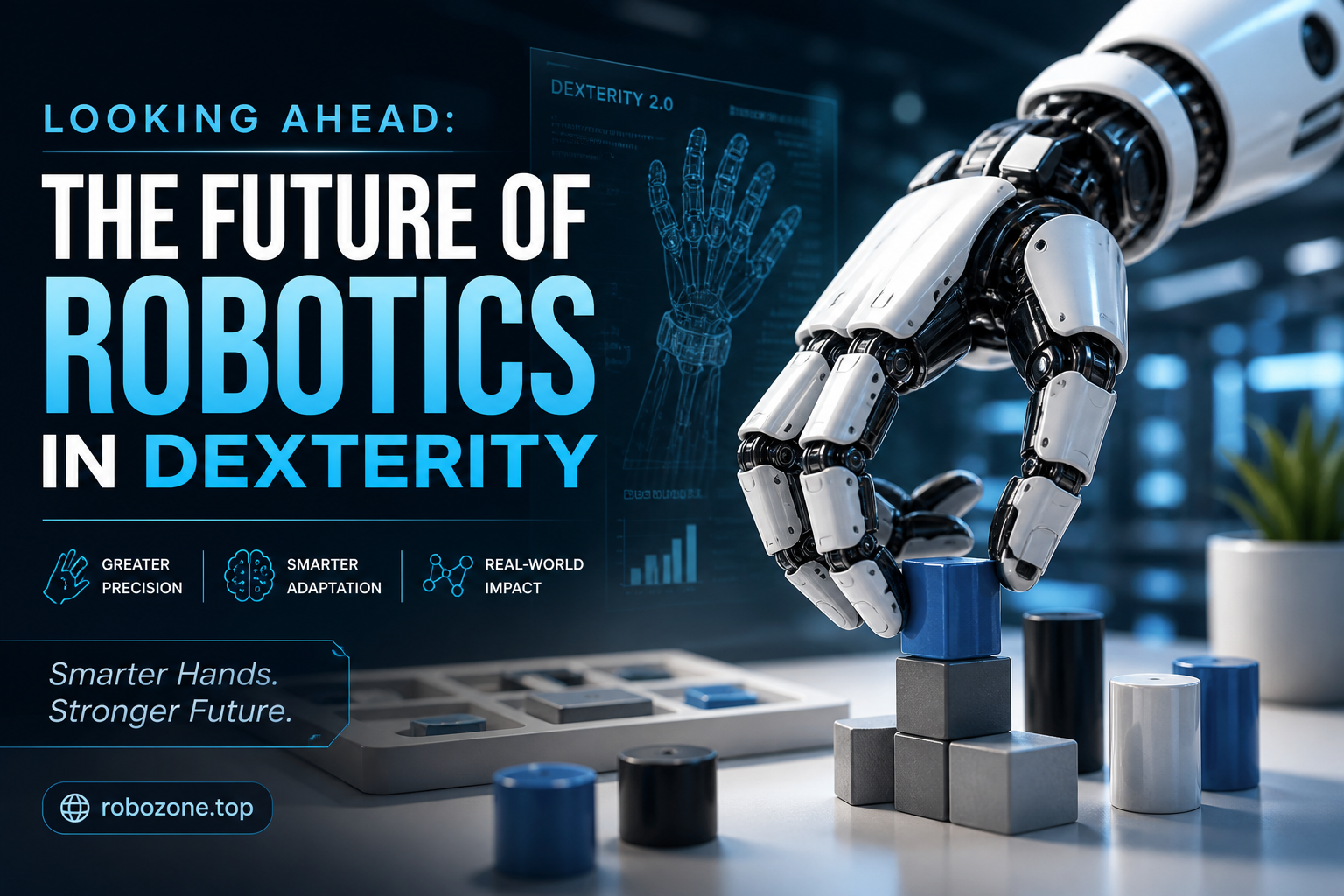
Where does the story of AgiBot A2 lead us in the years to come? The horizon is lush with possibilities. Continued investments in AI research promise innovations that could soon overcome current limitations in hand dexterity. Thomas Huynh argues, with his characteristic enthusiasm, that AgiBot A2 is merely ‘the tip of the iceberg.’
Within the next five years, we should anticipate not just robots with human-like physical dexterity but also cognitive abilities approaching human intuition. As collaborative robots evolve, they promise to transcend their roles as assistants, becoming partners in domains as varied as education, eldercare, and even child development.
Long-term, the integration of more intuitive AI will see robots participating in multifaceted roles that blend seamlessly into the fabric of daily life, reshaping societal norms and structures in unprecedented ways.
Strategic Insights for Future Developments
For businesses looking to deploy robots like AgiBot A2, the emphasis should be on strategic planning and workforce training. Developers should invest in flexible AI systems that allow robots to learn and adapt, enhancing their value over time. From a consumer perspective, staying informed about advancements is key to making informed decisions regarding their adoption of robotic assistance.
Moreover, stakeholders should focus on integrating ethics into robotics development, ensuring that as these machines proliferate, they enhance rather than disrupt human society.
Ultimately, companies like Boston Dynamics, Google DeepMind, and emerging startups are not just vending machines of technology. They hold the keys to a future dominated by sentient machines capable of as much creativity as precision. The real challenge lies in balancing technology’s limitless potential with humanity’s intrinsic values.
So what comes next? As robotic dexterity continues to evolve, the journey of AgiBot A2 underscores an exciting era of possibilities and challenges. While today’s achievements are commendable, they are just preludes to the potential innovations that lie ahead. Staying at the forefront of technological advancements and fostering collaborative dialogues will be essential for navigating the dynamic landscape of robotics.
The profound impact of dexterous robots will depend on how we, as a society, choose to shape and embrace this unfolding narrative. Let’s look ahead with anticipation, for the future is within our reach, and its sounds—a symphony orchestrated by humans and robots alike—will be breathtaking.
Thomas Huynh – Admin of RoboZone.top
References & Further Reading:
- MIT Technology Review — https://www.technologyreview.com
- IEEE Spectrum — https://www.spectrum.ieee.org
- McKinsey & Company — https://www.mckinsey.com
- Stanford AI Lab — https://ai.stanford.edu
- NVIDIA Research — https://research.nvidia.com
- International Federation of Robotics — https://ifr.org
- Tesla Robotics Initiative — https://www.tesla.com
- World Economic Forum – https://www.weforum.org