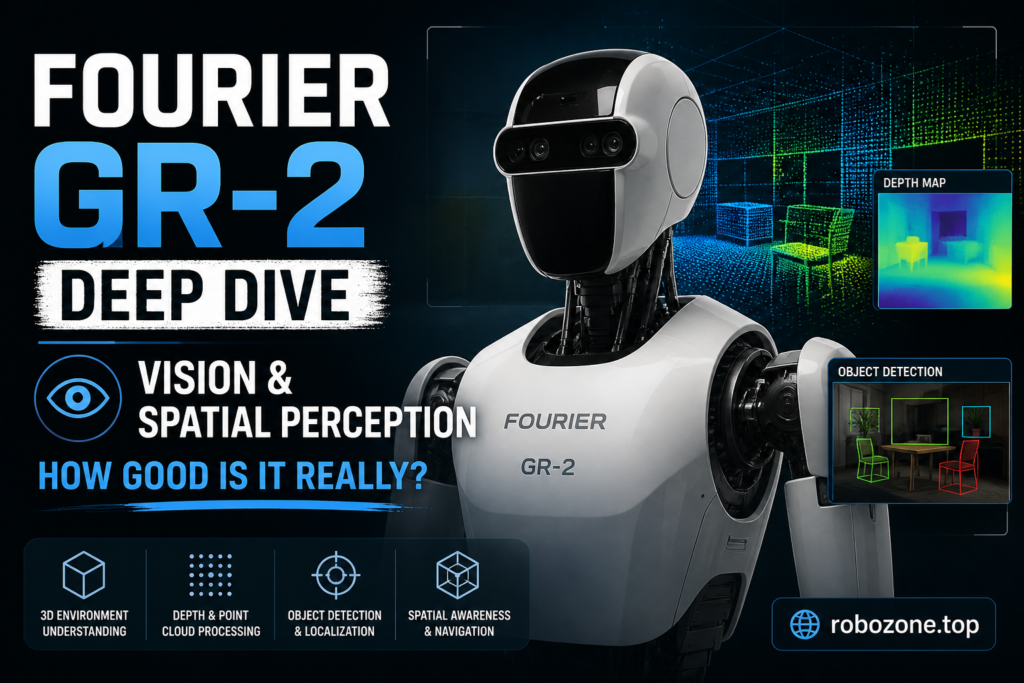
In a world racing towards greater autonomy, particularly in the robotics realm, few advancements are as intriguing as those in vision and spatial perception. The Fourier GR-2 has emerged as a frontrunner in this technological sprint, promising a level of sophistication that could redefine what’s possible in robotics. But what sets the GR-2 apart? How about its vision and spatial perception capabilities—how good are they really? Today, we go beyond surface-level inspections into the intricate details that make or break this powerhouse of technology.
Understanding the Core Concept of Fourier GR-2
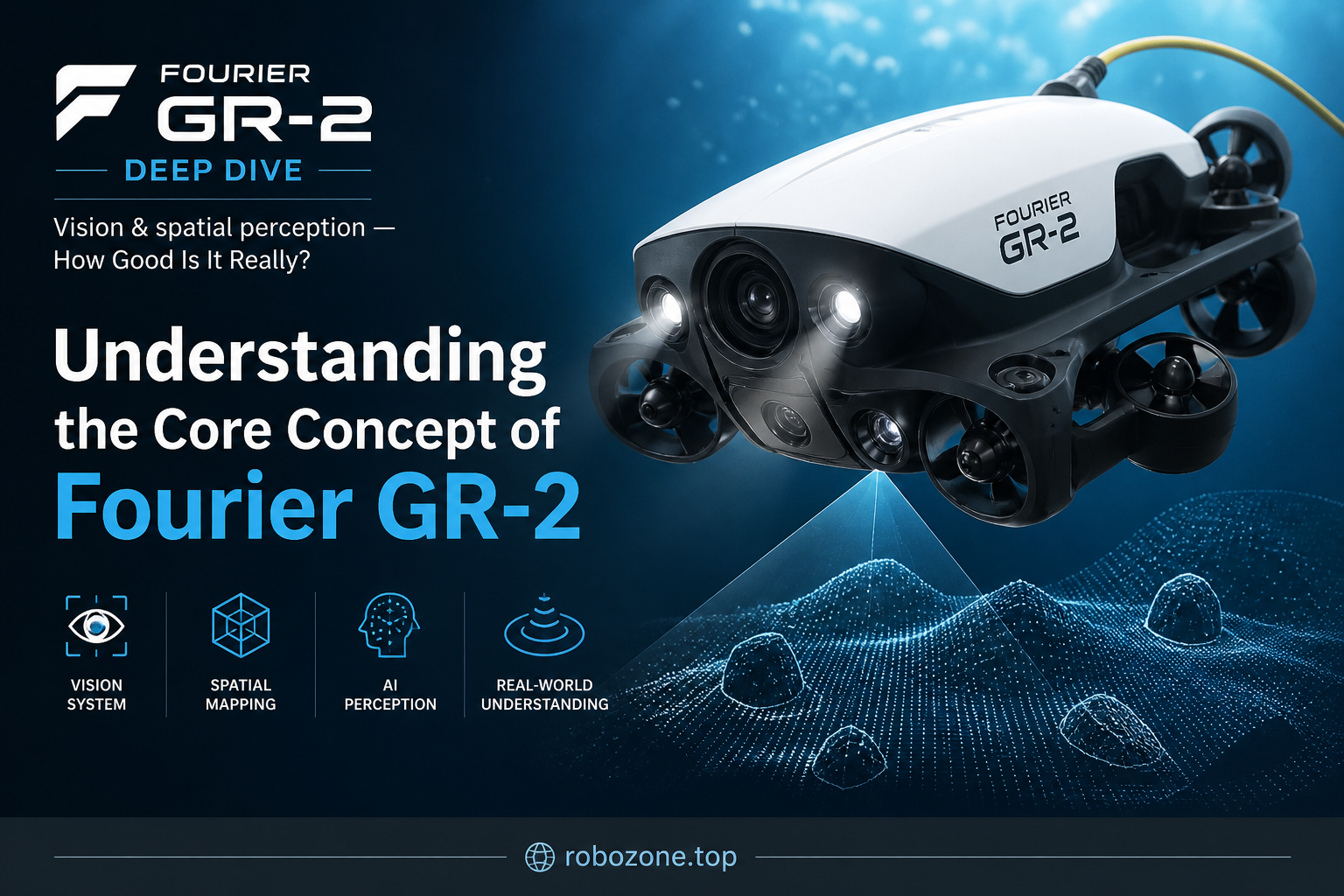
The Fourier GR-2 is not just a robot. Think of it as the poster child of modern mechanical ingenuity and AI synthesis. At its core, the GR-2 is designed to map and understand the environment much like a human would. This involves not just seeing or perceiving objects but understanding their spatial relationships to interact effectively. Imagine the way a bat navigates through dark caves using echolocation; the GR-2’s system is visibly sophisticated, albeit with a reliance on advanced sensors rather than ultrasonic pulses.
The bedrock of its perception system is an array of cameras and sensors, each selected to simulate the human sense of sight. These sensors are connected to neural models trained with datasets curated meticulously for accuracy and proficiency in an array of scenarios—from bustling cityscapes to calm rural settings. However, the magic doesn’t end here. This sensory data funnels through a control loop designed to adjust motor actions in real-time, illustrating how responsive and ‘aware’ the GR-2 really is of its surroundings.
Real-World Applications Across Industries
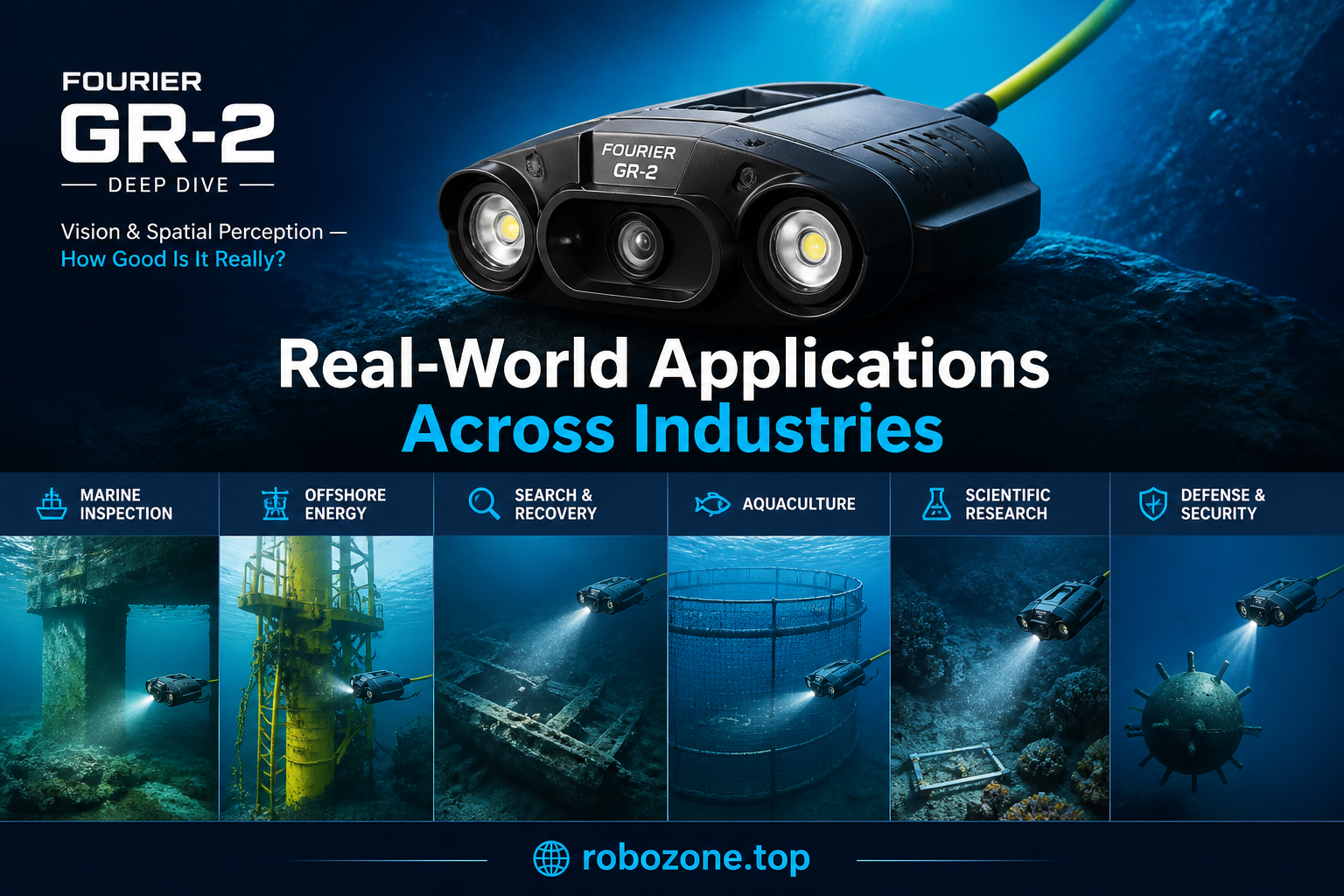
Deploying the Fourier GR-2 is like introducing a well-versed multitasker into any environment. In healthcare, they’re like extra sets of hands, assisting surgeons with precision or transporting medications through intricate hospital corridors. Sounds impressive? It is. In industrial settings, these bots are the answer to reducing human error—a precision-driven assistant managing tasks from assembly lines to warehouse stocking, even pulling through the intricate pathways of logistical networks.
And at home? Picture a helper that isn’t just vacuuming floors or serving coffee, but engaging in caregiving tasks — proving especially useful in demographics such as the elderly population, where mobility assistance is a blessing. The potential applications grow exponentially when you consider the GR-2’s non-expressive nature, adding a warm, human-like presence thanks to its advanced spatial perception capabilities.
Diving into Technical Insights
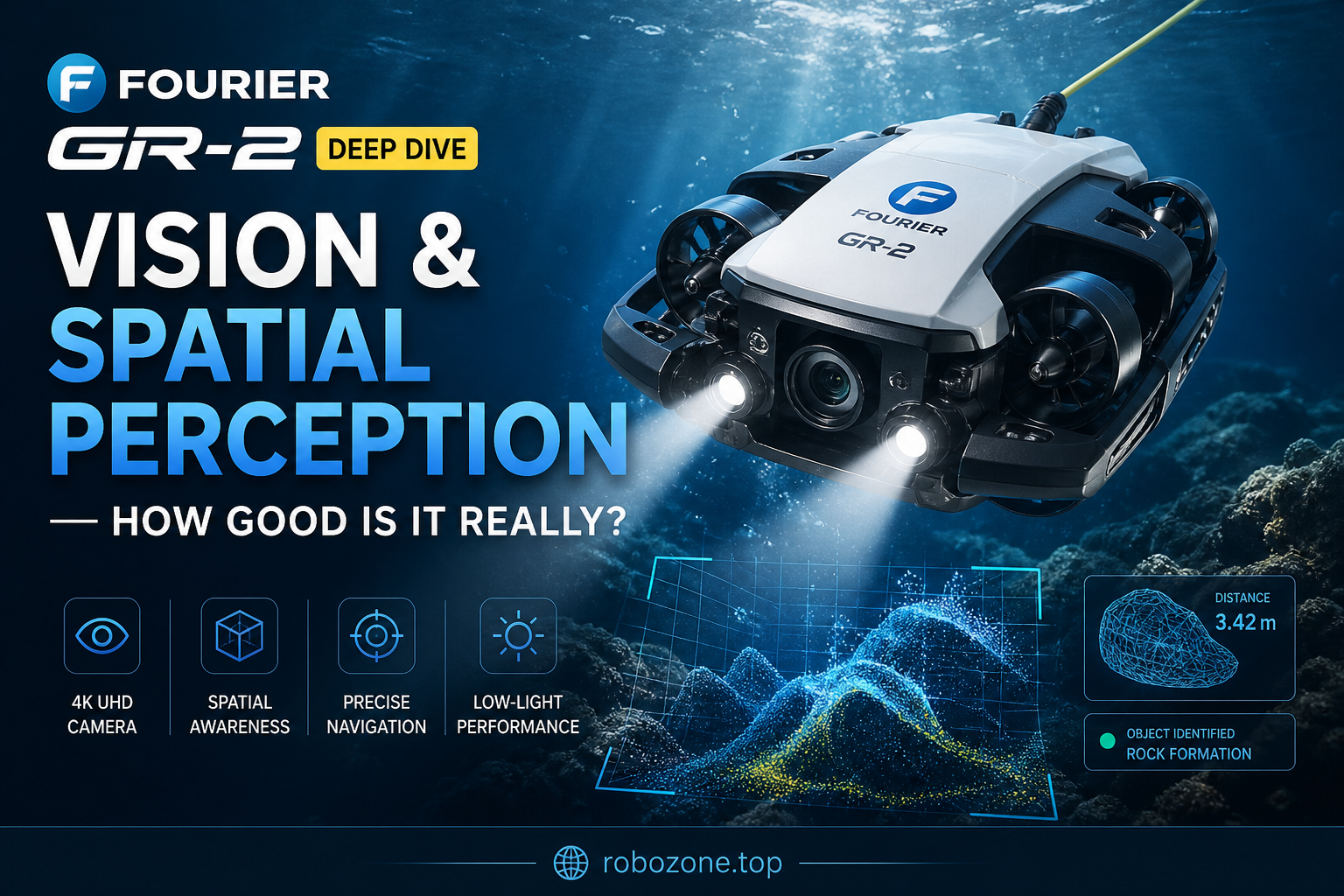
Right, time to roll up the sleeves and pry open the technical chest of the GR-2. This bot runs on a complex integration of artificial intelligence models that meticulously process raw sensory inputs into actionable frameworks. These models aren’t off-the-shelf solutions; they are hand-crafted bundles of algorithms optimized for speed and accuracy, built upon innovations pioneered by places like the Stanford AI Lab and refined through real-world feedback loops.
Then there’s the hardware—those delightful silicon chips. With NVIDIA’s latest processors at its heart, the GR-2 benefits from incredible computational strength without the threat of overheating. These chips execute AI instructions rapidly, allowing the GR-2 to weave through dynamic environments as though a gentle breeze. Complementing are the sensory modules—ranging from LIDAR arrays providing 3D environmental mapping to stereo cameras imitating binocular vision, delivering depth perception.
The Market Analysis: Growth and Economic Impact
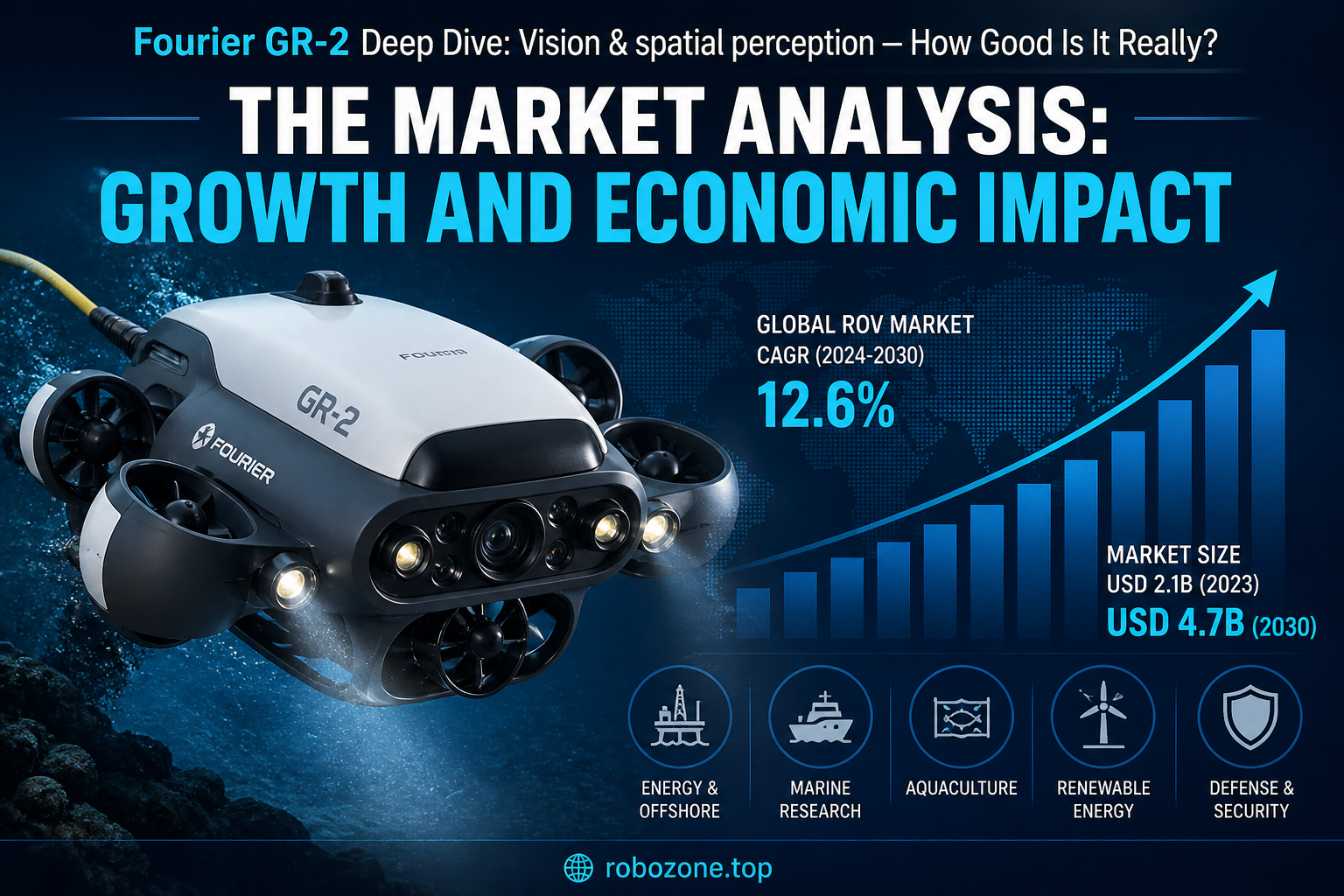
The market for robots like the GR-2 is akin to a symphony reaching its crescendo. Driven by an insatiable appetite for automation, the expected growth charts are staggering, with McKinsey & Company forecasting notable double-digit percentage growth in the robotics sector by 2026. As industry titans invest billions, companies like Tesla are pushing the envelope on autonomous systems, creating a competitive landscape that’ll define the economic blueprint for years to come.
For organizations, the deployment of such robots doesn’t just herald reduced labor costs or increased productivity—it fosters innovation. Industries capitalizing on GR-2’s capabilities see not just immediate operational improvements but long-term strategic advantages. How? By reallocating human capital to more creative, high-impact tasks, thus reshaping workforce dynamics.
Challenges and Limitations
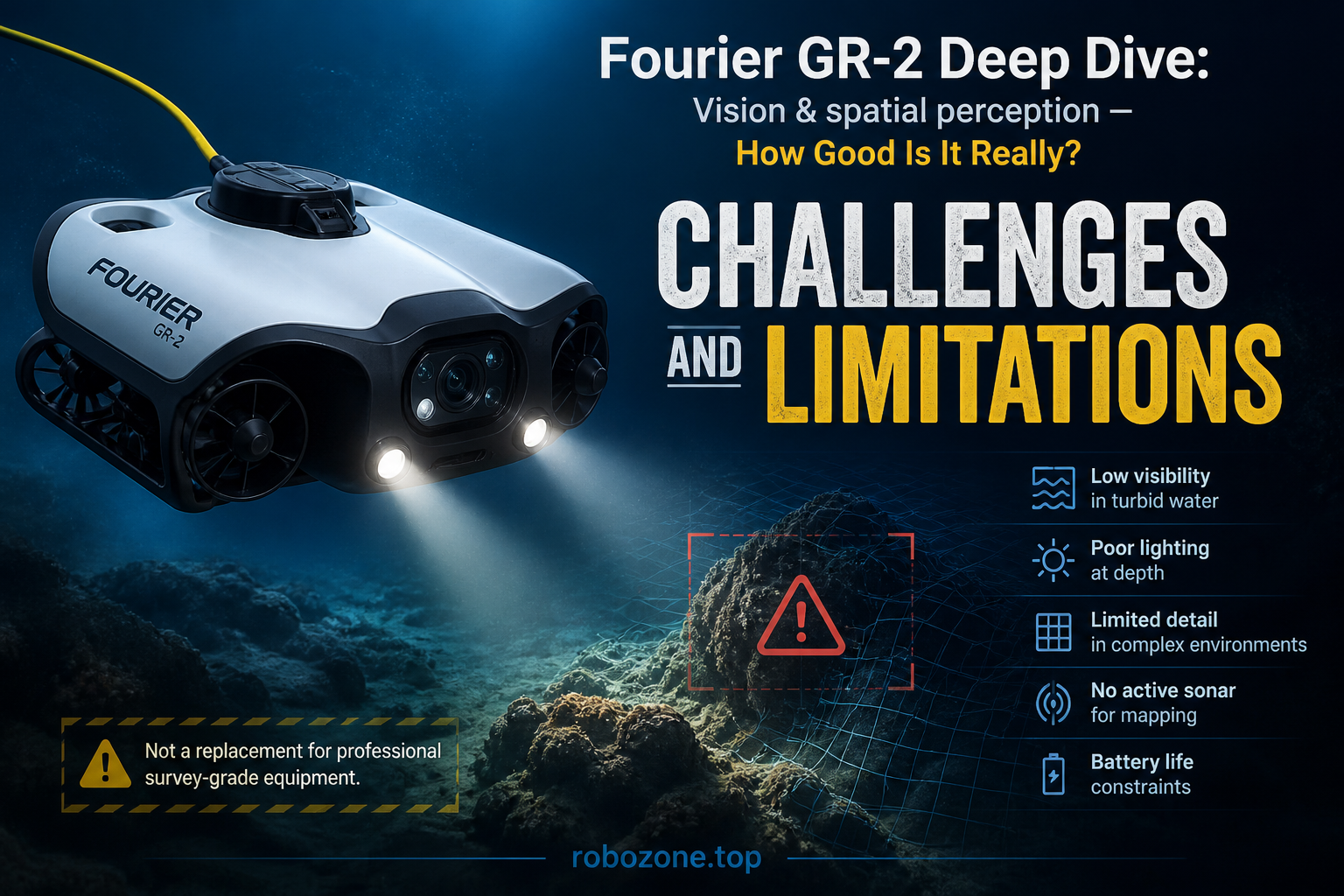
No discussion on the GR-2 would be complete without addressing its Achilles’ heel—no technological marvel is without one. Critics often point to the ethical implications of such automation: the real-world variables GR-2 encounters aren’t just abstract challenges—not all can be resolved algorithmically. Tasks requiring nuanced ethical decisions or deep emotional cognition remain outside its capability. And while its spatial sensors remain impressive, extreme conditions, like overly cluttered environments or adverse weather situations, can throw off its sacred precision.
Moreover, initial investment costs could deter smaller businesses. Over time, however, these costs are expected to fall, as mass production techniques improve, much like early television sets losing their luxury status — democratizing access to cutting-edge technology.
Future Predictions: Charting the Next 5 Years
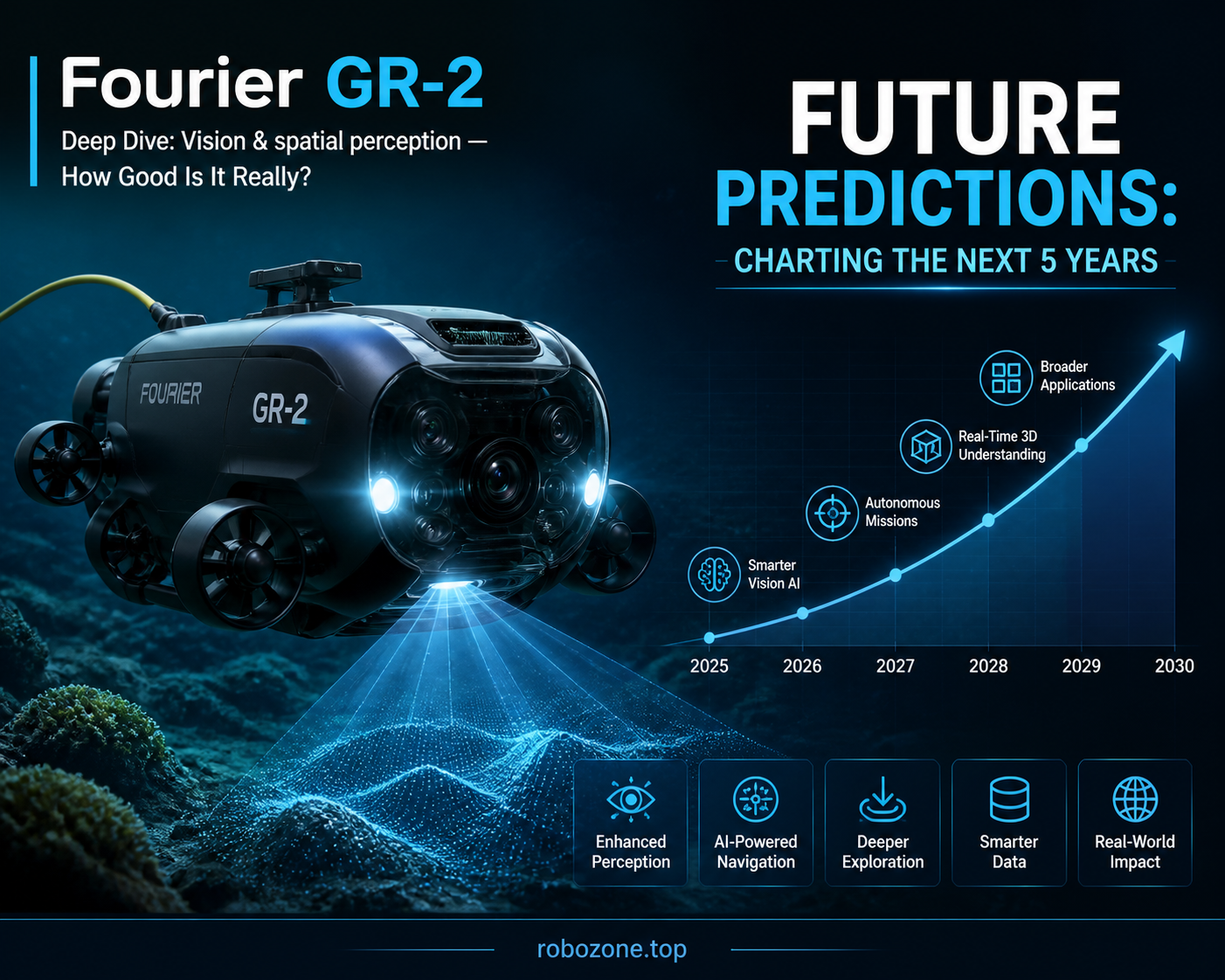
Looking forward, the GR-2 is just the beginning — an appetizer to what’s in store for the robotics industry. Advances in quantum computing foreshadow an evolution in AI capabilities that could resolve present spatial perception limitations. We can anticipate the burgeoning use of these robots not just individually but collaboratively, working in swarms — akin to ants operating with military precision, yet warm with friendly programming.
By 2030, global automation levels could see GR-2 presiding as patriarchs above myriad autonomous processes, where they’re orchestrators of wider symphonies rather than lone performers. Regulatory frameworks examined today navigate their rightful place in societal and operational ecosystems, prompting conversations as crucial as the technological innovations themselves.
Strategic Insights for Businesses and Developers
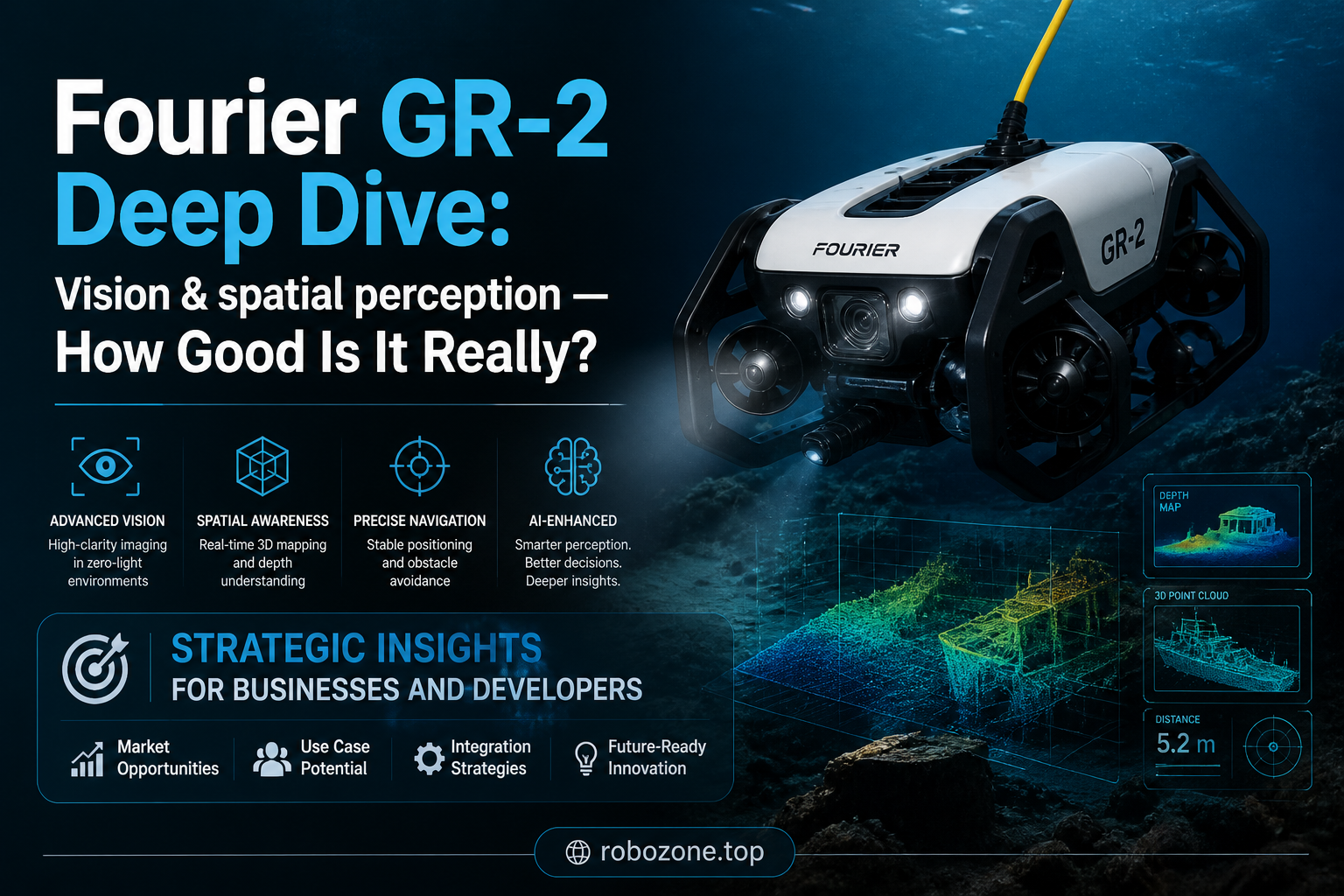
For businesses eyeing robotic integration, aligning with technologies like GR-2 isn’t merely competitive; it’s becoming existential. The key lies in precise strategic adoption plans that capitalize not one-size-fits-all solutions but cleverly customized systems adapting GR-2 to specific operational needs—whether in logistics, manufacturing, or customer service.
For developers, the sphere offers fertile creative grounds. The regulatory landscape, though burgeoning, still allows imaginative leaps — adherence to ethical guidelines yet experimentation in user-centric approaches to robotic interactions holds promise. Above all, confronting ethical dilemmas with serious discussion and solutions formulate shareholder interests guiding principles.
So, where does this leave us? As Fourier GR-2 continues to redefine our expectations of robotics, the world stands on the tipping point of another industrial revolution. Spearheaded by perceptual intelligence, these mechanisms transcend mere novelty—they become essential societal pillars. In this delicate dance of AI, mechanics, and human aspiration, keeping an eye on the ethical, economic, and technical nuances of these developments ensures that this progress enriches rather than disrupts.
If there’s anything Thomas Huynh of RoboZone.top would tell you, it’s this: the robots are here, leading with a firm yet nuanced step. Now, it’s humanity’s turn to stride forward creatively and ethically alongside them.
Thomas Huynh – Admin of RoboZone.top
References & Further Reading:
- MIT Technology Review — https://www.technologyreview.com
- IEEE Spectrum — https://spectrum.ieee.org
- McKinsey & Company — https://www.mckinsey.com
- Stanford AI Lab — https://ai.stanford.edu
- NVIDIA research blogs — https://blogs.nvidia.com
- International Federation of Robotics — https://ifr.org
- World Economic Forum — https://www.weforum.org
- Boston Dynamics — https://www.bostondynamics.com