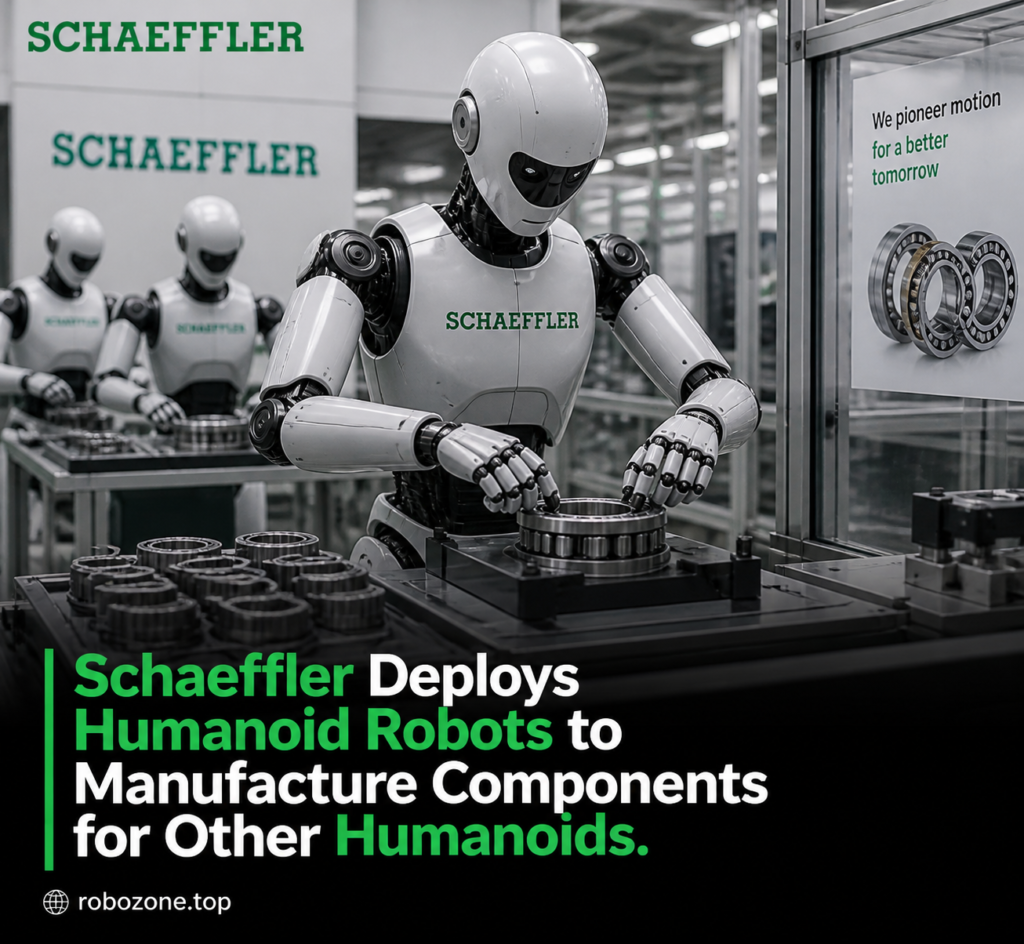
In October 2026, Schaeffler, a prominent name in the engineering sector, unveiled its avant-garde deployment of humanoid robots at its new state-of-the-art Taicang facility in China. This strategic move represents a significant leap in the automation and robotics industry, setting a precedent not just for output efficiency, but for the integration of training data collection and digital twin technology. By employing humanoid robots to manufacture components for other humanoid robots, Schaeffler is redefining the machinery supply chain. This development holds profound implications for engineers, industry professionals, and investors aiming to gauge the next big shift in tech-driven manufacturing.
Why Humanoid Robots for Manufacturing?
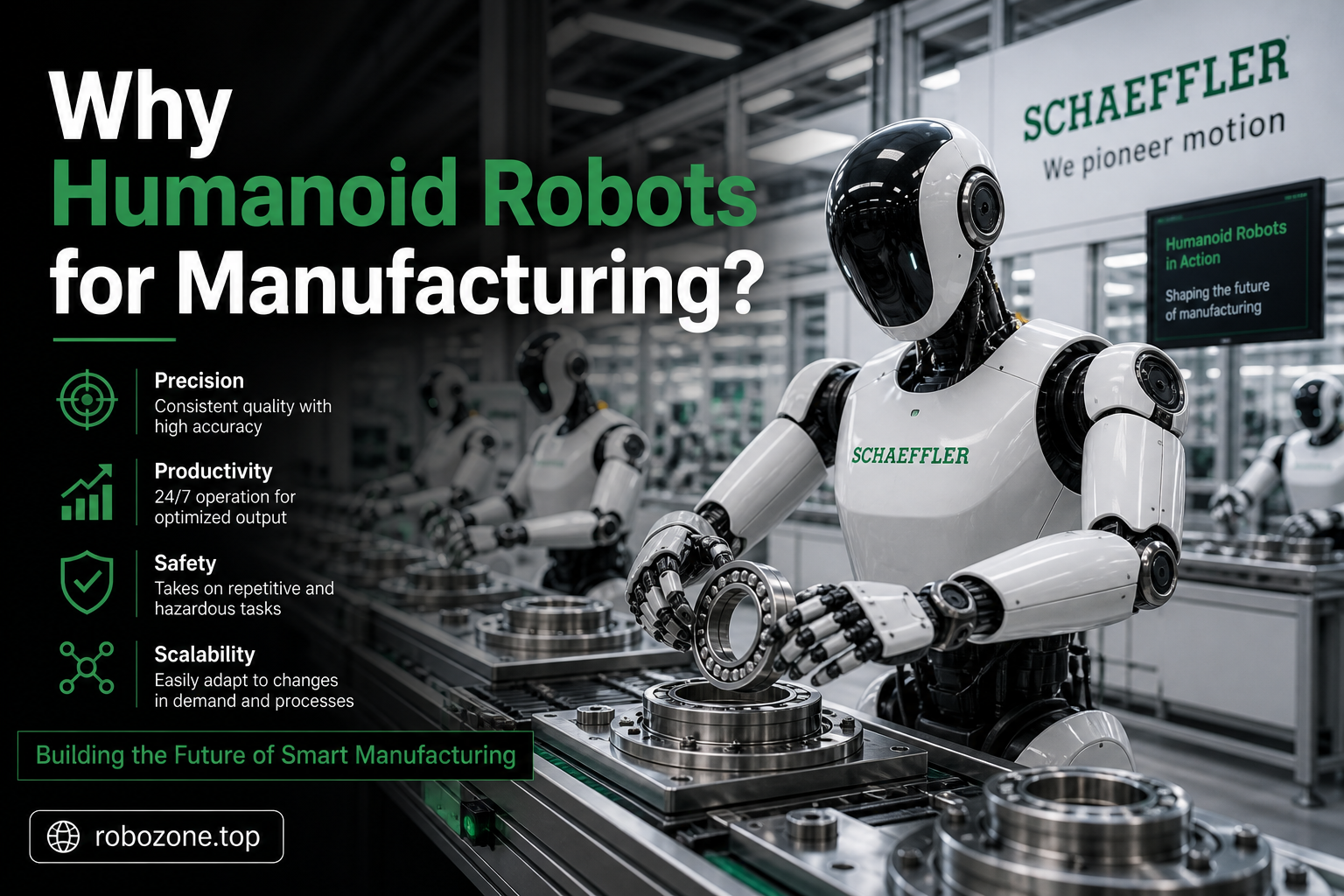
Schaeffler’s decision to use humanoid robots in manufacturing addresses key limitations faced by traditional automation. Unlike conventional industrial robots, humanoid robots are designed to mimic human range of motion and decision-making processes. This allows them to operate seamlessly in environments originally designed for human labor.
According to Schaeffler’s official statements, these humanoids, now embedding AI-driven adaptability, are adept at performing tasks that involve nuanced manipulation and problem-solving, tasks usually requiring human cognition. Incorporating humanoid robots into the manufacturing process not only enhances precision and efficiency but opens the door for constant data gathering, offering real-time insights into system efficiencies and human-robot interaction dynamics.
Technical Aspects and Integration with AI
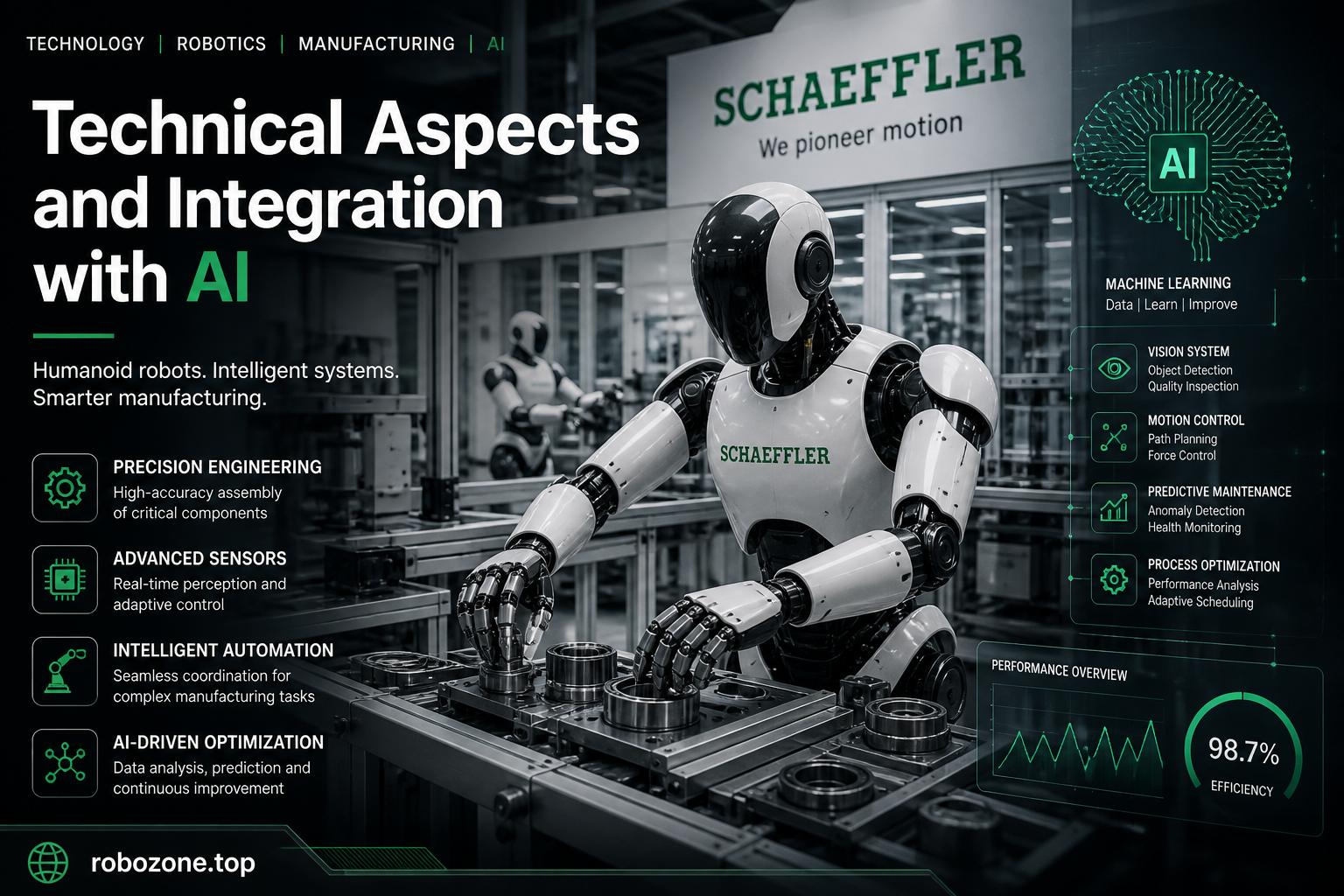
The technological integration within Schaeffler’s Taicang plant leverages cutting-edge AI frameworks enabling these humanoid robots to perform an extensive array of tasks with remarkable dexterity. Each humanoid in operation is outfitted with a comprehensive sensor suite, encompassing visual, tactile, and auditory sensors that ensure high precision in their tasks.
Schaeffler claims the AI stack has been tailored to facilitate deep learning and on-the-go adaptations, sourced from data continuously fed via an embedded network of IoT devices. The real-world application of digital twin technology provides a simulated yet dynamic representation of the production environment, allowing for predictive maintenance and optimization strategies. However, independent verification of the efficiency and error margins of such integrations is awaited, as Schaeffler has yet to publish full performance data independently verified by third parties.
From Factory Floor to Strategic Implications
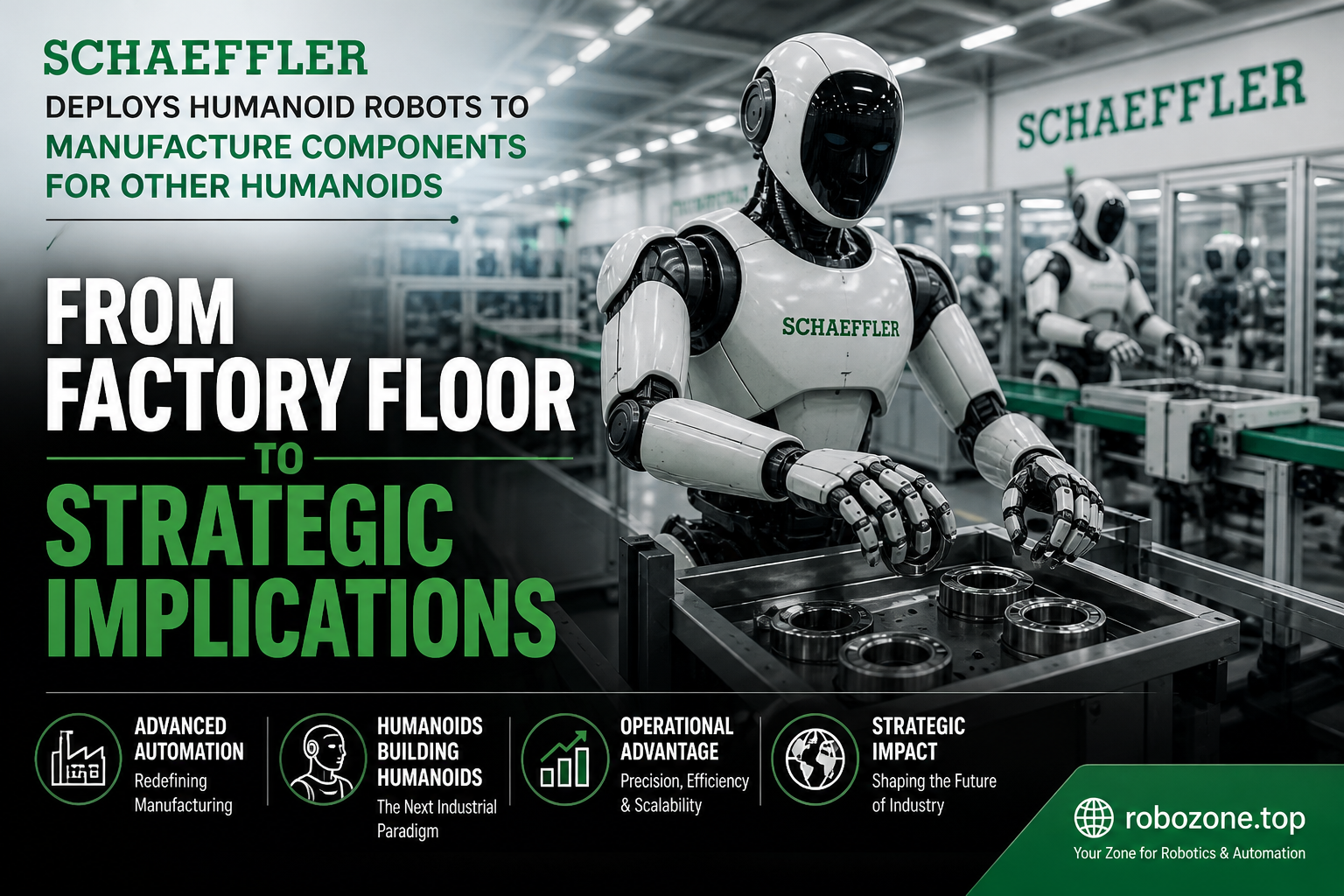
As these humanoids work across five dedicated stations, their presence raises pertinent commercial and strategic questions. Current global trends point towards increased automation as labor costs rise and the need for precision becomes even more critical across industrial applications. This deployment not only reflects a growing trend but also positions Schaeffler at the forefront of embodying AI as a tangible operational advantage, seeking to capture a market increasingly leaning towards robotics-as-a-service models.
As a result, Schaeffler’s humanoid deployment signals more than operational efficiency; it suggests a strategic pivot towards long-term automation solutions that encompass the entire lifecycle from data acquisition through production to interactions with end products. The persistence of economic volatility and trade challenges could see such efficiency-driven strategies gaining traction, directly impacting how manufacturing logistics firms worldwide might approach cost structures and value propositions.
Challenges and the Road Ahead
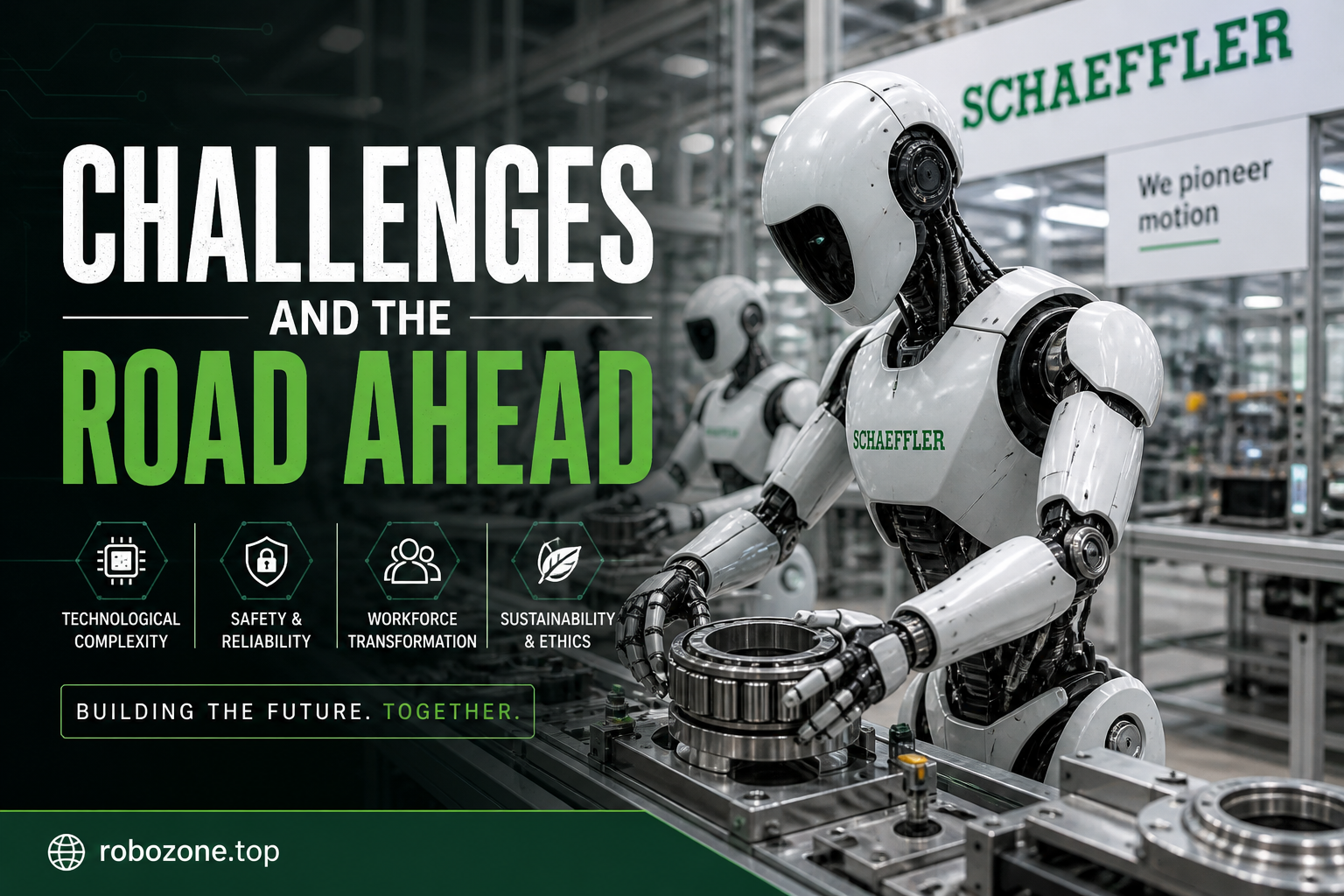
Despite these advancements, challenges loom large. Questions around the scalability of such technologies remain, particularly the economic feasibility of integrating humanoid robots on a large scale. The initial capital expenditure and the ongoing maintenance costs could be prohibitive for smaller firms, potentially limiting broader adoption.
Moreover, the complex interaction between AI systems and human operators poses ethical and safety dilemmas that must be navigated with rigorous oversight and regulatory compliance. Schaeffler will need to demonstrate that their robots can consistently operate within a human environment without compromising safety norms, an area where standard certifications are yet to catch up with technological advancements.
Navigating the Future
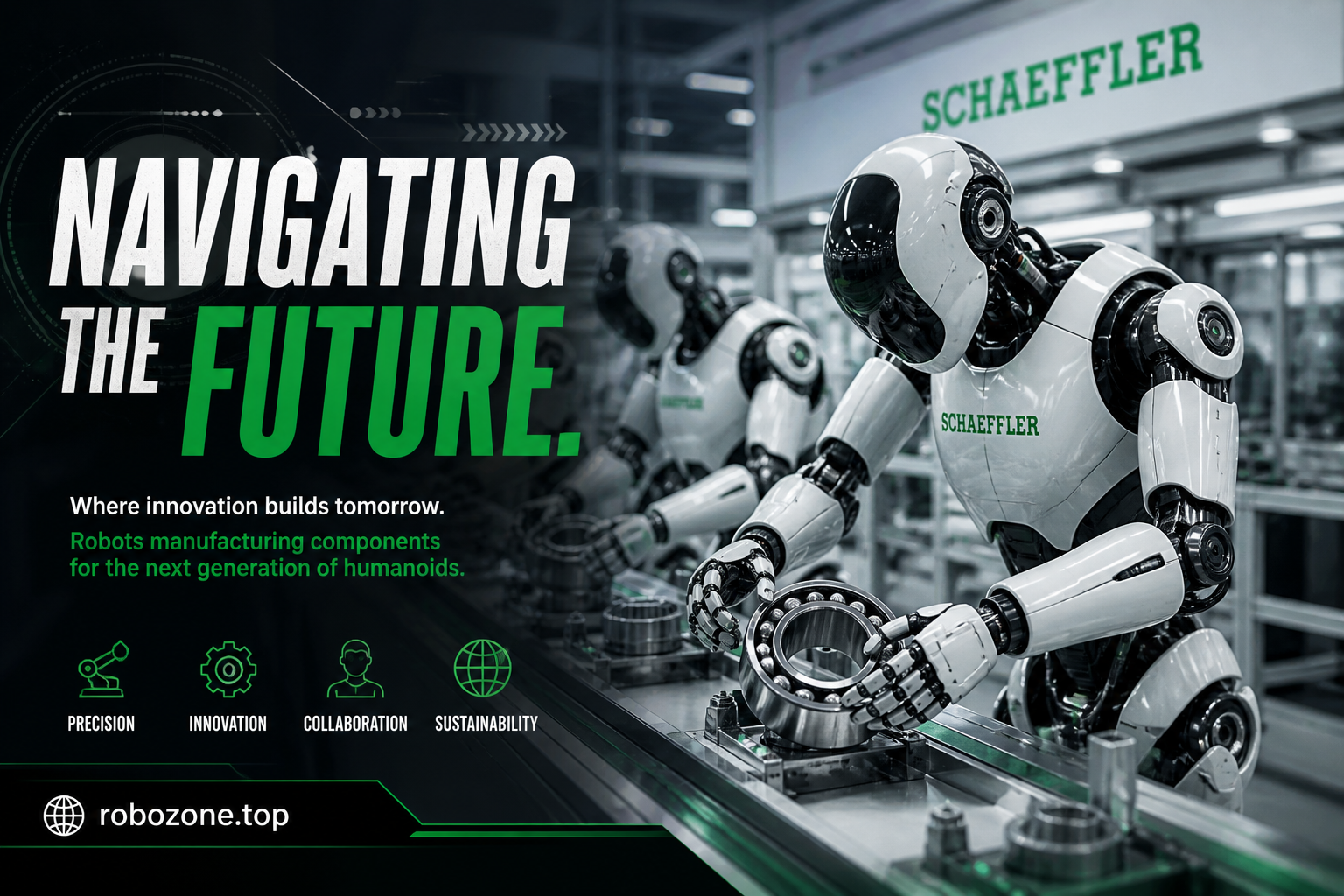
The deployment of humanoid robots at Schaeffler’s Taicang facility illustrates a forward-looking vision of manufacturing deeply intertwined with emerging technological paradigms. Industry stakeholders should keenly observe ongoing field tests and independent reports that will validate the advanced capabilities claimed by Schaeffler.
Progress in this field will depend on overcoming the economic and logistical barriers that currently temper the pace of deep integration of humanoid robots. Analysts and investors alike will benefit from focusing on the forthcoming adaptations within the regulatory landscape and how these robots adapt to diverse industrial scenarios.
What sets Schaeffler’s latest deployment apart is not just the use of humanoid robots, but their integration into a regularly evolving digital and operational framework. It’s an audacious step forward in manufacturing innovation that, while yet to be fully realized on a wider scale, points towards a future where the boundaries between human capabilities and robotic efficiencies begin to blur.
As developments unfold, Schaeffler’s deployment will serve as a critical test bed for emerging technologies in robotics. Those watching the industry should remain attentive not only to the technological innovations but to the organizational and regulatory shifts that these changes inevitably prompt.
Admin of RoboZone.top