The Essence of the Agreement
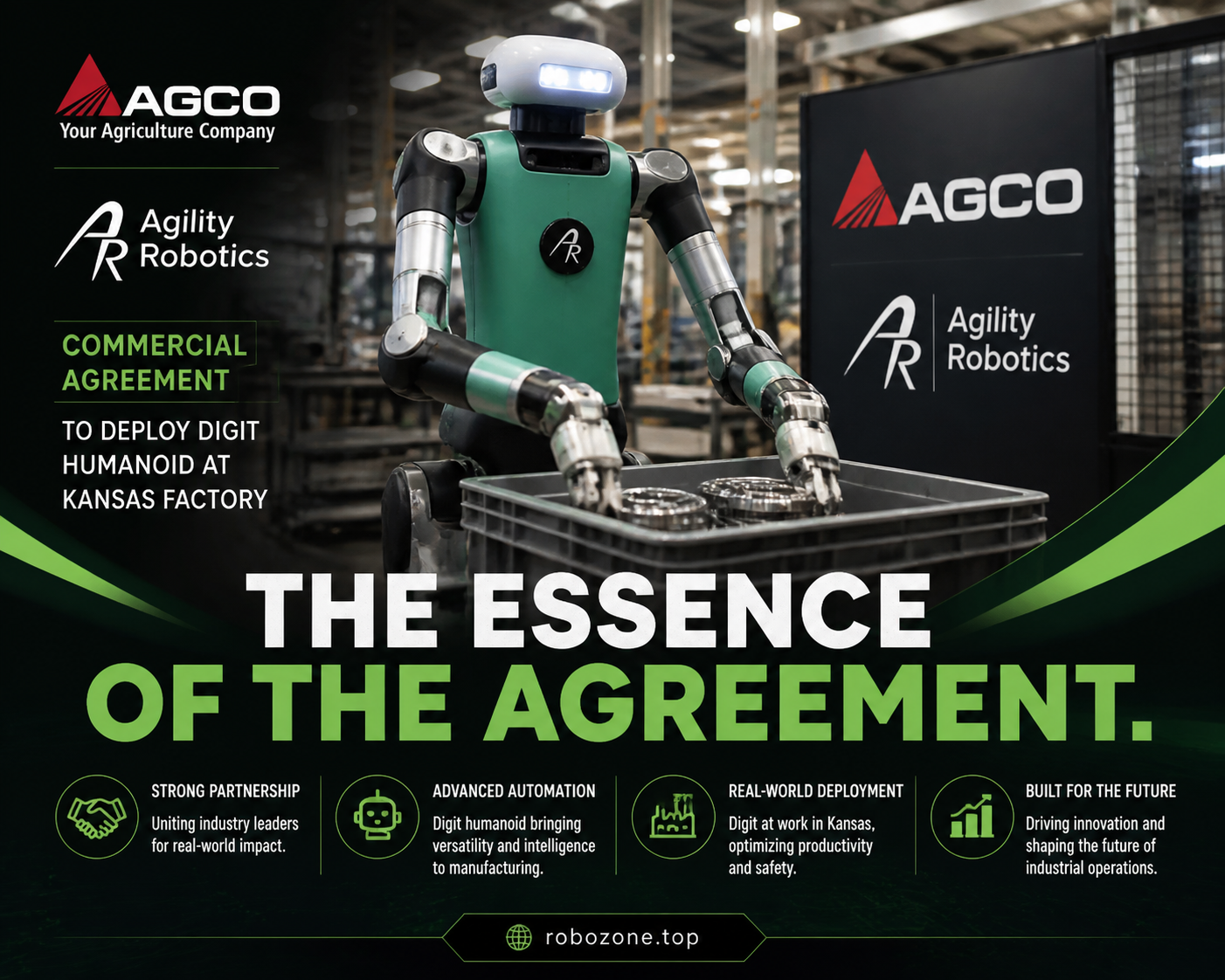
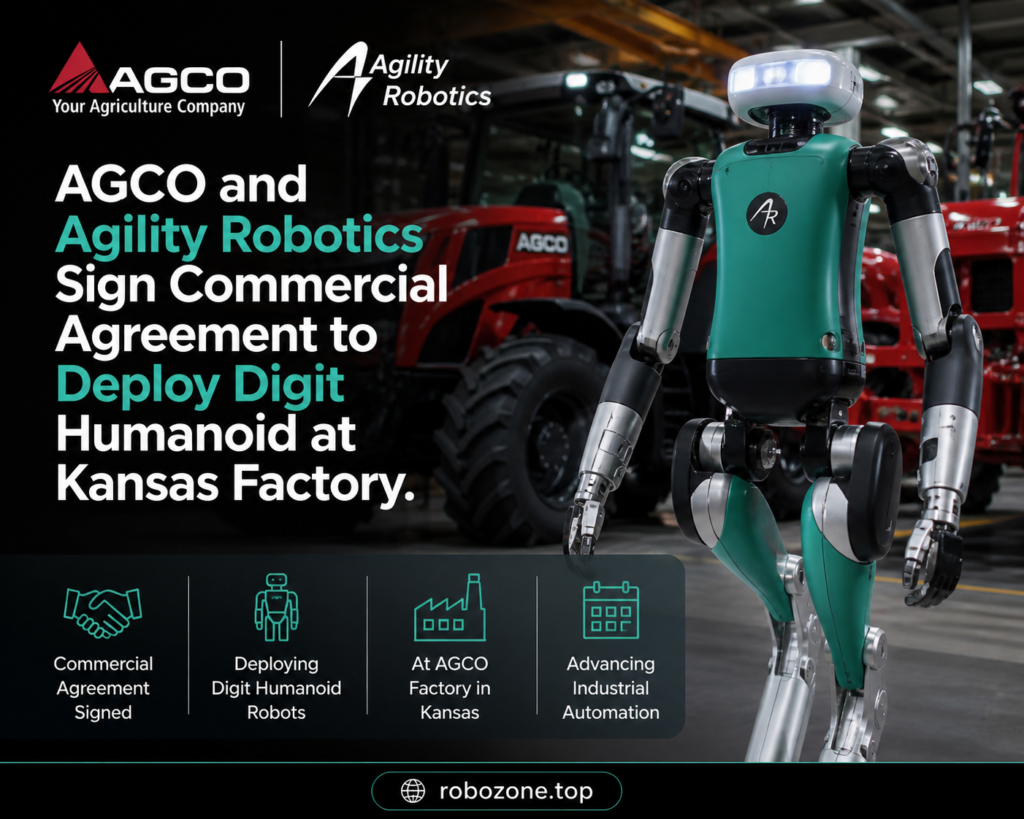
AGCO’s collaboration with Agility Robotics marks a pivotal entry point into integrating humanoid robots within traditional manufacturing environments. With operations anticipated to commence in 2027, the initial phase will involve deploying Digit in roles centered around parts sorting, stacking, and intelligent tote placement for storage at the Hesston facility. The objective is clear: streamline operations, elevate efficiency, and improve workplace safety by automating repetitive and ergonomically demanding tasks.
The partnership highlights AGCO’s commitment to embracing smart manufacturing solutions, a move echoed by industry peers eager to dodge the pitfalls of ergonomic injuries and stagnating productivity. According to AGCO, the deployment of such advanced robotics technologies aligns perfectly with the company’s ongoing efforts to enhance operational efficiencies and sustain manufacturing excellence. Digit, with its ability to execute non-linear tasks autonomously, represents a significant leap towards furthering this goal.
Digit Humanoid Robot: A Technical Overview
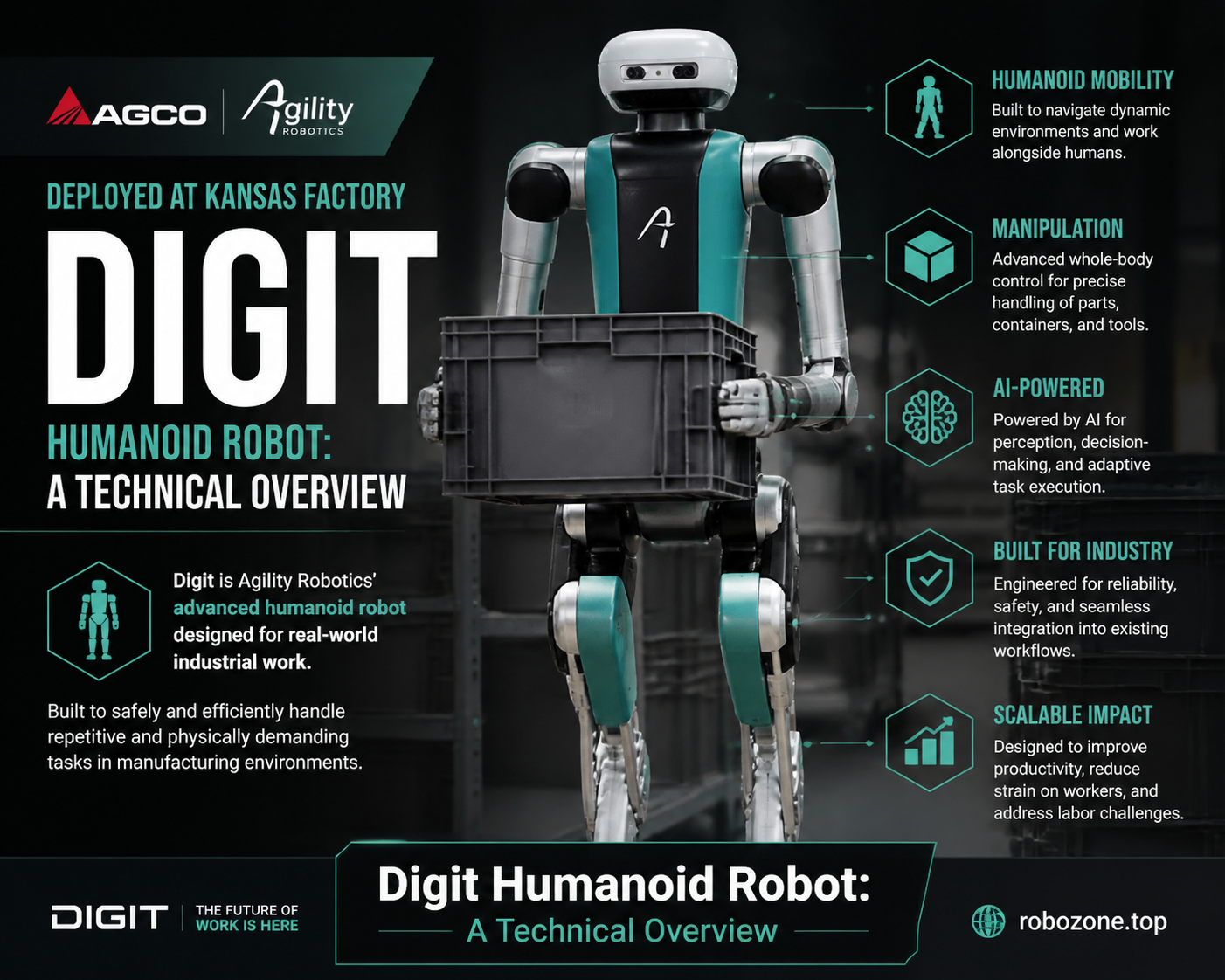
On the surface, Digit may appear to many as a glimpse into a more advanced technological future—a humanoid robot with two legs and a form factor designed to mirror human capabilities in physical environments. Developed by Agility Robotics, Digit’s core architecture supports a variety of uses, from logistics and manipulation tasks to interfacing with human-centric workflows. It is equipped with sophisticated perception systems comprising cameras and sensors, enabling it to navigate complex environments with minimal human intervention.
Powered by onboard AI systems that utilize advanced motion planning and decision-making algorithms, Digit combines nimble mobility with the material handling prowess necessary for its intended deployment at AGCO’s factory. Agility Robotics claims the robot’s actuators and end-effectors can precisely and efficiently manage standard manufacturing components—capabilities that stand to significantly cut down manual errors while potentially reducing workplace injuries linked to repetitive strain.
Harnessing Innovation for Manufacturing Efficiency
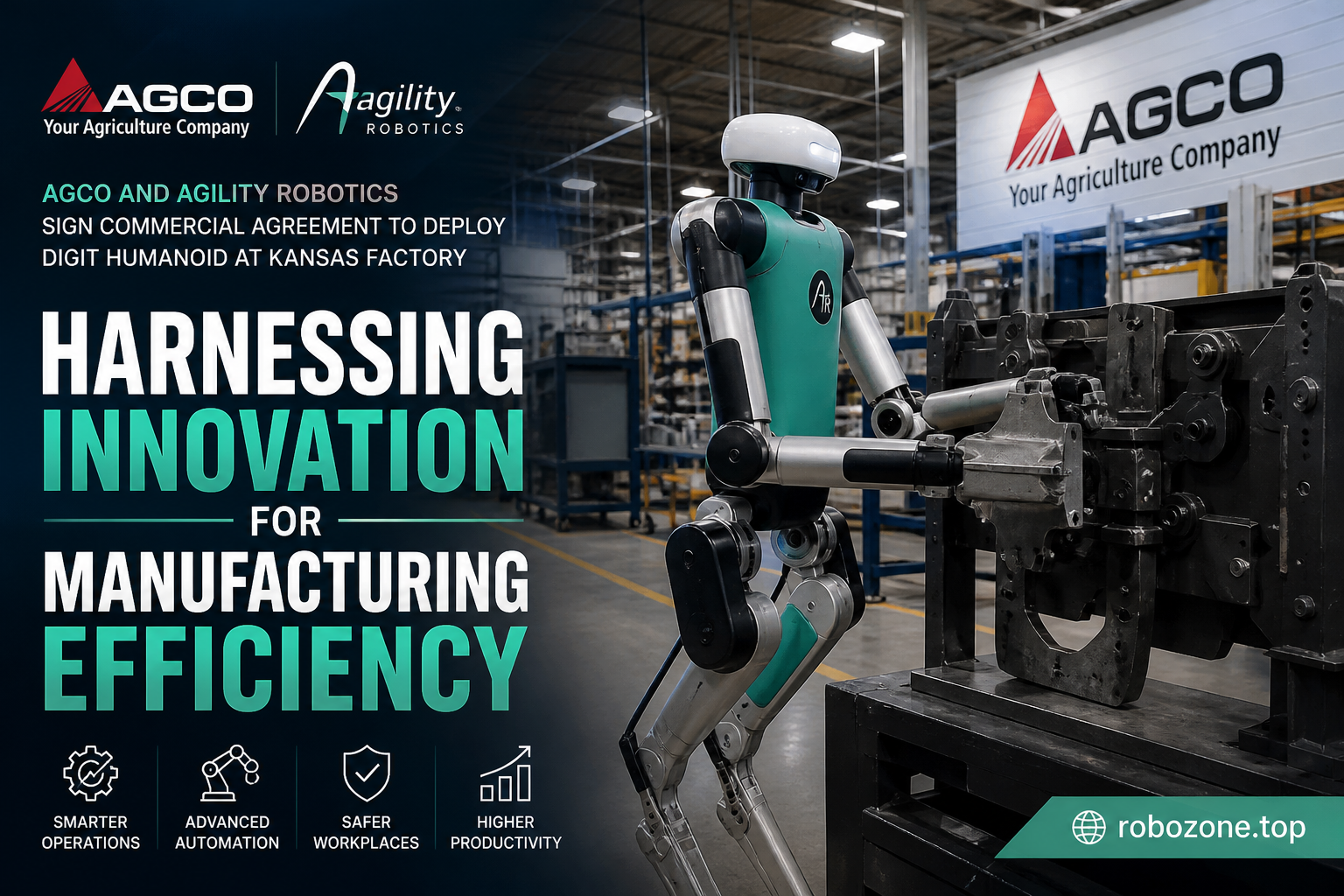
The deployment of Digit at AGCO’s facility is not just about embracing new technology; it’s about redefining the future of manufacturing. The introduction of humanoid robots in such environments aims to alleviate employees from mundane, physically taxing tasks, thereby allowing the human workforce to focus on higher-value activities that current robotics still struggle with due to their nuanced and situational nature.
This strategic shift is part of a broader trend in industrial automation where companies increasingly look towards robotics not just to replace human labor but to augment it. The economic implications are significant, given the potential reduction in labor costs and the ability to operate continuously beyond human limitations, culminating in improved productivity.
Challenges and Considerations in Deployment
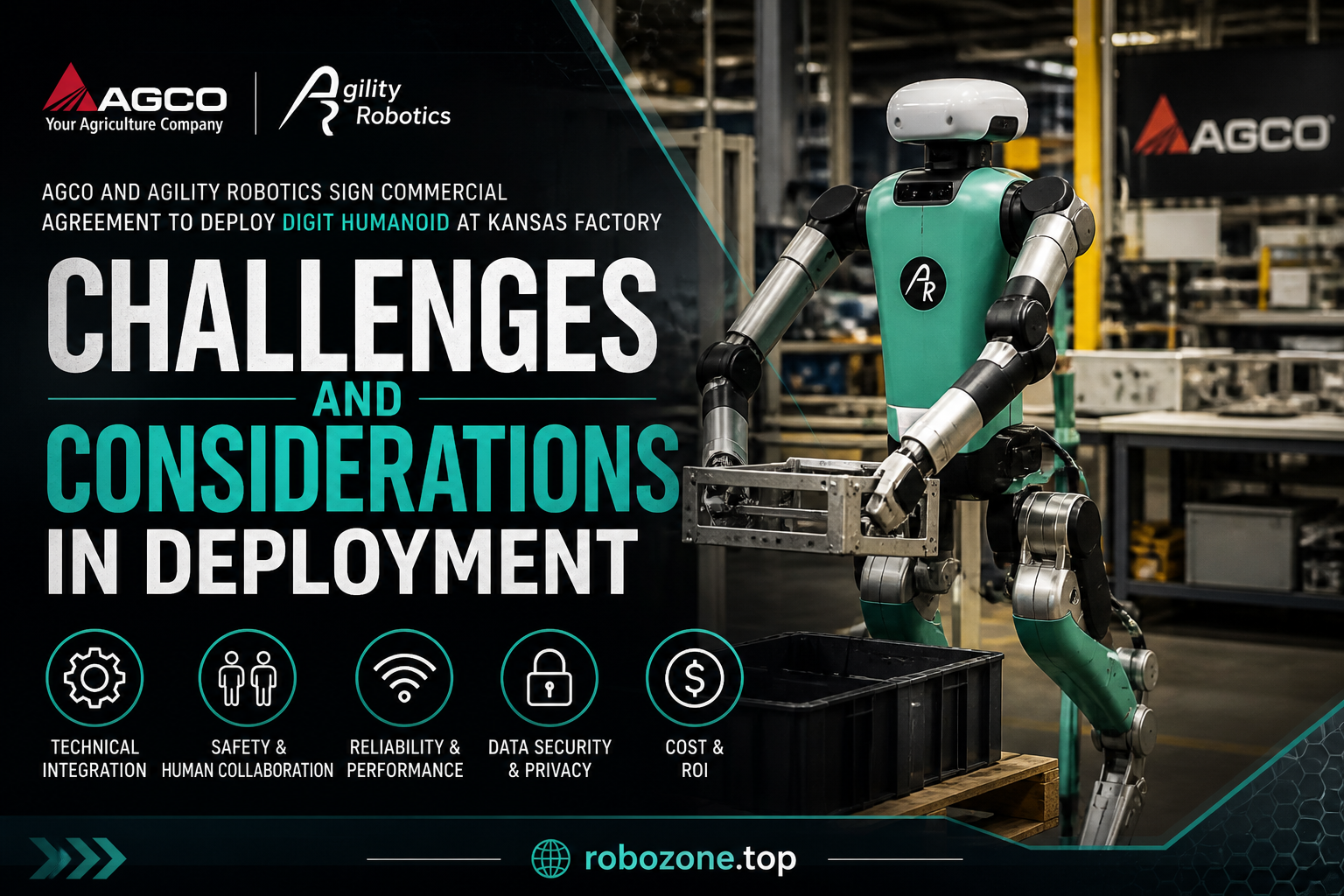
While the promise of integrating humanoid robots like Digit is evident, several challenges temper its potential impact. Manufacturing environments present variable conditions that require constant real-time adaptability—something humanoid robots must master to function seamlessly alongside human colleagues. Furthermore, ensuring the reliability and consistency of such robots in unpredictable factory conditions remains a sophisticated challenge Agility Robotics must navigate during their pilot program.
Equally important is the need for robust power systems to ensure uninterrupted operation. Digit’s runtime and charging capabilities are critical, as they directly affect its operational effectiveness. The company needs to balance performance with practical considerations such as battery life and recharging periods to make continuous deployment viable.
Finally, the integration stands to bring to light regulatory considerations regarding safety certifications and compliance standards—areas where manufacturing and robotic domains often intersect but do not yet fully converge.
Strategic Path Forward
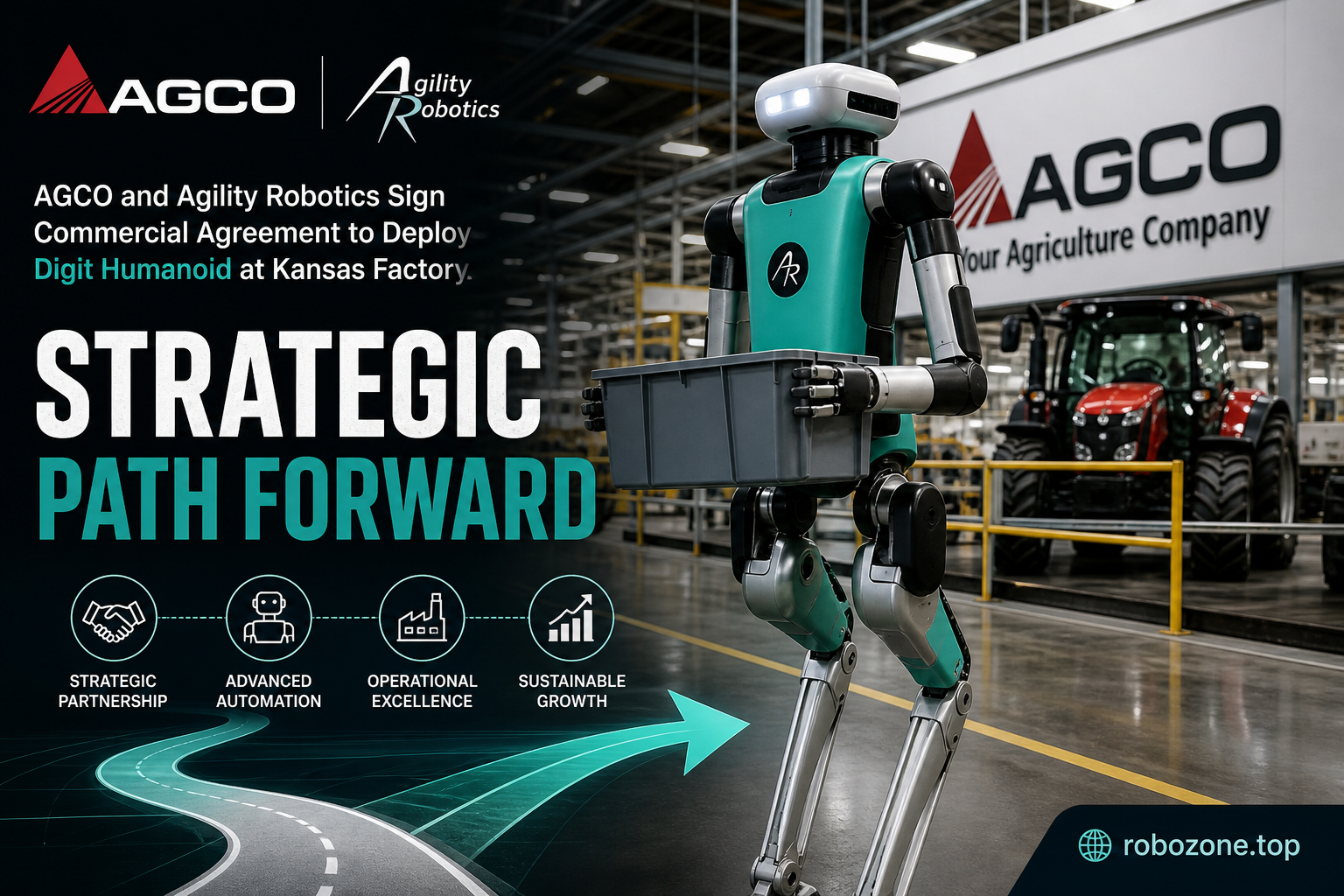
As Agility Robotics advances toward a potential public listing via a SPAC, the pilot with AGCO represents both a validation of their technology and a platform for expansion into further manufacturing applications. For investors and technology watchers, the milestone signals a critical juncture in the evolution of commercial robotics—where the technological utility of a system like Digit may soon align with market demand.
In this nascent stage, competitors and industry professionals will keenly observe how AGCO’s adoption of humanoid robotics impacts operational metrics such as efficiency and ROI. If successful, this partnership could set a precedent for the wider adoption of humanoid robots throughout various sectors beyond agriculture.
The story of Digit’s deployment is one where vision meets pragmatic innovation, and where ambition meets the tangible realities of factory floors. As AGCO and Agility Robotics forge this new partnership, the pathway towards scalable deployment of humanoid robots hinges on addressing technical challenges and proving the economic and ergonomic benefits in real-world conditions. Observers should watch closely as the pilot unfolds, illuminating not only potential but demonstrating the practical impact of robotics in industrial environments. The future of manufacturing might well lie in the hands and feet of robots like Digit—reflecting a tangible convergence of technological aspiration and operational necessity.