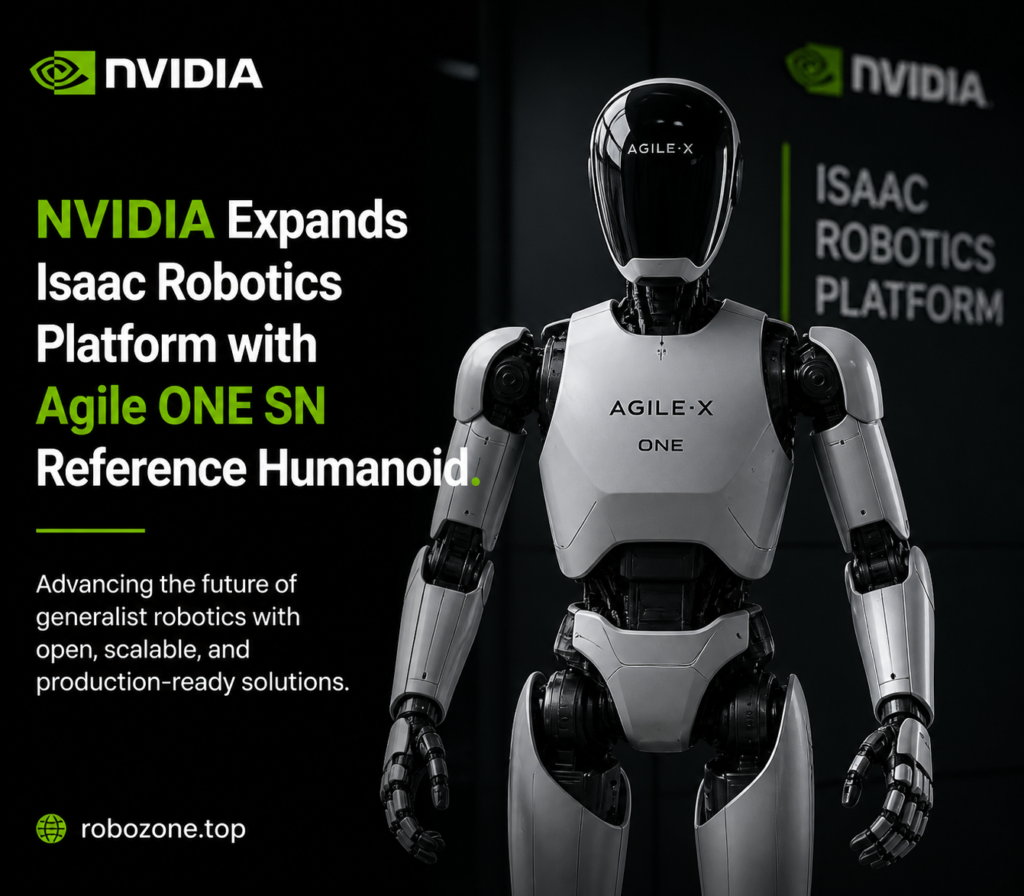
NVIDIA’s Isaac Platform: A Proven Foundation
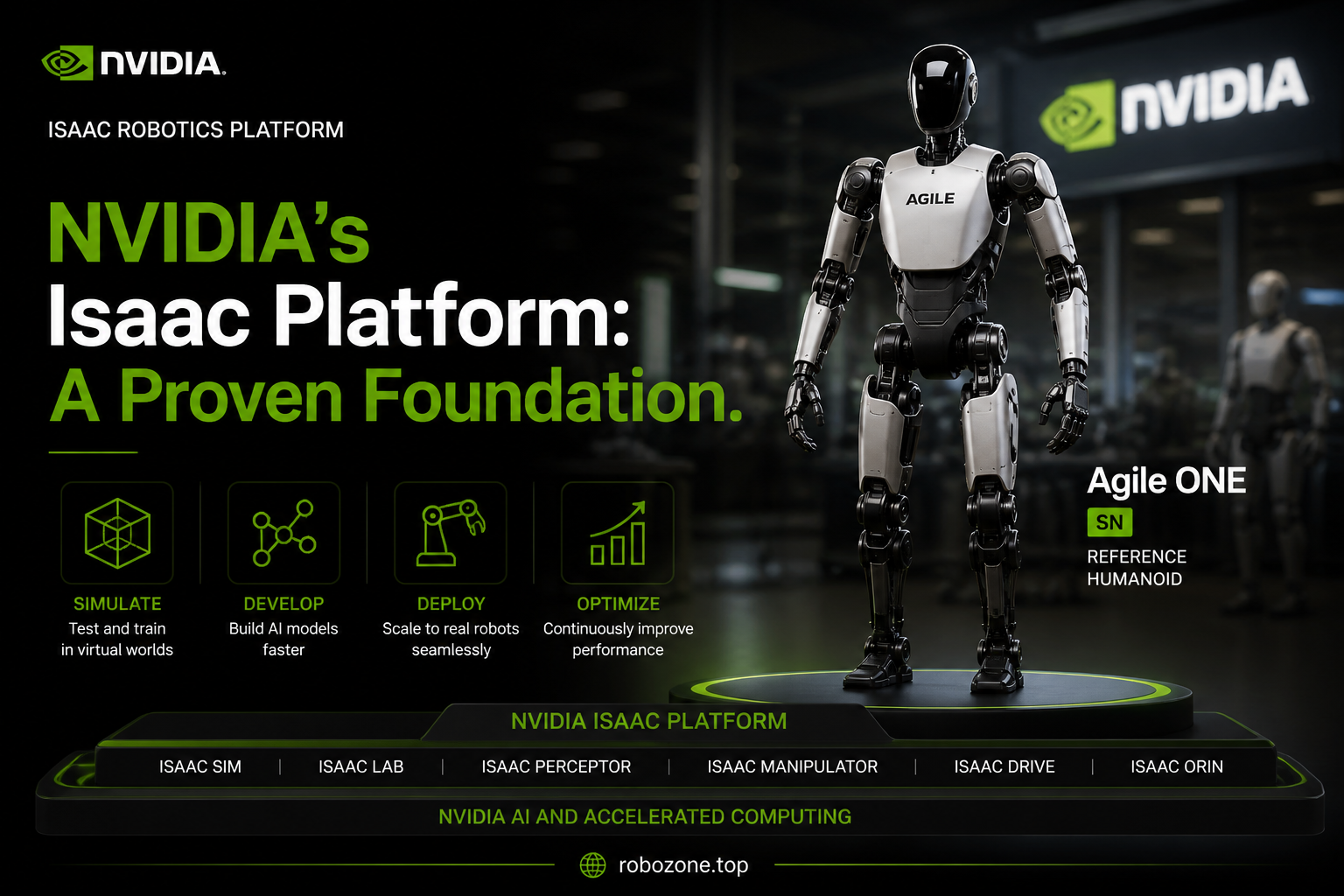
The announcement of the Agile ONE SN humanoid robot marks another milestone for NVIDIA’s Isaac platform, a robotics development ecosystem well-regarded for its role in accelerating AI-powered automation. Launched originally to provide a comprehensive framework for robotics development, Isaac has evolved to support a myriad of robotic applications ranging from autonomous vehicles to industrial robots. Built on NVIDIA’s robust AI stack, the platform facilitates the seamless integration of complex AI processes and precise mechanical control, essential for tasks that require adaptability and precision.
The Isaac platform’s open architecture has allowed a spectrum of developers and engineers to contribute to its repository, enabling rapid iterations and constant enhancements. Central to this ecosystem is NVIDIA’s Jetson line of AI supercomputers, which powers the Agile ONE SN. The Jetson Thor, with its potent 2,070 FP4 teraflops processing capability, equips the robot with unprecedented computational power, ensuring fast data processing and real-time decision-making. This capability is critical, especially given the 31 degrees of freedom in the Agile ONE SN, making it agile and responsive to dynamic environments.
Inside the Agile ONE SN: Engineering Marvel and Design
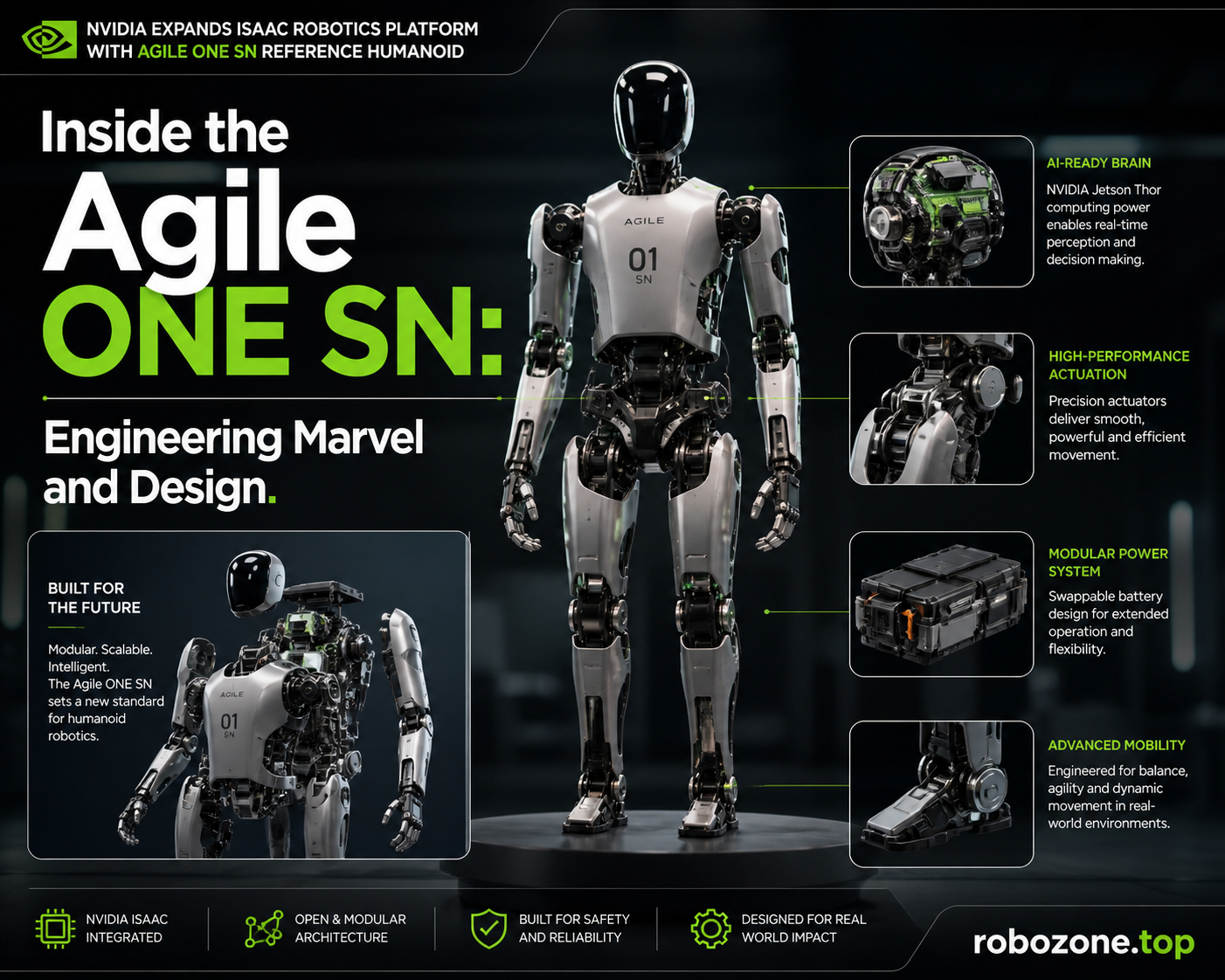
The Agile ONE SN humanoid stands as a testament to engineering ingenuity, blending form and function with remarkable efficiency. At 1.40 meters and weighing in at approximately 40 kg, the robot strikes a balance between human-like scale and operational versatility. With 31 degrees of freedom, it mirrors human flexibility, enabling complex movements that are essential for research experiments in fields like biomechanics, human interaction studies, and robotics control systems.
The inclusion of dual WUJI Hand 2 actuators, each boasting 20 degrees of freedom and tactile sensing, empowers the Agile ONE SN with an extraordinary ability to manipulate and interact with objects. This degree of dexterity not only makes it ideal for delicate tasks that require human-like touch but also for applications in which precise feedback and adjustments are crucial, such as laboratory environments and experimental setups.
At the core of its operation is the NVIDIA Jetson Thor, a high-performance AI computing module optimized to handle intensive computations. By integrating such a processor, the robot achieves seamless AI model execution, critical for understanding and reacting to its surroundings with precision. This synergy of hardware and software facilitates sophisticated behaviors, from adaptive locomotion to complex cognitive interactions with both human instructors and robotic peers.
Strategic Plans and Market Positioning
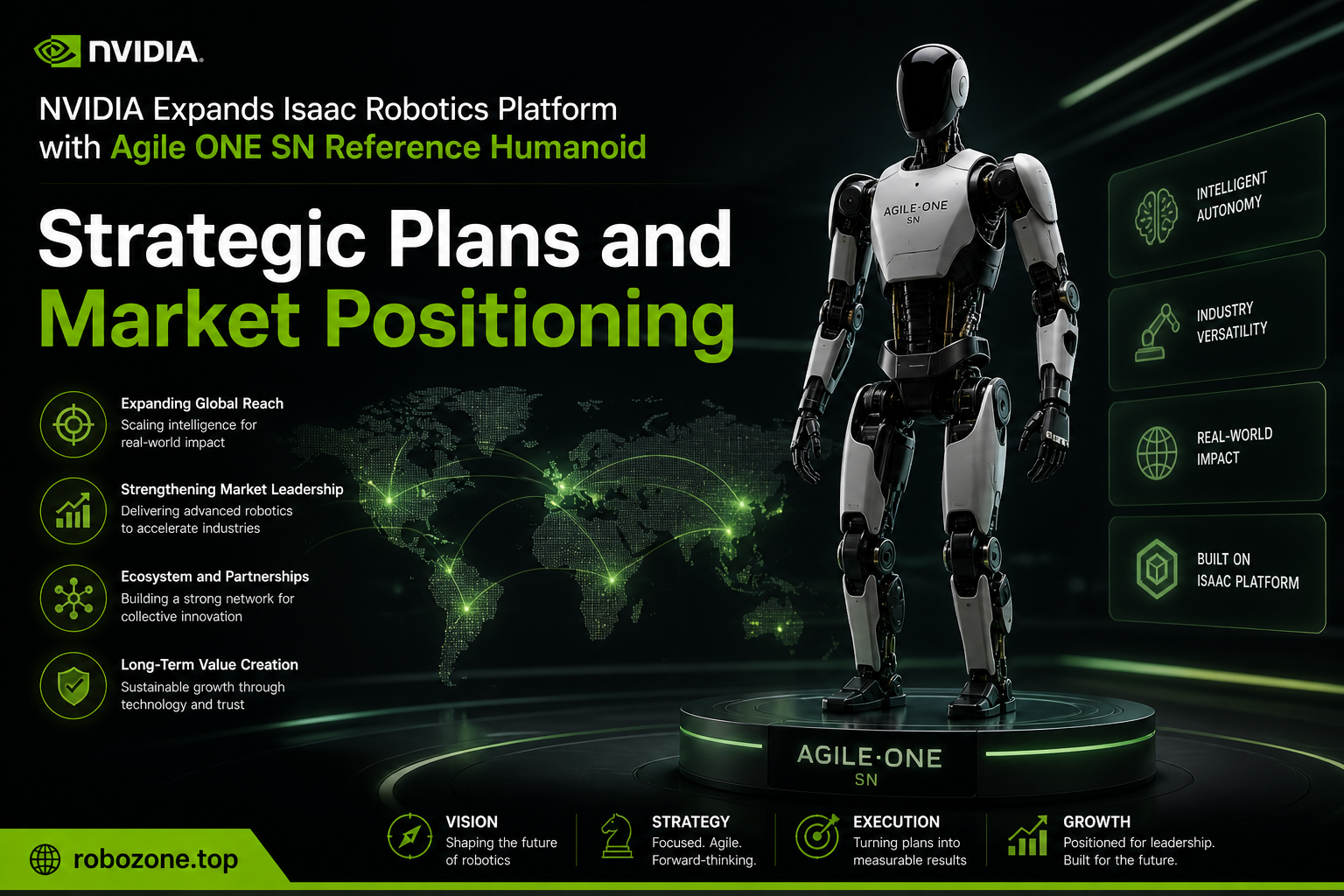
With the Agile ONE SN, NVIDIA and Agile Robots aim to fill a niche within advanced research and academic environments, specifically targeting universities like Stanford and ETH Zurich. The robot is set to meet a growing demand for humanoid robots that can be used as research platforms in fields ranging from AI development to material science and beyond.
Agile Robots has ambitious production goals, estimating the rollout of 1,000 to 2,000 units by early 2027. Given the typical barriers to entry in humanoid robotics, such as production costs and technological integration, this target signifies a confident step forward for NVIDIA in the robotics sector. By collaborating with elite institutions, they can leverage cutting-edge research to refine their robotic technologies further and garner valuable real-world application feedback.
From a market perspective, this partnership enhances NVIDIA’s standing not only as a leader in AI but also as a pivotal player in the development of intelligent robotic systems. This move strategically positions NVIDIA ahead of key competitors like Boston Dynamics and Honda’s ASIMO line, which have historically dominated humanoid robotics research and development. Moreover, the venture aligns NVIDIA’s AI strengths with robotics, an industry that continues to mature rapidly and offers substantial growth opportunities across the global market.
Technical Challenges and Unresolved Questions
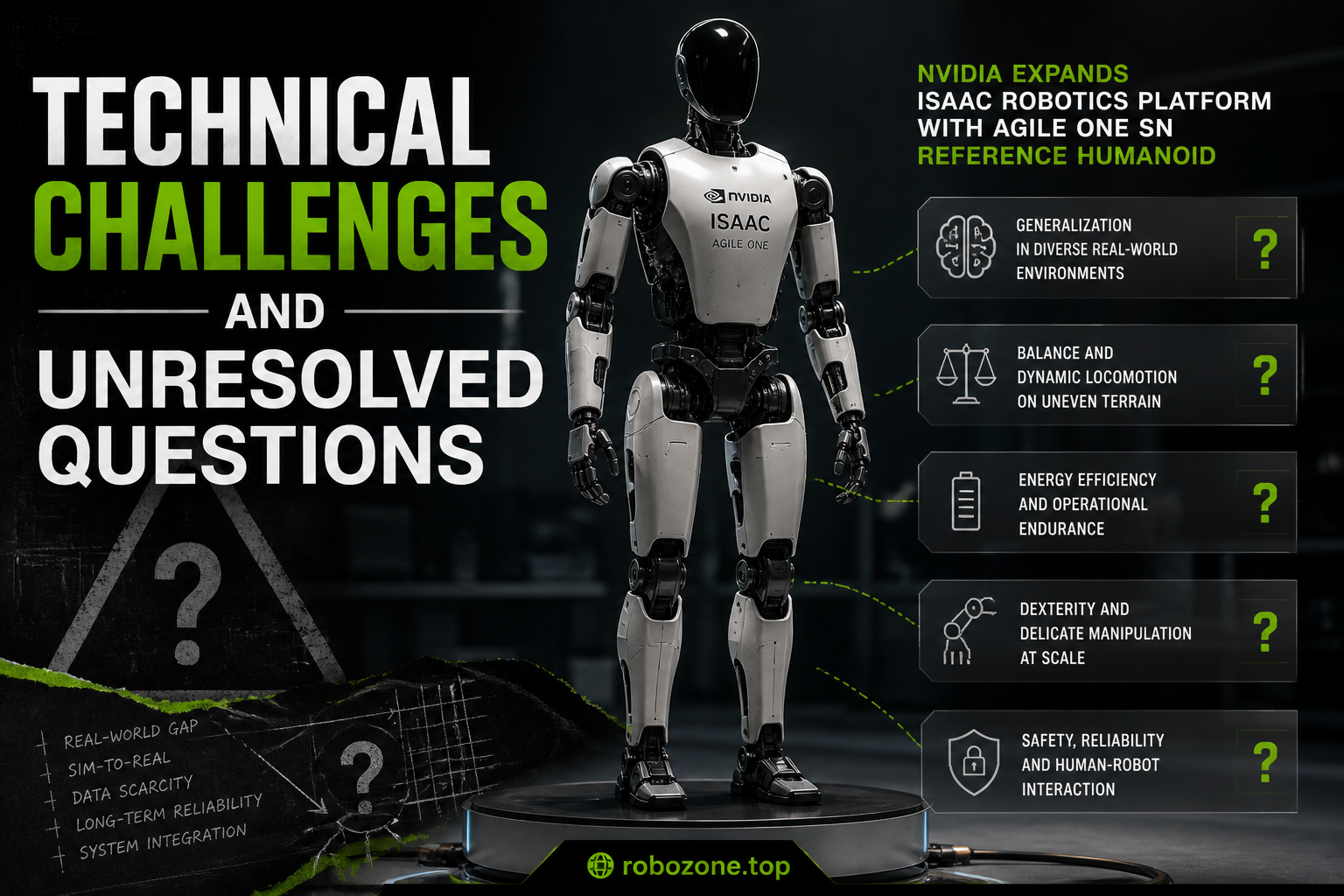
Despite its promising specifications and capabilities, the Agile ONE SN does not come without challenges. Key technical hurdles include ensuring reliable long-term operations, optimizing energy consumption for better battery life, and further enhancing machine learning algorithms to handle more unpredictable real-world scenarios.
Safety remains another critical area. The risks associated with deploying humanoid robots in dynamic human environments necessitate robust safeguards and compliance with stringent international standards. Although NVIDIA has long been a proponent of safety-first development, rigorous independent testing and validation will be crucial to mitigate potential hazards effectively.
The path from targeted production to commercial deployment also hinges on scalable manufacturing processes and reliable supply chains. Past disruptions in global semiconductor supplies underscore the importance of securing necessary components, a task critical for meeting production commitments.
Finally, while company officials and partnered universities express optimism about the research potential of these robots, clear evidence of widespread adoption remains forthcoming. Real-world trials and established partnerships will ultimately determine if the Agile ONE SN can transcend its initial ambitions and make a substantial impact on the academic and research communities.
Looking Ahead: Paving the Future of Robotics
NVIDIA’s unveiling of the Agile ONE SN represents more than just a technological advancement; it is a bold statement of strategic intent in reshaping the future of robotics. As the fields of AI and robotics increasingly converge, the need for platforms that facilitate seamless integration becomes more pressing. The success of Agile ONE SN and its adoption by key academic institutions could significantly influence future directions in humanoid robotics research and development.
For investors and industry observers, the next crucial phase will involve monitoring the practical deployments and performance efficiency of these robots in live research settings. Additionally, the evolution of the robot’s capabilities through continuous software enhancements and its adaptation to varying research needs will define its long-term success.
What remains clear is that NVIDIA’s commitment to leveraging its AI prowess to drive forward the robotics industry shines a light on a promising horizon. Navigating the upcoming challenges will require not only technological prowess but also strategic foresight to ensure these developments translate into scalable, impactful applications that can truly augment human potential.
What Readers Should Watch in the Coming Months
As the Agile ONE SN rolls out of prototype phases into more tangible real-world applications, robotics enthusiasts, industry professionals, and investors should keep a close watch on several key factors. The early adoption rate by renowned research institutions and universities will provide critical insight into the robot’s practical utility and viability. Anticipated industry events and presentations at future GTC conferences may offer updates on performance improvements and broader feature sets.
Pioneering breakthroughs are often realized when innovative platforms are merged with bold research ambitions. As NVIDIA collaborates closely with academic partners, the Agile ONE SN may become a cornerstone in multifaceted research avenues, advancing both foundational AI capabilities and exploring unprecedented territory in human-robot cohabitation. Its journey, undoubtedly, is worth tracking closely.
Admin of RoboZone.top