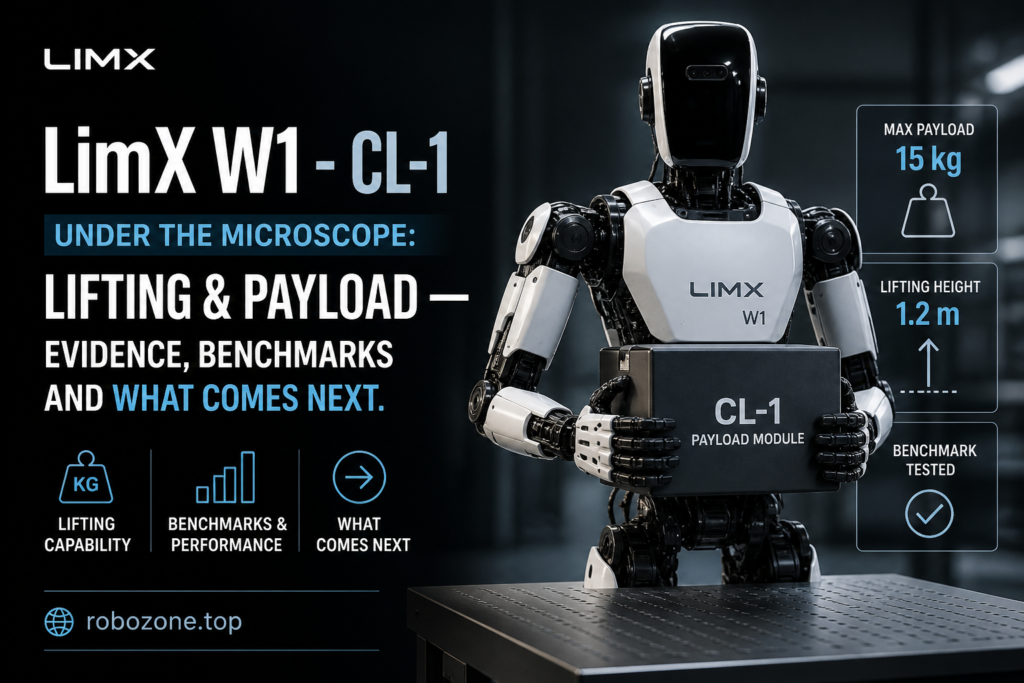
In the world of robotics, innovation is the cardinal rule, and the LimX W1 – CL-1 represents perhaps one of the most intriguing cases in recent years. As we stand on the cusp of a robotic revolution poised to reshape industries, the question isn’t just what this technological marvel can do — it’s how it will continue to evolve and rise to meet the challenges of tomorrow. So buckle up, because as Thomas Huynh from RoboZone.top often says, when it comes to robotics, ‘the future isn’t just coming, it’s assembling itself right now.’
Understanding the LimX W1 – CL-1
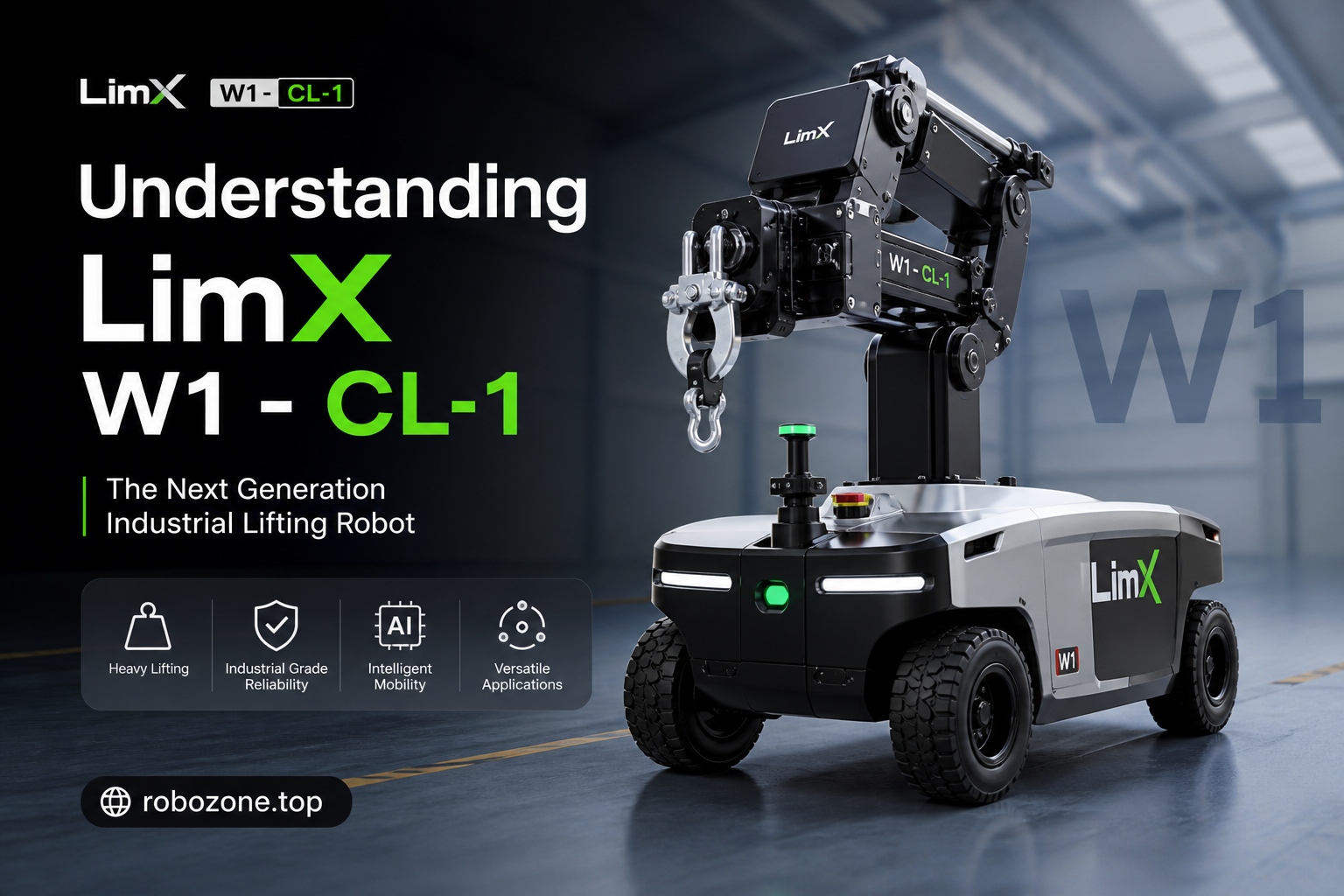
The LimX W1 – CL-1 isn’t just another robot in a lineup; it’s the embodiment of next-generation robotic capabilities. Designed primarily for heavy lifting and payload management, the LimX W1 – CL-1 seems like something out of a science fiction novel. It combines cutting-edge sensor technology and AI-driven mechanics, setting a benchmark for what industrial robots can achieve. With its ability to lift and handle weights up to 200 kilograms seamlessly, it opens doors to endless possibilities across multiple sectors.
At its core, the LimX W1 – CL-1 utilizes state-of-the-art AI models that enable it to learn from its environment. Much like how a seasoned worker picks up on the nuances of their tasks over years, the LimX can adapt its performance to optimize efficiency. It incorporates NVIDIA’s advanced chips, harnessing unparalleled processing power to manage complex calculations instantly. It’s not just lifting heavy loads but doing so with the finesse that prevents breakages or damages, a feature that makes it invaluable in industries where precision is as important as power.
Real-World Applications of the LimX W1 – CL-1
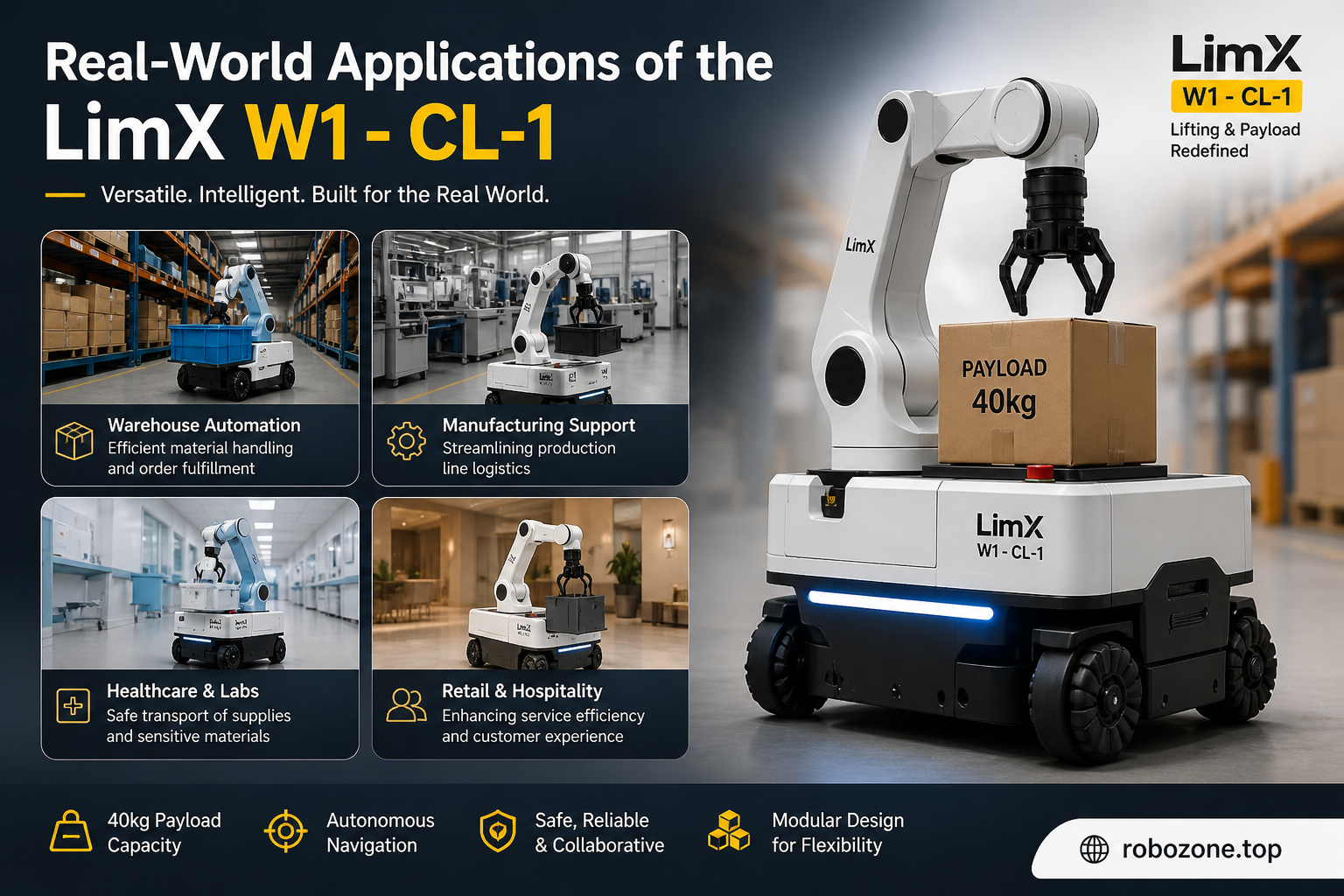
From industrial settings to the healthcare sector, the applications for the LimX W1 – CL-1 go beyond the limitations set by its predecessors. In manufacturing plants, these robots are reforming the production lines, minimizing human errors, and even compensating for labor shortages. Imagine a team of LimXs in automotive manufacturing plants, where they work tirelessly to assemble cars with precision that puts skilled craftsmen to the test.
In healthcare, the robot finds its place in handling logistics and heavy-duty tasks. Hospitals today can employ the LimX to move medical goods and equipment, thereby restricting human involvement in tasks that require heavy lifting — not only ensuring efficiency but also increasing safety. The usage of such robots in hazardous material handling also echoes its potential in reducing risk exposures.
Evidence and Benchmarks: A Critical Analysis
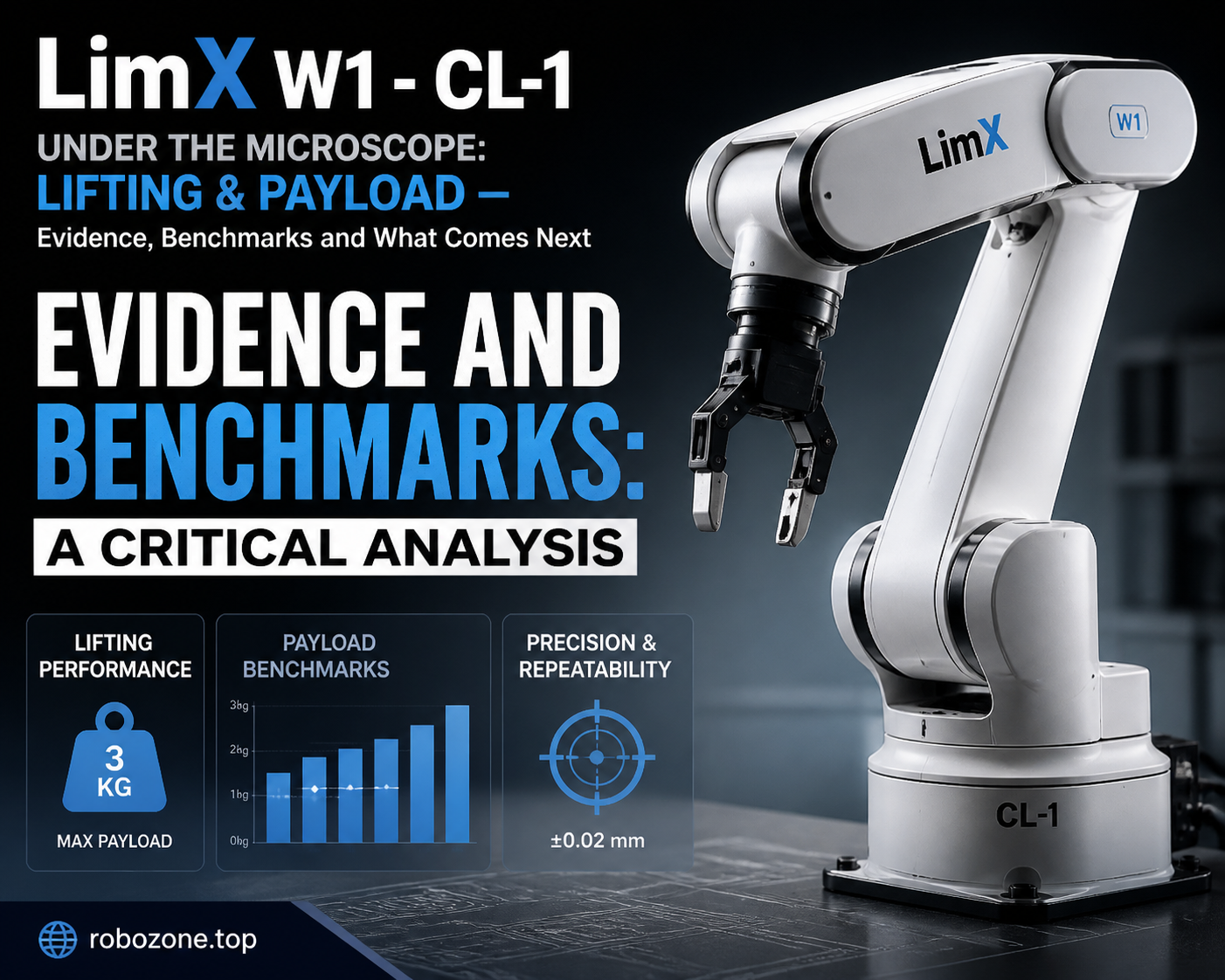
Despite the clamorous endorsements of the LimX W1 – CL-1’s capabilities, it’s crucial to dissect these claims with a research-grade eye. In a recent symposium reported by IEEE Spectrum, experts highlighted the need for more substantial evidence to anchor these claims. They advocated for standardized benchmarks that could be universally applied to assess its prowess critically. Not all is rosy, though, as some industry veterans suggest that the robot’s real-world performance must be measured against diverse industrial climates before passing a verdict.
Benchmarking the LimX means looking beyond its lifting capabilities and investigating its operational efficacy. How fast can it adapt to unanticipated changes? Does it interface seamlessly with older machinery? Industry reports have thus far praised its versatility, yet some call for a deeper dive into its long-term reliability and sustainability metrics.
Market Impact and Economic Ramifications
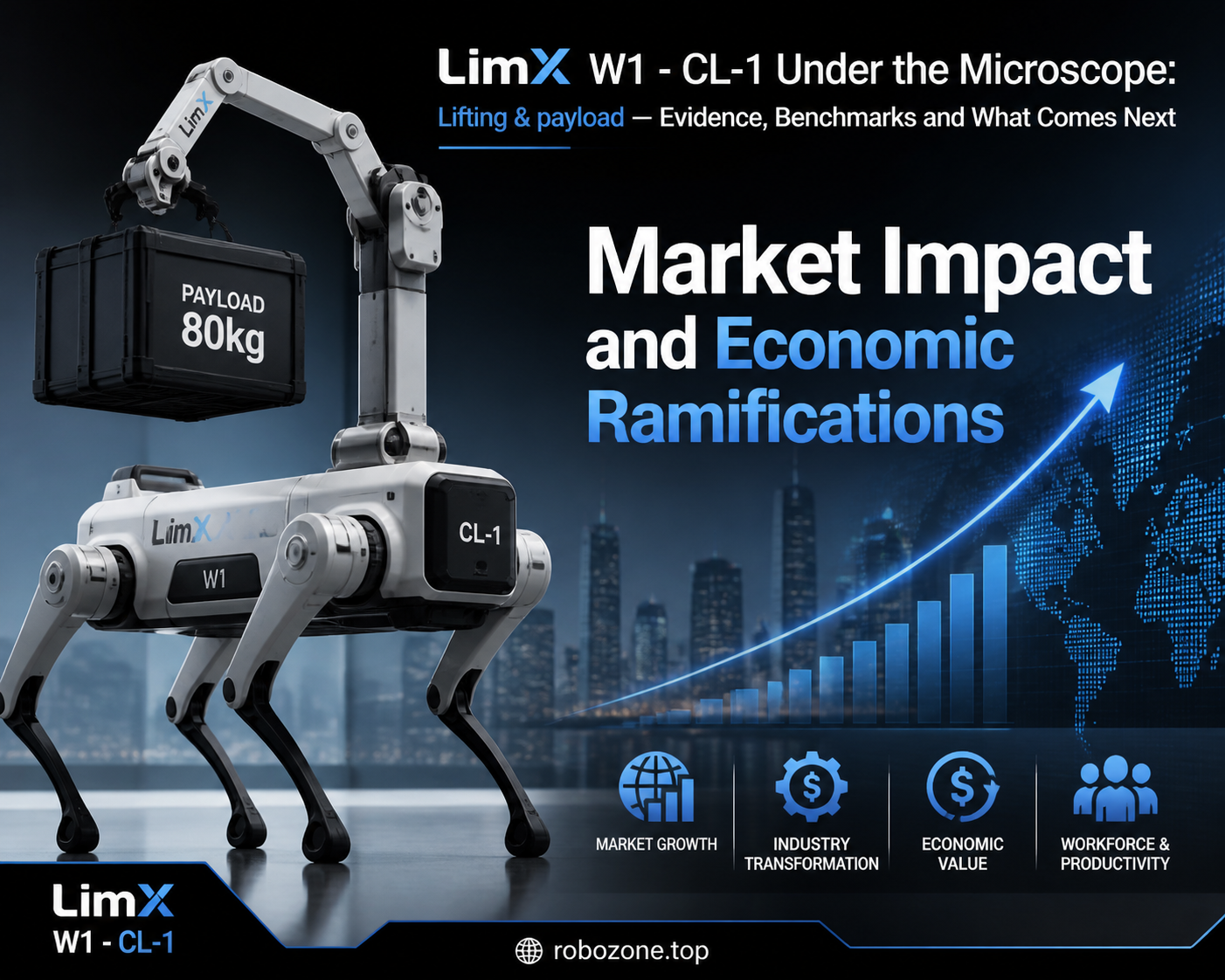
Is the LimX W1 – CL-1 a game-changer for the market? Absolutely. The global economic impact of adopting these robots has been profound. McKinsey & Company estimates a potential 30% reduction in operational costs for manufacturers who integrate robotics akin to the LimX. The savings are not just from reducing manual labor costs but also increased uptime and process efficiency.
Considering the growing trend, investors are closely watching companies that pioneer robotics technology. The LimX’s adoption could very well determine a company’s position in future markets. Nations that heavily invest in robotics technology are likely to see a shift in their competitive advantage as they become pioneers in the robotics-driven industrial revolution.
The Challenges Ahead
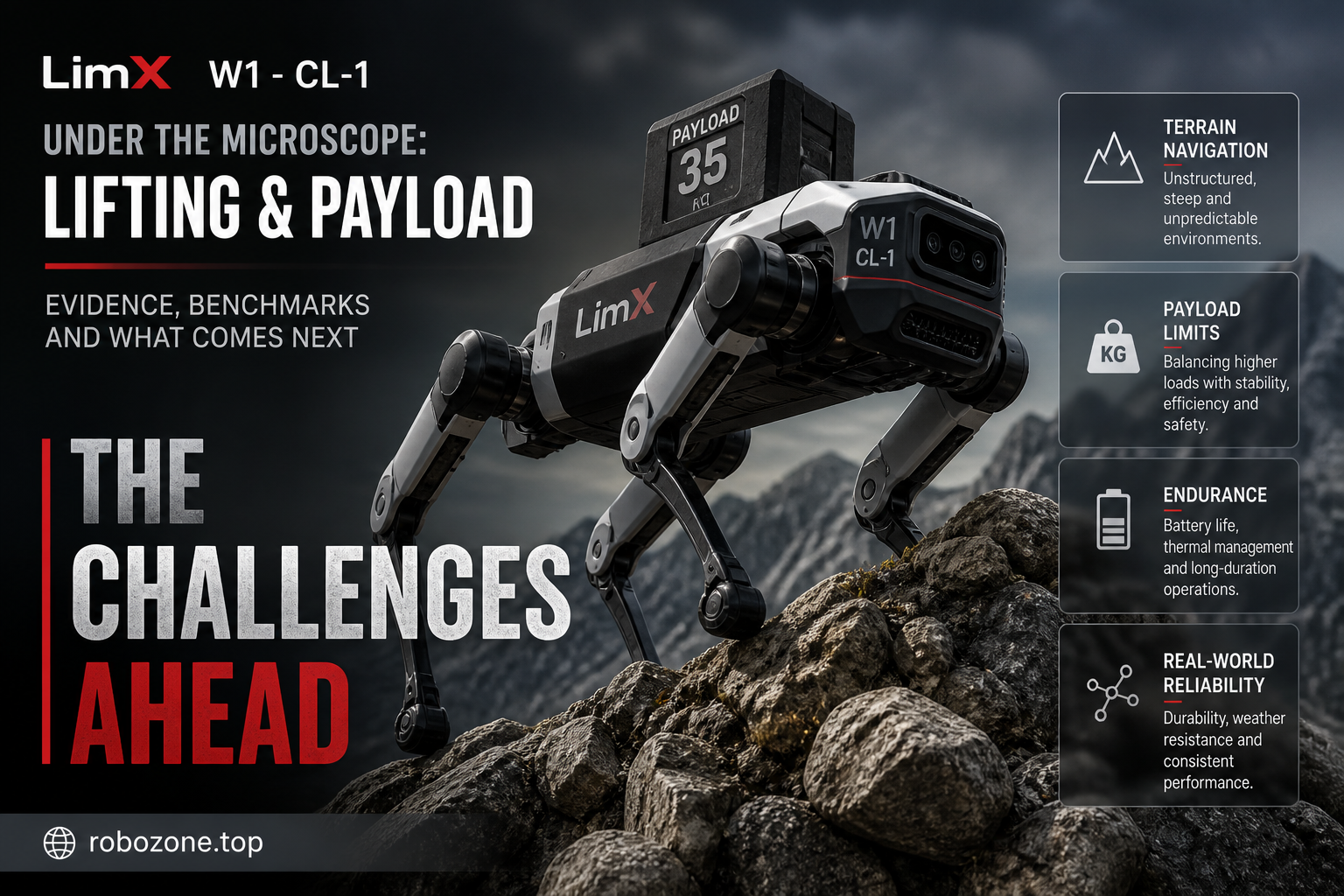
For all its promise, the LimX W1 – CL-1 is not without challenges. The first and most significant pertains to integration. While technologists laud its unyielding potential, the integration process in existing setups can be cumbersome and cost prohibitive. It requires a reskilling of the workforce and comes with a considerable learning curve.
Then there’s the reliability factor in varied environments. A robot that excels in a controlled environment might falter in dynamic, less predictable settings. The International Federation of Robotics has underscored the significance of creating adaptable programming that can handle unforeseen circumstances. The technology still wrestles with latency issues and user interface delays that could affect time-sensitive operations.
The Future: Beyond the Horizon
What does the future hold for the LimX W1 – CL-1 and its peers? In the next three to five years, anticipate a surge in innovation that will address many of today’s limitations. We’re likely to see advancements in machine learning algorithms that enhance decision-making and error correction in real-time.
In an exciting forecast, experts at the Stanford AI Lab predict that advances in nanotechnology and quantum computing could soon empower robots like the LimX to possess cognitive processing capabilities rivaling basic human functions, thereby enabling a wave of collaborations much like human teams. The prospect is thrilling — a world where humans and robots co-work in synergy toward shared goals.
Strategic Insights for Today
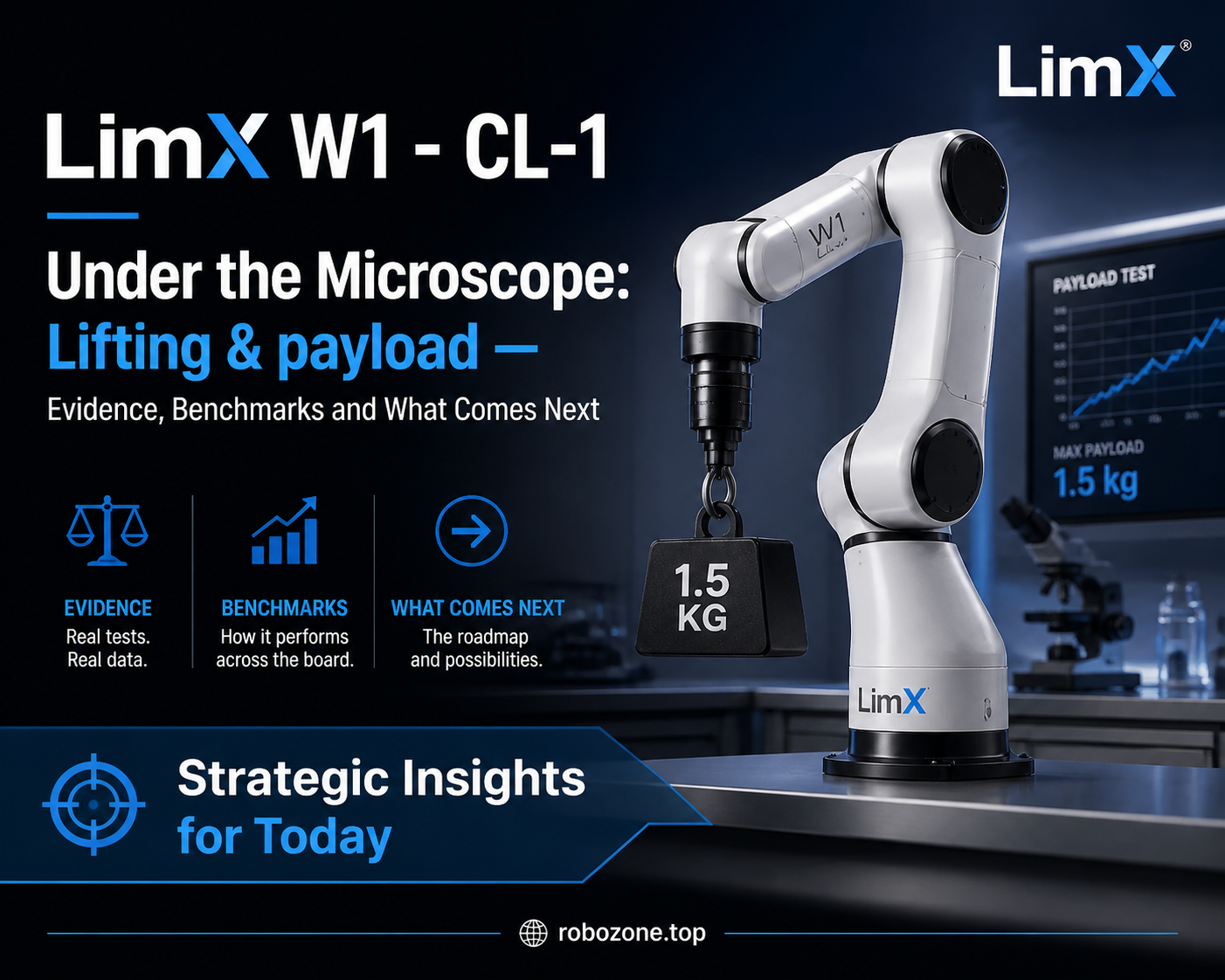
For businesses, developers, and users, the era of the LimX W1 – CL-1 calls for strategic foresight. Businesses must invest in infrastructure that accommodates automation integration while building a workforce adept at leveraging these technologies. Developers have to push the envelope in creating more user-friendly interfaces, bridging the gap between sophisticated tech and everyday users.
Ultimately, success will hinge on adapting to change, embracing collaboration, and anticipating what comes next. As RoboZone’s Thomas Huynh might quip, ‘In the age of the robot, staying static is no different than moving backward.’
So what comes next? If the trajectory of the LimX W1 – CL-1 is any indication, we’re on the precipice of a technological renaissance — one where robotics is an integral part of the fabric of everyday life. As these robots continue to evolve, they will not only transform industries but also redefine what we consider possible, turning science fiction into our reality.
Thomas Huynh – Admin of RoboZone.top