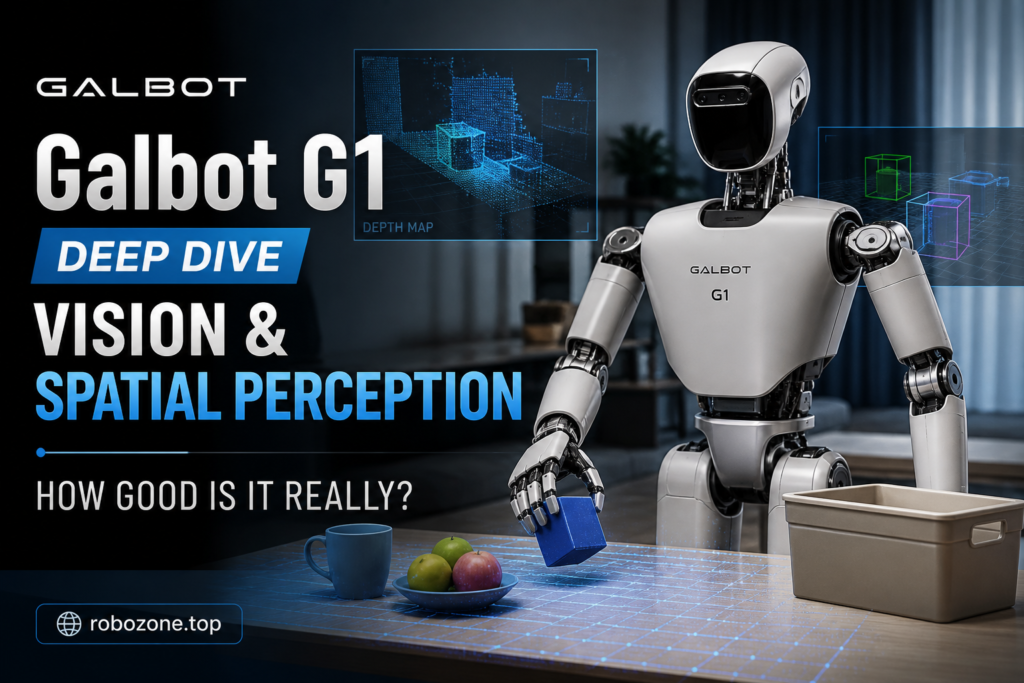
In the fast-paced world of robotics, few innovations have sparked as much intrigue and anticipation as the Galbot G1. From its sleek design to its complex functionalities, the G1 promises a leap into a future where robotics and human interactions are seamless. Central to this anticipation is its vision and spatial perception capabilities. But how well do these systems actually work in practice? Let’s dive into the intricacies of the Galbot G1 to uncover the machinery behind its eyes and its understanding of the world around it.
Understanding the Core Concepts of Galbot G1
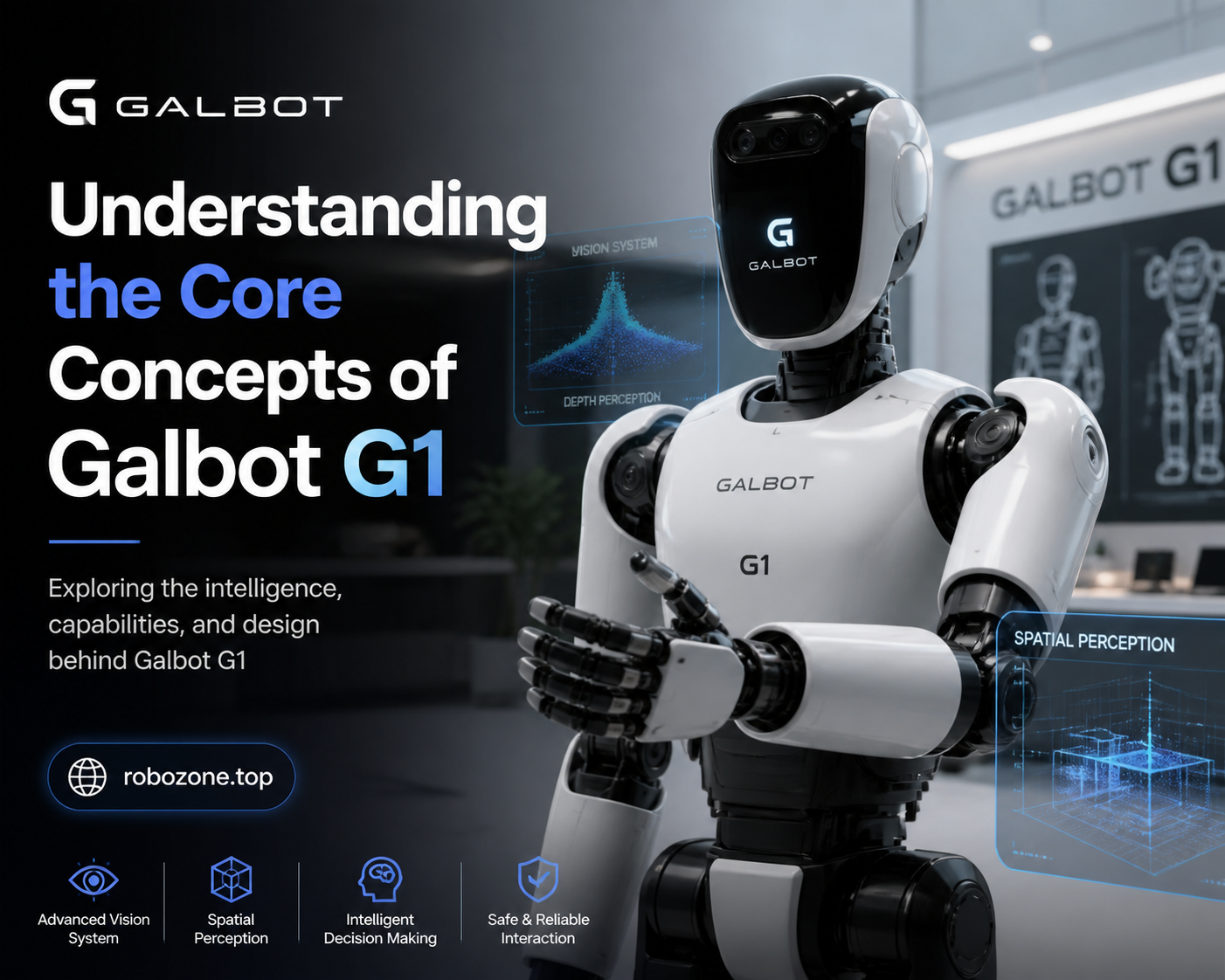
At its core, the Galbot G1 isn’t just a robot; it’s an amalgamation of sophisticated technology aimed at changing human-robot interaction. Its vision system mimics human sight to interpret surroundings, while its spatial perception allows it to navigate and manipulate its environment expertly. Imagine walking down a busy street, seamlessly avoiding pedestrians while recognizing landmarks—this is the kind of real-world navigation that Galbot G1 attempts to emulate.
The Galbot G1 relies on a set of advanced sensors and AI-driven algorithms. LIDAR (Light Detection and Ranging), akin to what autonomous vehicles use, provides 3D mapping capabilities. Additionally, the integration of high-definition cameras equipped with deep neural networks processes visual data much like the human brain. Picture these networks like a digital Sherlock Holmes, making sense of visual clues in real-time.
One can’t overlook the role of Thomas Huynh in bringing this topic to the forefront at RoboZone.top. His perspective sheds light on how such advancements redefine the robotics landscape.
Real-world Applications Across Various Industries
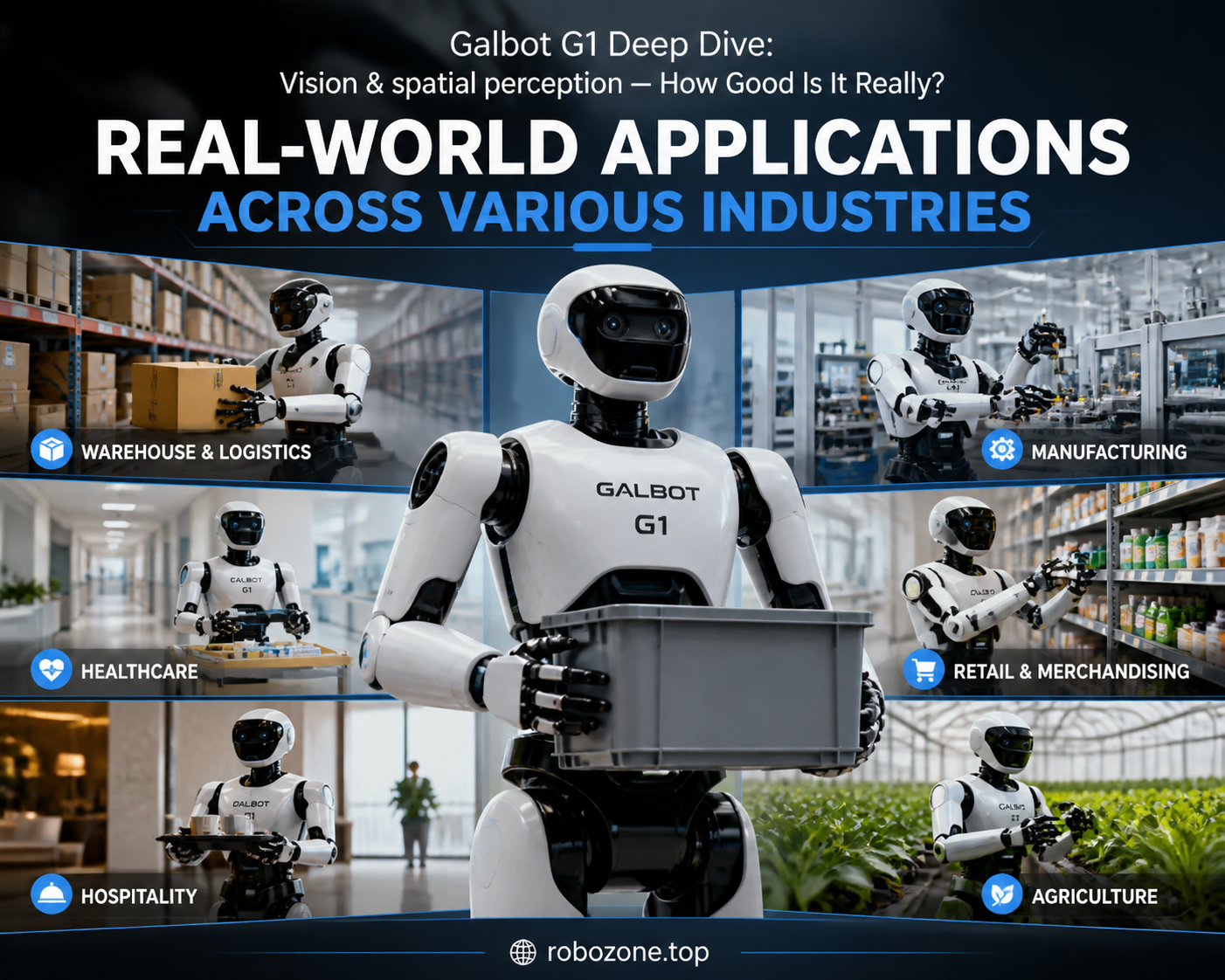
The promise of the Galbot G1 isn’t confined to the pages of a product brochure. Its real-world applications are poised to make significant impacts across diverse sectors.
In healthcare, the G1’s precision and ability to finely interpret its surroundings can offer invaluable assistance. Consider a hospital ward where it autonomously transports medications or assists in patient care without the need for constant human oversight.
Industrial settings will also find a friend in Galbot G1. Imagine sprawling factory floors with machinery and employees working in harmony. The robot’s spatial perception enables efficient maneuvering, making it an asset in optimizing production lines.
Even at home, the Galbot G1’s cognitive capabilities come to life. From cleaning apartments to advanced models serving as companions for the elderly, the potential applications are as varied as they are innovative.
Technical Insights into AI Models and Robotics Systems
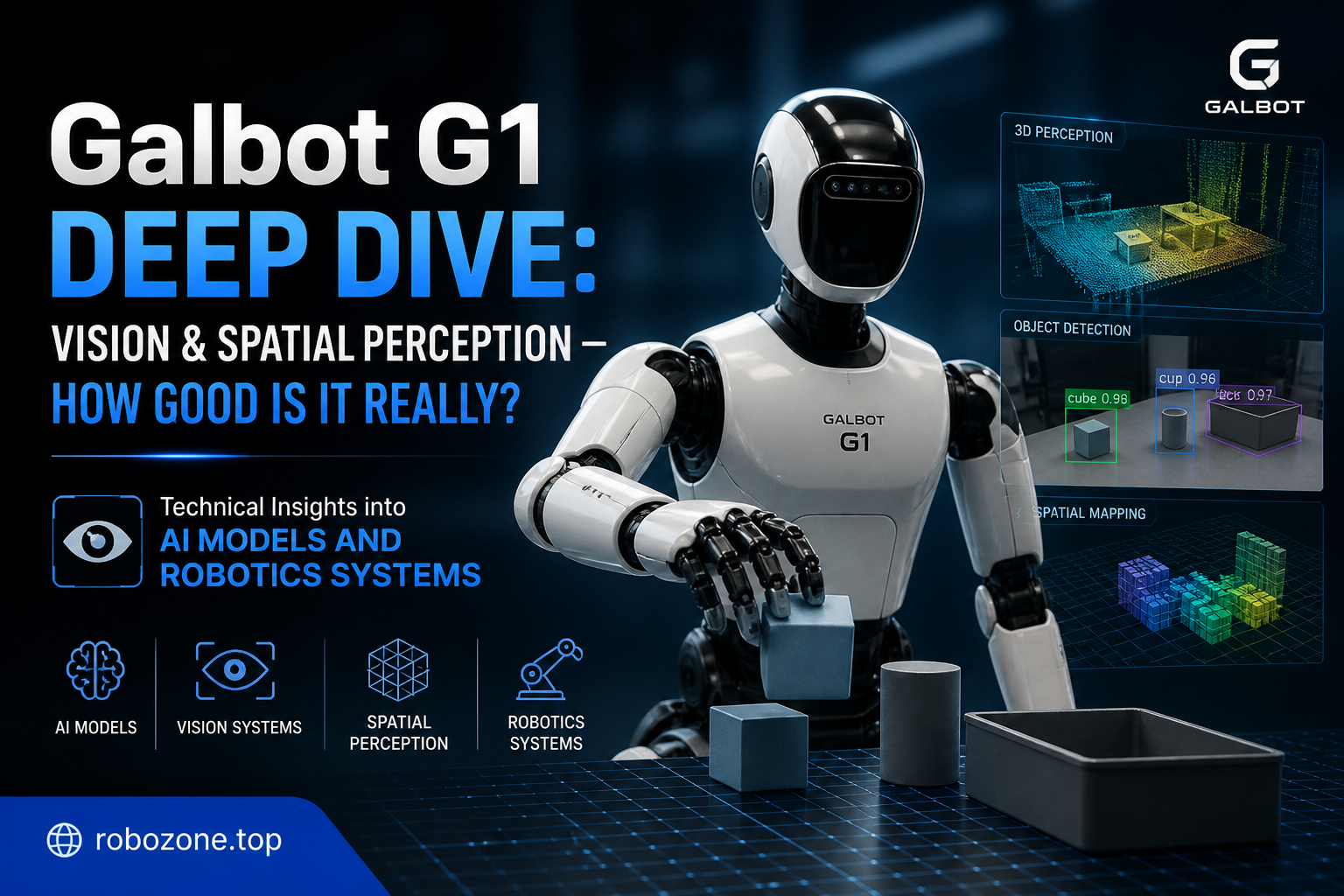
Diving deeper into the technical underpinnings of the Galbot G1, we find a complex tapestry of AI models and robotics systems. At the heart of its operations are convolutional neural networks (CNNs) that allow for deep learning from visual inputs. These are critical for facial recognition or distinguishing between different objects in cluttered spaces.
Computational power isn’t limitless, which is where NVIDIA’s latest chips come into play, offering a balance of power and efficiency. NVIDIA’s latest Blog post highlights how their GPUs provide the computing prowess needed for the Galbot G1’s real-time processing requirements.
The control loop within the Galbot G1 is another marvel. It continually processes new information and adjusts its movements, akin to a seasoned driver adjusting their path based on traffic conditions.
As Thomas Huynh often expresses, the harmonization of these technological elements is not just engineering ingenuity—it’s a symphony of modern advancements playing out in real-time.
Market Analysis: Growth, Investments, and Economic Impact
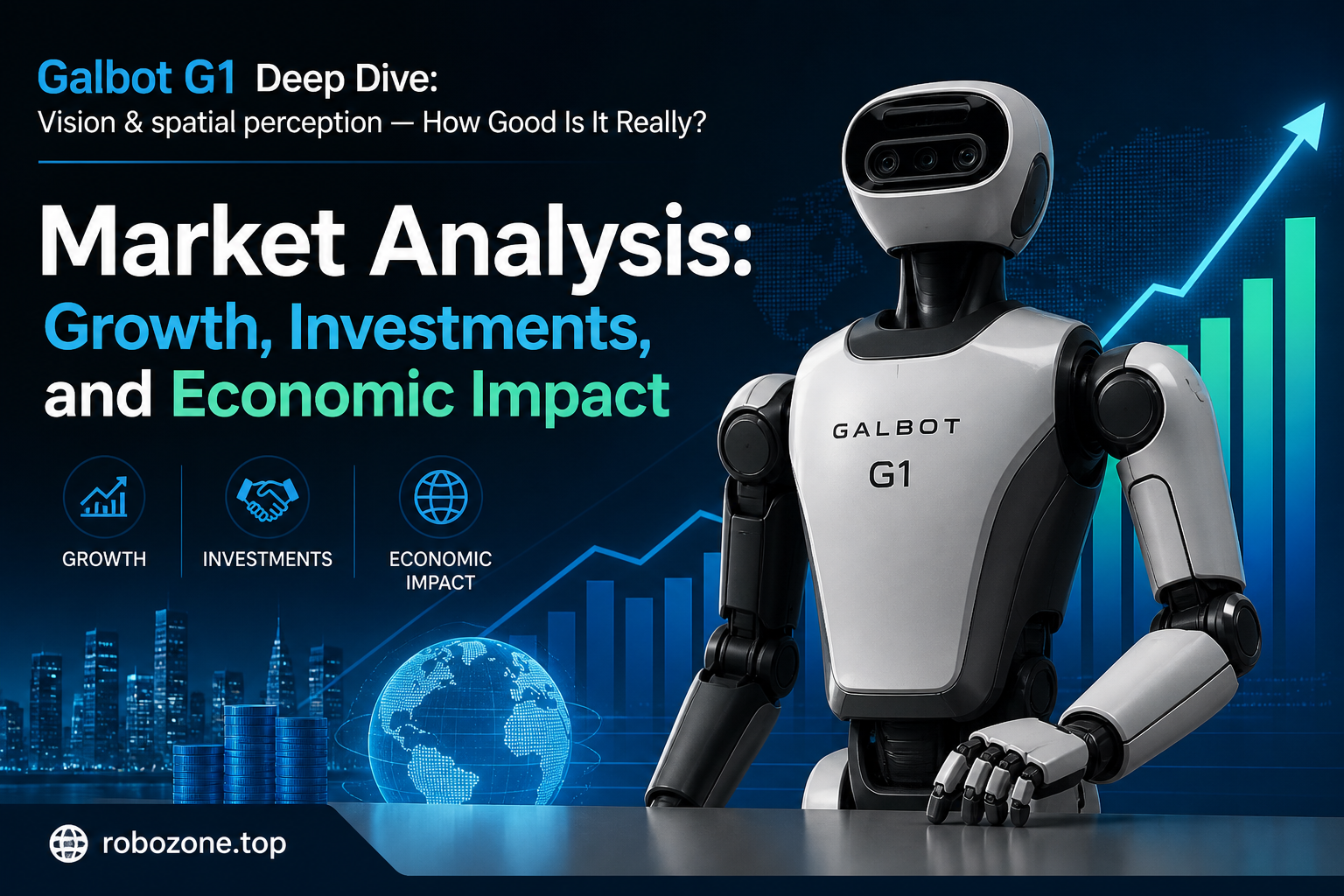
Against the backdrop of an ever-evolving tech landscape, the Galbot G1 has piqued the interest of investors and market analysts alike. Market trends indicate a boom in robotics—a testament to the economic appetite for intelligent machines. The World Economic Forum predicts that by 2026, robotics could be a couple of meters ahead in terms of adoption, especially in developing economies such as China. This trend underscores how vital advancements like those in the Galbot G1 are likely to contribute significantly to economic growth.
Investors are attentive to where the innovation yields the highest returns, and the Galbot G1, by virtue of its robust technology stack, is a leader in setting these benchmarks. McKinsey & Company’s latest market analysis confirms that investments in such technologies yield considerable economic benefits, not just in terms of revenue but in cost savings and efficiency improvements across industries.
Indeed, companies keen to stay ahead in the competitive robotics race are taking cues from the strategic leaps demonstrated by platforms like the Galbot G1.
Exploring Challenges and Limitations
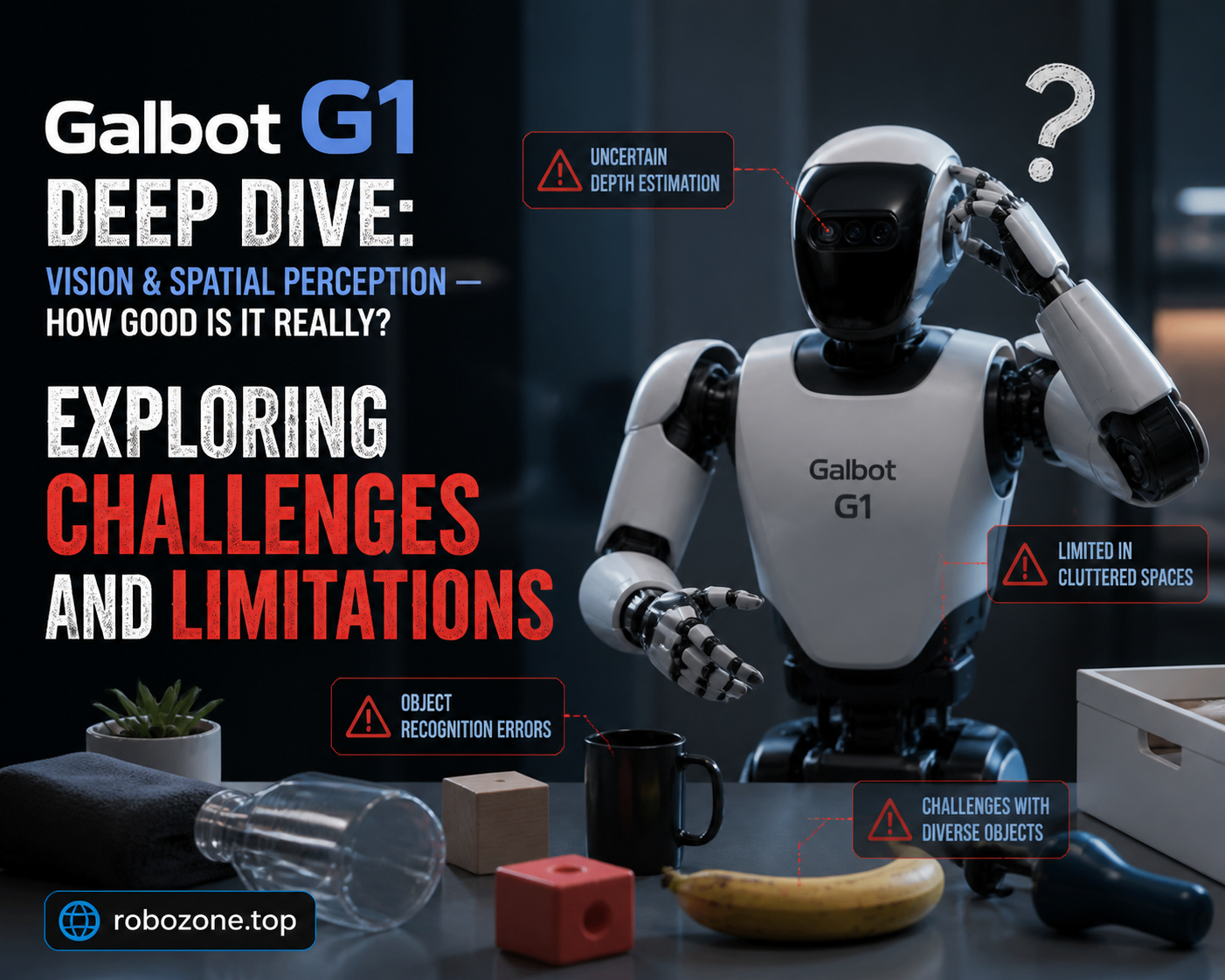
While the Galbot G1 shines in many aspects, there are challenges and limitations it faces, much akin to the hurdles in autonomous vehicle technologies. One notable challenge lies in its susceptibility to errors in unpredictable environments. For instance, changes in lighting can hinder optical sensors, causing misinterpretations—think of driving on a sunny day versus at night.
Moreover, the robustness of its AI models is reliant upon vast datasets. Although this allows for complex decision-making, it also necessitates rigorous testing and consistent updates to adapt to new scenarios—a process observed by experts at the Stanford AI Lab.
Thomas Huynh often jokes how even the Galbot G1 might find detecting a mischievous pet’s antics a dreadful task—a challenge filled with endearing mischief in robotics development.
Future Predictions: 3–5 Years and Long-term Vision
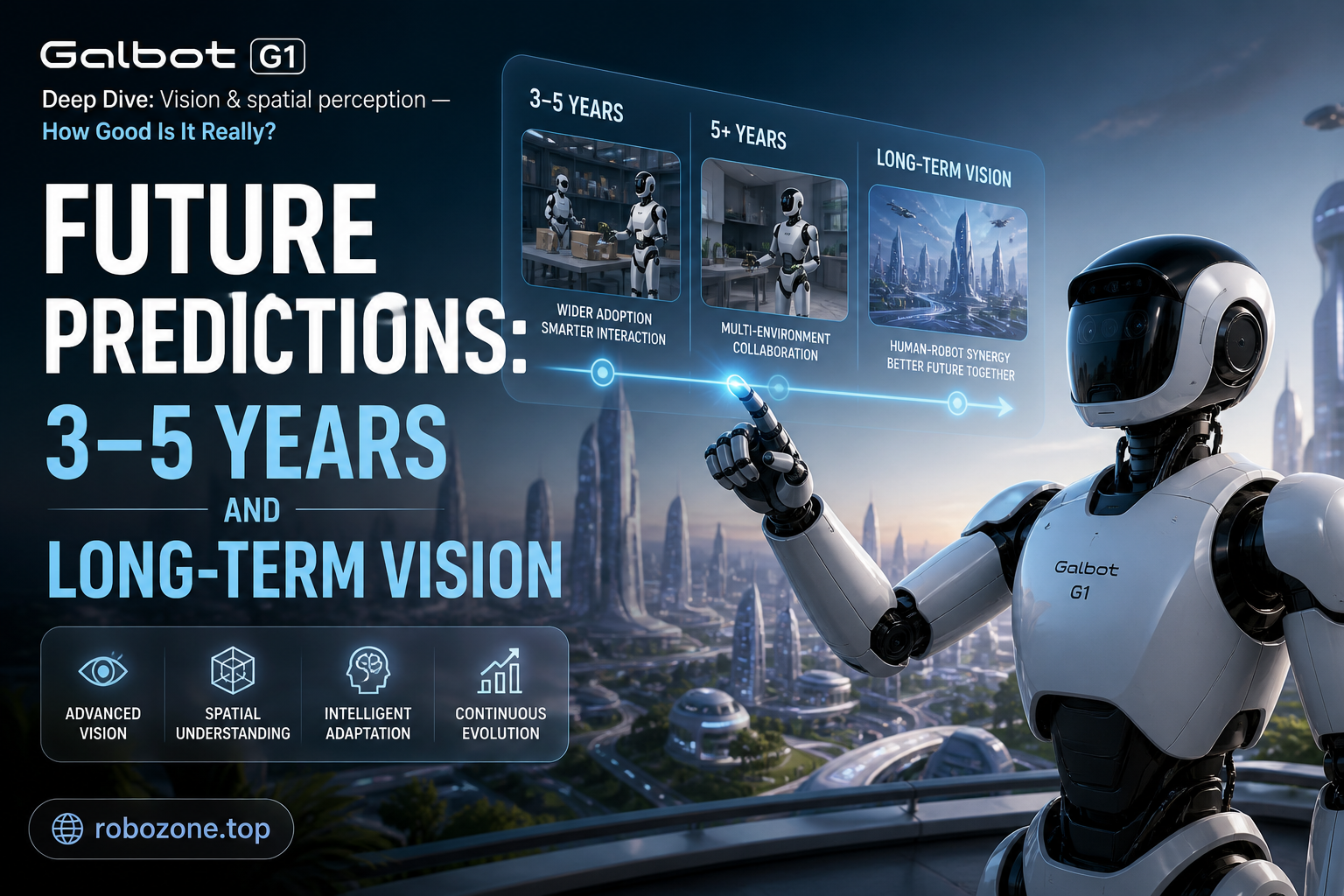
Fast forward five years, and the Galbot G1 could be as common in households and businesses as smartphones are today. Innovations in artificial intelligence are slowly but surely peeling away the layers of limitations to unlock unprecedented functionalities. Institutions such as IEEE Spectrum project that by 2030, we might see autonomous robots participating in complex logistical operations across cities.
The long-term vision involves expanding the sensory suite of robotics to include multimodal recognition akin to human perception—a fusion of sight, sound, and touch.
On the strategic side, companies that align their operations with these emergent technologies could significantly reduce operational overheads and redefine consumer engagement.
Strategic Insights for Businesses, Developers, and Users
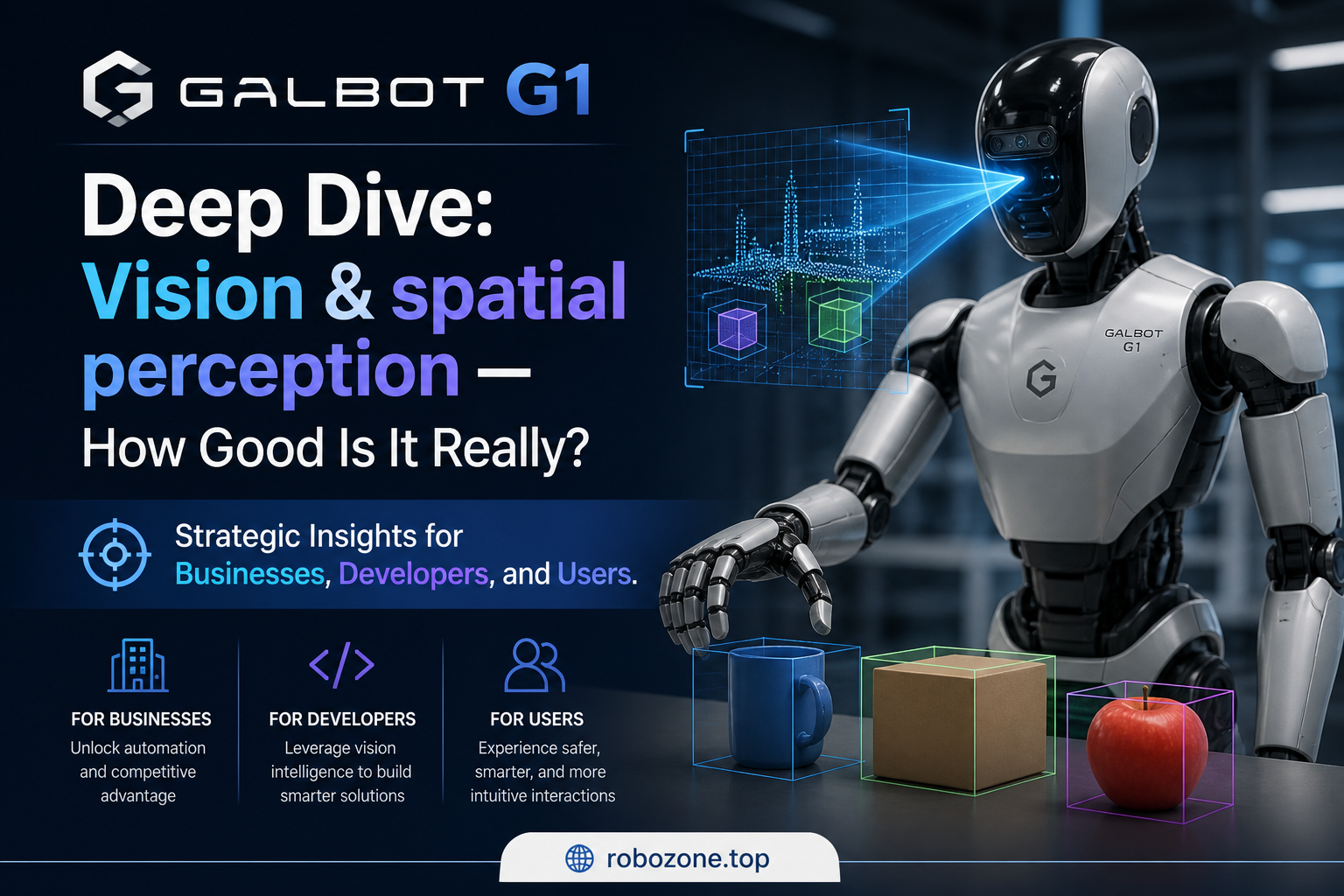
As we anticipate these technological strides, there’s a compelling narrative for businesses and developers to adapt economic and operational strategies. Building compatibility with intelligent machines such as the Galbot G1 could future-proof operations and foster innovation.
Developers might turn their attention towards creating specialized applications that leverage the Galbot G1’s capabilities, ensuring seamless collaborative environments between humans and robots. Captivating user engagement, as Thomas Huynh champions at RoboZone.top, means understanding consumer needs, a focus made easier by the Galbot’s agile architecture.
Users, on the other hand, should envision a future where broader adoption of robotic assistance provides numerous conveniences, enhancing daily life experiences. For complete immersion, embracing an adaptable mindset is key.
So, where does this leave us? The advent of technologies like the Galbot G1 signals a transformative period in robotics. A future where human endeavors are amplified by supportive technologies is right around the corner. The journey of Galbot G1’s vision and spatial perception is not just a technical marvel to behold; it’s a glimpse into a world driven by continuous collaboration between human ingenuity and robotic precision. As we look ahead, Thomas Huynh would likely agree that staying informed and prepared will be critical for harnessing the full potential of such innovations.
Thomas Huynh – Admin of RoboZone.top
References & Further Reading:
- MIT Technology Review — https://www.technologyreview.com
- IEEE Spectrum — https://spectrum.ieee.org
- McKinsey & Company — https://www.mckinsey.com
- Stanford AI Lab — https://ai.stanford.edu
- Harvard Business Review — https://hbr.org
- NVIDIA research/blogs — https://blogs.nvidia.com
- International Federation of Robotics — https://ifr.org
- World Economic Forum — https://www.weforum.org