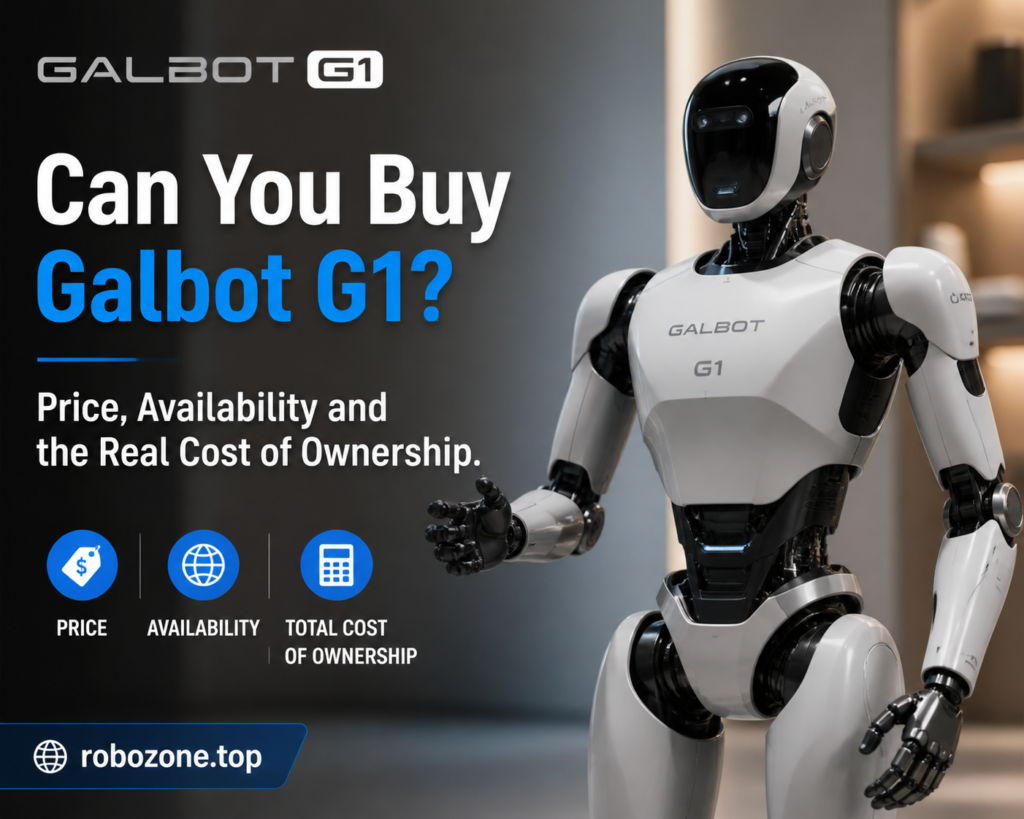
In the age of automation, the Galbot G1 is making quite a splash, much like a new contender entering the tech arena with promises of revolutionizing how we approach both mundane and complex tasks. As we stand on the cusp of a robotic renaissance, one cannot help but wonder: Can you really buy a Galbot G1? What are the economics behind its acquisition, and most importantly, what is the true cost of ownership in this futuristic yet pragmatic affair?
Understanding the Galbot G1: A New Age in Robotics

Heralded as a flagship in the world of intelligent robotics, the Galbot G1 is more than just a gadget; it’s a multifaceted humanoid robot made to integrate seamlessly into various environments. With advanced AI algorithms driving its behavior, the Galbot G1 can understand and perform a range of tasks, from simple home chores to complex industrial applications. Think of it as your personal robotic assistant, akin to the multitasking power of a Swiss Army knife, only smarter and without the sharp edges.
Galbot G1 is equipped with cutting-edge sensors and utilizes NVIDIA’s latest chipsets to process data swiftly and make decisions on-the-fly. Its ability to perceive and react to its surroundings is reminiscent of the grace with which a seasoned chef navigates a bustling kitchen, effortlessly managing multiple dishes at once.
Practical Applications: From Home Assistants to Industrial Workhorses
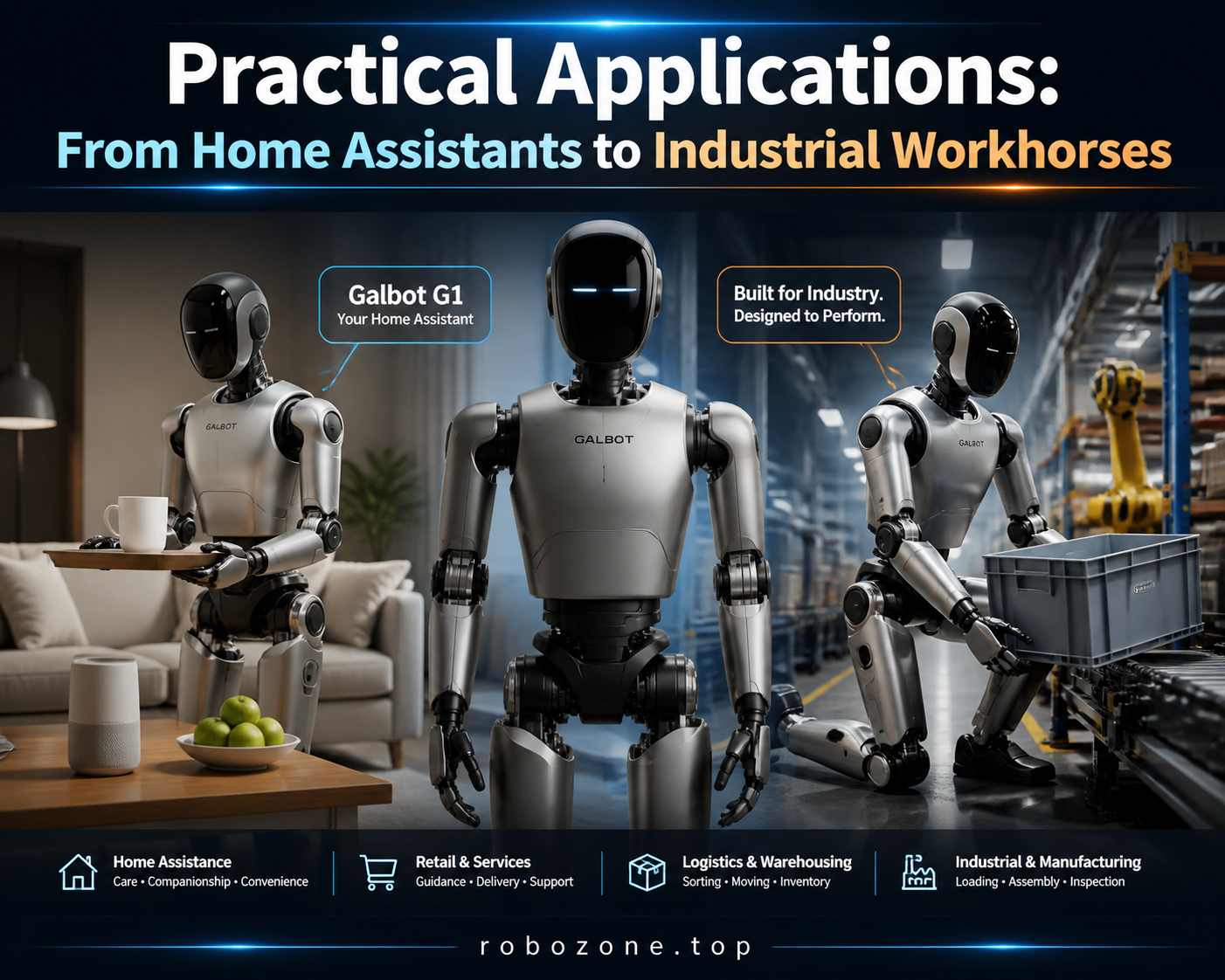
Across the board, the Galbot G1 is turning heads in industries ranging from healthcare to manufacturing. In home settings, it can assist with household duties, providing support for elderly individuals or people with disabilities, making these environments significantly more comfortable.
On the industrial front, the Galbot G1 is cutting its teeth by handling tasks that were once reserved for human hands. For instance, assembling intricate components in a factory with precision that challenges even the most meticulous human workers.
In healthcare, these robots are slowly beginning to assist with patient care, functioning in roles that require both dexterity and empathy – albeit digital. Imagine a nurse’s assistant that can help administer medication while also fetching medical supplies with no complaints about long hours.
Technical Marvel: What’s Inside the Galbot G1?

Peering under the hood of the Galbot G1 reveals a complex ecosystem of technology. At its core, it boasts dual-processing units capable of handling vast data streams, empowering it to make quick yet thoughtful decisions. NVIDIA’s recent advancements in AI chip technology have played a critical role here, enabling the Galbot G1’s sensory perception and advanced computational capabilities.
Sensors abound, from infrared for obstacle detection to microphones sensitive enough to distinguish voices in crowded rooms, akin to picking out your favorite song in a noisy bar. What’s even more exciting is how these elements harmoniously work together to create an electronic symphony that’s both responsive and adaptive.
Market Analysis: Is There Room for Galbot G1 in 2026?
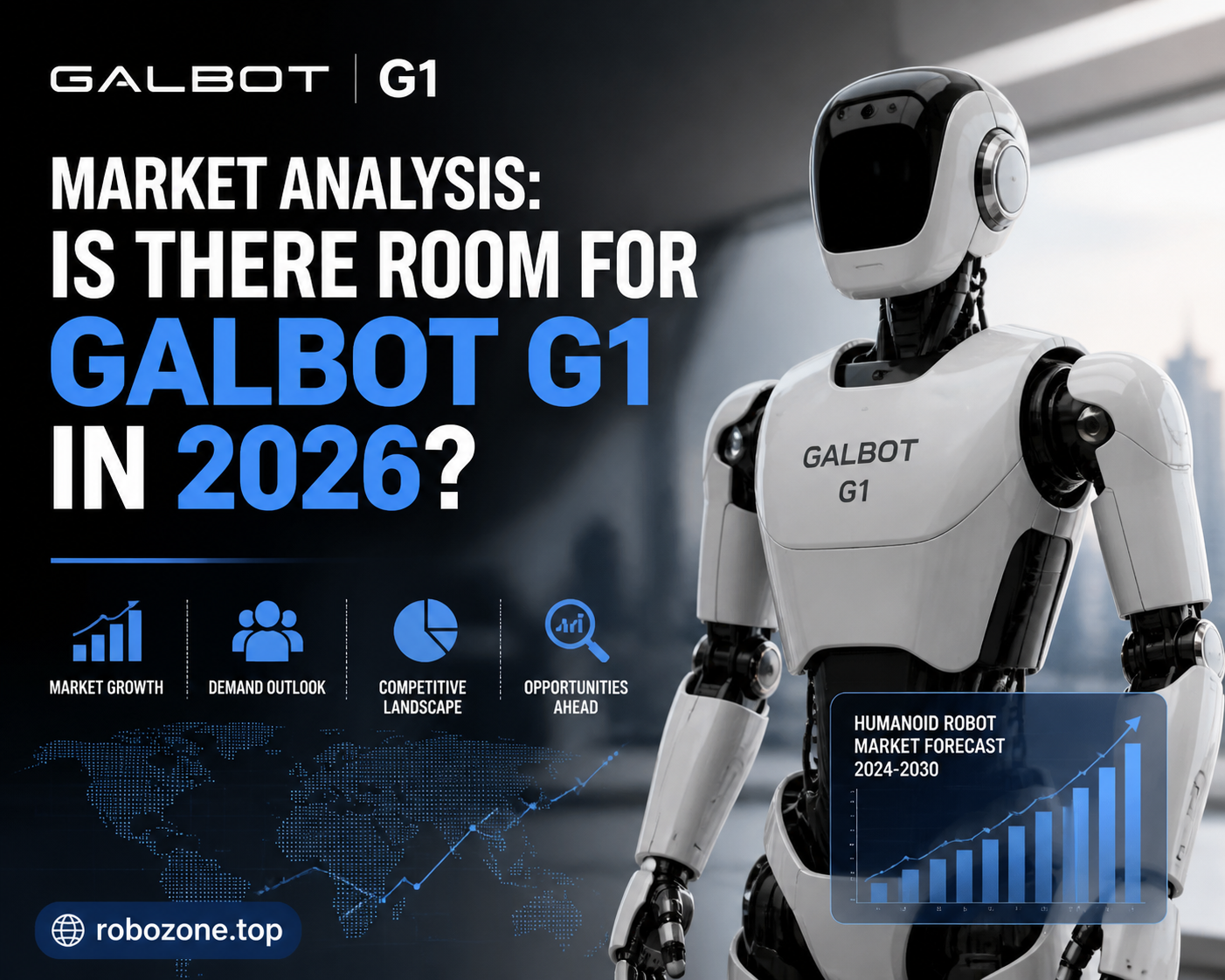
As of 2026, the robotics market is experiencing exponential growth, with investments pouring in from global tech giants. The demand for advanced robotics solutions like the Galbot G1 is fueled by the rising need for automation and the push towards more efficient business models. Reports from McKinsey & Company predict a substantial upwards trajectory in robotics investment, mimicking the early days of the internet boom.
Yet, amid this excitement, potential buyers must weigh the financial implications carefully. The Galbot G1 pricing, though not explicitly detailed publicly, follows a trend seen in high-tech acquisitions: initial costs can be significant, but they are often offset by the long-term savings on labor and productivity gains.
Acquisition Models: Purchase, Lease, or Robotics-as-a-Service (RaaS)?

A critical decision for enterprises and individuals alike lies in the acquisition model. Options abound, and each comes with its own set of advantages and challenges.
For outright purchases, the initial expense can be daunting. However, for those who prefer to own and control their technology entirely, this is the way to go. Leasing offers a more affordable path, spreading the costs over time much like a car lease. An increasingly popular choice is Robotics-as-a-Service (RaaS), which allows users to integrate these sophisticated machines without hefty upfront investments, akin to subscribing to a streaming service rather than buying a DVD collection.
The Real Cost of Ownership: Beyond the Price Tag
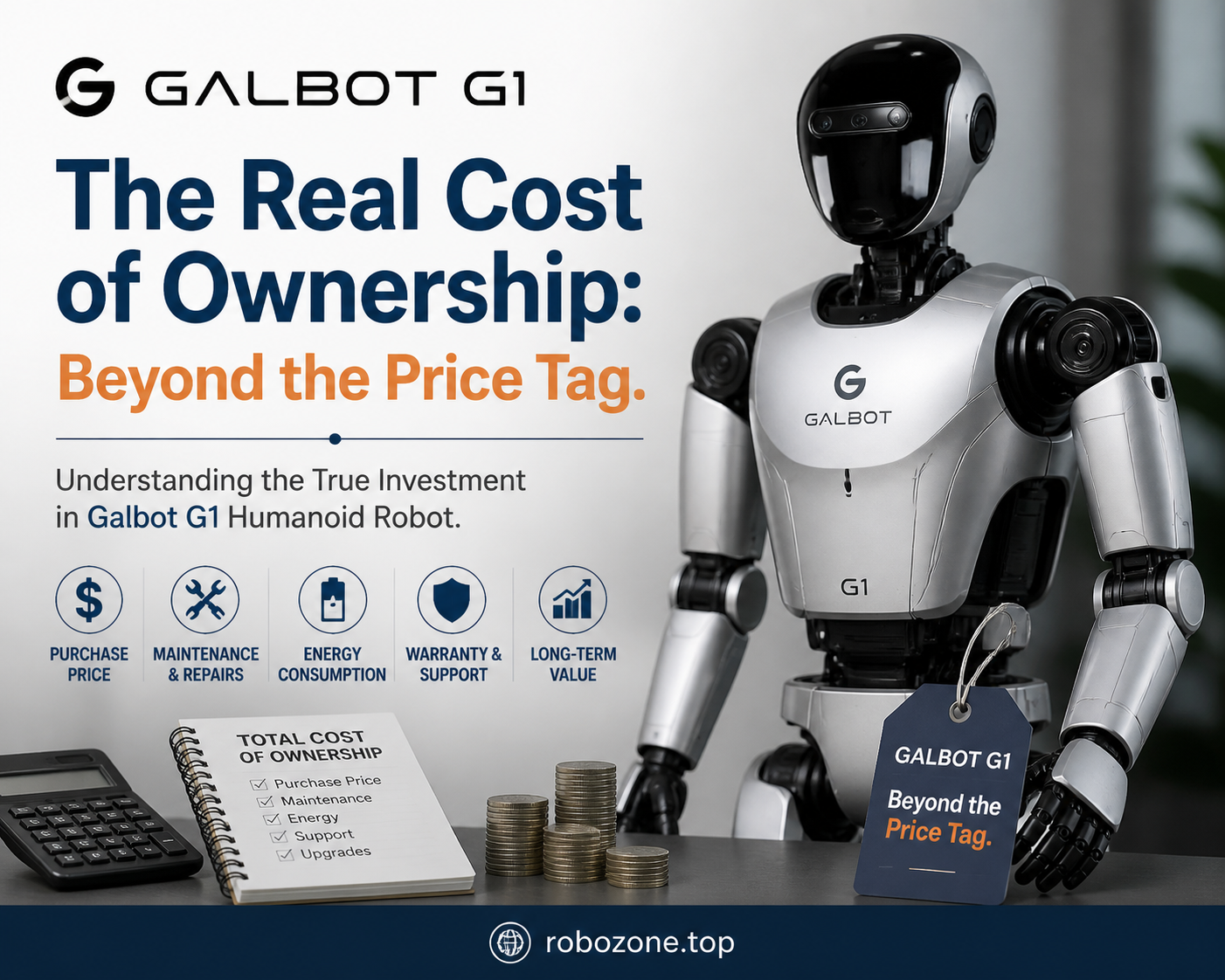
Owning a Galbot G1 goes beyond its purchase price; indeed, the true cost encompasses integration, ongoing maintenance, and potential upgrades that nurture long-term reliability and performance. Much like owning a high-end sports car, it’s not just about driving off the lot, but how it’s maintained and updated to ensure peak performance.
Then there’s the cost of adaptation, both for the machines to the work environment and vice versa. The cultural shift within organizations to accommodate such technology can be likened to moving from a small town to a booming metropolis – it’s exciting, yet demands significant adjustment.
Challenges and Limitations: What Still Doesn’t Work?
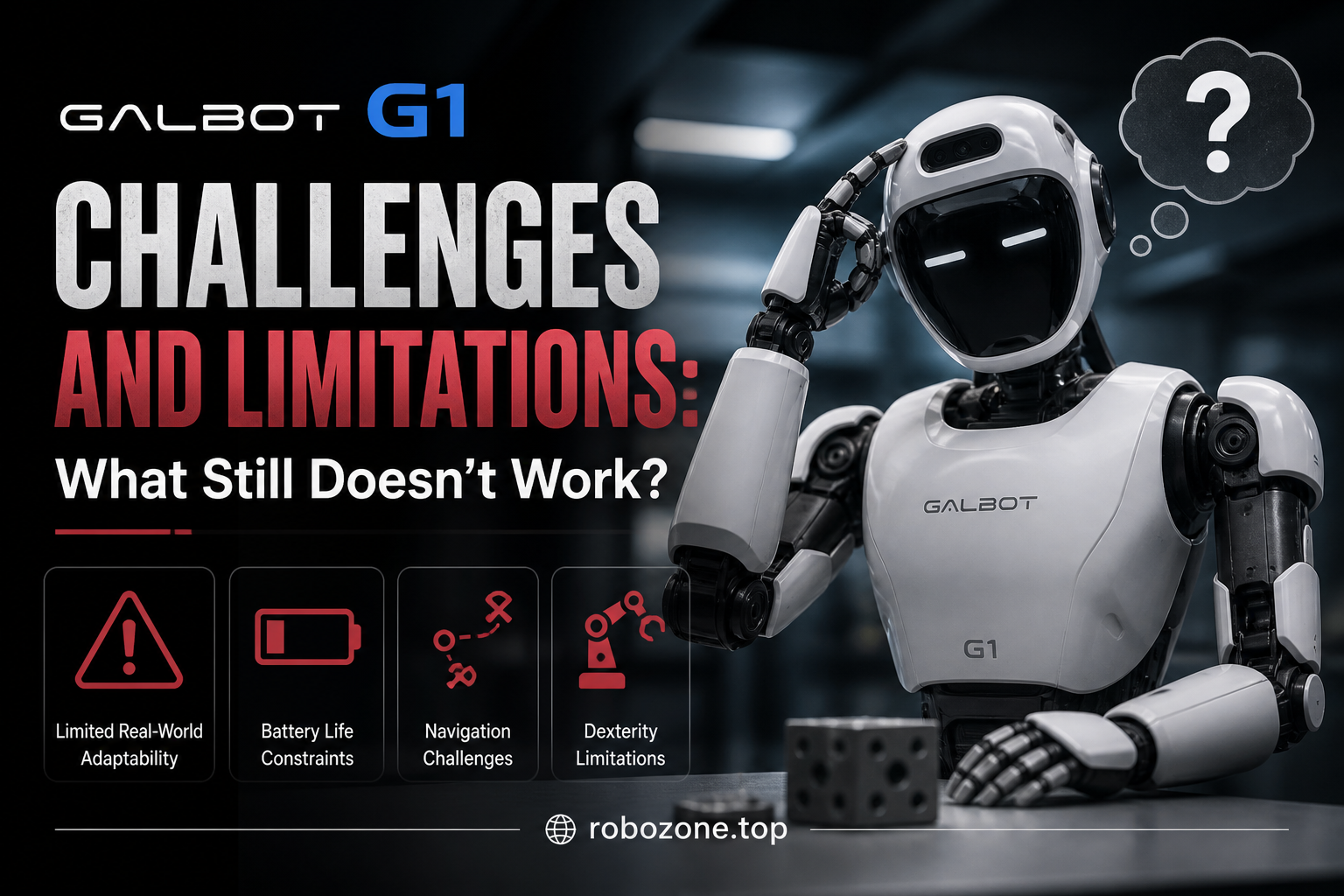
Despite its potential, the Galbot G1 is far from flawless. Challenges primarily involve the integration into complex human environments where nuance and unpredictability reign. Unlike humans, robots struggle with tasks that require emotional intelligence, a challenge that roboticists are tirelessly working to overcome.
Additionally, regulatory frameworks remain a work in progress, as governments worldwide grapple with how best to manage AI deployment without stifling innovation. Much like the early days of the automobile, we’re on a journey that necessitates patience and adaptation.
Gazing into the Crystal Ball: The Future of Galbot G1
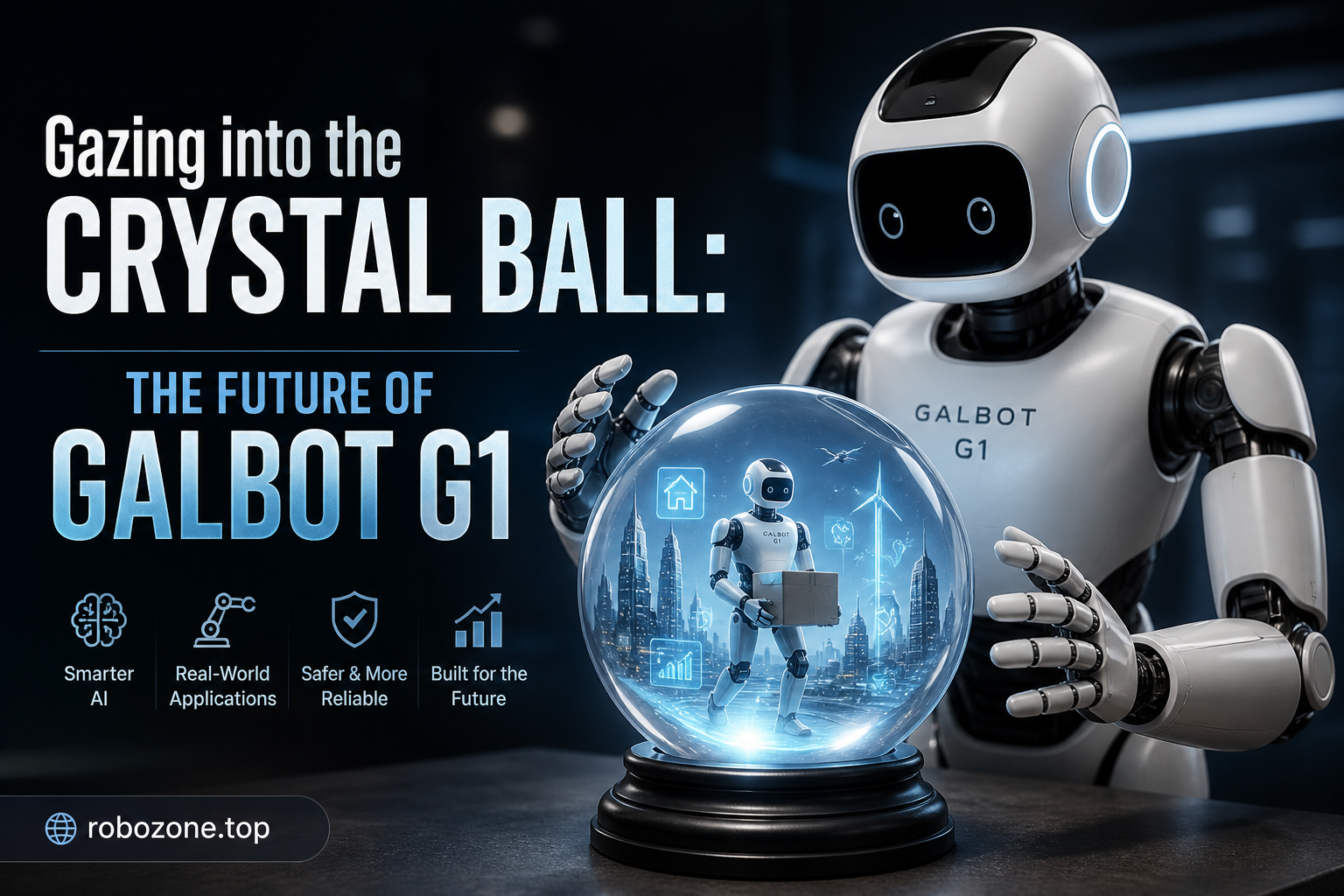
Looking ahead, the future for the Galbot G1 and its successors may well involve deeper integration into all facets of life, driven by enhancements in AI capabilities and continued reductions in cost. In 3 to 5 years, analysts forecast that these robots could become a staple in workplaces, perpetually enhancing productivity metrics.
Strategically, stakeholders including developers and businesses must prepare for a landscape that prioritizes adaptability and continuous learning. As Thomas Huynh would aptly put it, the real winners will be those who not only ride the wave of technological change but redefine the shoreline itself.
So where does this leave us? As we ponder the trajectory of robots like the Galbot G1, it becomes evident that we’re witnessing just the beginning of a transformative trend. While challenges remain, the potential benefits are substantial, promising a future where human ingenuity and robotic precision can coexist harmoniously.
Businesses and individuals willing to explore and invest in this cutting-edge technology today stand to reap significant rewards tomorrow. The Galbot G1 isn’t merely a curiosity or a headline-grabbing gimmick; it’s a harbinger of our increasingly automated tomorrow.
For those of us covering this dynamic sector, like Thomas Huynh and the team at RoboZone.top, the story of the Galbot G1 is an exhilarating one to tell.
Thomas Huynh – Admin of RoboZone.top
References & Further Reading:
- MIT Technology Review — [direct link]
- IEEE Spectrum — [direct link]
- McKinsey & Company — [direct link]
- Stanford AI Lab — [direct link]
- World Economic Forum — [direct link]