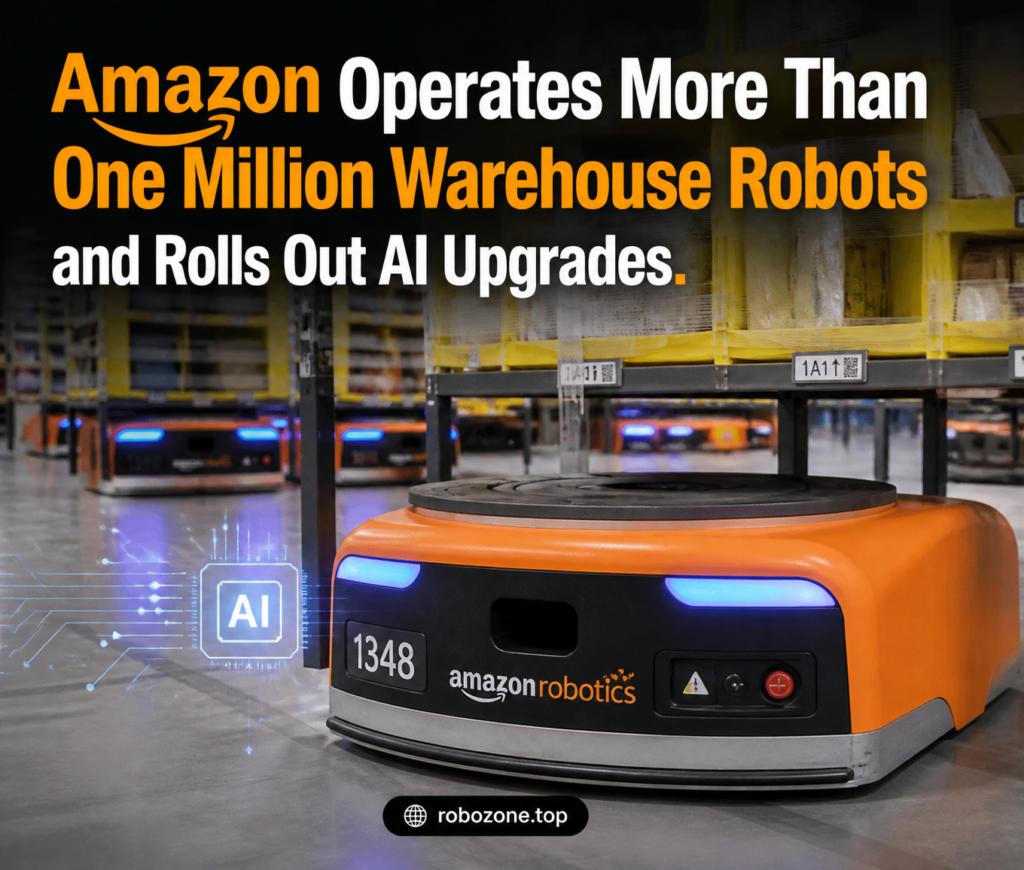
The logistics landscape continues to transform dramatically as Amazon’s latest disclosure reveals the operation of more than one million robots across its global warehouse network. This deployment underscores Amazon’s commitment to automation at unprecedented scales. As the company pushes ahead with ambitious advancements, including AI-based traffic control and touch-sensing capabilities, the implications for productivity, safety, and labor dynamics are profound. In this detailed exploration, we unravel what these AI upgrades entail, the tangible impacts on Amazon’s workforce, and what the future might hold for both the e-commerce giant and the industry at large.
Amazon’s Expansive Fleet of Warehouse Robots: A Technological Milestone
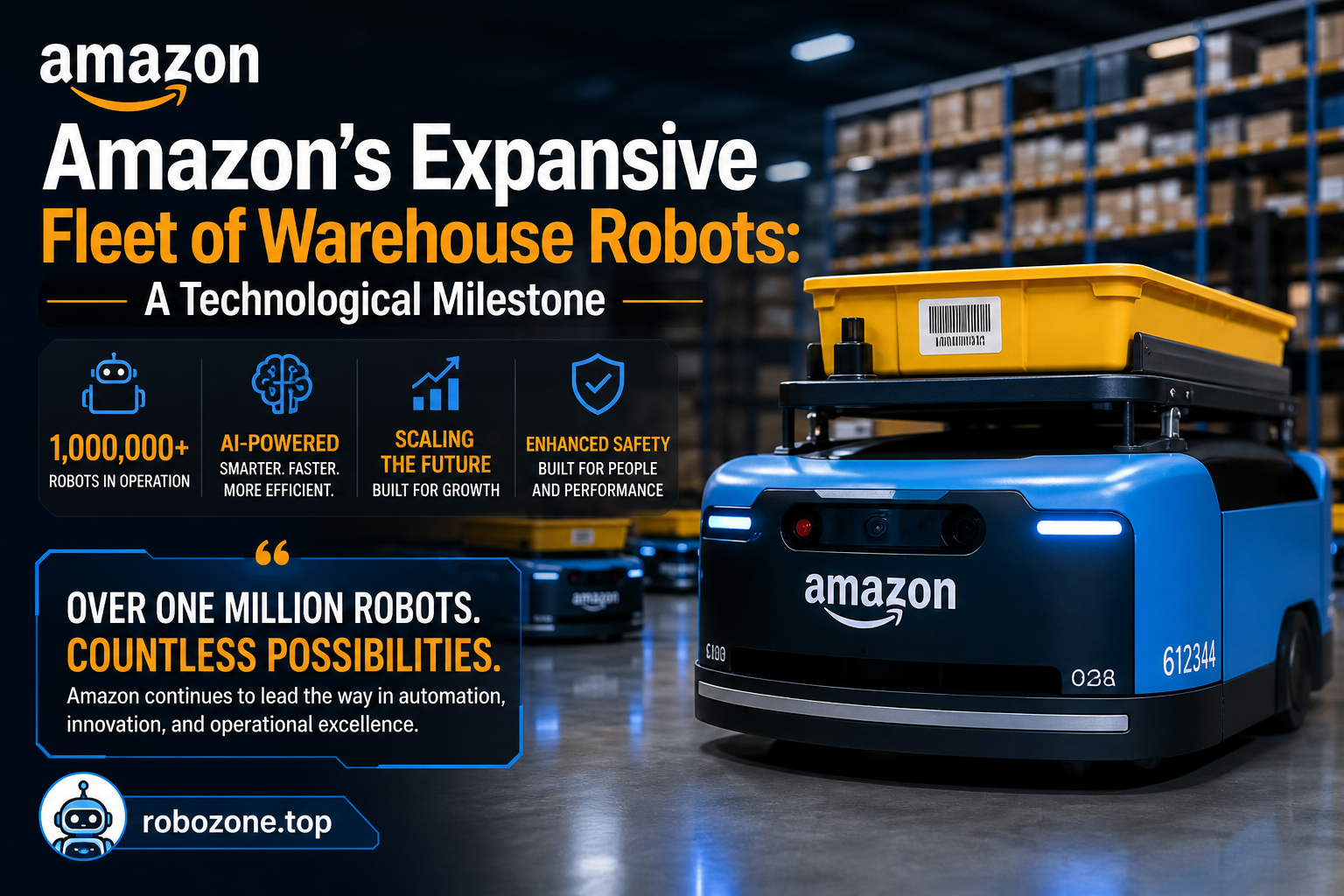
The scale of Amazon’s robotic workforce is staggering. As of 2023, Amazon reports having over one million robots working in its fulfillment and sorting centers worldwide, a testament to the company’s relentless pursuit of efficiency and dominance in the retail sector. These robots, largely consisting of mobile platforms like the Kiva robots (now rebranded under Amazon Robotics), navigate vast warehouse floors, tirelessly ferrying inventory to human workers. The significance of this robotic fleet lies not just in its size but in the sophistication of its deployment.
Amazon’s strategic deployment extends beyond mere automation; it integrates cutting-edge technology to forge new pathways in warehouse management. The Kiva systems, acquired in 2012, marked a pivotal shift in Amazon’s operational strategy, morphing from basic automated guided vehicles to intricate logistics solutions. Over the years, the robots have evolved with advances in AI and machine learning, allowing for tasks like dynamic path planning and efficient congestion management.
But Amazon’s technological advancements don’t stop here. Recently, they’ve begun rolling out a comprehensive AI-based traffic management system, designed to optimize robot pathways even further. This system aims to reduce bottlenecks and improve the overall throughput of the warehouse operations. Such enhancements are central to Amazon’s strategy of not only accelerating order fulfillment times but also adapting to the dizzying scale of the modern e-commerce environment.
AI Upgrades: From Traffic Control to Touch-Sensing Capabilities
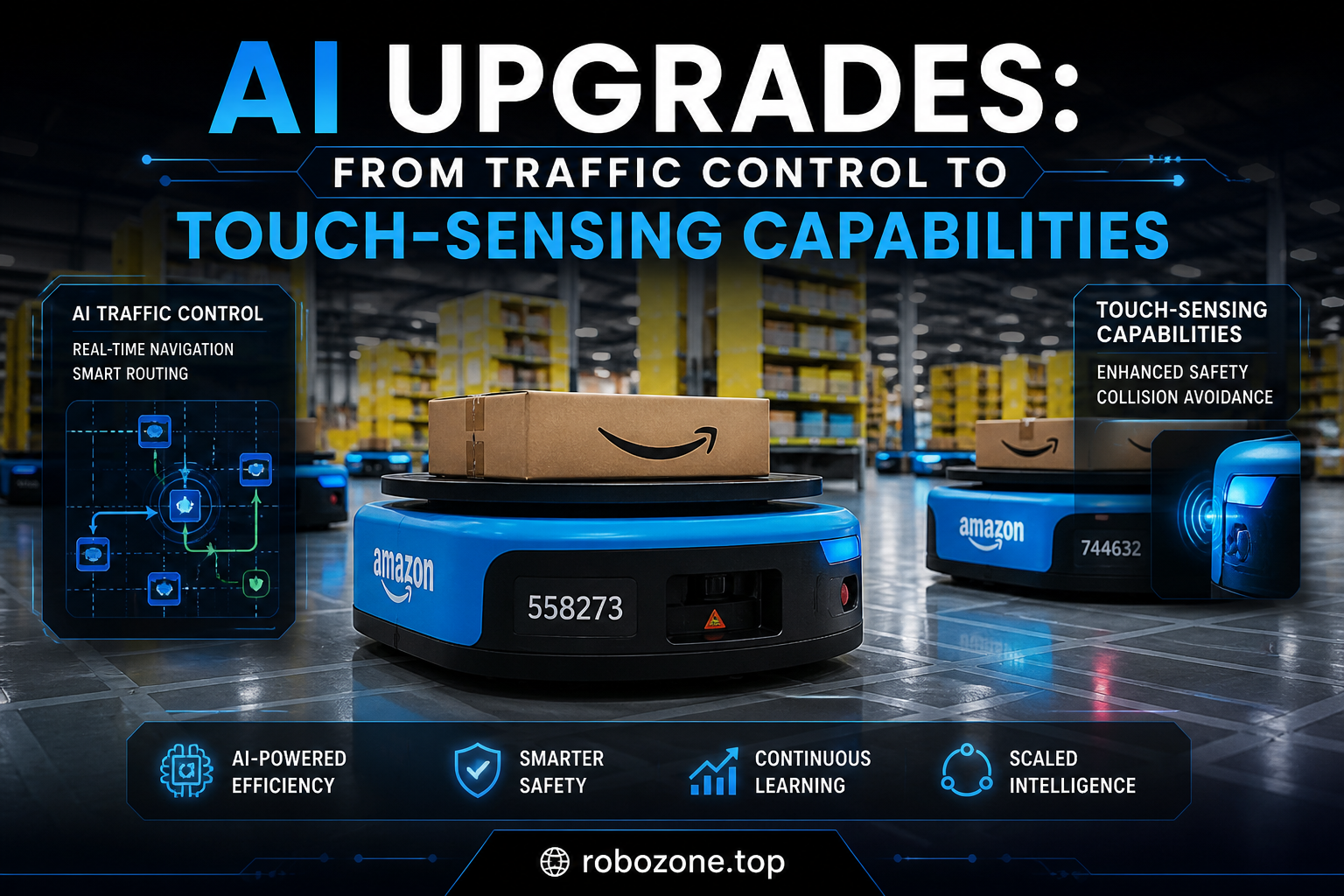
While the sheer number of robots in operation is impressive, the AI upgrades being introduced present a new frontier of capability. Amazon’s implementation of an AI-driven traffic control system represents an advanced facet of its warehouse automation. This system utilizes machine learning algorithms to predict and manage the flow of robotic traffic, ensuring that the thousands of robots maneuver smoothly within the busy environments of Amazon’s fulfillment centers.
One significant facet of these upgrades is the incorporation of touch-sensing technology. As explained by Amazon Robotics, this involves equipping robots with advanced sensor arrays capable of mimicking human-like tactile feedback. The intention here is to enhance the robots’ ability to handle packages gently but firmly, reducing the potential for damage during handling—a critical factor given the diverse and delicate nature of goods processed by Amazon.
According to technical documentation released by Amazon, the AI traffic control is designed to operate in real-time, dynamically assessing the optimal paths for robotic units while minimizing idle time and potential collisions. This system leverages Amazon’s cloud infrastructure to manage data from millions of sensors, facilitating split-second decision-making that enhances both efficiency and safety.
Safety Considerations: A Mixed Bag of Outcomes
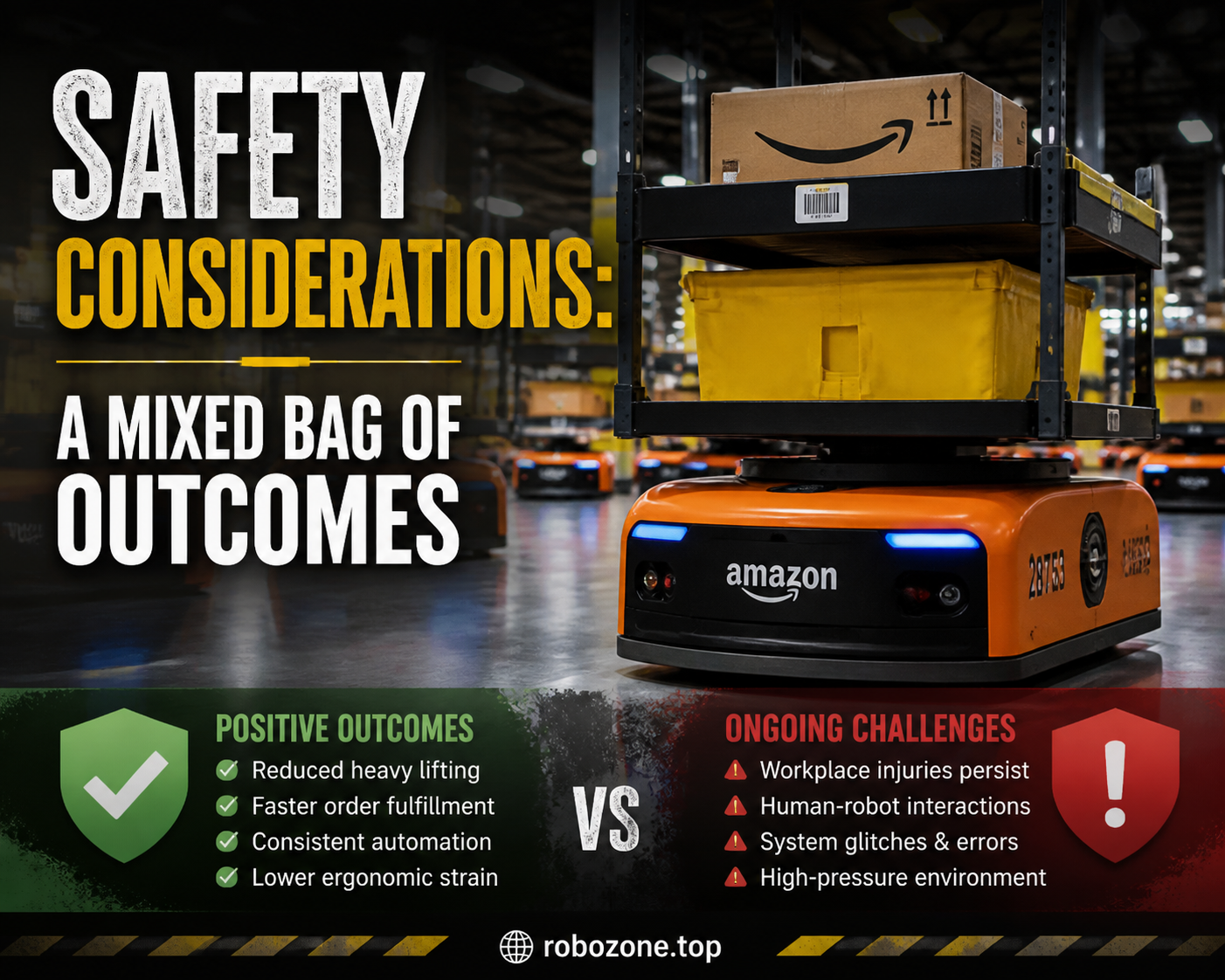
The introduction of advanced robotics systems in high-scale operations inevitably raises critical safety questions. Amazon’s robotic operations have been scrutinized for their impact on workplace safety, and studies associated with the deployment of these AI enhancements have presented an interesting duality in outcomes.
Independent investigations and internal reports suggest a notable reduction in severe injury rates among human workers, correlating this improvement with the proactive interventions made possible through automation. The precision and reliability of robots in handling repetitive and potentially hazardous tasks have been credited for insulating workers from dangerous scenarios.
Yet, not all findings reflect unequivocal success. While the frequency of severe injuries has decreased, there has been an observable increase in minor injuries. These are often attributed to the high-paced work environment encouraged by automation—an environment where human operators are encouraged to keep up with robotic efficiency.
The company has acknowledged these challenges but remains steadfast that further refinement in AI algorithms and facility designs will eventually remedy these issues. Nonetheless, these developments underscore the necessity for a balanced approach in integrating advanced robotics, where further enhancements are paired with ongoing human safety considerations.
The Workforce Implications and the Road Ahead

Amazon’s heavy investment in robotics and AI also signals significant implications for its workforce trajectory. Discussions abound regarding how automation might alter labor demand, with some projections hinting at a potential reduction in hiring needs through 2033. The narrative is complex. On one hand, automation has drastically improved operational efficiency and reduced the risk burden on human workers. On the other, it raises questions about the future employment landscape in one of the world’s largest employers.
According to internal company projections leaked to major outlets, automation may increasingly absorb roles currently fulfilled by human workers, potentially leading to fewer traditional warehouse jobs. However, it’s vital to recognize that this evolution might not equate to workforce reduction but rather a shift. There’s a growing need for skilled technicians, engineers, and developers to manage, optimize, and improve these systems.
Moreover, Amazon’s investment in employee upskilling programs is regarded as a strategic approach to prepare its workforce for the evolving demands of automation. By offering training in areas like robotics maintenance and advanced analytics, the company underscores its commitment to maintaining a robust labor force that evolves alongside its technological advancements.
Navigating Challenges and Future Prospects
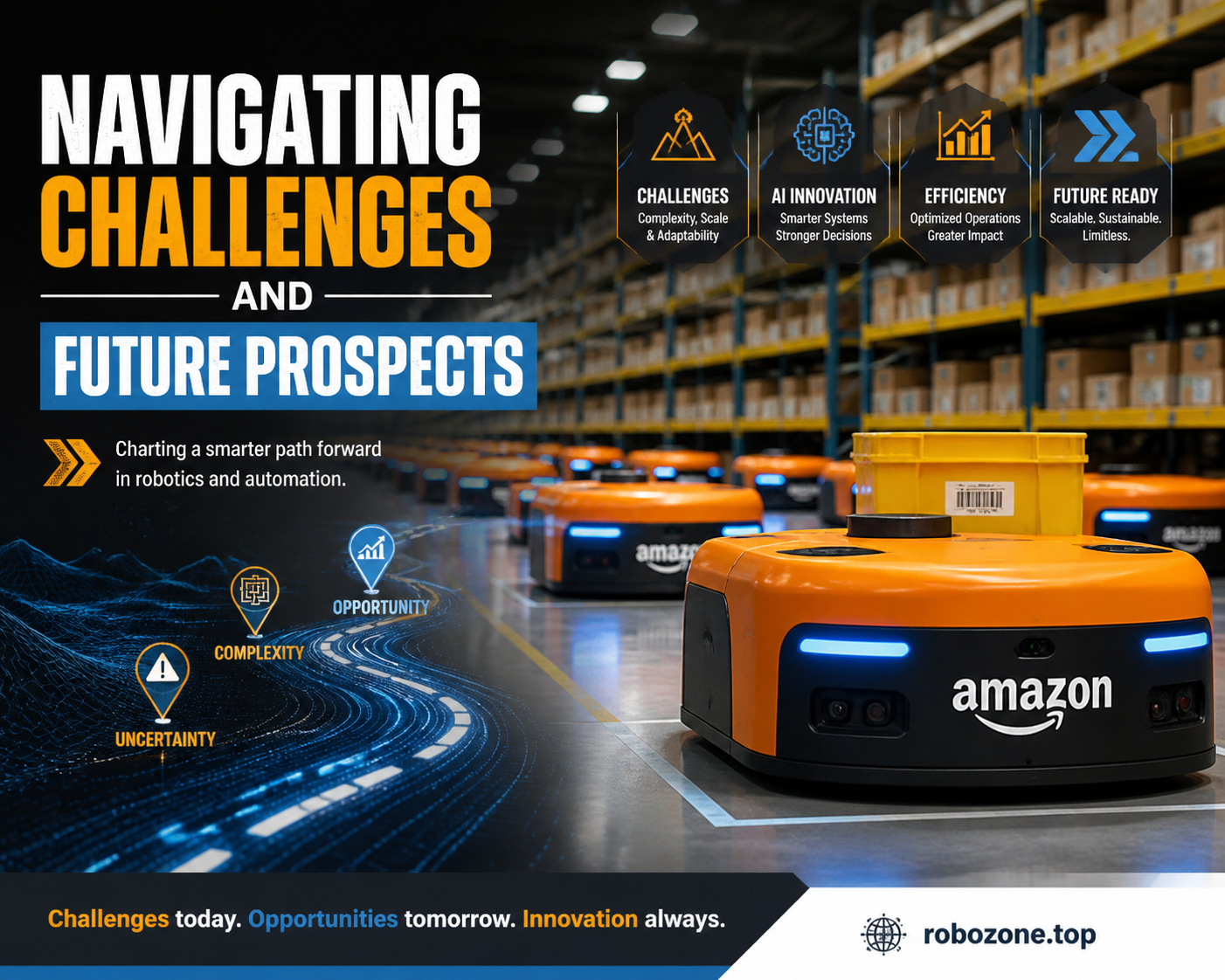
The trajectory of Amazon’s robotic and AI ventures presents both tremendous promise and formidable challenges. While automation offers unquestionable advantages in terms of speed and efficiency, realizing these benefits at scale requires overcoming various hurdles. Chief among these are the technical complexities of integrating more sophisticated systems into already high-paced operational settings.
Success for Amazon hinges not only on technological innovation but also on strategic management of human and machine collaboration. The AI upgrades reflect a profound understanding of the need for seamless interaction between robots and human workers—ensuring that such advances continue to augment, rather than replace, the multifaceted nature of human labor.
For industry observers, the coming months promise further insights into how Amazon will tackle present challenges and what new capabilities might emerge from its labs. The delicate balance of augmenting human work while leveraging robotic efficiency will likely define the direction of Amazon Robotics’ next phase.
What Readers Should Watch in the Coming Months

As we look forward, several milestones will shape how Amazon’s robotic strategy unfolds. The continued evolution of AI capabilities within these robots, including more sophisticated learning algorithms and enhanced tactile sensors, will be pivotal. Additionally, the impact of Amazon’s labor strategies—particularly how they will integrate more complex AI frameworks into occupational models—remains critical to gauge.
For investors and analysts, keeping a close eye on Amazon’s safety records, workforce transition programs, and the scalability of its robotic operations will be essential. Each of these elements serves as an indicator of Amazon’s ability to maintain its pioneering status within the industry without alienating its invaluable human workforce.
Understanding and assessing these dynamics will shed light not only on Amazon’s future but on the broader evolution of robotics in retail logistics—a journey that promises to redefine the very contours of how goods are moved, processed, and delivered around the globe.
References and Further Reading
- Amazon — About Amazon Official Website
- The Verge — In-depth Analysis on Warehouse Robotics
- IEEE Spectrum — Robotics and Automation News
- McKinsey & Company — Insights on Automation and Workforce
- Boston Consulting Group — The Future of Work in the Age of Automation
Admin of RoboZone.top