The tale of robotics is one as old as science fiction itself, a narrative scribed in tomes of imagination where automatons pledged service to their creators. Yet, as we stand at the shimmering threshold of the real 2026 AD, it’s abundantly clear that robotics is no longer bound by metaphorical ink but is propelled by the tangible pulse of AI chips. These ingenious pieces of silicon are the heartbeat of modern robotics, promising to ink the next chapters of technological evolution in ways both profound and unimaginable. But what exactly lies within these tiny powerhouses, and how might they sculpt the contours of robots in our world?
The Core Concept of AI Chips in Robotics
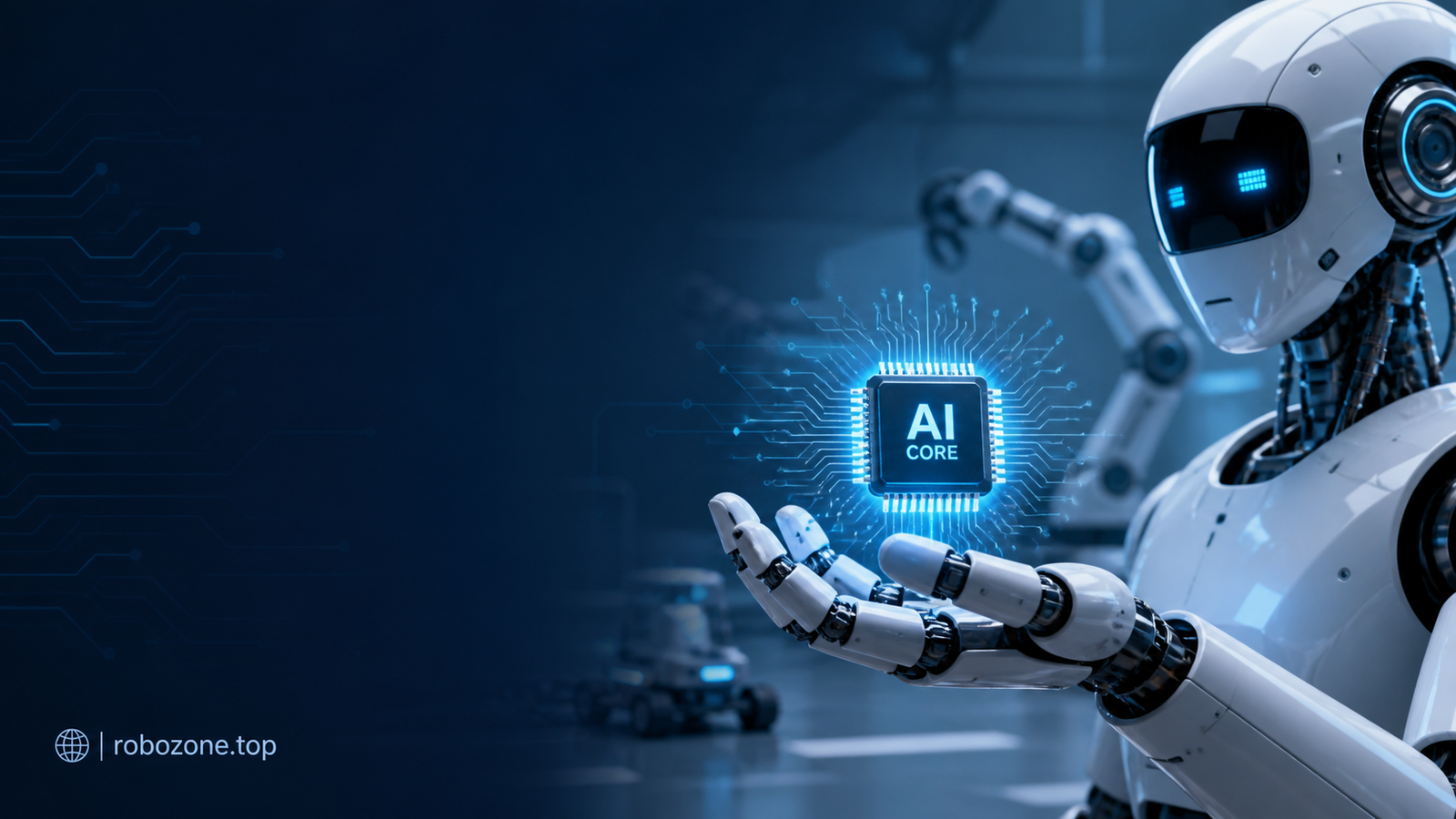
At the heart of this technological revolution are AI chips—the specialized processors designed to handle the computationally intense tasks required by modern AI algorithms. Unlike traditional CPUs or even GPUs, AI chips are engineered to process vast amounts of data quickly and efficiently, enabling robots to perform near real-time data analysis, decision-making, and learning. This breakthrough architecture is the brainchild of neural processing units (NPUs) and tensor processing units (TPUs), among others, which can mimic the way human brains process information, albeit on silicon wafers.
Much like the bustling matrix of neurons firing in our craniums, AI chips provide the computational grunt needed for robots to understand and react to their environment. Consider NVIDIA, a pioneer in the deep learning space, whose developments in GPU-accelerated AI have already set the stage for this transformative journey.
Real-World Applications Across Diverse Industries
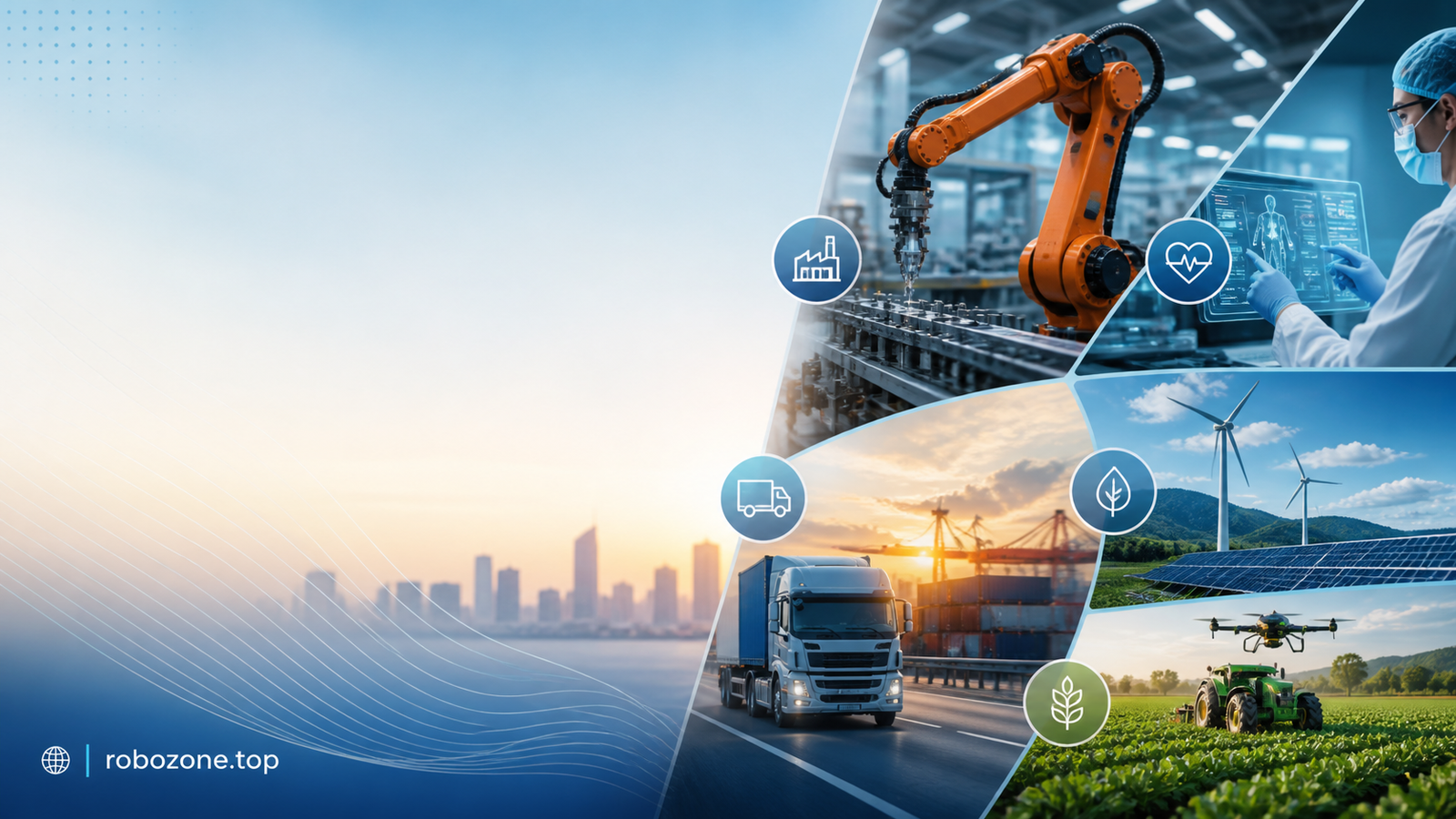
As AI chips become increasingly sophisticated, their impact echoes throughout various sectors. In healthcare, robotic surgery systems, powered by these chips, offer precision and control invaluable to surgeons navigating the intricacies of the human body. One marvel of modern medical robotics, the da Vinci system, has already performed countless minimally invasive surgeries, a testament to the chip-powered finesse.
In homes across the globe, AI-imbued robots vacuum, cook, and even play with pets—all with a cognitive sophistication previously imagined only in robots of fiction. Industrial robots, once rote and clunky, now adapt intelligently to factory workflows, discerning delicate components, and performing complex tasks with unparalleled sensitivity.
The agricultural fields are not left behind. Autonomous harvesters, equipped with these AI powerhouses, optimize farming practices, increasing efficiency and sustainability—a crucial development for feeding an ever-growing global population. And in logistics, companies like Boston Dynamics have unveiled stunning examples of machine dexterity, showcasing robots that perform tasks with precision and learning abilities akin to well-trained humans.
Peering into the Technical Guts: AI Models and Robotics Systems
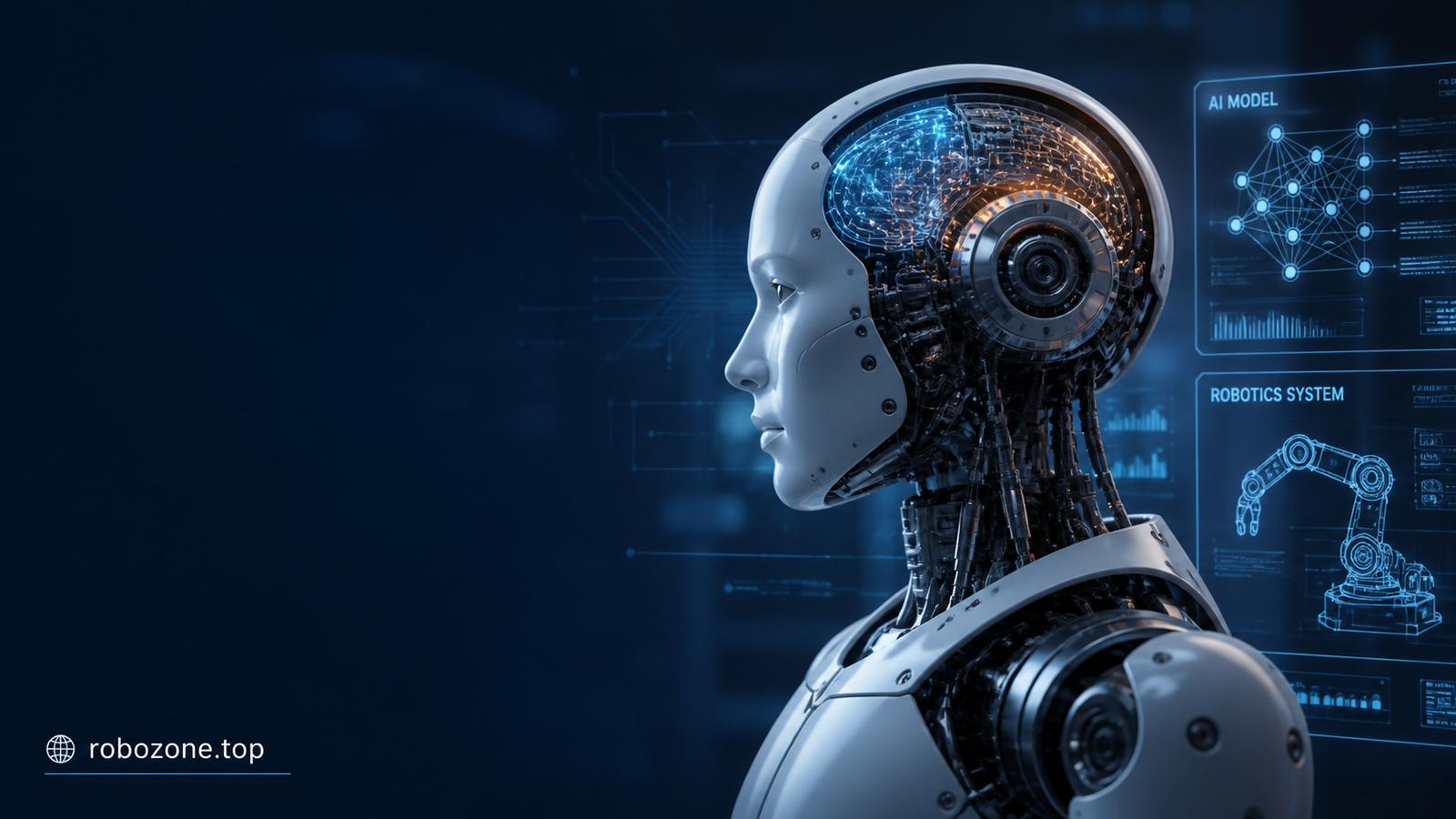
Behind every groundbreaking robot is an intricate dance of software, sensors, and AI chips—a symphony of engineering. The AI models that drive these robots are fueled by vast datasets and complex algorithms. Deep reinforcement learning, for instance, endows robots with the capability to learn optimal behavior through trial and error, while convolutional neural networks (CNNs) enable object recognition, equipping robots with visual perception akin to human sight.
This marriage of AI with robotics systems is further augmented by sophisticated sensor suites, from LiDAR to cameras and tactile sensors, allowing these mechanical marvels to safely navigate and interact with the unpredictable world. As Thomas Huynh might quip, ‘Robots these days have more eyes than Anubis,’ pointing to the myriad sensors that bring them to life.
Market Dynamics: Growth, Investments, and Economic Ramifications

The market for robotics, driven by AI chips, is on an upward trajectory. According to a recent McKinsey report, investments in robotics are projected to reach astronomical figures within the next decade, with AI at the helm of this advancement. Venture capitals and tech giants like Google DeepMind and Tesla are no strangers to these fervent investments, channeling billions into research and development to maintain competitive edges.
Economically, the integration of AI chips in robotics could spark productivity booms across industries, propelling sectors into new phases of efficiency. The World Economic Forum predicts that as automation takes over routine jobs, it may initially cause disruption yet ultimately contribute to creating higher-skilled jobs. Ironically, this might mean your future bread delivery will be done by a robot baker with more gusto than your local baker had ever dreamt.
Challenges and Limitations: The Roadblocks in the Pathway

Amidst the promising vistas and rosy forecasts, the path is not without its bumps. AI chips, while powerful, require tremendous amounts of data and meticulous training environments to perform optimally. In conditions lacking sufficient data diversity, AI risks falling into pits of bias, rendering its decisions flawed or even dangerous.
Moreover, security in robotics continues to pose a significant challenge. As robots integrate more deeply into our daily lives, they become targets for cyber-attacks. Ensuring the security of AI-driven decisions and safeguarding user privacy is paramount—a tall order given the vast and constantly evolving threat landscape.
Gazing into the Crystal Ball: Future Predictions

As we peer into the holographic crystal ball, the future of AI chips in robotics unfolds with both promise and intrigue. Over the next 3 to 5 years, we can expect to witness accelerated advancements in AI algorithms and their hardware counterparts, steadily transitioning towards achieving general-purpose robots. Robots capable of multitasking at the level, or above, that humans can manage will no longer be merely speculative fiction.
Long-term visions offer even bolder scenarios, where robots substantially augment human capabilities. We may see robots that extend human reach to environments and tasks previously deemed impossible—think of deep-sea explorations or construction on celestial bodies as plausible endeavors.
Thomas Huynh might just say, ‘In the next decade, the only constant in robotics will be change itself,’ capturing the anticipation of an industry on the brink of profound transformation.
Strategic Insights: Preparing for Tomorrow

So what should developers, businesses, and end-users do in this whirlwind of robotic evolution? For developers, the call is to immerse themselves in continuous learning as AI and robotics technologies advance quickly, requiring an agile and up-to-date skill set. Industry players should also forge strategic partnerships, such as collaborating with AI and robotics academics and innovators, to remain relevant in this fast-paced ecosystem.
Businesses need to reassess operational and workforce strategies. Embracing robotics doesn’t simply mean replacing human employees with machines—it involves rethinking business models and upskilling personnel to collaborate effectively with next-generation robotic coworkers.
End-users, meanwhile, should brace for a world where household robots become as ubiquitous as smartphones, demanding adjustment and acceptance of newfound lifestyles facilitated by our silicon companions.
What Should We Really Pay Attention To?
The transition from imagination to innovation is a journey fraught with challenges yet pregnant with possibilities. As AI chips continue their metamorphosis, reshaping the fabric of robotics, it is imperative to stay informed and adaptable. The future demands an embrace of change—a readiness to leverage the confluence of AI and robotics for our collective development.
Thomas Huynh puts it succinctly—the