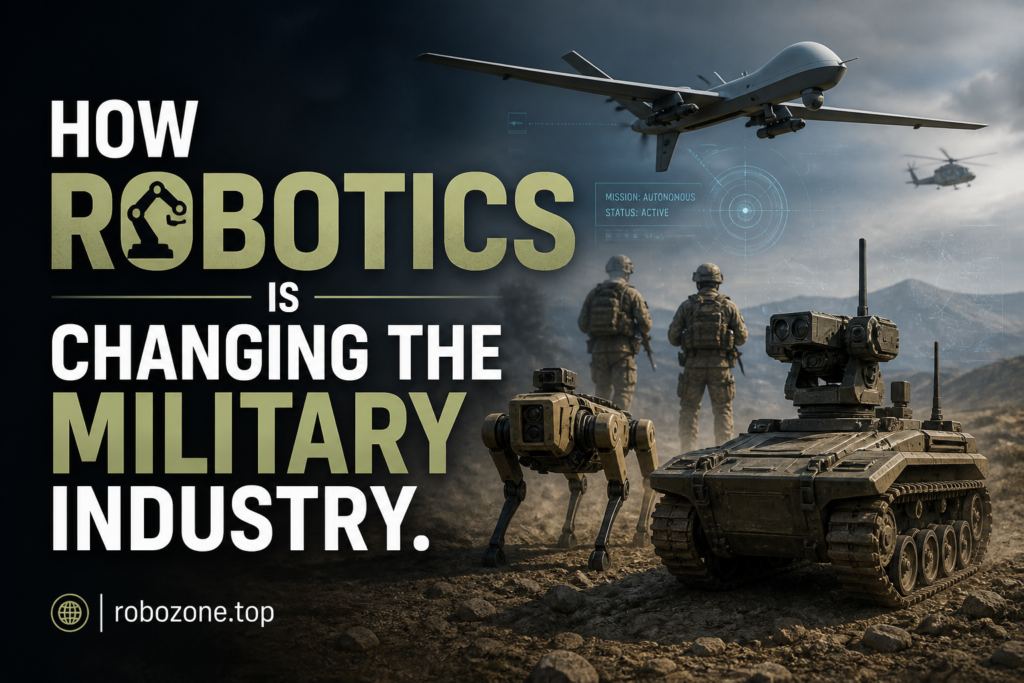
As Thomas Huynh, the insightful admin of RoboZone.top, often muses, ‘It’s like we’ve stepped into a chapter of Asimov’s playbook, where machines are becoming integral to our defense strategies.’ So, how exactly is robotics reshaping the military landscape? Let’s delve into the intricacies of this transformation.
The Core Concept: From Sci-Fi to Reality

The idea of robots in warfare dates back decades, often occupying the realm of science fiction more than reality. But as technology gallops forward, that fiction is swiftly becoming fact. Essentially, military robotics involves the use of autonomous or semi-autonomous systems to bolster defense capabilities. These systems range from AI-driven unmanned aerial vehicles (UAVs) to autonomous ground vehicles tasked with scouting or logistical support.
One pivotal aspect of these systems is their advanced AI capabilities. Deep learning models, neural networks, and machine learning play crucial roles in enabling robots to process complex data and make split-second decisions that can mean the difference between victory and defeat in combat scenarios.
The US Department of Defense and private tech companies are investing heavily in these technologies, anticipating a future where robots serve as force multipliers, minimizing human risk while enhancing operational effectiveness.
Real-World Military Applications
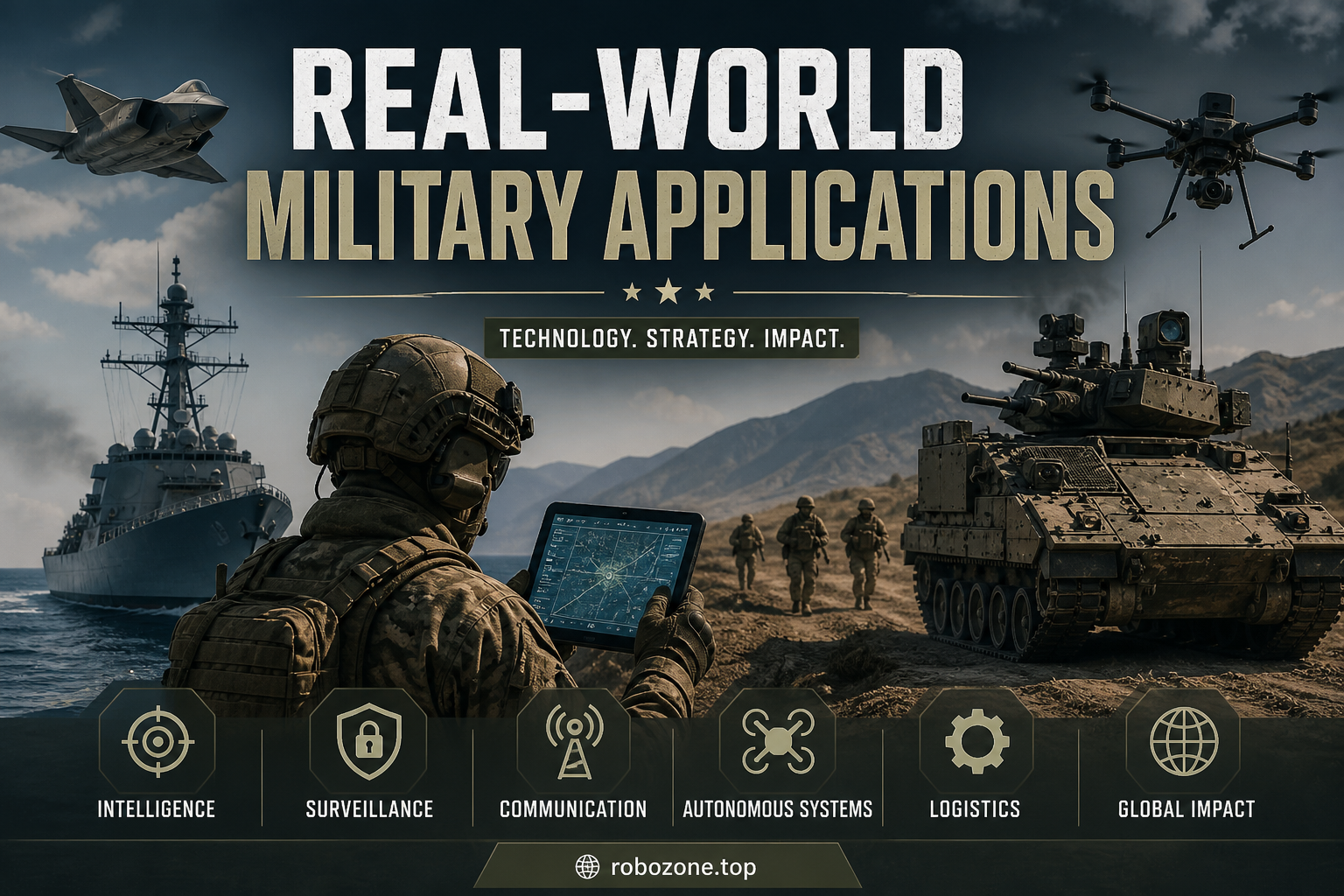
From reconnaissance missions to logistics and supply chain management, military robots are proving indispensable. The drones that once served only in surveillance now engage in offensive and defensive operations. For instance, UAVs such as the MQ-9 Reaper can operate autonomously, providing real-time intelligence to commanders, while also carrying out surgical strikes with remarkable efficiency.
On the ground, the adoption of autonomous vehicles has revolutionized supply chains at forward operating bases. Consider the Logistics Convoy Robots used by the US Army: these are designed to deliver supplies across dangerous terrains without risking human lives. In the sea, naval forces leverage autonomous underwater vehicles for both reconnaissance and mine clearance, effectively reducing the hazards faced by sailors.
And this isn’t limited to the United States. Nations like China and Russia are investing substantially in military robotics, developing land robots that can support infantry units or even replace humans in certain roles. It’s a global race, one where technological superiority can redefine military prowess.
The Technical Backbone: Systems and Technologies
Diving beneath the surface, what makes these robotic systems tick lies in their sophisticated integration of hardware and software. Companies like NVIDIA are at the forefront, developing advanced chipsets that deliver extraordinary processing power essential for real-time decision-making in combat zones. Coupled with sensors and LIDAR systems, these chips allow for high precision in navigation and target acquisition.
The software side is equally impressive, with AI models capable of independent learning. Systems like the NVIDIA Jetson platform provide the robust AI processing needed to empower autonomous operations. These models, trained on vast datasets, can recognize patterns, conduct threat assessments, and execute complex tasks unsupervised—transforming the role of soldiers from front-line participants to strategic overseers.
Additionally, robotics firms like Boston Dynamics and deep learning pioneers Google DeepMind are pushing the envelope further. Robots are becoming more agile, versatile, and intelligent, positioning themselves as assets capable of adapting to dynamic combat environments.
Economic Impact and Market Momentum

The integration of robotics into the military is also significant from an economic perspective. According to a report by McKinsey & Company, the global market for military robotics is expected to reach a staggering USD 30 billion by 2027. This growth is propelled by increased government spending on unmanned systems and the ongoing commitment to minimize soldier casualties.
Companies within the defense sector are riding this wave, investing heavily in R&D to stay ahead. The enthusiasm is not unwarranted; with recent advances in AI and machine learning, today’s prototypes quickly become tomorrow’s standard-issue equipment. Countries are lining up to secure contracts for these advanced systems, recognizing the strategic advantage they offer.
Yet, it’s not just economic gain—there’s a shift in defense strategy. Robotic systems allow military forces to execute missions that were once deemed too perilous, crafting a narrative where technology stands as the stalwart defender of human life.
Challenges and Limitations
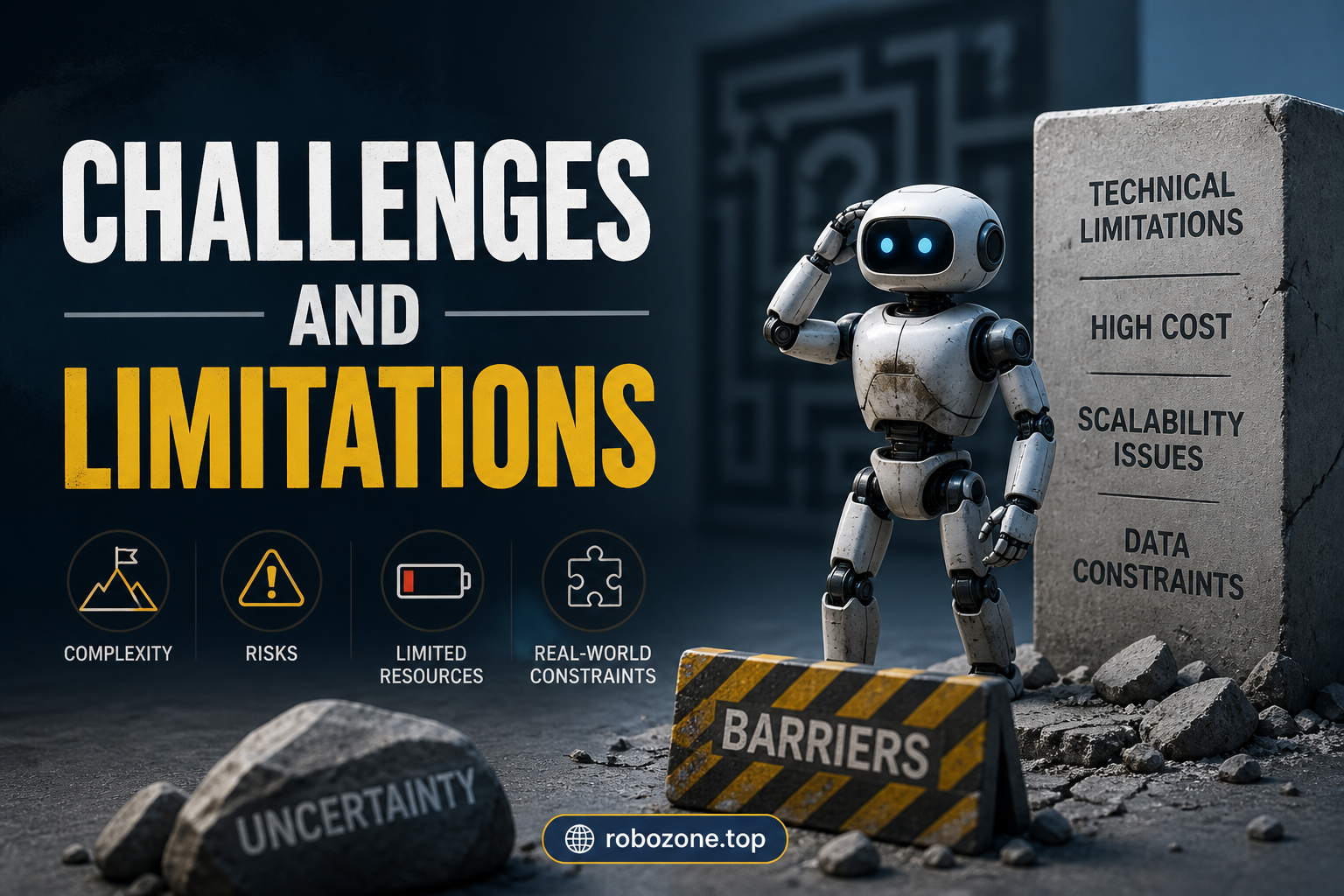
Despite the optimism, the path to a fully robotic military encounters plenty of obstacles. Automation does not come without its flaws, and perhaps the most palpable concern is the ethical implications. Autonomous systems can make lives-and-death decisions, conjuring fears of programming biases influencing combat scenarios. This ethical quandary has sparked global debates about the rules of engagement and the extent of autonomy permissible.
Moreover, technological challenges persist. Despite advances, robotics systems still face hurdles such as cybersecurity threats—one hack could turn an ally into a foe. Mechanical reliability is another concern; sandstorms in the desert or humidity in jungles could hinder the functionality of these sophisticated machines.
Military planners must balance these challenges with the undeniable benefits, and stakeholders like Thomas Huynh at RoboZone.top aim to unravel these complexities for a clearer public understanding.
Gazing Into the Future: What’s Next?

As Thomas would cleverly note, ‘If you think the future is already here, just wait five minutes!’ With advancements accelerating, the military robotics landscape of the next decade will likely be unrecognizable from today’s standards. Experts predict greater integration of cognitive AI, enabling robots to undertake more sophisticated missions with minimal oversight.
Within 3 to 5 years, we might witness AI-driven systems capable of executing entire campaigns independently, with human intervention as a fallback rather than a necessity. In the longer term, the prospects of ground soldiers becoming strategists rather than fighters—operating drones and robots from command centers miles away—grow increasingly realistic.
What should developers and stakeholders focus on? Ensuring robustness in AI frameworks, enhancing data security protocols, and collaborating on international regulations that ensure warfare remains as humane as possible. It’s a delicate path forward, where innovation meets responsibility.
Strategic Insights for Businesses and Developers

For businesses and developers eyeing the opportunities in military robotics, adaptability remains key. As defense technologies evolve, companies must position themselves as pioneers, not just participants. This involves investing heavily in R&D and forming strategic alliances with key players in AI research and defense manufacturing.
Furthermore, developers should prioritize nimbleness in both product development and business models, gearing up to respond to fast-changing defense requirements. There’s an open playing field for those who can think two steps ahead, marrying technological innovation with societal needs.
In essence, those shaping the future of military robotics are crafting more than machines; they’re stepping into the roles of modern-day Da Vincis, sculpting the canvas of future defense strategies.
So where does this leave us? The military industry is clearly on the brink of a robotic revolution, where combatants are as likely to be automated machines as human soldiers. This transformation, driven by AI and robotics, heralds a new era of warfare—one filled with both promise and peril. For those of us observing from platforms like RoboZone.top, spearheaded by figures like Thomas Huynh, it’s a front-row seat to what could be the most significant shift in military history since the invention of gunpowder.
The next steps are critical. With informed dialogue, ethical considerations, and strategic foresight, the fusion of robotics and military might just define the future of global security. As we march forward, the canvas before us is nimbly painted by the hands—both human and robotic—that shape our destiny.
Watch video on the YouTube channel RoboZone @robozonetop:
This video breaks down the evolution of military robotics, covering key tech enablers, real-world air/ground/naval deployments, a projected $30B market by 2027, ethical and cyber challenges, and strategic guidance for developers.
Thomas Huynh – Admin of RoboZone.top
References & Further Reading:
- MIT Technology Review — https://www.technologyreview.com
- IEEE Spectrum — https://spectrum.ieee.org
- McKinsey & Company — https://www.mckinsey.com/business-functions/strategy-and-corporate-finance/our-insights
- Stanford AI Lab — https://ai.stanford.edu
- Harvard Business Review — https://hbr.org
- NVIDIA research / blogs — https://www.nvidia.com/en-us/research
- International Federation of Robotics — https://www.ifr.org
Love this content? Support the blog by checking out these items:
If you buy through these links, I may earn a small commission at no extra cost to you. Thank you for supporting the blog!
You can like: Sense Robot Go Professional – AI Smart Go Board with Robotic Arm, 23-Level AI for All Skill Levels, Apex Duel, Real-Time Game Review, Wi-Fi OTA Updates