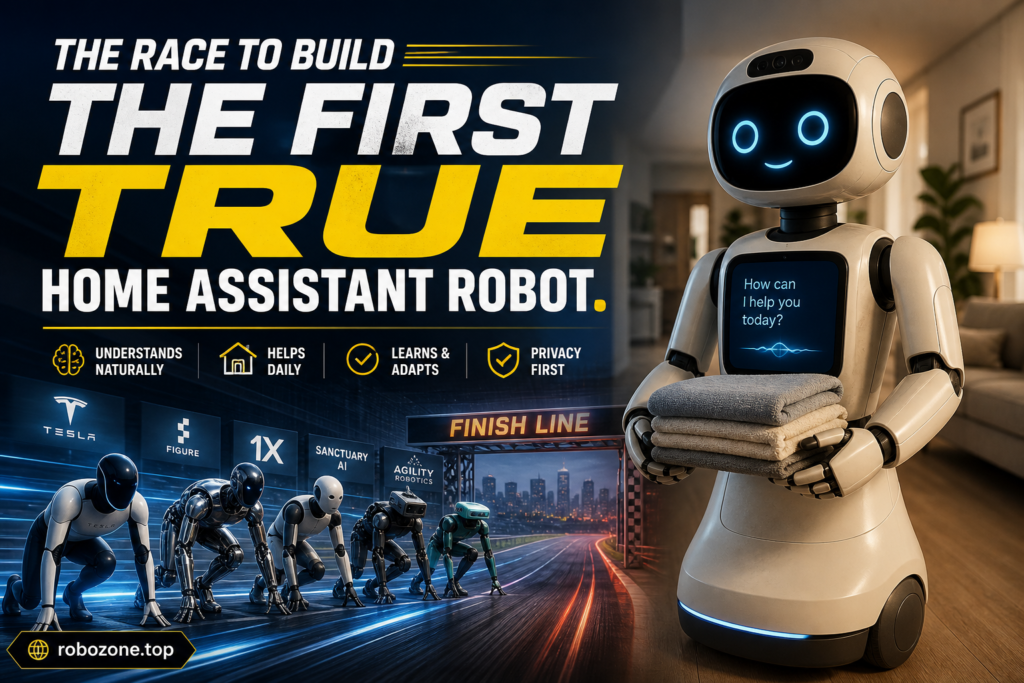
The allure of a machine adept in managing mundane household chores is undeniable, and tech giants and startups alike are scrambling to bring this vision to life. In a market primed for revolutionary change, we stand on the precipice of what could be a defining advancement of this decade. But just how close are we to achieving this?
Understanding Home Assistant Robots
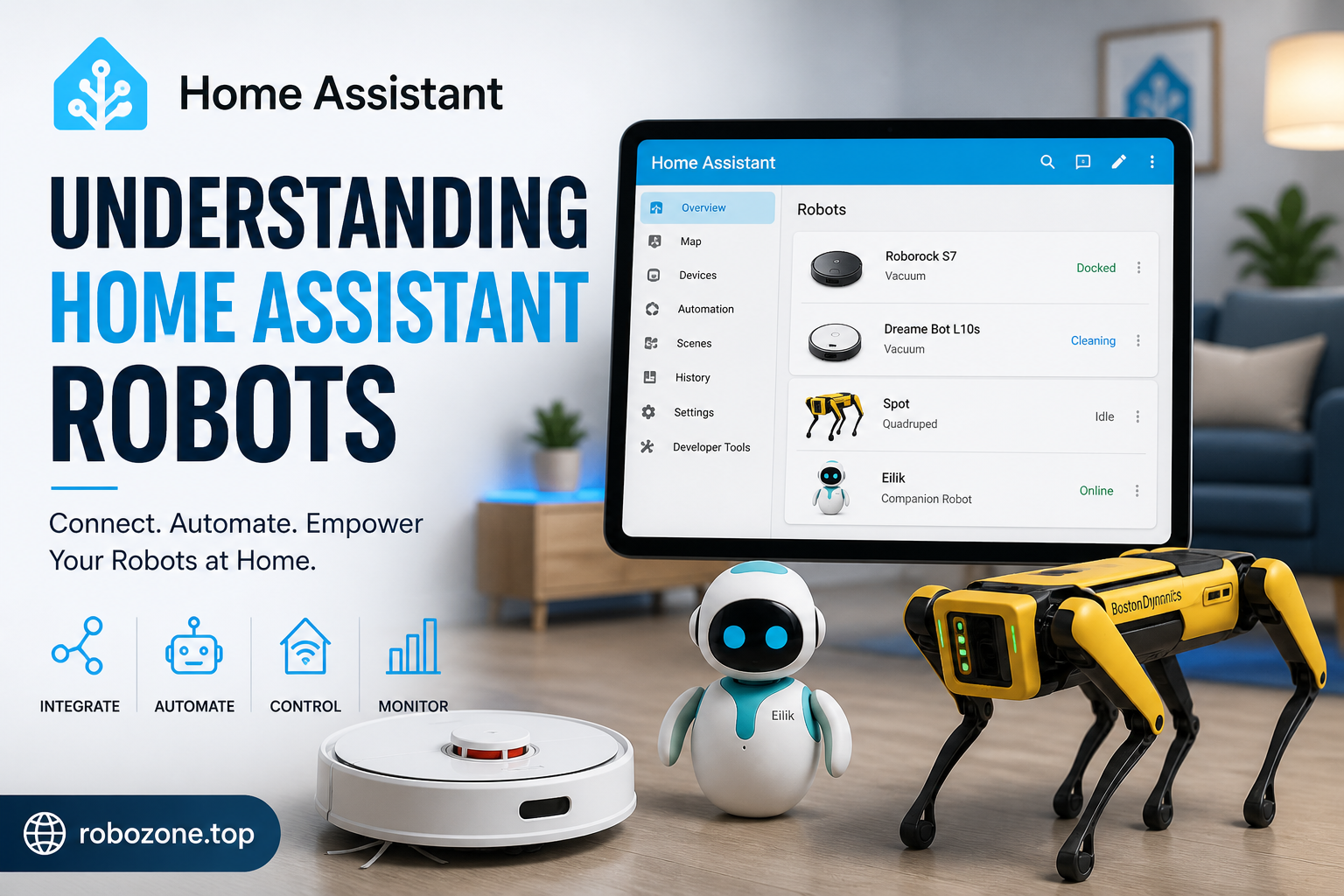
To truly comprehend the excitement around home assistant robots, we must first understand what they are and how they operate. At their core, these machines are designed to automate routine household tasks. Unlike current smart home devices that require some level of human intervention, the goal is to develop an autonomous system capable of tailored actions based on the homeowner’s needs.
The technology hinges on the integration of advanced AI models, state-of-the-art sensors, and innovative robotics. Notables include NVIDIA’s Jetson chips, which power sophisticated AI models offering unparalleled processing power to interpret commands and environmental data. Meanwhile, robotics companies like Boston Dynamics provide breakthroughs in movement and coordination, ensuring robots don’t just perform tasks but do so with natural fluidity akin to human movement.
Current Applications and Real-World Use Cases
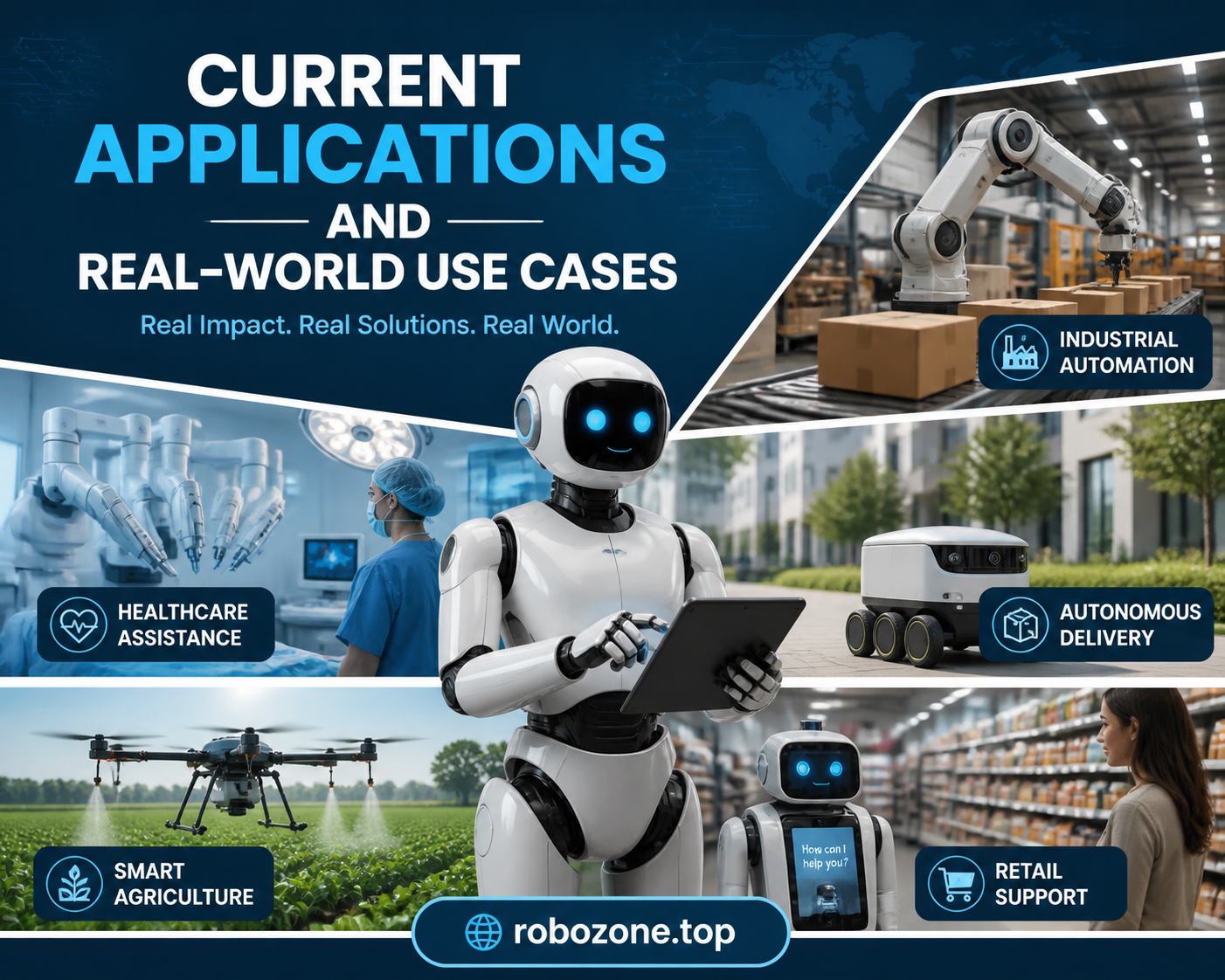
While entirely independent robots for the home remain in development, there are already impressive real-world applications across various industries. In healthcare, robots akin to home assistants manage medication schedules and provide companionship for the elderly.
For instance, ElliQ, developed by Intuition Robotics, has shown effectiveness in reducing loneliness among seniors. It interacts through conversation reminders and updates, tailored to its user’s habits and preferences.
Outside healthcare, robots have found applications in industrial settings, assisting in inventory management and logistics. Companies like Toyota and Amazon Robotics are repeatedly pushing the boundaries of automation in distribution centres, offering a glimpse of what could soon trickle down into consumer markets.
The Technical Challenges Behind Home Robotics
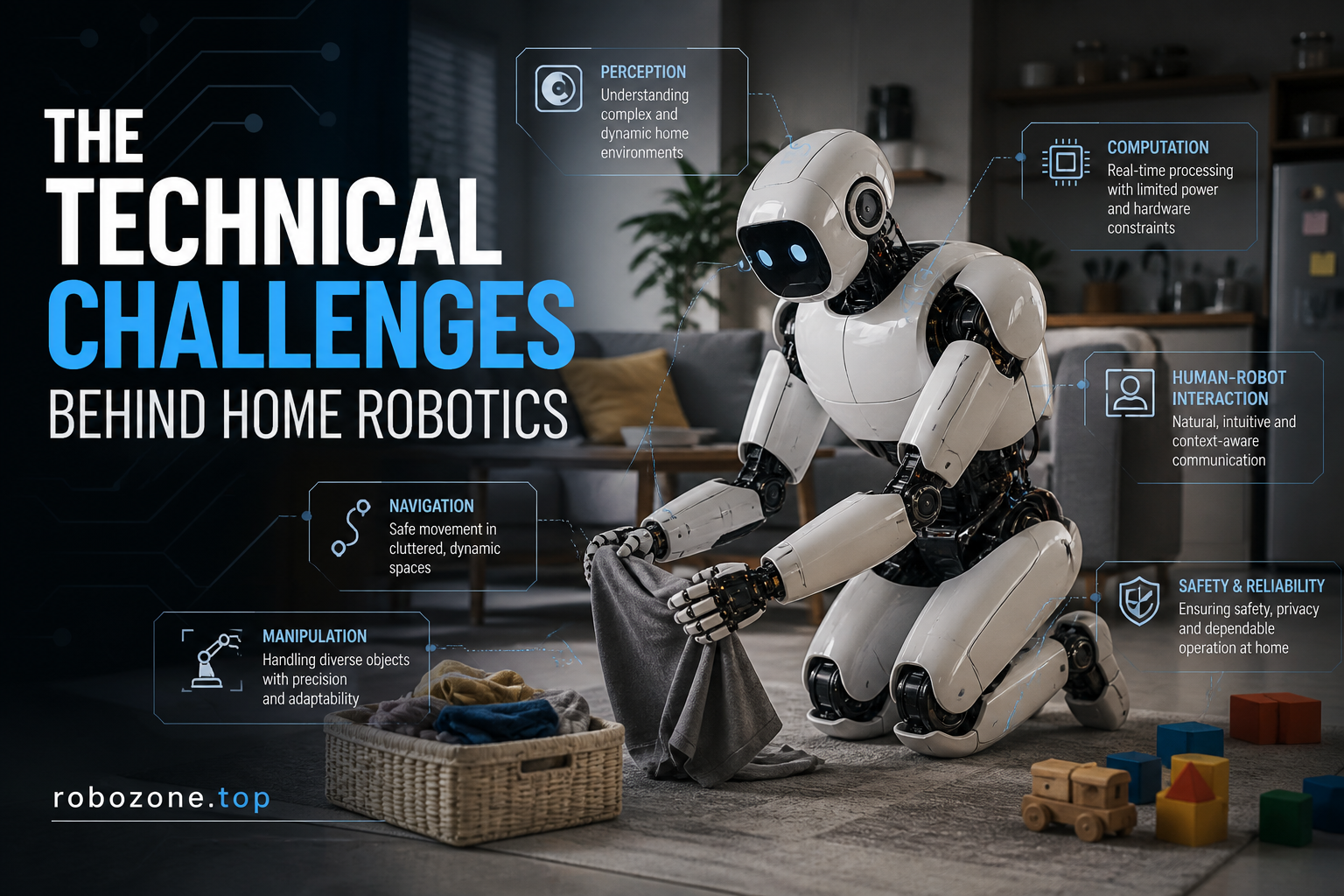
Behind the polished displays of prototypes at tech expos lie significant technical hurdles that developers must surmount. Designing a robot to seamlessly navigate the varied terrain of a household isn’t straightforward. It must effectively interpret cluttered environments while avoiding mishaps—a challenge that continues to vex roboticists.
Moreover, AI models must better understand complex human instructions and emotional cues. Visionaries at Stanford AI Lab and Google DeepMind are pioneering this advanced level of machine learning, enabling robots that don’t just follow instructions but predict needs and deliver empathy-driven interactions.
The Market Dynamics and Economic Impact

The market for home assistant robots is projected to explode in the coming decade. According to McKinsey & Company, the adoption of robotics in consumer homes could skyrocket, paralleling the smartphone revolution of the 2010s. This growth is fueled by significant investments from tech juggernauts alongside an increasing consumer thirst for convenience and efficiency.
As with any burgeoning technology, the ramifications are extensive. While there will undoubtedly be disruptions in home service sectors, new opportunities will arise in robot manufacturing, software development, and maintenance industries, creating jobs that didn’t exist a generation ago.
Hurdles and Limitations on the Path to Implementation

Despite the impressive strides, there remain several hurdles to the widespread adoption of home assistant robots. One of the most prominent is pricing. Current models and prototypes are often prohibitively expensive for the average consumer. As Thomas Huynh from RoboZone.top rightly points out, for these robots to become household staples, they must be as affordable as the smartphones of today.
Another potential limitation is consumer hesitation fueled by privacy concerns. The inherent need for these robots to access personal data to offer customized services could deter potential buyers wary of digital surveillance.
Looking Forward: The Future of Home Assistant Robots
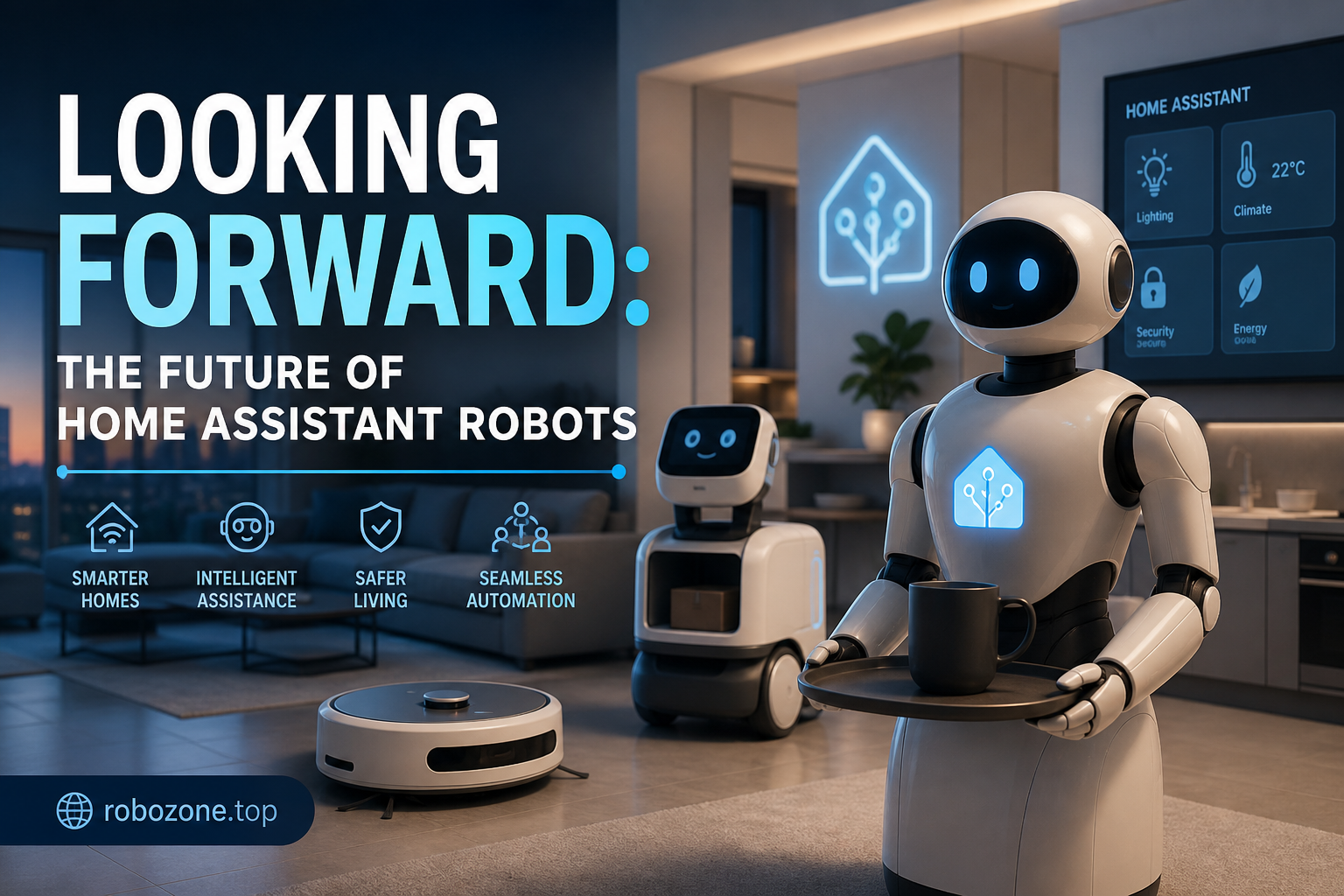
So where does this leave us? Over the next 3-5 years, expect rapid advancements, particularly in AI sophistication and cost-effective manufacturing. Tech trends indicate that by the end of the decade, we could be witnessing a more widespread domestic use of home robots—not just in affluent households but gradually trickling into middle-class homes globally.
For businesses and developers, now is a pivotal time to invest in refining technologies, addressing inherent challenges, and building consumer trust. Users, on their part, can look forward to integrating more of these devices into their lives by staying aware of technological advancements, assessing usability, and engaging with innovations as they arise.
What Should We Really Pay Attention To?

As excitement continues to build, we should pay careful attention to the interplay between technological capability, ethical considerations, and societal adaptability. It’s not solely about creating the most advanced robot but ensuring these innovations enhance the quality of life without compromising human values.
The journey to build the first true home assistant robot is more than a race; it’s a profound transformation of our living spaces and societal norms. The coming years will surely be interesting, with Thomas Huynh and RoboZone.top at the forefront of bringing you the latest updates and insights from this intriguing field.
Review on YouTube:
Thomas Huynh – Admin of RoboZone.top