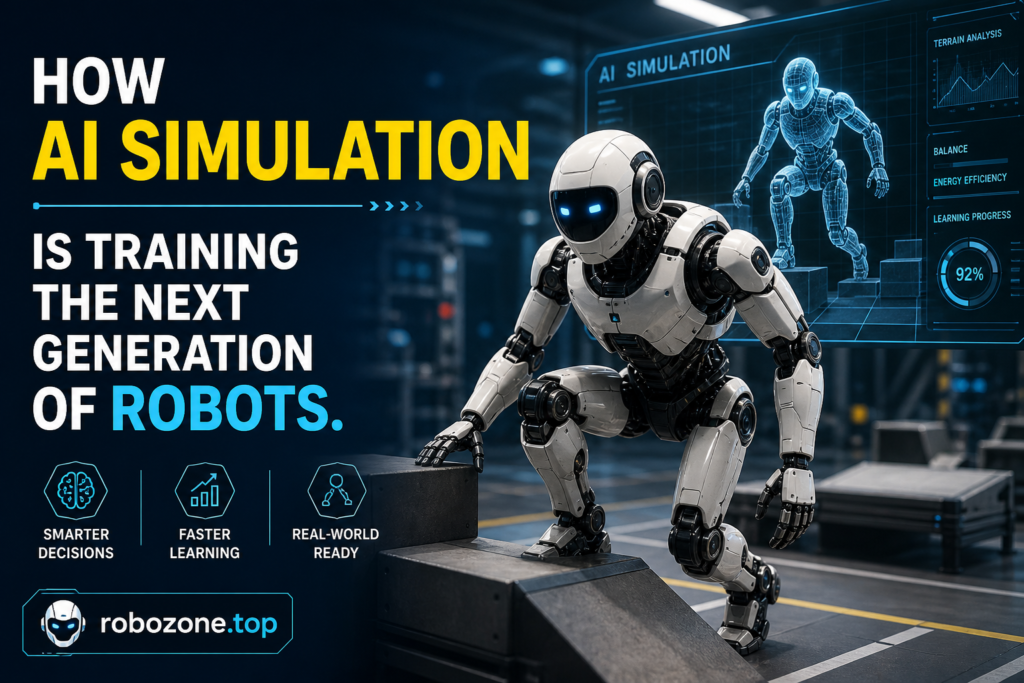
As we step closer to such a reality, a significant portion of the credit goes to AI simulation. It is quietly revolutionizing the way robots are trained, transforming them from simple automatons into complex entities capable of profound learning and adaptation.
Welcome to the era of intelligent machines; where human ingenuity meets advanced simulation techniques to foster a new breed of robots. Thomas Huynh of RoboZone.top believes it’s an exciting frontier, offering limitless possibilities not only for technology but for society at large.
Understanding AI Simulation
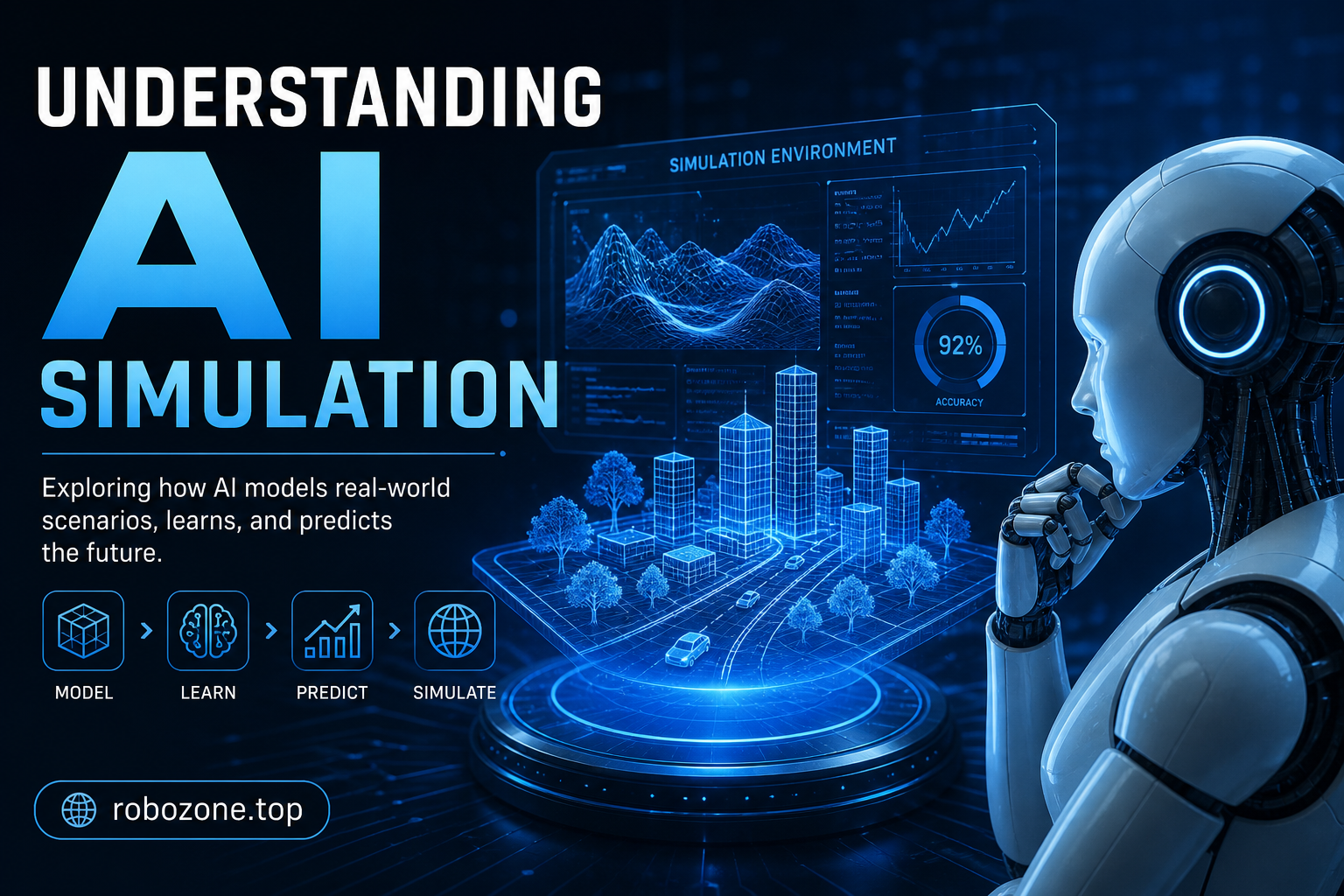
Before we delve into applications and future predictions, it’s crucial to grasp the basis of AI simulation in robotics. AI simulation refers to computing models that replicate real-world tasks for training algorithms without physical hardware. This allows developers to use virtual environments to test robotic reactions to diverse scenarios, from simple tasks like grasping an object to complex decision-making processes under unpredictable conditions.
Picture this: a simulation can mimic a busy intersection so a self-driving car’s software learns to predict pedestrian movements during a jaywalk. Behind the seamless operation of your favorite robotic vacuum cleaner is AI simulation helping it navigate the intricacies of your furniture layout. Yet, we’re not merely training robots to respond like oversized Roombas. Advances in processing power and machine learning algorithms have amped up AI’s capabilities, enabling simulations with unprecedented depth and realism.
In AI simulations, the use of neural networks often comes into play. These networks emulate the human brain to ‘learn’ from errors, constantly optimizing processes. Techniques such as reinforcement learning have transformed these networks, allowing robots to gauge efficiency through repetitive trial and error, much like a toddler learns not to touch a hot stove through firsthand experience.
In recent years, companies like NVIDIA have been harnessing the power of AI-accelerated computing for simulations. Their state-of-the-art GPUs provide the computational muscle required to perform vast calculations in record time, making simulations not only possible but impressively accurate.
Real-World Applications Across Industries
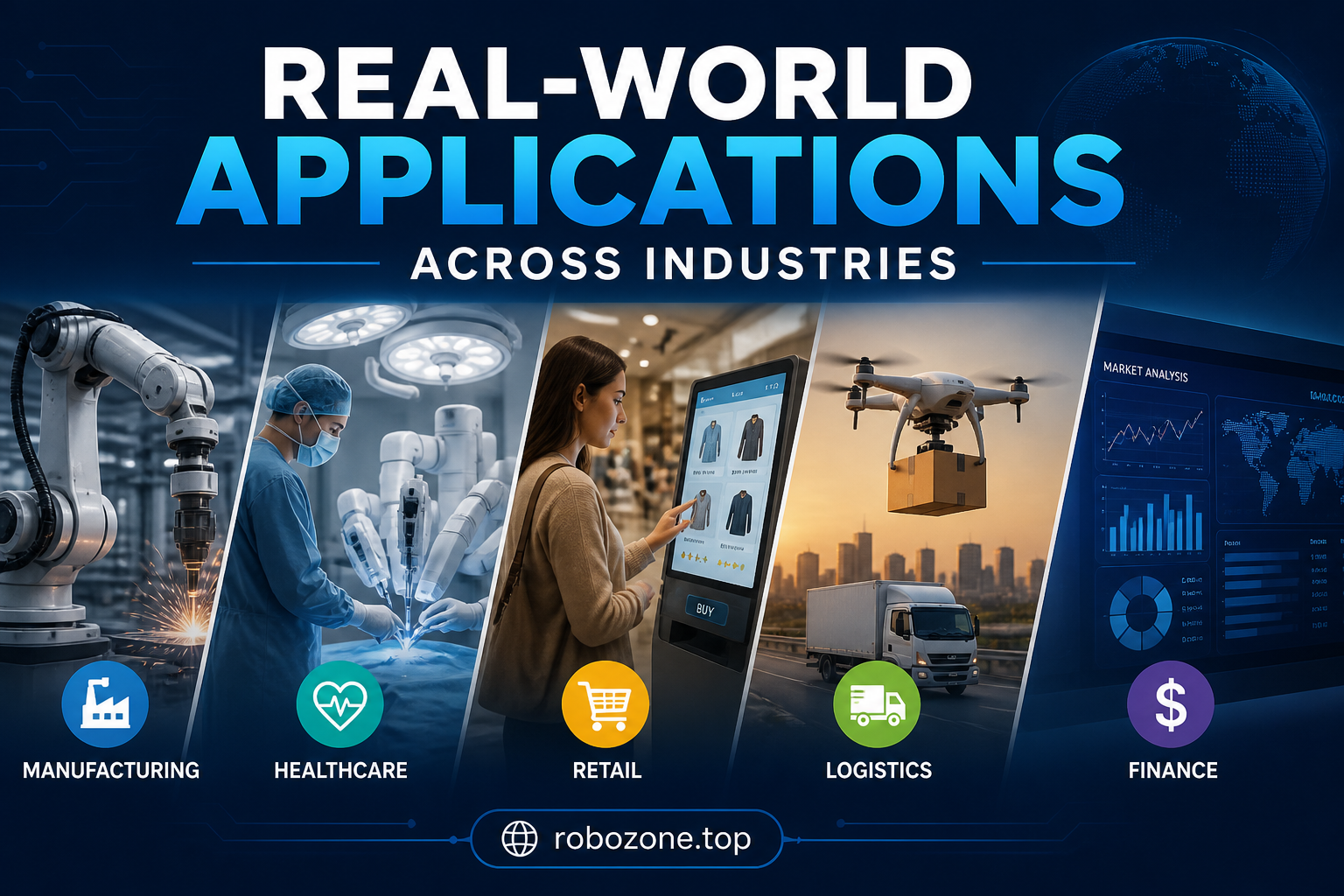
The applications of AI simulations are nothing short of expansive, touching various facets of life and industry. From manufacturing giants optimizing production lines to startup companies creating intuitive home automation devices, the possibilities are as diverse as they are profound.
Consider the healthcare sector. AI simulations are instrumental in the development of surgical robots that assist human surgeons in complex operations with enhanced precision and minimal invasiveness. What was once confined to science fiction is on the cusp of becoming medical fact thanks to how AI simulation can perfectly mimic operating room scenarios for robot training without risks to real patients.
In the realm of industrial robotics, companies are taking advantage of AI simulation to enhance automation. Firms like Boston Dynamics have implemented AI-driven systems to teach robots to perform tasks that are dangerous or tedious for humans, such as equipment inspections in hazardous environments. With the International Federation of Robotics noting a significant uptick in industrial robots being deployed globally, the pace shows no signs of slowing.
Even closer to home, AI simulation is driving forward consumer tech. Robotic assistants in our homes are getting ‘smarter’ day by day, owing their growing adaptability to intensive, prolonged simulated training. Whether it’s a smart vacuum learning the pattern of your living room, or a home assistant gaining contextual understanding to better respond to the family, AI simulation is the unsung hero in creating smarter home environments.
Technical Insights and Innovations
As we look to the horizon of this technological revolution, AI models such as Generative Adversarial Networks (GANs) and Transformative Learning are reshaping the way simulations occur. These models not only significantly leverage data to enable learning but also create scenarios where robots can handle adversarial conditions, ensuring robust real-world operations.
Moreover, advanced sensors and processors are pivotal. The role of NVIDIA’s newest chip innovations, for example, cannot be overstated. These chips allow machines to process visual and sensory information in real-time, which when paired with AI simulations, push the boundaries of robotic capabilities. Efficient simulation frameworks such as Isaac Sim provide platforms for developers to create, test, and refine these advances, translating to greater performance across industries.
From the academic lense, the Stanford AI Lab eagerly experiments with robot architecture, exploring how robots can be engineered for better adaptability and processing efficiency in dynamic environments. Their initiatives are a testament to the fact that education and industry must go hand in hand to fully harness AI’s potential.
The AI Simulation Market: Growth and Investments
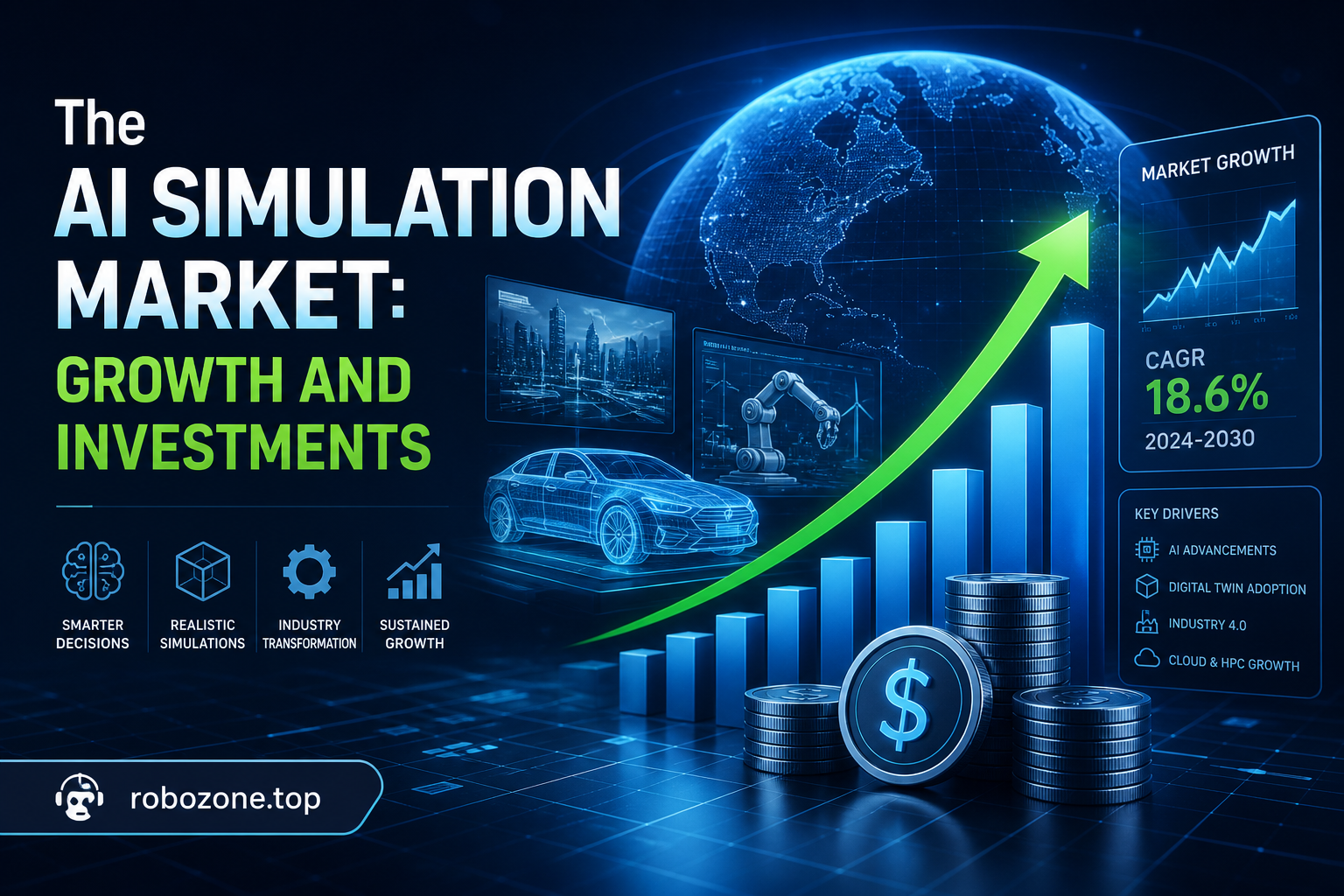
Markets thrive where innovation leads. By 2026, industry forecasts project exponential growth in AI-related investments. According to McKinsey & Company, AI simulation in robotics is expected to swell as business leaders realize its profound impact on productivity and process optimization.
Globally, investment in AI-centered technologies is not just a nod to progress but a race for technological dominance. Western tech giants, along with burgeoning startups in Asia and beyond, vie for the lead in developing smarter robotic systems through hefty R&D spending. Thomas Huynh aptly notes that simulations might be where the next wave of unicorns come to life.
In addition to big tech names, niche companies leverage AI simulation for specialized tasks. Companies like Clearpath Robotics focus on logistics, developing autonomous mobile robots tailored to specific industry needs through simulation. Meanwhile, governmental and corporate funding pours into university research, ensuring academia continuously churns out innovation hubs in AI technology.
Challenges and Limitations
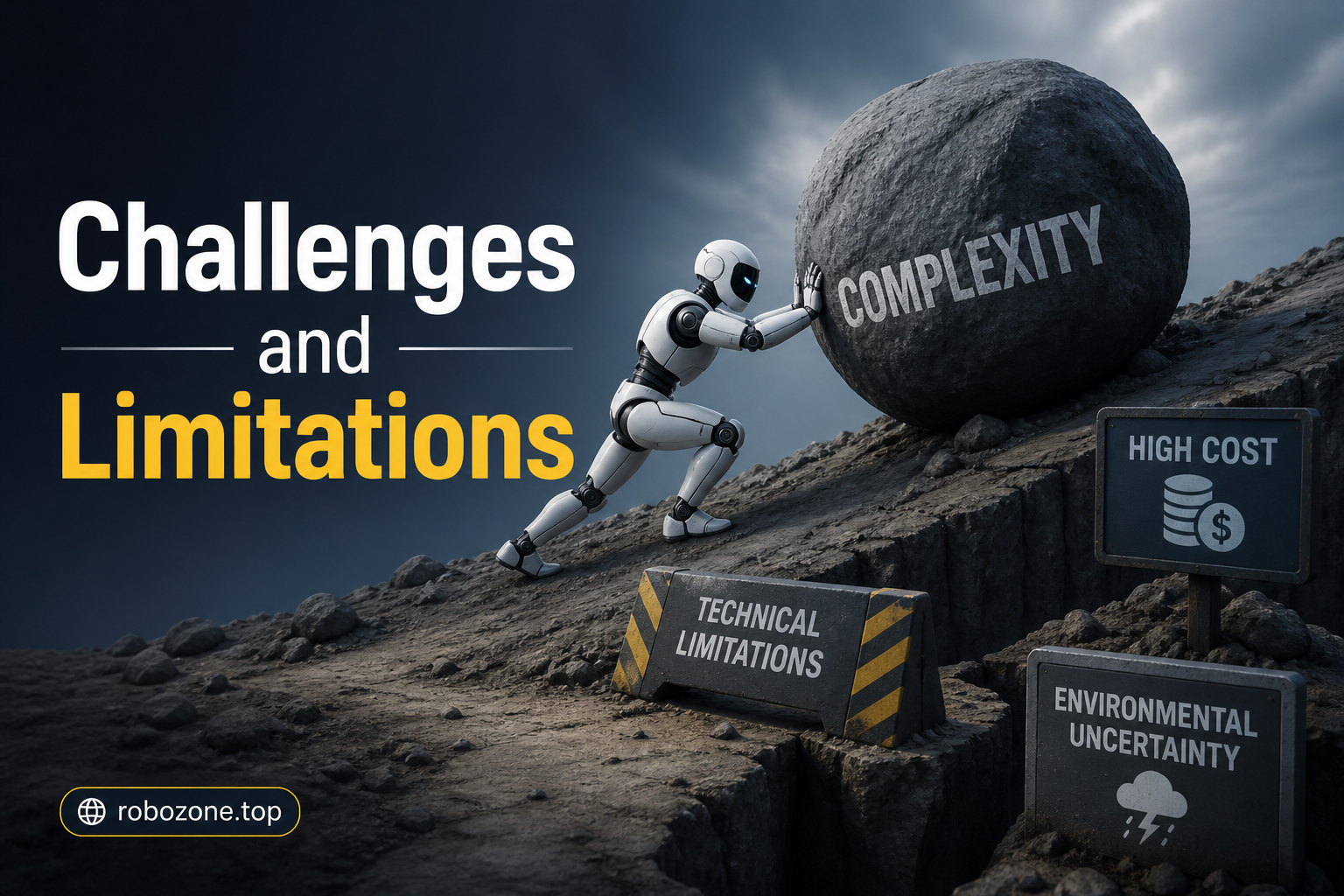
Despite the optimistic outlook, challenges abound. A hallmark of AI simulation is its heavy reliance on vast amounts of data to train models. Privacy concerns and ethical dilemmas around data usage and AI decision-making processes still linger like ominous clouds.
Simulations are only as good as their input parameters. Hence, unforeseen real-world variables (think weather changes or unexpected human behavior) can challenge even the best-trained robots. This unpredictability serves as a significant limiting factor unless simulations continually adapt and progress.
Moreover, biases embedded in training datasets can skew results, leading to erroneous robot responses that may lack equity or fairness when deployed. Open discussions within tech communities and ethical boards remain crucial to circumvent these challenges. After all, a robot can’t blush if it makes a social faux pas, but the creators sure might!
Looking Ahead: The Future of AI Simulation and Robotics
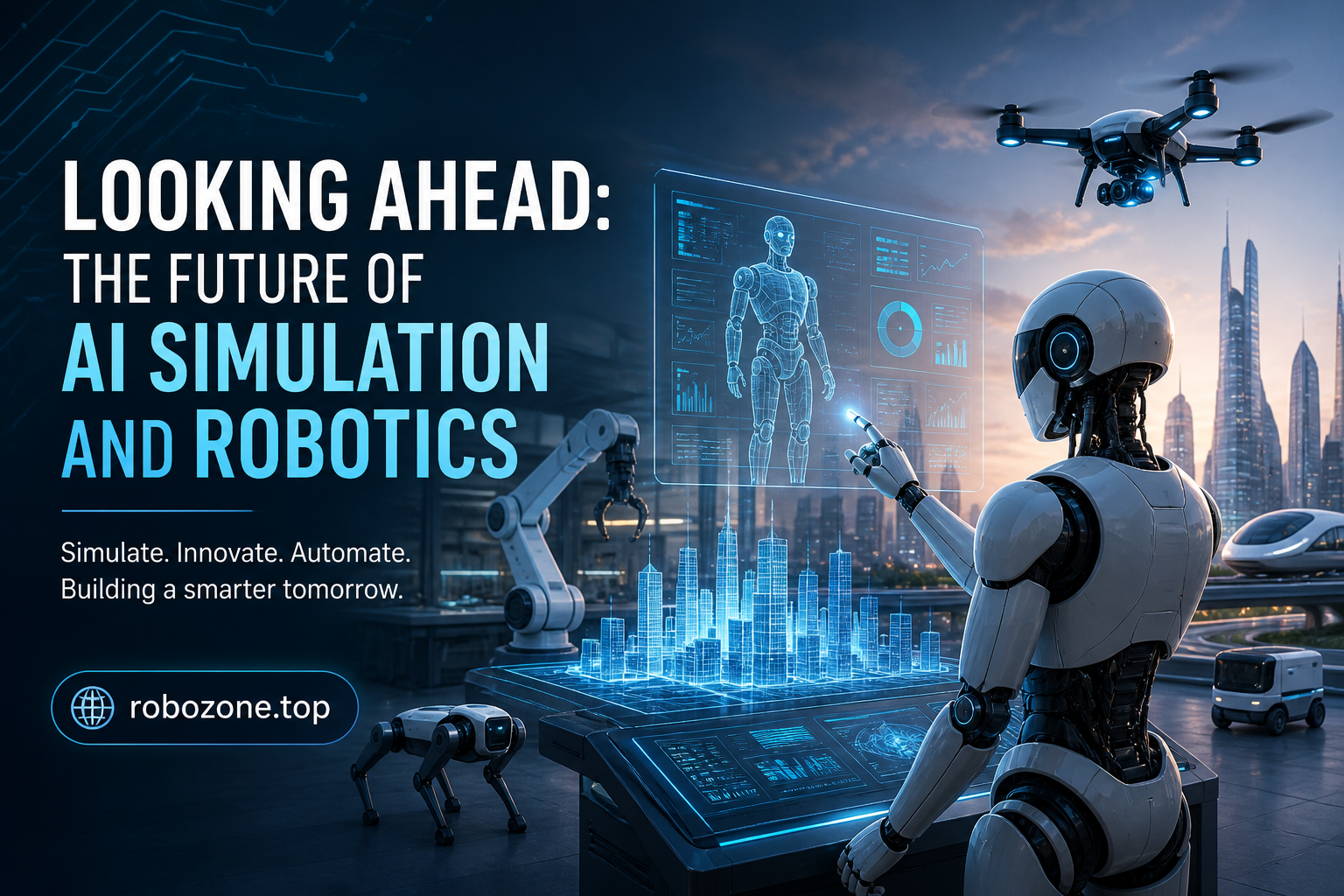
The world of AI simulation has its sights set on a promising future. In the next three to five years, we can expect to see more personalized, autonomous systems emerge, reflecting humanistic traits in their operability and decision making.
Long-term, Thomas Huynh and other thought leaders envision a harmony between human and robot collaboration, where ethical usage, privacy, and efficiency intertwine seamlessly. Public apprehension surrounding AI will likely fade in lieu of tailored solutions that make daily life and work exponentially better.
As AI simulations advance, developers and businesses must remain vigilant, staying ahead of security and privacy concerns, and ensuring all technological advancements foster rather than divide communities globally.
So what comes next in this ever-evolving drama of robots and simulations? The continued marriage of artificial intelligence and human ambition, no doubt. Yet, it’s vital for stakeholders at all levels to engage actively, ethically, and thoughtfully, as this technology redefines our interaction landscapes.
AI simulation promises a plethora of opportunities to improve lives on a grand scale. As these intelligent systems mature, how we train them today will shape not only the industry but broader society tomorrow. As Thomas Huynh would attest, it’s not merely about creating robots that understand tasks, but robots that understand us.
As we step collectively into this next frontier, businesses, developers, and users must prepare for a future where collaboration between man and machine is as natural as breathing because when technology dances seamlessly with human intent, society as a whole can lead the standing ovation.
Watch on Youtube Channel RoboZone @RoBoZoneTop:
Thomas Huynh – Admin of RoboZone.top