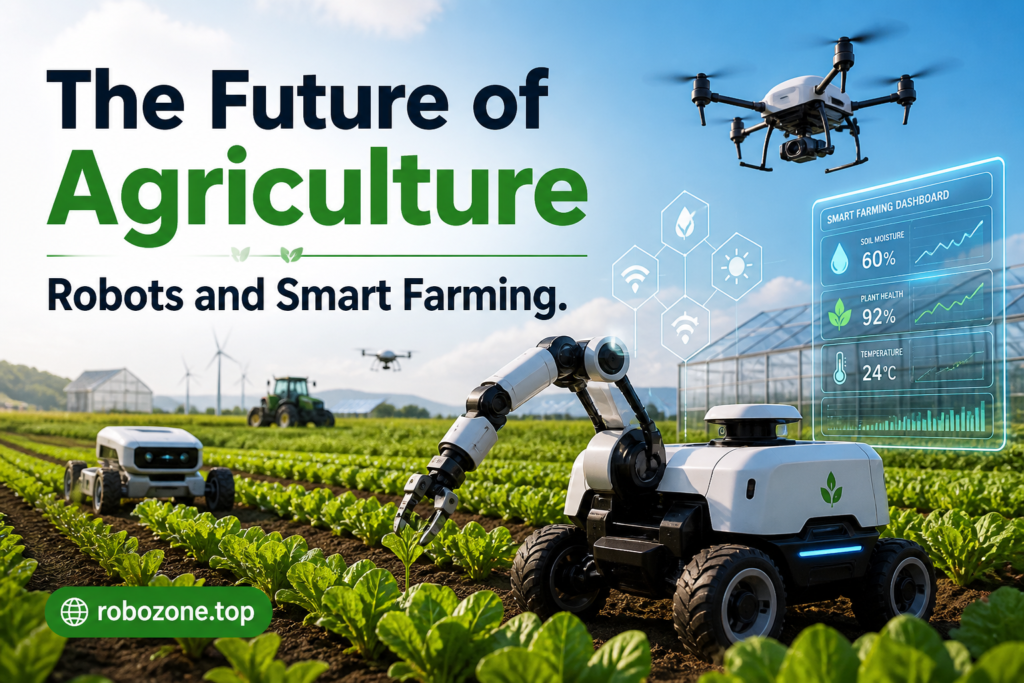
In the serene landscapes of rural America and the sprawling fields of Asia, an unprecedented revolution is quietly taking root. As we stand at the precipice of a new agricultural era, robots and smart farming technologies are set to redefine the cradle of our civilization. No longer confined to the realm of sci-fi, these technologies are about to sprout from the soil itself, ushering in efficiencies and innovations that could very well transform how we grow our food, manage our resources, and feed an ever-growing population. But what exactly are agriculture robots, how do they work, and what future do they promise? Let’s dig deeper.
Unveiling the Core Concept: Agriculture Robots
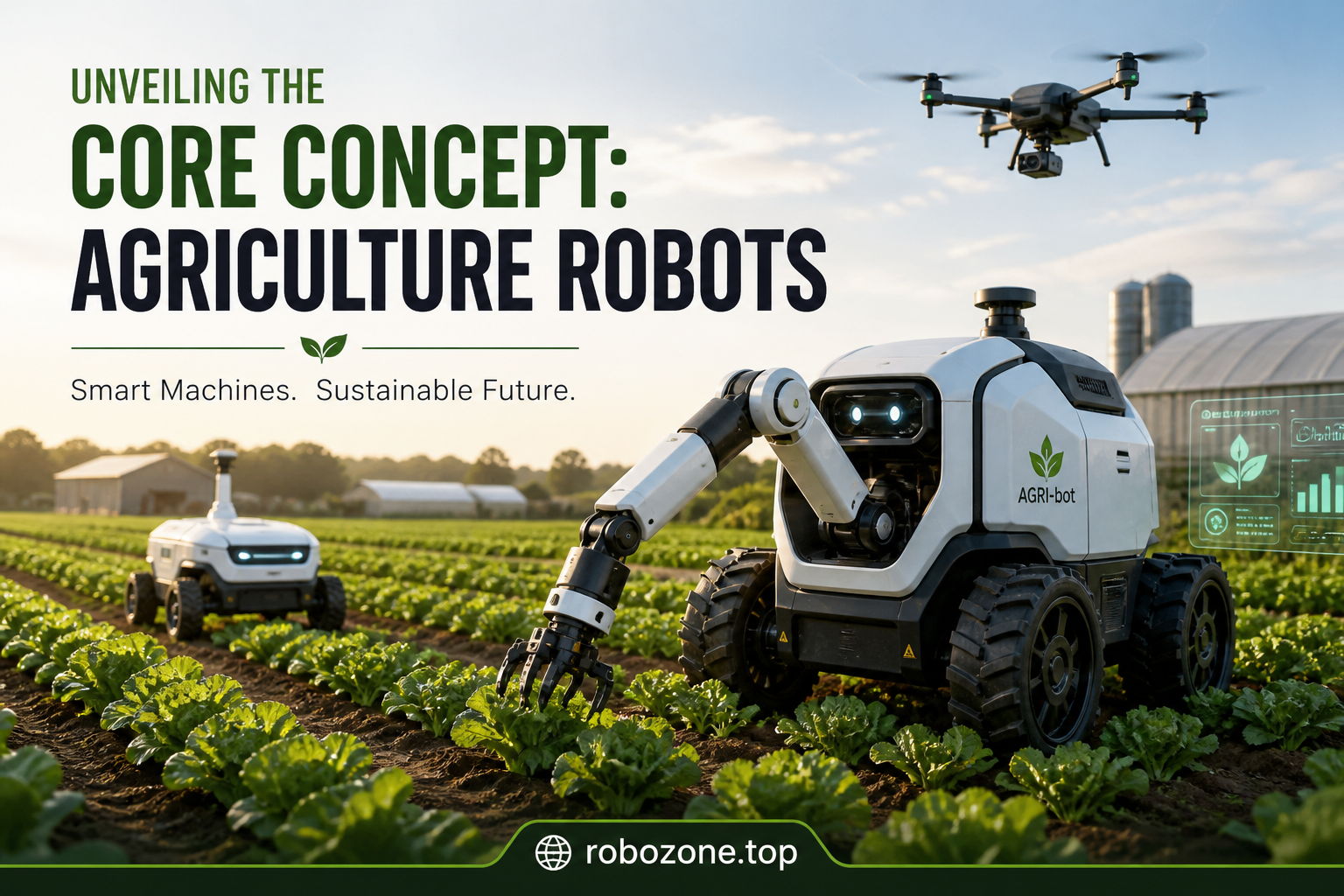
The idea of agriculture robots might conjure images of clunky machines lumbering across cornfields, yet the reality is more nuanced and fascinating. Agriculture robots, or agribots as they’re affectionately called, are designed to automate agricultural processes that are traditionally labor-intensive. These robots encompass a variety of roles including planting, watering, weeding, and harvesting, all while integrating artificial intelligence to enhance precision and efficiency.
In essence, they work like your very own R2-D2 but are slightly less adept at bleeps and bloops. Equipped with sensor technologies and guided by AI, these robots can adjust their operations based on real-time data inputs, such as soil moisture levels, weather conditions, and plant health indices. Companies like John Deere and Blue River Technology are at the forefront, producing machines that are as adept with crops as some people are with coffee makers. In a sense, they are the unsung heroes of modern agriculture, working tirelessly to provide the world with fresh produce.
Real-World Applications: From Farms to Home Gardens
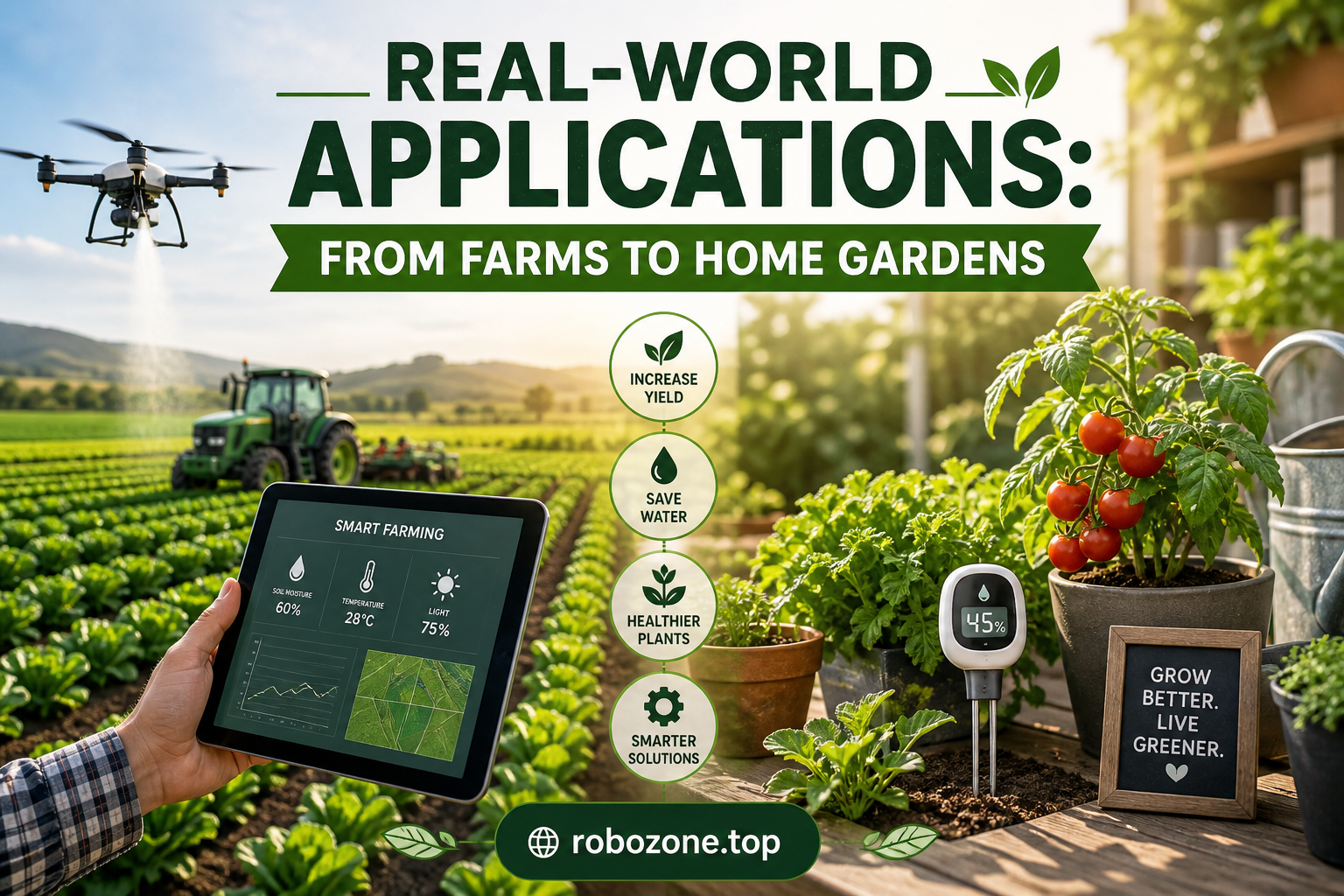
While large-scale agribots roam the vast fields of commercial farms, their smaller counterparts are beginning to find a place in urban settings and home gardens. Imagine waking up to a sunny Saturday, coffee in hand, as your garden robot silently prunes your hedges and waters your plants based on individual hydration needs. Sounds like a dream, right? Well, several startup companies have begun offering just that. These compact robots, often resembling oversized Roombas, are now entering consumer markets globally.
In the industrial arena, robotic milking systems have revolutionized dairy farming. Equipped with computer vision and AI, these systems automatically identify each cow and tailor the milking process to optimize output and well-being. Similarly, drones are becoming ubiquitous, often used for aerial assessments and precision spraying, significantly reducing costs and environmental impact.
Technical Insights: Under the Hood

Peeking under the hood of these robotic marvels reveals a sophisticated symphony of engineering. At the heart of these systems are high-performance AI models that process countless data streams to make split-second decisions. For example, NVIDIA’s latest AI chips enhance machine learning capabilities, allowing harvesters to differentiate between ripe and unripe crops with uncanny accuracy.
These systems are supplemented by an array of sensors—ranging from LIDAR for navigation to hyperspectral imaging for crop health analysis. It’s a bit like equipping a Renaissance artist with a Swiss army knife; every tool has its purpose, and together, they allow for a masterpiece in smart farming efficiency.
Market Analysis: Opportunities and Growth

Despite being a burgeoning field, the agricultural robotics market is harvesting interest from investors at an unprecedented rate. According to a report by McKinsey & Company, the precision agriculture market, which includes robotics, is projected to grow by 15% annually through 2030. This trajectory suggests not just financial growth but also an immense opportunity for job creation, with new roles emerging at the intersection of technology and agriculture.
This boom is fuelled by economic imperatives: the need to increase food production to feed an expected 9.7 billion people by 2050. The rise of agribots offers a compelling solution to this challenge, improving yield and reducing waste through unparalleled precision. Not only do these advancements hold promise for developed nations, but they also offer hope to regions struggling with food security challenges.
Challenges and Limitations

No revolutionary technology comes without its hurdles, and agriculture robots are no exception. The high initial cost of deploying such technology remains a deterrent for many small farmers. Furthermore, the integration of new technology in traditional farming communities often faces cultural resistance and requires significant educational initiatives.
Additionally, while AI and robotics technologies are advancing rapidly, there are still technical challenges such as dealing with unpredictable weather patterns or diverse crop conditions that require nuanced human intervention. These limitations underscore the necessity for continuous research and development in the field, much like the patience of a seasoned farmer awaiting the first sprout of spring.
Future Predictions: What Lies Ahead?

The horizon looks promising for agriculture robots and smart farming. In the next three to five years, we can expect to see a more ubiquitous presence of robots in mid-sized farms, driven by decreasing hardware costs and improved AI capabilities. Companies like Google DeepMind and Boston Dynamics are rumored to be investing heavily in this sector, signaling a robust future for smart farming technologies.
In the longer term, advances in autonomous robotic systems and cloud-based AI will likely enable remote farm management, allowing farmers to oversee operations from the comfort of their homes. It’s a productive day when you can adjust your irrigation systems before even getting out of bed. This level of integration suggests that the future farmers might be as much tech-savvy as they are agriculturally prudent.
Strategic Insights: Steering Towards Smarter Fields
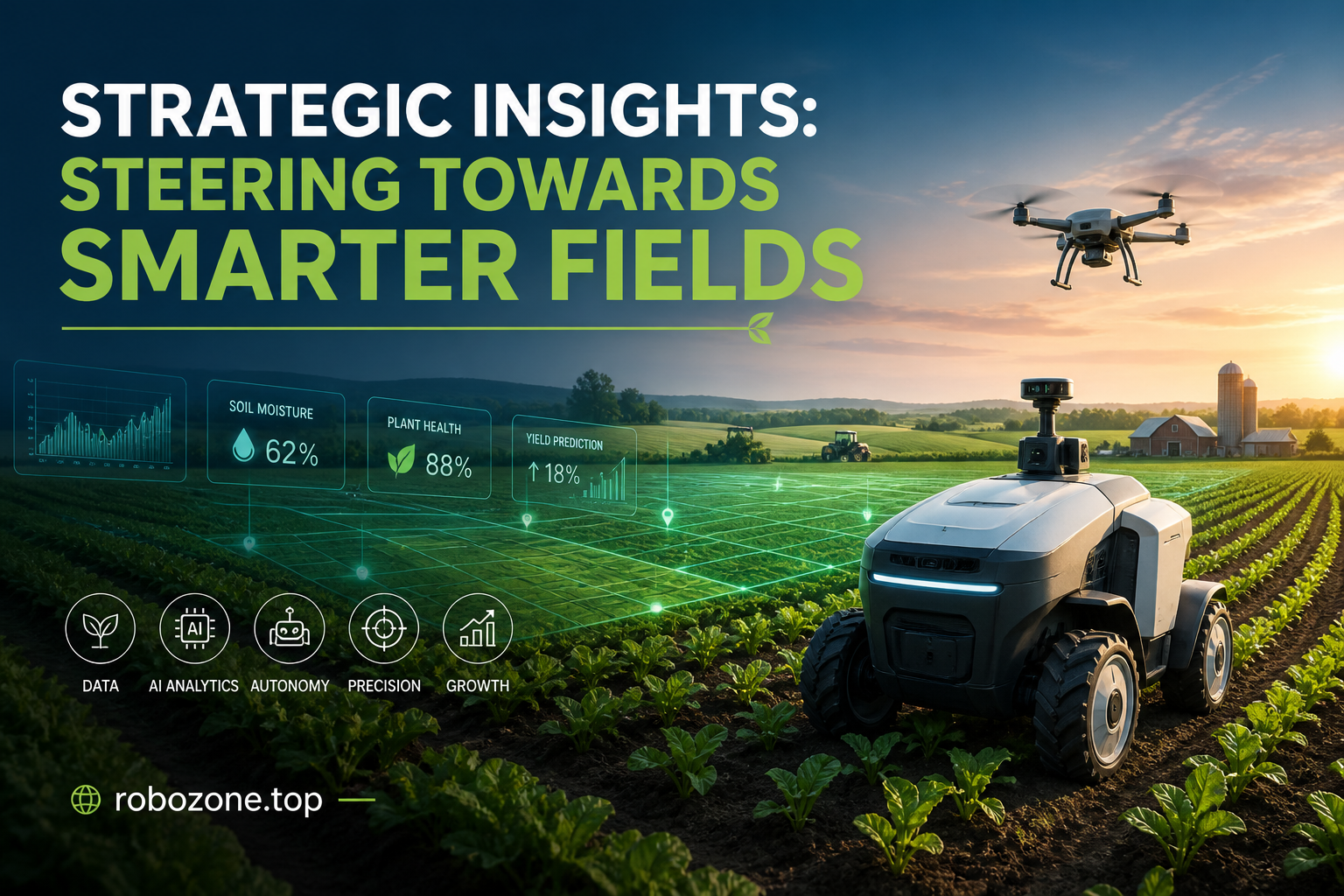
For businesses venturing into the agritech space, the path is one of both opportunity and responsibility. Collaborations between tech companies and agriculture experts are vital. It’s not just about building robots but creating ecosystems where technology meets biology harmoniously.
Thomas Huynh often highlights the need for businesses to think creatively about partnerships, saying, “Smart farming isn’t just about unleashing robot armies; it’s about integrating with the natural world.” It’s this sentiment that should guide future developments, ensuring that technology acts as an enabler rather than a replacement.
Developers are urged to focus on AI models that prioritize sustainability and resilience. Users, on the other hand, should prepare by investing not just in technology, but in education and training programs that will effectively equip the next generation of farmers to harness these new tools fully.
So where does this leave us? With agriculture robots poised to redefine how we cultivate and harvest, the possibilities are expansive, offering solutions to some of the most pressing challenges of our time. Yet, as we look towards this future, we must do so with a balanced perspective, acknowledging both the technological prowess and the agricultural wisdom that must go hand in hand. It’s a dance of collaboration—technology taking the rhythmic lead while respecting the timeless rhythm of nature.
In closing, it’s imperative to remain curious, optimistic, and vigilant. The fields of the future are interspersed with silicon and soil, chips, and crops—an exciting intersection where careful thought will ultimately convert technological innovation into tangible nourishment.
Thomas Huynh – Admin of RoboZone.top
References & Further Reading:
– MIT Technology Review — https://www.technologyreview.com
– IEEE Spectrum — https://spectrum.ieee.org
– McKinsey & Company — https://www.mckinsey.com
– Stanford AI Lab — https://ai.stanford.edu
– NVIDIA Research — https://developer.nvidia.com/research