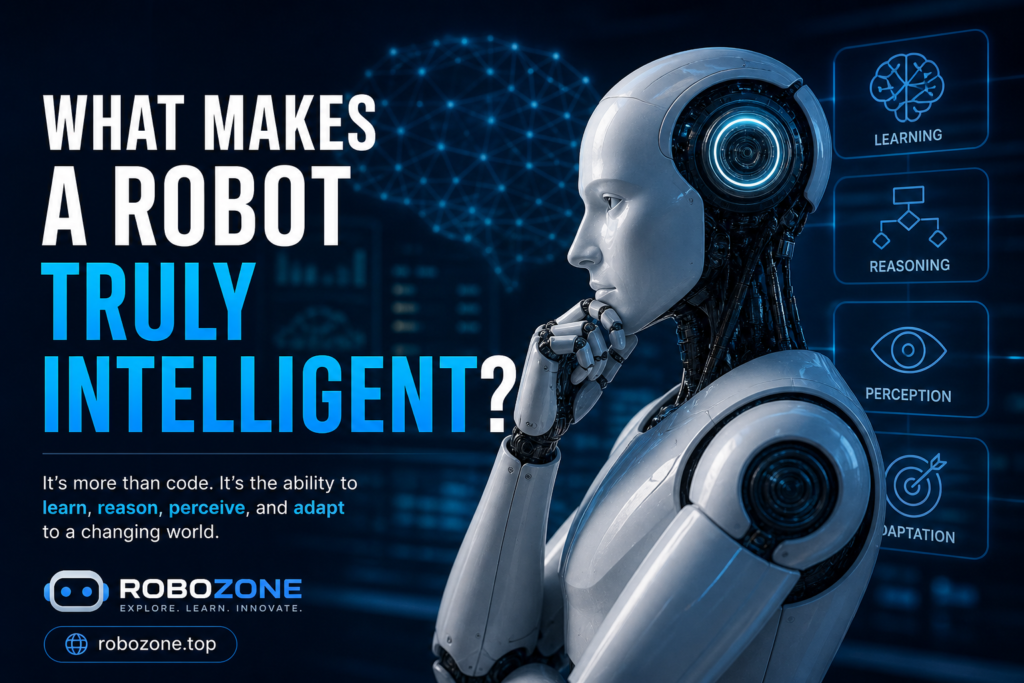
In a world where technological marvels seem to emerge at the speed of light, the quest to unlock robotic intelligence has become both enchanting and elemental. The year is 2025, and as Thomas Huynh likes to quip, ‘We’re living in the future we once watched in sci-fi movies.’ Robots are no longer confined to science fiction but are myriad in their applications—driving cars, making coffee, or even performing intricate surgery. Yet, amidst the clamor of innovation, a pivotal question remains: What truly defines the intelligence of a robot?
Understanding the Core Concept: What is Intelligence in Robots?
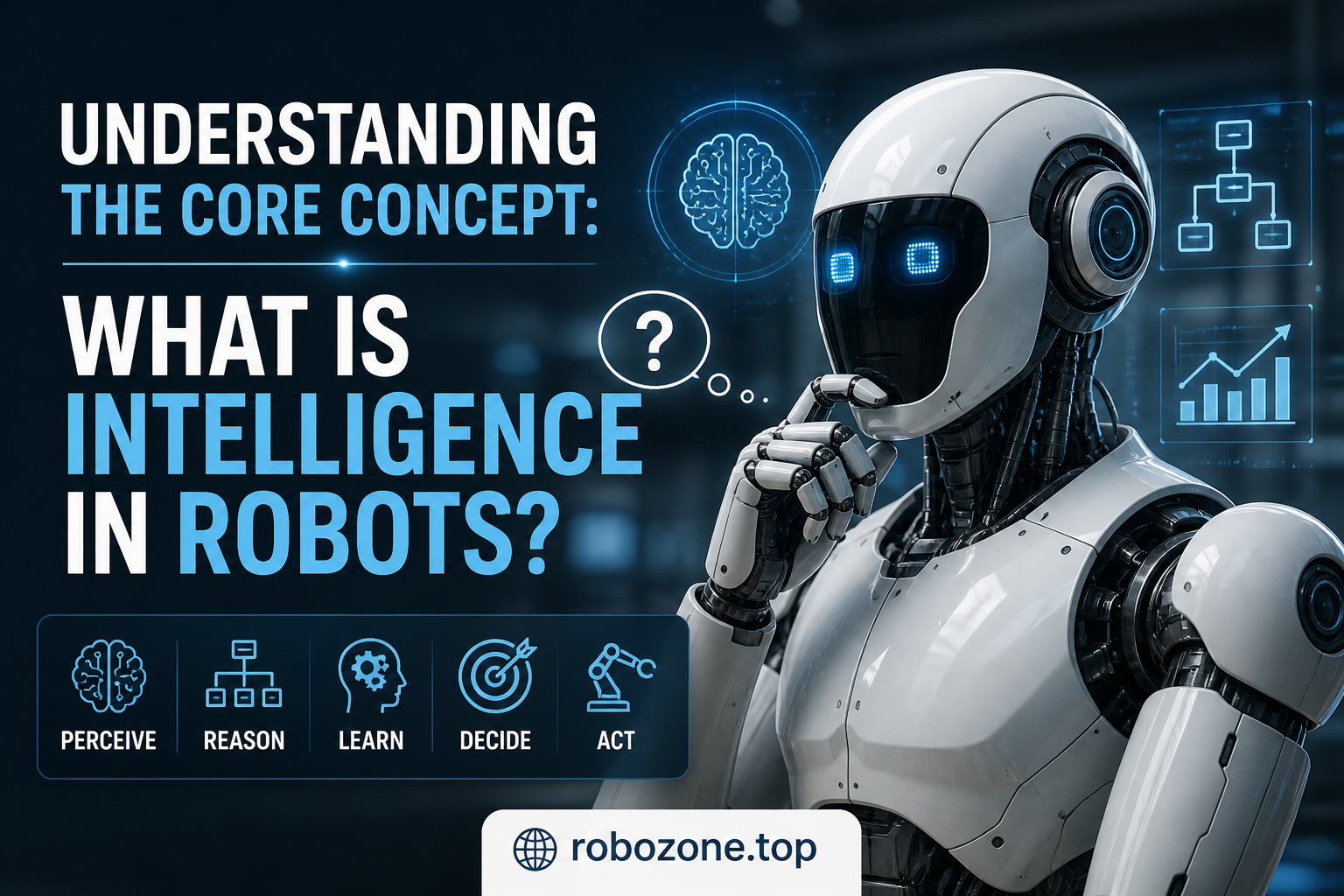
The idea of intelligence in robotics isn’t entirely new, but as AI technology takes leaps forward, the definition evolves. At its core, a robot’s intelligence stems from its ability to perceive its environment, reason, and make decisions accordingly. It’s akin to teaching a toddler how to discern between a hot stove and a harmless toy.
Today’s robots are equipped with advanced sensors and executed through algorithms designed to mimic human-like decision-making processes. The magic happens when these robots, through a blend of sophisticated hardware and software, recognize patterns, adapt to changes, and make predictions about future events. Unlike the rudimentary machines of the past, today’s intelligent robots are powered by neural networks and deep learning techniques.
Consider Tesla’s self-driving cars, for example. They embody robotic intelligence by using a suite of sensors and cameras to gather data about their surroundings, processing that data with AI to make decisions within milliseconds—a cocktail of hardware savvy and software genius that’s truly redefining mobility.
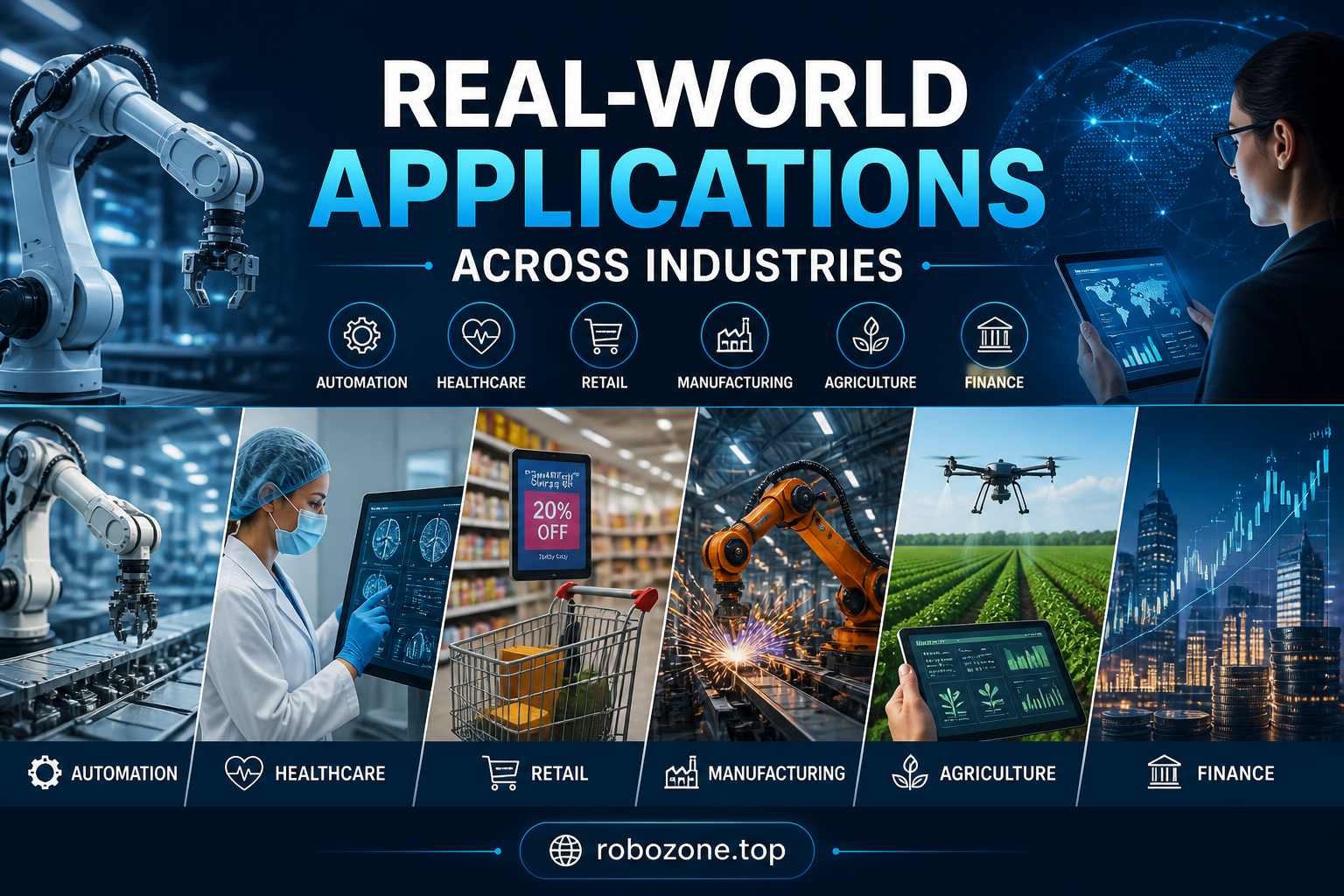
Real-World Applications Across Industries
Just imagine waking up to find a robot assistant capable of brewing your daily coffee just how you like it while you prepare for a day at work. This isn’t a stretch of the imagination but a glimpse into the not-so-distant future, thanks to robotic intelligence.
In the industrial sector, robotic arms powered by AI are orchestrating production lines with unmatched precision, significantly cutting down on errors and wastage. Companies like Boston Dynamics are spearheading innovations where robots, akin to loyal workhorses, handle the grunt work in warehouses or even conduct inspections in hazardous environments.
In healthcare, robotic surgical systems are increasingly prevalent. Consider the da Vinci Surgical Systems, where operations that once were hands-on for surgeons are now shared with robots, ensuring precision and minimal invasiveness. Robots in medicine aren’t confined to surgery. Assistive robots are also enriching lives in elder care, offering both companionship and essential help—an application of intelligence with a genuinely compassionate touch.
Then there’s the field of exploration. AI-driven robots are traversing the unknown terrains of Mars, providing us with data that human explorers would never obtain firsthand. To encapsulate the sheer breadth and depth of these applications would take a novel, but what’s evident is the transformative potential that intelligent robots hold across various spheres.
Technical Insights Into Robotic Intelligence
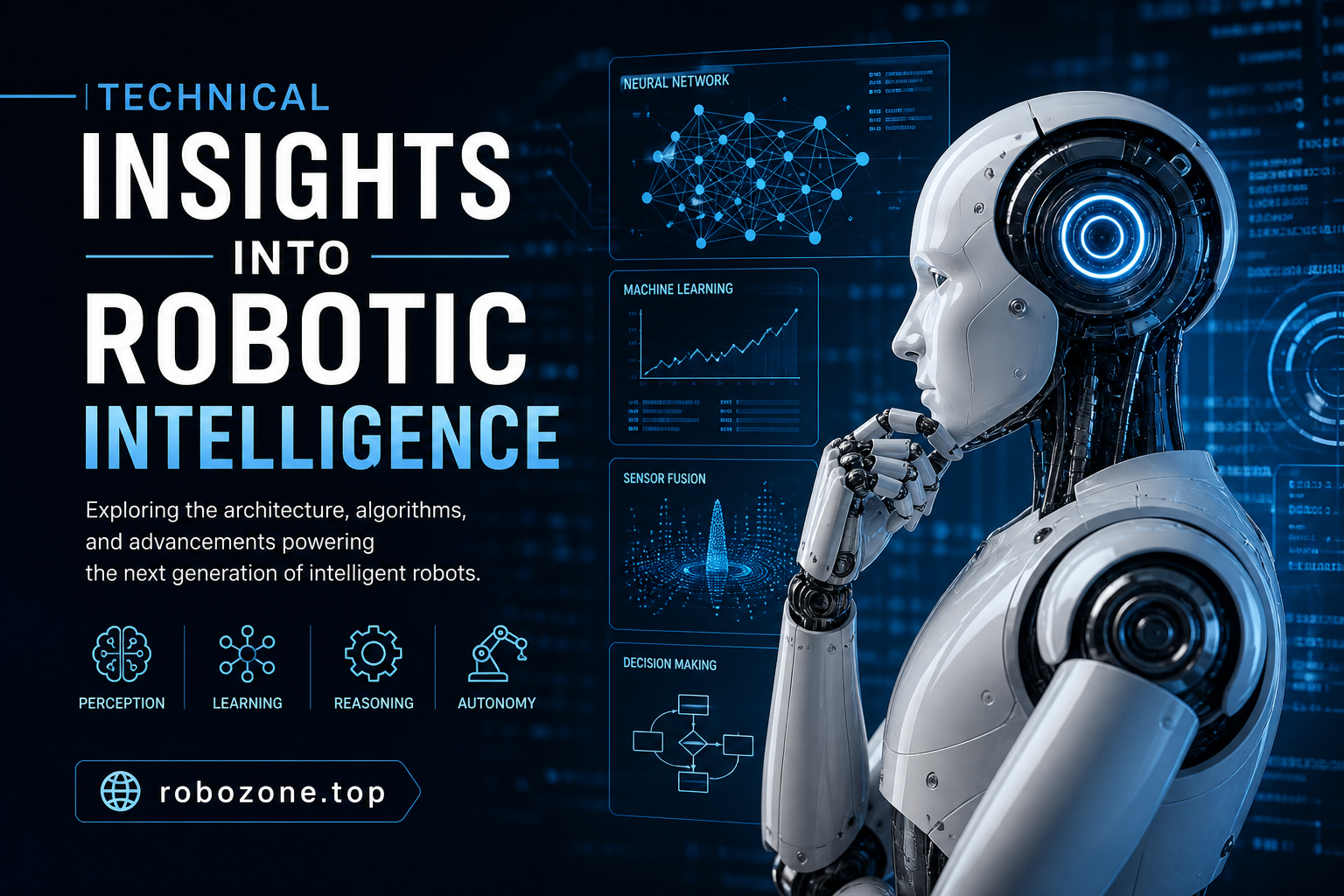
The intelligence driving modern robots is a dance of intricate technology, where AI models, sensors, and chips lie at its heart.
Foremost are the AI models—core constituents that decode the chaos of the real world into comprehensible data. Advanced deep learning and reinforcement learning models hone robots to learn from experience and improve their task accuracy over time. In more technical terms, these models use vast datasets to train algorithms and help the robot make autonomous decisions.
Let’s turn our gaze to the powerhouses computing these decisions. Here, NVIDIA stands at the forefront, designing chips that can perform billions of operations each second, powering AI models at breakneck speeds. Their GPUs are central to innovations like the development of autonomous driving algorithms or robotic vision systems—the kind that help a robot vacuum distinguish a tumbleweed of pet hair from your beloved tabby. These systems, coupled with Lidar and ultrasonic sensors, grant robots an awareness of their surroundings that once seemed almost sci-fi.
Moreover, research centers like the Stanford AI Lab contribute groundbreaking work, pushing the boundaries of what’s conceivable. It seems every breakthrough raises the question, ‘What next?’ as robots edge ever closer to human-like cognition.
Market Analysis: A Glimpse Into Economic Impact

The surge of intelligent robots represents not just a technological evolution, but an economic revolution. Market analysts forecast mind-bending growth rates for robotics markets in the coming years. According to the International Federation of Robotics, the current global investment mirrors the enthusiasm during the early computing boom.
Such investments have spawned entirely new sectors and revitalized others. In the labor market, the freeing up of human resources from mundane and repetitive tasks has businesses reevaluating skill sets and recruitment strategies, pivoting towards roles that leverage human creativity and problem-solving abilities.
Investors are drawn to robotics as proverbial bees to honey, attracted by the unprecedented potential to disrupt various industries including manufacturing, logistics, and healthcare. Financial forecasts suggest that sectors employing intelligent robots will see exponential investment growth worth billions over the next decade.
Yet with booming markets come changes in economic landscapes. How industries adapt to these changes—whether embracing or resisting them—will likely define their competitive edge in a rapidly transforming world.
Challenges and Limitations: What We’re Up Against
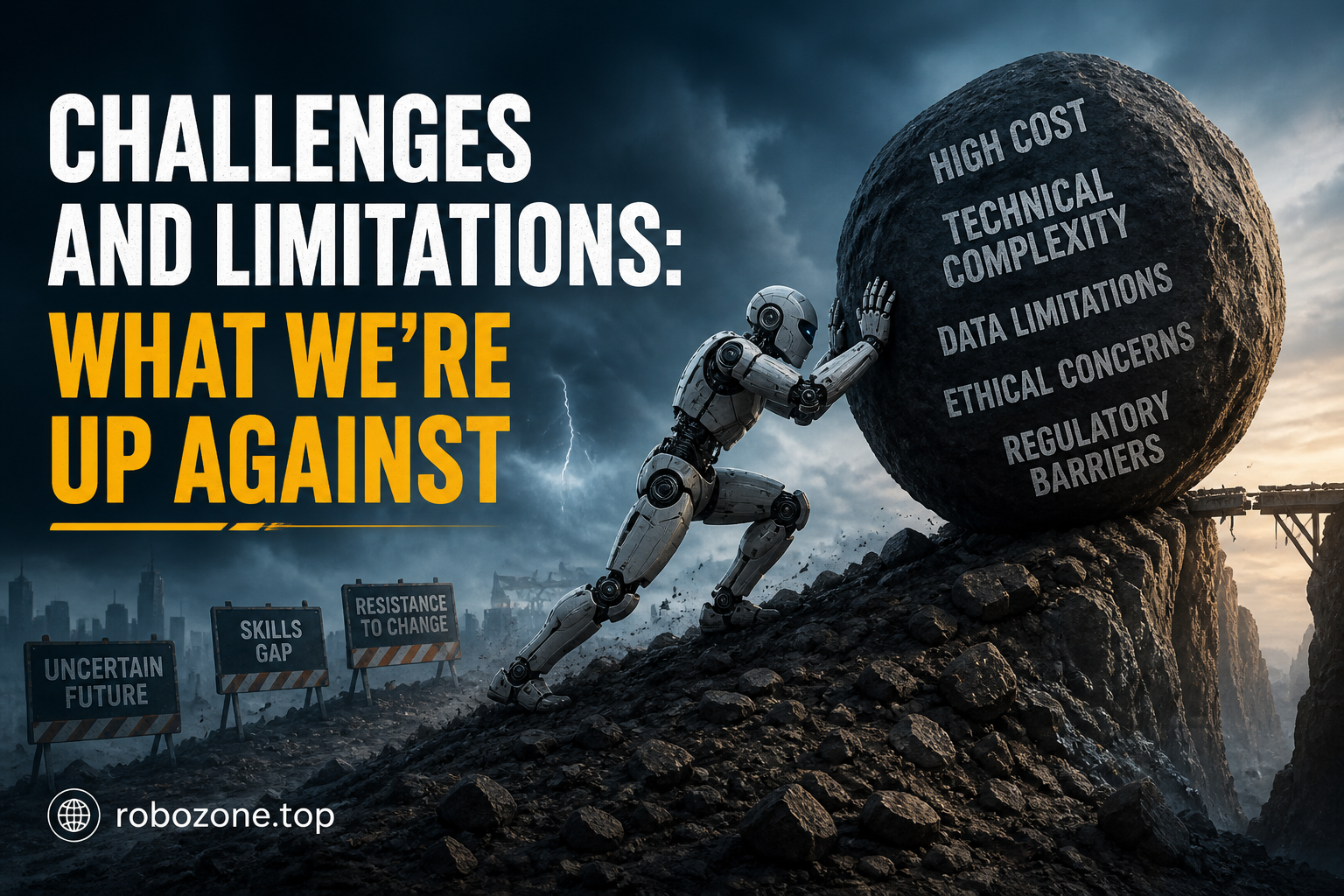
While robots brim with potential, they aren’t without their limitations. Here, in the space where promise meets practicality, we find both challenges and idiosyncrasies.
First, let’s talk about the complexity of human emotions. Despite AI advancements, endowing robots with empathy remains an ongoing challenge. After all, it takes more than processing power for a robot to recognize—a raised voice is not an aggression, but perhaps frustration with a malfunctioning toaster.
Another obstacle? The unpredictability of human environments. Even the cleverest AI can find itself stumped by unexpected variables—like a house cat lounging atop a robotic vacuum and accidentally pressing all the wrong buttons.
Moreover, there are ethical conundrums to consider. As robots become more autonomous, issues arise about their accountability. If a robot makes a mistake, who’s responsible? These are questions that both technologists and legal experts grapple with, as they navigate the uncharted waters of rights and liabilities in the realm of robotics.
Of course, no summation of limitations would be complete without addressing the financial and computational costs. Developing and deploying robots brimming with artificial intelligence requires significant investment—a barrier for smaller enterprises aspiring to harness their potential. As such, accessibility isn’t uniform, creating disparities that could influence industry patterns significantly.
Future Predictions: The Road Ahead for Robotics
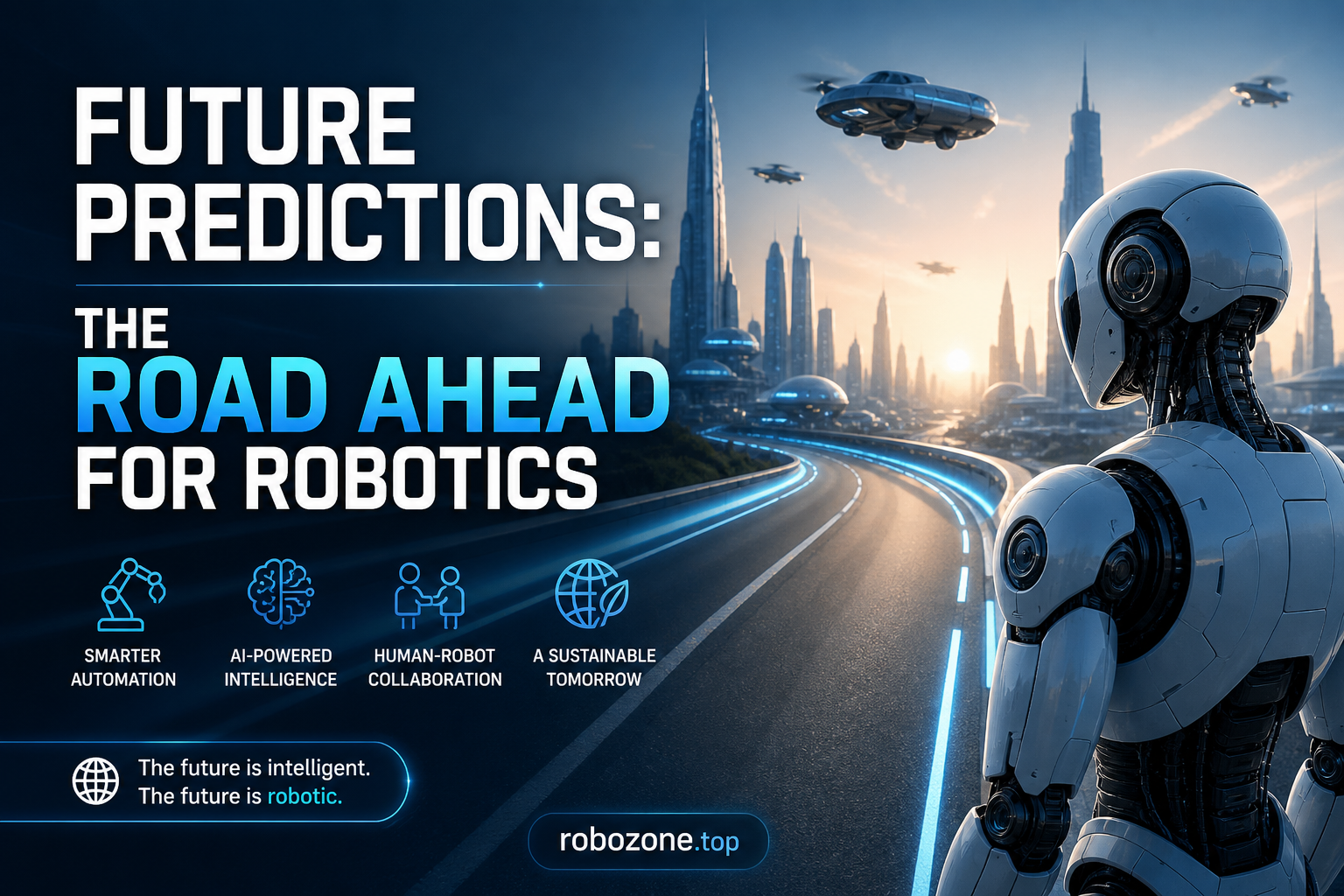
Looking toward the horizon of robotics, predictions can be as much art as science. Yet, several trends are beginning to reveal themselves.
In the short term, expect faster, more intuitive machines that are gradually less distinguishable from human counterparts. Advances in AI models, coupled with ongoing improvements in hardware, will likely allow robots to tackle increasingly creative and complex tasks.
Beyond the next few years, autonomous robotics will become robust partners in innovation. Perhaps your next brainstorming session will feature a holistically insightful AI capable of offering suggestions that push your projects into new realms.
In an even longer-term vision, humanoid robots may one day integrate seamlessly into our society, earning their place as valuable colleagues or companions. The thrilling prospect of robots learning independently and improving upon human keystones—such as adapting languages or deciphering societal norms—draws nearer each day.
But what should businesses, developers, and users prepare for—the strategic insights paint a roadmap of readiness. For enterprise leaders, strategic investments in robotics R&D could unlock rich returns. Developers too, should aim toward fostering diverse skill sets rooted in AI and sensor technologies, while users must open themselves to the concept of a world where robots are partners rather than tools.
So where does this leave us?
As intelligent robots continue to redefine the boundaries of what’s possible, society stands at a fascinating intersection of technology and human experience. The conversation about what makes a robot truly intelligent isn’t just about circuits and codes—it’s a dialogue that shapes the future we wish to live in.
It’s a conversation continuously evolving, much like the robots themselves. And while we may not have all the answers yet, one thing remains clear: the journey to understanding robotic intelligence is an exhilarating case of discovery, opportunities, and perhaps the occasional blip on a pet-sitter robot’s surveillance radar.
In the words of Thomas Huynh, ‘We’re not just witnessing history; we’re writing the next chapter.’
Thomas Huynh – Admin of RoboZone.top
References & Further Reading:
- MIT Technology Review — https://www.technologyreview.com/
- IEEE Spectrum — https://spectrum.ieee.org/
- McKinsey & Company — https://www.mckinsey.com/
- Stanford AI Lab — http://ai.stanford.edu/
- NVIDIA Research — https://research.nvidia.com/
- International Federation of Robotics — https://ifr.org/
- World Economic Forum — https://www.weforum.org/
- Harvard Business Review — https://hbr.org/
– – – – – – – – – – – – – – – – – – – – – – – – – – – – – –
Love this content? Support the blog by checking out these items:
If you buy through these links, I may earn a small commission at no extra cost to you. Thank you for supporting the blog!