
In the ever-evolving world of technology, the emergence and expansion of robotics startups have transformed from a promising idea into a dynamic frontier with immense possibilities. With advancements in artificial intelligence, unparalleled computing power, and innovative sensors, this burgeoning field is not just surviving but thriving. Robotics has become a crucial player across various sectors, ranging from healthcare to agriculture and consumer appliances. As we delve into this robotic renaissance, it’s fascinating to observe how it aligns with our quest for efficiency, automation, and perhaps a slight touch of apocalypse in entertainment. Let’s unravel why robotics startups are exploding right now and what this means for industries and society at large.
Understanding the Core Concept of Robotics Startups
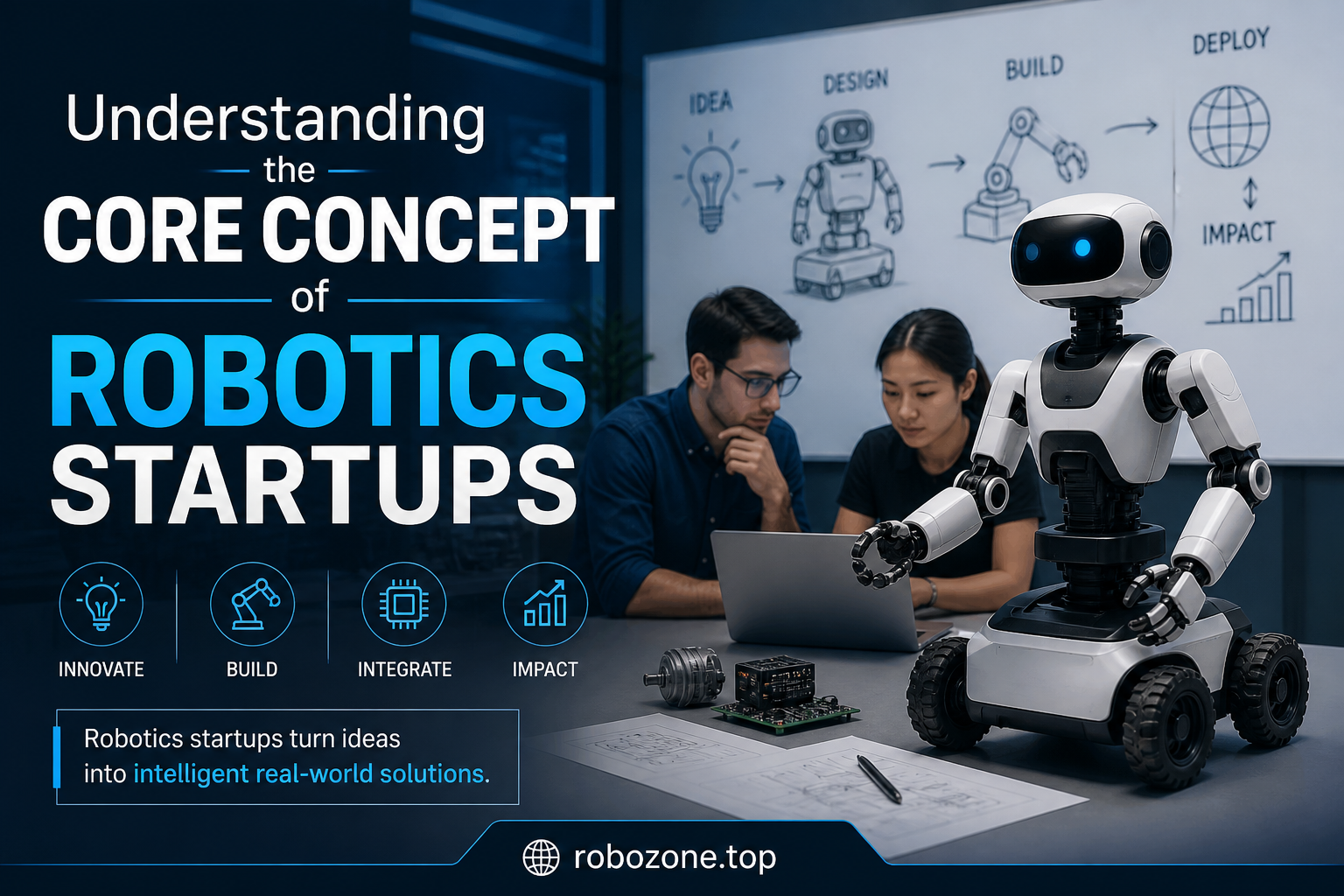
At its essence, a robotics startup focuses on designing, developing, and deploying robotic systems to perform tasks traditionally carried out by humans. Their aims are multifaceted, often seeking to integrate advanced technologies such as artificial intelligence, machine learning, and sensor-driven analytics to create machines that are not just responsive but profoundly interactive. Unlike traditional robots, these modern inventions are designed to adapt, learn, and improve over time, pushing the boundaries of human-machine collaboration.
This explosion of interest is rooted in the convergence of multiple technological advancements. For example, robotics systems today are equipped with sophisticated AI models capable of interpreting complex datasets in real-time, much like a digital Sherlock Holmes deciphering clues to solve a mystery. Companies like Boston Dynamics have showcased robots that not only perform mundane tasks but can navigate challenging terrains, predictably capturing the awe of tech enthusiasts and investors alike.
Robotics in Real-World Applications
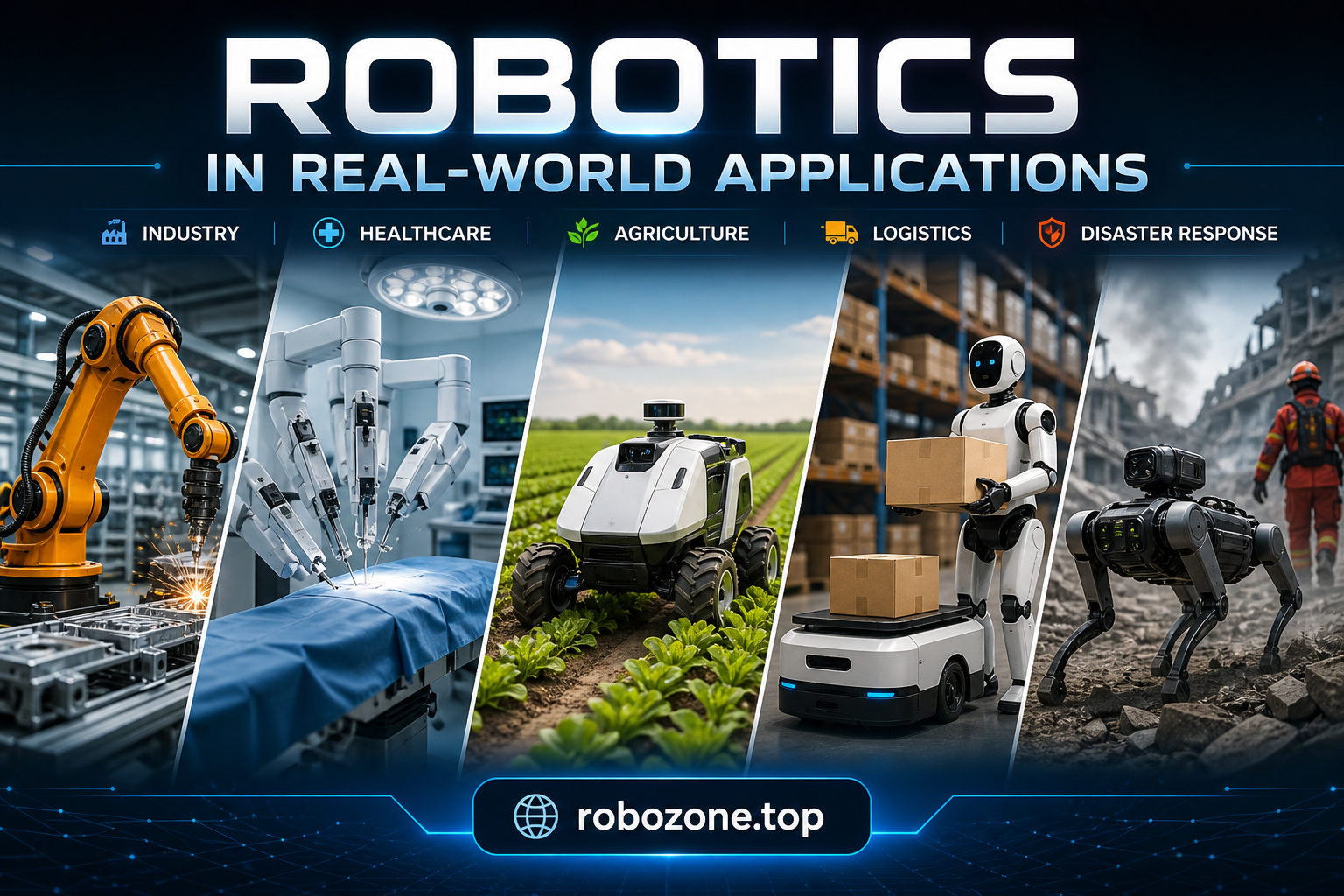
The application of robotics spans various industries, each harnessing this technology to redefine operational boundaries. In healthcare, robotic surgical systems have revolutionized precision medicine, offering minimally invasive solutions and improved recovery times. Hospitals now utilize robots for tasks ranging from medication dispensing to patient companionship, elevating the standard of care. And let’s not forget the AI-driven robotic arms designed to perform surgeries with the steady hands of a seasoned maestro.
In industrial settings, autonomous robots streamline supply chain operations. Companies like Amazon employ a fleet of robots within their warehouses, working in symphony with human counterparts to manage logistics with surgical precision. This blend of human and machine labor blurs the line between man and machine, creating an efficient, tireless workforce that never demands a coffee break.
Beyond healthcare and industry, consumer robotics have wormed their way into our homes. From robotic vacuum cleaners to lawn mowers, these gadgets promise convenience and a taste of the futuristic lifestyle once reserved for science fiction. With companies like iRobot and Tesla leading the charge, the future of consumer robotics looks as vibrant as ever.
[this image – a bustling warehouse with robots and humans efficiently managing logistics, illustrating human-machine collaboration]
Technical Insights: The Building Blocks
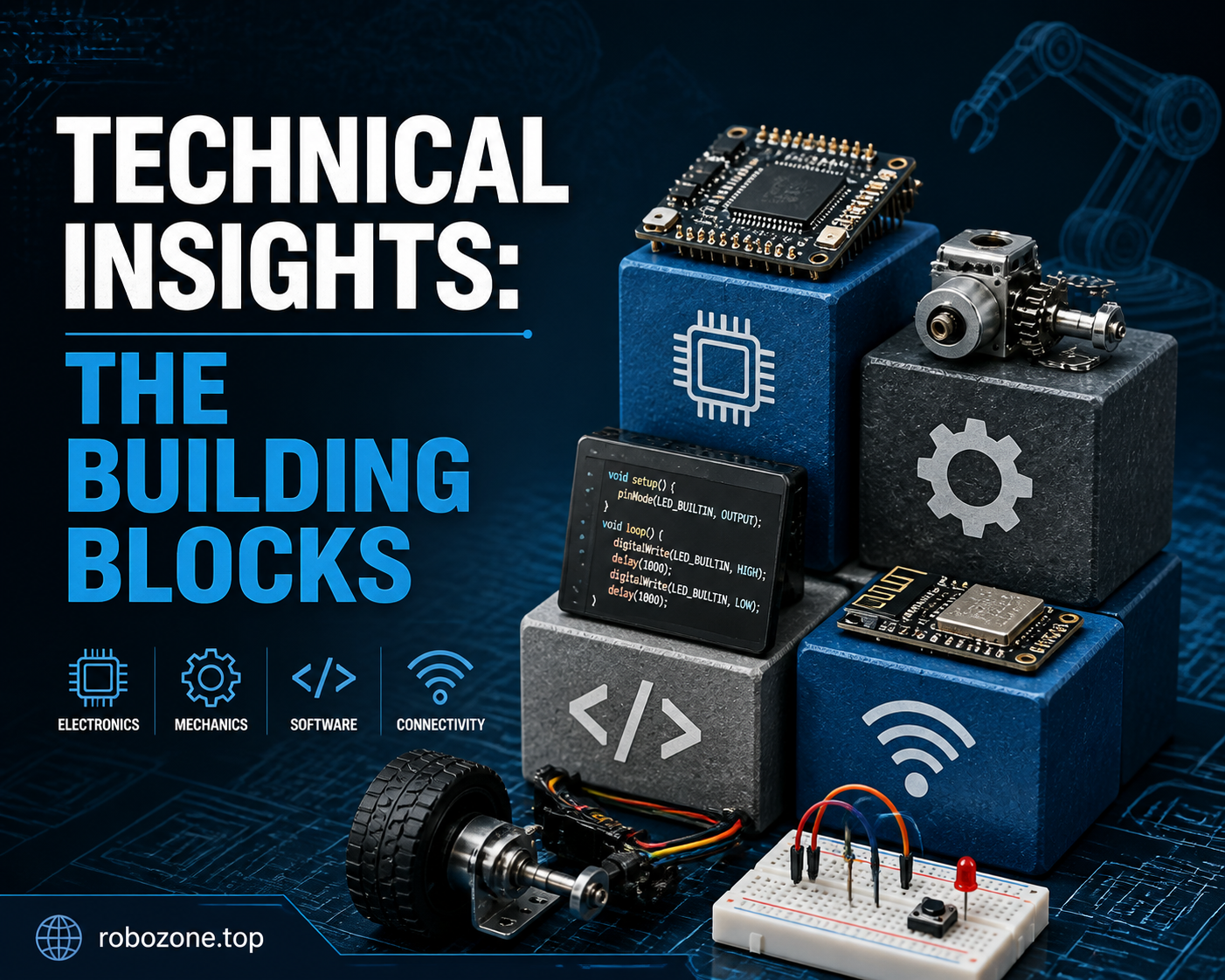
The fuel driving the surge in robotics startups is undeniably technological innovation. At the heart of these systems are robust AI models, such as those spearheaded by Google DeepMind, which allow machines to engage in complex decision-making processes. These AI systems are complemented by advanced sensors and NVIDIA GPUs, ensuring that robots process vast amounts of information with remarkable speed and accuracy.
Robotics systems now integrate Internet of Things (IoT) devices, enabling seamless communication among machines. With lidar and 3D mapping technologies, robots can navigate their surroundings with ease, akin to how a seasoned traveler would deftly maneuver through a dense, bustling city.
However, the road to technological perfection is fraught with challenges. Robotics engineers continually fine-tune algorithms to optimize machine learning processes to ensure robots learn without the risk of catastrophic malfunctioning. After all, no one wants their cleaning robot mistaking their pet for a pile of debris – even though it might seem amusing at first glance.
Market Analysis: Growth and Economic Impact

The surge in robotics startups comes amidst a booming market teeming with investments. According to McKinsey & Company, the global robotics market is projected to grow exponentially, reaching an estimated $260 billion by 2030. This growth is fueled by an intense demand for automation across sectors, with startups riding the wave of technological advancement and increased financial backing.
Investors, eager to capitalize on the robotics revolution, have poured billions into startups crafting solutions for tomorrow’s market. Venture capital firms recognize the potential for high returns, likening robotics to the gold rush of the digital age. Yet, like any gold rush, success is contingent on striking the right vein and navigating potential pitfalls along the way.
The economic impact extends beyond industry profits, with robotics poised to reshape workforce dynamics. Automation, while introducing efficiencies, presents challenges for traditional labor markets, requiring a rethinking of education and training to equip workers with the skills demanded by this new technological frontier.
Challenges and Limitations Facing Robotics Startups
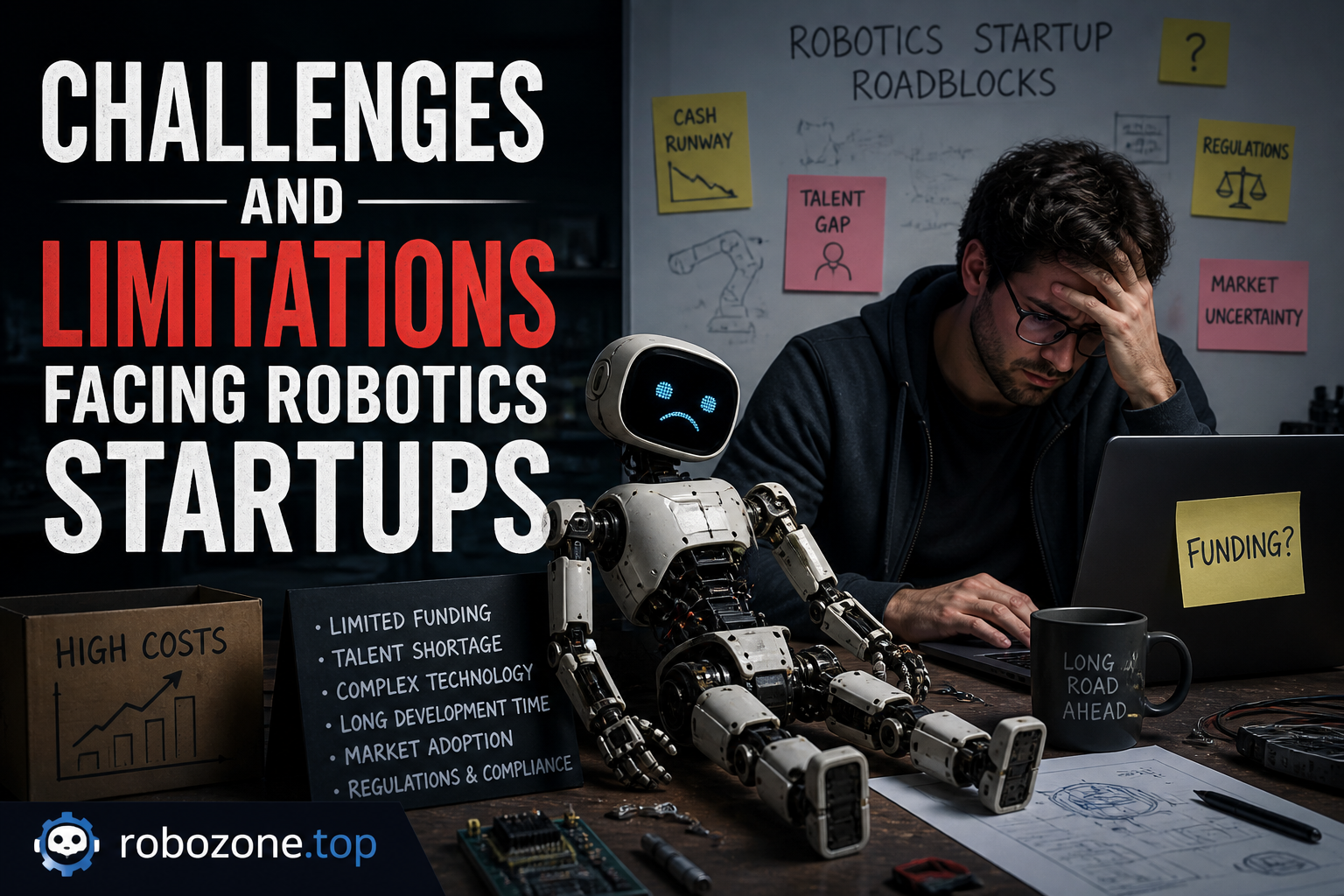
No technological revolution comes without hurdles, and robotics is no exception. The unpredictability of AI systems poses a significant barrier. While AI excels at operating under programmed conditions, unanticipated scenarios can lead to erratic behavior. This unpredictability requires rigorous testing and an intricate understanding of AI limitations, lest we risk a future reminiscent of a sci-fi movie gone awry.
Ethical and regulatory challenges also loom large. As robots become integrated into everyday life, issues of data privacy, security, and ethical AI use drive the conversation. Developers must navigate these legal landscapes whilst maintaining transparency to garner public trust and governmental approval.
Additionally, the cost barrier remains a considerable obstacle. High development costs and complexities in scalability can restrict smaller startups from competing with established giants, such as Toyota and Tesla, which boast substantial financial and technical resources. Nonetheless, the relentless pursuit of innovation spurs startups to find creative solutions, ensuring that the world of robotics remains as unpredictable as it is exciting.
Future Predictions: Where Are We Headed?

As the robotics landscape continues to evolve, the coming years promise sweeping changes that could redefine societal norms. Experts predict that within the next 3 to 5 years, robotics will venture deeper into more sectors, from agriculture with autonomous tractors harvesting crops to law enforcement robots aiding in perilous operations, mitigating risks to human officers.
The long-term vision sees robotics, not as solitary machines, but as integral parts of connected ecosystems, where they seamlessly communicate with other devices and systems. Such integration could lead to smart cities, where intelligent machines manage utilities, services, and transportation infrastructures.
Yet, with these advancements come concerns over widespread displacement of human jobs and ethical use of AI. Ensuring that the development of robotics is aligned with societal values becomes critical, demanding collaboration among developers, policymakers, and the general public.
Strategic Insights for Businesses and Developers

For businesses, developers, and users venturing into the robotic realm, strategic foresight is paramount. Embracing innovation while remaining mindful of potential disruptions is key. Companies should focus on agility, investing in continuous learning and development to stay ahead of technological curves.
Partnerships with leading tech companies, like IBM and NVIDIA, can provide startups with necessary resources and expertise to navigate challenges and accelerate growth trajectories. Meanwhile, nurturing a culture of ethical technology use will help bridge the gap between innovation and public trust.
Additionally, diversification becomes a strategic enabler, allowing businesses to mitigate risks and tap into emerging markets and sectors. As robotic technologies mature, strategic engagements will unlock opportunities and position companies as pioneers ushering in a transformative era.
So where does this leave us? The trajectory of robotics startups appears to be set on a thrilling course. Their impact extends beyond convenience, paving pathways into a realm where human and machine coexist harmoniously. What we should really pay attention to, are the shifts in how industries adapt and integrate these technologies, compelling us to rethink traditional paradigms.
Looking ahead, it’s crucial to focus on the ethical frameworks governing AI and robotics, ensuring that these innovations bolster humanity, rather than detract from it. As we stand at the precipice of this robotic future, it’s thrilling – and perhaps a little nerve-wracking – to imagine what lies ahead.
Thomas Huynh – Admin of RoboZone.top