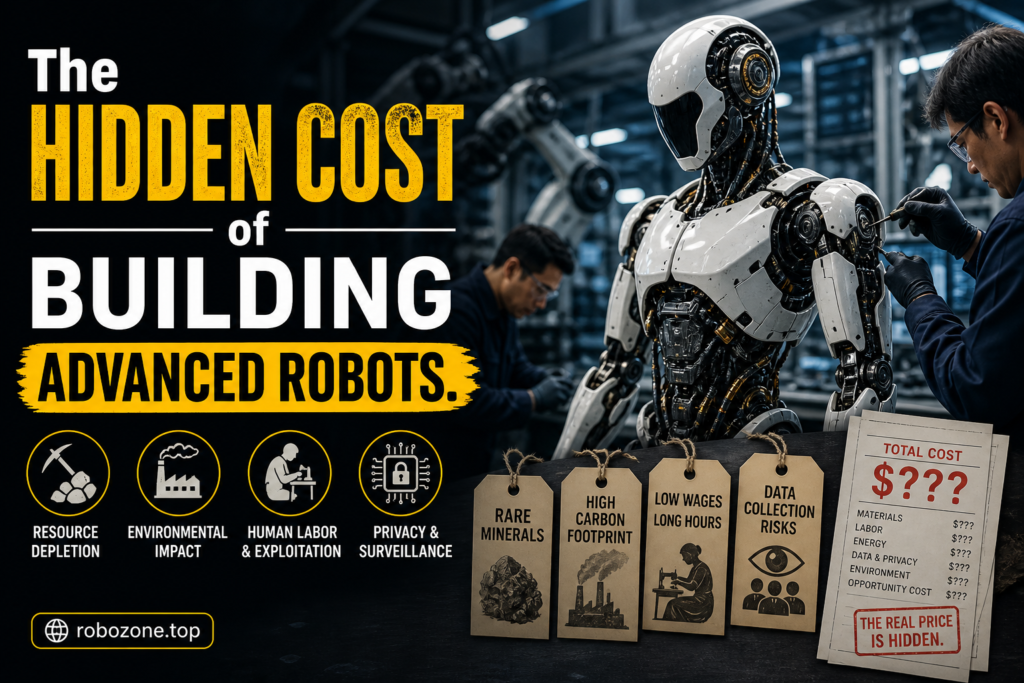
In the ever-evolving world of technology, the allure of advanced robotics is undeniable. From the gleaming corridors of Tesla’s gigafactories to the smart kitchens of our future homes, robots are becoming essential partners, promising to redefine efficiency and innovation. But as we stand on this brink of a new era, we can’t help but ask: what toll do these marvels of engineering exact on their creators and societies? Join me on this exploration as we dive deep into the hidden costs associated with crafting the next generation of robots. And who knows, even Thomas Huynh might pop in with an anecdote or two from RoboZone.top’s archives.
Understanding the Core Concept

Building an advanced robot is not just a matter of nuts and bolts, or even circuits and sensors. It’s an intersection of complex algorithms, intricate hardware, and visionary design, all integrated with the finesse of a seasoned artisan rather than an assembly line worker. At the heart of these machines lies artificial intelligence, that mysterious force transforming passive machines into active participants in our world.
AI models, like those developed by Google DeepMind, enable robots to ‘learn’ from their environment, rather than simply being programmed with a finite set of responses. Meanwhile, sensors, akin to a chef’s sense of taste, help robots navigate and interact with their surroundings. This convergence of AI and sophisticated hardware is, as one might say, the secret sauce in making robots not just automated tools, but intuitive partners.
Yet, behind these impressive facades is a rigorous process that requires a harmonious blend of programming expertise, strategic planning, and financial investment. Thomas Huynh once wittily commented, ‘Building a robot is like baking a soufflé: it’s about precision, timing, and a bit of luck that it doesn’t all collapse.’
Exploring Real-World Applications
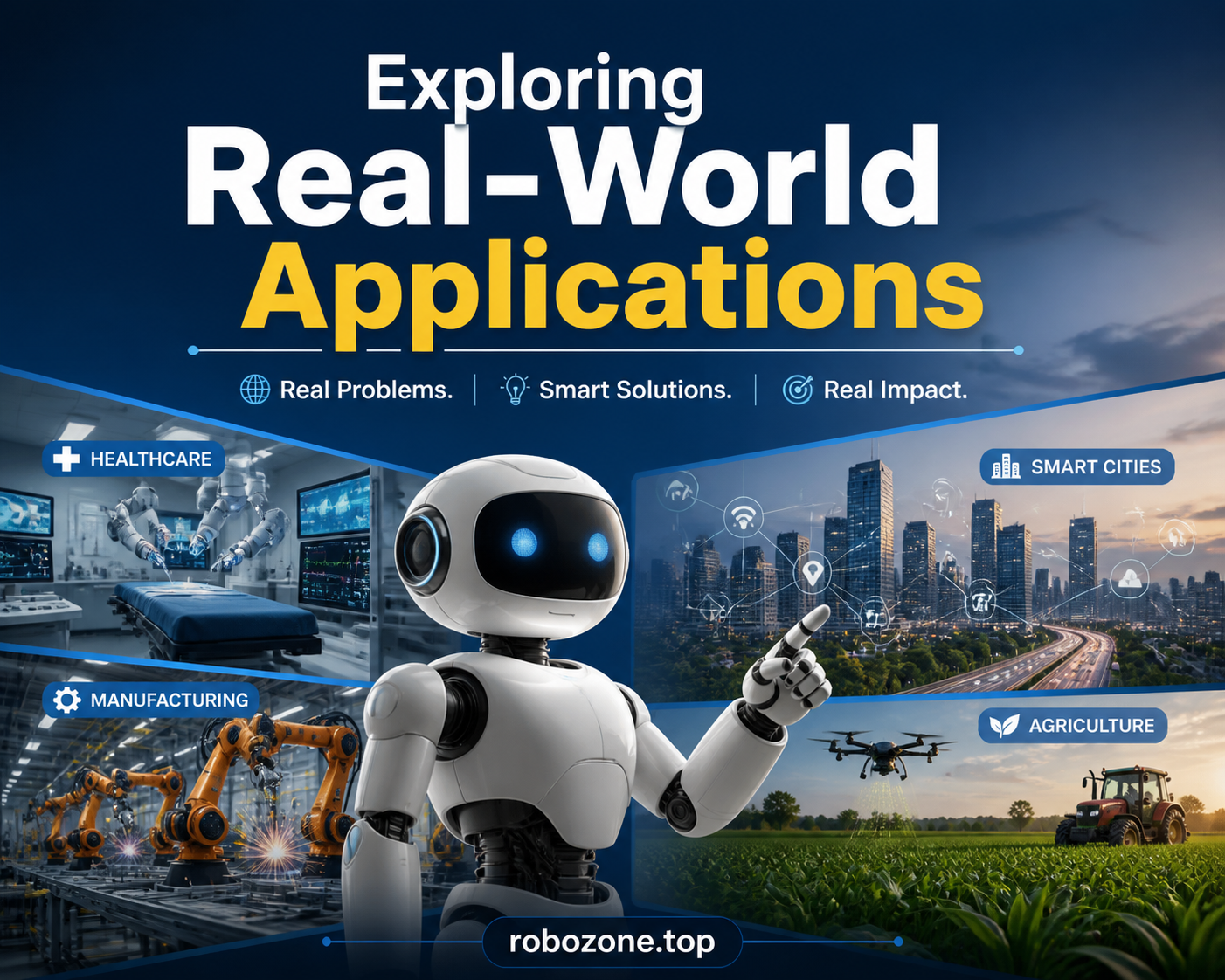
The influence of advanced robots is being felt across a multitude of sectors, each with its unique applications and implications. In industrial settings, robots streamline complex manufacturing processes, reducing human error and enhancing productivity. The automobile giant Tesla, for example, employs robots at scale to bring precision and speed to car manufacturing, a testament to the potential of robotic labor reshaping traditional industries.
In healthcare, robots have transitioned from the role of novelty companions to critical caregivers. Surgical robots, akin to their human counterparts, are now performing with such precision that they’re regarded as essential tools in operating rooms. The rise of telemedicine further amplifies the role of robotics, offering remote services that can reach underserved communities, providing both diagnostics and therapeutic interventions.
Closer to home, robots are promising to redefine domestic life. Smart assistants and cleaning robots are just the beginning. Imagine a world where robots tailor your home environment to your mood or where dinner is a gourmet meal prepared by your robotic chef. We’re not sprinting toward Jetsons-level reality yet, but the wheels are in motion, or should I say, the circuits are closing?
Yet with each advancement, the demand for adaptability and integration becomes apparent, pushing the boundaries of technology and forcing companies to consistently innovate to maintain a competitive edge.
The Technical Marvels and the Challenges They Pose
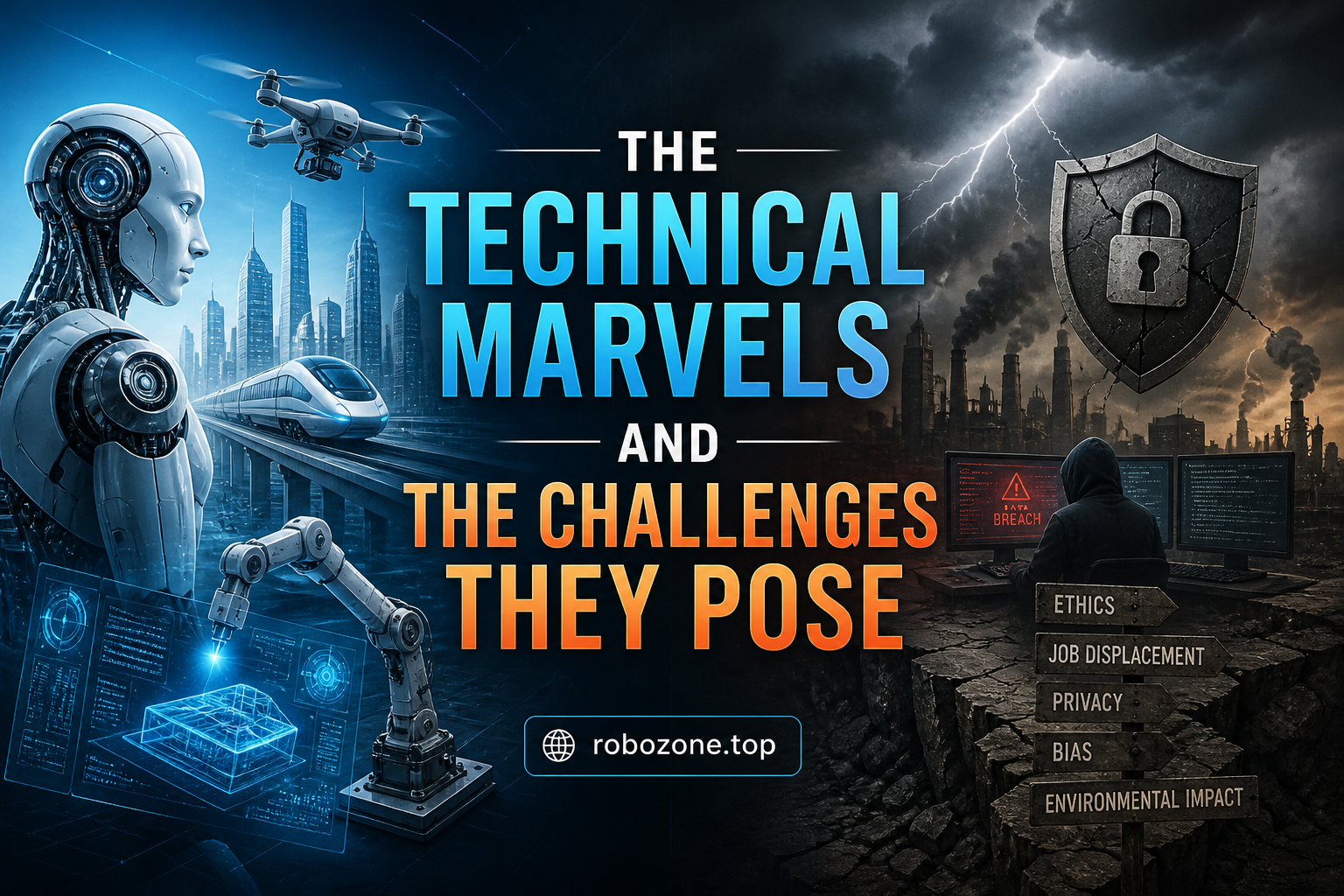
The creation of advanced robots involves a symphony of technical components, from AI systems to specialized chips. NVIDIA’s advancements in creating sophisticated GPU architectures have set a standard in computing power, enabling robots to process information with remarkable speed and efficiency. These chips are the literal brains driving AI decision-making in real time.
However, the sophistication of these components is a double-edged sword. While it allows for incredible potential and precision, it also introduces complexity into the manufacturing and development process. Engineers face daunting challenges in ensuring these technologies can operate consistently. Power consumption, heat management, and maintaining swiftness without compromising accuracy are all issues that require careful calibration.
Moreover, the reliance on cutting-edge technology creates a vulnerable ecosystem. Supply chain disruptions can halt production, and while companies invest in failsafe measures, the hidden cost emerges in the form of an ever-expanding R&D budget. As Thomas Huynh quipped during one of our conversations, ‘It’s like having a race car; great to drive, but you’re always worried about that expensive tune-up.’
Economic Impact and Market Growth

Investing in robotics isn’t just a path toward technological advancement; it’s a booming market with significant economic implications. A recent report from McKinsey & Company estimates that by the year 2030, robots could generate a staggering $4 trillion to $6 trillion in economic impact annually. This growth isn’t just confined to traditional market leaders but extends to budding technopreneurs eager to make their mark.
The International Federation of Robotics reports a consistent annual increase in robot sales, reflecting a broader acceptance and reliance on robotic technology across sectors. Major economies are pushing for automation as a panacea for labor shortages and rising costs, fueling investment but also sparking debates about the broader social implications.
The fanfare around these numbers, however, masks the nuanced reality of implementing robots in economic frameworks. For instance, the short-term cost savings touted by businesses fail to account for long-term implications on employment and income distribution. At RoboZone.top, Thomas Huynh often reminds us of the fine line between economic growth and societal disruption, advocating for balance and ethical considerations in robotics development.
Challenges: Navigating Rough Terrains

Despite the promise that advanced robots hold, significant challenges persist. Technical hurdles aside, regulatory landscapes present formidable barriers. Governments worldwide are grappling with frameworks that can ensure robots’ safe and ethical deployment while promoting innovation. Legal and ethical dilemmas, particularly in AI decision-making, keep lawyers and ethicists both gainfully employed and slightly nervous.
In practice, designing robots that are adaptable to unpredictable human environments remains a daunting challenge. Real-world scenarios often throw curveballs that no amount of machine learning can entirely anticipate. The fault lies not in the machines, but rather in the unpredictability of human interaction and environmental variability.
Moreover, public perception of robots plays a pivotal role. There’s a dichotomy between the awe of innovation and the fear of obsolescence and dependency. Building trust with technology is as crucial as achieving technical feats, a balancing act that requires thoughtful consideration and, some might say, a good PR team.
The Road Ahead: Future Trends and Strategies
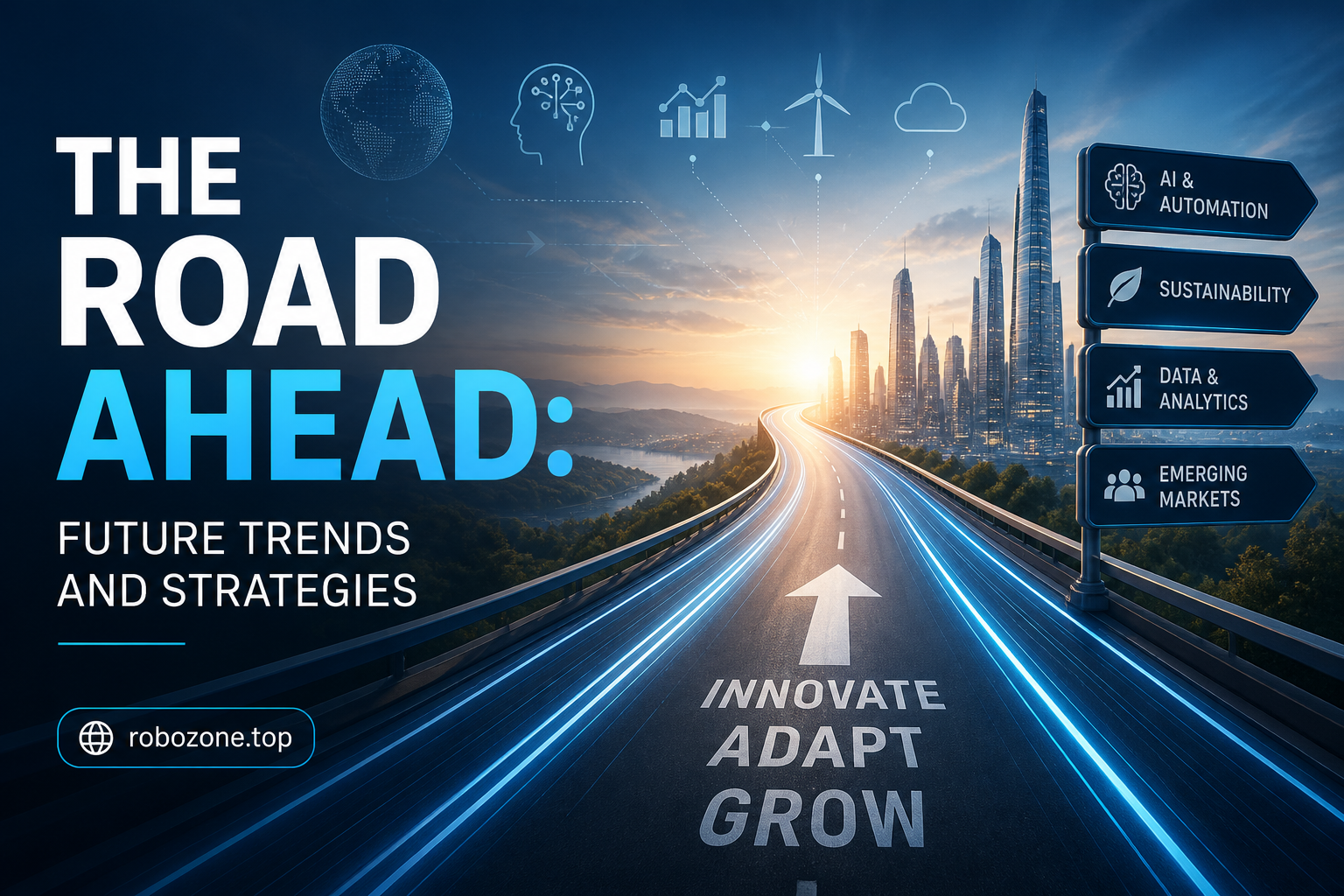
The future of advanced robotics is filled with exciting possibilities and daunting prospects. As AI continues to evolve, we anticipate robots becoming more autonomous, with less human intervention needed for their operation. Smart homes will give way to intelligent environments where robotics seamlessly integrates with every aspect of daily life.
Thomas Huynh always urges us at RoboZone.top to think ahead, to envision not just the next year but the next decade. In the short term, developers and businesses must focus on robustness and reliability. Investing in adaptive AI that can operate in diverse environments will be critical. Meanwhile, users and policy-makers must stay informed, understanding both the capabilities and limitations of robotic technologies to make sound decisions.
In the long term, interdisciplinary collaboration will be crucial. Robotics will no longer be confined to engineers and tech enthusiasts; it will involve anthropologists, ethicists, and all sorts of experts to ensure these machines harmonize with human-centric goals. As the journey continues, one thing is certain: the discussion about the hidden costs and the remarkable benefits of building advanced robots is far from over.
So where does this leave us as we stand on the edge of a new robotic era? With eyes wide open. The hidden costs of building advanced robots aren’t merely financial but ethical and societal. We must approach these challenges with a nuanced understanding, eager to innovate responsibly while embracing the potential that these technologies bring. The road is long and winding, but with careful navigation and thoughtful steering, the destination promises a future ripe with opportunities and discoveries.
Thomas Huynh – Admin of RoboZone.top
References & Further Reading:
- MIT Technology Review — https://www.technologyreview.com
- IEEE Spectrum — https://spectrum.ieee.org
- McKinsey & Company — https://mckinsey.com
- Stanford AI Lab — https://ai.stanford.edu
- Harvard Business Review — https://hbr.org
- NVIDIA research / blogs — https://blogs.nvidia.com
- International Federation of Robotics — https://ifr.org
- World Economic Forum — https://www.weforum.org