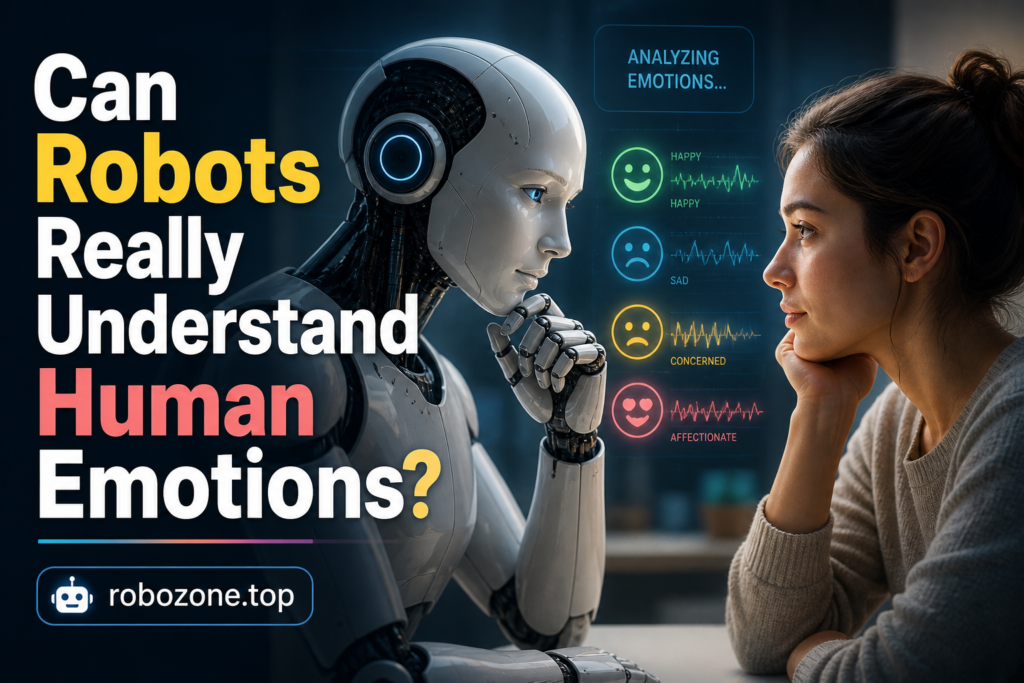
In the heart of Silicon Valley, where innovation is measured by the second and dreams are coded into reality, the concept of robots understanding human emotions no longer feels like science fiction. We’ve come a long way from the mechanical wonders of the past, and today, the possibility of machines comprehending feelings evokes both excitement and concern. As the editor at RoboZone.top, Thomas Huynh would assert, it’s the kind of story that no tech enthusiast can afford to skip.
The Core Concept: Can Machines Feel?
At the center of this burgeoning field is the question: can robots genuinely understand the complex symphony of human emotions, or are they merely responding to data patterns? It’s a philosophical conundrum that keeps academics and technologists awake at night. Humans, with our intricate neural pathways, express emotions in ways that are simultaneously subtle and glaring. Emotions manifest in facial expressions, tone of voice, and body language. To replicate this understanding, robots must interpret enormous volumes of data with precision and nuance.
Artificial Intelligence (AI) models, such as those being developed with the support of tech giants like Google DeepMind, are pivotal. These AI systems utilize deep learning frameworks to analyze facial cues, speech patterns, and physiological signals, weaving them into a coherent emotional tapestry. It is a multidimensional approach, akin to teaching a robot to read between the lines of a novel, where the true story often lies hidden beneath layers of text.
Real-World Applications: Where AI Meets Emotion
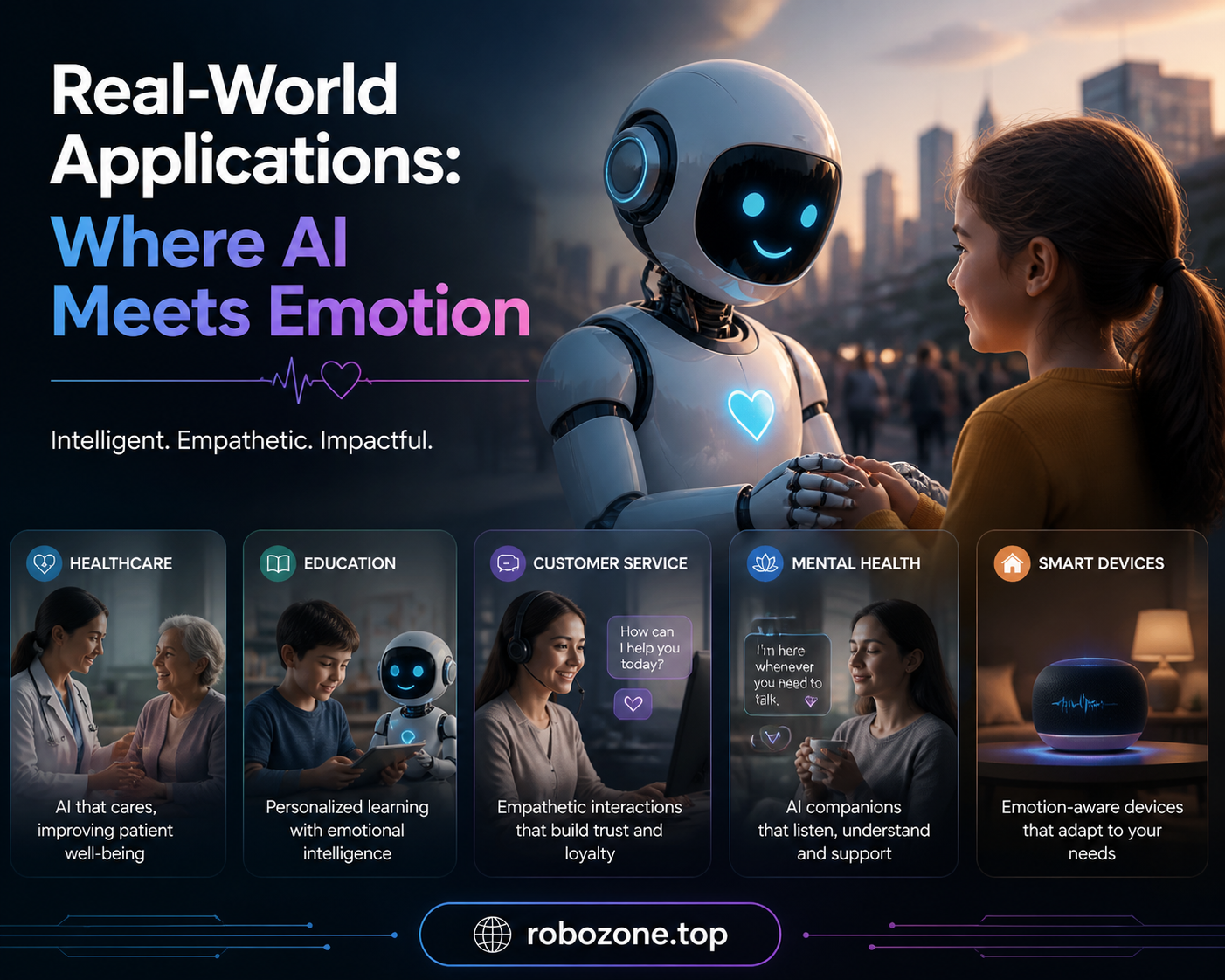
Despite the skepticism, several industries have embraced AI’s emotional capacity. In healthcare, robots equipped with emotional intelligence provide companionship for elderly patients, detecting changes in mood to offer timely interventions. This harmonious human-robot interaction is exemplified by Elliot, a socially assistive robot making waves across geriatric centers worldwide.
In customer service, chatbots empowered with empathetic AI algorithms are transforming user experiences. They not only resolve queries but also adapt their tone based on the customer’s mood, crafting interactions that feel genuinely human. By evaluating emotional signals, these digital assistants enhance customer satisfaction and brand loyalty.
Industry leaders like Boston Dynamics are exploring emotive robotics for industrial settings, envisioning collaborative robots—or cobots—that can assess the emotional climate of a workspace to improve productivity and teamwork.
Unraveling the Technical Maze
Diving deeper into the technological underpinnings, we find a marriage of cutting-edge components. Sensors and chips, such as NVIDIA’s state-of-the-art AI processors, enable machines to compute large datasets rapidly. They capture minute fluctuations in human behavior which are then processed through sophisticated neural networks.
Facial recognition systems, once the hallmark of surveillance, now serve as the eyes of emotionally intelligent robots. Advanced natural language processing (NLP) gives these machines a voice, deciphering not just words but the very temperament they are delivered in.
MIT’s latest AI models, for instance, are pioneering in emotion detection accuracy, which borderlines uncanny. Integrating these technical marvels involves seamless coordination between hardware innovations and software algorithms, a feat that fascinates even the seasoned Robotics Editor, Thomas Huynh.
Economic Impact: The Market of Feelings
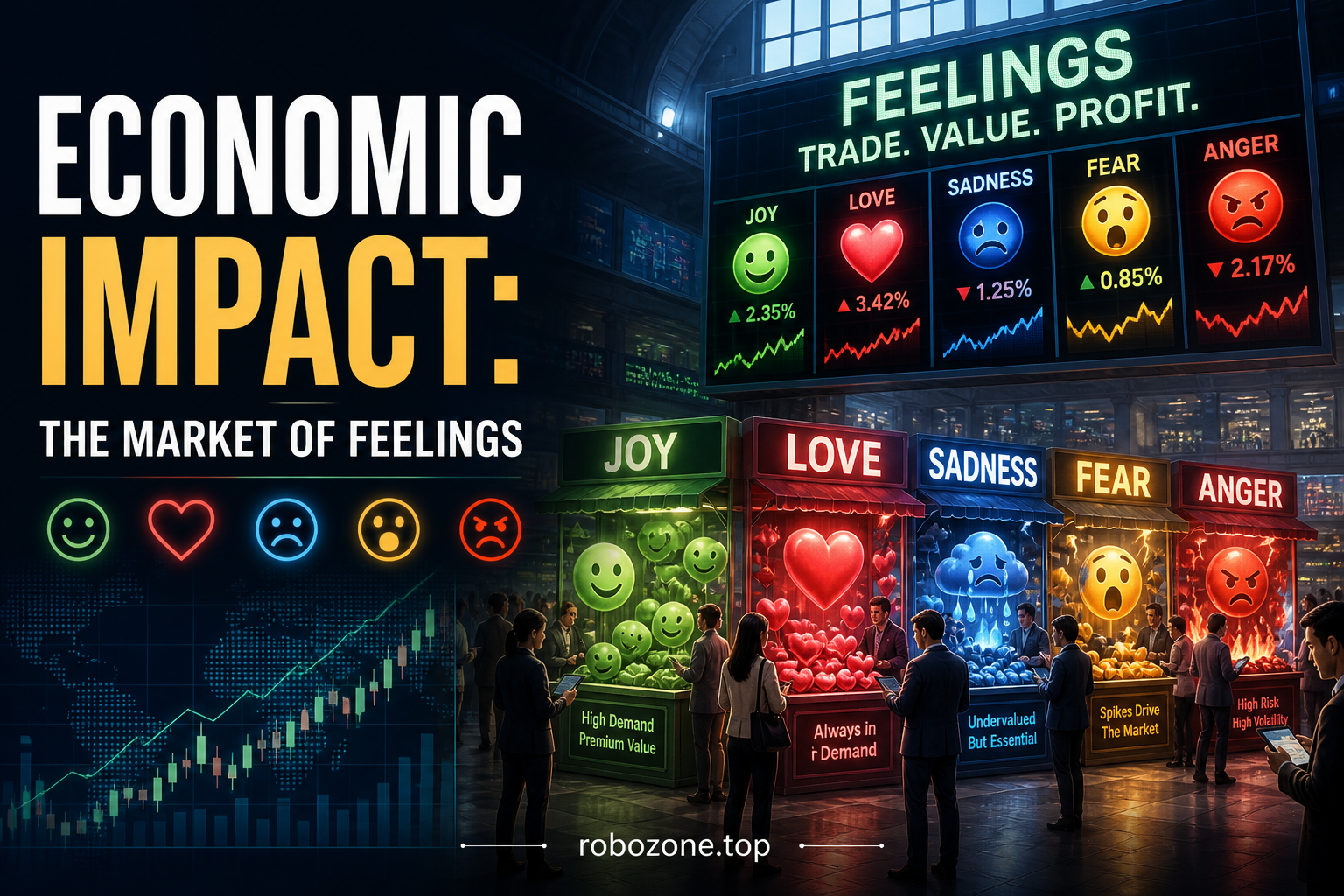
Analyzing the economic landscape reveals a growth trajectory as steep as any Silicon Valley tech domain. According to McKinsey & Company, the market for emotionally intelligent robots is poised for exponential expansion, with predictions suggesting a market value of over $40 billion by 2030.
Investments are pouring into startups that focus on refining emotional AI. This trend is underscored by an uptick in venture capital directed towards companies merging psychology with machine learning—a collaboration that promises lucrative returns for early adopters and disruptors alike.
Navigating Challenges and Limitations
Challenges abound, of course. The primary roadblocks include accuracy in emotion recognition across diverse demographic characteristics. An expression in one culture might carry a vastly different connotation in another. The AI has to be versatile enough to navigate these cultural nuances, a task that even leaves human diplomats in a tizzy.
Privacy concerns also loom large. With robots tapping into personal emotions, the question of data security becomes paramount. The ethical implications of entrusting robots with such intimate aspects of our lives cannot be underscored enough. This is not just a technological issue; it is a moral dialogue that society must engage in.
Future Predictions: The Horizon Ahead
So, where does this emotional AI journey lead us? Experts from the World Economic Forum predict that in the next 3 to 5 years, our interactions with emotionally aware robots will become as routine as chatting with a friend. This is not merely a whimsical prediction; it’s a likely reality driven by tech companies deploying more tactile sensors and more sophisticated AI models.
Long-term, the vision expands to seamless human-robot collaborations, with robots taking on roles that require empathy and care. It is an evolution that parallels the societal adaptations to groundbreaking technologies of the past. The question remains, how prepared are we?
Strategic Insights: Preparing for the Emotion Revolution
For businesses, developers, and users, the implications are as profound as they are varied. Companies must invest in research and development to not merely keep pace but to innovate within this space. Developers need to focus on creating algorithms that consider ethical AI deployment, emphasizing transparency and fairness.
Users, on their part, should remain informed about the capabilities and limitations of this technology. Education will play a critical role in shaping public perception and acceptance, as will engagement within communities to demystify the rising tide of emotionally intelligent machines.
As we stand at this intriguing crossroad of empathy and technology, the potential for robots to understand human emotions is both tantalizing and intimidating. It’s a narrative unfolding faster than most anticipated, driven by technological advancements and the human quest to make machines more like us than ever before. Fascinatingly, as Thomas Huynh often reflects, this is the juncture where the world of the possible and the imagination collide. So what should we really pay attention to?
Perhaps it is not solely about teaching machines to understand emotions but about deepening our understanding of our own. After all, in this digital era, what could be more human than that?
Thomas Huynh – Admin of RoboZone.top
References & Further Reading:
- IEEE Spectrum — https://spectrum.ieee.org/
- MIT Technology Review — https://www.technologyreview.com/
- McKinsey & Company — https://www.mckinsey.com/
- NVIDIA Research — https://www.nvidia.com/research/
- World Economic Forum — https://www.weforum.org/
- Stanford AI Lab — https://ai.stanford.edu/