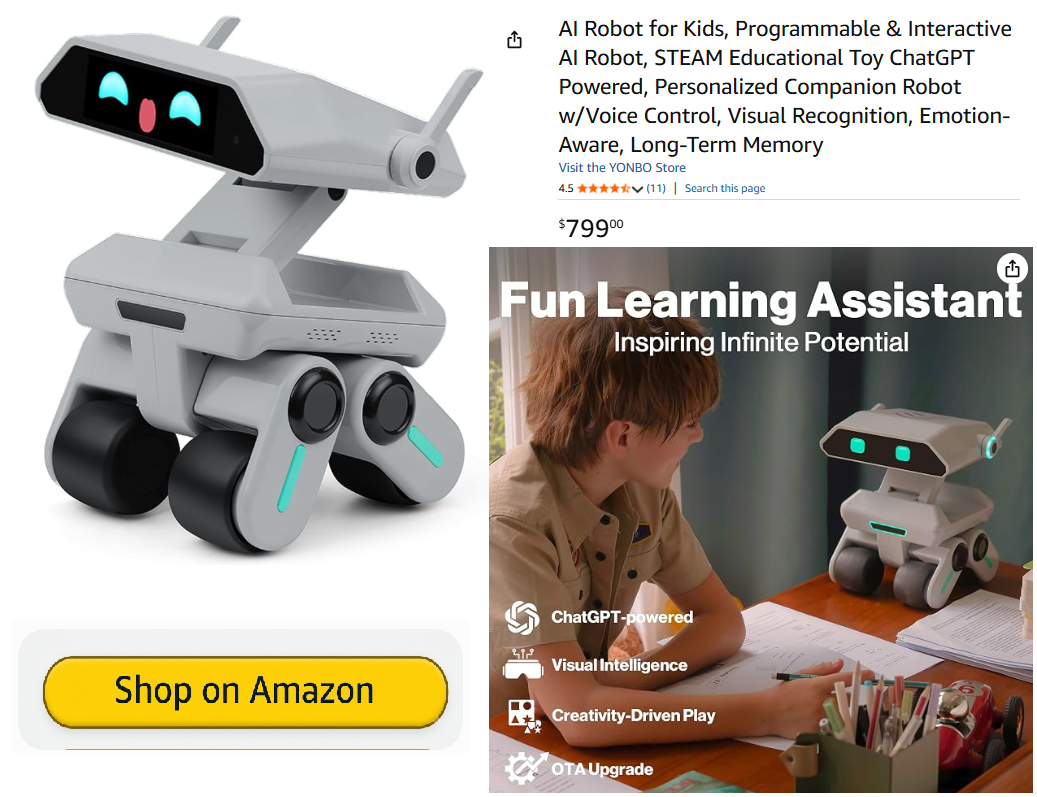
The next big thing in robotics is not shaping them in our image but diversifying them for specific, practical applications. Let’s delve into this transformative shift—one that promises to redefine industries and everyday life.
From Science Fiction to Functional Reality

The allure of humanoid robots is undeniable. It’s a trope as old as robotics itself, fuelled by movies and literature envisioning a future where robots live among us. However, in the real world, the most significant advancements are not about emulating human form but about enhancing functionality. To illustrate, consider the robotic arms in car manufacturing plants. They don’t resemble us, but they efficiently perform tasks like welding and assembling, far surpassing human capabilities in speed and accuracy.
These machines are part of a burgeoning field committed to solving real-world problems through specialisation rather than generalisation. Companies like Boston Dynamics have shifted from showcasing humanoid capabilities to focusing on the practical applications of machines like Spot, a four-legged robot designed for surveying and collecting data in hazardous environments. Meanwhile, industrial giants such as ABB Robotics are optimizing collaborative robots, or ‘cobots,’ to work alongside humans in diverse settings.
Unleashing the Power of Industry-Specific Robotics

While humanoids might steal the spotlight, robots designed for specific tasks are quietly revolutionising industries. In agriculture, for instance, harvest robots like those developed by Agrobot and advanced drones are optimising crop management. Equipped with high-resolution cameras and AI, these robots can identify and pick ripe fruits without damaging plants. It’s like having an extra set of eyes and hands on the farm, 24/7.
In healthcare, robots are transforming surgical procedures and patient care. The da Vinci Surgical System enables surgeons to perform delicate operations with precision far beyond human hands’ capability. Similarly, delivery robots are becoming commonplace in hospitals, ferrying medications, and samples across facilities, reducing human errors, and freeing up staff for more critical tasks.
Even in domestic spaces, robotic vacuums and lawn mowers are fine-tuned not to mimic human cleaning patterns but to cover areas with methodical efficiency, using sensors and AI algorithms to navigate spaces and optimize paths.
Technical Innovations Driving the Transformation

The remarkable shift from humanoid to function-specific robots is being driven by technical innovations that are more comprehensive than just intelligent programming. Advances in Artificial Intelligence (AI), machine learning, and sensor technologies have propelled these systems’ ability to perceive and adapt to their environments dynamically.
Take AI models like OpenAI’s GPT, which allows robots to understand and process human language, enabling better human-robot interactions. NVIDIA’s GPUs have revolutionized the processing capabilities of these robots, allowing real-time decision-making and sophisticated sensory processing. It’s like giving robots the superpower of instant reflexes that no human can replicate.
Furthermore, sensors, from LiDAR to cameras that sense heat, light, or movement, are helping robots interpret the world with clarity and precision. These sensors contribute crucial data, transforming raw input into actionable insights, driving performance efficiency to new heights.
Economic Impact and Market Dynamics

The economic implications of this robotic evolution are profound. The global robotics market is projected to grow to unprecedented levels, with McKinsey forecasting the annual economic impact of automation reaching $4–6 trillion by 2030. A significant portion of this growth is not from the humanoid fantasies but from specialized robotics tailored to industry needs.
Investment in robotics startups is soaring, reflecting confidence in their potential to disrupt traditional models. As industries pivot toward automation, companies that adapt swiftly are poised to enjoy increased efficiency, reduced operational costs, and a competitive edge in their sectors.
Challenges and Limitations Along the Way

Despite these exciting strides, the path to widespread adoption of specialized robotics isn’t without obstacles. There are persistent challenges in areas like programming, human-robot interaction, and the adaptability of robots to perform tasks in unpredictable settings. Moreover, high costs of development and integration pose significant barriers for smaller businesses looking to capitalise on these technologies.
Concerns about job displacement and the socio-economic implications on the workforce are still potent. While robots can perform certain tasks more efficiently, the transition demands recalibrating workforce skills and an examination of ethical considerations in automation.
Gazing Into the Future: What’s on the Horizon?

The horizon for robotics is bright but involves some unforeseen curves. In the next three to five years, we anticipate a robust ecosystem of specialized robots further permeating industries and entering new ones. Innovations in AI and machine learning will likely make robots more intuitive and adaptable to complex environments and custom tasks.
Looking further ahead, the development of bio-inspired robots that leverage simplicity in design to achieve complex actions could be groundbreaking. Imagine a bot that mimics insect movement to navigate through rubble in search and rescue operations. That’s where today’s cutting-edge research is headed and where we might see the next generational leap happen.
Strategic Insights for Stakeholders

For developers and businesses, the key is to anticipate these trends and invest in the necessary infrastructure and skills. Companies should cultivate partnerships with tech innovators and academic researchers to stay at the forefront of advancements. Likewise, employees should pursue training in automation technologies to enhance their value in the evolving job market.
Thomas Huynh wisely states that keeping an eye on market trends and focusing on adaptable strategies will be crucial. As we continue down this path, the collaboration between human ingenuity and robotic efficiency will not just elevate business operations—it will carve out new industries and redefine what we consider possible.
So where does this leave us in the march toward a robotic future? It’s clear that while humanoid robots make great stories, the real impact is in crafting task-specific machines that excel in ways humans cannot. The ongoing collaboration between human creativity and machine precision will bring forth innovations we can hardly dream of today. In this symbiotic dance of technology, adaptability will be key to survival, and those who embrace this dynamic landscape will lead the charge into a new era of robotics.
Watch the video on the YouTube channel RoboZone @robozonetop:
Thomas Huynh – Admin of RoboZone.top
References & Further Reading:
- MIT Technology Review
- IEEE Spectrum
- McKinsey & Company
- Stanford AI Lab
- NVIDIA research / blogs
- International Federation of Robotics
- World Economic Forum
- Tesla and Boston Dynamics blogs
– – – – – – – – – – – – – – – – – – – – – – – – – – – – – –
Love this content? Support the blog by checking out these items:
If you buy through these links, I may earn a small commission at no extra cost to you. Thank you for supporting the blog!