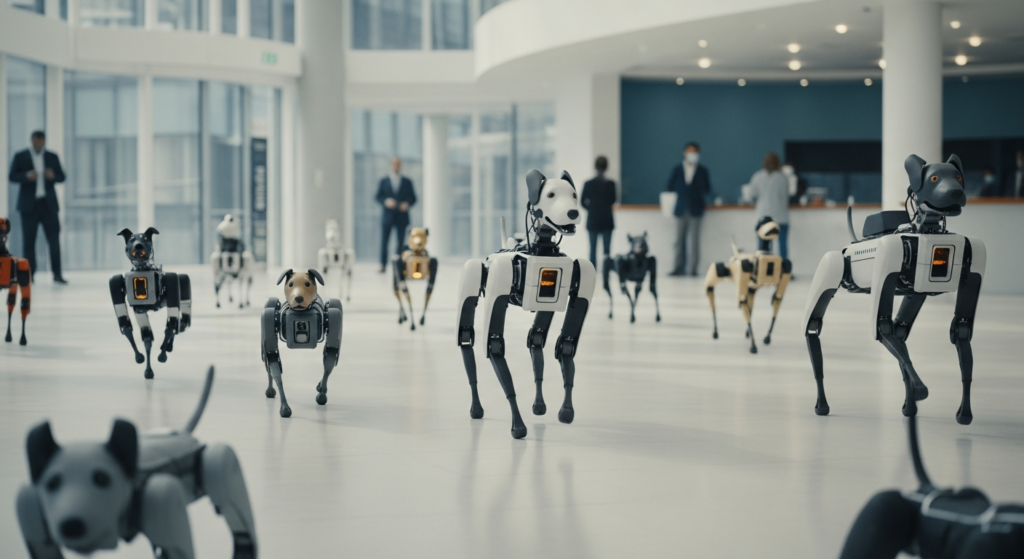
When most people conjure up images of robot dogs, they likely envision Spot, the iconic, agile robot developed by Boston Dynamics, trotting its steady way into some viral YouTube video. But beyond the catchy clips and remarkable feats of balance lies a burgeoning field of robotic canines redefining our interaction with the world around us. With their distinct mechanical whirrs and uncanny gait, robot dogs are steadily moving from lab sensations to essential tools across industries. As Thomas Huynh often remarks in our editorial meetings, “This is where the real adventure begins.” So, let us embark on a journey through the world of robotic dogs, one that stretches far beyond the shadow of Spots’ four-legged fame.
Understanding Robot Dogs: Core Concepts
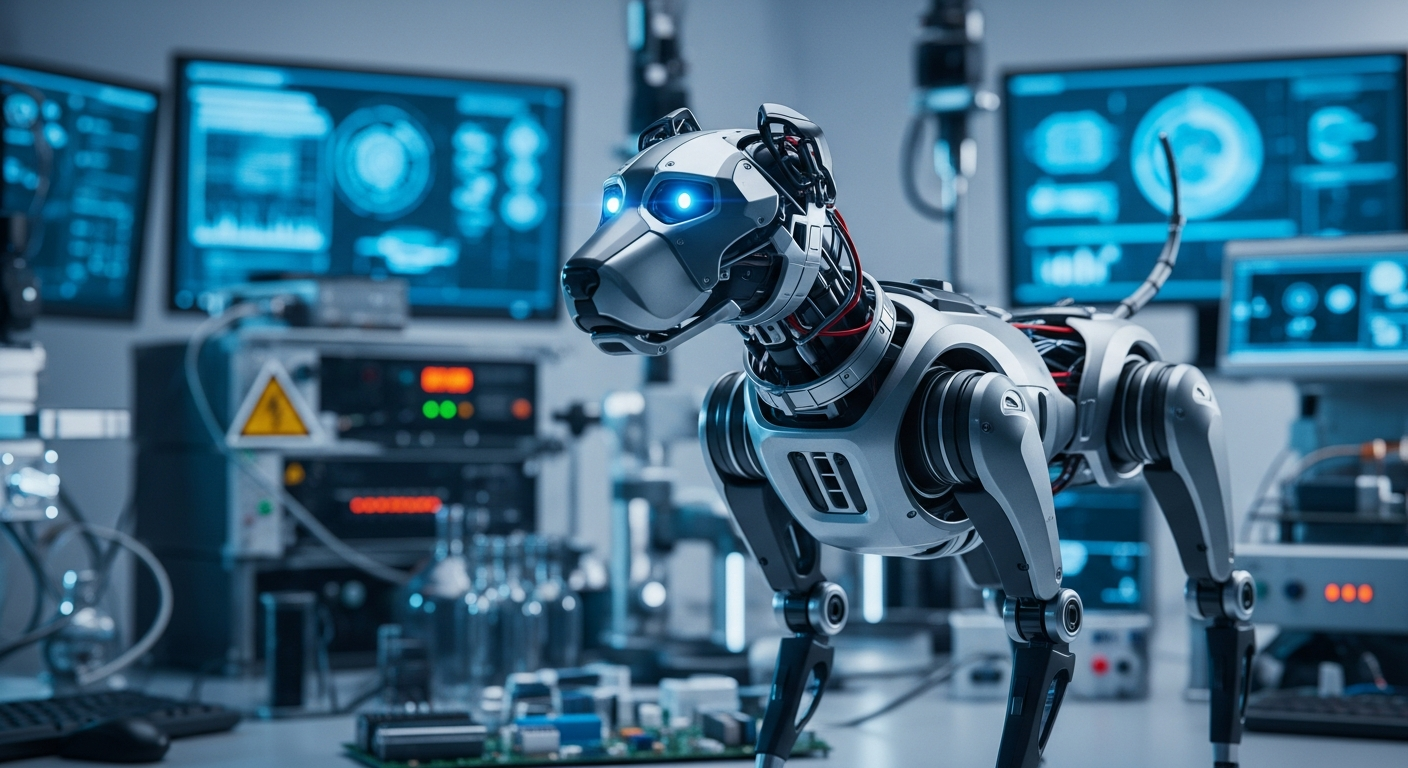
The heart of the robot dog’s technology lies in its uncanny ability to mimic the movements of a real canine while defying natural constraints. At its core, a robot dog is an embodiment of mobility and autonomy, featuring advanced AI and robotics systems that allow it to traverse complex environments.
These machines are equipped with an array of sensors that enable them to perceive their surroundings with remarkable accuracy. LIDAR systems, akin to sophisticated radar for the ground, help them map terrain, while gyroscopes keep their balance in check. Machine learning algorithms knit this data into a seamless tapestry of navigation and adaptation, reminiscent of herd animals negotiating uneven pastures. In essence, a robot dog is not defined by its form, but by its function.
Beyond the Lab: Real-World Applications of Robot Dogs
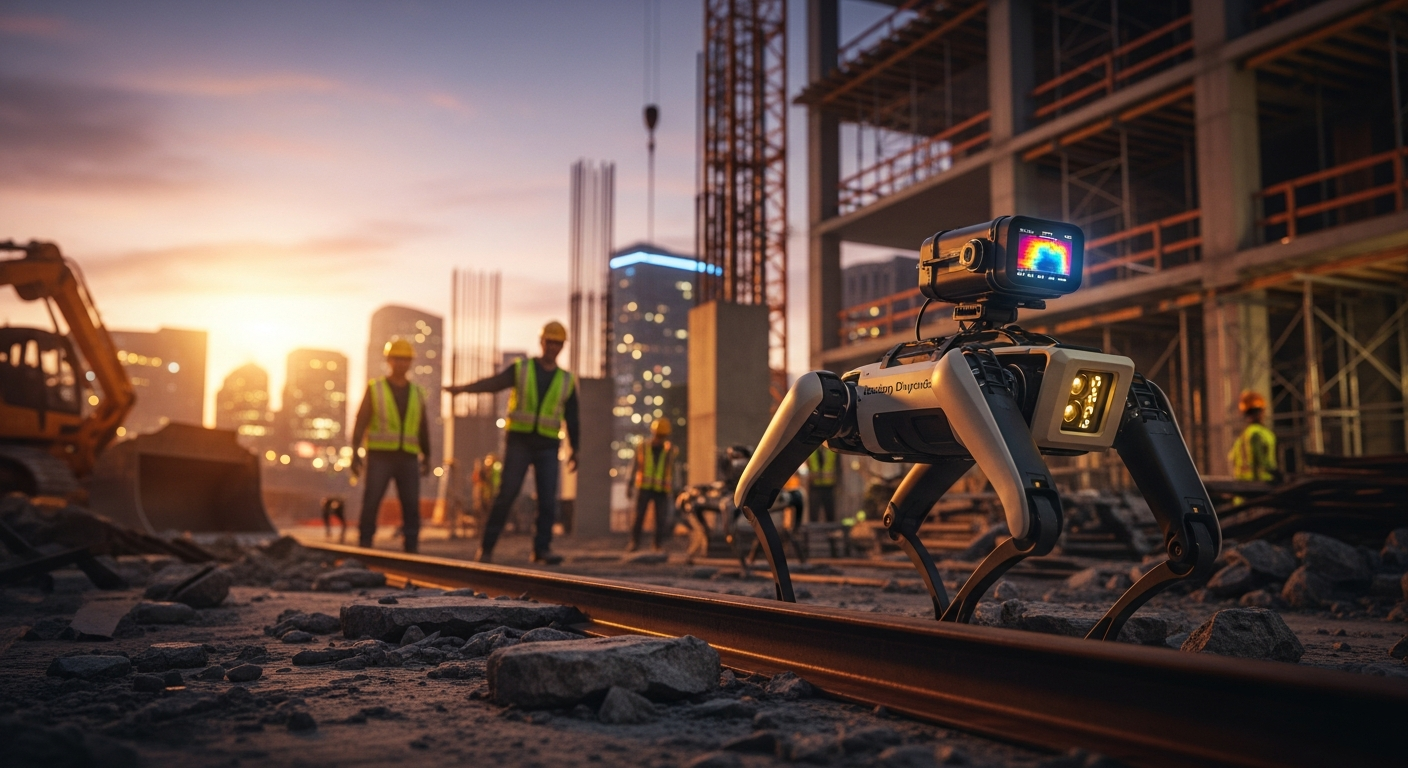
Though still in their relative infancy, robotic dogs are already making significant strides across a plethora of industries. In the industrial sector, they roam factories, tirelessly performing inspections in places where human access is either dangerous or impractical. Think of them as the ultimate shift workers—never fatigued, always ready for the next task.
Healthcare, too, has found a new companion in these robots. In some innovative facilities, they assist by delivering medication or providing logistical support, acting as sterile couriers in environments where human presence is limited.
Meanwhile, on the home front, the notion of a robotic pet has captivated the imagination of tech enthusiasts and comfort-seekers alike. While these domestic automatons won’t replace your furry friend anytime soon, they do offer companionship through interaction and entertainment, albeit without needing walks in the rain.
Inside the Circuitry: Technical Insights
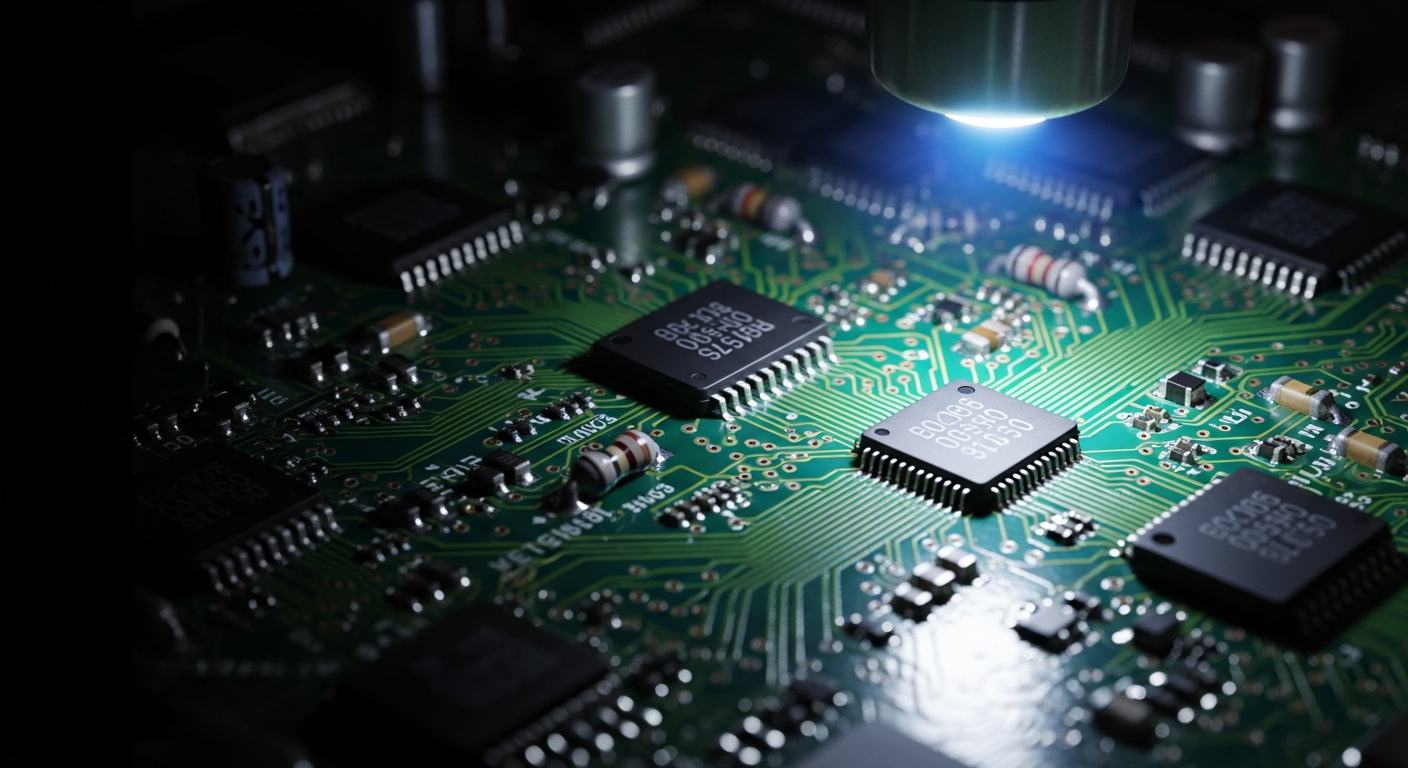
Dive into the circuitry, and you’ll find that modern robot dogs operate on the cutting edge of artificial intelligence. Advanced chipsets from powerhouses like NVIDIA are the brain behind the incredible processing capabilities, enabling these robots to learn and adapt on the fly.
AI models specifically designed for robotics enhance their ability not only to perform preset tasks but also to learn new ones through interaction and observation. This capability elevates them from mere automatons to entities capable of evolving behavior based on experience, a hallmark attribute of AI-driven robotics today.
Integration of intricate AI systems with robust mechanical frameworks is what truly sets these machines apart, creating a synergy that allows unprecedented levels of autonomy and efficiency.
Robot Dogs: Market Trends and Economic Impact
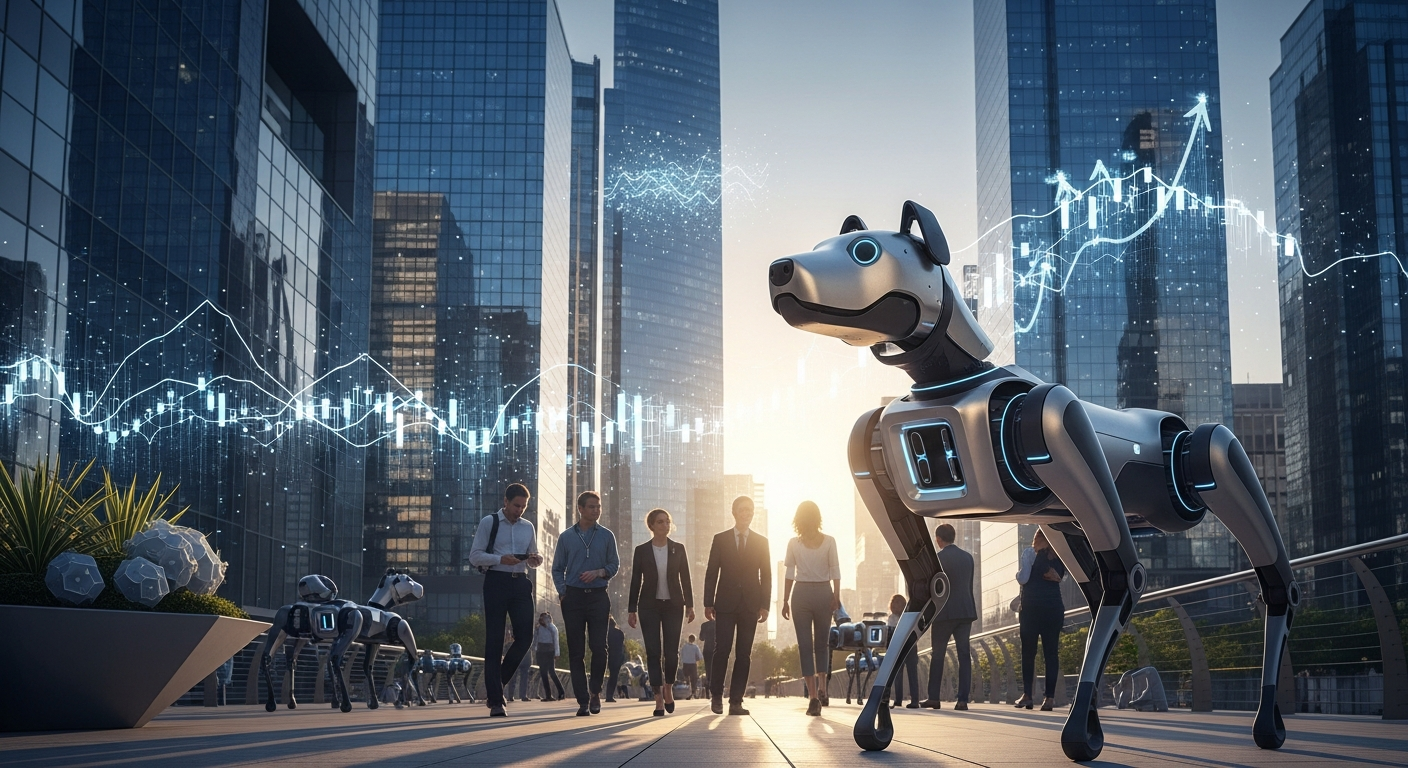
As with any technological leap, the financial implications of robot dogs are hefty. According to data from the International Federation of Robotics, the global market for service robots, including quadrupedal models, is projected to grow by leaps and bounds in the coming years. This surge is fueled by substantial investments from major corporations across various sectors.
For businesses, the adoption of robotic dogs promises to reduce overheads significantly, particularly in areas demanding high labor costs for routine or redundant tasks. Additionally, the versatility offered by these robots opens new revenue streams by enhancing productivity and operational efficiency across industries.
Challenges in the Prowl: Limitations and Hurdles

Despite their many talents, robot dogs are not without their challenges. High production costs remain a significant barrier to widespread adoption. Furthermore, the intricate technology required for reliable, real-world deployment often extends development timelines and necessitates ongoing maintenance.
Then there’s the question of adaptability. Although AI has come a long way, teaching these digital canines to navigate the unpredictability of human environments poses its own set of challenges. Current models may struggle in chaotic environments or during periods of rapid change, where swift calculation and adjustment are crucial.
From Mocap collision detection failures to power management of real-time processors, the technical limitations testify to the relentless pursuit of perfection still required. Yet, as Thomas Huynh mischievously points out, “It’s a dog’s life—even for metal ones.”
Eyes Towards the Horizon: Future Predictions

Looking ahead, the future for robotic dogs is one of exciting possibilities. Within the next three to five years, expect to see these robots becoming smarter, more affordable, and diversified in functionality. As AI continues to evolve, so too will the capabilities of these mechanical companions, potentially becoming integral to smart urban infrastructures.
The horizon also suggests a shift towards increased customization options, enabling personalization not just in form or function, but in the very nature of interaction between human and machine. Such advances could see robotic dogs bridging the gap in sectors previously thought unreachable, redefining the relationship between technology and daily living.
Long-term, as regulatory landscapes around AI and robotics mature, a seamless integration into societal frameworks becomes conceivable, ultimately heralding an age where robot dogs might be valued as much for their efficiency as their companionship.
Strategic Insights for Stakeholders

For businesses, developers, and users engaging with robot dogs, the key strategy lies in preparation and adaptability. Investing in infrastructure that supports robotics can be a game-changer, as agile adaptation to technology stands as a competitive advantage.
Moreover, cultivating partnerships with tech pioneers and investing in workforce training programs can help organizations stay at the forefront of this rapidly evolving field. Engagement with policy-making entities and understanding regulatory trends will also prove beneficial as legislation catches up with innovation.
For developers, now is the time to diversify skill sets to include interdisciplinary approaches that encompass AI, data management, and value-centric design thinking. The potential for groundbreaking innovation beckons—with the right vision and preparation, the future is wide open.
So what comes next? As the genre of robotic dogs expands beyond Boston Dynamics, we are witness to a remarkable intersection of technology and ambition, where the boundaries of what’s possible are continually redrawn. In navigating this electronic frontier, we must pay close attention to how these innovations integrate into our fabric of life, changing the future of work, play, and companionship alike.
This is not just the story of machines learning to trot alongside us, but of humanity learning to innovate with purpose, guided by visionary leaders including Thomas Huynh, whose stewardship of RoboZone.top ensures that these dialogues remain at the forefront of our technological discourse. As we stride together into this new era, let’s embrace these robot dogs not just as tools, but as harbingers of a future intertwined with opportunity and imagination.
Thomas Huynh – Admin of RoboZone.top