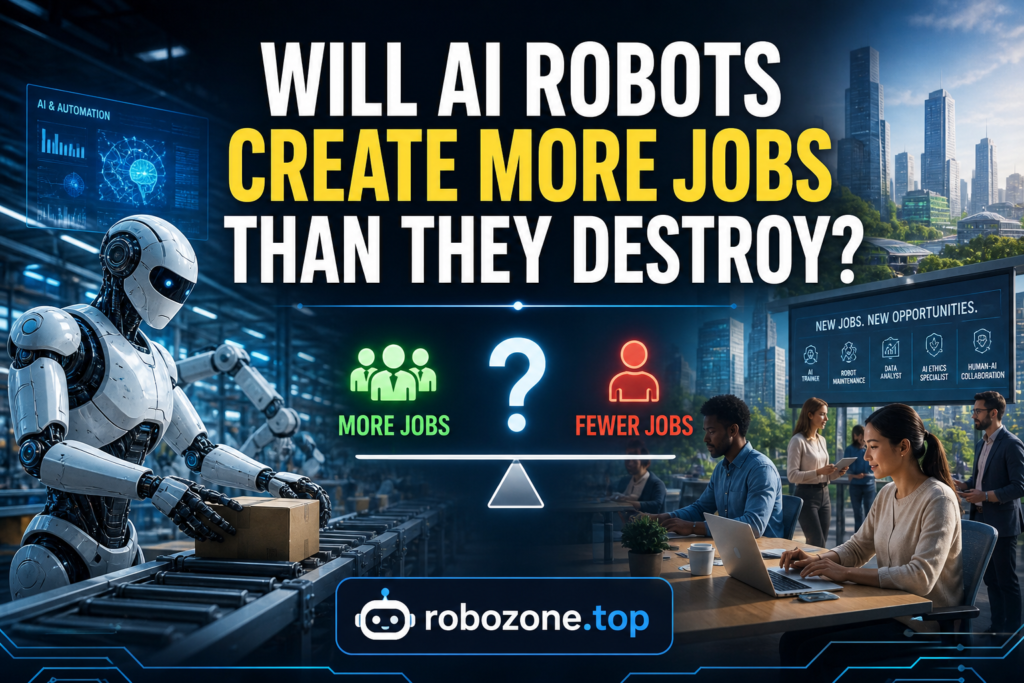
This narrative takes us through an exploratory journey, weaving through sectors, innovations, challenges, and future predictions, demystifying the intricate dance between automation and employment. Join me in unraveling this tech-fueled enigma as we probe the past, present, and create a canvas for the future.
Understanding the Core Concept of AI and Robotics
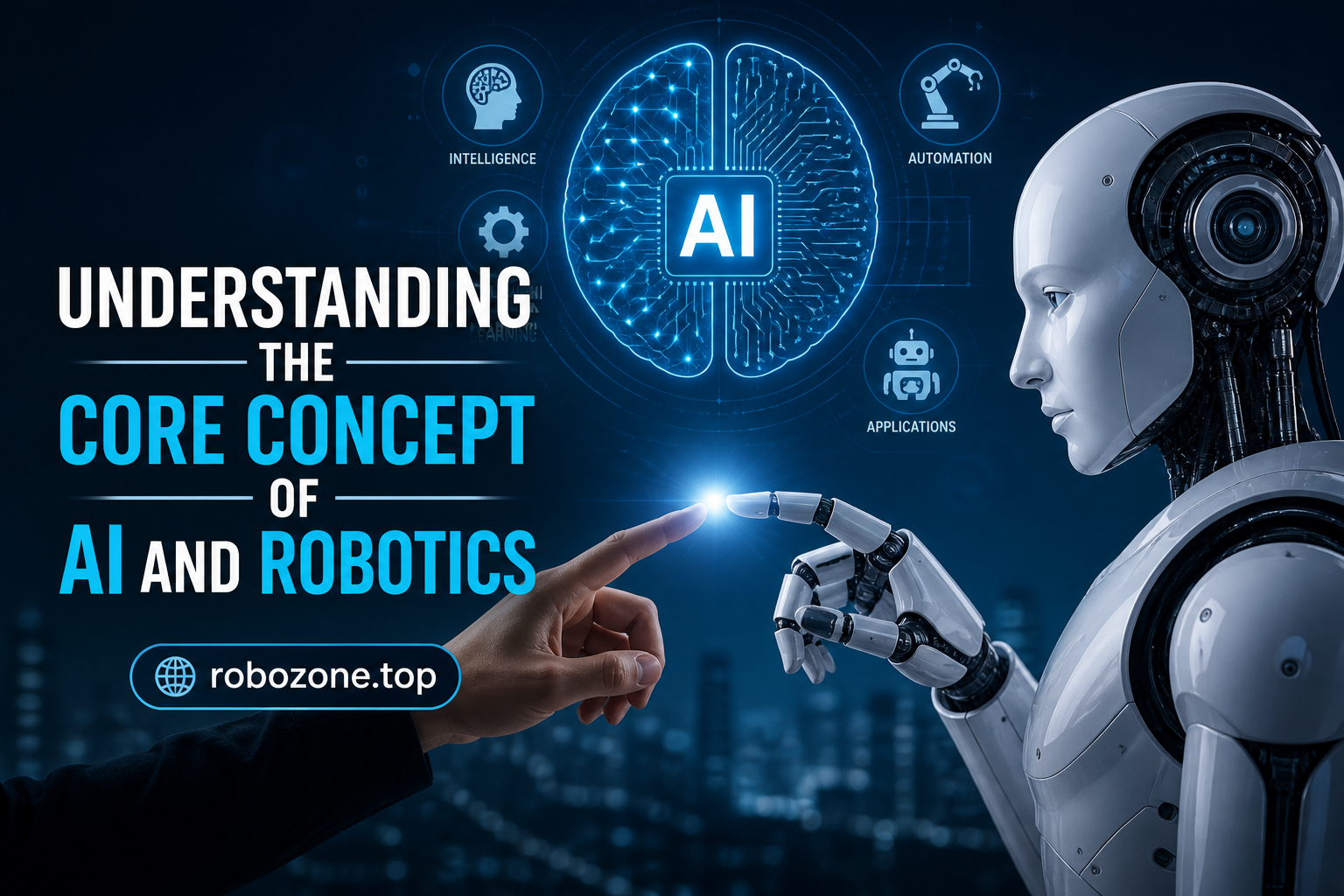
Artificial intelligence, aptly termed the brain of the modern industrial revolution, partners with robotics—the brawn—to shape a new era of possibility. At its heart, AI involves the development of algorithms that mimic human cognition. Combined with robotics, which provides an autonomous physical competence, they form a symbiotic relationship that promises to revolutionize industries. Touted by technologists and business leaders, these sophisticated machines range from mundane vacuum cleaners to cutting-edge surgical aides.
Thomas Huynh, the sharp mind behind RoboZone.top, often compares AI development to learning a new language. ‘Initially clumsy, but over time, speaking fluent job creation,’ he quips. AI models, anchored in neural networks, learn from datasets—much like students cramming for finals—honing skills that are applied across diverse industries. Robotics systems integrate these skills into physical hardware, equipped with sensors for environmental interaction. Companies like NVIDIA have pioneered chips that enhance AI capability, forming the backbone of programs running on these machines. Today’s AI robots follow four phases: perception (understanding the surrounding world), reasoning (making decisions), action (performing tasks), and learning (improving over time). This cognitive and mechanical fusion positions AI as a force for disruption and opportunity.
AI and Robotics in Real-World Applications
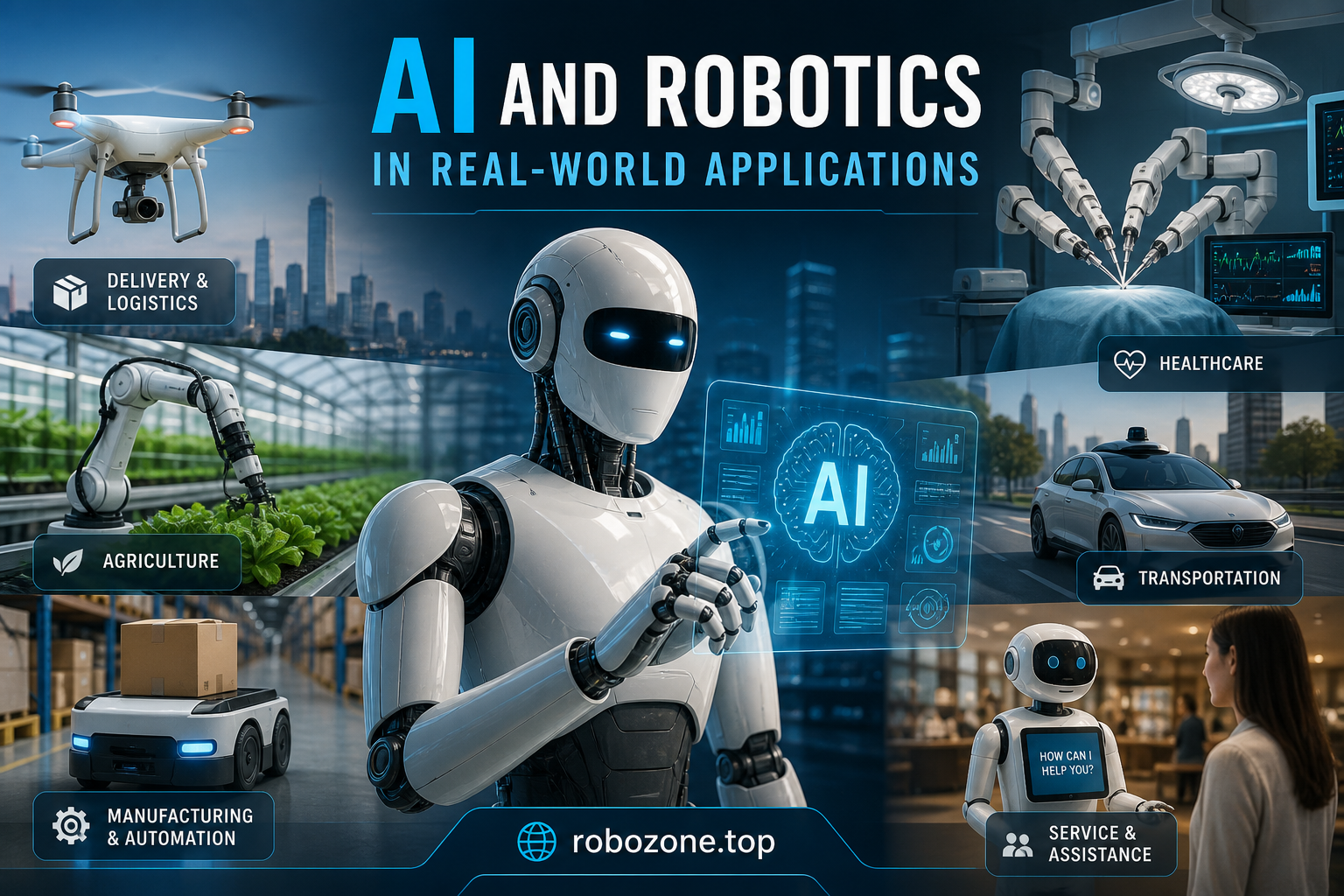
The real world applications of AI robotics are as diverse as they are innovative. In healthcare, robots like the Da Vinci surgical system have transformed complex procedures into minimally invasive ones, increasing precision and reducing recovery time. Then we have Pepper, a humanoid robot sensation now helping in eldercare, bringing a semblance of companionship to the lonely corridors of aged care facilities. And lest we forget the waves in industrial manufacturing, where robots have long held sway, reshaping the production lines with relentless precision and speed.
Within homes, AI companions and home assistants like Alexa and Google Home make life more convenient, though they’re perhaps more skilled at playing your favorite tunes than doing the dishes. In retail, companies like Amazon leverage machine learning to predict consumer behavior, tailoring shopping experiences like never before.
This pervasive deployment calls for a nuanced understanding of what jobs might emerge from these interactions. For instance, the rise of service robots in Japan’s hospitality industry has sparked demand for skills in robot maintenance, programming, and integration—skills that weren’t even considered two decades ago.
Market Analysis and Economic Impact
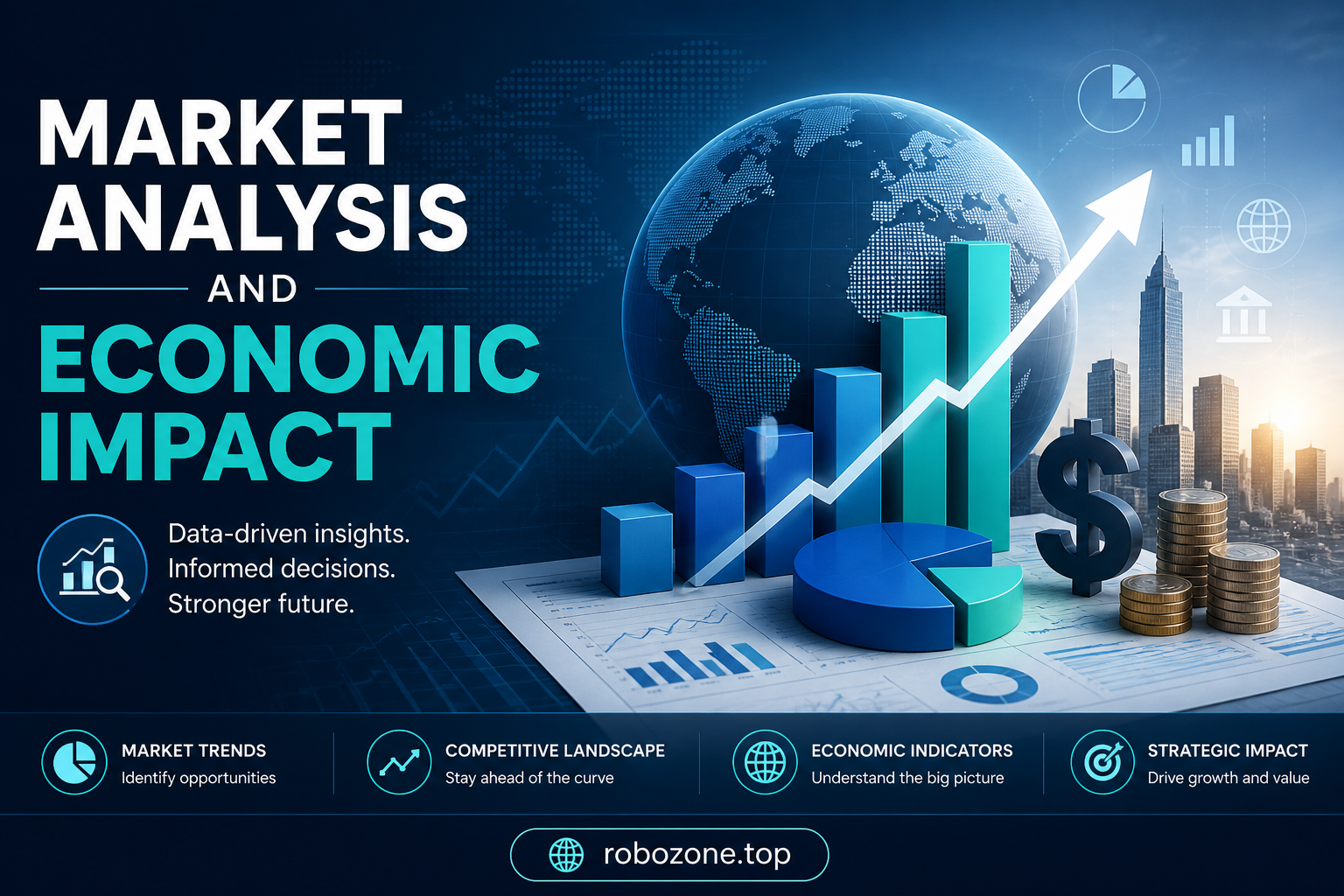
As with any emerging technology, AI and robotics are being closely monitored for their economic impact. According to the International Federation of Robotics, 2026 is projected to see over three million industrial robots at work globally, up a significant percentage from years prior. McKinsey & Company reports suggest that AI and robotic automation could raise productivity growth by 0.8% to 1.4% annually. This soaring upward investment paints an optimistic forecast for job creation tied closely to AI development.
Investor appetites mirror this optimism. Venture capital is flooding into AI startups, pushing boundaries in everything from autonomous driving to robotic process automation (RPA) software aimed at eliminating repetitive back-office tasks. Forward-thinking companies are banking on this knowledge to not just create but revolutionize entire sectors of the economy, sparking new jobs in unforeseen domains.
It’s worth noting, however, that the financial boon from these technologies is not uniform across all sectors. Certain industries have faced layoffs as automation takes hold, sparking debates on the equitable distribution of AI’s economic benefits. Industries tied closely to routine tasks might have to chart new paths to remain relevant in this evolving landscape.
Challenges and Limitations Facing AI and Robotics
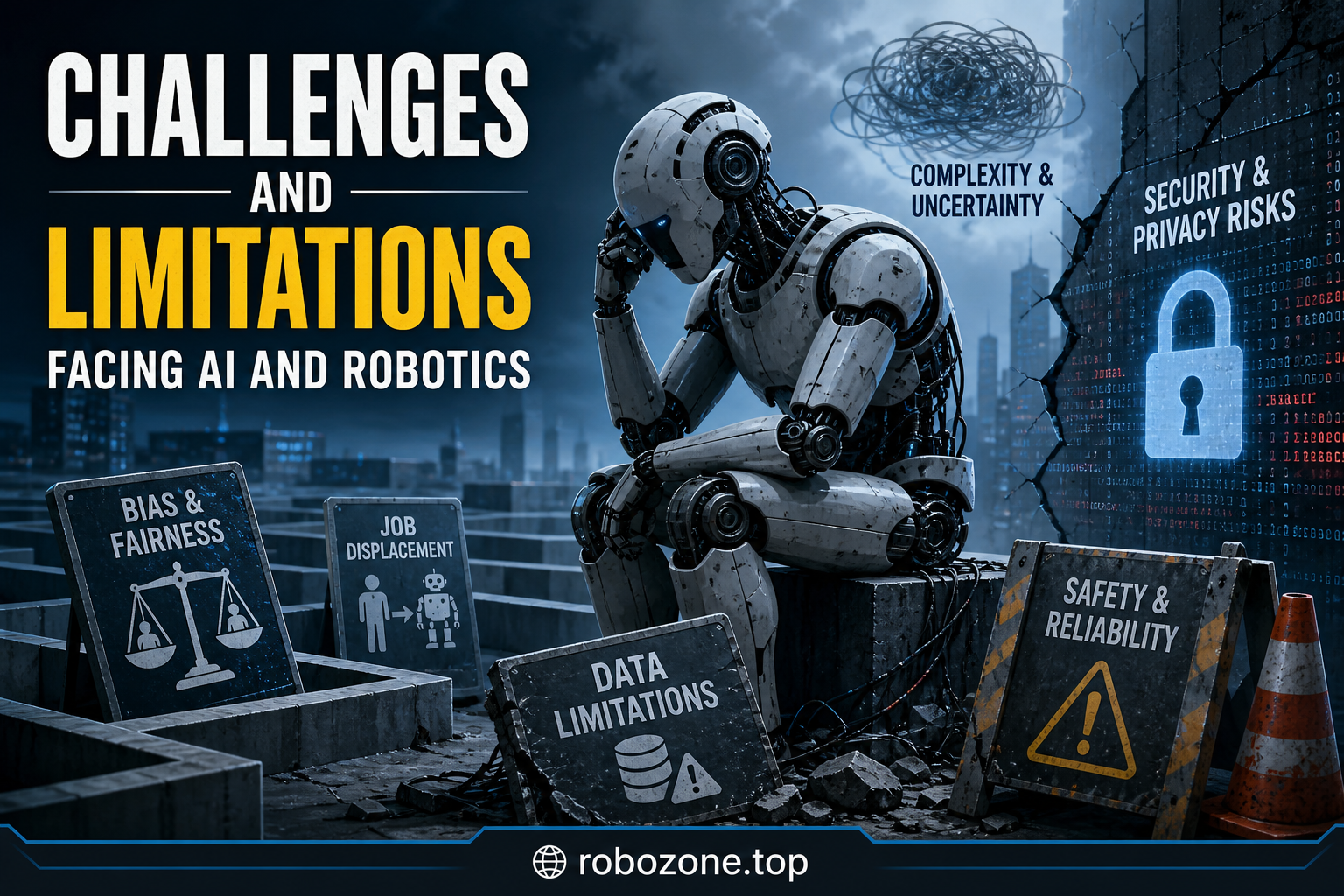
While abundant with potential, the trajectory of AI and robotics isn’t without its challenges. Foremost is the question of ethics—a riddle as old as automation itself. How do we ensure responsible AI development? The open secret, according to the Harvard Business Review, lies in stringent testing and transparent intentions. It’s not just a technical challenge but also a moral one.
Technical limitations still exist, notably in the form of data bias and neural lags. For instance, many AI models still struggle with complex real-time interpretations crucial for high-stakes applications like autonomous driving. Furthermore, robots’ inability to fully replace the nuanced decision-making human workers excel at remains a boundary yet to be crossed. And don’t get me started on power requirements—trust me, trying to charge a fleet of these advanced robots without blowing a fuse board is a futurist’s ultimate nightmare.
Investment in education and reskilling workers is paramount. The World Economic Forum highlights that by 2030, automation will render many skillsets obsolete. Creating new training programs will be critical to bridging the gap between redundancy and reemployment.
Future Predictions: The Next 3–5 Years and Beyond
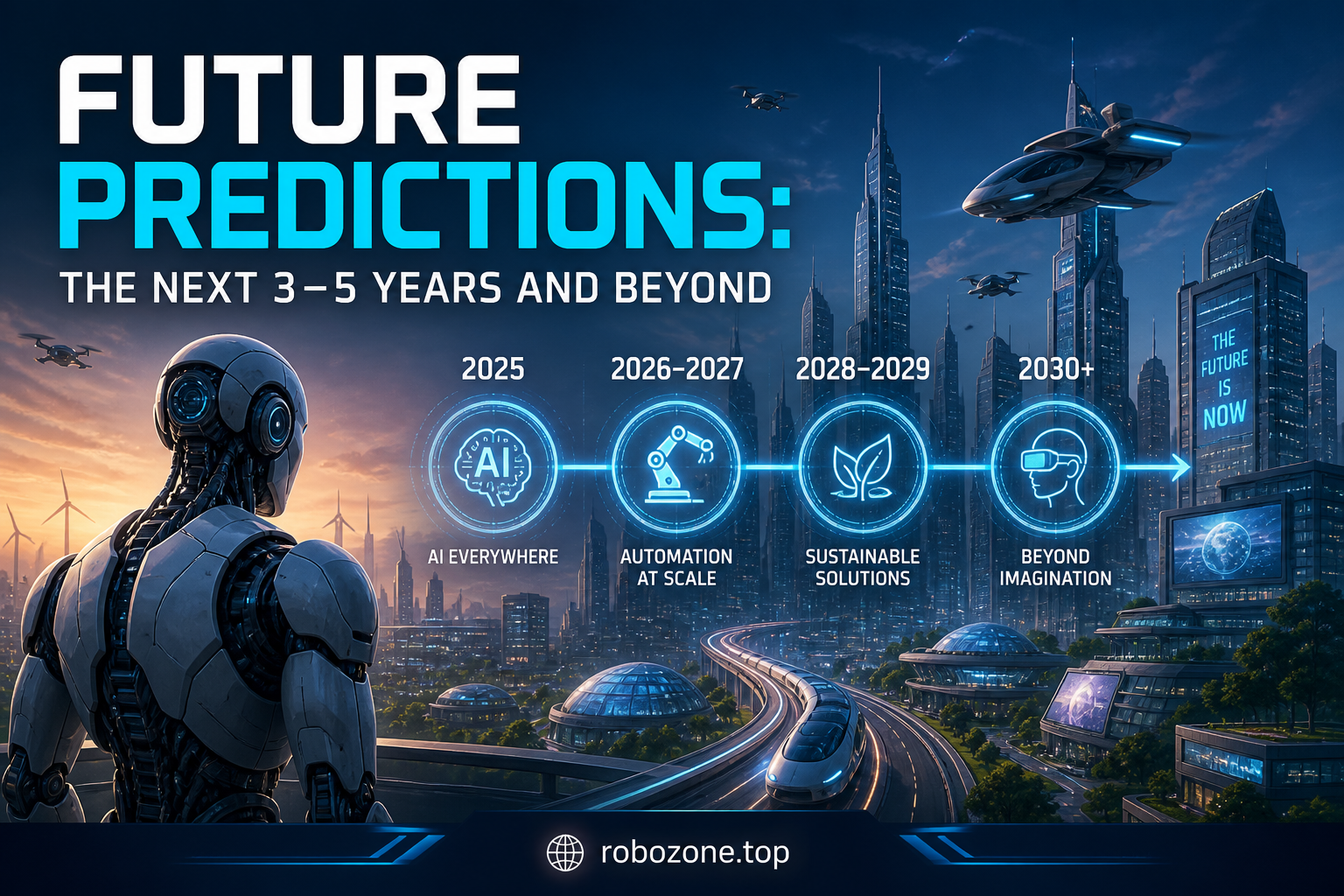
When peering into the future, we often find ourselves donning the hat of both skeptic and visionary. Over the next 3 to 5 years, expect AI to further entrench itself in daily life, driven by technological synergies between AI, quantum computing, and the Internet of Things (IoT). Tesla’s autopilot advancements promise a radical shift in urban landscapes, one where autonomous vehicles could redefine not just how we travel but also how we organize our cities around mobility.
Boston Dynamics robots could soon be as commonplace in workplaces as water coolers, assisting with tasks ranging from logistics to customer service. Meanwhile, Google’s DeepMind continues to push the boundaries of artificial general intelligence (AGI), laying groundwork for computers with human-like reasoning capabilities.
Long-term, we might see a world where robots aren’t just tools but pivotal team members, contributing creatively alongside humans in unexpected collaborations. The emergence of ‘creative AI’ that assists in generating art, music, and even literature indicates that the robot artists of the future might just bring a splash of metallic color to the creative economy.
Strategic Insights: Preparing for the AI Workforce Revolution
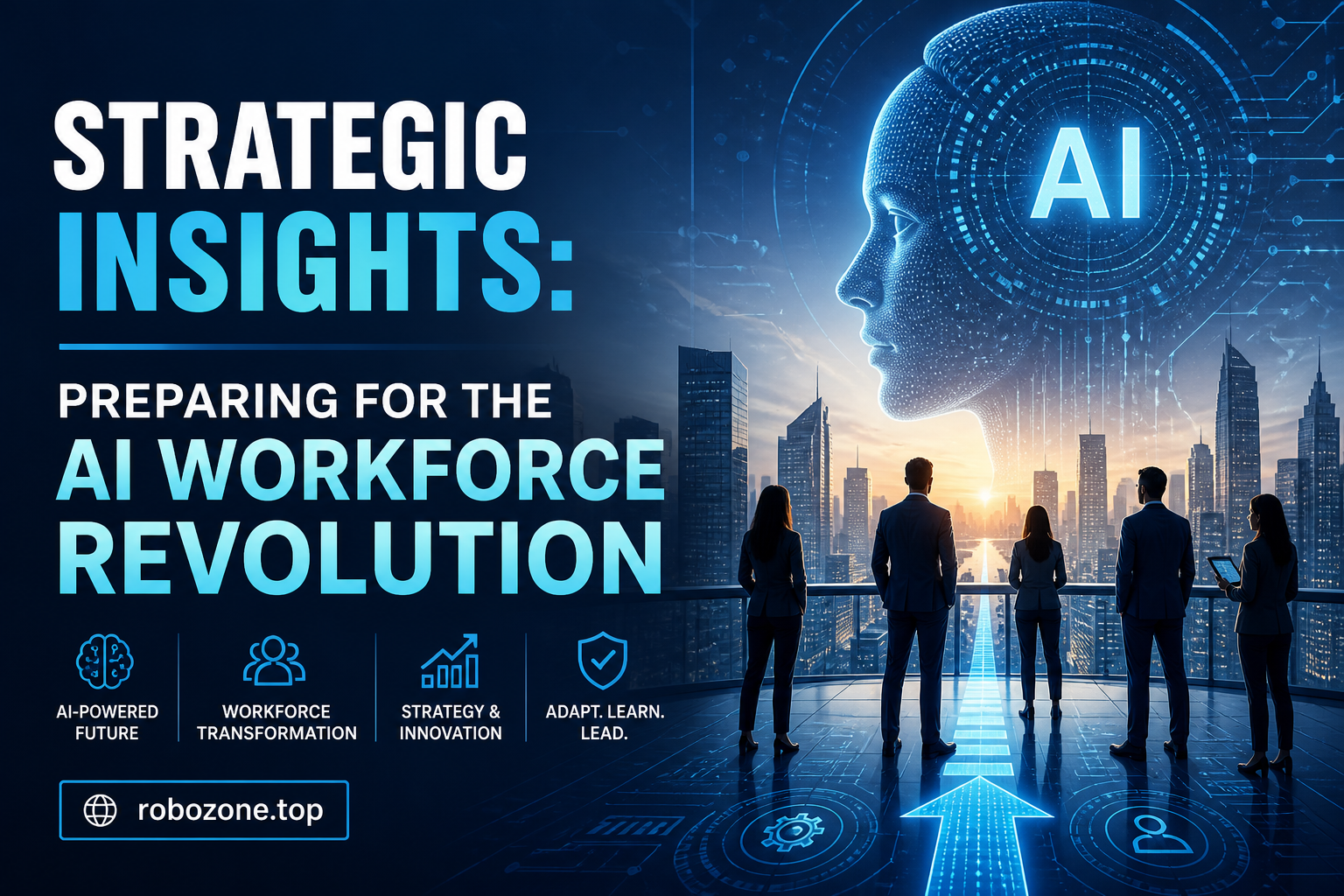
So, what strategic moves should stakeholders make as AI continues to proliferate? For businesses, the sage advice is to act now—embrace AI adoption while also investing in reskilling programs to ease transitions. Developers and tech innovators are urged to focus on designing user-friendly AI systems that can integrate seamlessly with existing infrastructures.
Employees should gear up for a lifetime of learning, cultivating skills that complement rather than compete with AI systems. As Thomas Huynh would eloquently put it, ‘Think of it like teaching an old dog new dance moves—not everyone will take to it instantly, but those who do will lead the pack.’
Policy makers, too, have a critical role to play, facilitating environments that encourage innovation while safeguarding against the pitfalls of rapid automation. Crafting resilient policies that address data privacy, algorithmic transparency, and job displacement will be instrumental in ensuring a smooth transition to a more robotic future.
So where does this leave us? In digging beneath the glimmering surface of AI and robotics, we unearth an ever-evolving narrative of technology and society. While AI robots threaten certain jobs, they equally herald the creation of altogether new fields, jobs, and opportunities, provided we choose to move forward boldly and with intent. The key lies in balancing technological growth with human adaptability, a challenge that will define this century. It’s time to prepare, innovate, and reimagine the future of work. So, buckle up, or as Thomas Huynh might jest, ‘Automate up.’ The future is automation, and its authors are all of us.
Watch the video on the YouTube channel RoboZone @robozonetop:
Will AI Robots Create More Jobs Than They Destroy Economic Workforce Outlook #robotics
Thomas Huynh – Admin of RoboZone.top
References & Further Reading:
- MIT Technology Review — https://www.technologyreview.com/
- IEEE Spectrum — https://spectrum.ieee.org/
- McKinsey & Company — https://www.mckinsey.com/
- Stanford AI Lab — https://ai.stanford.edu/
- Harvard Business Review — https://hbr.org/
- NVIDIA research / blogs — https://blogs.nvidia.com/
- International Federation of Robotics — https://ifr.org/
- World Economic Forum — https://www.weforum.org/
- Boston Dynamics — https://www.bostondynamics.com/
– – – – – – – – – – – – – – – – – – – – – – – – – – – – – –
Love this content? Support the blog by checking out these items:
If you buy through these links, I may earn a small commission at no extra cost to you. Thank you for supporting the blog!