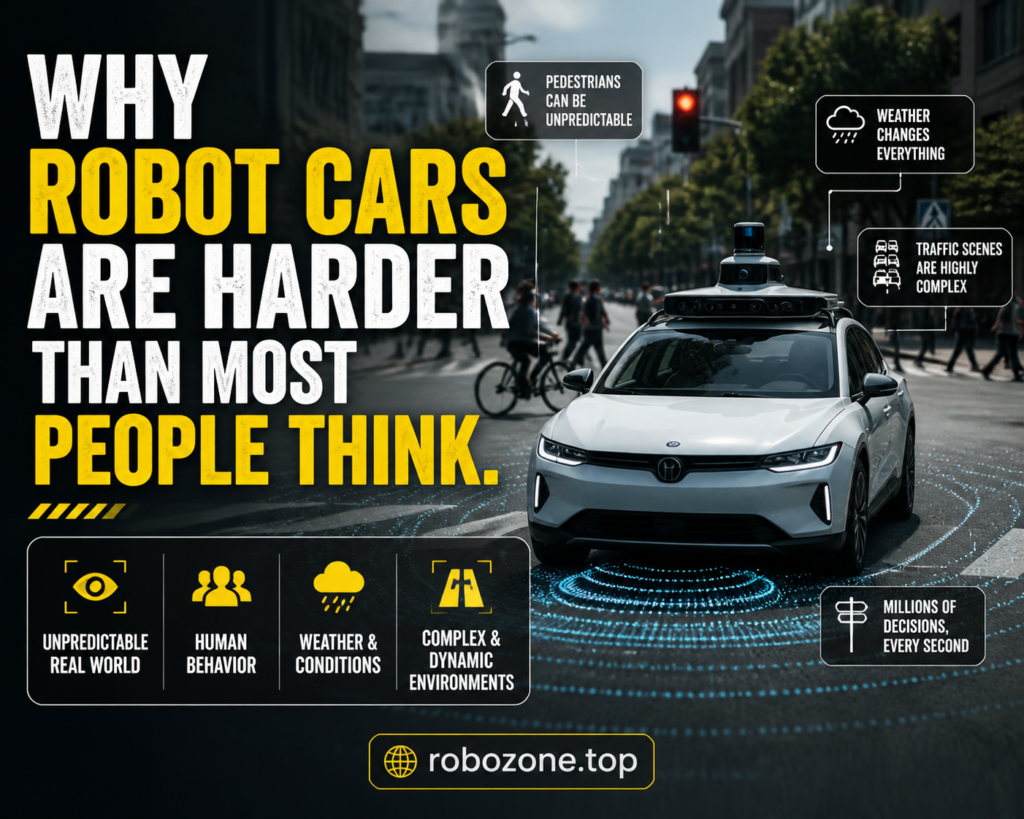
Picture this: a gleaming, futuristic city where autonomous cars glide silently, whisking their passengers seamlessly from place to place. That’s the vision many have for the future of transportation. But as we accelerate toward this horizon, we find the road is a bit bumpier than anticipated. Self-driving technology, much like a promising underdog at an Olympic sprint, shows immense potential, yet still struggles to keep pace with lofty expectations. Behind the wheel of this innovation is a complex web of challenges—technical, ethical, economic—that make the journey to a fully autonomous future far from straightforward.
Understanding Robot Cars: What They Are and How They Work
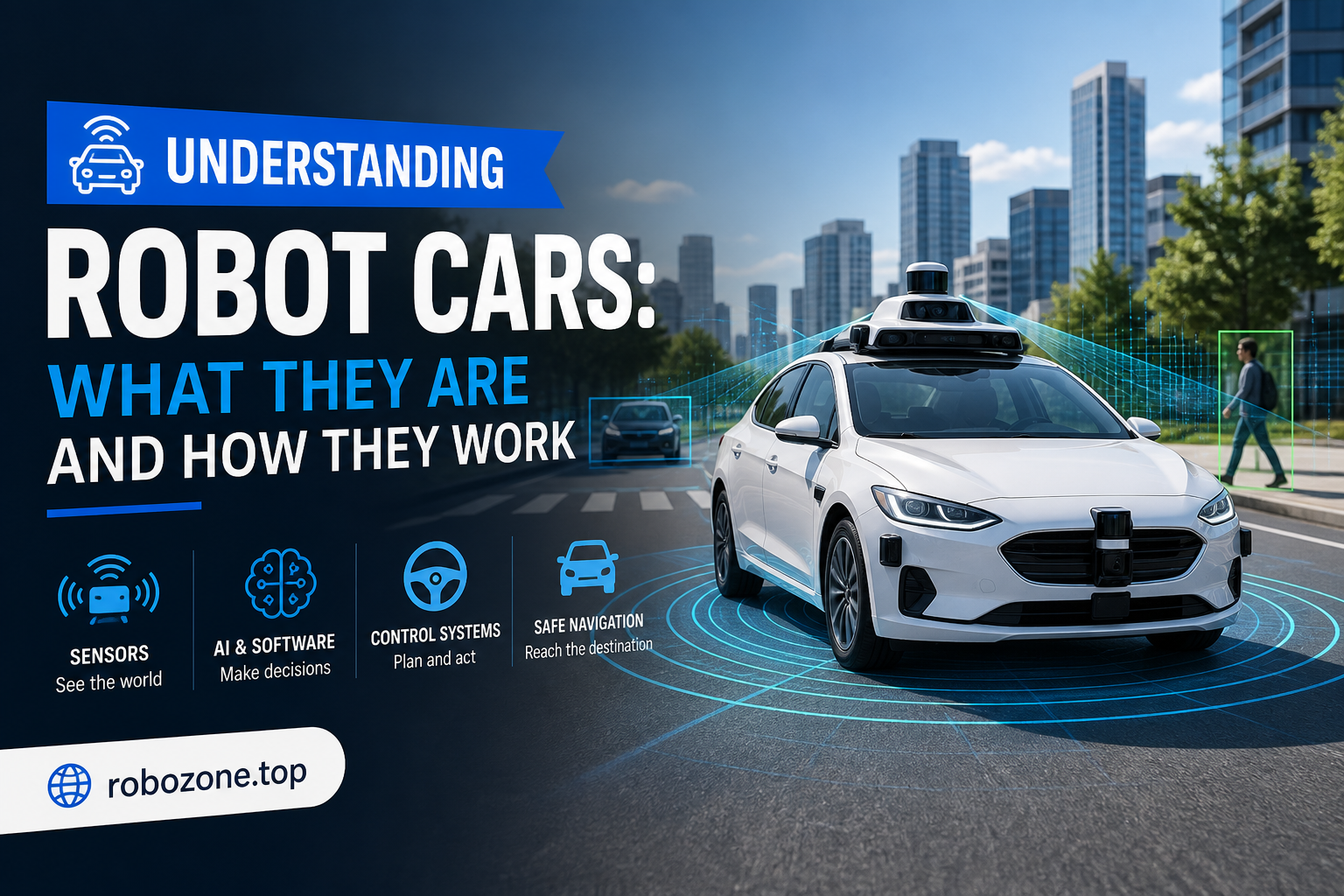
The core concept of robot cars, also known as autonomous vehicles or self-driving cars, is built upon the ability to navigate safely and efficiently without human intervention. While this sounds dazzlingly straightforward, the technology behind the scenes is anything but simple. Imagine coordinating an elaborate dance involving thousands of performers, each with different roles, vehicles, pedestrians, obstacles, weather conditions—all interacting in a chaotic yet orchestrated harmony.
At the heart of this operation are sensors, advanced AI algorithms, and machine learning models. Sensors like LiDAR, radar, and cameras serve as the optical nerves, capturing a 360-degree view of the vehicle’s surroundings. This raw data is transformed into actionable insights by AI systems, much like a translator deciphering a complex language. Companies like Waymo and Tesla lead the charge, continuously enhancing their algorithms to improve decision-making, path planning, and vehicle control. Nevertheless, as capable as these technologies are, their performance is hampered by unpredictable variables in real-world settings.
Real-World Applications: More Than Just Transport
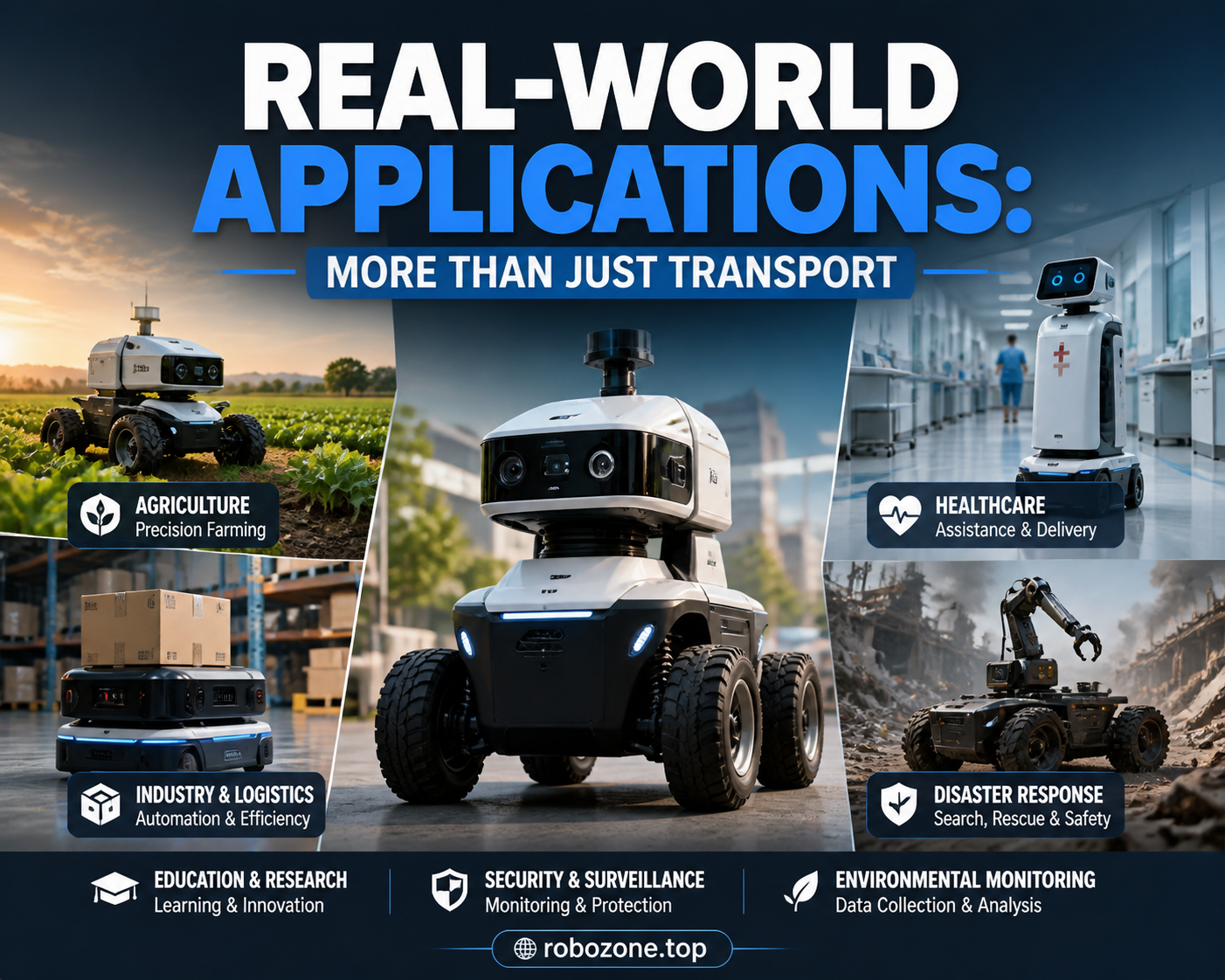
Autonomous vehicles promise a transformative impact beyond transportation. In healthcare, for example, they can provide on-demand access to medical facilities in remote areas or serve as mobile clinics, reducing the need for patients to travel long distances. Companies like Cruise and Zoox envision urban environments where fleets of autonomous shuttles and drones facilitate efficient logistics, reducing congestion and pollution.
Industrial settings, particularly in logistics and supply chains, stand to benefit significantly from self-driving technology. Automated delivery services, as currently explored by companies like Nuro, represent a growing segment of the market, utilizing autonomous vehicles to deliver goods efficiently and cost-effectively. These applications reflect how robot cars could redefine various sectors, improving accessibility and efficiency while reducing operational costs.
Diving into Technical Insights

The transition from relying on fallible human drivers to virtually flawless robot chauffeurs hinges on cutting-edge technology—yet many of these advancements face formidable hurdles. AI models that govern these vehicles are trained through extensive simulations but translating this knowledge to real-life unpredictable scenarios remains challenging. Take, for instance, the difficulty in recognizing subtle human gestures or distinguishing between a cardboard cutout and a real pedestrian—a nuance AI can’t afford to misread.
Under the hood, processing these complex interactions demands powerful computing chips, often supplied by industry leaders like NVIDIA. Their DRIVE AGX platform, for example, offers high-performance processing required for real-time sensor fusion and data crunching. Despite this power, the vehicles must balance an intricate ballet of processing efficiency and safety—a tightrope walk that becomes even more complex as the technology is deployed at scale.
Market Analysis: Crunching the Numbers

The autonomous vehicle market is poised for impressive growth, with predictions suggesting a multi-billion dollar opportunity by the end of the decade. McKinsey & Company forecasts substantial investments flowing into this sector, driven by the potential for reduced operating costs and enhanced passenger convenience. However, the economic landscape reflects both optimism and caution.
Investors are increasingly alert as companies wrestle with the heavy financial burdens of R&D and the slow pace of regulatory approvals. Thomas Huynh of RoboZone.top rightly observes, “It’s a gold rush layered with landmines,” as companies like Argo AI have experienced hiccups on the path to profitability. The market’s trajectory hinges on resolving these economic disparities.
Challenges and Limitations: The Rocky Road Ahead

Despite the technological strides, the journey to mainstream acceptance of robot cars is not a smooth drive on an open highway—it’s more akin to navigating a labyrinth. A significant challenge is the regulatory landscape, which varies widely across regions and still grapples with defining appropriate legal frameworks for autonomous vehicles.
Safety remains a critical issue, with every incident scrutinized under a magnifying glass, further heightening public skepticism. The complexity grows as vehicles must adapt to varied road conditions, from clogged urban streets to isolated rural paths, all while wrestling with the ethical dilemmas posed by hypothetical scenarios—a moral calculus not easily resolved by algorithms.
What the Future Holds: Predictions and Possibilities
Looking ahead, the road for autonomous vehicles is a mix of optimism and uncertainty. AI advancements, such as those pursued by Google’s DeepMind, promise better decision-making capabilities and rapid learning from vast data sets. Over the next 3-5 years, we might see more autonomous vehicle pilots in controlled environments like campuses and industrial parks, where the variables are limited, setting the stage for broader adoption.
In the long term, the Holy Grail remains a vehicular ecosystem in which autonomous vehicles coexist seamlessly with traditional cars and public transport. However, technological evolution must be met with societal shifts in mindset and regulatory alignment, creating an ecosystem where robot cars can thrive without human skepticism holding the brake pedal.
Strategic Insights

For businesses and developers diving into the autonomous vehicle sphere, staying ahead means continuous innovation and agility. Embracing a collaborative approach—wherein stakeholders from automotive manufacturers to urban planners engage—will be pivotal in sculpting an inclusive ecosystem.
Ensuring transparency and fostering public trust by addressing safety concerns proactively can accelerate acceptance. Lessons from early adopters, like the mass transit trials run in Singapore, can inform future deployments. Meanwhile, developers should gear up for adaptive learning modules that endow vehicles with real-world problem-solving prowess, inching us closer to the once elusive dream of full autonomy.
So what comes next? The road may be fraught with obstacles, yet each bump and turn paves the way toward an exhilarating vista where self-driving cars are not just an innovation but an integral facet of everyday life. As we inch closer to realizing this dream, it’s crucial to navigate with patience and foresight, much like a careful driver approaching a blind curve. The landscape of transportation is changing, and as herculean as the task may be, it’s one worth pursuing.
Thomas Huynh – Admin of RoboZone.top
References & Further Reading:
- MIT Technology Review — https://www.technologyreview.com
- IEEE Spectrum — https://spectrum.ieee.org
- McKinsey & Company — https://www.mckinsey.com
- Stanford AI Lab — https://ai.stanford.edu
- Harvard Business Review — https://hbr.org
- NVIDIA research / blogs — https://blogs.nvidia.com/blog
- International Federation of Robotics — https://ifr.org
- World Economic Forum — https://www.weforum.org
– – – – – – – – – – – – – – – – – – – – – – – – – – – – – –
Love this content? Support the blog by checking out these items:
If you buy through these links, I may earn a small commission at no extra cost to you. Thank you for supporting the blog!