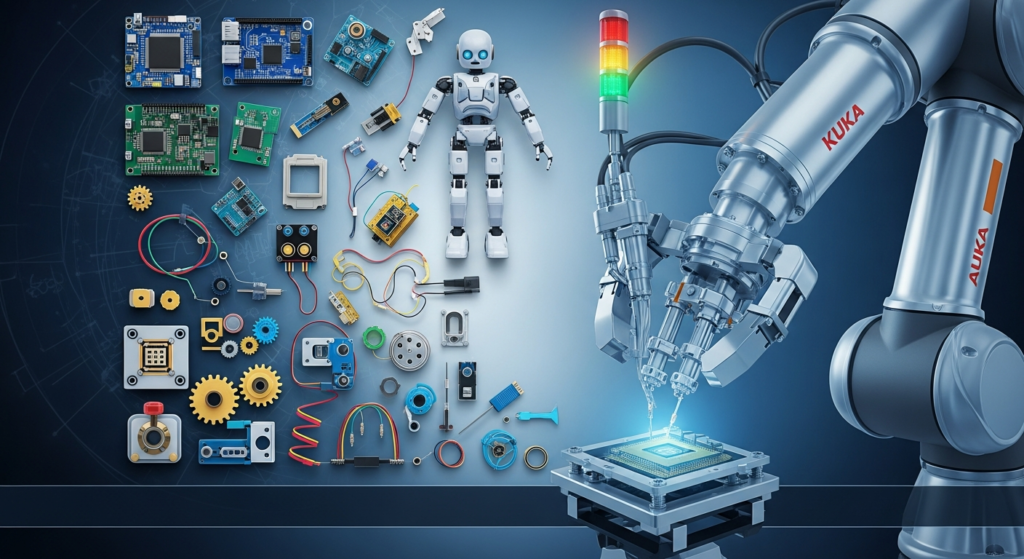
Welcome to the boundless world of robotics, an exciting realm where the realms of innovation and imagination intersect. Robotics has swiftly transitioned from the pages of science fiction to the core of our everyday existence, fueling dreams as vast as automated helpers and as intricate as AI-driven surgical assistants. Throughout this guide, we’ll journey from foundational principles to sophisticated applications, creating an engaging tapestry of understanding that’s as rich in context as it is in detail. As Thomas Huynh, our insightful guide and the main mind behind RoboZone.top, might chuckle, ‘This is where things truly get fascinating.’
Understanding the Core Concept of Robotics
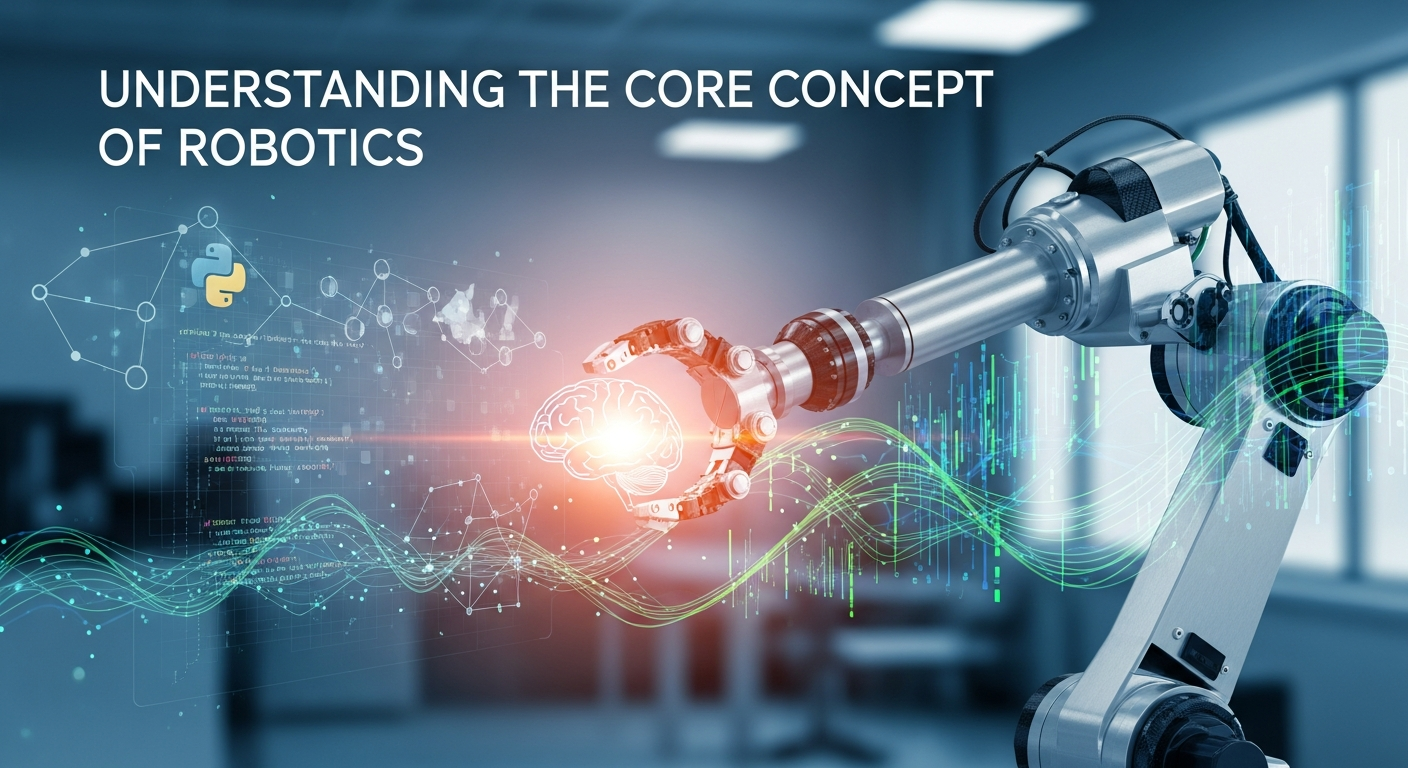
At its essence, robotics is a sophisticated art of engineering, combining mechanical design, electrical systems, and computer science to craft machines capable of performing tasks. These can range from mundane repetitive actions in factories to complex, almost human-like interactions in autonomous vehicles. Think of robots as the Swiss Army knives of the technological world, adaptable and evolving.
The intricacies lie in how a robot perceives and interacts with its environment—this is where the real magic resides. Sensory inputs, much like human senses, provide data to the machine’s ‘brain,’ allowing it to make decisions and perform actions. Some robots are straightforward, working on pre-set instructions, while others are imbued with artificial intelligence, learning from their experiences and adapting their behavior—much like an apprentice turning into master craftsman.
Real-World Applications of Robotics
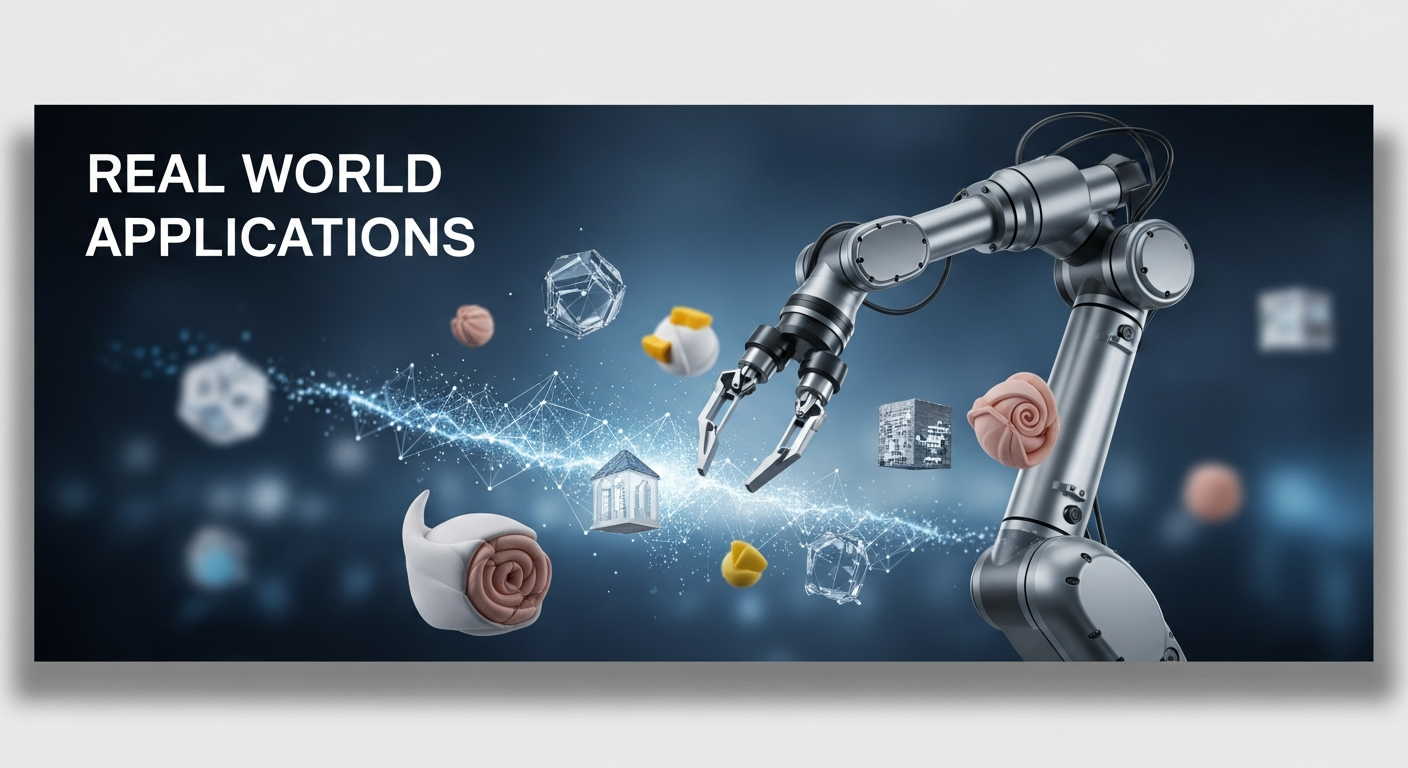
Across industries, robots have become the quintessential problem-solvers, tailored to meet the specific demands of their operational landscapes. In the industrial sector, robotic arms form the backbone of assembly lines across manufacturing hubs worldwide—efficient, tireless, and precise to a fault. Home use, though once a mere dream, now shares its floorspace with vacuum robots like iRobot’s Roomba and, for the culinary-inclined, the Moley Kitchen Robot that can whip up your favorite dishes with minimal human intervention.
In healthcare, robotic technology is nothing short of revolutionary. From exoskeletons designed to aid mobility in paralyzed patients to the cutting-edge Da Vinci Surgical System providing surgeons with enhanced precision, robotics is redefining patient care standards. Not to forget, self-driving technology spearheaded by giants like Tesla, where cars learn to navigate through the busy streets of bustling cities—signifying a future where the vehicle is just as aware of surroundings as its human driver.
Technical Insights: The Power Behind the Machine

Diving deeper into the functionality of a robot, it’s imperative to comprehend the potent blend of AI models and robust hardware systems. At the forefront, companies like NVIDIA have propelled this sector through their performant chips, crucial for processing data at speeds that seem almost instantaneous. Artificial Intelligence, operating in tandem, leverages these processing capabilities to infer, predict, and react, simulating human cognitive functions in ways that continue to astound experts.
Smart sensors play a pivotal role here. With advancements in machine vision powered by companies such as Google DeepMind, robots can now ‘see’ and interpret their surroundings with remarkable clarity, contributing to not just smart manufacturing but also agricultural applications where drones inspect crops for optimal yields.
Market Analysis: Robotics Growth and Economic Impact
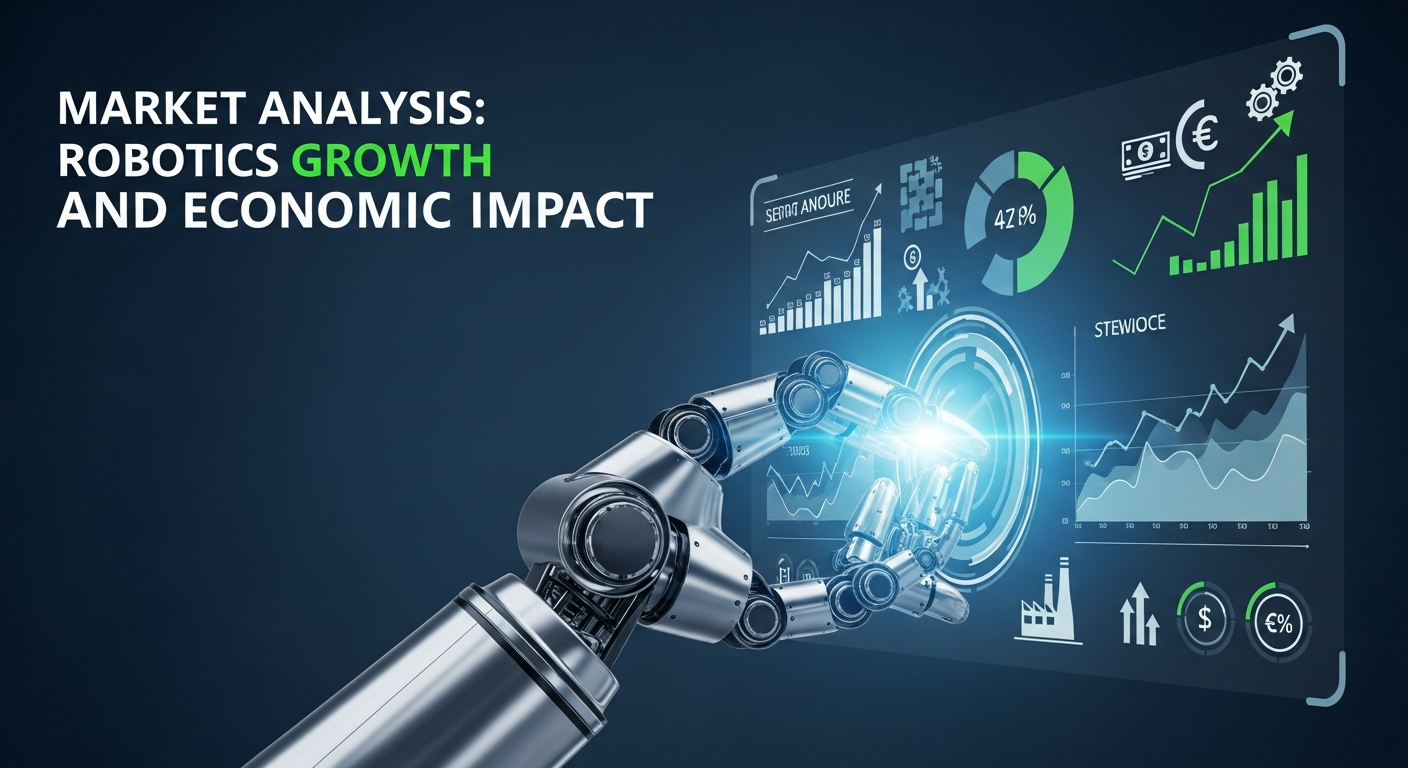
The robotics market has seen exponential growth, a trajectory fueled by investments from diverse sectors eager to innovate and streamline operations. Reports from McKinsey & Company reveal an expected market valuation crossing the USD 500 billion mark by 2030—a substantial leap driven by both industrial demand and personal robotics.
This economic impact extends beyond dollar values, revolutionizing job landscapes and creating roles previously constrained to the imaginations of science fiction writers. Skilled robotics engineers, AI developers, and system integrators are more crucial than ever, tasked with the honor of designing the autonomous future.
Challenges and Limitations in Robotics
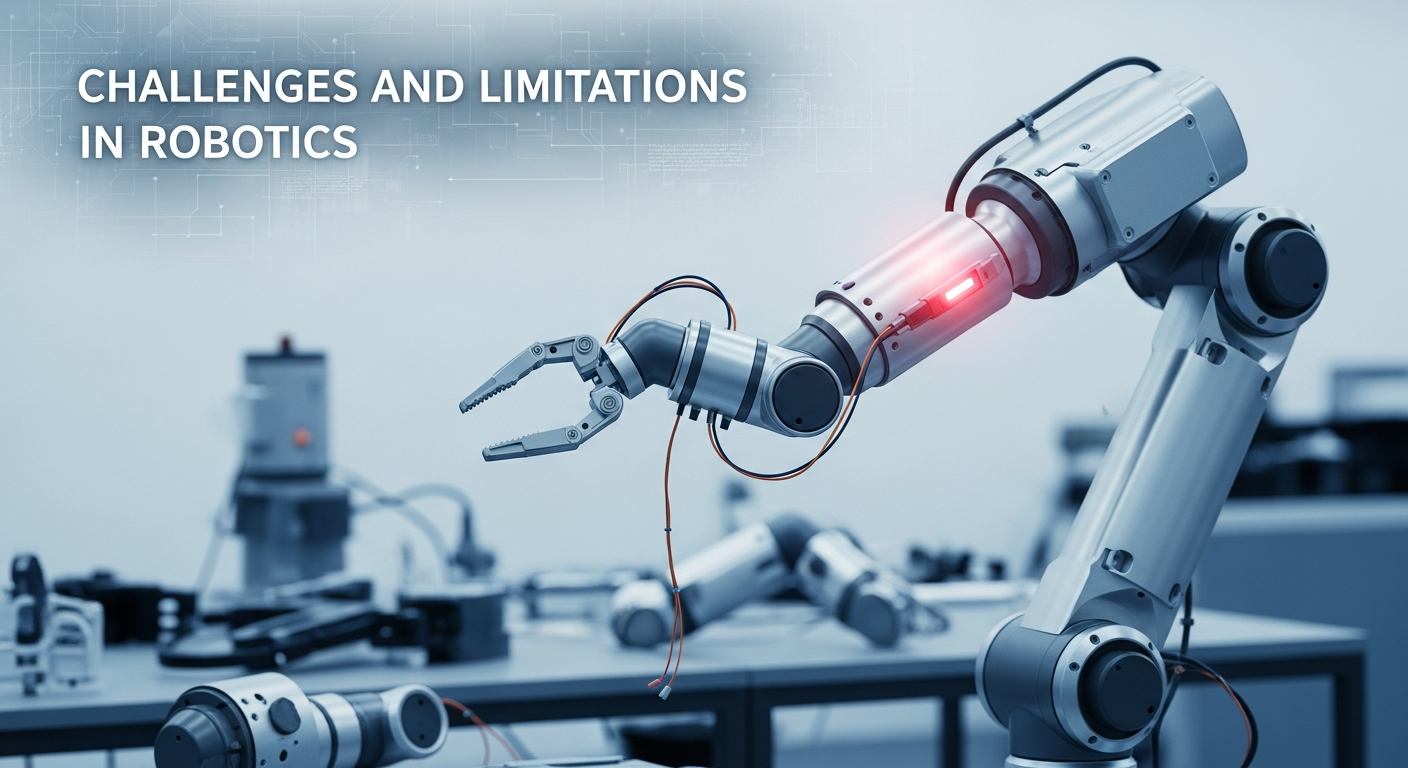
In the shadow of triumph, challenges lurk, clamoring for innovative solutions. Robots, though impressive, still face hefty constraints. Energy consumption remains a towering hurdle; building machines that balance performance with eco-friendliness is a perplexing challenge engineers like Thomas Huynh find both daunting and inspiring.
Moreover, the ethical considerations around AI-driven autonomy continue to spark debates. Deciphering moral algorithms—particularly in life-impacting applications like surgical and driving aids—requires as much philosophical pondering as it does technological proficiency.
The Future of Robotics: Predictions and Opportunities
Peer into the future, and you’ll see not just a world enriched by robots but one characterized by profound coexistence. Experts predict a symbiotic dynamic developing between humans and their mechanical counterparts, where robots do more than assist—they collaborate.
NVIDIA’s developments hint at swept-forward AI capabilities embedded seamlessly in our technologies, promising machines that can forecast needs and not just respond. According to the International Federation of Robotics, the pace of adaptation will accelerate over the next few years, with self-replicating factory systems emerging as noteworthy players in the coming decade.
Strategic Insights: Preparing for the Robotic Age
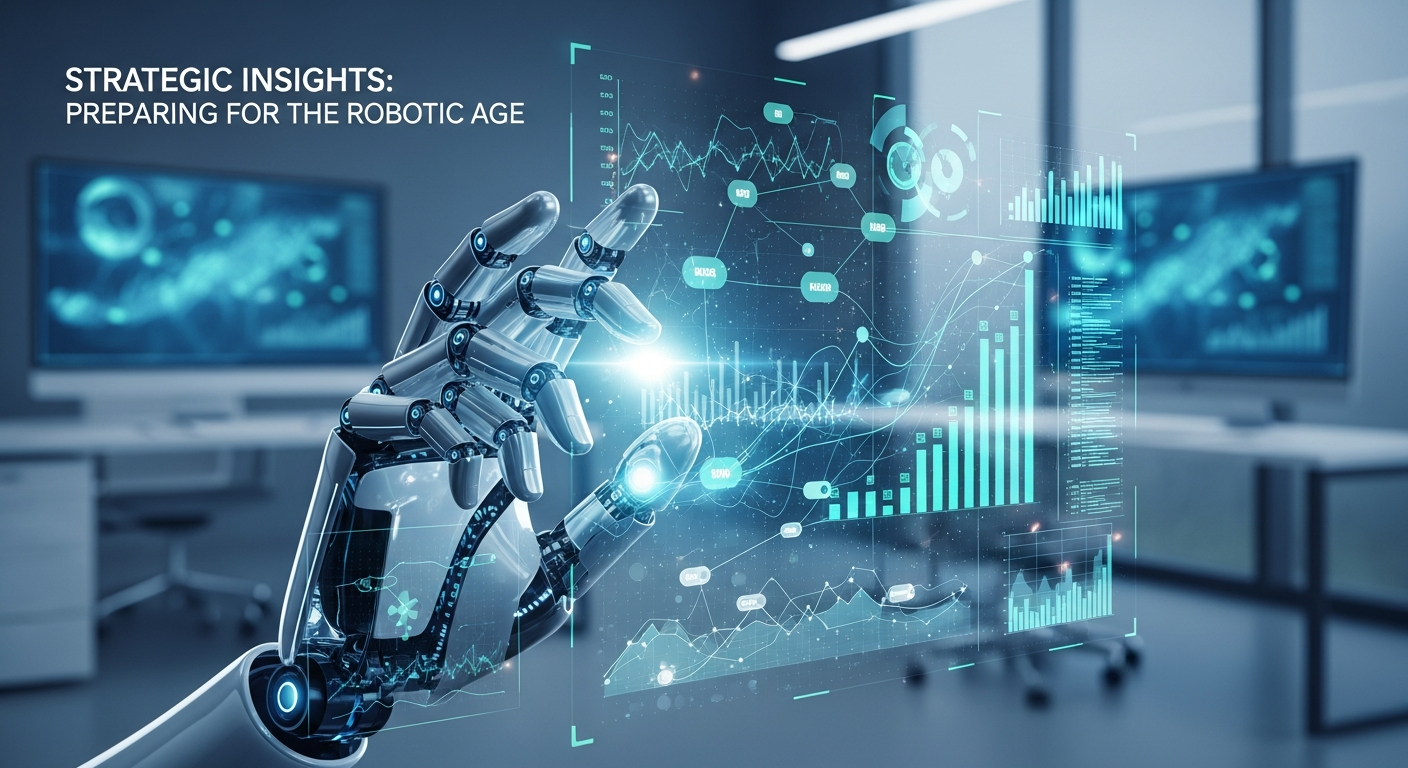
For businesses leaning into this robotic era, strategic foresight is imperative. Understanding market tendencies, such as shifts in consumer expectations for automated solutions, can provide a significant advantage. Developers must focus increasingly on crafting user-friendly interfaces; after all, the average consumer might not be a tech whiz.
There’s also an emphasis on continuous learning—educational institutions responding with curriculum geared toward AI and robotics are setting graduates up for roles crafted from this technological boom.
So where does this leave us? Robotics stands on the brink of monumental leaps forward, poised to reshape our world in ways reminiscent of a renaissance of circuitry. This transformation, fueled by curiosity and unfaltering innovation, holds potential limited only by our imaginations. Embrace this dynamic era, as Thomas Huynh would say, with both cautious optimism and relentless inquisitiveness. Robots may soon be as commonplace as smartphones—a scenario once deemed implausible not too long ago.
Thomas Huynh – Admin of RoboZone.top
References & Further Reading:
- MIT Technology Review — https://www.technologyreview.com
- IEEE Spectrum — https://spectrum.ieee.org
- McKinsey & Company — https://www.mckinsey.com
- Stanford AI Lab — https://ai.stanford.edu
- Harvard Business Review — https://hbr.org
- NVIDIA Research — https://research.nvidia.com
- International Federation of Robotics — https://ifr.org
- World Economic Forum — https://www.weforum.org