As automation steadily redefines the landscape of jobs, industries, and our everyday lives, the glittering allure of efficiency often overshadows its less-talked-about consequences. Like a shadow cast by progress, the inherent risks of automation lurk in the corners of each optimistic headline. But what exactly are these risks, and why do they remain shrouded in ambiguity? As this Pandora’s box of technology unfolds, it becomes imperative to analyze not just the benefits but also the potential pitfalls that await us.
Understanding the Core Concept of Automation
Automation, at its most basic level, is the technology by which processes are performed with minimal human intervention. It all began with machines that took on repetitive tasks and has since evolved to incorporate sophisticated algorithms driving autonomous vehicles and intelligent robots. The idea is simple yet transformative: reduce the need for human labor, thereby enhancing efficiency and output.
For instance, consider the evolved AI models integrated within robotics systems. Employing advanced sensors and high-caliber chips such as those from NVIDIA, modern machines possess an uncanny capability to learn and adapt, sometimes outperforming their human counterparts. However, the road from basic programmable logic controllers to today’s autonomous entities has been long and winding, marked by milestones like the emergence of AI-driven software platforms.
The International Federation of Robotics has identified a surge in the adoption of automation within manufacturing, prompting an industry-wide revolution. The same revolution is spilling over into disparate sectors like healthcare and even personal spaces—each presenting its unique set of challenges and opportunities.
Real-world Applications Across Industries
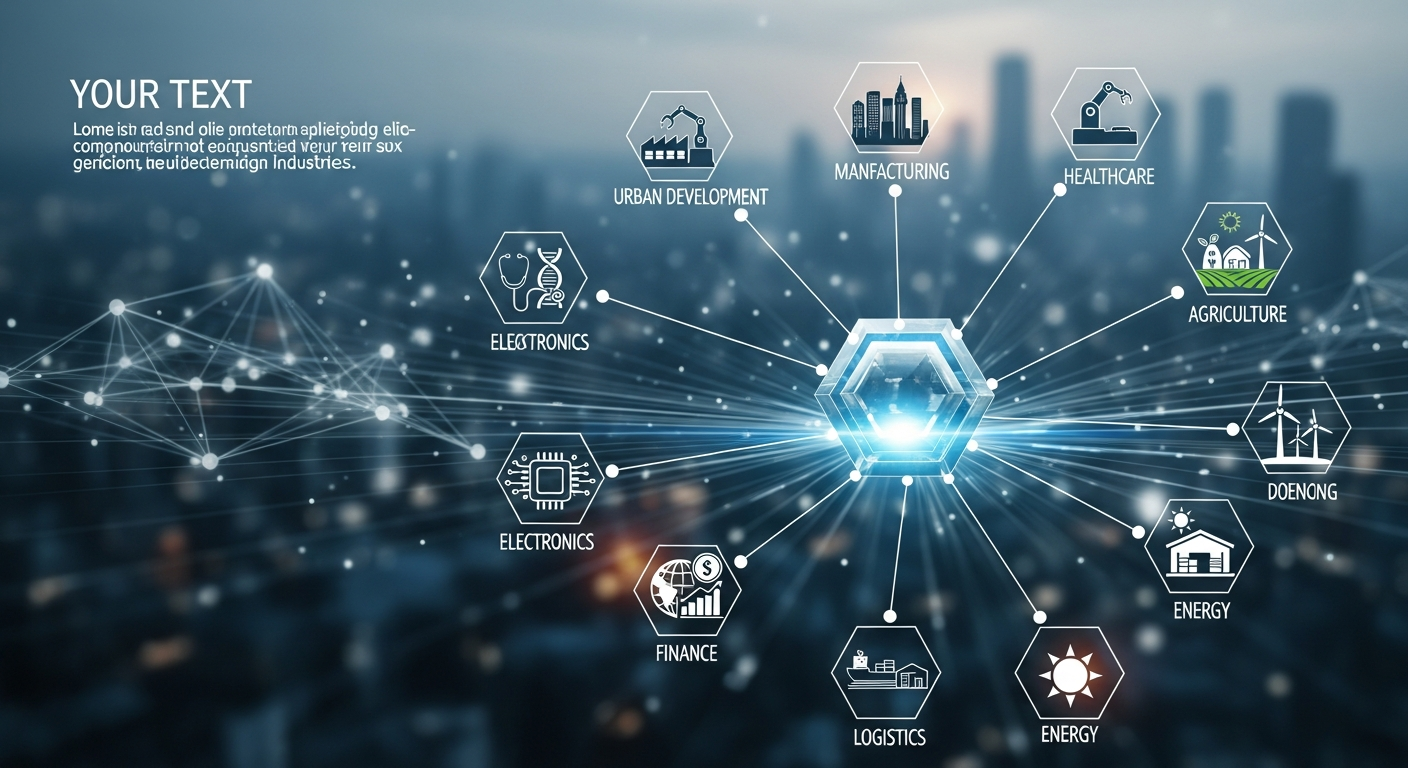
Automation’s fingerprints are visible across numerous industries. Take manufacturing, where assembly lines have become a symphony of robots working in seamless synchrony. In healthcare, automated systems manage patient data and assist surgeries, providing precision that’s sometimes unaffordable by human hands.
Yet, perhaps nowhere is automation more tangibly felt than in our homes. Smart speakers, AI-powered vacuum cleaners, or thermostats that learn our schedules represent a weave of automated interventions into daily life that might seem eerily close to science fiction. Ian, a remote worker and a tech enthusiast, reminisced, “Once my coffee maker started brewing my morning cup before I got out of bed, I realized we were living in the future!”
But can these advancements extend unhindered? The risks may outweigh the ease they promise. Fully autonomous vehicles still grapple with ethical decision-making—a dilemma that persists beyond just technical hurdles and delves into moral philosophy.
Technical Insights: AI Models and Robotics
Delving deeper into the schools of technology that power automation unveils a mosaic of innovation. Deep learning models such as those from Google DeepMind push the boundaries of what machines can achieve autonomously. Robotics systems, such as those developed by Boston Dynamics, demonstrate feats of agility and problem-solving that were, until recently, thought exclusive to humans.
These systems incorporate high-performance processors from NVIDIA, engineered to handle immense computational loads. Their heart beats with algorithms mimicking neural networks—a simulated rendition of the human brain’s own processing framework. This intricate dance of code and silicon propels machines into areas once considered too nuanced for automation, like creative arts or complex decision-making.
Despite these technical strides, challenges remain. The AI systems require colossal datasets and power-intensive processing that are neither universally accessible nor environmentally sustainable. Moreover, while AI becomes increasingly capable of mimicking human actions, the understanding of context remains tenuous, often leading systems to misinterpret subtleties with humorous or disastrous outcomes.
Market Analysis: Growth and Economic Impact
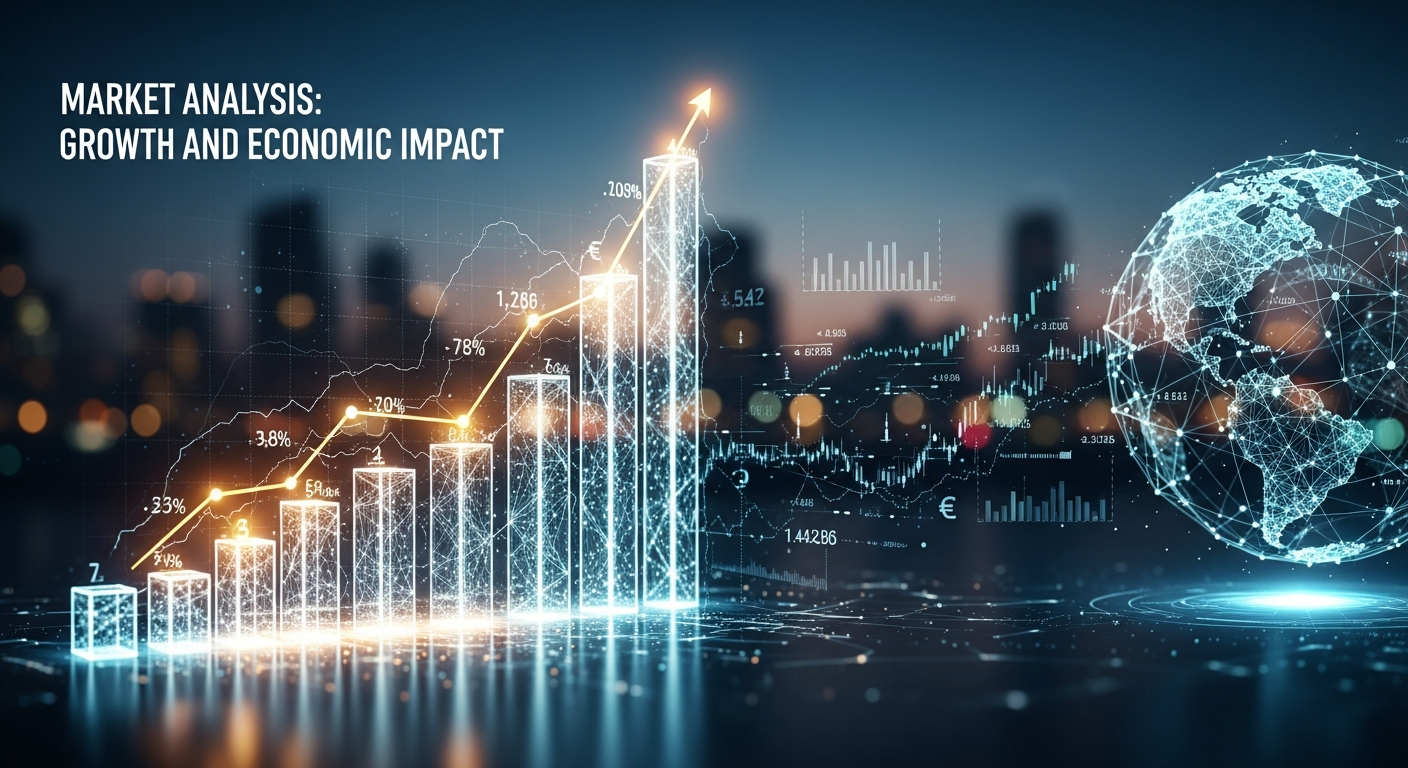
The market backdrop for automation has expanded significantly in recent years. Reports from McKinsey & Company outline a dynamic shift as industries scramble to integrate automation, fearing obsolescence. The economic promise is undeniable—with productivity gains, cost efficiency, and enhanced service offerings driving business motivation.
Over the next few years, forecasts predict automation investments tripling as sectors accelerate adoption to remain competitive. The conversation at forums like the World Economic Forum often meanders to how automation could contribute an estimated $15 trillion to global GDP by the end of the decade.
Thomas Huynh, insightful as ever, often emphasizes the importance of a balanced view. He states, “While automation can be an economic powerhouse, it requires wise stewardship lest we overlook the social fabric we risk unraveling.”
The economic benefits come tinged with social apprehensions, as increased automation triggers job displacements, forcing entire segments of the workforce into recalibration. The challenge remains in ensuring that accompanying educational and vocational shifts evolve concurrently.
Challenges and Limitations of Automation
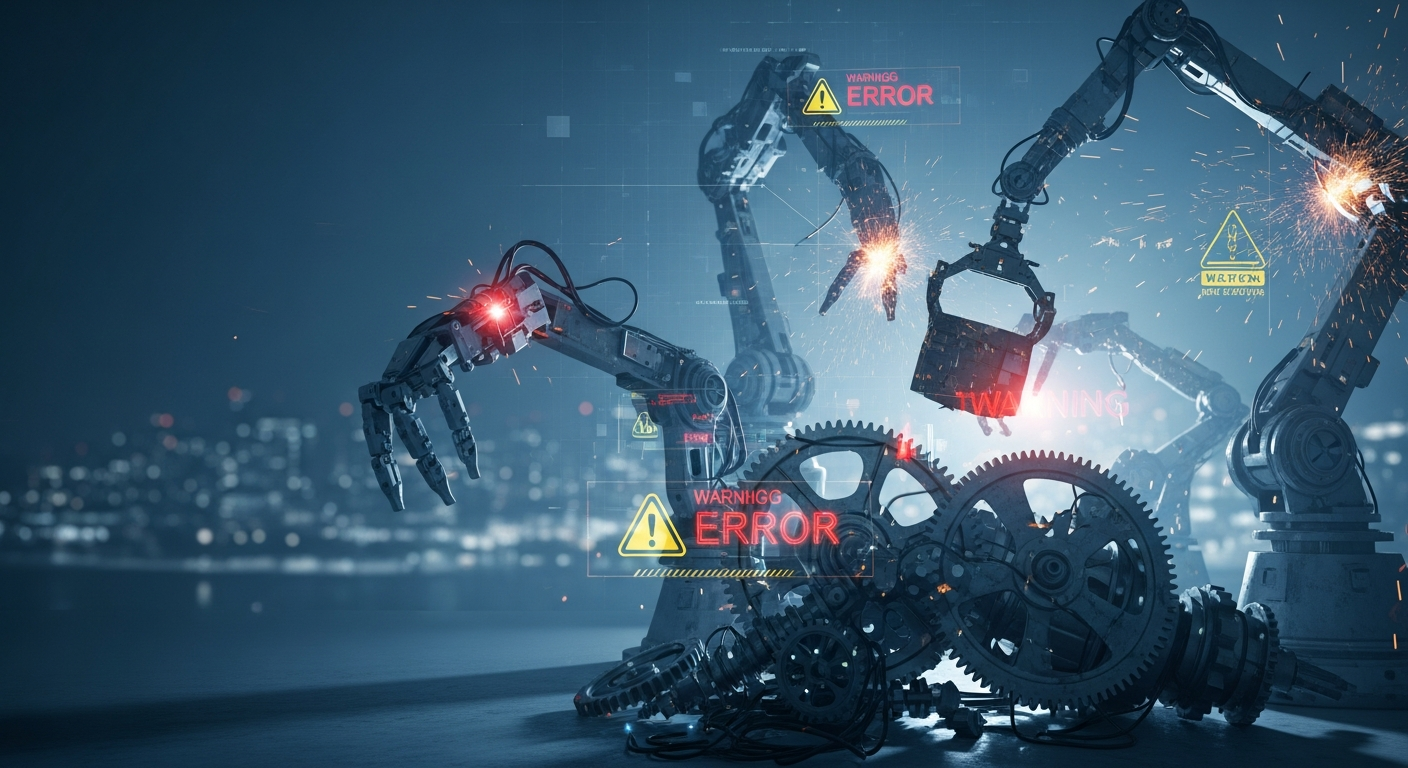
It’s tempting to view automation as a panacea for our industrial shortcomings, but a closer look reveals an array of limitations. For one, the technology still struggles with domain-specific subtleties; robots may learn tasks but often fall short of nuanced applications requiring human-like intuition or empathy.
Moreover, issues such as security vulnerabilities have some industries on edge. Incorporating automation inherently increases the attack surfaces, making them susceptible to cyber threats. In 2025, a major breach incident led to the sudden halt of automated oil refineries, sparking debates over cybersecurity investments and strategies.
Likewise, ethical challenges surface, like those highlighted in self-driving car technology. The question remains: should the car prioritize the life of its passengers over pedestrians? These scenarios demand complex ethical frameworks that robots, prompt as they are, currently struggle to accommodate.
Future Predictions: Navigating the Next Decade
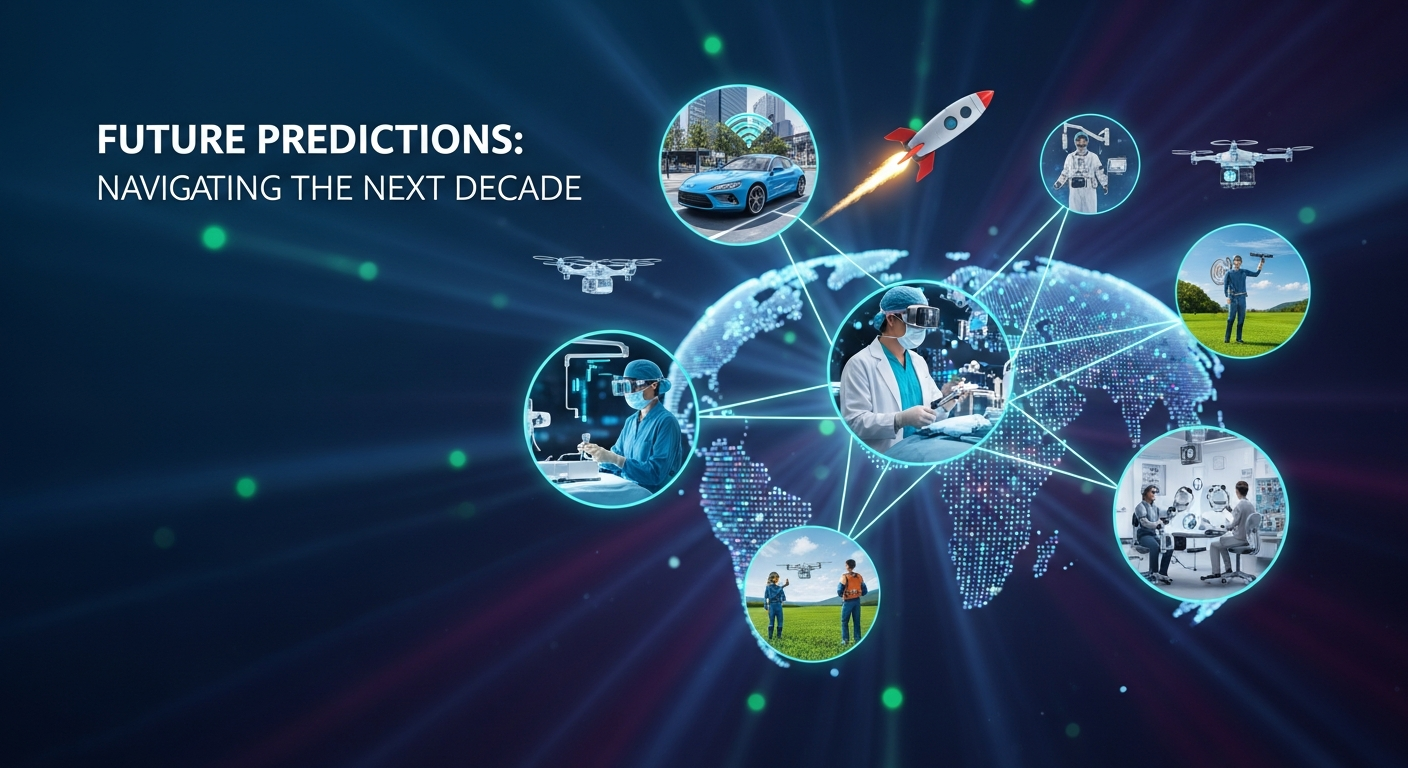
As we look toward the future, the trajectory of automation veers neither towards utopia nor dystopia but balances precariously on a tightrope. The next 3 to 5 years will undoubtedly witness automation driving deeper into fields such as personalized medicine and AI-led educational tools, promising benefits that are, quite frankly, tantalizing.
Yet, venturing further, a shift towards hybrid models is anticipated—collaborative robots (cobots) working alongside humans, complementing rather than replacing human input. This hybrid approach promises to leverage the strengths of both entities while mitigating weaknesses.
In a long-term vision, the industry aims to transcend current limitations by pushing the envelope in quantum computing and neuromorphic chips that simulate brain-like efficiencies. Here lies the hope of creating machines not just adept at tasks but genuinely intelligent.
But, as Thomas Huynh might wryly point out, “Let’s not start building shrines to our robot overlords just yet.” Keeping humans at the helm remains crucial—not just a designer’s privilege but a societal necessity.
Strategic Insights: Preparing for Automation’s Future
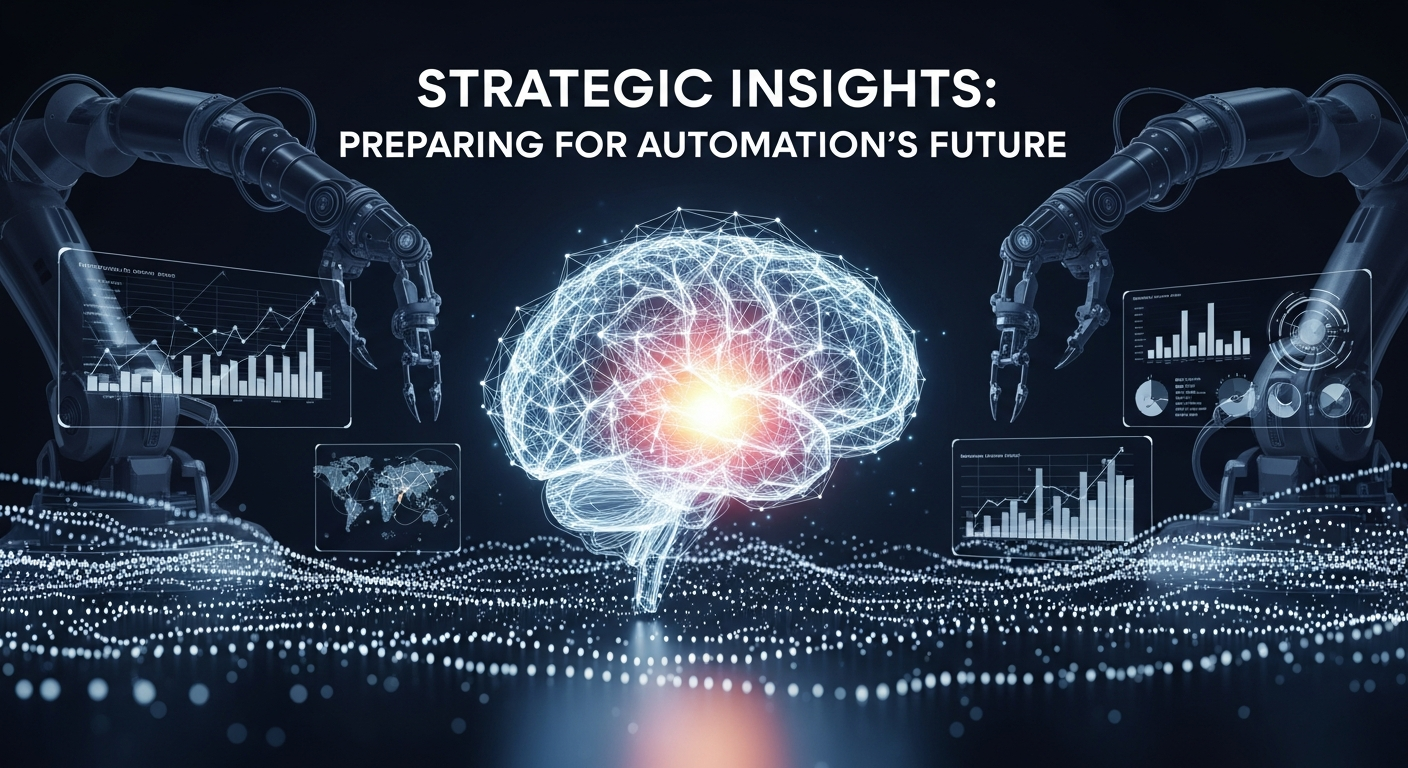
As automation progresses, businesses, developers, and users must adjust strategies to adapt. It’s imperative that companies invest in continuous learning to keep their workforce agile and capable, thereby minimizing the looming threat of job displacement.
Developers, on the other hand, should pivot towards creating systems that augment human capability rather than compete directly—focusing on complementariness rather than replacement. Innovating with open eyes to ethical considerations and constructing robust security architectures will be key.
For individuals, adaptability is paramount. In an age that demands agility, fostering skillsets that machines can’t replace, such as creative problem-solving, emotional intelligence, and strategic oversight, will be essential for thriving alongside automation.
If this robotic revolution teaches us anything, let it be the importance of adapting harmoniously within a rapidly evolving technological sphere. Thomas Huynh reminds us to “be neither complacent in comfort nor fearful of progress, but rather, poised for a collaborative future.”
So where does this leave us? The saga of automation is one both enthralling and daunting. As we stand at this crossroads, the proper synergy between innovation and societal responsibility becomes the beacon guiding our next steps. At RoboZone.top, under Thomas Huynh’s stewardship, we remain committed to demystifying automation’s impact and preparing for a future that seamlessly harmonizes with human aspiration.
In this dance of progress, let us stride confidently, aware of the shadows that accompany the glowing promise of automation, and endeavor to cast them into the light of understanding and preparedness.
Thomas Huynh – Admin of RoboZone.top