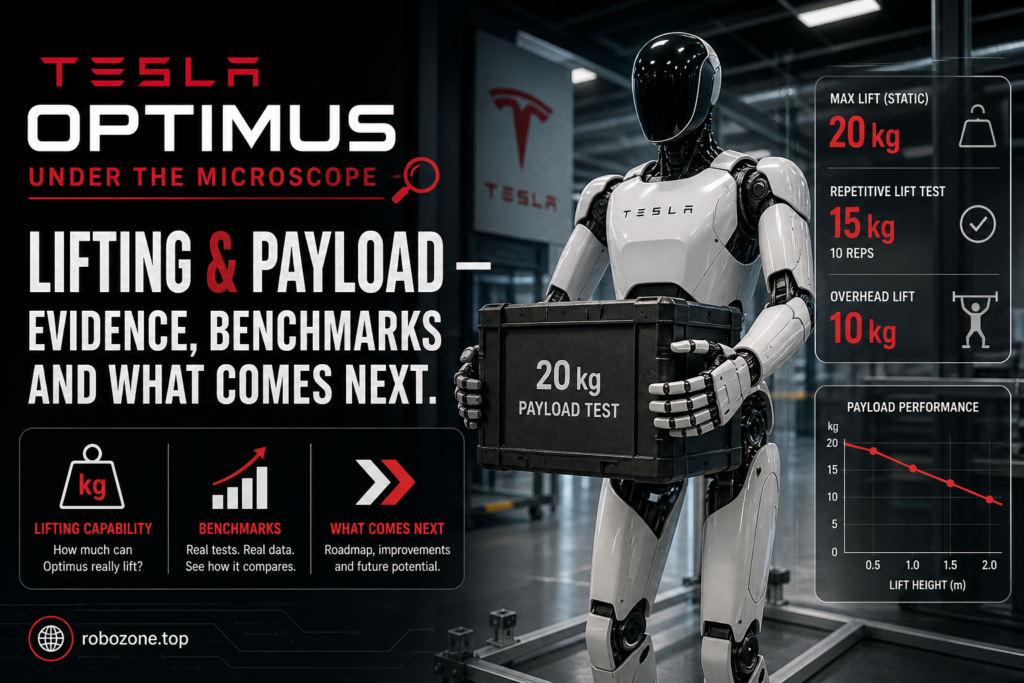
Tesla’s Optimus robot straddles the line between science fiction and nascent reality, much like the pioneering spirit of the first lunar missions. Promised by Tesla to be a paradigm-shifting creation, this humanoid robot aims to revolutionize how industries approach tasks currently undertaken by human labor. Here, at RoboZone.top, we’re putting Tesla’s claims under the proverbial microscope. With an emphasis on lifting and payload competencies, we explore the evidence, distinguish fact from enterprising fiction, benchmark performance with existing technologies, and forecast a timeline for future developments.
The Genesis of Tesla Optimus
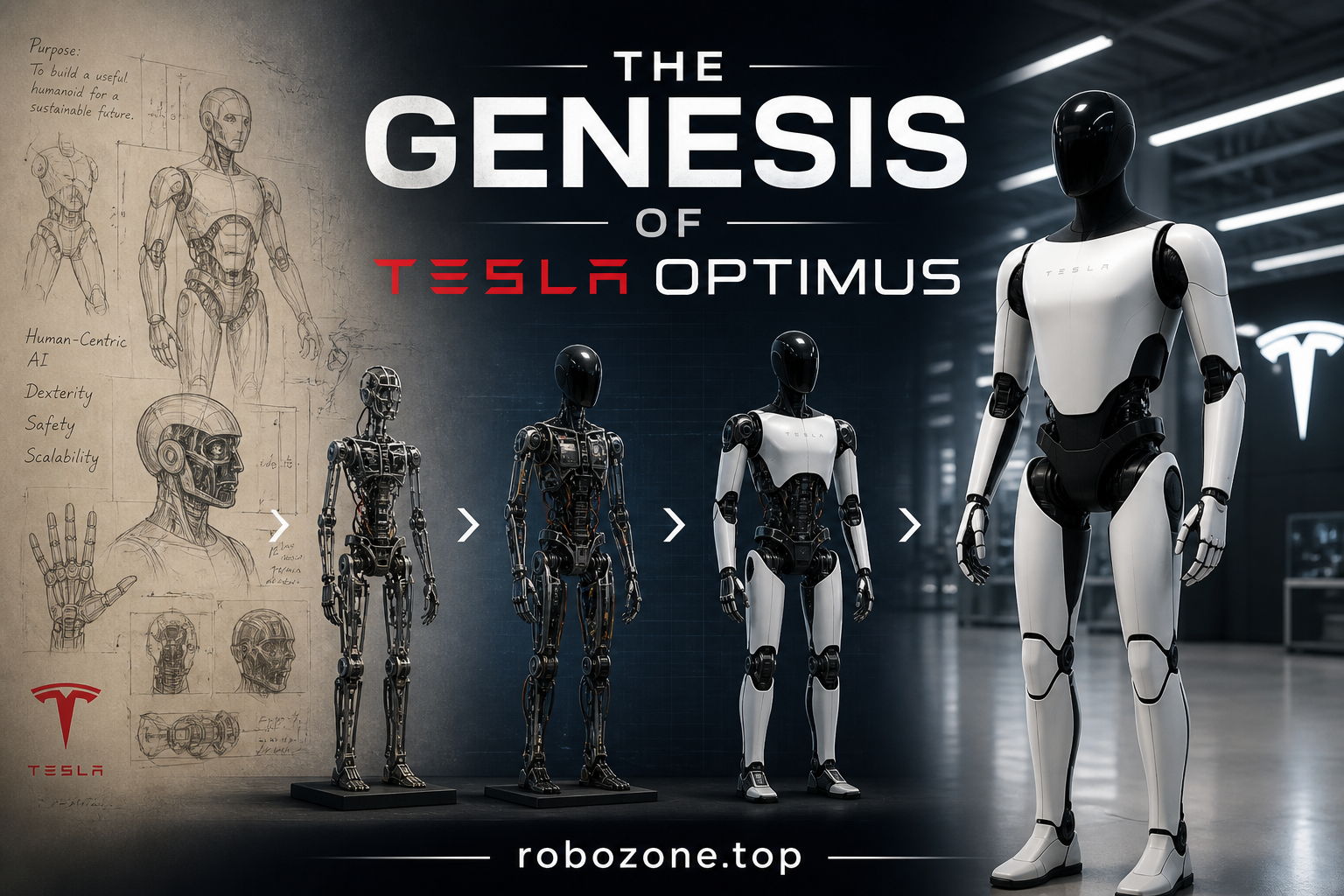
The genesis of Tesla Optimus finds its roots in the science fiction landscape more akin to Asimov’s robotic visions than the assembly lines of modern industry. Tesla’s ambition is clear: the Optimus robot is intended to handle tasks deemed too dangerous, demanding, or mundane for humans, changing industries from manufacturing to healthcare. But understanding how this ambitious goal translates into functionality lies in dissecting its capability of handling physical load.
Optimus’s structure, as per Tesla’s narrations, is influenced by the same intense focus on energy efficiency seen in electric vehicles, represented through AI integration and articulated mechanics. It’s penned to be approximately 125 pounds and stands 5 feet 8 inches tall—size metrics intentionally chosen to mirror human proportions. This design consideration, while thoughtful, essentially demands a profound evaluation of its load-lifting capacities.
Boundaries of Lifting Capabilities
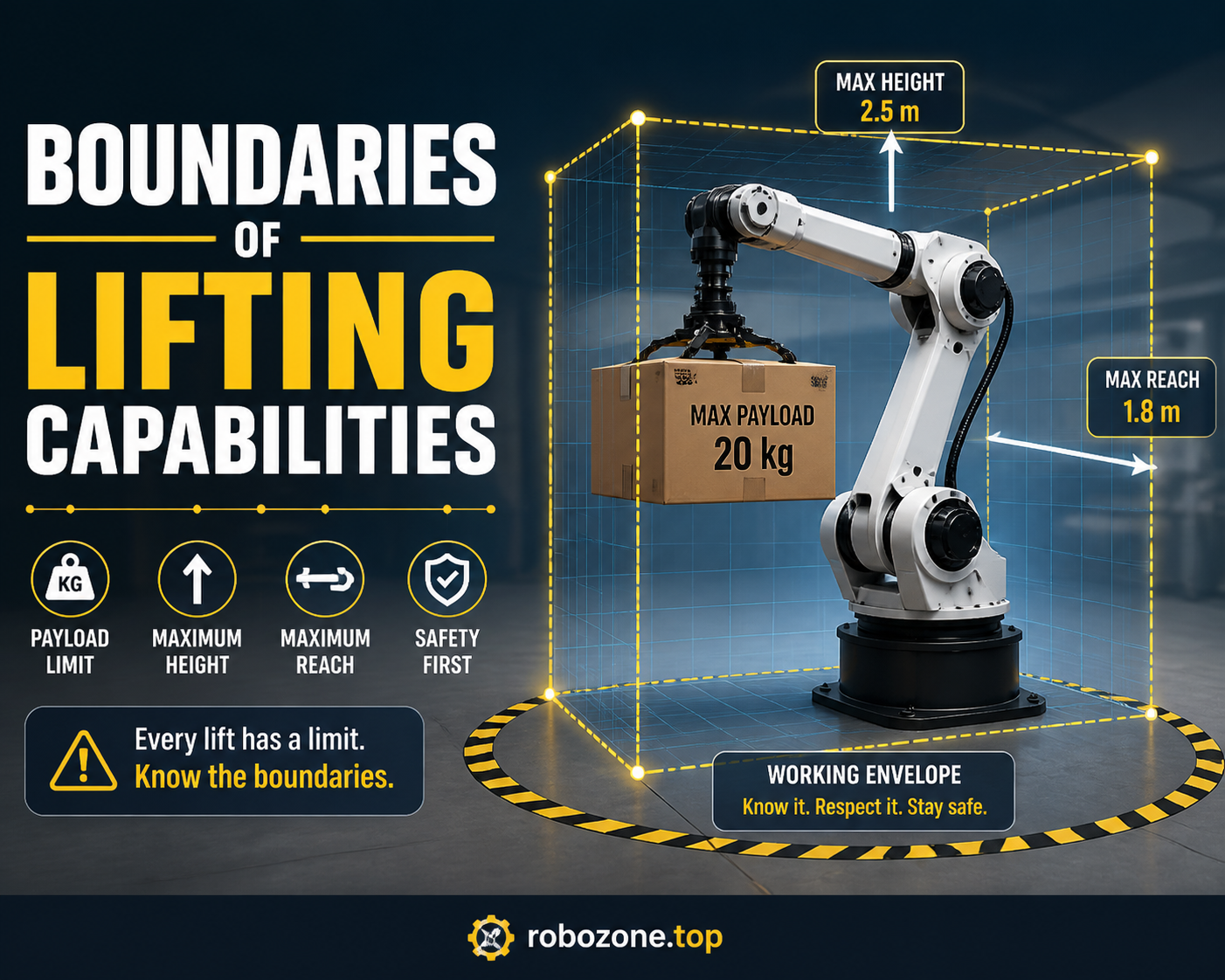
Let’s talk numbers. Tesla asserts that Optimus is engineered to lift up to 150 pounds, supported by 40 mechanical actuators and a slew of strategically positioned sensors. However, here is where the story diverges into two narratives: optimism and skepticism. While the claims sound promising in theory, the practical application unveils layers of complexities. Moving hefty loads consistently is one thing, but doing so in unpredictable real-world environments remains a challenge.
Consider robots currently employed in high-stakes environments like Boston Dynamics’ Atlas. These machines are lauded for their ability to perform acrobaticsand ascend stairs, but their load-bearing abilities remain capped compared to Optimus’s proposed potential. Industry insiders, including analysts from IEEE Spectrum, suggest that Optimus’s real strength may lie in repetitive, lighter tasks rather than heavy lifting in its early iterations.
Thomas Huynh, our ever-curious administrator, often reiterates the importance of “observing the fine print.” For instance, a system’s capacity to maneuver under such weight with precision correlates directly to advancements in its AI algorithms, which Tesla posits as state-of-the-art.
The Role of AI and Robotics Systems
Diving deeper requires unraveling the sophisticated AI models integrated into Tesla Optimus. At its heart lies Tesla’s Full Self-Driving computer architecture. This model, refined over years of data from Tesla’s fleet of vehicles, underscores the Optimus’s decision-making prowess. Yet, robotics experts from Stanford AI Lab remind us that AI, while powerful, is bound by the quality of the data it is trained on and the physical limitations of its hardware.
Optimus is equipped with state-of-the-art NVIDIA chips, crucial in managing real-time data processing. These chips work in concert with machine learning algorithms to interpret vast sensory data—ranging from force feedback to environmental cues—thus adjusting movement fluidly. However, even with cutting-edge technology, ‘the dancing robot without bones’ as Thomas humorously calls it, faces significant challenges as it braces for heftier operational tasks.
Applications Across Industries
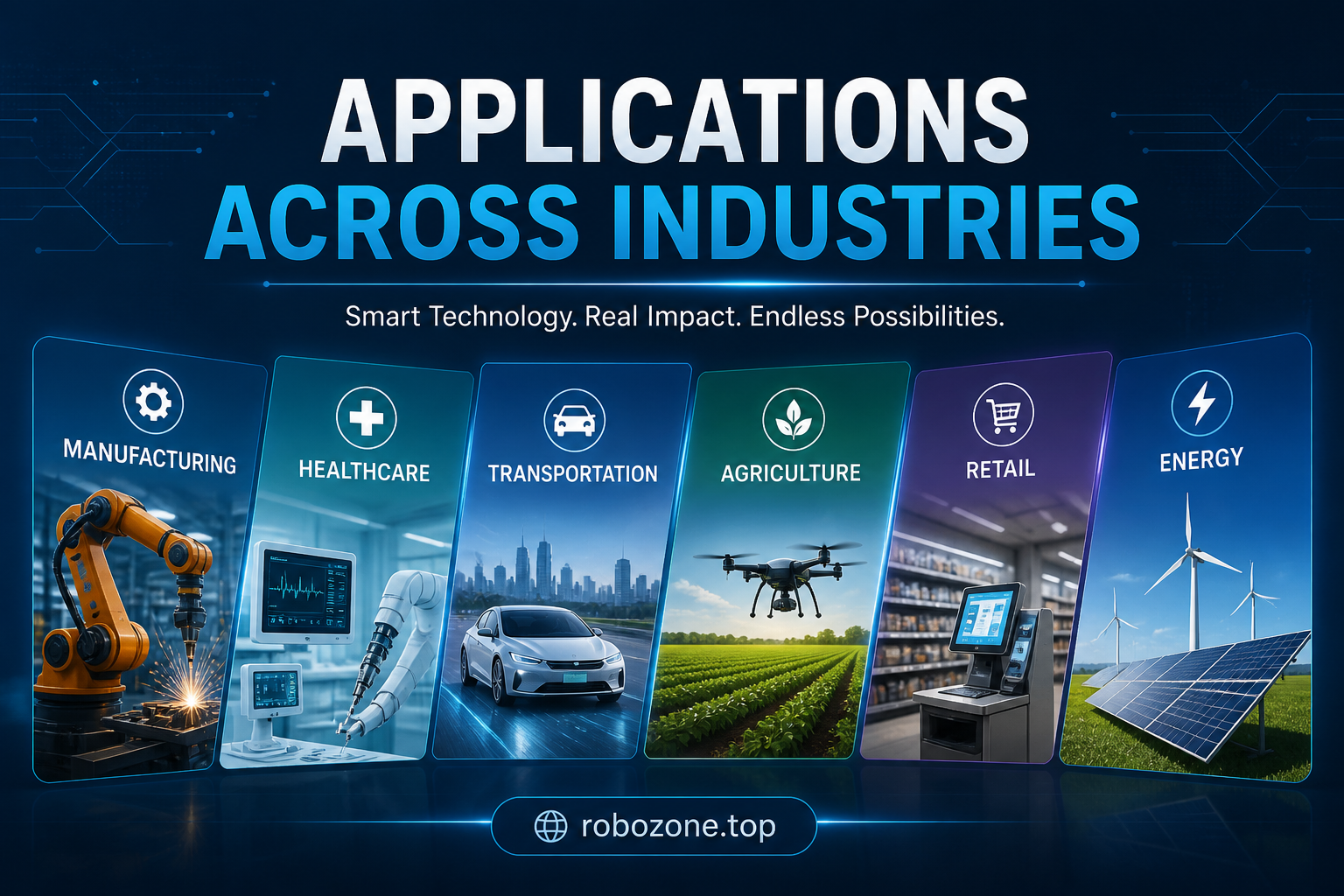
The potential applications for Tesla Optimus span a vast array of sectors. In manufacturing, its dexterity and precision might allow it to replace human counterparts in assembly tasks. Its implications in logistics, where payload capability plays a pivotal role, heralds an era where human workers are liberally replaced, leaving room for more strategic job roles.
In healthcare, Optimus could revolutionize how we address patient care. Tasks like lifting patients or managing equipment, currently exerting strain and requiring manual coordination, could become easily manageable. Still, tech adoption in healthcare requires validation and compliance with rigorous safety standards, something that will undoubtedly steer the trajectory of Optimus’s deployment.
Market Analysis and Economic Impact
Market dynamics within the realm of robotics present a fertile ground for Tesla Optimus’s arrival. McKinsey & Company reports suggest a projected growth of the robotics market, emphasizing technology’s potential to save billions in human labor costs. Moreover, as more industries adopt robotics solutions, emerging economies stand to gain from increased production efficiencies.
Investment trends also favor companies promising disruptive technologies. Tesla, leveraging its brand and technological expertise, is posited to gain significant traction in the share market. However, as with every technological advance, questions of ethics and job displacement loom large. A World Economic Forum briefing recently pointed out, “the rise of machines must coincide with the evolution of the workforce,” hinting at the necessary balancing act that lies ahead.
Challenges and Limitations
No innovation comes without hurdles, and Tesla Optimus is no exception. Sensor fusion—ensuring seamless coordination between various inputs—remains a challenge, often causing hiccups in unpredictable surroundings. Critics argue, quite pointedly, that Tesla’s predictions could debunk through these technical pressures.
Moreover, the robustness of Optimus’s systems—endurance in harsh environments or its deployment outside of controlled conditions—forms another critical yardstick. Many experts, appearing in discussions featured on platforms like MIT Technology Review, emphasize software robustness will demand continual refinements before viable commercial use.
Forecasting the Next 12–24 Months
Within the next two years, Optimus’s developmental trajectory will likely witness iterative enhancements, gradually edging the commercial deployment race. Beta tests across select industries, perhaps aligned with Tesla’s frequent ‘try before you buy’ strategies, could grant Optimus field experience without the full-scale risks associated.
A positive prognosis anticipates Optimus playing auxiliary roles at Tesla’s Gigafactories—potentially in repetitive, non-critical tasks, proving its incremental maturity over time. Meanwhile, the adoption pipeline will be closely observed by competitors and potential partners, such as logistics firms anticipating a reduction in labor costs.
Thomas Huynh often reminds us, “it’s not about being first to the finish line, but ensuring you’re running the right race.” With that in mind, following the trajectory of Optimus also demands attention to breakthroughs from competitors like Boston Dynamics, all of which are racing fervently toward a similarly automated world.
So where does this leave us? Tesla Optimus, while still under the microscope, embodies a modern marvel at the intersection of possibility and pragmatism. For businesses and developers, the advent of robotics like Optimus heralds a new age of innovation and integration. What remains crucial is to remain informed and adaptable. As these robots transition from prototype to production, they will redefine industry standards.
For end-users, expectations should be tempered with patience. Technological leaps are often required to discover whether Tesla’s attempts will grace the annals of industrious capability or retreat into futuristic lore.
One thing is certain: the optimist in all of us should not lose sight of the opportunities lying on the horizon. Stay tuned at RoboZone.top as we continue to uncover these unfolding stories, closely monitoring as Tesla’s bold endeavors continue to stir both skepticism and hope.
Thomas Huynh – Admin of RoboZone.top
References & Further Reading:
- MIT Technology Review — https://www.technologyreview.com
- IEEE Spectrum — https://spectrum.ieee.org
- McKinsey & Company — https://www.mckinsey.com
- Stanford AI Lab — https://ai.stanford.edu
- NVIDIA Blogs — https://blogs.nvidia.com
- International Federation of Robotics — https://ifr.org
- World Economic Forum — https://www.weforum.org
– – – – – – – – – – – – – – – –
“If you found my post: Tesla Optimus Under the Microscope: Lifting & payload — Evidence, Benchmarks and What Comes Next helpful, consider checking out the product links below. It helps support the channel at no extra cost to you!”