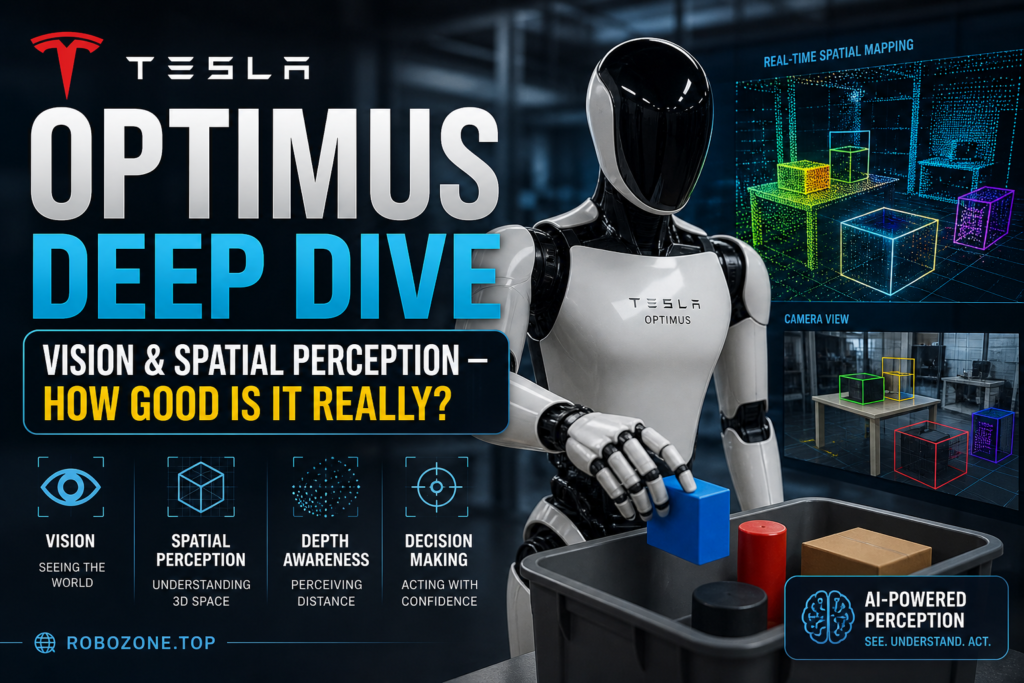
Let’s be honest. Sifting through cutting-edge tech details can feel as daunting as deciphering a Picasso on a Monday morning. Yet, the promise of Optimus is too significant to ignore. With a blend of curiosity and a touch of skepticism, we embark on a deep dive into the core of Tesla Optimus’s vision and spatial perception framework. Buckle up; this is where things get interesting.
Understanding Tesla Optimus: The Core Concept
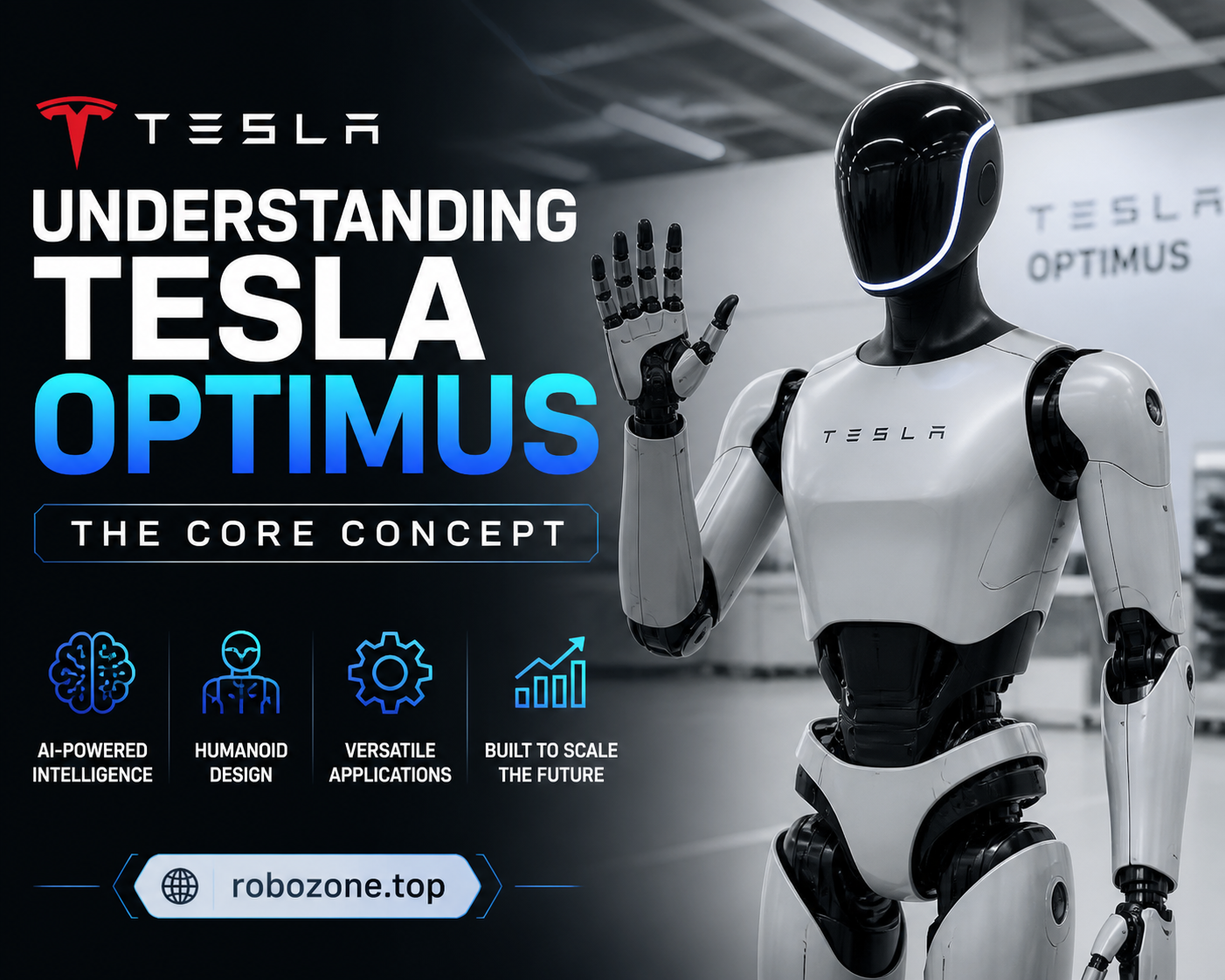
At the beating heart of Tesla Optimus is its unprecedented ability to see and understand the world around it, paving the way for flexible, effective interaction in human environments. Unlike robots constrained to structured factory floors, Optimus aims to thrive in unstructured settings. It’s equipped with a plethora of sensors and cameras designed to emulate the human streak, perceiving depth, contours, and movement, albeit without caffeine breaks.
The guts of this robot are powered by a sophisticated array of cameras and specialized sensors enabling its critical task—vision. Each component works harmoniously within an intricate network, akin to an orchestra performing Beethoven’s Fifth without a hitch. This seamless integration allows the robot to construct a three-dimensional map of its surroundings, a concept referred to as visual simultaneous localization and mapping (V-SLAM).
Within its neural innards, Optimus employs advanced AI models developed in collaboration with Tesla’s neural network expertise. These AI models are designed to recognize patterns, objects, and even predict movements, thus maximizing safety and efficiency. It’s the very essence of intelligence—allowing Optimus to decide its next move much like a chess grandmaster plotting its strategy.
Real-World Applications: Home to Industry
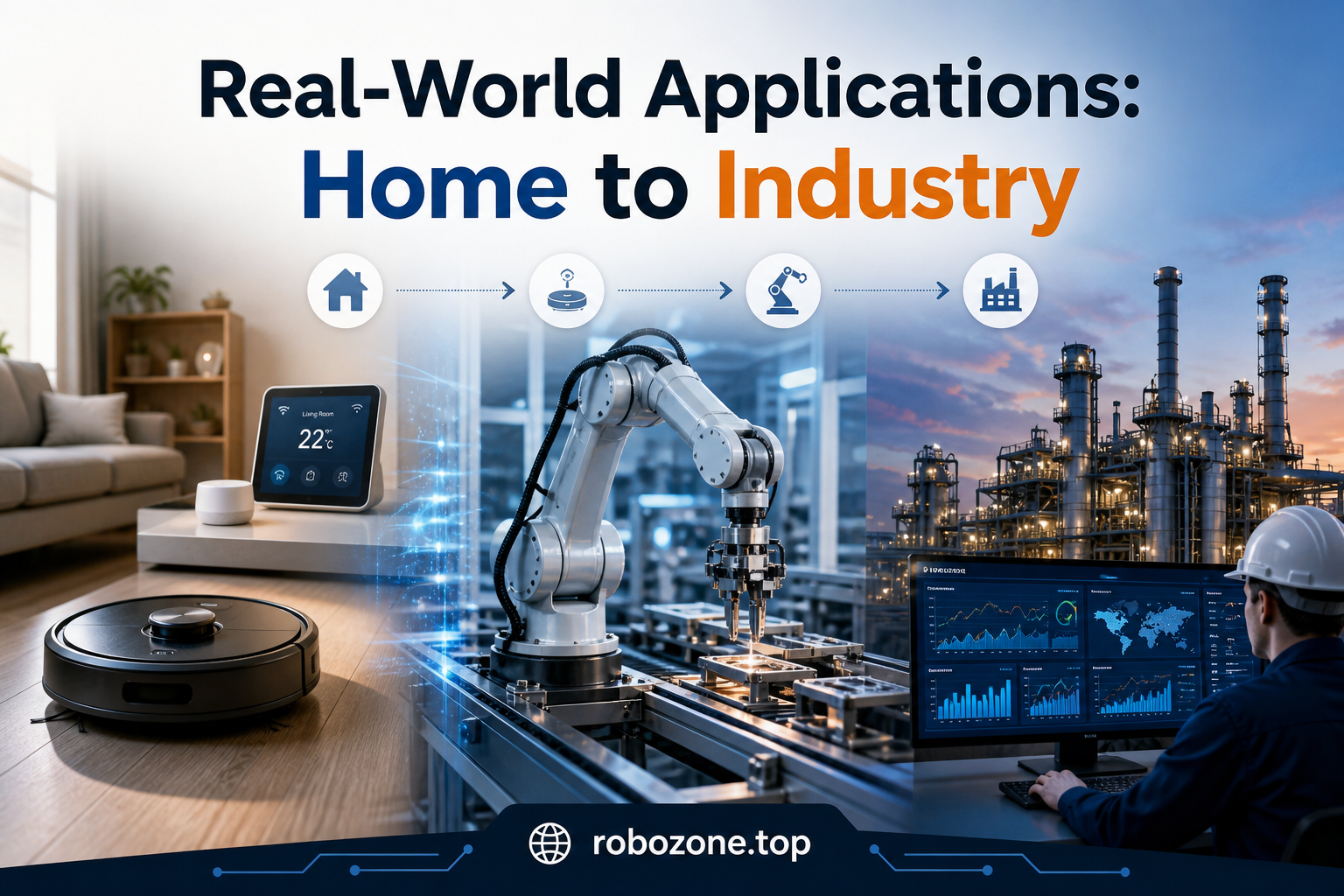
One might wonder, “How does all this technology translate into real-world scenarios?” From the living room to assembly lines, Optimus’s applications are as versatile as a Swiss Army knife. In homes, it could potentially serve as an autonomous caretaker, overseeing domestic duties with a precision that assures loved ones are in good hands.
On the industrial front, the robot’s ability to maneuver around obstacles and communicate with fellow machines positions it as an invaluable asset. In assembly lines, it can efficiently pick-and-place objects with its dexterous hands—a task comparable to expertly swapping puzzle pieces in record time.
The healthcare industry, too, sees a horizon brimming with possibilities. Optimus robots may eventually aid surgeons in complex procedures, delivering tools and operating other machinery with unerring accuracy, ensuring that the phrase “steady as she goes” isn’t just a nautical command but a surgical mandate.
The Technical Guts: AI, Sensors, and Processing Power
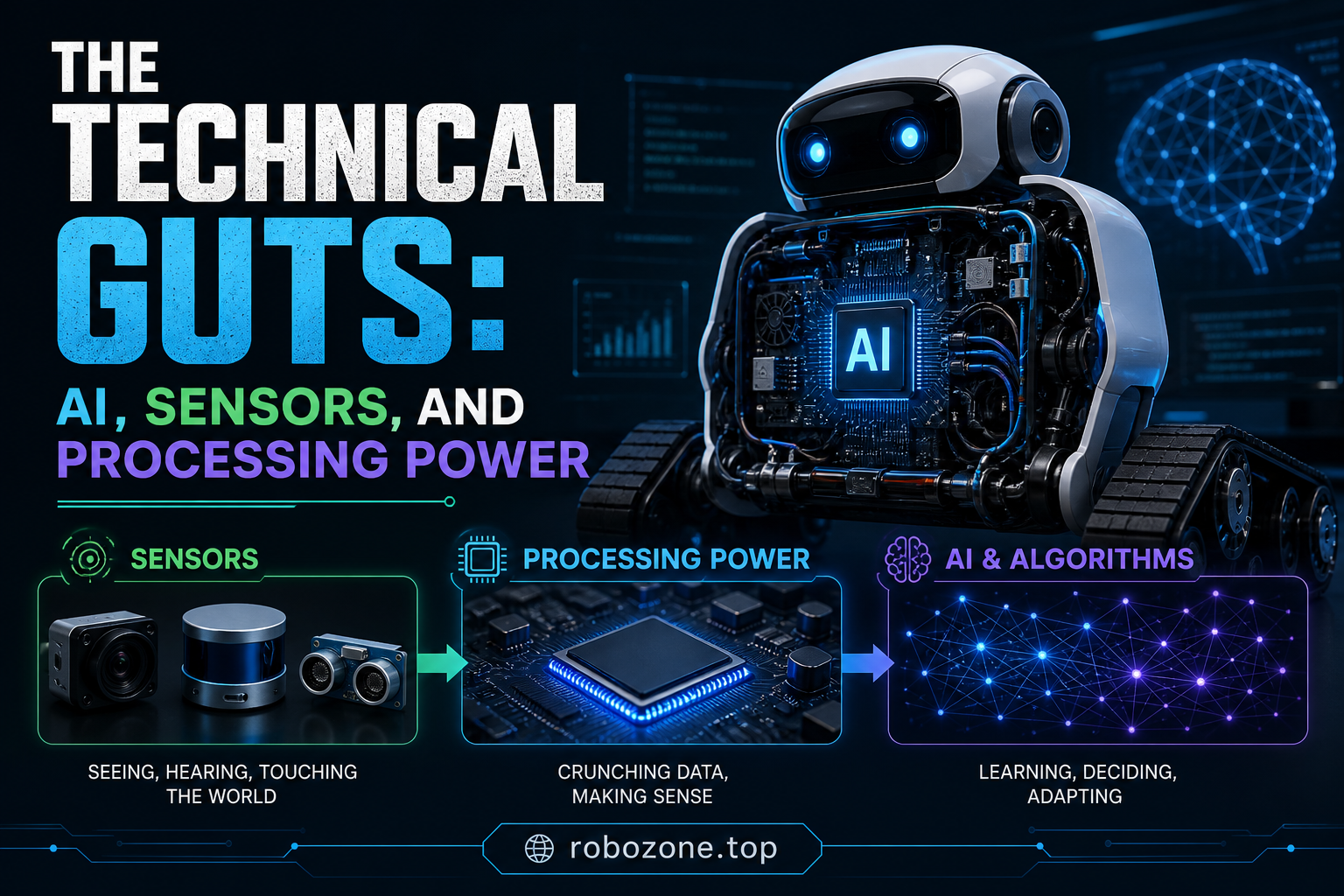
Diving deeper into technical waters, Optimus showcases formidable AI models that marry Tesla’s experience with machine learning and autonomy. The robot’s neural network leverages data-driven decision-making, similar to how a seasoned blackjack player predicts the dealer’s next move based on past hands.
In the hardware domain, NVIDIA’s towering prowess offers the processing muscle Optimus parades with pride. With these chips, data transfer and processing reach Olympian speeds, ensuring that visual feeds from its multitude of sensors are interpreted instantly, allowing for real-time interaction and decision-making.
Sensors range from depth cameras to LiDAR systems that offer unparalleled precision and resolution. It’s this technology buffet that facilitates Optimus’s ability to discern the minute differences between a cat and a shadow—a feat some humans still fumble with, especially before coffee.
Market Analysis: Growth and Impact
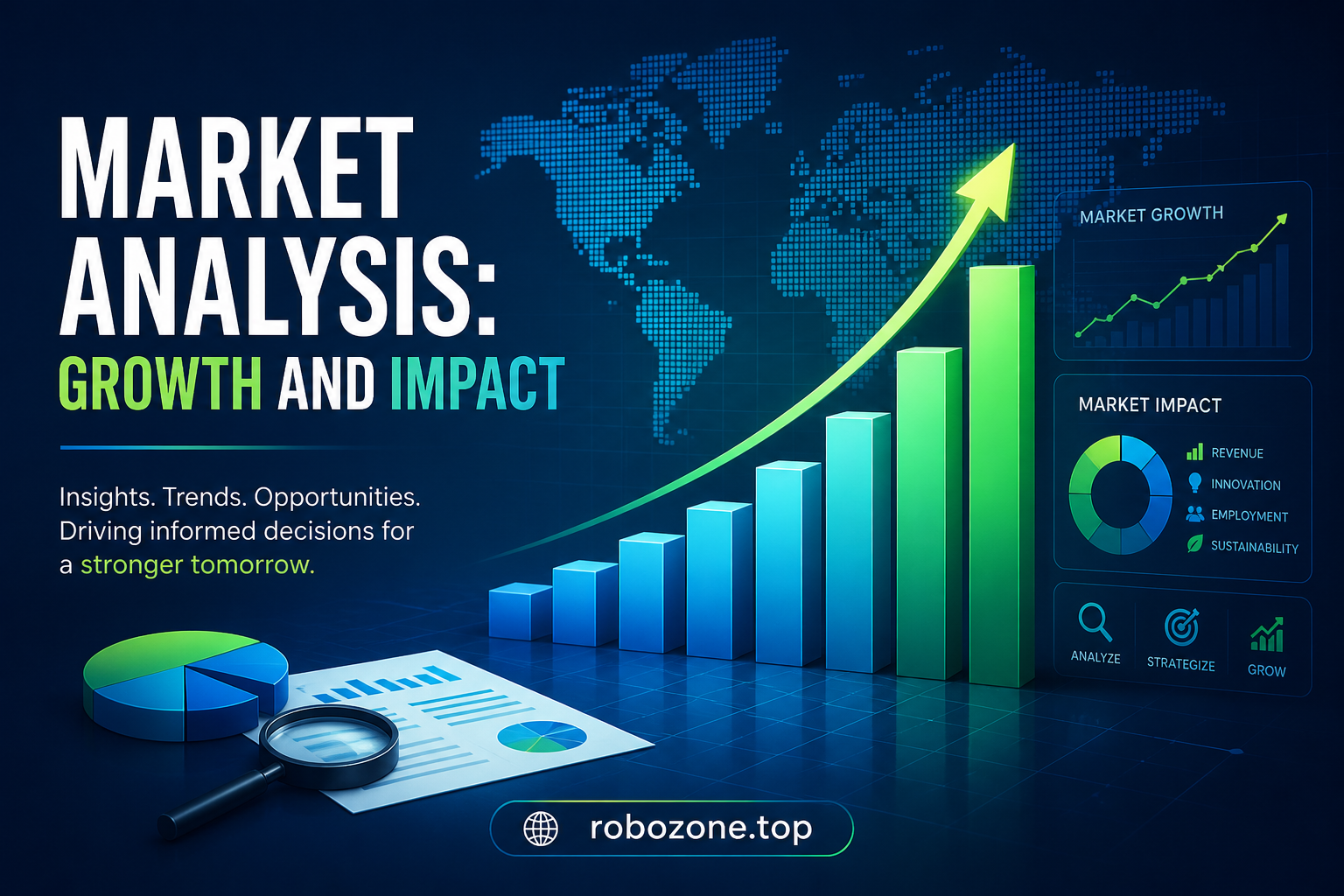
With its debut, Tesla Optimus has bolstered itself not just as a harbinger of robotic advancement but as a catalyst for economic growth. As of our latest estimates, the global robotics market is projected to grow exponentially, driven in part by innovations like Optimus. McKinsey & Company postulates that such advancements lead to cost efficiencies and productivity gains across various sectors.
Investments from major tech players and venture capital firms have soared, illustrating the burgeoning faith in Tesla’s robotic journey. Yet, the road to widespread adoption is fraught with hurdles—consumer trust, regulatory frameworks, and adaptation costs top the list.
Industrial applications are keen to embrace the change, seeking to optimize operations while healthcare sees a reduction in human error—translated into improved patient outcomes. Homes of the future might not only be smart but also populated by robotic helpers, a concept that dances tantalizingly on the fringes of reality.
Challenges and Limitations: The Roadblocks
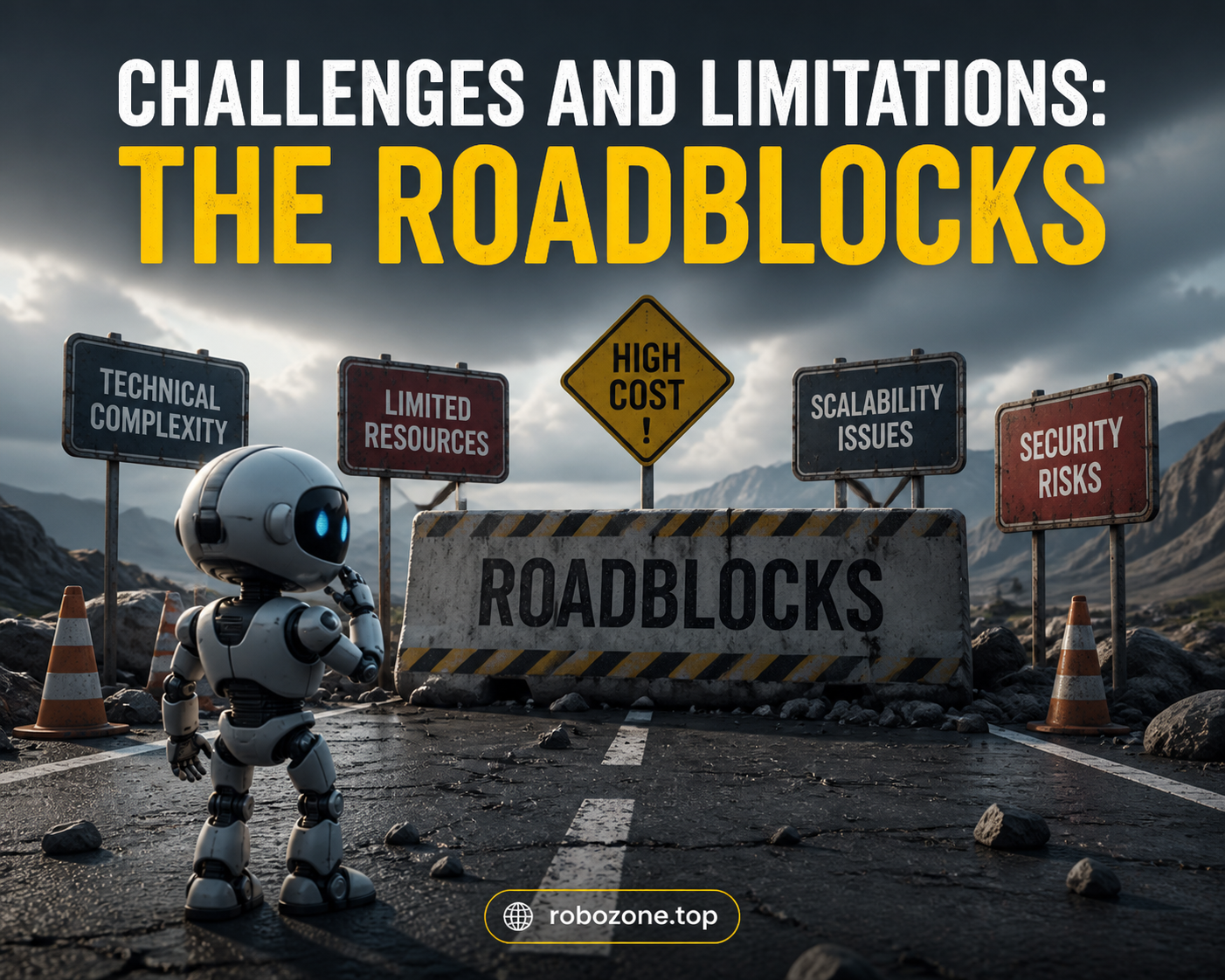
No equilibrium is flawless. As Optimus stretches its metaphorical limbs, challenges and bugs pop up like software prompts from an outdated operating system. Current limitations involve the robot’s handling of unpredictable environments and complex human emotions—a smile doesn’t yet compute as a friendly gesture.
Moreover, there are technical bottlenecks in hardware, where sensor accuracy and endurance pose significant challenges. For Optimus to achieve consistent efficiency, it must overcome these constraints, which are not unlike trying to run the Boston Marathon with a blister on one foot.
Reliability and safety remain central, with global standards still in flux. Navigating between ethical dilemmas and operational feasibility is akin to the tightrope balance act that requires steady resolve and persistent innovation.
The Future of Tesla Optimus: Predictions and Visions
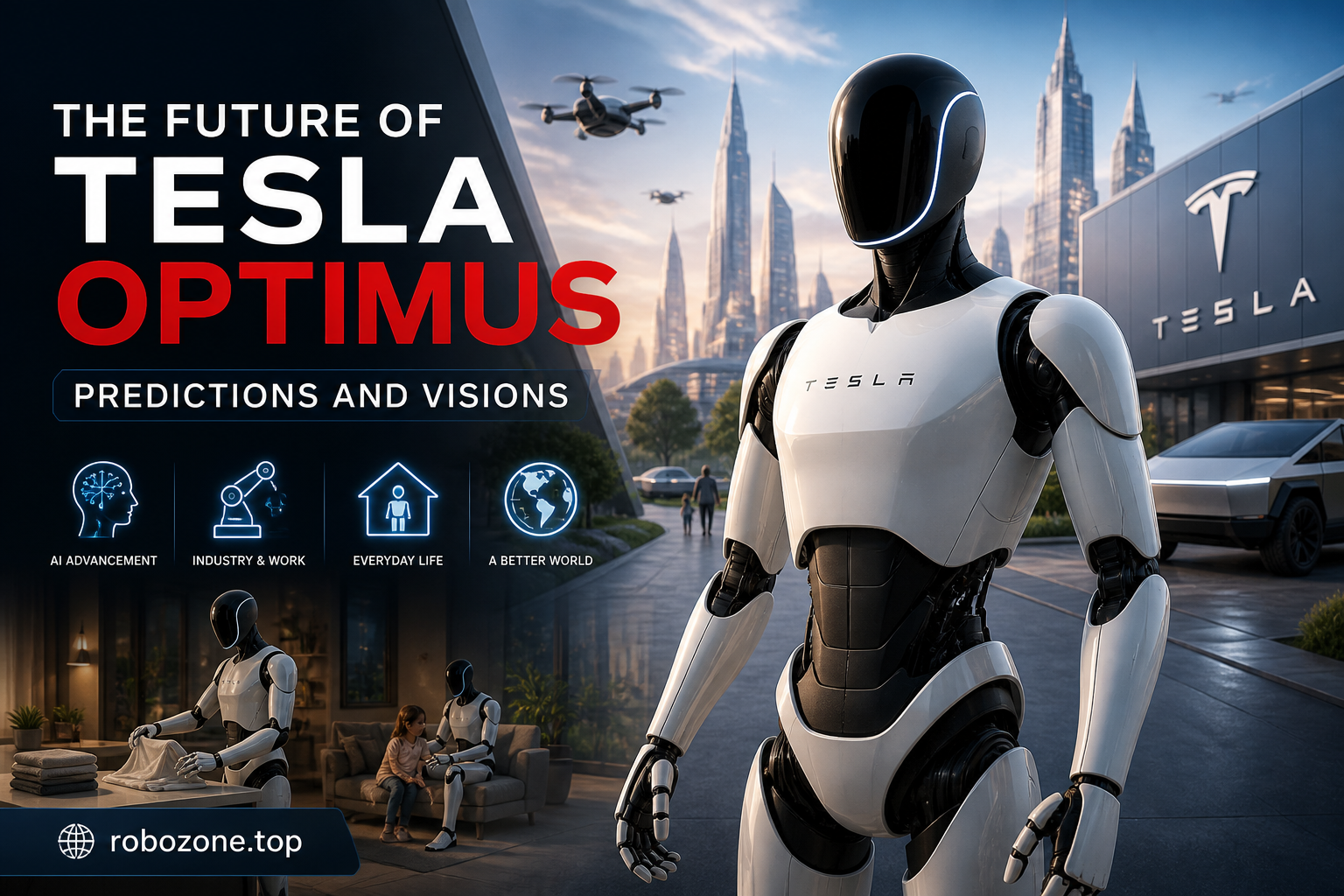
In peering into the crystal ball of technological forecasts, it becomes clear: Optimus has the potential to reshape the way we envision robots in our daily lives. With the rapid advancements forecasted by the World Economic Forum in global AI and robotics innovation, the landscape looks to be fertile ground for remarkable growth.
Over the next 3–5 years, experts predict that AI models will evolve towards even more sophisticated networks, where predictive accuracy rivals that of meteorological predictions (without the foggy forecasts). As self-learning algorithms mature, Optimus may transition from a responsive role to a proactive assistant, anticipating needs before they arise.
In the long run, the integration of robotics with everyday life has the power to revolutionize industries, thus necessitating a strategic shift in business models. Stakeholders, developers, and users must prepare for paradigm changes, ones where machines are not mere tools but indispensable companions.
Strategic Insights: Navigating the Future
With the dawn of such groundbreaking robotics, businesses must ready themselves, akin to athletes at the starting line, poised for the sound of the whistle. Developers need to invest in R&D that focuses not only on technology but on practical application and societal impact.
For Thomas Huynh of RoboZone.top, there’s evidence that as AI becomes increasingly democratized, niche markets will emerge. Companies can capitalize on specialized functionalities—imagine Optimus not just as a generalist but an expert in various fields, honed to meet specific sectorial needs.
Consumers, too, should prepare for an impending transformation, where household bots like Optimus transition from novelty to necessity. With this shift, ethical considerations surrounding privacy and data use will require transparent policies, fostering trust and encouraging adoption worldwide.
So what comes next on this riveting ride with Tesla Optimus? As we sit on the brink of a robotics renaissance, the possibilities are boundless, veering only by our enthusiasm to embrace the unknown. The future, with its robot companions, promises a partnership beyond convenience—it could redefine what it means to coexist. As developers innovate and integrate with unprecedented fervor, we can only stand, watch, and ponder: not just how Optimus will change our lives, but how it’ll reshape our world.
Thomas Huynh – Admin of RoboZone.top
References & Further Reading:
- MIT Technology Review — technologyreview.com
- IEEE Spectrum — spectrum.ieee.org
- McKinsey & Company — mckinsey.com
- Stanford AI Lab — ai.stanford.edu
- Harvard Business Review — hbr.org
- NVIDIA research / blogs — blogs.nvidia.com
- International Federation of Robotics — ifr.org
- World Economic Forum — weforum.org
– – – – – – – – – – – – – – – –
“If you found my post: Tesla Optimus Deep Dive: Vision & spatial perception — How Good Is It Really? helpful, consider checking out the product links below. It helps support the channel at no extra cost to you!”