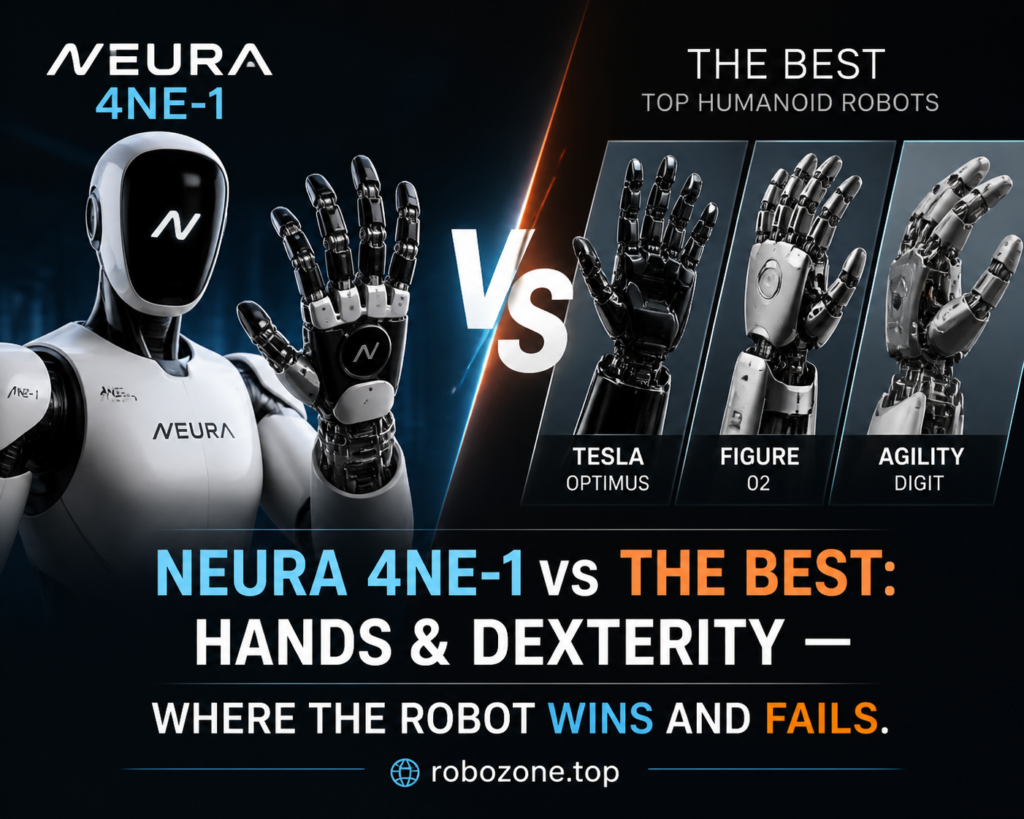
In the world of advanced robotics, the NEURA 4NE-1 has taken center stage, captivating both technology enthusiasts and skeptics alike. Its state-of-the-art design, particularly focusing on its hands and dexterity, promises significant breakthroughs in both industrial and domestic contexts. But how does it truly stack up against other leaders in the field? Let’s delve into the intricacies of what makes NEURA 4NE-1 a standout and where it still has room to improve.
Understanding NEURA 4NE-1: A New Paradigm in Robotics
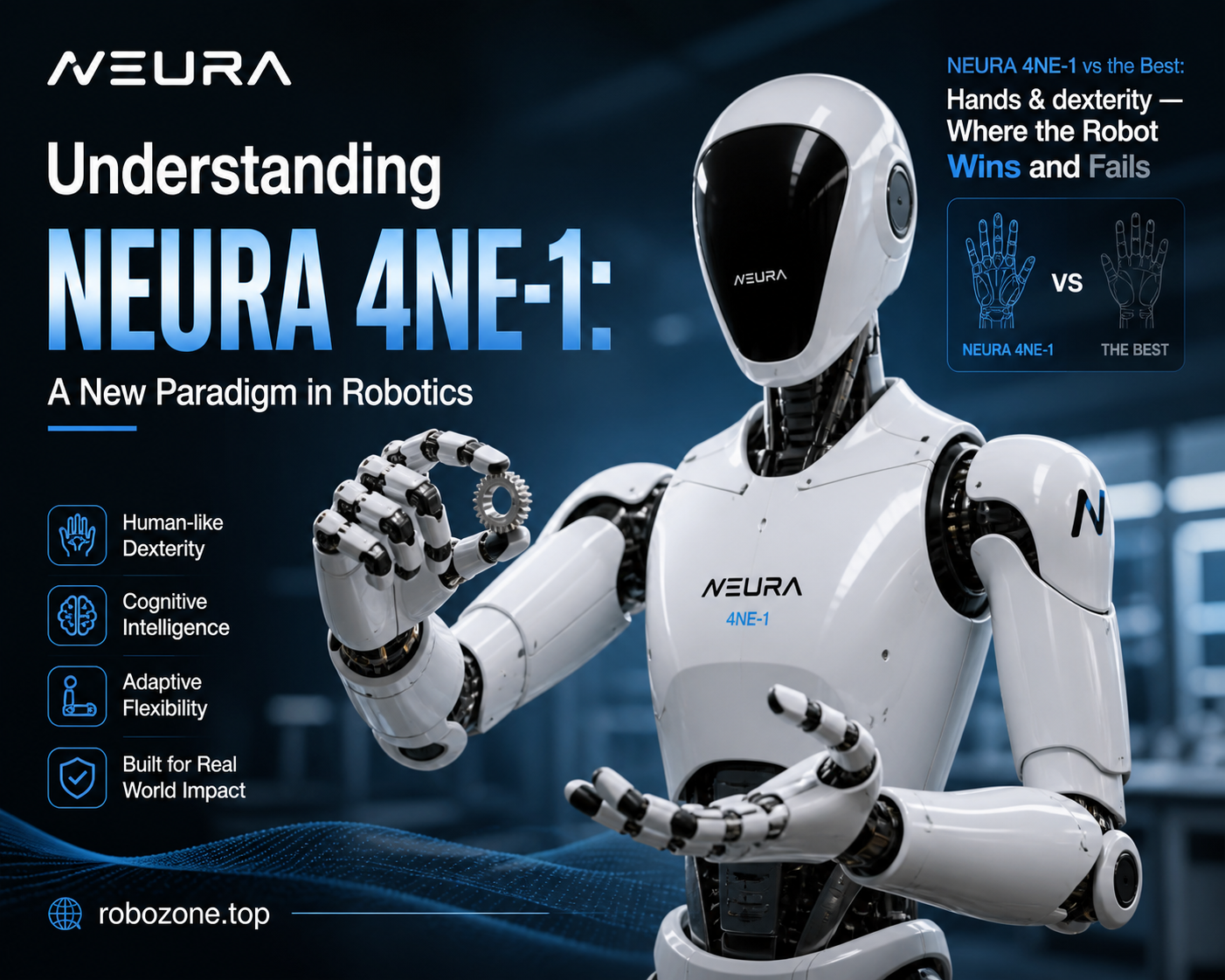
At its core, the NEURA 4NE-1 represents a leap forward in robotics, aiming to challenge the traditional boundaries of human-machine interaction. Its primary allure lies in its hands — complex, multi-jointed, and capable of executing tasks that were once thought to be the domain of human dexterity alone. With over 30 degrees of freedom and powered by cutting-edge AI models, this robot is designed not just to mimic but to perform certain tasks faster and more efficiently than humans or its predecessors.
Imagine a world where assembling intricate machinery can be left entirely to machines like NEURA. This vision is what the designers at NEURA Robotics have in mind, leveraging technology from the likes of NVIDIA’s latest neural computing chips to enable real-time adjustments and learning. Such capabilities may sound straight out of science fiction, yet, they are part of our reality today.
Applications Across Industries: From Factories to Homes
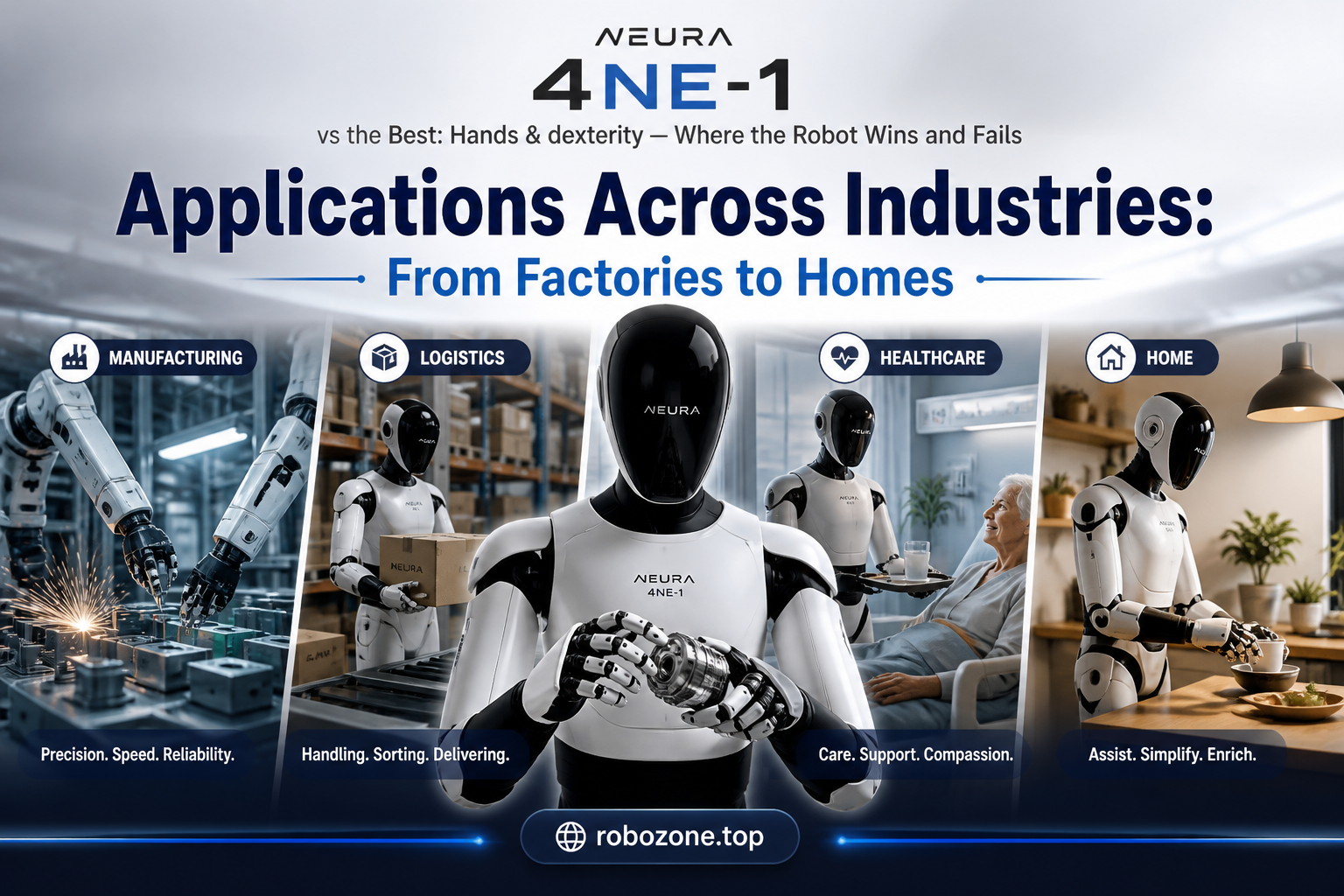
NEURA 4NE-1’s promise isn’t pigeonholed into a single industry. Instead, it offers the flexibility and capability required in vastly different environments. In the industrial sector, for instance, its precision in handling tasks like assembly line operations or quality inspection is unmatched. Deployments in factories in Germany have reported up to a 20% increase in productivity, a metric that’s hard to ignore.
But the ingenuity doesn’t stop there. Imagine a NEURA 4NE-1 in the healthcare industry — assisting surgeons with steady, precise handling of delicate tissues, offering a second set of ‘hands’ that never tire. However, while the potential applications are broad, it is essential to consider the robot’s limitations in unstructured environments, such as your average living room. Here, spontaneity and unpredictability can still baffle even the most advanced robo-hands.
Technical Insights: The Hardware and Software Junction
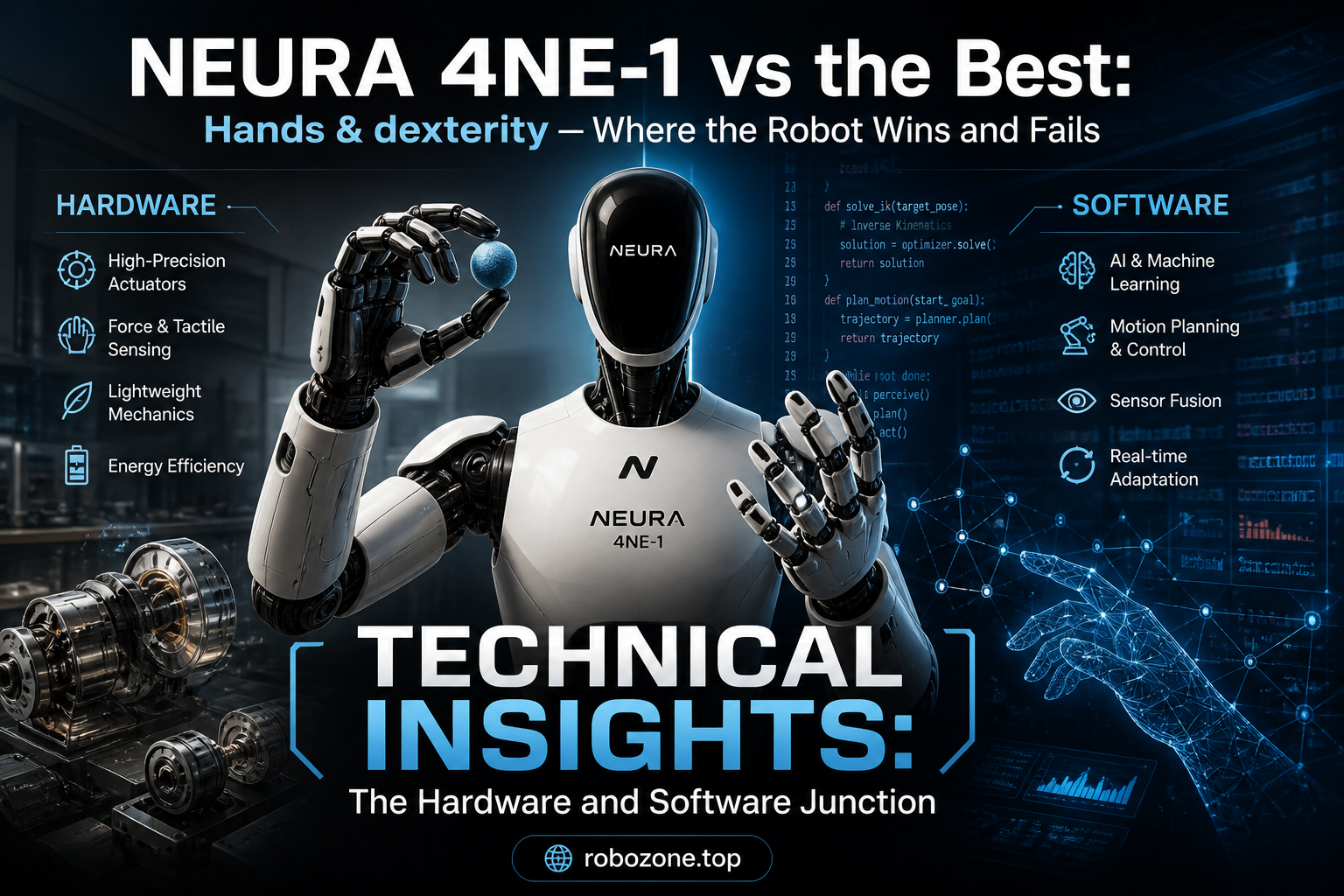
Delving deeper into the technology behind NEURA 4NE-1, it’s essential to highlight the symphony of hardware and software that makes it tick. Its dexterous capabilities are powered by an intricate system of sensors — akin to a nervous system — which collects and processes environmental data at lightning speeds. Companies like Boston Dynamics have paved the way, but NEURA’s integration of AI and robotics may just be the fusion that vaults it ahead.
Central to its operation is AI-driven pattern recognition, allowing the robot to learn and adapt to different tasks much like a human brain would. Combined with NVIDIA’s AI chips, the processing power behind each movement is not only powerful but also incredibly energy efficient. The challenge lies in the high computational demands — a hurdle even the most advanced Robotics Processing Units (RPUs) struggle to overcome fully.
Market Dynamics and Economic Impact
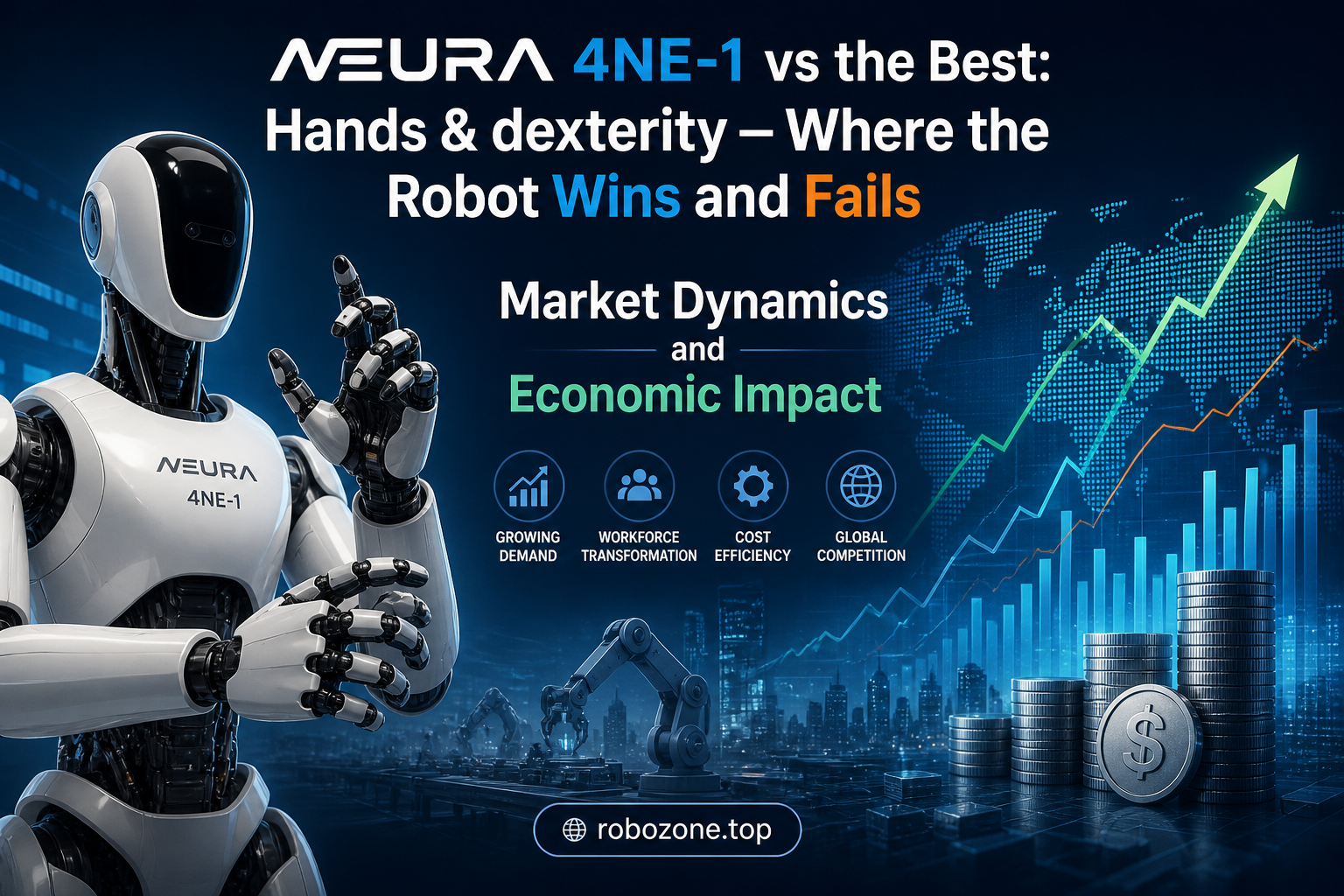
The global robotics market has shown a steady growth trajectory, anticipated to reach new heights by 2026. With NEURA 4NE-1 spearheading some of these advancements, investors are eyeing robotics as a burgeoning industry. According to McKinsey & Company, industries like electronics manufacturing and logistics, where precision and speed are critical, stand to benefit significantly.
However, the influx of robots like the NEURA 4NE-1 also raises economic questions. How will labor markets adapt to this rapid integration of robots? Will humans be relegated to supervisory roles? Thomas Huynh once quipped, “Isn’t it ironic that in a quest to make life easier, we’re making work harder for some?” These are pertinent questions as industries navigate this technological evolution.
Where Robots Still Struggle: The Challenges and Limitations

Despite its shining capabilities, the NEURA 4NE-1, like most technology, comes with its own set of challenges. While extremely adept in controlled environments, variability in settings poses significant obstacles. A spilled cup, a cluttered workspace, or unexpected human movements can throw off its operations. Such limitations are widely recognized in the IEEE Spectrum’s recent evaluation highlighting, “The dexterity conundrum.”
Moreover, the high costs associated with developing and maintaining such advanced systems can deter smaller businesses from adoption. Not to mention, the regulatory frameworks around humanoid robots are still catching up with these rapid advancements, often stalling deployment in sensitive areas like healthcare.
Gazing Into The Future: Predictions and Trends
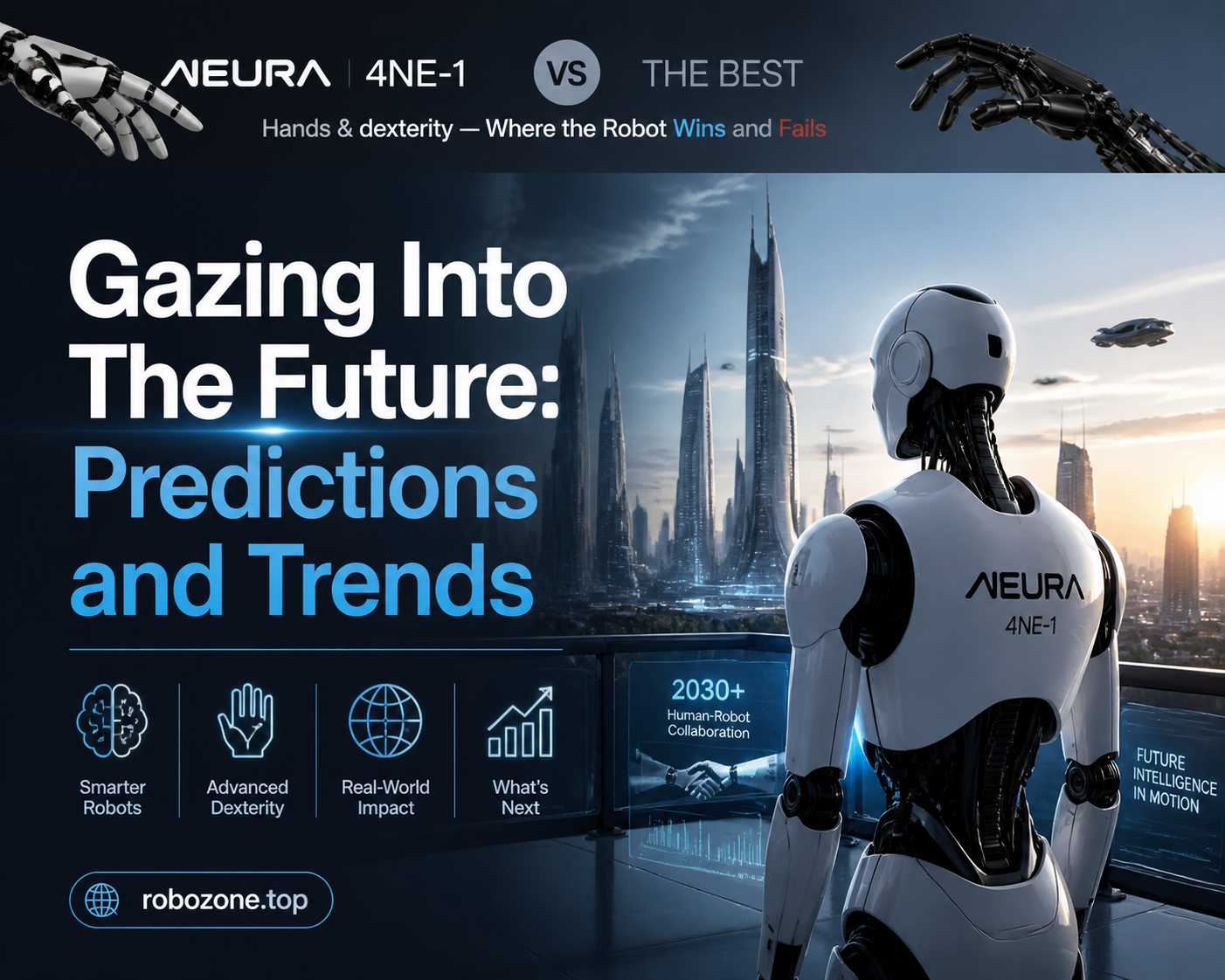
Fast forward five years, and the NEURA 4NE-1, or its successors, could become commonplace in sectors ranging from agriculture to retail. The advancements in AI, particularly in reinforcement learning and autonomous reasoning, promise future iterations that are not only more adaptive but culturally and emotionally intelligent.
The future is dazzling with possibilities, yet, as Thomas Huynh might say, “It’s not just about creating a robot that can flip pancakes and pack boxes — it’s about building ones that understand why it is doing these things.” There’s a growing focus in the robotics community on developing machines that augment human abilities, bridging skill gaps rather than replacing workers.
Strategic Insights: Preparing for Tomorrow
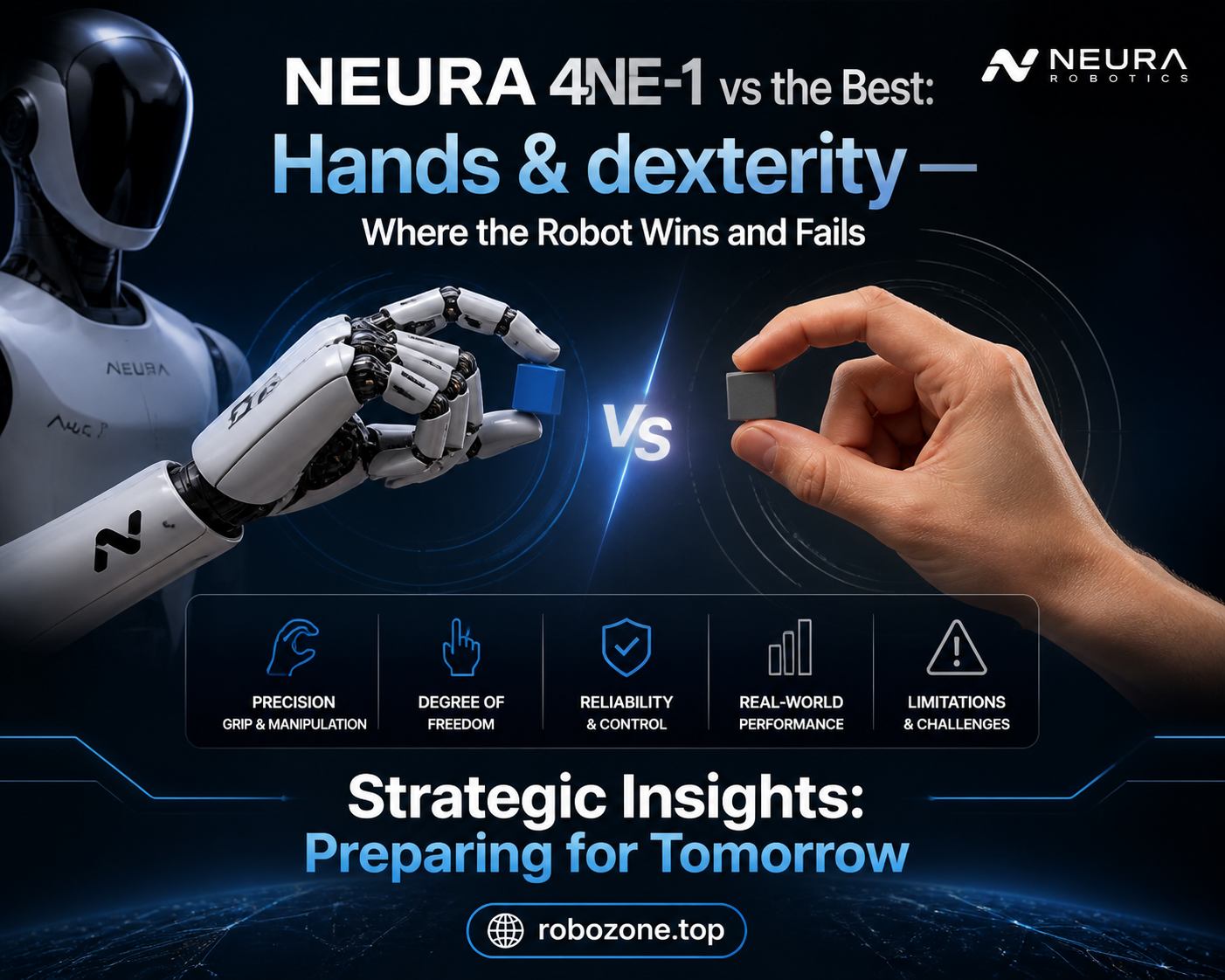
For companies and developers, staying ahead requires embracing change and recognizing the potential of technologies like the NEURA 4NE-1. Businesses should invest in upskilling their workforce to work alongside these technologies effectively. A McKinsey report recommends integrating ongoing training programs to mitigate the skill gap that may widen as technology advances.
In the end, what NEURA 4NE-1 represents is a shift — not just technologically, but culturally. The narrative isn’t about machines taking over, but about how we, as a society, choose to integrate them into our daily lives. And as we stand at the precipice of this robotic revolution, it’s vital to remember, as Thomas Huynh passionately enforces, to temper innovation with purpose.
So where does this leave us? As NEURA 4NE-1 and its peers continue to evolve, it’s evident that their impact will resonate far beyond factories and operating rooms. The journey ahead involves not only technological innovation but also addressing the ethical, economic, and social implications of a world increasingly populated by machines. The focus should remain steadfast on development that enhances human potential — because ultimately, technology should serve as an enabler for greater human achievement.
Thomas Huynh – Admin of RoboZone.top
References & Further Reading:
- MIT Technology Review — https://www.technologyreview.com/
- IEEE Spectrum — https://spectrum.ieee.org/
- McKinsey & Company — https://www.mckinsey.com/
- Stanford AI Lab — https://ai.stanford.edu/
- NVIDIA Research — https://research.nvidia.com/
- International Federation of Robotics — https://ifr.org/
- World Economic Forum — https://www.weforum.org/