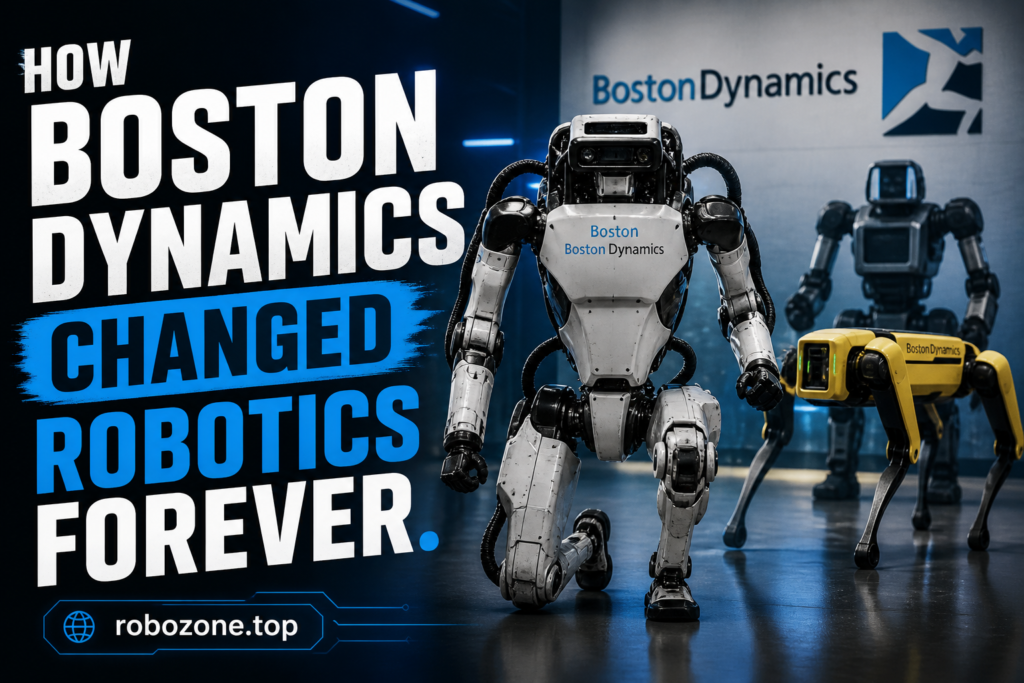
In the realm of robotics, few names echo with the same reverence and intrigue as Boston Dynamics. Known for their jaw-dropping demonstrations and viral videos featuring robots that dance and leap like no machine should, Boston Dynamics has carved a unique niche, pushing the boundaries of what robots can do. But their impact is more profound than public spectacles—it reshapes industries and visions of the future. Let’s journey through the story of how Boston Dynamics has changed robotics forever, threading through technology, application, and humanity’s relationship with machines.
The Genesis of Innovation
Boston Dynamics wasn’t always the viral sensation it is today. Its journey began in 1992 as an academic spinoff from the Massachusetts Institute of Technology. Marc Raibert, a former professor at MIT and the mind behind the firm, envisioned a future where robots could move with the precision and agility of humans and animals. The company’s early projects were heavily influenced by biomimetics—drawing inspiration from the natural movements of living forms. One of the first major breakthroughs was the development of BigDog, a legged robot funded by the Defense Advanced Research Projects Agency (DARPA). BigDog exemplified the capabilities of dynamic locomotion, able to traverse rough terrains that would challenge even the sturdiest of wheeled robots.
Raibert’s vision was clear: to create robots capable of traversing any environment with ease, much like the organic counterparts we see in the animal kingdom. This approach set Boston Dynamics apart, making its journey unique within the robotics landscape—a commitment to developing systems that not only mimic human abilities but exceed them. By placing a premium on movement, Boston Dynamics opened the door to exploring applications that were once deemed impossible.
Robots Meet Real-World Applications
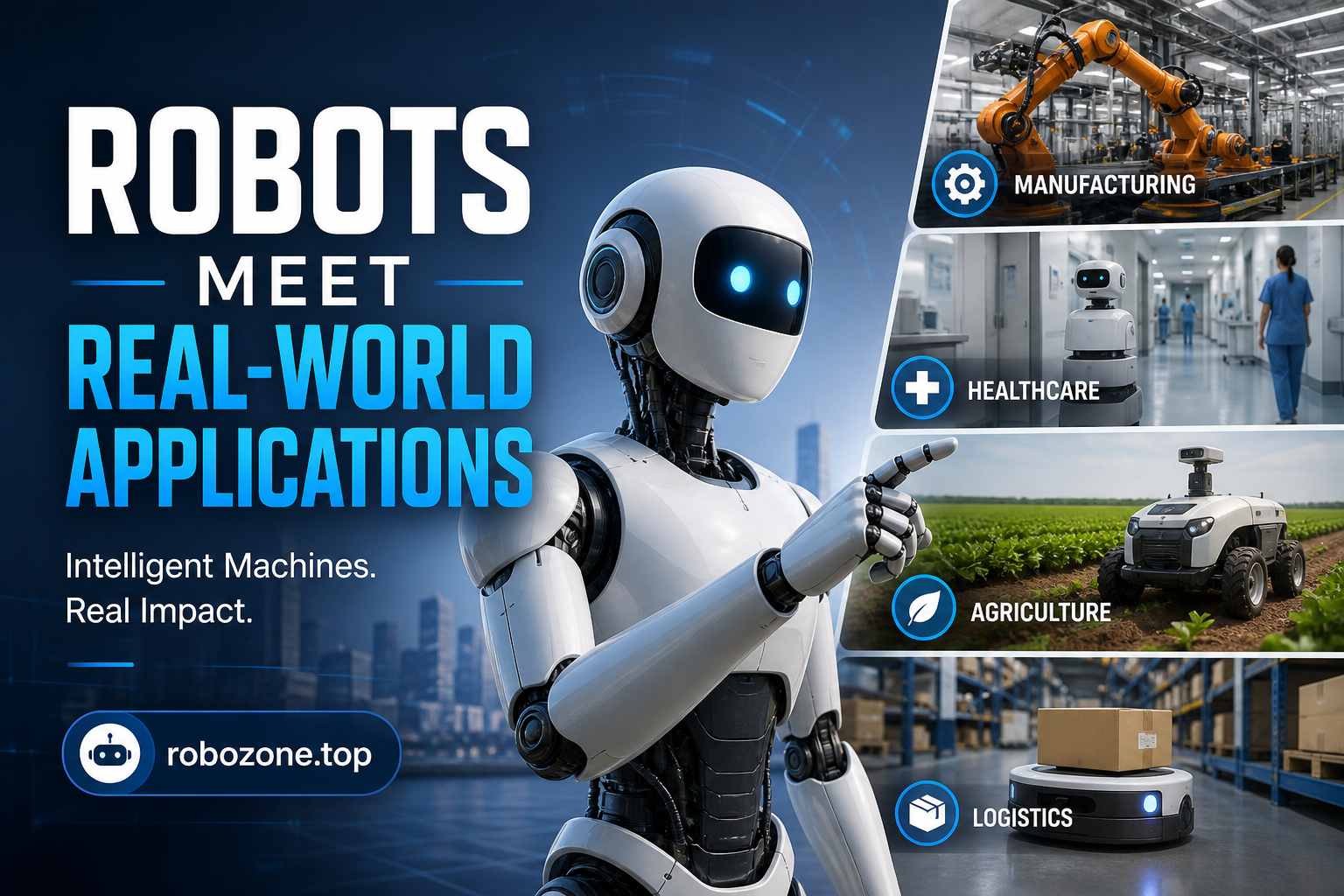
When company videos of spot robots traversing offices and factories first surfaced, it sparked imaginations and conversations globally. But beyond the YouTube glitz, these robots are solving real-world problems. From inspecting hazardous sites to acting as mobile security guards, Boston Dynamics’ creations are enhancing productivity and safety across sectors. Boston Dynamics’ Spot, in particular, finds its appeal in various industries, from entertainment to construction and beyond.
In the industrial world, Spot’s ability to navigate challenging terrain and conduct routine inspections is invaluable. Take the oil and gas sectors, where human oversight is difficult and sometimes dangerous. Spot mitigates these risks by autonomously conducting site inspections, collecting data, and providing real-time insights without putting humans in harm’s way. Moreover, in the realm of entertainment, Spot has also been designed to coordinate choreography and film production tasks with remarkable precision, illustrating how Boston Dynamics’ technology crosses both pragmatic and magical lines.
Healthcare is another burgeoning frontier for Boston Dynamics. Here, their innovation promises the potential for significant impacts in elderly care, delivering materials and aid across hospital settings, and even managing routine tasks that keep medical staff focused on what they do best: care for patients. The future, it seems, will see robotics playing a role in enabling, rather than replacing, crucial human functions.
Under the Hood: The Technology That Makes It Possible
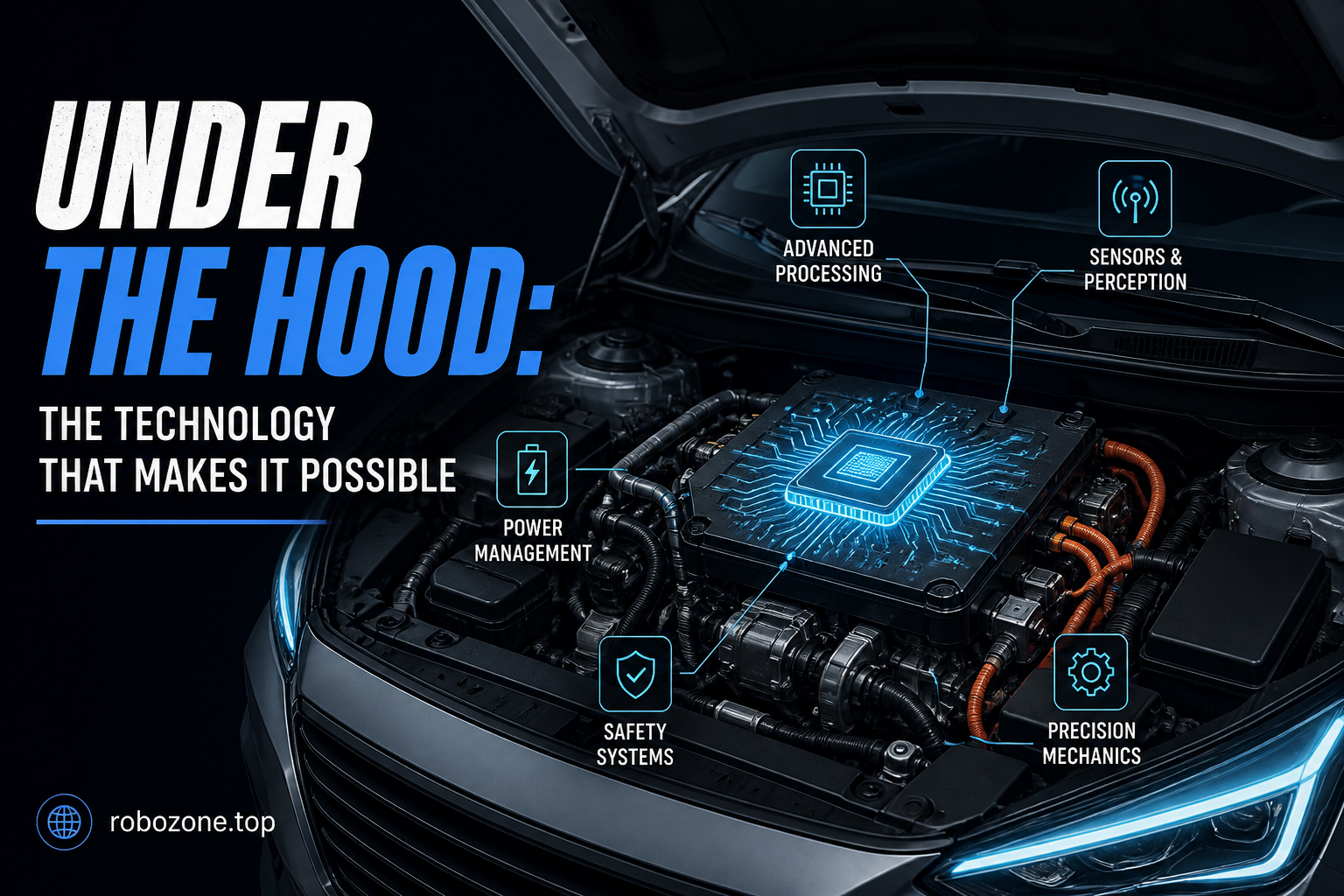
It’s not an understatement to say that behind every fluid motion of a Boston Dynamics robot, there’s a symphony of technology at play. Each dynamically balancing step and articulated movement is powered by cutting-edge AI models, advanced sensor systems, and some serious computational grunt from chips akin to those developed by NVIDIA. The partnership between sophisticated artificial intelligence and hardware keeps these robots dexterous yet robust—adapting in real-time to their environments.
The robots utilize an array of sensors—LIDAR, cameras, and inertial measurement units—that converge as a comprehensive sensory suite, allowing for responses to changing environments with precision. But it’s the AI software, largely developed in-house, that interprets these data streams and enables lifelike adaptations—making jumps, rolls, and even dances a reality.[this image – a circuit board integrating AI chips and sensors, illustrating robotics’ technical complexity]
The use of AI doesn’t stop at movement—it extends into the decision-making realms. Boston Dynamics is harnessing neural networks and sophisticated algorithms akin to those used by powerhouses like Google DeepMind to make their robots not just move, but think, plan, and, to some extent, anticipate the next best gesture. This combination turns what once seemed science fiction into operational reality.
Economic Impact and the Robotic Industry Boom
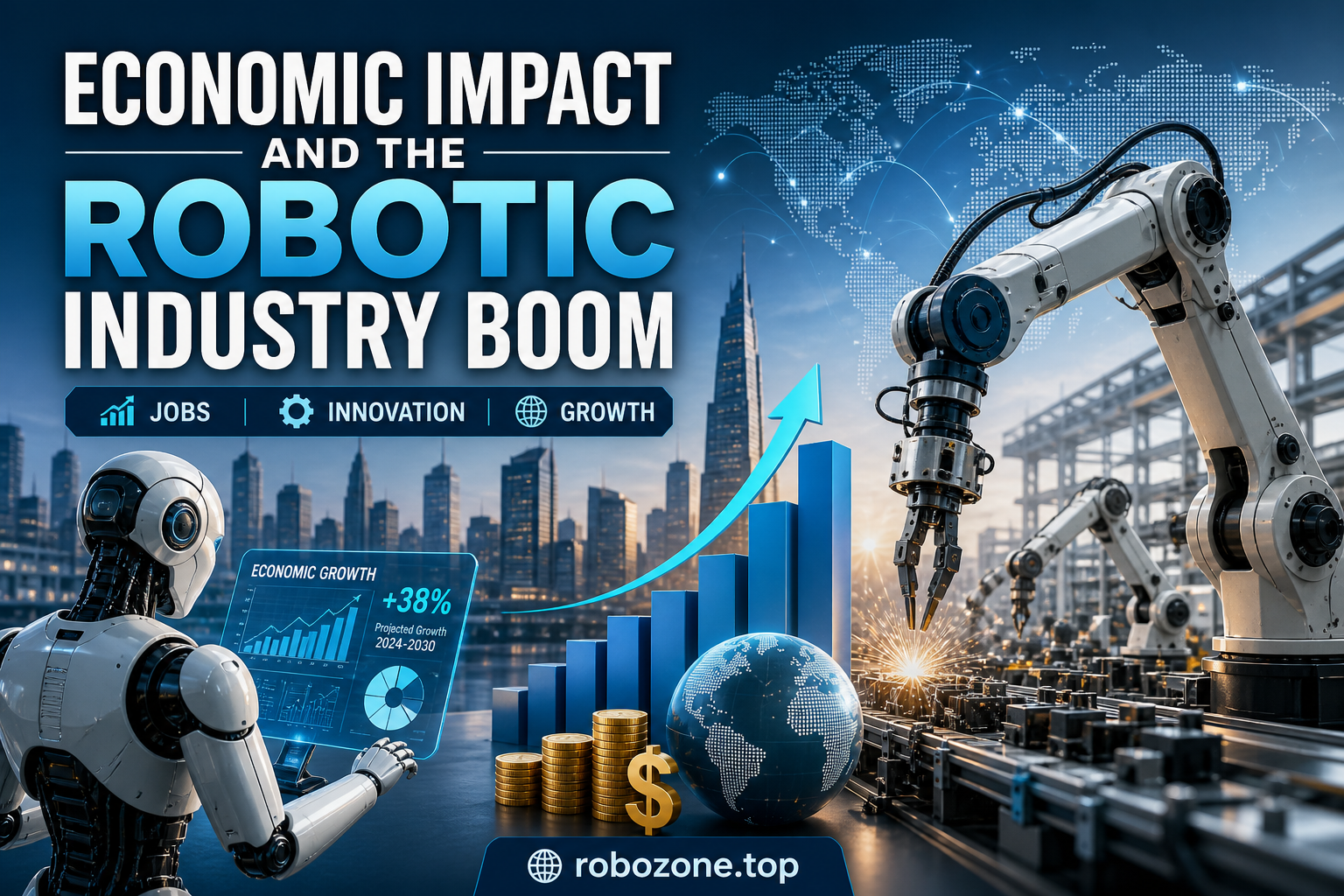
As technology advanced, so did the economic implications. The robotics industry is witnessing a surge, with investments reaching unprecedented levels, reflecting a growing confidence in the potential of robotics to intersect more facets of daily living. According to McKinsey & Company, the market size for industrial robotics alone is forecast to swell with compound annual growth rates soaring beyond 10% by the late 2020s, largely accredited to innovations sparked by enterprises like Boston Dynamics.
Investors are keenly watching the sector, which is poised to redefine economics across multiple industries. From automating logistics to maintaining infrastructure, there are few areas left untouched by robotics. In 2025, we see countries integrating robotic solutions into policy frameworks, understanding their impact on labor markets and productivity levels.[this image – graph showing the increasing investment trends in robotics over the last decade]
Boston Dynamics attracts significant attention from private equity and tech giants like SoftBank and Hyundai, who fully grasp the strategic value these robots bring. As robotics aligns more closely with AI-driven strategies and automated systems, Boston Dynamics stands as a beacon of inspiration and practicality.
Challenges and the Path Forward
Yet, for all the strides made, the robotics domain is not without its hurdles. Complex as they are, today’s robots often require extensive energy sources, sophisticated maintenance, and are typically priced at a premium that limits widespread adoption. Moreover, while AI capabilities are expanding, issues around autonomy and decision-making in complex, unpredictable human environments persist.
There is also societal and ethical consideration—integrating these robots into human environments involves navigating human comfort, acceptance, and regulatory challenges. For example, potential data privacy concerns arise as robots begin to work in more personal spaces, ensuring the technology aligns with privacy laws and public sentiment is a meticulous balancing act.
Boston Dynamics, under the stewardship of CEO Robert Playter, remains cognizant of these challenges, committing to responsible innovation and ethical research practices. As with any burgeoning technology, the company continues addressing these challenges head-on, striving for solutions grounded in fairness and societal benefit.
Looking Ahead: The Future of Robotics
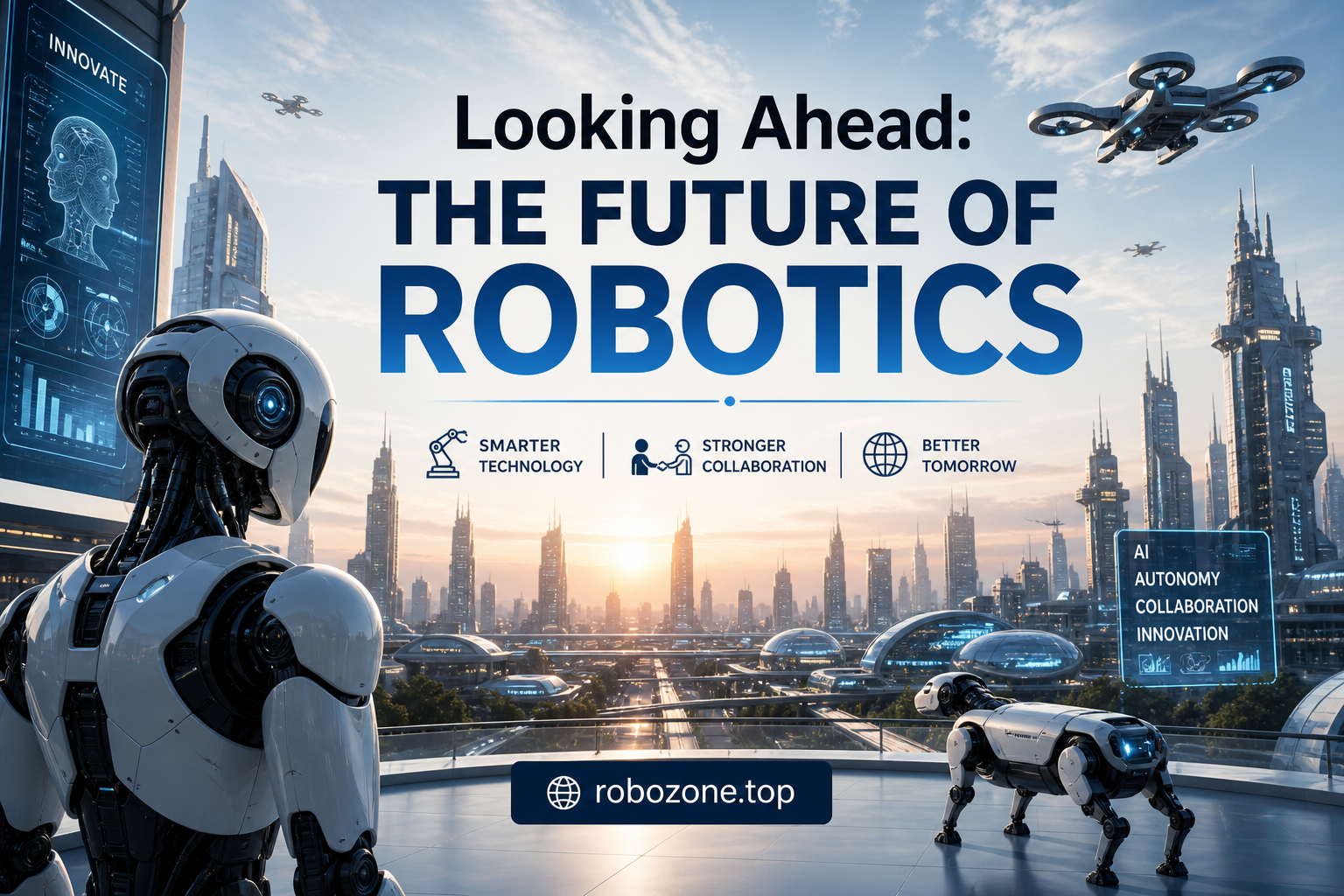
As we peer into the future of Boston Dynamics and, by extension, the robotics industry, the horizon glimmers with promise. Within the next five years, experts foresee a vast expansion in robotics’ integration into smart urban ecosystems, robotics-driven agriculture, and logistical revolutions. The ongoing development of Boston Dynamics’ Atlas—a humanoid robot capable of executing complex tasks autonomously—indicates a shifting trajectory towards more intelligent assistance systems in everyday environments.
Conversely, the long-term vision emphasizes continual elevation in robots’ autonomous decision-making capabilities. The advent of adaptive AI and incremental improvements in deep learning pose new insights into enhancing robotic consciousness, potentially closing the gap between robotic competencies and human error-catching instincts. This synergy could unlock breakthroughs not just in efficiency, but in new realms of creativity and problem-solving.[this image – futuristic cityscape with robots integrated seamlessly into urban life]
CEO Playter and the leadership team are likely to prioritize collaboration with global stakeholders, inviting cross-industry partnerships that foster further innovations. As such, the task for businesses, developers, and users is to stay attuned to technological shifts, actively engaging with evolving robotic frameworks and devising smart adaptation strategies.
So where does this leave us? Boston Dynamics has rewritten the narrative on robotics, championing a new age of machines that not only think but move, respond, and interact in ways that were once confined to pages of fiction. The cultural and industrial shifts catalyzed by their robots point towards a future where humanity’s mechanical companions are not just tools but partners in innovation. As the robotics frontier continues to expand, one can’t help but feel a palpable excitement for the coming waves of change drawn by pioneers in the field.
RoboZone’s Thomas Huynh has continually highlighted that we are standing at the precipice of a technological renaissance. For businesses and individuals eager to chart the next steps, understanding these breakthroughs is imperative. The path before us is promising, but it’s our collective attention and action that will truly mold the future of robotics.
Thomas Huynh – Admin of RoboZone.top
References & Further Reading:
- MIT Technology Review — www.technologyreview.com
- IEEE Spectrum — spectrum.ieee.org
- McKinsey & Company — www.mckinsey.com
- Stanford AI Lab — ai.stanford.edu
- Harvard Business Review — hbr.org
- NVIDIA research / blogs — developer.nvidia.com
- International Federation of Robotics — ifr.org
- World Economic Forum — www.weforum.org
- Boston Dynamics — www.bostondynamics.com
– – – – – – – – – – – – – – – – – – – – – – – – – – – – – –
Love this content? Support the blog by checking out these items:
If you buy through these links, I may earn a small commission at no extra cost to you. Thank you for supporting the blog!