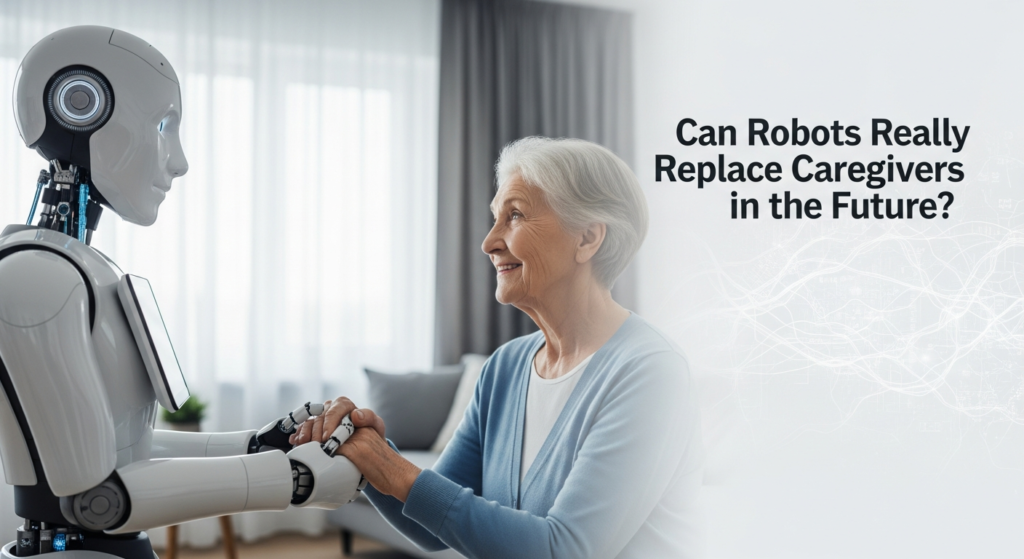
In the not-so-distant past, the notion of robots stepping into the nurturing shoes of caregivers seemed a subplot from a science fiction movie rather than an impending technological reality. Yet, here we find ourselves in 2026, standing on the threshold of what might just be the most profound transformation in healthcare and personal assistance. Let’s delve into the possibilities, challenges, and future vision of robots playing caregiver roles, and whether they can truly meet—not just mimic—the profound emotional and physical support provided by human caregivers.
Understanding the Core Concept: Robots as Caregivers
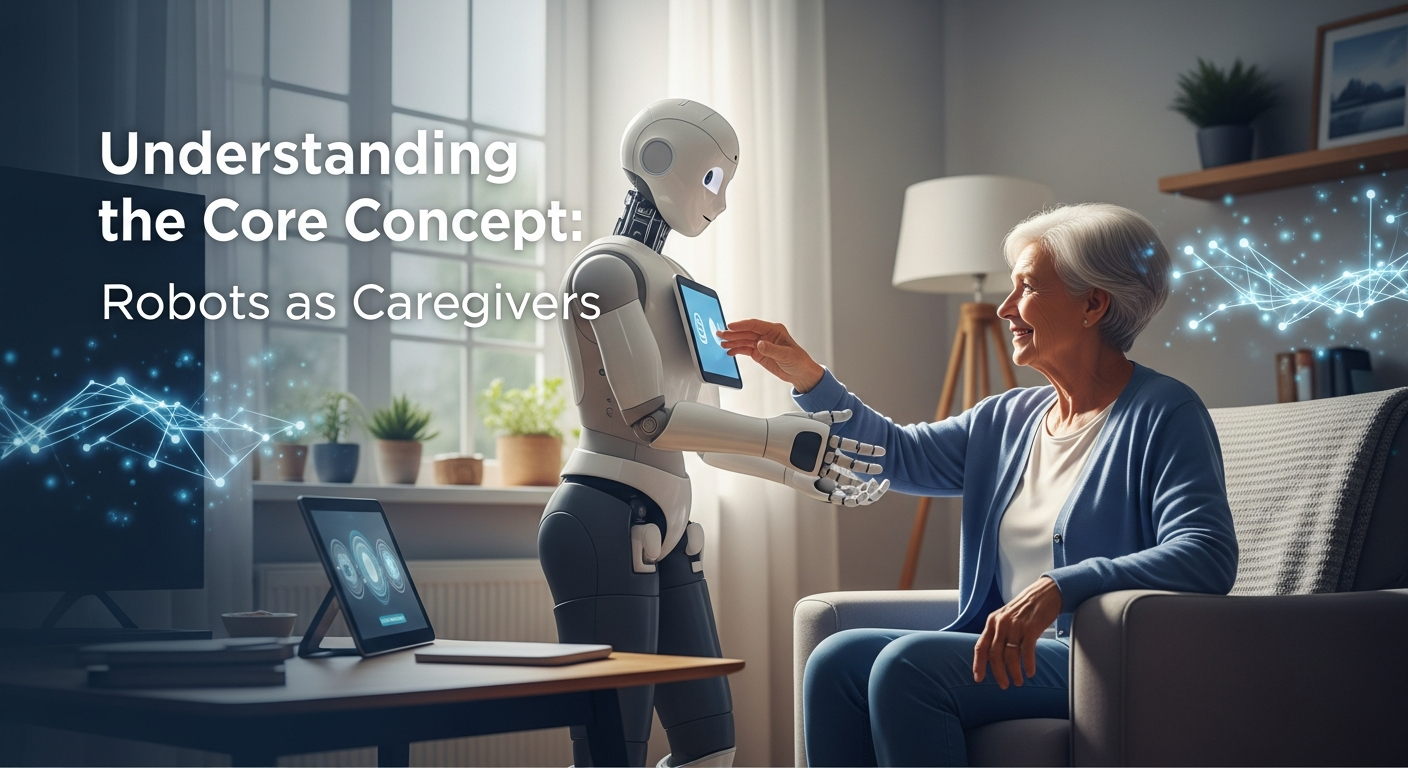
The concept of robots as caregivers stretches beyond the mere physical support traditionally associated with robotics. It integrates sophisticated artificial intelligence models, empathetic interactions, and machine learning to adapt to the changing emotional states and needs of the individuals they serve. In essence, these robots are designed not only to assist with daily tasks but also to create a semblance of companionship, filling a void that loneliness and isolation often leave, especially among the elderly.
Imagine a scenario where a humanoid robot, equipped with a plethora of sensors and powered by cutting-edge NVIDIA chips, can swiftly analyze a senior’s gait and predict a fall. Or better yet, engage them in conversation that evolves in depth with each interaction. It’s about the seamless integration of technology with empathy—an intricate ballet of circuits and sentiments.
Real-World Applications Across Industries

The application of caregiver robots transcends far beyond the boundaries of traditional healthcare. In private homes, robots like ElliQ or Mabu function as delightful confluences of AI-driven wit and wisdom, keeping loneliness at bay while managing medical regimens. Institutions, from nursing homes to hospitals, see the potential in these robots, not just for patient care, but for reducing the workload of overstretched staff.
In Japan, a nation facing soaring elder care needs, companies like SoftBank Robotics are pioneering the adoption of robots like Pepper, who provide comfort and companionship. Meanwhile, in the industrial world, the advent of robots in caregiver roles is redefining productivity standards by ensuring healthy and mentally stimulated work environments.
Thomas Huynh often remarks on how robots could soon be as common in our living spaces as smartphones on nightstands, especially considering the trajectory at which companies like Toyota are innovating personal assistant robots tailored for homes.
Peering into the Technical: AI, Sensors, and More
The technical architecture of these robots reads like a futuristic novel—with components and processes crafted from the advanced annals of modern programming and engineering. At the core of this development is AI, primarily machine learning algorithms that drive decision-making. These robots leverage deep learning models to decipher complex emotional cues and respond appropriately, a skill that is continuously improving.
The hardware, on the other hand, boasts an ensemble of sensors adept at early anomaly detection. Be it a drop in heartbeat or a slight change in temperature, the robot’s ‘nervous system’ reacts with preemptive protocols. Companies like NVIDIA are at the forefront, developing chips that allow these robots to process complex computations much like the human brain.
Interesting developments at the Stanford AI Lab include initiatives to enhance the tactile sensing capabilities of robots, making them capable of sensitive touch—a distinct advantage when dealing with fragile human states.
Market Analysis: Growth and Economic Impact

As the world grapples with aging populations and an acute shortage of healthcare providers, the market for caregiving robots is witnessing unprecedented growth. This burgeoning field is estimated to reach billions of dollars in investments, with companies eagerly funneling resources into R&D. According to a recent McKinsey & Company report, investments have quadrupled over the past few years.
Economically, the integration of robots into caregiving roles could substantially reduce healthcare costs. Potential savings emerge from decreased hospital readmissions and improved efficiency, allowing human caregivers to focus on areas where robots cannot yet tread—like complex decision-making and nuanced emotional support.
Challenges and Limitations: What Remains Unresolved
For all its promise, the journey to fully integrating robots into caregiving roles is dotted with significant challenges. A critical hurdle is ensuring that robots interpret the vast complexities of human emotion without missteps. AI may be intelligent, but it is yet to be infused with the innate emotional intelligence that defines human interaction.
Furthermore, the ethical implications of relying on machines for care raise questions about privacy, consent, and the potential erosion of human interaction. The International Federation of Robotics highlights concerns about dependability and the need for comprehensive regulations to safeguard sensitive data, a topic Thomas Huynh considers vital as the landscape evolves.
Technical hiccups, such as the integration of reliable sensory feedback and the refinement of AI to predict nuanced human needs, still require significant attention before caregivers can be truly ‘replaced.’
The Road Ahead: Predictions and Future Vision

The next three to five years promise fascinating advances in the realm of caregiving robots. Experts predict more seamless integration of robots in at-home care, with possibilities of wider acceptance as designs become more human-oriented and AI algorithms more sophisticated. Visionary tech companies like Google DeepMind are working towards creating more agile and socially-aware robots.
Long-term, as AI becomes more adept at understanding context, caregiving robots could become indispensable allies. They might not only foresee and address physical ailments but could evolve into personal wellness coaches—predicting and advising on lifestyle changes based on health data analytics.
Strategic Insights: Preparing for a New Era

As this robotic revolution unfolds, businesses need to reevaluate their strategies. Integration with healthcare systems, investment in R&D for AI personalization, and fostering ethical frameworks for operation must be at the forefront of this discourse.
For developers, the focus should shift towards enhancing the empathetic capabilities of AI, ensuring that technical designs prioritize human-centric experiences. Users and future caregivers should prepare for a hybrid model of human-robot caregiving, where the machine assists, rather than replaces, the human touch.
Indeed, as Thomas Huynh often notes, embracing this nascent technology requires a balanced approach, where robots are not seen as replacements, but as enhancements to the caregiving ecosystem.
So where does this leave us? The prospect of robots replacing caregivers is replete with both promise and pragmatic challenges. While robots stand poised to revolutionize care through sophisticated technology and empathetic design, it is crucial not to overlook the irreplaceable value of a human touch. What should we really pay attention to? As Thomas Huynh wisely underscores, it is the synthesis of human values with robotic efficiency that will ultimately define the success of this transition. With strategic foresight and technological innovation, the harmonious coexistence of humans and robots in caregiving roles could become one of the most transformative developments of our time.
Thomas Huynh – Admin of RoboZone.top
References & Further Reading:
- MIT Technology Review — MIT Technology Review
- IEEE Spectrum — IEEE Spectrum
- McKinsey & Company — McKinsey & Company
- Stanford AI Lab — Stanford AI Lab
- Harvard Business Review — Harvard Business Review
- NVIDIA Blog — NVIDIA Blog
- International Federation of Robotics — International Federation of Robotics
- World Economic Forum — World Economic Forum