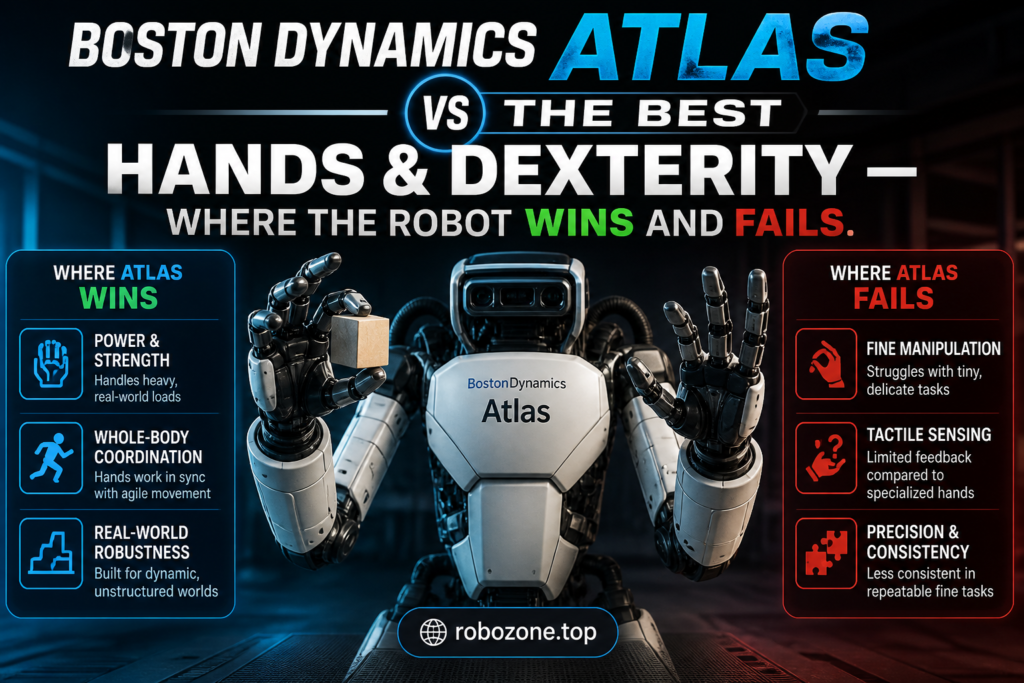
But when it comes to hands and dexterity, where does Atlas stand against the best in the field? This question takes us on a journey through the intricacies of robotic capabilities, contrasting the heavyweight contenders of robotic dexterity in a world that often feels as if it’s leaping from the pages of science fiction to reality.
Understanding Robotic Hands and Dexterity
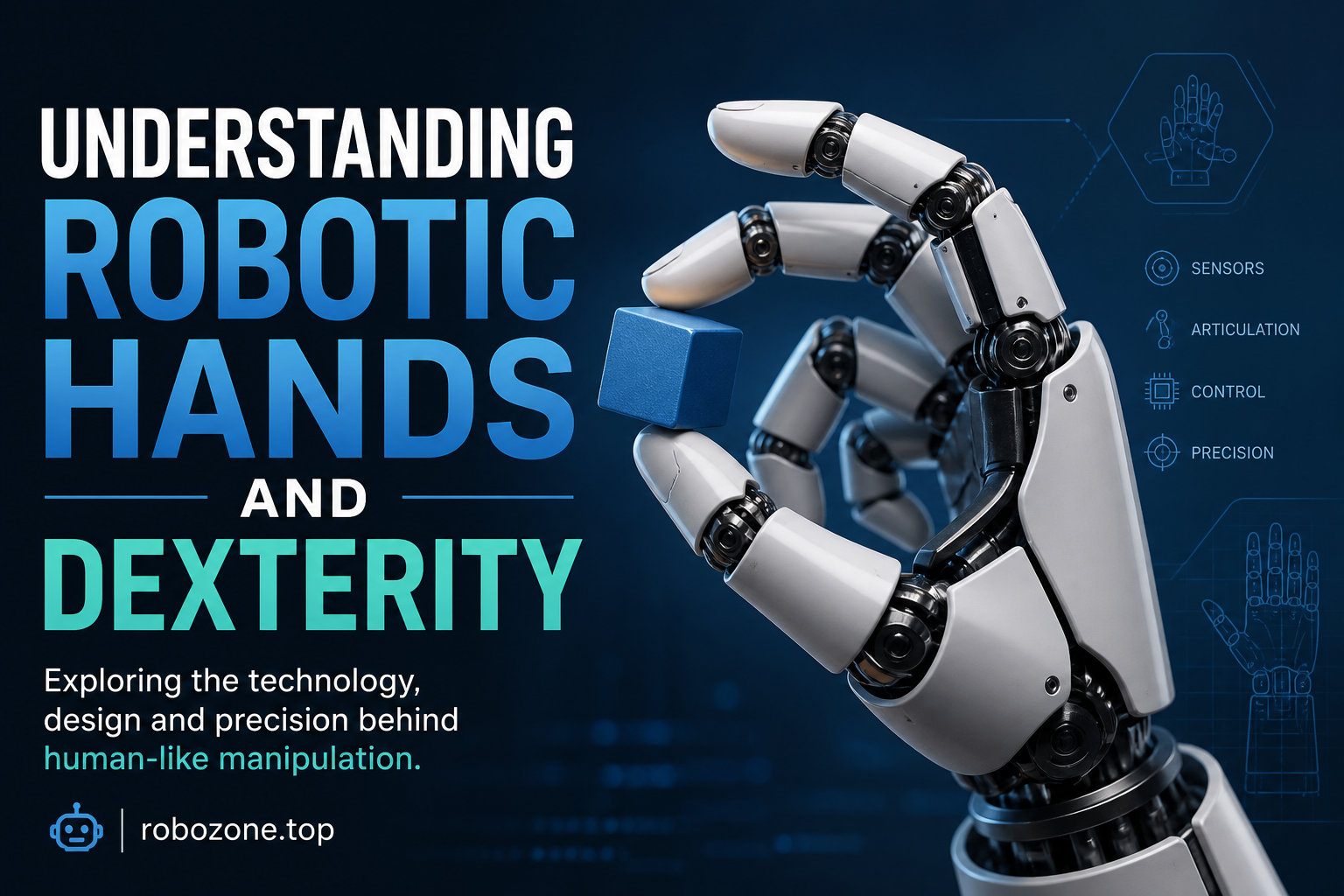
At its core, robotic dexterity involves the precision and versatility of a robot’s hands. If the creation story of robots were set to music, the hands would certainly be the crescendo. Much like human development, where the ability to grasp and manipulate effectively defines a significant milestone, robotic hands are pivotal in bridging the gap between mere machinery and multifunctional automatons.
Atlas, Boston Dynamics’ humanoid robot, is a marvel for its two-legged locomotion but gains marked attention for its dexterity capabilities. Comprising state-of-the-art sensors akin to human proprioception, Atlas’s ‘hands’ – or rather, grippers – exhibit a level of adaptiveness and finesse not easily dismissed. However, does agility equal dexterity? This is where the conversation gets interesting. Atlas’s dexterity leans heavily on pre-defined tasks, a necessity rooted in current AI limitations. Unlike some of its peers from the likes of Shadow Robot’s dexterous hand, Atlas faces challenges in nuanced, unpredictable environments.
Industries and Real-World Applications
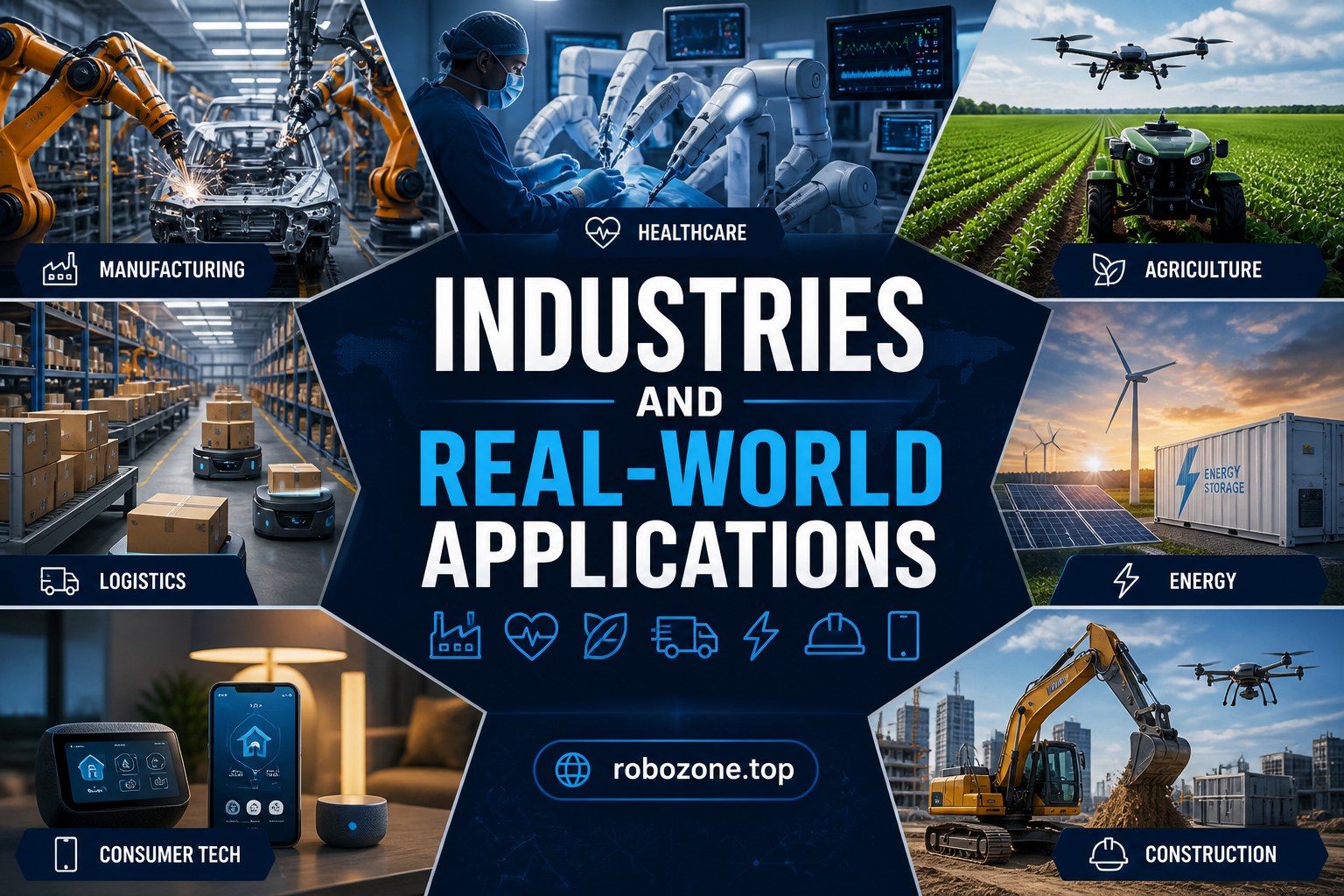
From assembly lines to medical operations, robots equipped with dexterous hands are reshaping industries. Imagine a humanoid robot in a healthcare setting, carefully handling delicate surgical instruments, or an industrial robot assembling intricate electronic components with precision surpassing human capabilities. Boston Dynamics has trialed Atlas’s capabilities in disaster zones, where its dexterous grip facilitates the clearing of debris and handling of fragile objects.
Despite its limitations in free-form dexterity, Atlas excels in tasks that require a blend of strength and control. But in environments demanding nimble improvisation, it often takes a backseat to more specialized robots. Take for instance, the robotic hands developed by companies such as Shadow Robot Company and its collaborations with research powerhouses like OpenAI, which push the boundaries in more dynamic scenarios through artificial intelligence and machine learning, often offering more versatility because of their innovation-centric approach.
Technical Insights and Innovations
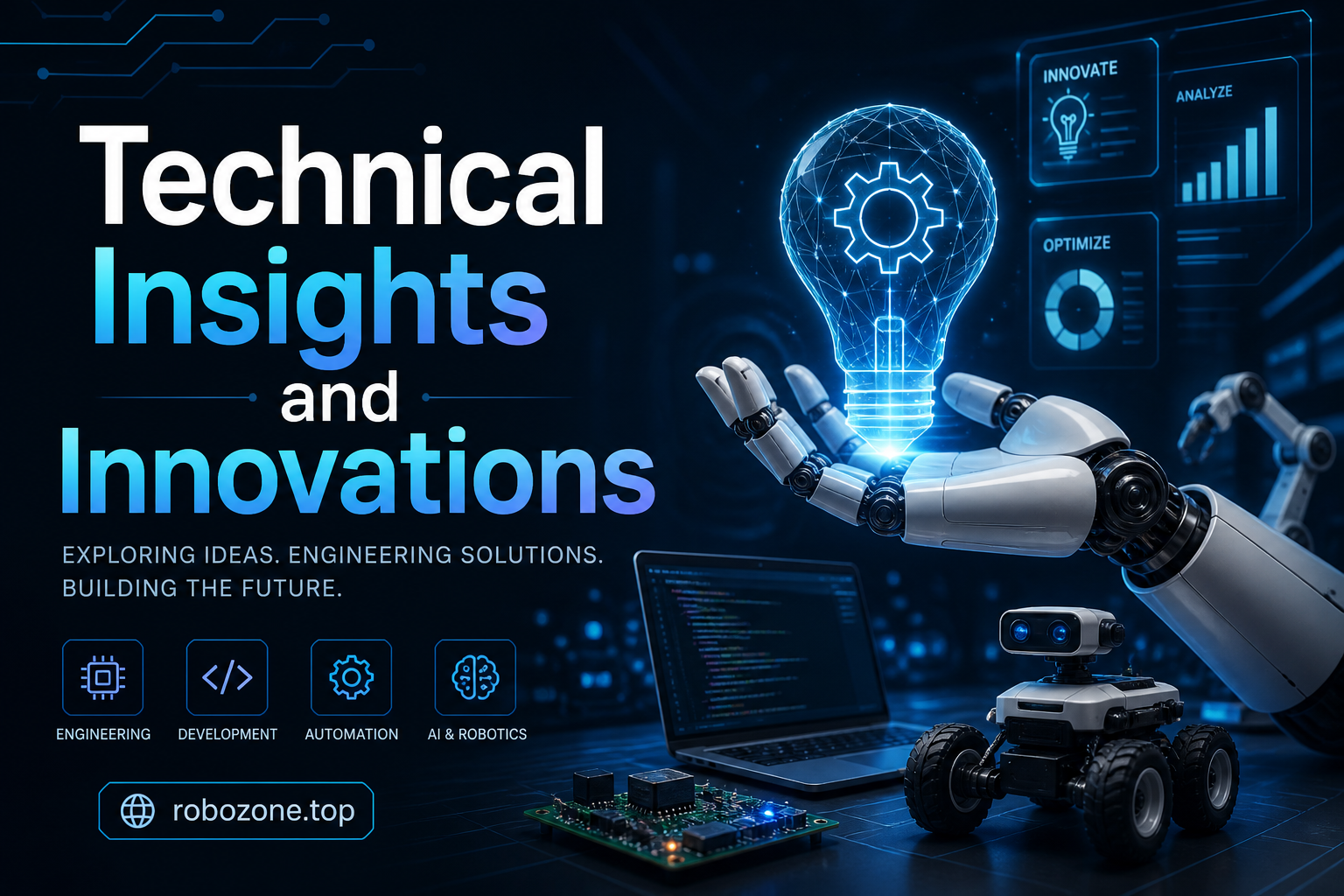
While the dream of autonomous robots performing diverse tasks is real, the robotic hand is a technological marvel such that its development parallels advancements in neural networks and AI modeling. Atlas employs onboard sensors and cameras, working in concert with its AI-based system, to interpret and navigate environments. Yet, it relies heavily on predefined instructions, more limited in adaptability than systems using reinforcement learning processes.
Enter NVIDIA, where next-gen processing chips provide the computational muscle behind intricate machine learning models that aid dexterity through predictive interaction capabilities—essentially teaching the hand to ‘think’ about manipulating objects as we do. The challenge, or rather the frontier, remains creating systems that react intelligently to uncontrolled variables. This, in many ways, is reminiscent of the cognitive-genetic programming once considered mere science fiction but now essential in crafting automation’s next wave.
Challenges and Limitations
Despite these advances, hurdles remain. While Atlas marches (and flips) into the future, full dexterity poses a complex, multi-faceted challenge. A paramount issue is hardware limitations in replicating the human hand’s intricate architecture. Where teams like those at Harvard’s Biodesign Lab achieve greater strides in soft robotics, Boston Dynamics Atlas contends with mechanical constraints, weighing heavily on its flexibility and delicate touch capability.
Moreover, the economic impacts can’t be ignored; the market is hesitant to embrace robots without reliability assurances, particularly in sectors that thrive on precision. When discussing returns on investment, it’s often metrics linked to accuracy and repeatability that stakeholders scrutinize. The question then arises: when will the tantalizing promise of AI-driven dexterity realize its full, expected market potential?
Future Predictions and Strategic Insights
Looking ahead, the blueprint for robotic dexterity is being drawn with broader AI integration, drawing lines between strategic partnerships and academic research initiatives. Five years from now, we may see dramatic improvements in haptic technology—where robots could ‘feel’ their impact on environments, thus optimizing interaction strategies in real-time.
The International Federation of Robotics forecasts exponential growth in demand for robots combining life-like dexterity with AI-driven adaptability. As new entrants push boundaries, established entities like Boston Dynamics must innovate beyond kinematic excellence towards holistic adaptability in dexterity—settings like logistics or homecare could be next for swathes of development focus, with Thomas Huynh often musing at RoboZone on the potential for robots that, as he puts it, ‘might just beat us in a Rubik’s cube challenge’.
So What Comes Next?
As we stand on the brink of robotics revolution, Boston Dynamics Atlas and its comparative spectrum bear testament to evolving dynamics that blend innovation with necessity. For businesses charting ambitious automation roadmaps, the message is clear: remain adaptable, strategically investing in technologies that harness the cognitive abilities of AI alongside mechanistic reliability.
The intrigue of robotic hands and dexterity lies not just in their mechanical wonder but in the narrative they tell—a tale of human pursuit for perfection in automation. Stay tuned to RoboZone.top, as we decode these transformations—delivering insights as engaging as pertinent. And as ever, under the watchful eye of Thomas Huynh, expect nothing less than thorough, thoughtful analysis.
Thomas Huynh – Admin of RoboZone.top
References & Further Reading:
- MIT Technology Review
- IEEE Spectrum
- McKinsey & Company
- Stanford AI Lab
- Harvard Business Review
- NVIDIA research / blogs
- International Federation of Robotics
- World Economic Forum
- Boston Dynamics
– – – – – – – – – – – – – – – –
“If you found my post: Boston Dynamics Atlas vs the Best: Hands & dexterity — Where the Robot Wins and Fails helpful, consider checking out the product links below. It helps support the channel at no extra cost to you!”
Order HIWONDER Humanoid Robot