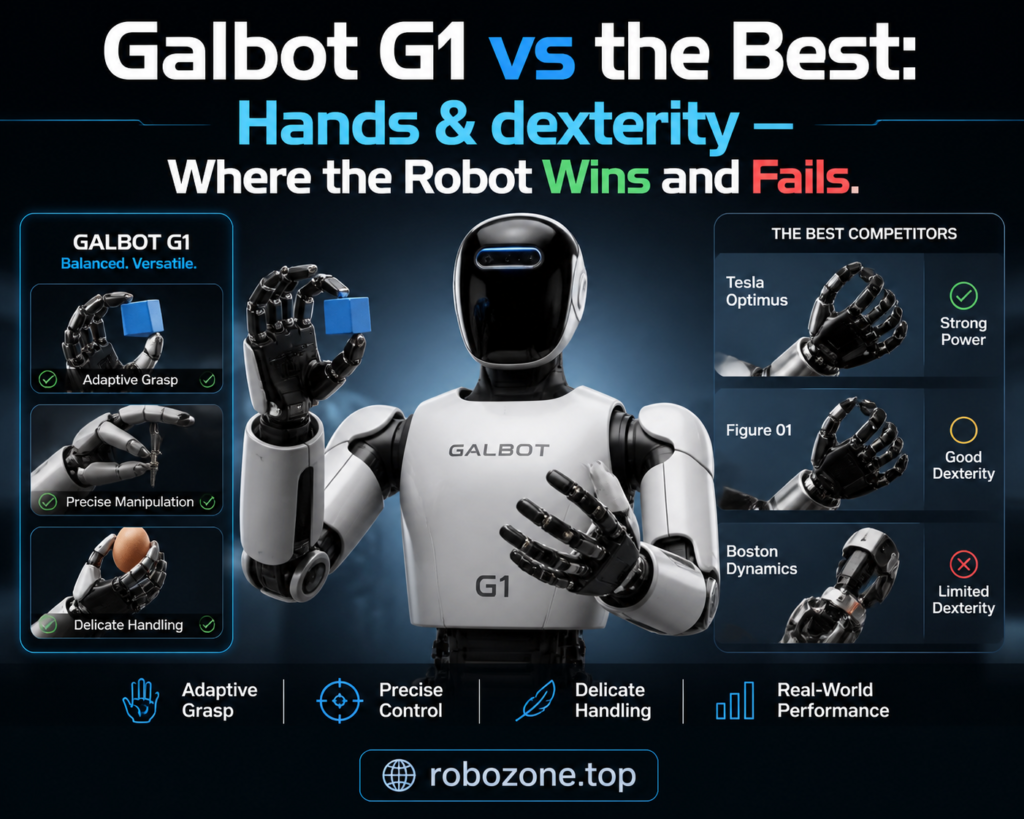
In the ever-evolving landscape of robotics, one machine has begun making waves in the niche of dexterity—an area long considered the ‘holy grail’ of robotic capabilities. Enter the Galbot G1, a name you’ve probably heard if you’re keeping up with the latest in robotic anatomy. But how does this digital dexterous dynamo stack up against its competitors in the field? Today, we engage in an epic clash, squaring off Galbot G1 against the industry’s seasoned best in the cosmic arena of robotic hands and dexterity. Fasten your seatbelts, tech enthusiasts; this is where things get interesting.
The Zealous Quest for Robotic Dexterity
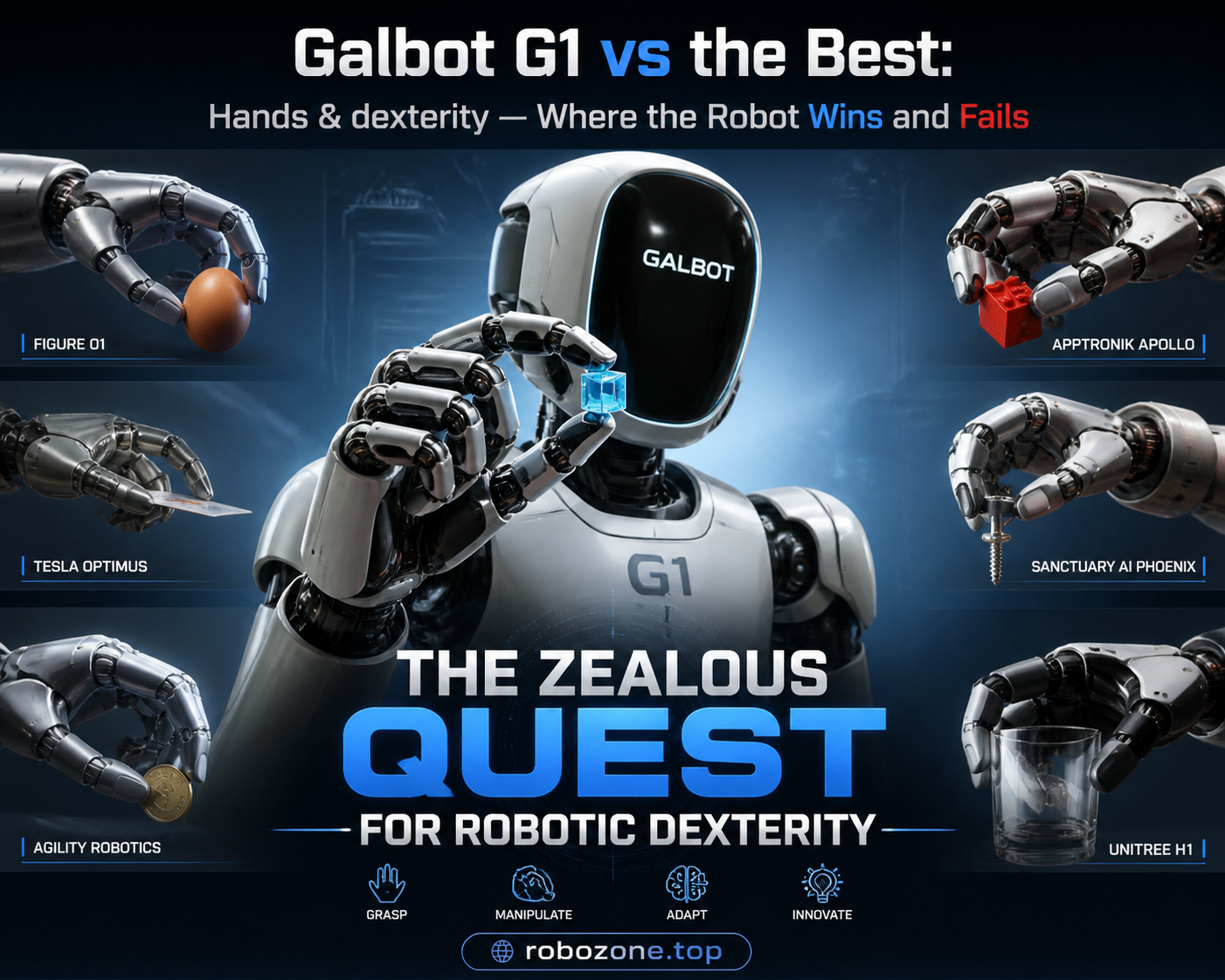
The concept of robots possessing extraordinary hand dexterity has been a tantalizing goal for engineers and scientists alike. The hands of a robot are intricately complex assemblies, mimicking the human hand’s versatility yet constrained by technological bounds. However, the Galbot G1 represents a leap forward in this journey, demonstrating dexterity that past technologies could only dream of. The core concept centers on artificial intelligence-driven algorithms combined with advanced sensory systems to make judgments as intuitive as a skilled chef handling a cleaver.
To understand how it works, consider this: the Galbot G1 uses a confluence of AI models, sensor technologies like tactile sensors comparable to human touch and NVIDIA Tegra processors that drive fast computations. The AI models are trained on countless datasets simulating intricate tasks, enabling the Galbot to predict and adjust with stunning accuracy. It’s somewhat like teaching a robot to juggle—only with the smallest of zests such as a pinch of salt in the precise dimension of culinary alchemy.
Real-World Applications: Beyond the Lab Bench
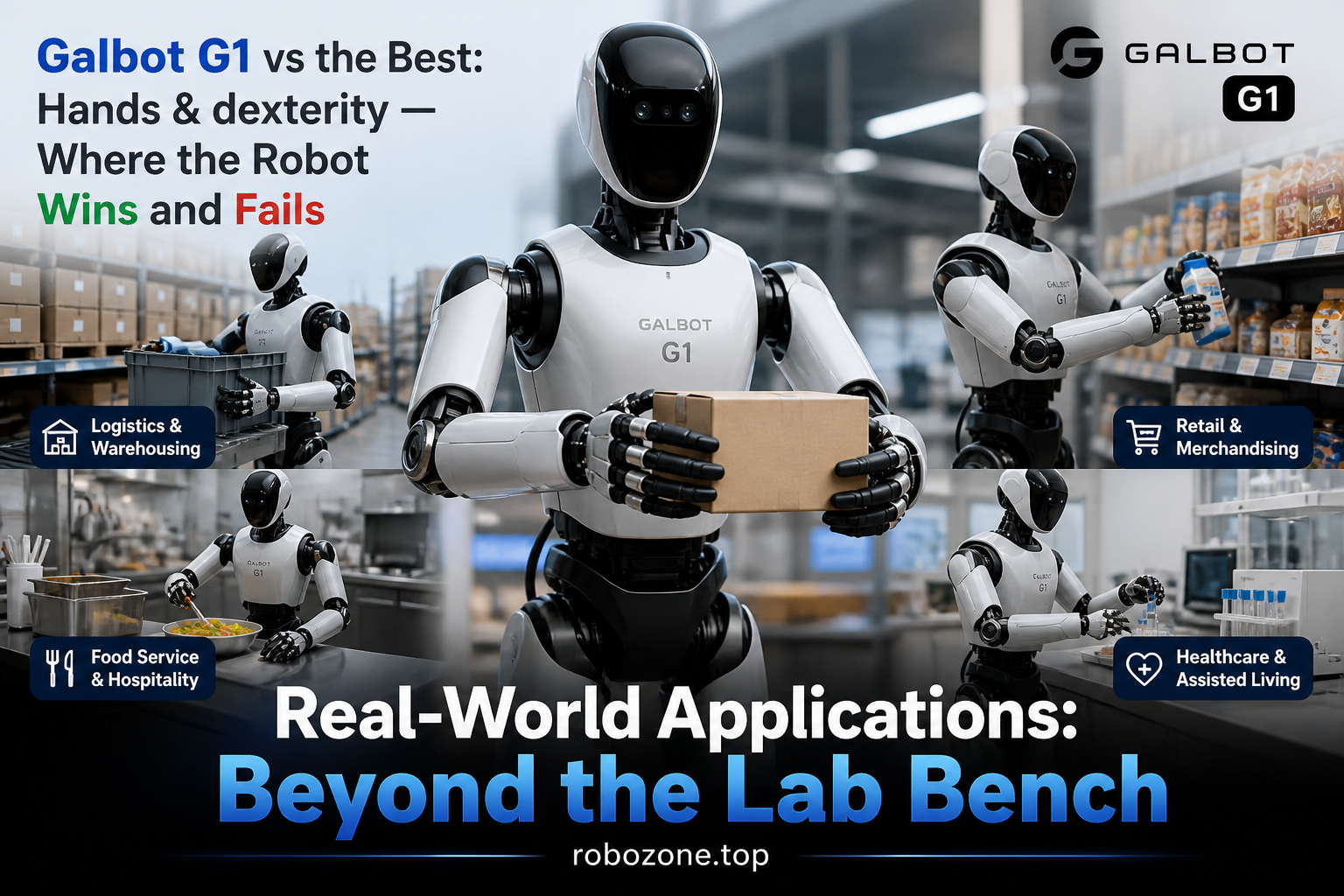
Given its advanced capabilities, the Galbot G1 makes for an enthralling case study when applied across various real-world environments. In the healthcare sector, for instance, the robot’s dexterity is being tested in performing meticulous tasks like microsurgery, both augmenting human surgeons’ precision and reducing human error. Meanwhile, in industrial settings, Galbot G1 showcases its prowess by assembling complex machinery components with its steady ‘hands.’ It’s kind of like having that ever-patient, meticulous friend who can nail IKEA manuals on the first go.
Moreover, Galbot’s deployment isn’t just limited to serious workplaces. Imagine the Galbot expertly assisting chefs in high-volume kitchens or providing tailored services at home such as delicately handling fragile items with aplomb. Each scenario underscores the exciting potential for the robotics industry to transcend traditional boundaries, which, as Thomas Huynh frequently espouses, is the real transformative power of innovation.
Technical Insights: Peeking Under the Hood
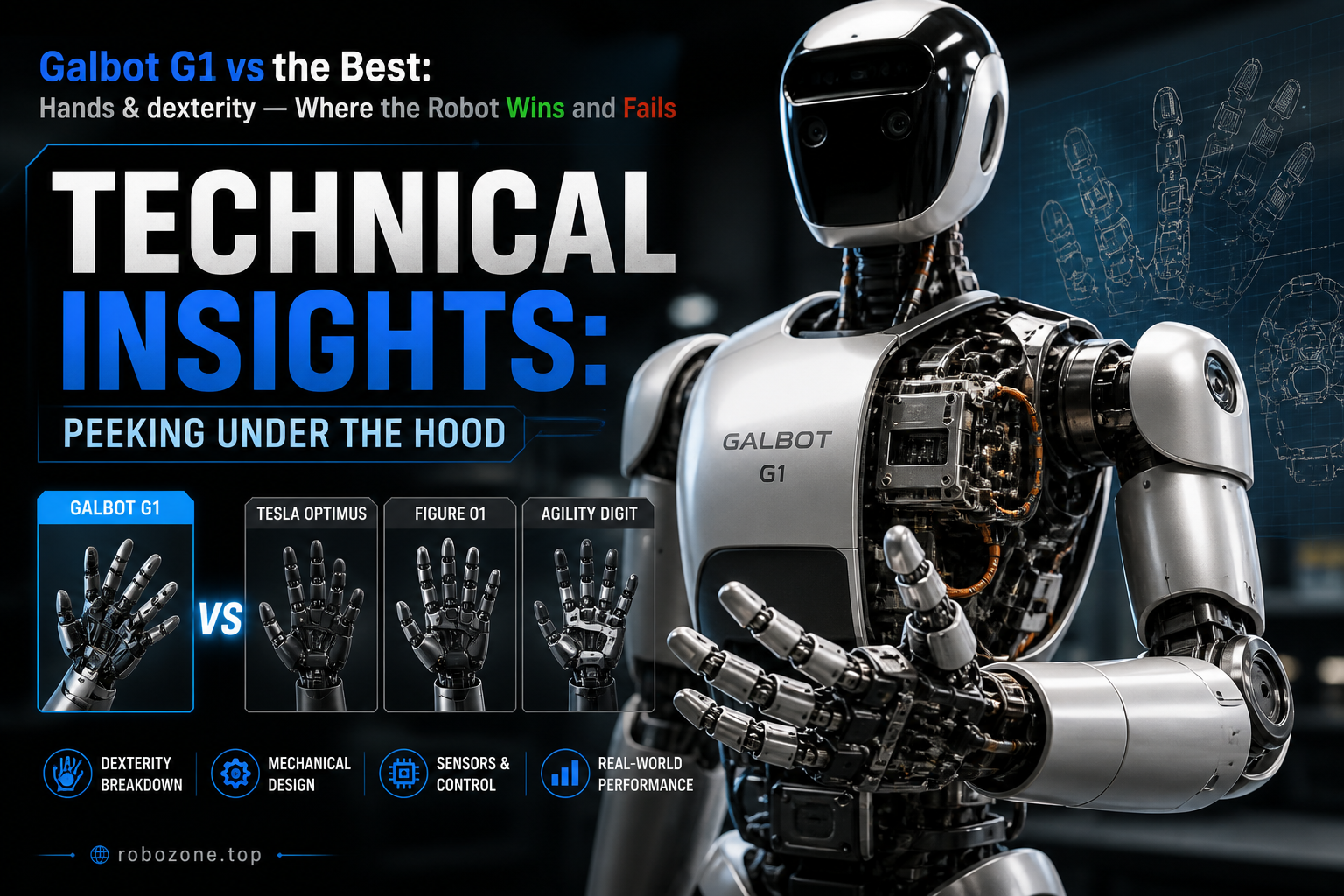
It’s one thing to experience the Galbot G1 at work and another entirely to grasp the technical marvels that make it tick. The G1’s skeletal framework is meticulously engineered with lightweight and durable materials to offer a perfect balance of strength and sensitivity. Intricately integrated sensors are tasked with gathering both tactile and visual data, relaying it back to the system in real-time for instantaneous processing. Thanks to NVIDIA’s latest generation of chips—engineered for high-performance parallel computing—the Galbot G1 processes an array of instructions simultaneously, keeping lag at bay.
The secret recipe, however, lies in the fusion of advanced neural networks residing in its ‘brain,’ which is designed to adapt and learn from new real-world interactions continuously. Stanford AI Lab’s breakthroughs in self-learning robotics have predominantly fueled this leap, paving the way for Galbot’s capabilities to be as close to a skilled ‘human apprentice’ as a silicon-based life form can get.
Market Analysis: Economic Ripple Effects
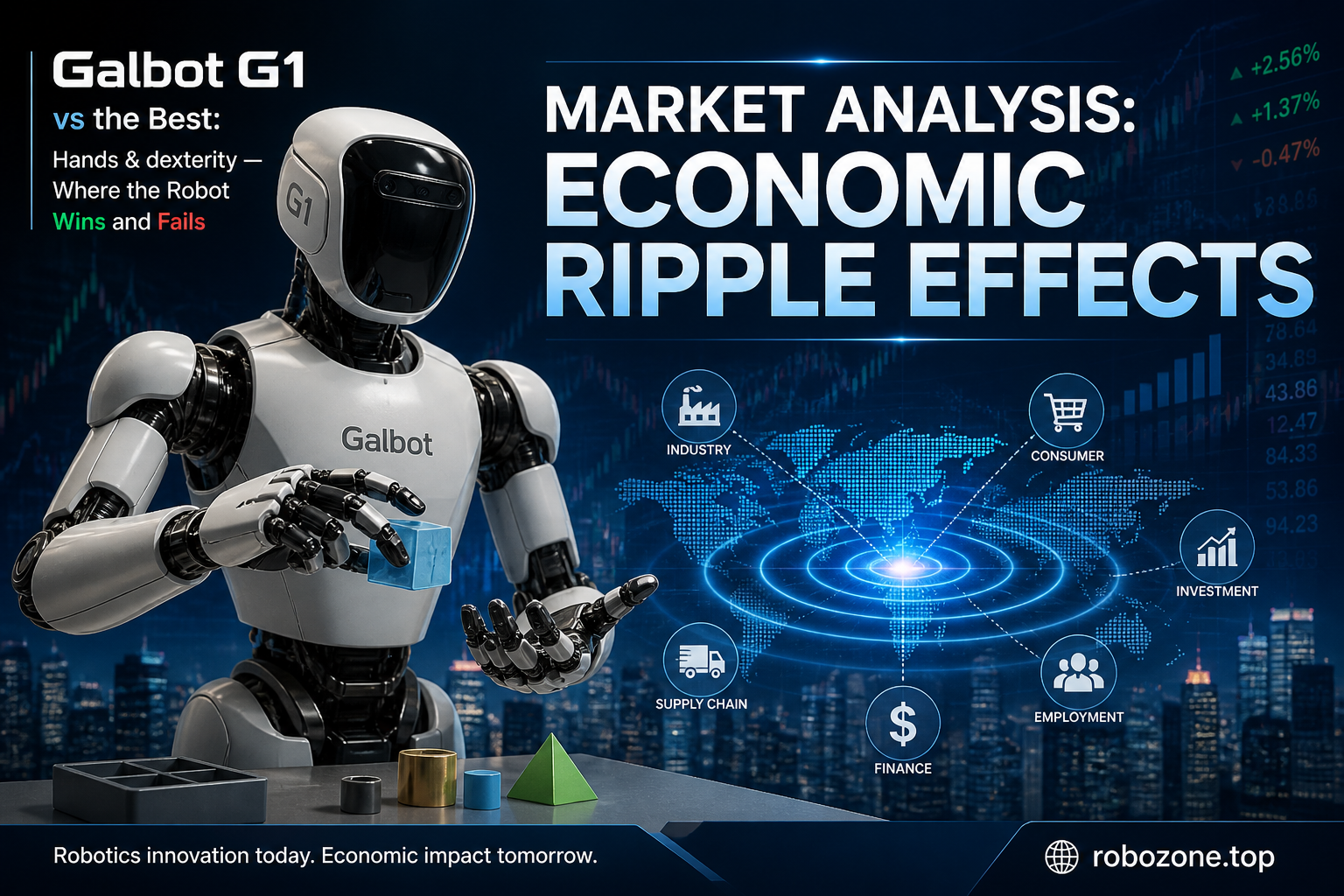
The introduction of platforms like the Galbot G1 sends ripples across the market landscape, urging stakeholders to reassess their technological strategies. As businesses pivot towards automation to handle more tedious, repetitive tasks, investments in robotics are rejuvenating. According to the latest reports from the International Federation of Robotics, such dexterous machines are anticipated to ignite an economic windfall, bolstering both industrial profits and robotic manufacturers’ bottom lines.
This, however, isn’t merely a case of businesses witnessing potential ROI from the operational efficiencies of robotic systems like the G1. The inherent economic impact extends to reshaping workforce dynamics and ushering in a new age of collaborative robotics, where machines don’t just coexist but co-function with humans in unprecedented synergetic harmony.
Challenges and Limitations: The Roadblocks We Must Acknowledge
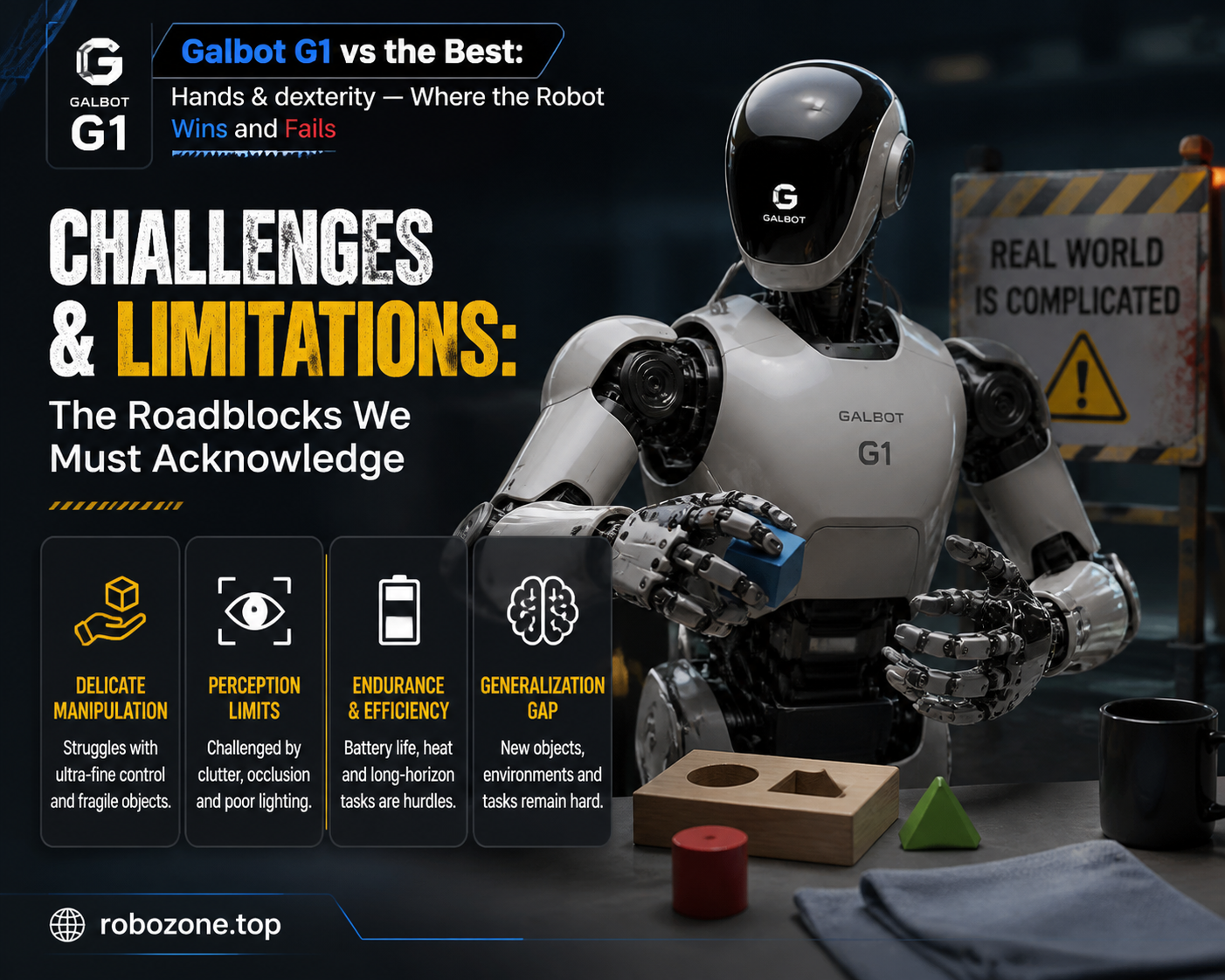
Amid all the heralded dexterity and breakthroughs, it’s also prudent to reflect on the inherent challenges and limitations of this technology. The Galbot G1, while impressive, isn’t without its hiccups. Sensory perception limitations persist, particularly when it comes to discerning subtle textural differences in objects—a capability human millions of years in the making. Moreover, while it’s an adept ‘student,’ the machine’s reliance on vast datasets for learning signifies a dependency that still hampers adaptability to nuanced human cues in real-time situations.
Let us not forget about the ethical ramifications of such highly capable machines, an ongoing discourse echoed in publications like the Harvard Business Review. Human job displacement concerns continue to circle, albeit the counter-arguments highlighting corresponding opportunities for workers to reskill for more advanced roles in this new technically driven era.
The Future Vision: Robotic Dexterity Beyond
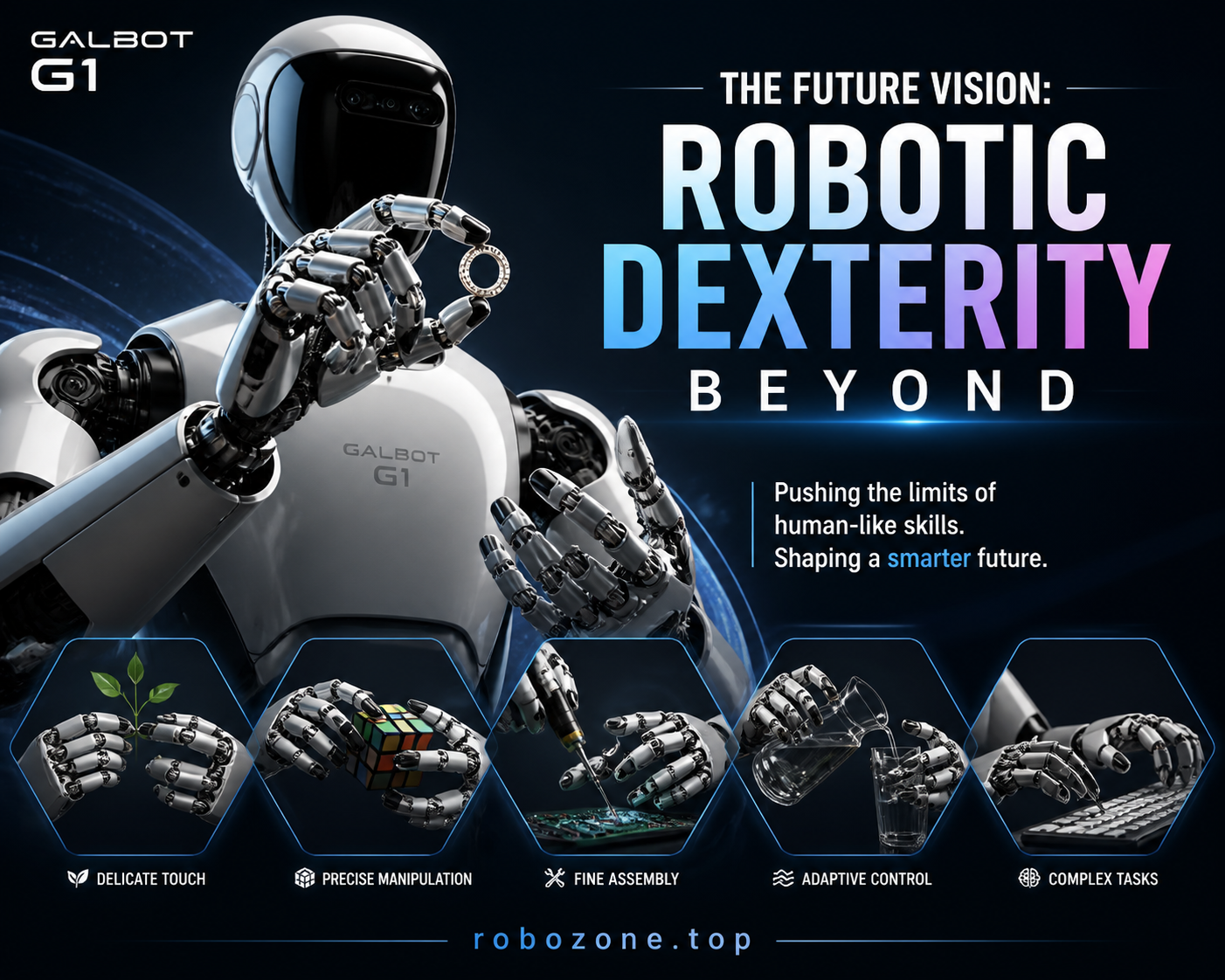
What does the foreseeable future hold for robotic dexterity? As per McKinsey & Company’s blueprints for automation, the next three to five years are anticipated to witness strides in making robotic interventions in medicine more nuanced, with robotics assuming roles within surgical rooms and diagnostic labs. Long-term visions extend to domestic environments where dexterous robots may become an everyday facet of life that renders household chores antique in their execution.
Furthermore, advancements in energy-efficient processors and adaptive algorithms suggest tantalizing prospects of creating even smaller yet more capable dexterous robots that could cater to niches presently unimaginable. The implications for industries and consumers continue to widen as this horizon approaches, setting the stage for changes as profound as they are inevitable.
Strategic Insights: Preparing for the Era of Dexterous Robotics
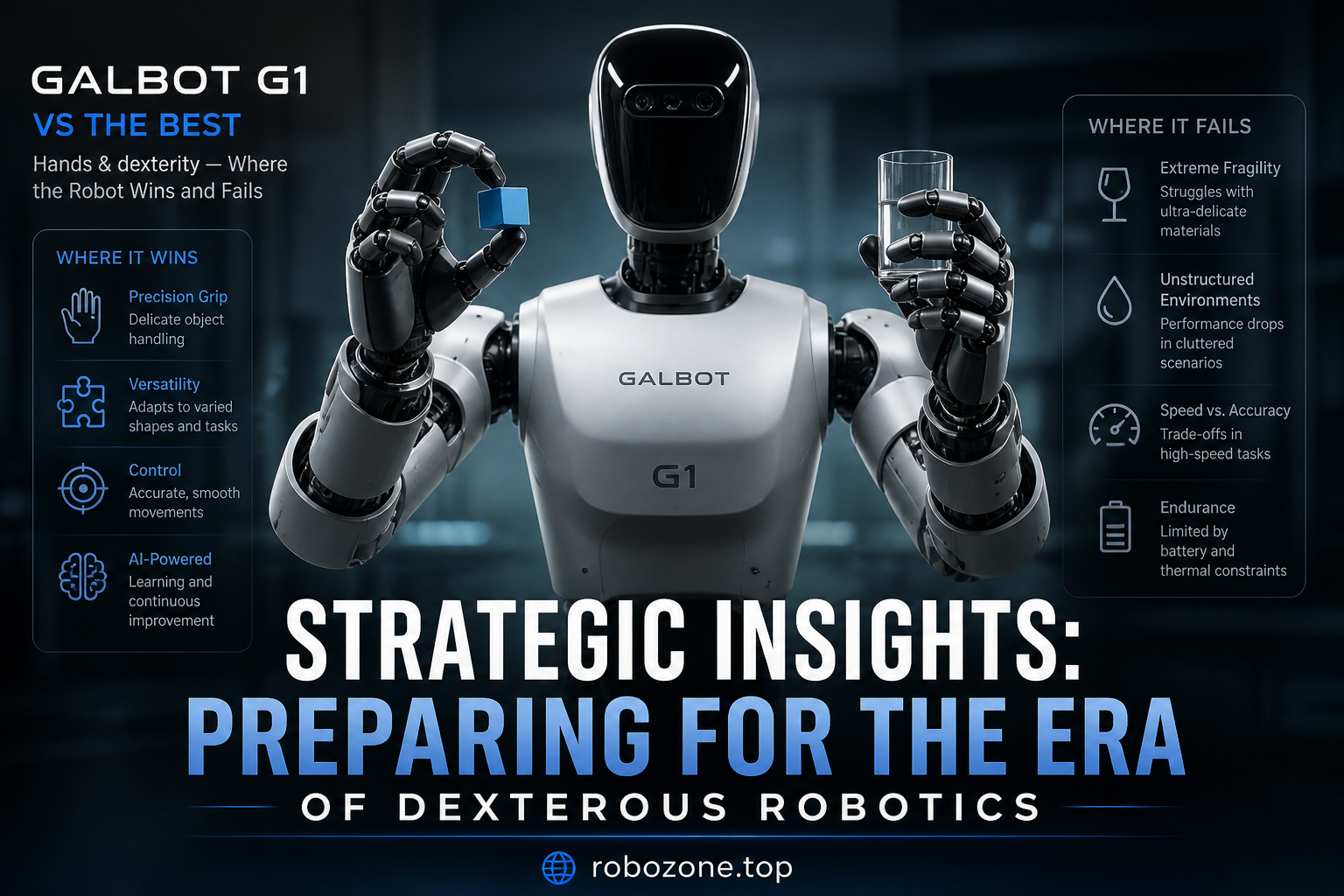
So, what should businesses, developers, and users prepare for in light of these developments? Firstly, technology diffusion—echoing thoughts shared by Thomas Huynh—demands enterprises integrate a forward-thinking mindset, investing proactively in both the hardware and the talent capable of operating these advanced machines. Stakeholders must also recognize the importance of policy implications, ensuring that their robotic workforce embraces human-centered designs harmoniously.
Those at developmental frontiers must also emphasize modularity and interoperability in design, guaranteeing a seamless transition into increasingly integrated ecosystems. And as always, the ever-abiding theme of continuous learning prevails; educating the workforce for adaptive synergy with robotic counterparts secures both personal growth and productivity in a world transformed by dexterity-focused robots.
So where does this leave us? In a world brimming with technological promise, the Galbot G1’s extraordinary dexterity exemplifies a watershed moment. It signals what’s possible as artificial intelligence and robotics marry their visions uniquely and uninhibitedly, a dance of mechanical dexterity in a notably human world. Yet this tale isn’t solely about the machines; it’s a narrative about the crossroads we stand at and the careful considerations required as we march forward.
Keep an eye on this sphere, for the future is inevitably dexterous. As we steer into this new era, the collaborative symphony of man and machine stand as the rhythm of progress—a score that is music to the discerning technophiles of the world.
Thomas Huynh – Admin of RoboZone.top