
The world is on the brink of a robotics revolution, spearheaded by the rise of self-learning robots. These intelligent machines are no longer mere figments of science fiction but vivid realities reshaping industries and our daily lives. At the heart of this transformation is artificial intelligence, a form of techno-magic that enables machines to adapt, learn, and evolve. But what role does AI play in these robots, and how might it alter the landscape of technology and economy in the years to come? Thomas Huynh of RoboZone.top brings you an in-depth analysis of this phenomenon.
Understanding the Core Concept: AI and Self-Learning Robots
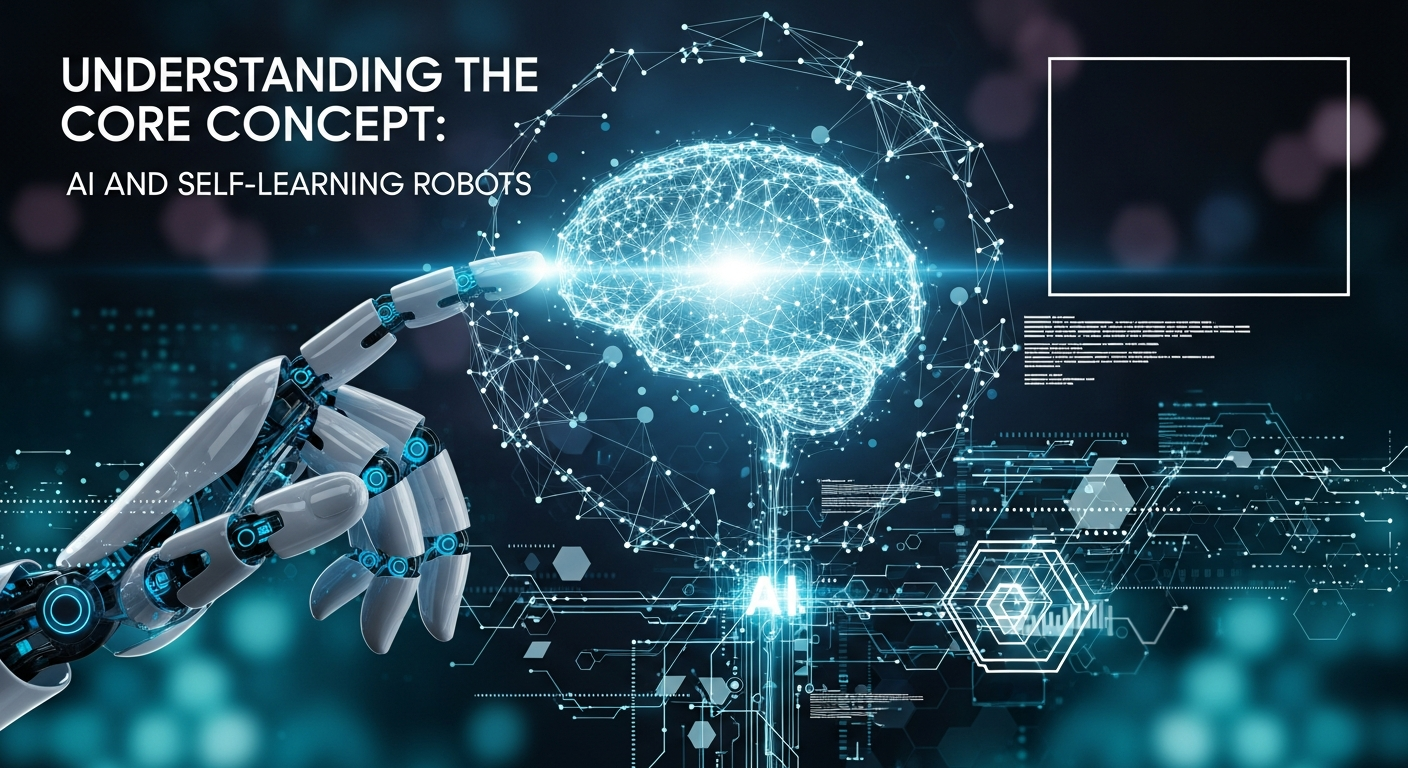
Artificial intelligence, often depicted in movies as the harbinger of dystopian futures, is in reality a sophisticated field of computer science aimed at creating machines that can mimic human intelligence. In the realm of robotics, AI serves as the bedrock for self-learning systems, empowering robots to move beyond pre-programmed instructions to a realm of independent thinking and decision-making.
The concept of self-learning in robots is akin to teaching a child how to ride a bicycle. Initially, the child wobbles, supported and guided by the instructor. Over time, with practice and self-correction, the little cyclist becomes proficient, capable of navigating without support. Similarly, AI models like reinforcement learning allow robots to gradually improve at specific tasks by making small mistakes, receiving feedback, and adjusting their strategies.
Technologies such as deep learning and neural networks enable robots to process large volumes of data and recognize patterns much like the human brain does. This perceptual capability is critical for functions that require a high degree of accuracy and precision, such as speech recognition or identifying objects in dynamic environments.
Applications Across Industries
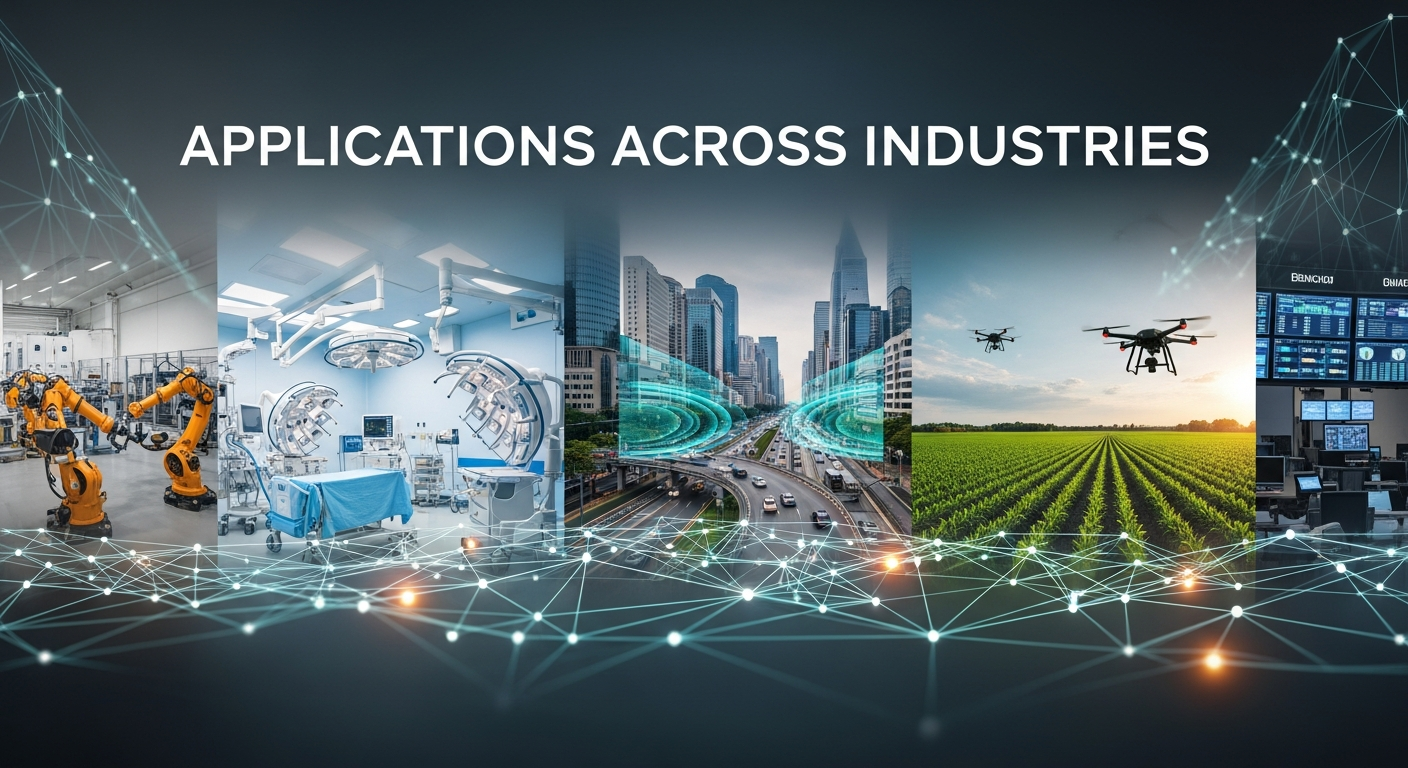
Self-learning robots are breaking barriers across various sectors, showcasing their potential in both mundane and groundbreaking tasks. Take the manufacturing industry, for instance, where automation has long been the rule rather than the exception. With AI-driven self-learning robots, factories are reaching new levels of efficiency and customization, reducing downtimes and increasing production quality.
In the healthcare sector, robots equipped with self-learning abilities are assisting surgeons in complex procedures, promising better patient outcomes. During a delicate operation, a self-learning robotic assistant can adjust its techniques in real-time based on the surgeon’s preferences and patient responses, enhancing precision and control.
On the home front, AI-infused robots are now better equipped to understand and respond to their human owners’ needs. Think of the smart vacuum that not only cleans your floors but learns the layout of your home and predicts the best cleaning patterns to avoid those dreaded chair leg collisions.
Technical Insights: The Backbone of Intelligent Robotics

The marvel of self-learning robotics lies as much in its hardware innovation as it does in its software sophistication. Tech giants like NVIDIA are pivotal players, providing state-of-the-art processing units that equip robots with the computational horsepower required for real-time processing and learning.
Advanced sensors, such as LIDAR and radar systems, give robots the ‘senses’ they need to perceive their environment, making split-second decisions necessary for real-world navigation. Moreover, developments by companies like Google DeepMind are pushing the envelope by pioneering AI models that endow robots with unprecedented levels of cognition and autonomy.
The integration of Internet of Things (IoT) technologies with AI allows robots to connect and communicate with other devices, paving the way for smart ecosystems where machines can not only interact with humans but also collaborate with each other.
Market Analysis: Economic Impact and Growth Prospects

The journey of AI in self-learning robotics has charted a course that investors and industry leaders are eagerly tracking. Recent reports by McKinsey & Company suggest that the global robotics market is poised for exponential growth, with AI-powered robots capturing a significant share by 2030.
The economic impact of these robots is being felt in numerous industries, from reducing labor costs and operational downtime in manufacturing to revolutionizing customer experiences in the service industry. It’s an era where striking the right balance between human labor and machine efficiency could redefine competitive advantages on a global scale.
As businesses invest heavily in AI research and development, they are also laying down the groundwork for robust AI frameworks that promise greater scalability and adaptability for evolving market needs.
Challenges and Limitations Facing AI in Robotics

In our quest to build tomorrow’s intelligent machines today, we must confront several pressing challenges. For starters, while AI has made leaps in learning efficiency, its dependency on large datasets for training purposes presents a significant bottleneck.
Moreover, ethical concerns loom large. As robots gain capabilities akin to human decision-making, questions regarding accountability and control surface. What happens when a machine makes a mistake? Does the fault lie with the programmer, the machine, or the AI algorithms?
Technical hurdles, such as power efficiency and real-time processing, continue to challenge engineers. The complexity of integrating AI with robotic systems often results in power-hungry machines that are not yet viable for endless hours of operation. Companies like Tesla and Boston Dynamics are exploring innovative solutions, but a universally satisfactory answer remains elusive.
What Should We Really Pay Attention To?

As we hover on the brink of an AI-powered robotic future, stakeholders across the board—from developers and business moguls to end-users—must be strategic in their preparations. For developers, this means deep engagement with AI ethics, ensuring that machines behave within humane and socially acceptable parameters.
Businesses need to stay attuned to and capitalize on emerging trends, while ongoing education and skill development for their workforce would ensure a smooth transition where humans and robots coexist harmoniously.
Finally, for users, the adaptation to increasingly automated systems necessitates an open mindset and readiness to embrace new modes of interaction with technologically advanced devices.
While the path forward is not without its hurdles, the promise of self-learning robots driven by AI is a tantalizing vision of what we can achieve when technology and imagination join forces.
Thomas Huynh – Admin of RoboZone.top
So, what comes next? As AI continues to evolve, self-learning robots will gain even more sophisticated capabilities, leading to a future where they become indispensable tools in our lives. Yet, as we marvel at these technological advancements, it remains essential that we tread carefully, mindful of the ethical implications and responsibilities that come with such power. With companies like NVIDIA pushing boundaries and thought leaders like Thomas Huynh guiding discourse, there’s no limit to how far AI in self-learning robots can take us.