
The world of technology is often filled with promises of futuristic advancements, yet few capture the imagination quite like humanoid robots. Are we truly on the cusp of having robotic assistants designed to seamlessly fit into human environments, understand our needs, and interact with us in a meaningful way? Let’s embark on an exploration through the rise of humanoid robots, their current state, and the tantalizing implications for the future.
Understanding Humanoid Robots
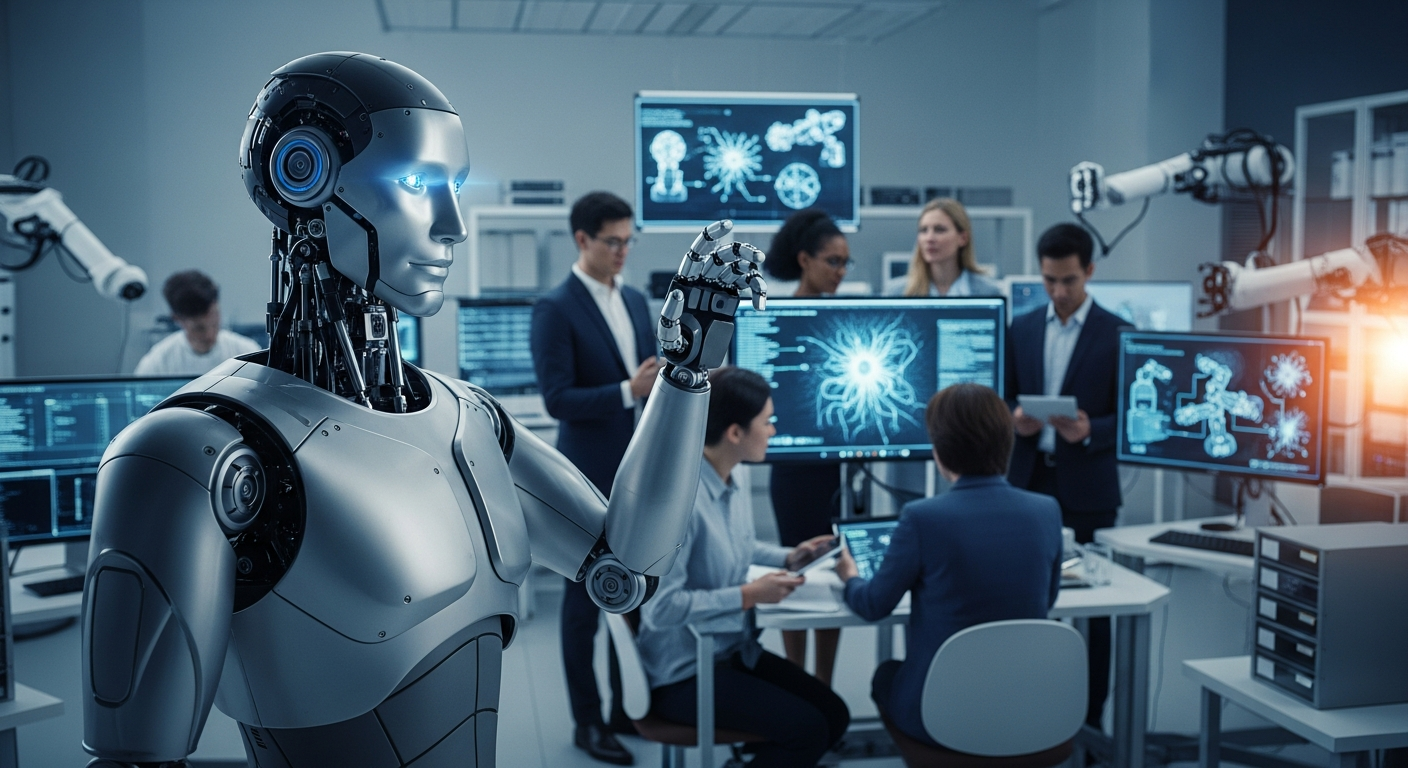
At the core, humanoid robots are mechanical constructs designed to mimic human form and functions. This includes two arms, two legs, a head, and often facial features designed to emulate the human visage — think C-3PO rather than R2-D2. The intent behind this design isn’t purely aesthetic; it’s a strategic choice aimed at integrating these machines into environments built for humans without requiring significant changes.
Much like how humans once envisioned flying cars by 2020, humanoid robots have long been part of our collective daydreams. Yet, unlike fictional portrayals, real-world robotics involves a blend of complex hardware, advanced AI, and a multitude of sensors. These components must work in harmony for a robot to perceive its environment, process sensory data, and respond accurately — a daunting challenge that companies like Boston Dynamics and Tesla are feverishly working to address.
Real-World Applications
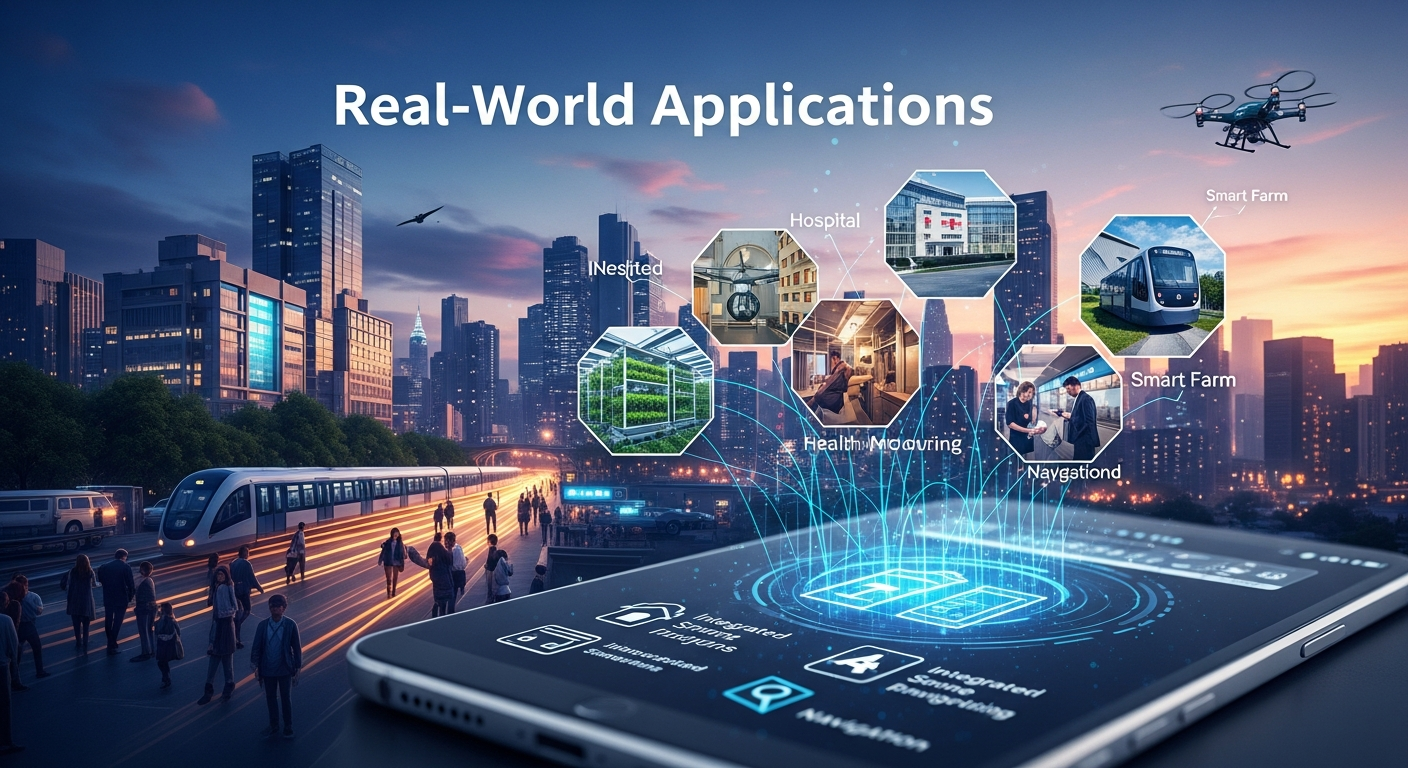
The most exciting aspect of humanoid robots is their potential to revolutionize how we live and work. From healthcare to home assistance, the applications are plentiful. Hospitals around the globe are pioneering the use of robots for logistics and certain routine care tasks, freeing up healthcare professionals to tackle more complex issues. In industrial settings, humanoid robots are setting the stage to handle tasks that are dangerous or overly repetitive for humans.
Thomas Huynh, always forward-thinking in his views, often emphasizes that these robotic helpers could soon become as commonplace as smartphones — a once futuristic gadget that is now indispensable. With recent advances in AI and machine learning, primarily driven by tech giants like Google DeepMind and NVIDIA, these robots are becoming adept at understanding and anticipating human needs.
Technical Insights and Innovations

The backbone of humanoid robots lies in the advanced technology that drives them. Modern artificial intelligence models, cutting-edge robotics systems, and innovative sensor technologies are at the forefront of this revolution. For instance, NVIDIA’s latest AI chips have significantly increased the processing power available to robots, enabling them to learn and adapt to new situations quickly and efficiently.
This technological symphony requires intricate coordination. A humanoid robot uses a suite of sensors from LIDAR for navigation, to cameras and microphones for interaction. Just like humans rely on their senses to navigate the world, robots use these tools in tandem with AI to traverse our environments safely and effectively.
The Market and Economic Impact

As the capabilities of humanoid robots expand, so too does the market opportunity. According to a McKinsey & Company report, the robotics sector is projected to see substantial growth over the next decade, driven by increased demand across various industries. Governments and private investors alike are pouring resources into robotics companies that show the potential to disrupt traditional labor markets.
The economic impact of humanoid robots could be profound, potentially reshaping labor markets and productivity across sectors. As robots take on more roles, human workers could focus on tasks that require critical thinking and emotional intelligence, potentially leading to job transformations rather than outright reductions.
The Challenges and Limitations

Despite the rosy outlook, the development and deployment of humanoid robots face formidable challenges. Technical barriers aside, the integration of such advanced technology into everyday life raises ethical and social questions. How these machines will interact with humans, ensure privacy, and maintain security are questions that experts like those at the Stanford AI Lab actively probe.
Moreover, current robots often struggle with tasks we find trivial. Whether it’s the delicate task of folding laundry or navigating uncharted terrain, these difficulties arise from the inherent complexity of the human environment. Robots need to be resilient to a multitude of unforeseen variables, a feat that even the most sophisticated algorithms sometimes find daunting.
Future Predictions: What’s Next?

So what lies ahead for humanoid robots? Over the next three to five years, we can expect to see these machines become progressively more capable and less expensive, leading to broader adoption in both commercial and residential settings. Advances in AI are set to accelerate as research from institutions like Harvard Business Review and real-world feedback from industry leaders influences development pathways.
Long term, the vision is even more ambitious: autonomous robots that not only assist but genuinely collaborate with humans, sharing insights and creativity. The potential for such technology to enhance human capabilities could be as transformative as the internet itself. As Thomas Huynh often ponders, the true tipping point will come when robots not just understand us but do so with empathy and nuance.
Strategic Insights for the Future

Looking ahead, businesses, developers, and users need to start preparing for a technology-driven future that includes humanoid robots as regular companions. Companies should consider investing in research or partnerships to stay competitive in a rapidly evolving market. Developers, meanwhile, must focus on creating intuitive interfaces and ensuring the reliability of AI systems intended to support humanoid robotics.
For the general public, it’s increasingly important to understand and engage with these technological advancements. Organizations like the International Federation of Robotics suggest that ensuring a smooth transition to a more automated society will require both public education and adaptable policy frameworks. The goal is to create an inclusive environment where humans and robots coexist symbiotically, each enhancing the capabilities of the other.
So, where does this leave us? Humanoid robots represent a fascinating junction between science fiction and reality, balancing on the brink of becoming commonplace in our daily lives. As they continue to evolve, we must remain attuned to their capabilities and limitations alike, adapting our expectations and frameworks accordingly.
The landscape of autonomous robotics is as promising as it is uncertain, with each breakthrough bringing new opportunities and discussions to the forefront. As Thomas Huynh, a staunch advocate of digital transformation, often highlights, the most significant impact will likely come from how we choose to integrate these technologies alongside our existing societal structures. The future is not just about building more sophisticated robots, but about fostering a world where our interactions contribute to the greater good.
Thomas Huynh – Admin of RoboZone.top