
In the glimmering world of robotics, Agility Robotics’ creation, the Digit, stands poised like a gymnast ready to leap into the future. This bipedal robot, with its distinct two-legged structure, promises to revolutionize industries from warehouses to hospitals. But let’s address the lingering questions on everyone’s mind: Can you really buy an Agility Digit? And if so, what does it truly cost you, beyond just the price tag?
The Core Concept of Agility Digit
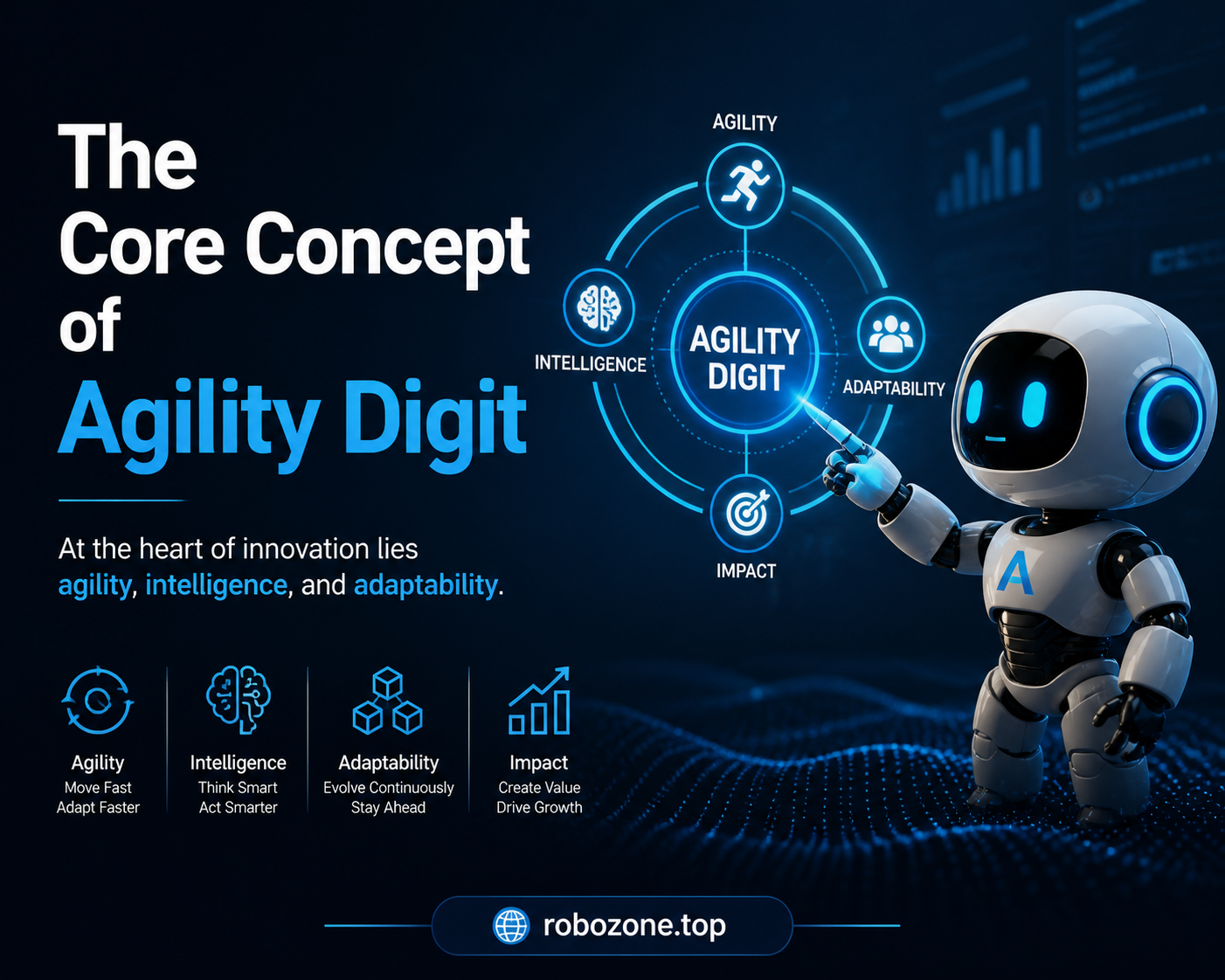
Meet Digit—an agile, bipedal robot designed to navigate spaces and perform tasks in a human-like manner. Standing at approximately 5 feet, it’s reminiscent of the humanoid robots we’ve envisioned in science fiction, but this isn’t fiction. Its design is rooted in complex biology and engineering, allowing it to traverse uneven terrains, manipulate objects, and integrate seamlessly into environments designed for humans. The Digit is powered by cutting-edge AI algorithms developed in collaboration with notable tech giants, aligning with the AI revolution that defines our current technological era.
Real-World Applications Across Industries
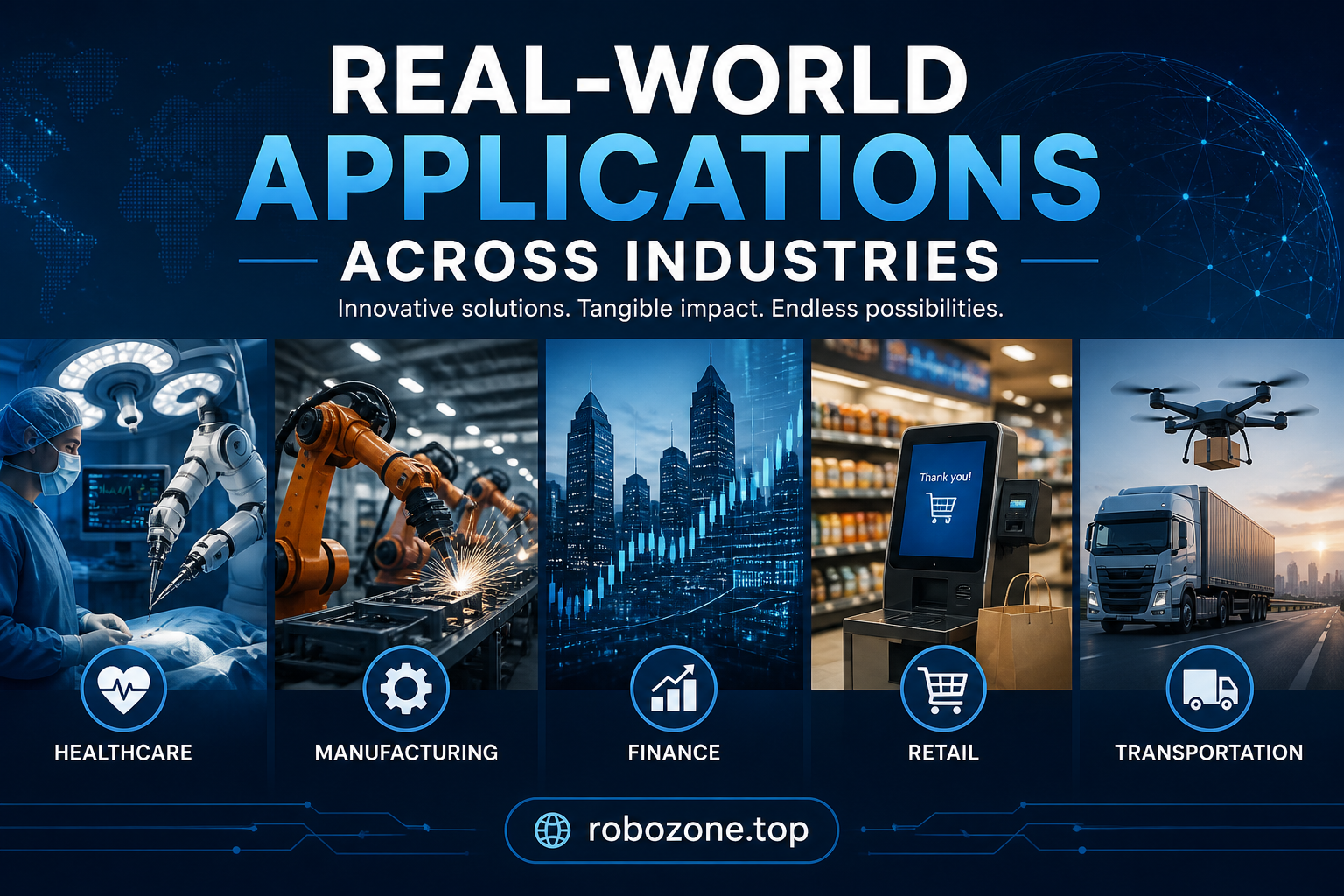
Digit’s real charm lies not just in its futuristic aesthetics, but in its versatility. In the industrial sector, it can effortlessly maneuver through warehouses, fulfilling logistical tasks that were once manual labor-intensive. Its limbs are designed for multitasking, from sorting packages to stocking shelves, optimizing productivity. Meanwhile, in the healthcare sector, it provides assistance where human presence is limited or safety is a concern, helping transport equipment or delivering medications with precise accuracy.
Imagine Digit strolling through a bustling hospital hallway, balancing the delicate touche of a nurse with the efficiency of automation. It’s not just a vision; it’s happening now, and it’s an exciting precursor to what our hospitals might look like in the near future.
Technical Insights: Under the Hood of Digit
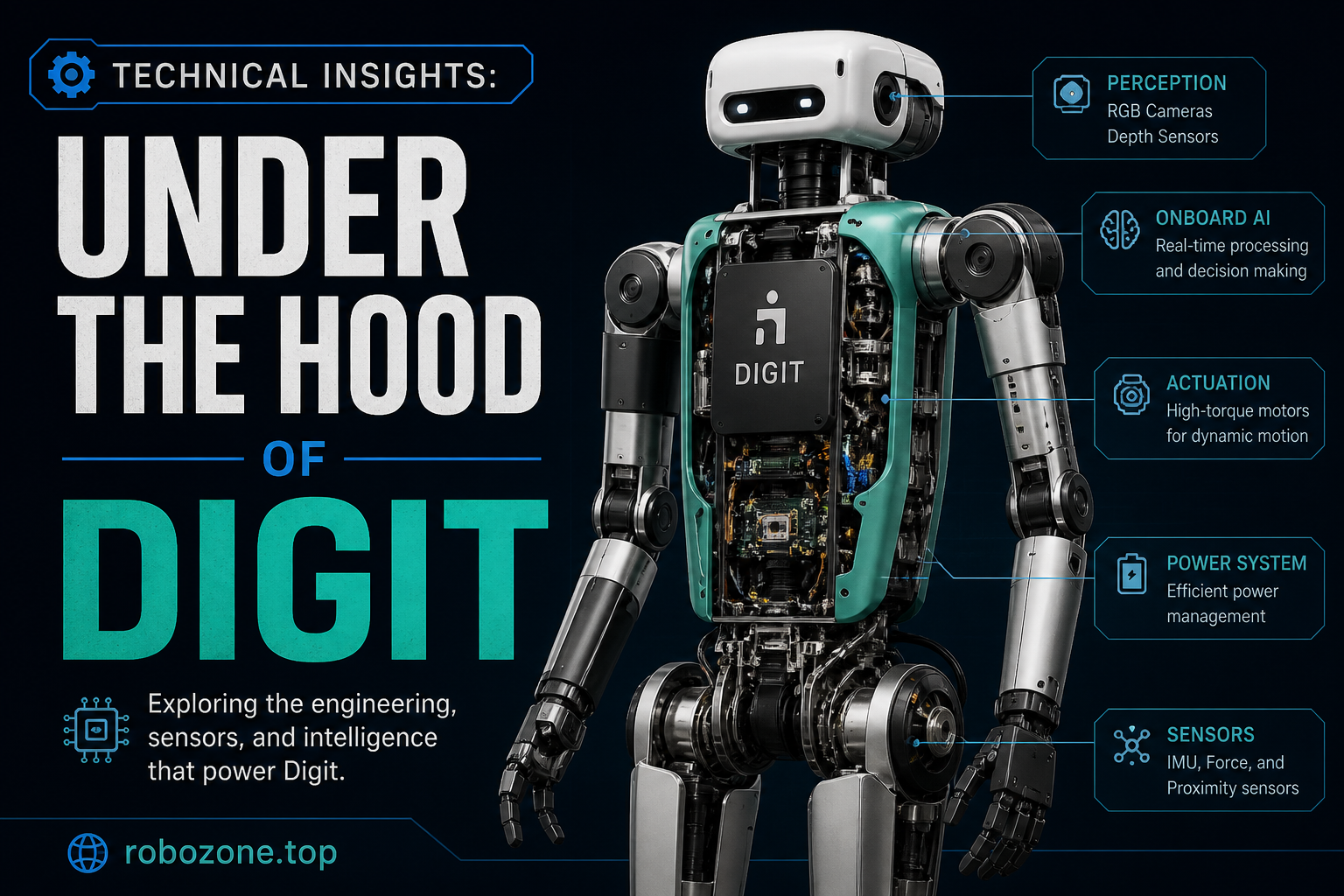
The brilliance of Digit is its technical foundation. At its core, it thrives on an ecosystem of sensors, from LIDAR to advanced gyroscopic instruments, giving it the spatial awareness akin to a well-trained cat. Coupled with NVIDIA’s AI-driven chips, filled with an array of machine learning models, Digit reacts with split-second precision—now that’s more than a hop, skip, and a jump in robotics technology.
Let’s not forget about the software—a realm where developers work tirelessly, choreographing a dance of algorithms ensuring that Digit doesn’t just move, but moves intelligently, understanding its environment just like you or me during an early morning commute.
Exploring the Market: Growth, Investments, and Economic Impact

Now, stepping onto the larger stage, Digit represents a burgeoning market estimated to reach billions. According to a 2025 McKinsey report, investments in robotics have gained unprecedented momentum, with Agility Robotics and others attracting significant interest from venture capitalists and governments alike.
Digit doesn’t simply represent a piece of advanced machinery; it’s a financial symbol. Economic analysts believe this technology will cause ripples across job markets, prompting not just a shift in how labor is conducted, but how industries value human-robot collaboration. It’s reminiscent of the tectonic shifts brought by past industrial revolutions, albeit without the soot and coal dust.
Challenges and Limitations
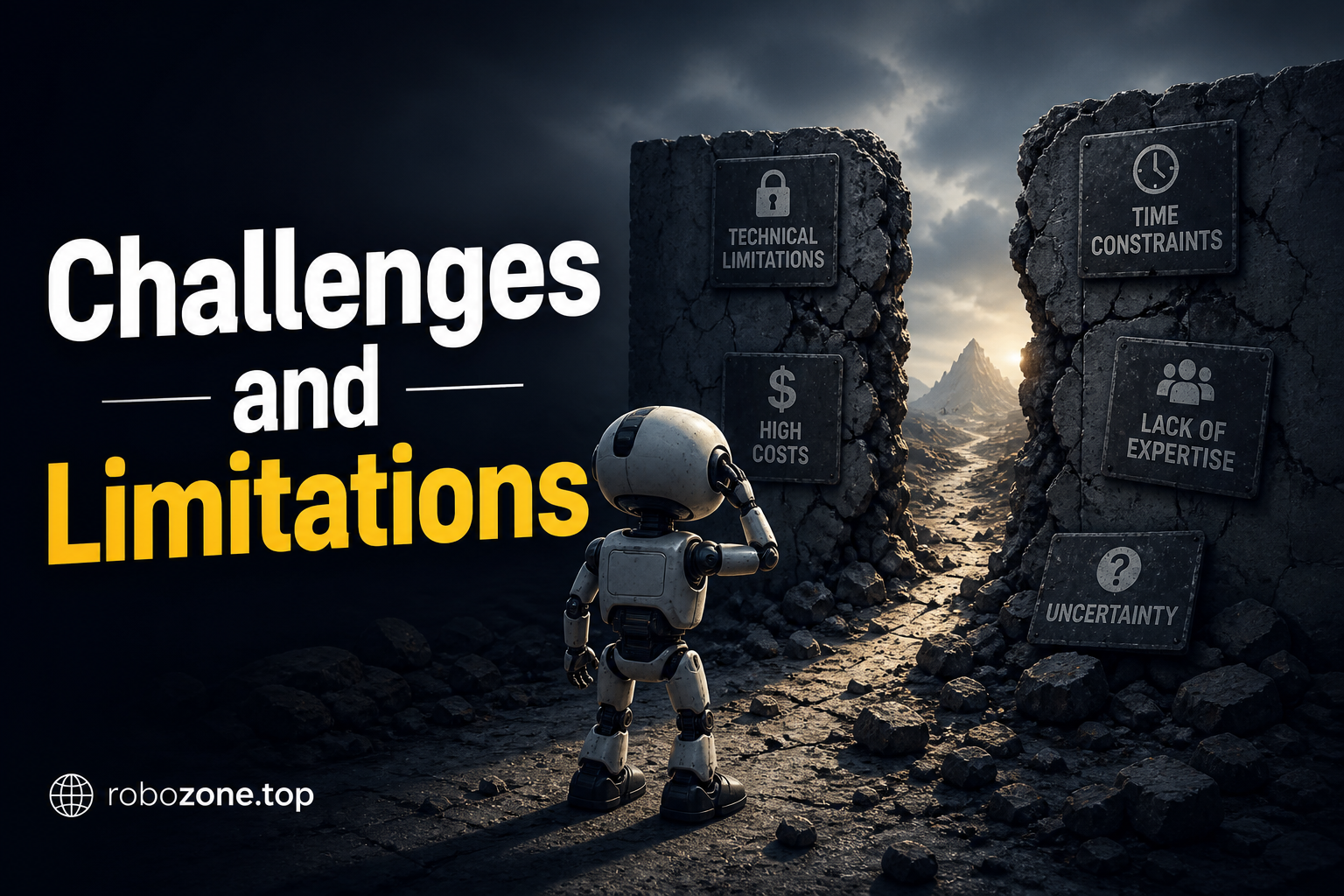
Ah yes, no great leap in technology is without its missteps. While Digit dances elegantly through various tasks, it still faces hurdles. Its operation is currently constrained by battery life, limiting how long it can perform continuously without needing a recharge. Moreover, integrating Digit seamlessly into legacy systems and diverse environments remains a challenge, requiring tailored adaptations for each unique deployment.
Furthermore, there’s the ever-present concern over the potential displacement of human jobs. Yet, it’s more balanced than it seems. Industry leaders predict that Digit will not replace but instead redefine roles, creating a richer tapestry of human-machine collaboration where creativity and nuanced decision-making prevail.
Predicting the Future: A 3-5 Year Vision
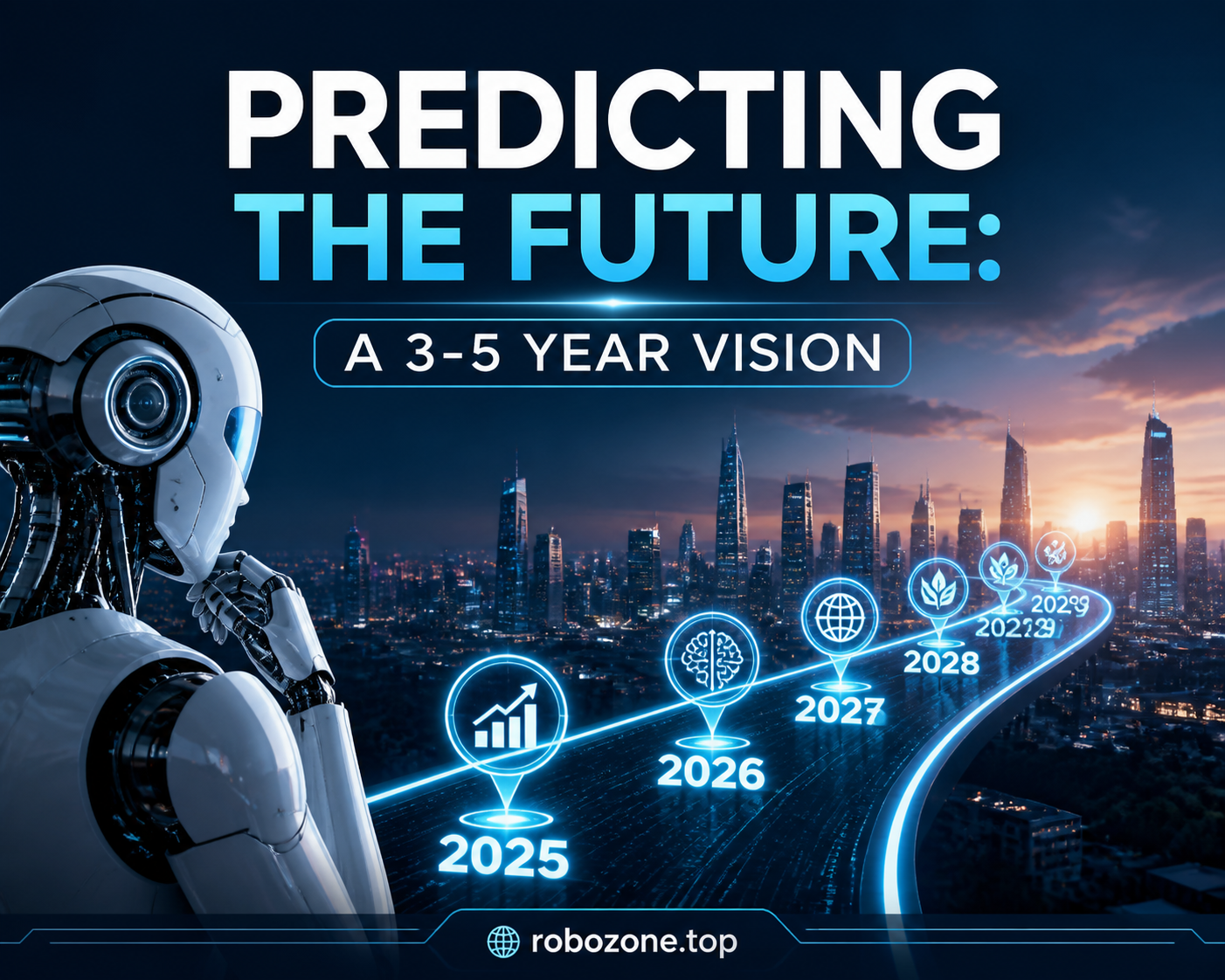
Peering into the crystal ball, one can see several Digits in every industrial sector, from autonomous grocery stocking to media delivery in augmented reality-enhanced environments. The next half-decade presents opportunities for Digits to diversify, thanks to accelerated advancements in AI models and a deepening trust in robotics systems — not to mention an ever-supportive AI development push from the likes of Google DeepMind and similar entities.
The broader vision is an interconnected, robot-assisted future, one where domains work in synchrony, improving efficiencies beyond current imaginations, and yes, this includes your favorite local coffee shop brewing your latte via a Digit’s helping hand.
Strategic Insights for Businesses, Developers, and Users
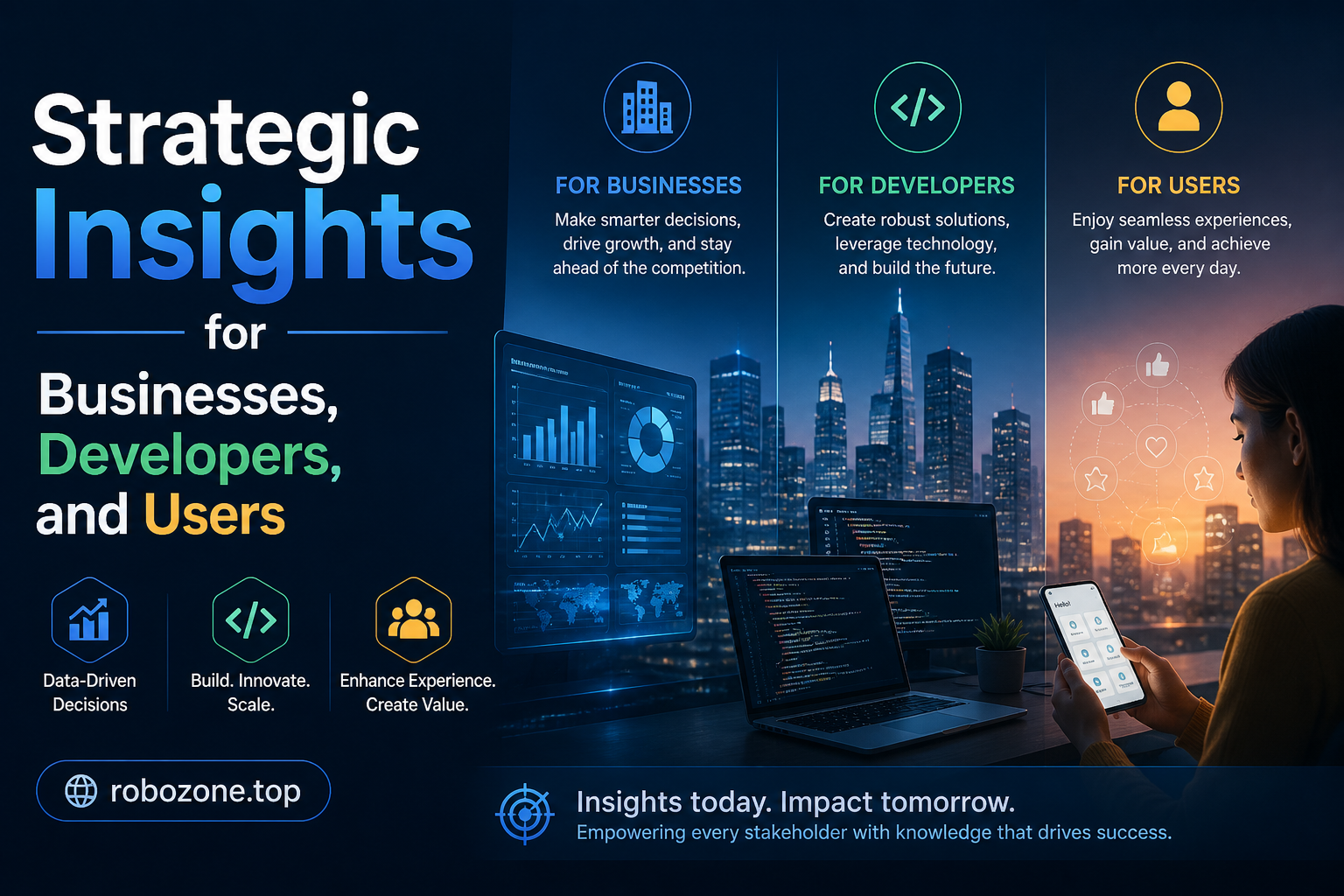
For businesses flirting with the idea of incorporating robots, making the strategic leap with Digit involves planning. It’s about foresight—aligning the robot’s operational excellence with human expertise, creating a cohesive work environment where each augments the other. The smart move is to start small, perhaps integrating Digit into specific processes, measuring outcomes, and adapting.
Developers, on the other hand, need to focus on creating seamless integration layers, ensuring that communication between different ecosystems remains flawless. And as for users and consumers, the future demands adaptability and a willingness to embrace this change, not just as a tool, but as a trusted colleague.
Thomas Huynh, who steers the conversation on robotics at RoboZone.top, often notes the importance of making robotics accessible to the masses—not just to visioneers and engineers. Revolutions are best served when the whole is greater than the sum of its parts.
What should we really pay attention to? As we stand on the brink of this robotic renaissance, it’s crucial to focus on the meaningful integration of machines like Digit into our daily lives. Beyond the glittering metadata streams of AI and the complex code that powers it, lies the human story—the need for smart technology to enrich, rather than complicate, our existence. It’s about crafting a dance that even non-engineers would not only understand but could also lead.
Thomas Huynh – Admin of RoboZone.top
References & Further Reading:
- MIT Technology Review — https://www.technologyreview.com/
- IEEE Spectrum — https://spectrum.ieee.org/
- McKinsey & Company — https://www.mckinsey.com/
- Stanford AI Lab — https://ai.stanford.edu/
- Harvard Business Review — https://hbr.org/
- NVIDIA Research — https://research.nvidia.com/
- International Federation of Robotics — https://ifr.org/
- World Economic Forum — https://www.weforum.org/
– – – – – – – – – – – – – – – –
“If you found my post: Can You Buy Agility Digit? Price, Availability and the Real Cost of Ownership helpful, consider checking out the product links below. It helps support the channel at no extra cost to you!”
Order HIWONDER Humanoid Robot