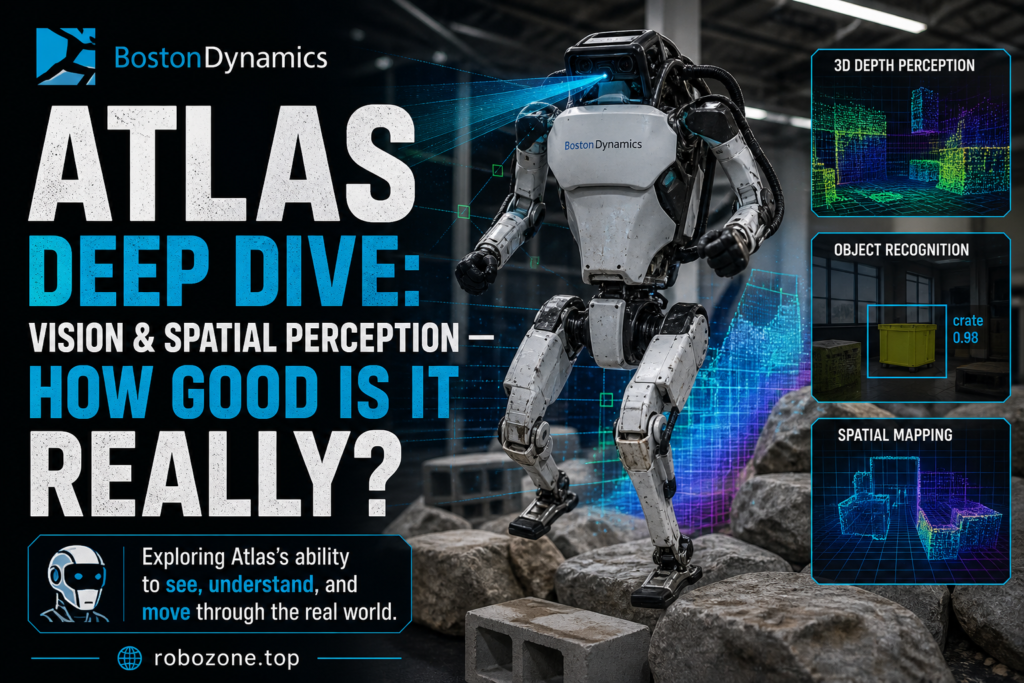
If you’ve ever watched a video of Boston Dynamics’ Atlas robot performing its acrobatics or opening doors with unnerving precision, you’re witnessing the culmination of years of research into robotics, AI, and engineering. But the magic doesn’t just happen by chance — it’s a symphony of advanced vision and spatial perception systems working in harmony. This deep dive into the capabilities of Atlas aims to unravel how Boston Dynamics has achieved such sophistication and what it means for the future of robotics.
The Core of Atlas: Vision and Spatial Perception Unveiled
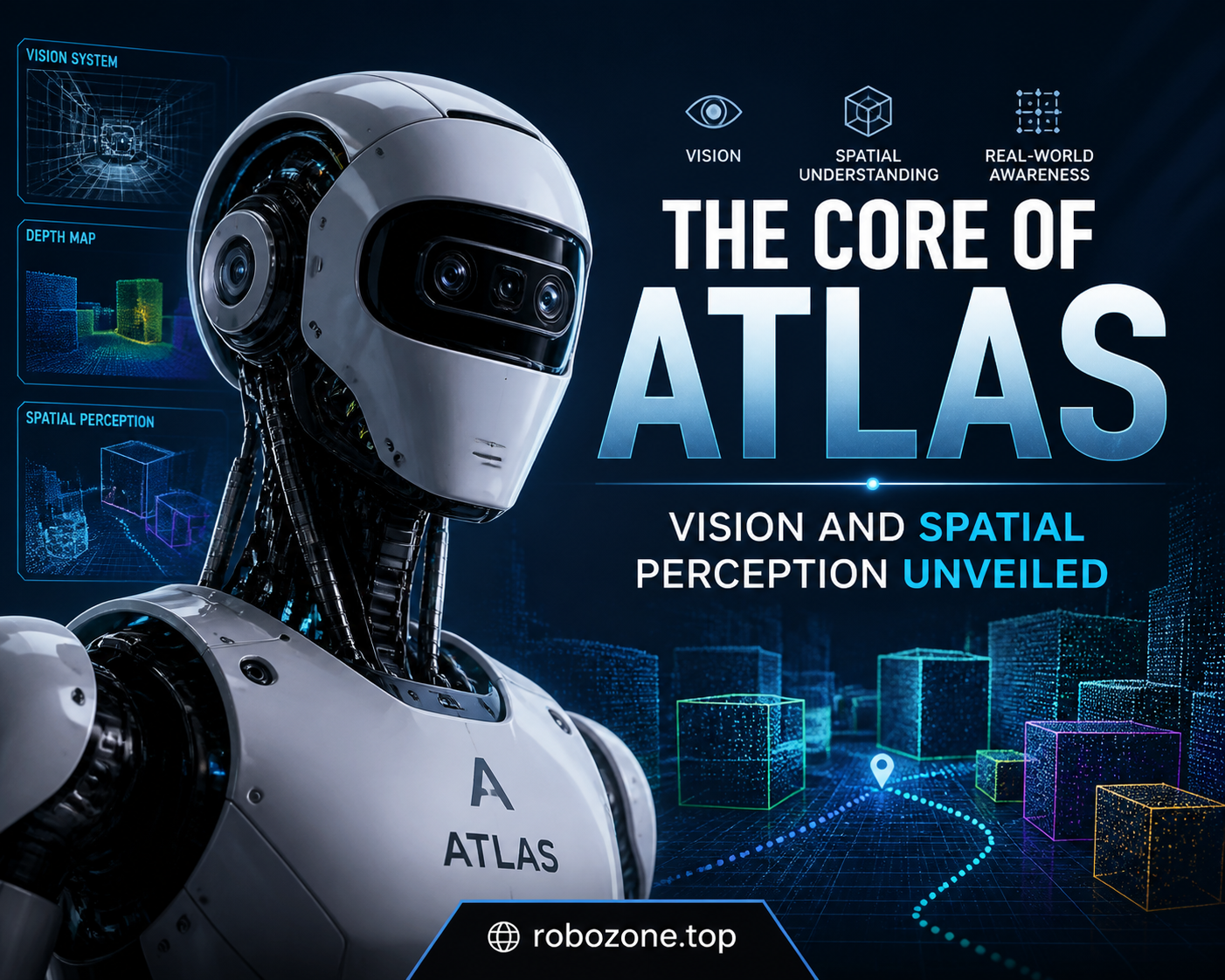
To truly understand the advanced nature of Boston Dynamics’ Atlas robot, it’s essential to explore its core components — vision and spatial perception. Unlike your average household gadget, Atlas sees the world in a way that mimics human perception, a feat achieved through a blend of sensors, algorithms, and exceptional engineering.
At the heart of this robotic vision lies LiDAR, an acronym for Light Detection and Ranging. It functions not unlike the echolocation used by bats. By emitting pulses of laser light, LiDAR measures the time it takes for each pulse to bounce back from surrounding objects, constructing a 3D map of the robot’s environment. This map serves as Atlas’s ‘eyes,’ allowing it to navigate complex terrains with surprising agility.
Complementing LiDAR, an array of stereo cameras aids in depth perception, helping Atlas gauge distances and understand the dimensions of its surrounding space. Neural networks process this visual information, allowing Atlas to ‘think’ on its feet. This intricate mesh of technology enables actions like evading obstacles or recalibrating its steps when encountering uneven surfaces.
Integrating these systems into a cohesive operation might seem straightforward, but it’s in the seamless execution where Boston Dynamics shines. Each component is tuned to ensure balance and precision, reminiscent of how humans seamlessly integrate sensory input to coordinate movement. Thomas Huynh, the keen observer behind RoboZone.top, often likens Atlas’s spatial awareness to a well-trained gymnast who just happens to be made of metal.
Real-World Applications Across Diverse Industries
While watching Atlas perform backflips or carrying boxes might be thrilling eye-candy, the real question is — how does this technology apply in the real world? Atlas’s pioneering vision and perception systems have profound implications across multiple industries.
Imagine a world where Atlas is a tireless worker on construction sites, laying bricks with precision or navigating dangerous passages to transport heavy materials. In manufacturing, its dexterity and environmental awareness allow for tasks previously assigned to human workers, reducing risks and enhancing efficiency.
Beyond industrial landscapes, Atlas’s potential in healthcare and domestic settings offers exciting prospects. Its ability to assist the elderly or disabled, offering autonomous support with tasks like walking or lifting, reimagines caregiving. Even in agriculture, Atlas could one day tread delicately between crops, analyzing plant health and distributing water or nutrients with due care.
Yet, the overarching theme throughout is how Atlas is transforming previously human-centric operations. In exploring these possibilities, Thomas Huynh reflects on our shifting roles — less about replacement and more towards collaboration, where robots and humans work side by side, complementing each other’s strengths.
Technical Insights: AI Models, Robotics Systems, and More
Under the proverbial hood, the technology driving Boston Dynamics’ Atlas is nothing short of astonishing. The robot’s powerhouse is the collection of AI models orchestrated to interpret data swiftly and accurately.
Central to its operation is a sophisticated framework of neural networks, akin to the intricate pathways of the human brain, processing data relayed from its sensors. These AI models handle not just pattern recognition but spatial mapping, ensuring that Atlas remains balanced even when given complex commands or facing unpredictable environments.
A key enabler in Atlas’s rapid decision-making capability is the NVIDIA Jetson platform, providing the processing prowess needed to run these expansive neural networks in real time. This chip isn’t just piecing together images like a puzzle — it estimates speed, predicts movement paths, and adjusts actions instantaneously, often faster than the blink of a human eye.
Pairing this computing power with the latest robotics systems, Boston Dynamics pushes the boundaries of what’s technically possible. Every joint, servo, and actuator in Atlas is strategically designed for optimal movement. It’s as if Atlas has its dance moves programmed with the choreography fine-tuned for peak performance, a thought often echoed by Thomas Huynh when discussing Atlas’s agile prowess.
This blend of AI and hardware represents a seamless symbiosis, demonstrating that the future of robotics lies in the meticulous integration of intelligence and mechanics.
The Economic Impact and Investment Landscape
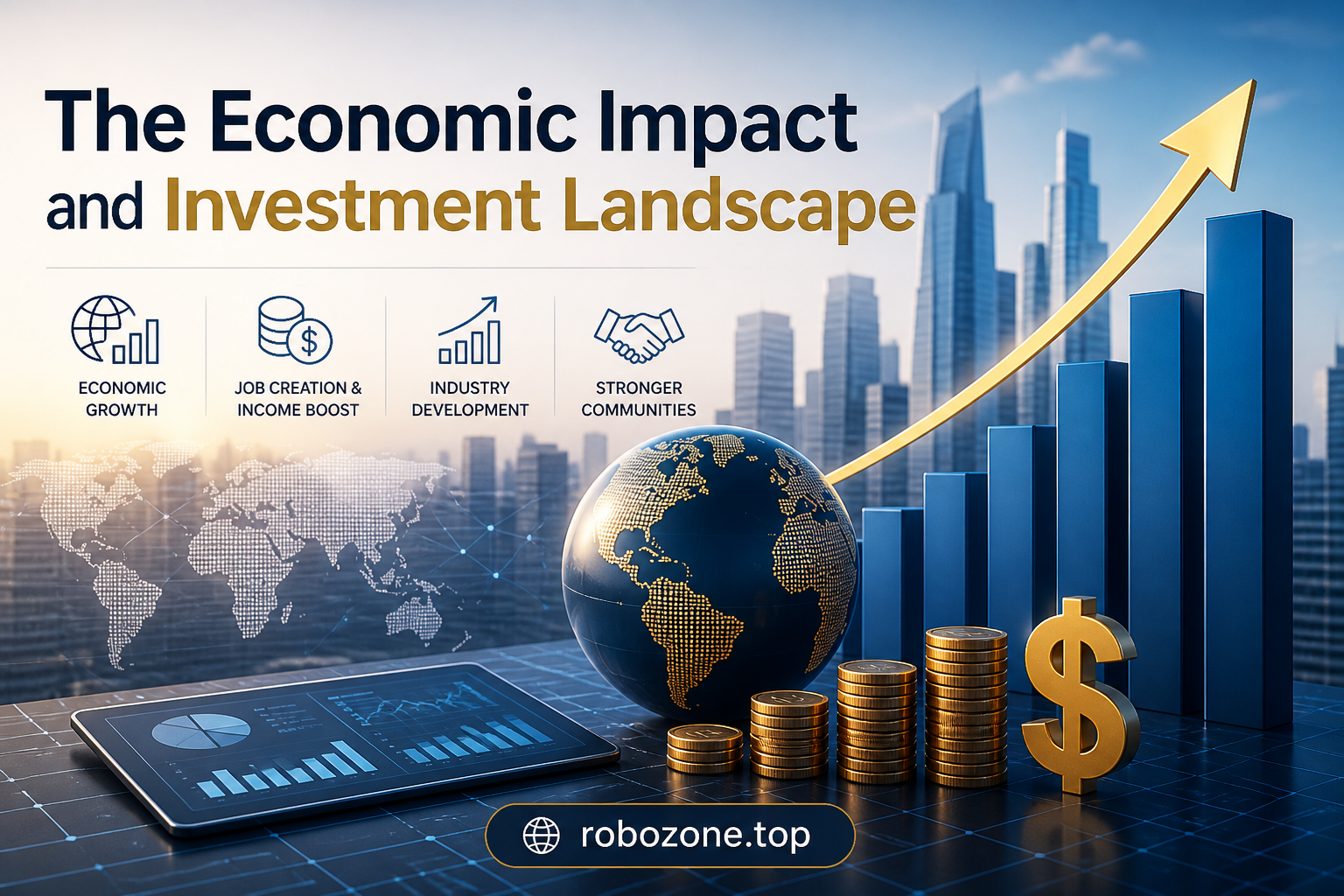
The march of technology doesn’t come without its economic implications. Atlas is more than just a marvel of engineering — it’s at the forefront of a transformative wave affecting economies and industries worldwide.
Investments in robotics, particularly those focusing on vision and perception technologies, have surged. Data from the International Federation of Robotics forecasts a doubling of robotics market value by the end of the decade, driven by use cases like Atlas in urban logistics to autonomous manufacturing.
Innovations are not constrained to laboratories but are increasingly being seen as a viable investment by venture capitalists and governments. What previously might have seemed the stuff of science fiction is being treated as critical infrastructure essential for future growth, akin to the development of the internet in the late 20th century.
Yet, this influx of capital isn’t just about financial returns. It signifies a deeper shift in understanding robotics as key tools in addressing labor shortages, enhancing productivity, and providing new educational pathways for the next generation of workers. As Thomas Huynh often highlights, there’s a palpable excitement among investors and technologists alike, acknowledging that we’re on the cusp of a robotics renaissance.
Challenges and Limitations: Reality Check
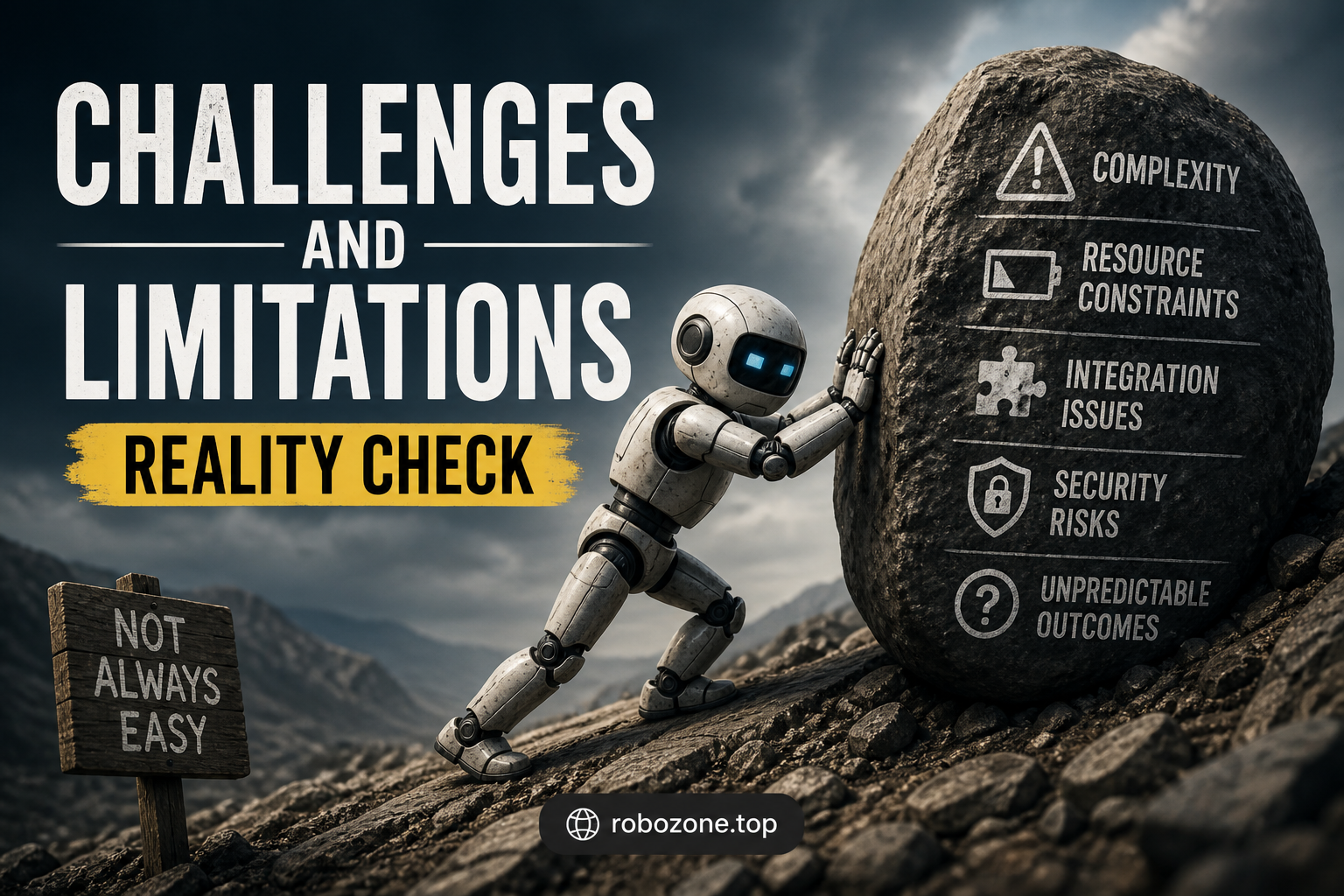
Despite the technological triumphs of Atlas, challenges remain. No narrative about cutting-edge robotics would be complete without acknowledging the hurdles that persist.
First, consider energy constraints. Atlas, like many robots, is limited by battery capacity. While it can perform an enthralling sprint or execute a series of complex maneuvers, its operations are time-bound. Advancements in energy storage, therefore, remain a crucial focus area.
Additionally, while Atlas’s vision and perception systems allow remarkable feats of agility, they are not entirely error-proof. Misjudgments can occur, especially in unpredictable or uncontrolled environments. These scenarios highlight the need for ongoing development of redundancy measures to prevent failures.
The most profound challenge, however, is integrating robots seamlessly within human environments. This involves not only technological considerations but also societal and ethical dimensions. Concerns regarding job displacement and privacy are ongoing conversations that every technologist and thinker, including Thomas Huynh, emphasizes we must address responsibly.
Acknowledging these limitations is essential, for it’s not merely about heralding a new era of robotics but crafting a future where such technology is inclusive, sustainable, and equitable.
Looking to the Future: Predictions and Strategic Insights
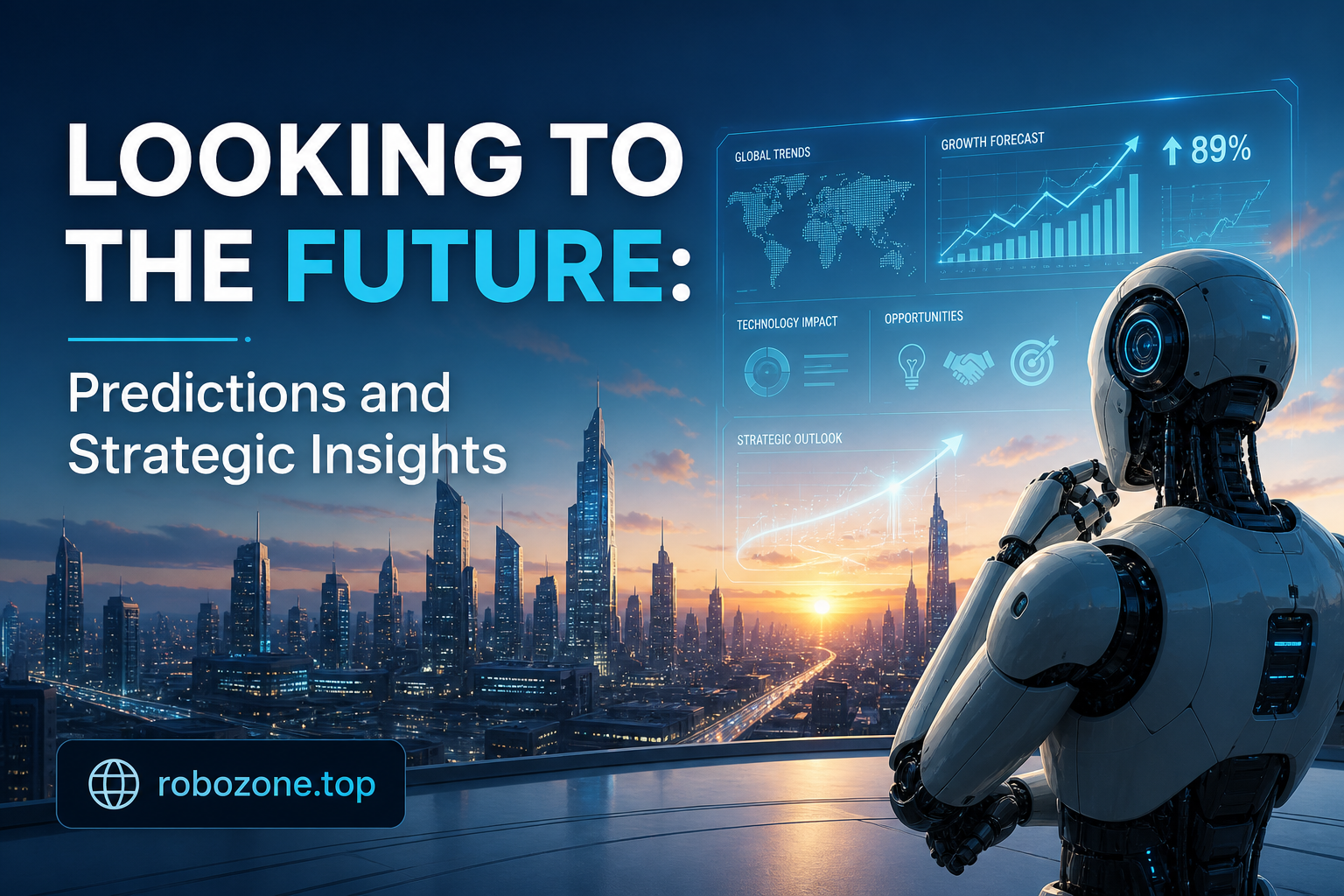
As we gaze into the near future, it’s certain that Atlas is paving paths rather than following them. Predictions about the next 3-5 years forecast exciting developments and opportunities for robotics.
First, we can expect further refinement in Atlas’s vision systems. Innovations in sensory technology likely will arrive not only enhancing precision but enabling entirely new applications. Advanced simulations and AI-driven improvements might allow robots to pick up subtle cues from the environment, offering unprecedented adaptability.
Beyond technical prospects, market dynamics will also influence Atlas’s trajectory. Industries may shift priorities toward collaborative functions where robots like Atlas coexist with human workers, each amplifying the group’s collective potential.
From a strategic standpoint, businesses should prepare by investing in upskilling initiatives that focus on human-robot collaboration. Institutions like the Stanford AI Lab suggest education will increasingly adapt, offering curricula blending engineering suavity with AI knowledge, designed for the next-gen workforce.
In closing, the story of Atlas is not merely one about technological prowess but humanity’s directions as we stand on the brink of an era where intelligent machines will become our collaborators rather than tools. As Thomas Huynh would assert, the real challenge – and opportunity – lies in steering this journey to enrich lives globally.
So what comes next? As Atlas continues to evolve, so will our understanding of what robots like it can achieve. This is not simply about what technology can do, but about forging pathways that enhance human life, reshape industries, and redefine capabilities. Whether as a keen industry observer or a casual tech enthusiast, everyone has a stake in this evolving narrative. It’s a testament to humanity’s indomitable spirit of exploration and innovation. Here’s to the next chapter in robotics — it’s bound to be a thrilling adventure.
Thomas Huynh – Admin of RoboZone.top
References & Further Reading:
- MIT Technology Review — https://www.technologyreview.com
- IEEE Spectrum — https://spectrum.ieee.org
- NVIDIA Blogs — https://blogs.nvidia.com
- International Federation of Robotics — https://ifr.org
- Harvard Business Review — https://hbr.org
- Boston Dynamics — https://www.bostondynamics.com
– – – – – – – – – – – – – – – –
“If you found my post: Boston Dynamics Atlas Deep Dive: Vision & spatial perception — How Good Is It Really? helpful, consider checking out the product links below. It helps support the channel at no extra cost to you!”
Order HIWONDER Humanoid Robot