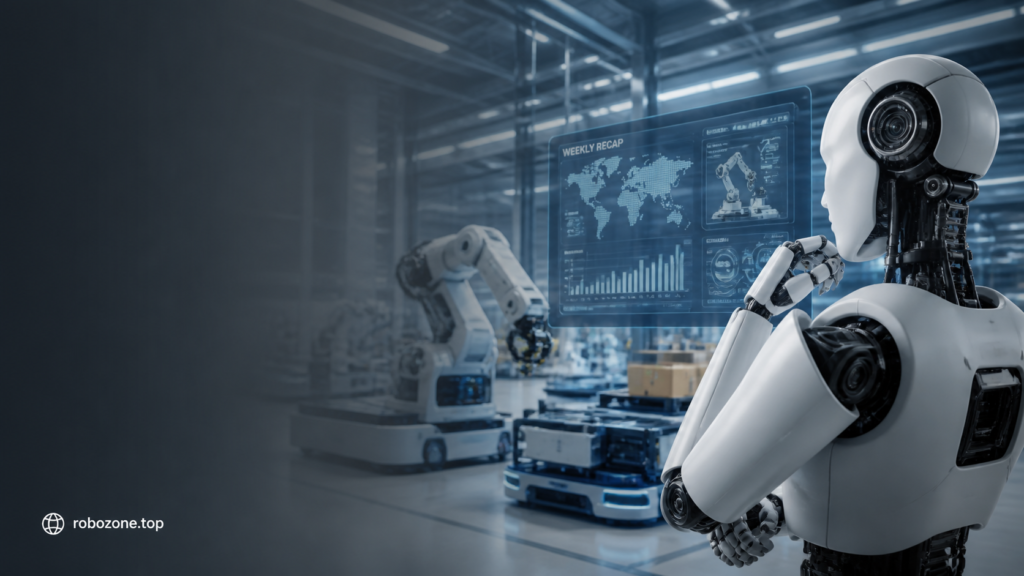
The Core Concept: Robotics Redefined
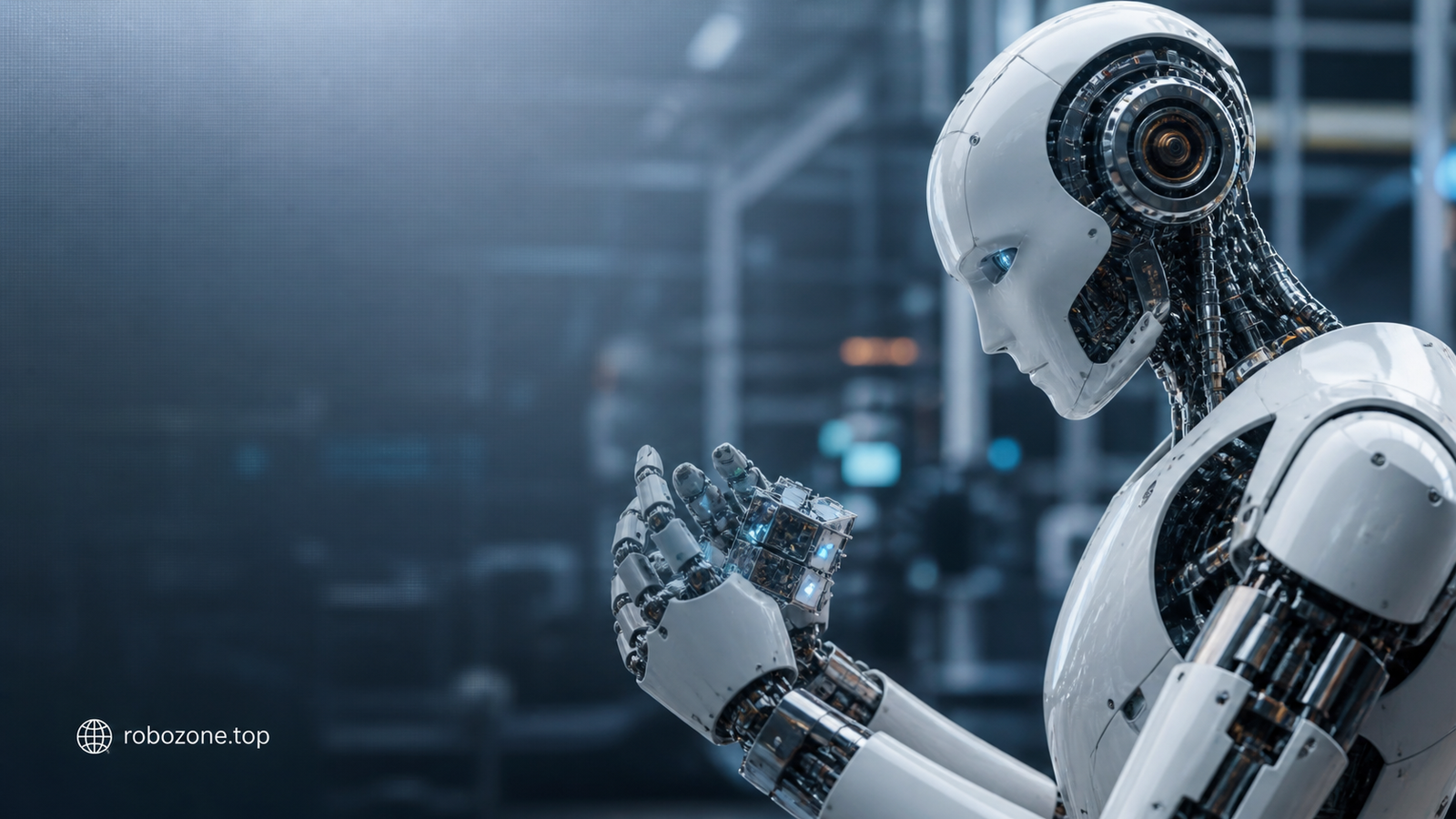
Ah, robotics! Once a whimsical dream depicted in movies with metallic humanoids wielding laser eyes, it’s now a domain that’s spilling over with reality and innovation. This transformation is not merely skin-deep but systemic and paradigm-shifting. The core concept of today’s robotics hinges on autonomy and intelligence — a fascinating marriage enabled by Artificial Intelligence (AI). AI-driven robotics combines advanced machine learning algorithms with autonomous systems to produce machines that learn and adapt like never before.
The novel aspect of AI in robotics is its capacity to replicate — or at least attempt to — human decision-making processes. This includes learning from experiences, recognizing patterns, and predicting outcomes based on vast amounts of data. Picture a robot learning to navigate a cluttered room. Unlike its predecessors, which required meticulous preprogramming for every potential obstacle, today’s robots, cooked up in labs from the Stanford AI Lab to Google DeepMind’s workshops, learn through trial and error, just like toddlers figuring out how not to spill the milk.
[this image – an AI-enabled robot taking strategic steps in an obstacle course dotted with household items, illustrating machine learning in real environments]
In this brave new world, sensors and chips act as eyes and brains for robots. Companies like NVIDIA provide cutting-edge GPUs that process swathes of information swiftly, making sense of complex environments. This revolution has made robotics not just faster but significantly smarter, fueling an industry-wide shift that’s the talk of the town.
Real-World Applications: Robots in Our Midst
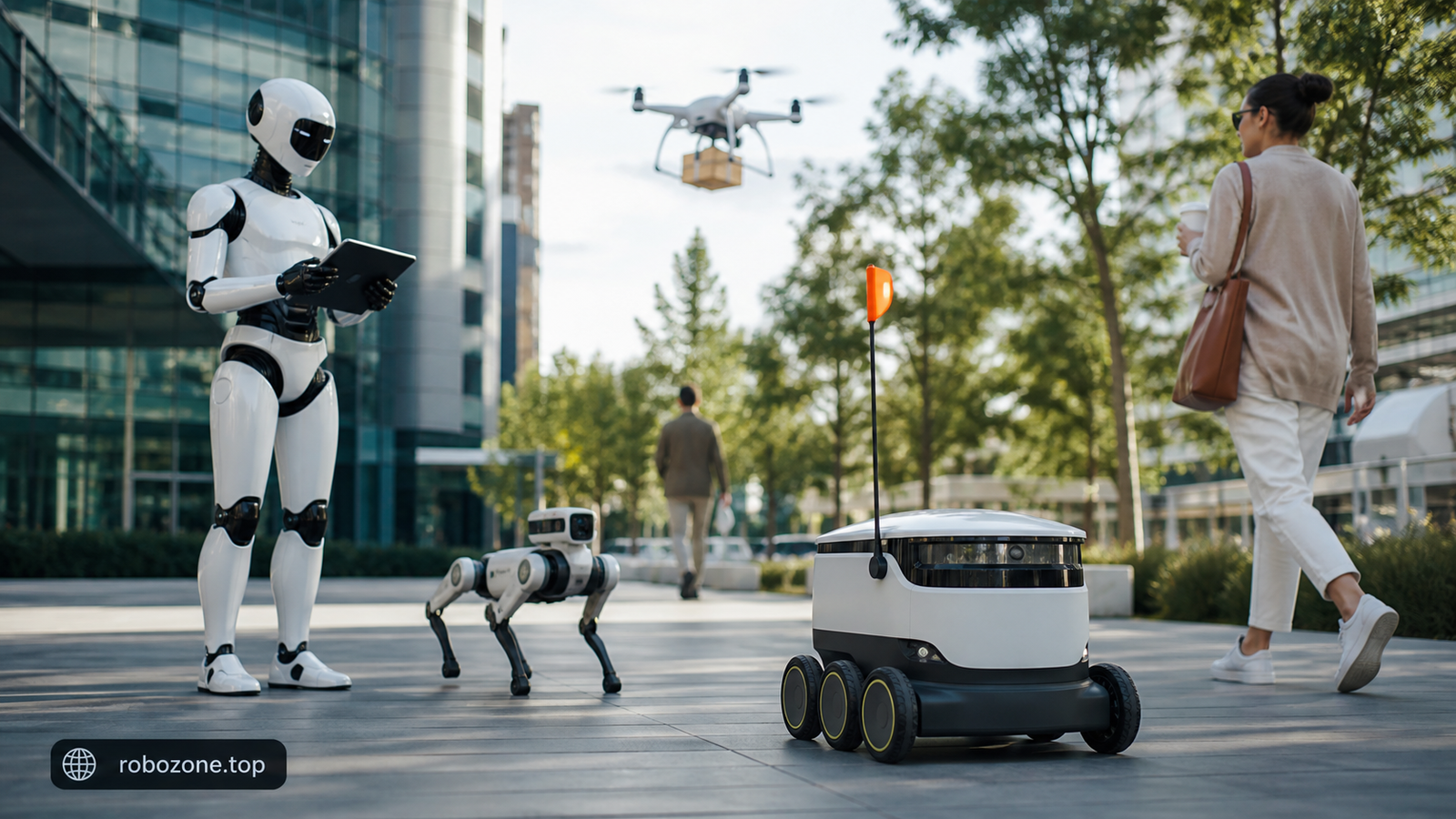
When one talks about robotics applications today, it spans a dizzying array of scenarios. With the synergy of sensors, AI, and robotics systems, sectors beyond manufacturing are witnessing transformative effects that are as exciting as they are profound.
In healthcare, for instance, robots are acting as surgical assistants, precision-heavy and tireless, reducing human error and improving patient outcomes. Imagine a robotic hand working alongside a surgeon, its steely concentration unmatched, its precision unfaltering. Or consider the logistics sector where companies like Boston Dynamics don’t just strut their stuff in viral videos but offer real solutions for warehouse automation. Their robots trotting away with boxes like they’re on a joyride is not just mesmerizing but incredibly efficient.
At the domestic level, our homes have welcomed a new generation of assistants, from security robots patrolling the abode, like digital-segment-savvy sentinels, to vacuum cleaners mapping out dust-battle strategies better than ever before. Not to mention the agricultural field, where UAVs (Unmanned Aerial Vehicles) equipped with advanced imaging tools are revolutionizing farm management, boosting yield predictions with uncanny accuracy.
Wherever you look, from military strategics with autonomous drones to entertainment sectors drawing crowds with robots exhibiting unexpected humor and charm, the overlap of AI and robotics continues to spell out possibilities limited only by imagination.
Technical Insights: What’s Beneath the Metallic Surface?

Now, peel back the shiny exterior of these cutting-edge robots, and you uncover a world powered by intricate technologies. Yes, the sleek designs and life as programmed art impress at first glance, but delve deeper into their underlying components for the true tech marvels.
AI models drive the decision-making and learning processes of robots. Complex neural networks are trained to understand not just visible but contextual data to make uncanny predictions and spot anomalies faster than a hawk. In surgical robotics, for instance, data-driven insights allow machines to anticipate a doctor’s needs, virtually hand in glove with human collaboration. Advances in reinforcement learning push adaptability into the limelight, giving robots the ability to safely interact with the world around them with minimal intervention.
Sensors act as the touchpoints between machines and real-time inputs, mimicking the human senses with sometimes greater acuity. Whether it’s LiDAR technology for precise navigation or haptic feedback systems enabling soft touches akin to a human hand, the interaction potential is astounding.
Let’s not forget the chips — the neural networks and AI integrations demand lightning-fast computations, where companies like NVIDIA shine. Their development of artificial intelligence-enhanced graphic processing units (GPUs) are harbingers that carry the intense load of modern machine learning, fueling everything from visual recognition to complex problem-solving, with ease akin to AI art rapidly painting masterpieces onscreen.
The buzz, therefore, isn’t just skin-deep: it’s an intricate dance of components and computing models, pushing robotics to ever more sophisticated echelons.
The Robotics Market: Analyses and Investments
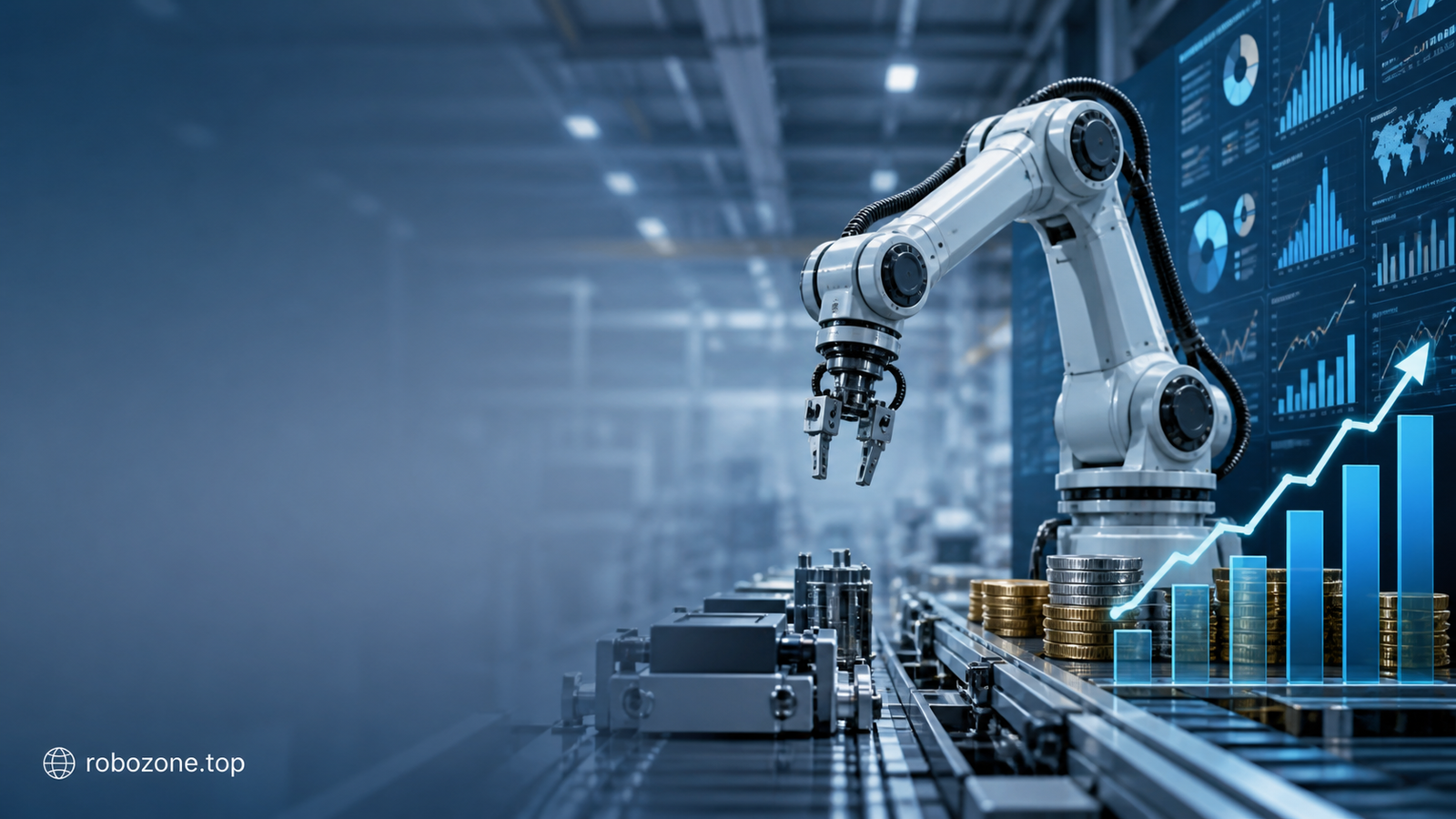
Aligned with the technological advances, the robotics market is seeing a boom that even seasoned analysts find exhilarating. From causal observers to Wall Street bigshots, all eyes are glued to investment flows and financial trends reshaping the landscape of robotics.
According to the World Economic Forum, the global robotics market, estimated at $125 billion in 2025, is surging forward with a growth trajectory that’s anything but modest. This means not only expanded accessibility but entry points for newer companies to carve niche spaces, stirring a competitive frenzy that benefits consumers with innovations tailored to finer needs.
Strategic collaborations continue to underscore the field, evident in partnerships like those between Tesla and AI research bodies focusing on integrating autonomous systems into vehicles. Meanwhile, commercial investments in warehousing automation and healthcare tech solutions by companies like Amazon extend the influence of robotics beyond conventional realms, integrating seamlessly into daily operations.
The economic ripple effects are vast, potentially reshaping the workforce in ways where truces between humans and robots become themes for policy papers. The potential for job creation with avenues like robotics servicing, programming, and maintenance is vast, though skeptics warn of significant displacement risks that must be carefully managed.
Challenges and Limitations: The Roadblocks Ahead

Despite all the excitement surrounding robotics, challenges remain significant and sometimes sobering. As Thomas Huynh, the pragmatic torchbearer of RoboZone.top, quips often, ‘even the shiniest robots can skid when the road’s too slick.’
Technological limitations, such as battery longevity and the need for incessant recharging, pose practical challenges. The lifetime of mechanical components under intensive use, reliability under complex environmental interactions, and cybersecurity threats lurk as real concerns that science is yet grappling with.
Ethical dilemmas also garner critically warranted scrutiny. Concerns around privacy invasion by surveillance robots, biases in AI interactions, and the implications of autonomous decision-making systems bring debates that often take as much limelight as technological feats themselves. The ‘black box’ dilemma of AI — where decision pathways are opaque, hence difficult to interrogate — continues to ruffle feathers from technologists to ethicists, demanding a more transparent approach.
What doesn’t work well may not necessarily spell doom but instead, light a beacon towards the avenues that call for innovation and acute focus.
Future Predictions: Gazing Through the Tech Crystal Ball

The age-old philosophical question, ‘What does the future hold?’ finds relevance in robotics and AI’s burgeoning landscapes. While crystal balls may be of no true aid, current trends give rather stunning glimpses into potential futures.
Next-generation robotics systems are expected to evolve into collaborative platforms where machine-to-machine communication fine-tunes efficiencies, reduces redundancies, and enhances capabilities collectively — think smart cities interacting fluidly with autonomous fleets. Industry experts anticipate AI to reach new heights with general learning abilities, where robots will not just perform but truly understand contexts and emotional cues. This could revolutionize service industries, delivering personalized experiences at scales unimaginable before.
The prediction of achieving sustainable robotics by aligning innovations with climate goals is becoming pronounced. With a focus on reducing carbon footprints in manufacturing, energy-efficient robots may soon become the norm, speaking volumes to conscientious tech development.
Strategic Insights: Preparing for the Robotic Horizon
So what should businesses and individuals alike prepare for? It’s clear that staying passive means falling behind in an ecosystem where agility and foresight are key. For businesses, the strategists suggest not just keeping an eye on competitors but focusing on collaborative innovations that utilize shared knowledge and resources.
Developers and engineers must remain proactive, continually upgrading skills to align with fast-moving technologies and AI developments. It’s a world where interdisciplinary understanding isn’t merely beneficial but necessary.
As Thomas Huynh would say, ‘Don’t just ride the wave; build the surfboard.’ In practice, this means creating adaptive business strategies that allow for nimble navigation of the shifting sands of technology.
So where does this leave us? Within the vast universe of robotics, opportunities and challenges interlace to weave a narrative that’s just beginning to unfold. The technology holds potential for revolutionizing not just industries but lifestyles, as we know it. Keeping abreast of these developments, we might just be on the brink of an era where technology genuinely enhances our humanity rather than challenges it.
In the coming years, integrating robotics deeply within our societal fabric could open possibilities for enhanced interactions, more sustainable practices, and economic models that include and innovate continuously. Now, more than ever, is the time for stakeholders to stay informed, anticipate changes, and adapt creatively.
Thomas Huynh – Admin of RoboZone.top
References & Further Reading:
– MIT Technology Review — https://www.technologyreview.com
– IEEE Spectrum — https://spectrum.ieee.org
– McKinsey & Company — https://www.mckinsey.com
– Stanford AI Lab — https://ai.stanford.edu
– Harvard Business Review — https://hbr.org
– NVIDIA Blog — https://blogs.nvidia.com
– International Federation of Robotics — https://ifr.org
– World Economic Forum — https://www.weforum.org