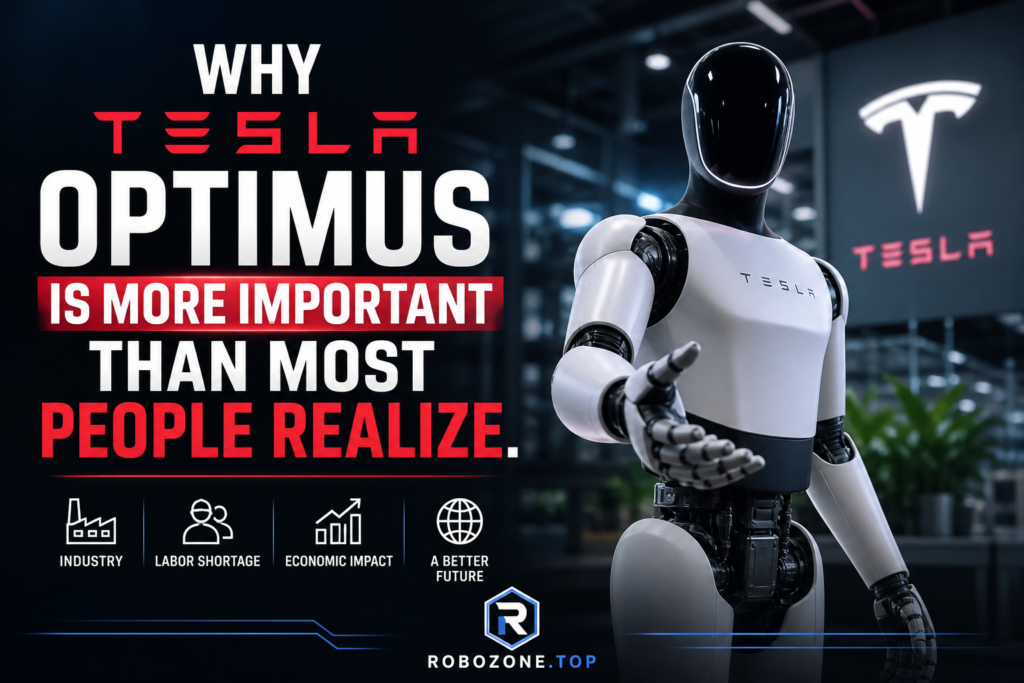
Picture a future where humanoid robots seamlessly integrate into our daily lives, aiding in both mundane tasks and complex problem-solving. This is not the latest sci-fi blockbuster, but rather the vision Tesla has set in motion with their Optimus robot. While initial impressions might portray it as another ambitious project from Elon Musk’s innovation powerhouse, the significance of Tesla Optimus extends far beyond the surface. In a world increasingly reliant on automation and artificial intelligence, Optimus represents a key milestone not just in robotics, but in the evolution of technology’s role in human civilization. In our exploration today, we’ll uncover why this revolutionary robot is more important than most realize and its potential to transform the way we work, live, and interact.
Unveiling the Core Concept of Tesla Optimus
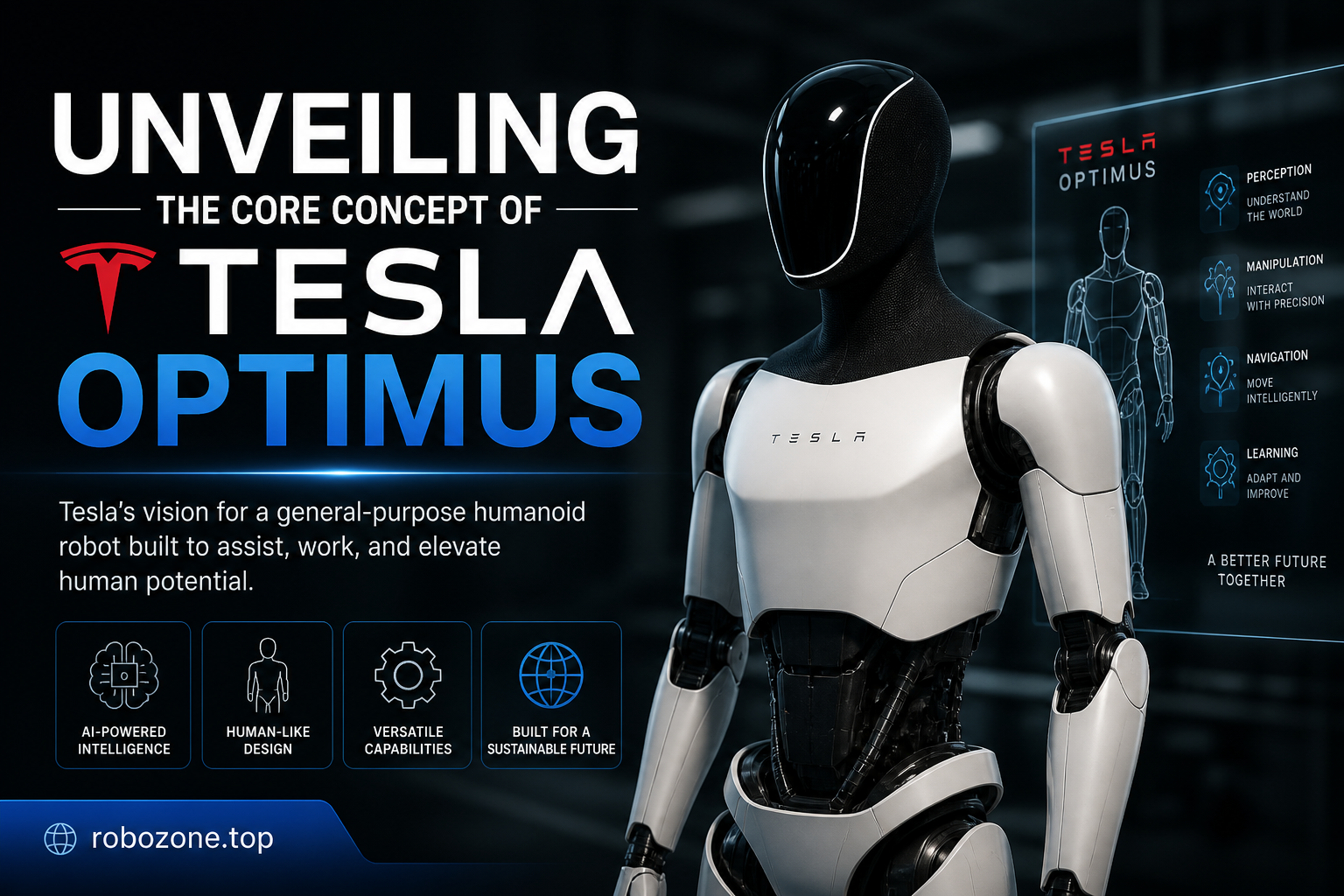
To truly grasp the essence of Tesla Optimus, it’s pivotal to understand what it is and how it functions. Revealed amidst much anticipation in 2023, Optimus is a humanoid robot designed by Tesla, aimed at automating tasks typically performed by humans. Weighing approximately 125 pounds and standing at a height mimicking the average person, Optimus is equipped with state-of-the-art components and a sleek exterior that closely mirrors human physiology.
Optimus operates on Tesla’s sophisticated Full Self-Driving (FSD) computer hardware, initially engineered for Tesla’s electric vehicles. This computer harnesses vast amounts of data processed by neural networks, enabling the robot to learn from its environment and make decisions based on real-time information. The robot navigates its surroundings using advanced sensors, including cameras and ultrasonic and radar systems, much like Tesla’s Autopilot function for cars.
Critics might say, ‘so far, so predictable,’ but this is where Optimus begins to distinguish itself. Beyond its technical blueprint, Optimus embodies the ambition to create a robot that not only assists but learns and grows within its environment, echoing the symbiotic relationship humans have with technology.
Real-World Applications: Beyond the Buzz
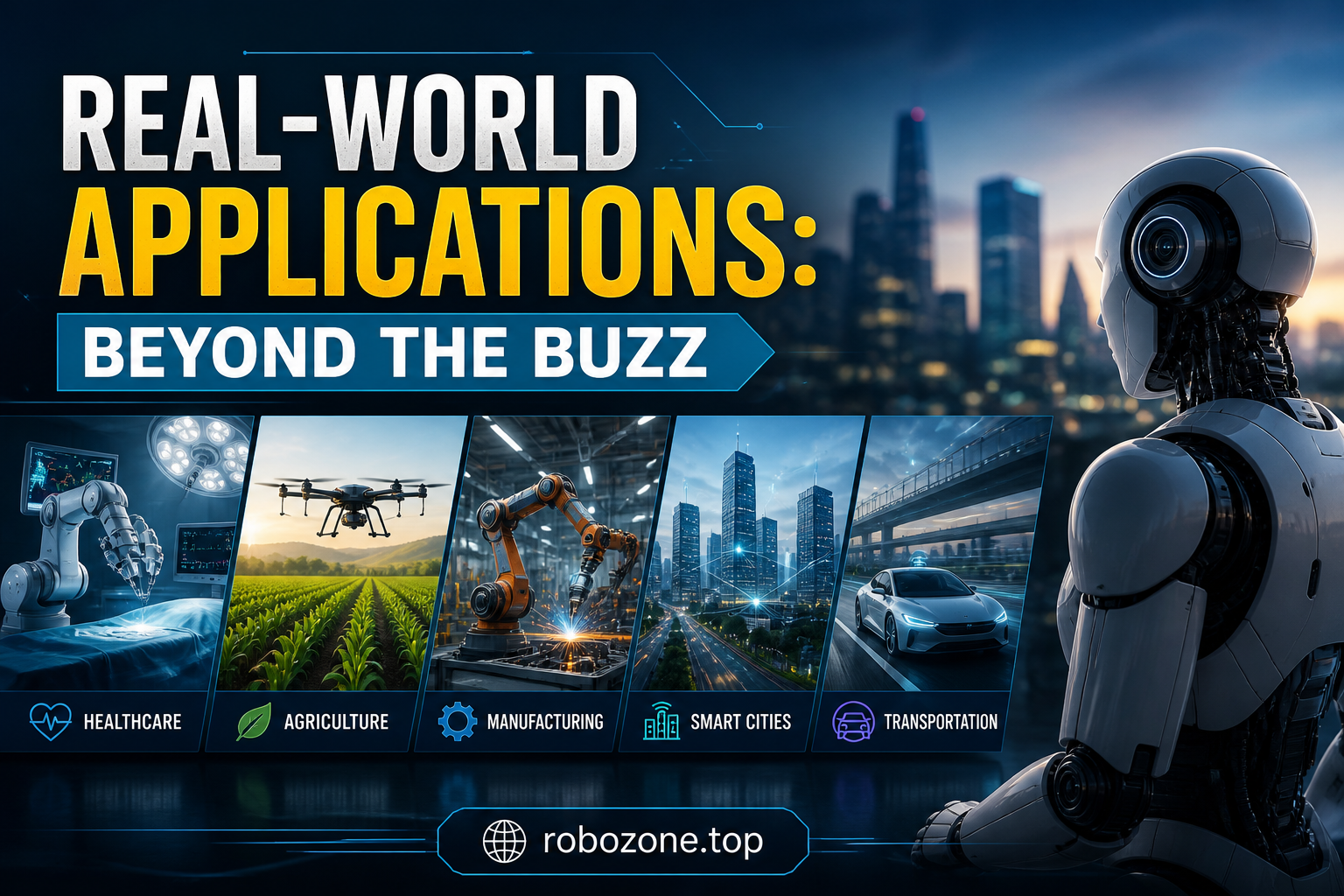
At first glance, the utility of robots like Optimus might seem confined to factory floors or sci-fi imaginings. However, Elon Musk and his team at Tesla envision a much broader horizon. Let’s delve into some real-world applications that redefine how we perceive everyday assistance and operational enhancements.
In the healthcare sector, Optimus offers remarkable assistance possibilities. Imagine an Optimus unit programmed to assist with patient mobility, monitor vital statistics, or even perform routine check-ups under supervision. A paper by McKinsey & Company emphasizes the projected impact of robotics in reducing healthcare labor costs while improving patient outcomes, hence demonstrating Optimus’s potential role in revolutionizing healthcare systems.
Switching to industrial settings, Optimus’s impact is equally transformative. Capable of performing repetitive tasks efficiently, these robots can potentially handle assembly lines, operate machinery, and even oversee quality control — reducing human burden and error. Companies like Boston Dynamics have paved the way for robotics in logistics, but Tesla’s broader consumer brand may accelerate public acceptance and implementation.
On the domestic front, the implications for household chores are equally revolutionary. Imagine returning from a hard day’s work to find dinner prepared and the house cleaned — with Optimus on duty, this futuristic scenario might no longer be a dream but a reality.
Technical Insights: Where AI Meets Robotics
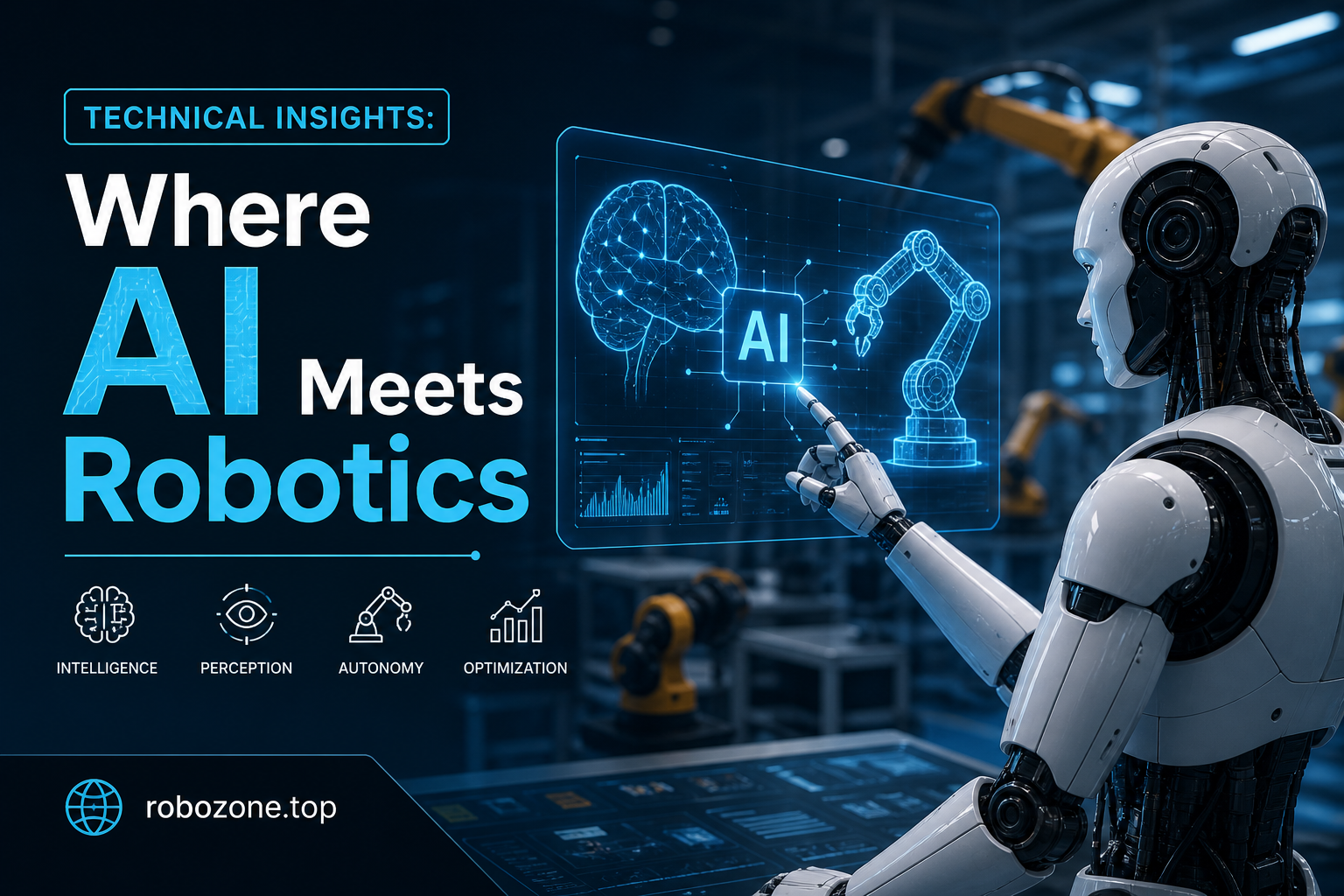
If Optimus represents the evolution of robots, then the AI systems and technical specifications form its soul. The beating heart of Optimus’s operational prowess is Tesla’s neural networks, which powerfully simulate a brain-like environment to process information and create responses.
These AI models, already prominent in Tesla vehicles, help the robot ‘see’ and ‘react’ appropriately to its surroundings. NVIDIA’s chips, renowned for high-performance computing, complement this setup, providing the horsepower needed for rapid processing. According to a report from IEEE Spectrum, the use of such advanced chips ensures that Optimus is not just fast but increasingly intelligent.
Optimus’s design also incorporates a variety of innovative sensors, including tactile and haptic sensors, bestowing the robot with a nuanced sense of touch. This kind of sensory integration is a leap forward, aiming to allow robots to interact delicately and intuitively with objects and humans alike, as highlighted by findings from the Stanford AI Lab.
‘Getting a robot to do the dishes without smashing the china—that’s the real test,’ jokes Thomas Huynh, who sees Optimus as a potential game-changer in AI interactions, providing a laugh yet underscoring a genuine challenge engineers face as they aim for human-like dexterity.
Market Impact: Analysis of Growth and Investment
The robotics market has been thriving, showing an impressive annual growth rate driven by relentless investment in technology. With Tesla Optimus entering the scene, the landscape is poised for accelerated transformation. A recent analysis by the World Economic Forum underscores the economic potential of integrating sophisticated robotics like Optimus across various industries.
Investment trends point to robotics not just as a novelty but as a pivotal sector within the broader tech sphere. Tesla itself has invested billions into developing the Optimus project, a testament to serious stakeholder belief in its commercial viability. Brother androids might fall short where Optimus aims to excel—a broad user base stretching from industries to individual consumers.
As companies across the globe race to enhance efficiencies, reduce operational costs, and address labor shortages, robots like Optimus provide a promising solution. In practical terms, this means a shift in market dynamics where robotics and AI play a central role, as detailed in reports by the International Federation of Robotics.
Of course, with potential comes risk, and the realm of AI-driven robotics is no stranger to ethical and security concerns. Yet the promise of widespread positive economic disruption is a tantalizing incentive for investors and businesses that are looking towards the future.
Navigating Challenges and Limitations
Despite its potential, Tesla Optimus, like any pioneering technology, faces challenges and limitations. As researchers and developers continually strive to meet ambitious expectations, understanding these hurdles is crucial.
One significant challenge is achieving genuine autonomous learning and decision-making. While the AI is good, it is not infallible. Potential safety issues and decision errors are particularly concerning when deploying robots in diverse environments. The Harvard Business Review has highlighted concerns over machines being entrusted with responsibilities that require empathy or nuanced decision-making capacities—traits uniquely human.
Furthermore, the economic and technical challenges of scaling production to make Optimus financially accessible to the average consumer remain. A recent Stanford analysis acknowledges the steep initial cost barriers yet remains hopeful as technology matures and manufacturing costs reduce.
Then there’s the public perception aspect: consumer trust and acceptance. While Optimus promises to be humanity’s helpmate, winning over the hearts and minds remains an ongoing endeavor.
‘Convincing the world that robots won’t just bumble around like sci-fi horror flicks is half the battle,’ Thomas Huynh jokes, while earnestly acknowledging the scope of educational efforts required to align public sentiment with technological advances.
A Forward-Looking Vision: The Next Decade
So, what does the future hold for Tesla Optimus and the broader realm of robotics? As we project into the next 3 to 5 years, several propelling trends and innovations are set to emerge.
Experts predict that as AI and robotics forge deeper synergy, Optimus-type robots will become standard fixtures in many industries, improving productivity and offering new dimensions of operational adaptability. By 2026, integration into smart home networks might see Optimus interacting with other IoT devices, offering a truly interconnected household experience.
Industrially, robots are predicted to evolve from mere tools to collaborators in creativity, problem-solving, and production innovation. AI-driven insights, derived from asymmetrical data analysis, will guide human decisions, suggesting possible strategies and solutions.
Strategically, businesses and developers should prepare for this shift by investing in AI literacy, workforce adaptation programs, and ethical frameworks to guide the deployment of human-like machines. The next era of robotics isn’t about replacing humans—it’s about enhancing human potential.
So, where does this leave us? As the landscape of technology shifts and evolves, Tesla Optimus stands as a beacon of the possibilities lying ahead. It’s more than just a robot; it’s a manifestation of what high-functioning, human-centered robotics could mean for our future. While challenges remain, they are rivaled by the promise of a new frontier gradually unfolding before us, enticing with innovations that promise to reshape our reality.
Ultimately, Tesla Optimus invites us to imagine—a world with simpler routines, redefined workplaces, and perhaps, the luxury of time. Companies, developers, and users alike should pay heed, as adapting to these inevitable changes opens the door to an exciting new chapter of human progression, shaped in partnership with technology as an ally, not an adversary.
Thomas Huynh – Admin of RoboZone.top
References & Further Reading:
- MIT Technology Review — https://www.technologyreview.com/
- IEEE Spectrum — https://spectrum.ieee.org/
- McKinsey & Company — https://www.mckinsey.com/
- Stanford AI Lab — https://ai.stanford.edu/
- Harvard Business Review — https://hbr.org/
- NVIDIA — https://blogs.nvidia.com/
- International Federation of Robotics — https://ifr.org/
- World Economic Forum — https://www.weforum.org/
– – – – – – – – – – – – – – – – – – – – – – – – – – – – – –
Love this content? Support the blog by checking out these items:
If you buy through these links, I may earn a small commission at no extra cost to you. Thank you for supporting the blog!