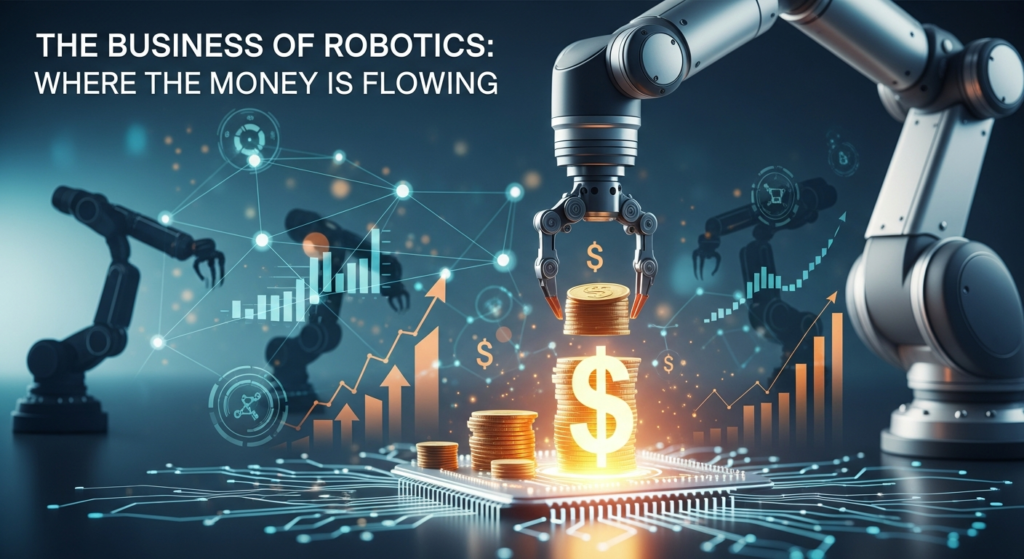
In the rapidly evolving world of technology, robotics stands as a towering beacon of innovation and opportunity. As we venture into the mid-2020s, the business of robotics is witnessing a seismic shift, where the influx of investment capital is reshaping industries and economies globally. The amalgamation of cutting-edge robotics, artificial intelligence, and machine learning has set the stage for a fascinating dance between human ingenuity and mechanical marvels. But the question remains, where exactly is the money flowing, and why is it pouring into these tin soldiers of the future?
The Core Concept of Robotics and Its Intricacies
Let’s dive into the core concept of robotics. At its essence, robotics melds engineering with intelligence to create machines capable of performing tasks that range from the mundane to the complex. These machines can take the form of humanoid assistants, industrial automatons, or even medical bots operating with surgical precision. As Thomas Huynh often says, ‘This is where the rubber meets the road’. It’s not just about machines mimicking humans; it’s about optimizing performance beyond human capabilities.
Within this ecosystem, robotics relies heavily on components such as sensors, actuators, control systems, and power supplies. Companies like NVIDIA are at the forefront with their high-performance chips, essential for processing the relentless stream of data that today’s intelligent robots must handle. Furthermore, advancements in AI models, such as those developed by Google DeepMind, have enabled robots to learn from interactions with their environment, improving efficiency and accuracy.
Real-World Applications Across Industries
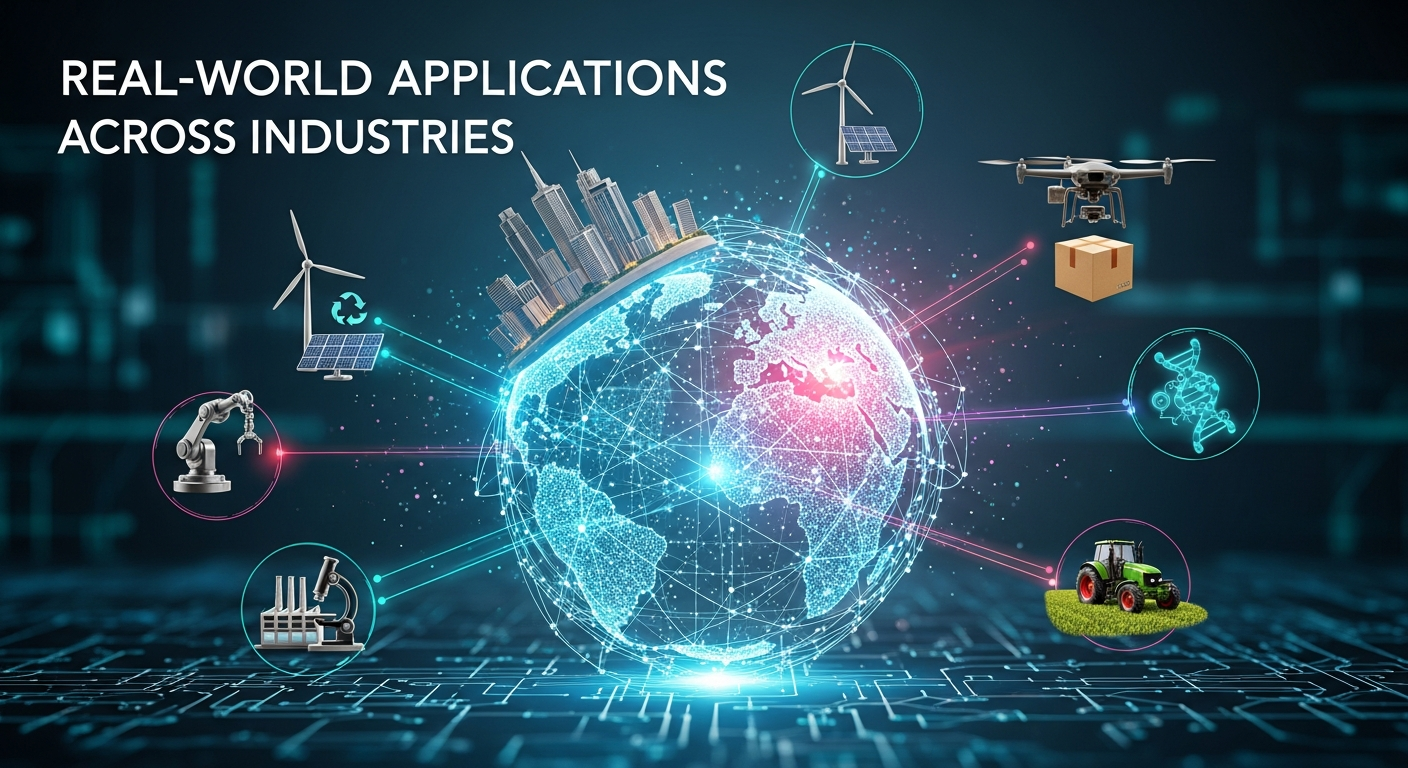
Nowhere is the impact of robotics more palpable than in its real-world applications. Take healthcare, for example, where robotic surgeries have reduced patient recovery times and improved precision and outcomes. Companies like Boston Dynamics have also made waves with their agile robots deployed in logistics, assisting with tasks that are physically demanding or monotonous for humans.
In homes, robotics has introduced convenience like never before. From robot vacuum cleaners like iRobot’s Roomba to smart lawn mowers, these devices offer a glimpse of an automated household future. Industrial applications are even more robust, with manufacturers using robots for welding, assembly, and quality control, often in environments hazardous to humans. The automotive industry has particularly benefited, with autonomous vehicles not just a dream but a tangible reality as Tesla relentlessly charges forward.
Technical Insights and Innovations

The robotics industry is a testament to relentless technical innovation. The convergence of AI and robotics is not just a headline – it’s happening. Sensors capable of perceiving and interpreting stimuli have advanced tremendously. LiDAR (Light Detection and Ranging) technology, used by companies like Volvo for self-driving cars, is a notable example.
AI models are becoming more sophisticated, as evidenced by developments from the Stanford AI Lab, which play a pivotal role in decision-making capabilities. Furthermore, robotics systems powered by state-of-the-art chips are essential for processing complex algorithms at lightning speed. NVIDIA’s graphics processing units (GPUs) are leading the charge, providing the computational horsepower needed for real-time data analysis and machine learning in robotics.
Market Analysis: Investments and Economic Impact

Robotics is not just advancing technologically; it’s attracting substantial financial resources. According to McKinsey & Company, the global robotics market is expected to witness an unprecedented growth rate of over 25% annually through the next five years. Venture capital firms and tech giants are not shying away from pouring billions into startups and established robotics companies alike.
The economic impact is equally profound. As robots integrate deeper into industry operations, they streamline processes, enhance productivity, and reduce costs. This economic shift is particularly significant in manufacturing, where automation promises to revitalize a sector that has long faced challenges due to economic shifts and labor shortages. Despite fears of job loss, the World Economic Forum highlights a growing need for skilled workers to manage and maintain these robotic systems, indicating a net positive effect on employment in the long run.
Challenges and Limitations Facing Robotics
No discussion of robotics would be complete without acknowledging the challenges and limitations that accompany these technological wonders. One enduring challenge is the unpredictability of real-world environments. Autonomous robots must navigate a dynamic and often chaotic environment, requiring rapid, precise decision-making. Although machine learning models are improving, they are not yet infallible, resulting in scenarios where human intervention becomes necessary.
Another hurdle is the ethical considerations surrounding robotics, particularly in AI-driven systems. Concerns about privacy, decision-making transparency, and potential biases in AI algorithms are topics of fervent debate. Moreover, the high initial costs and technical complexity of deploying advanced robotics systems can be prohibitive for smaller businesses, stalling more widespread adoption.
Future Predictions for Robotics
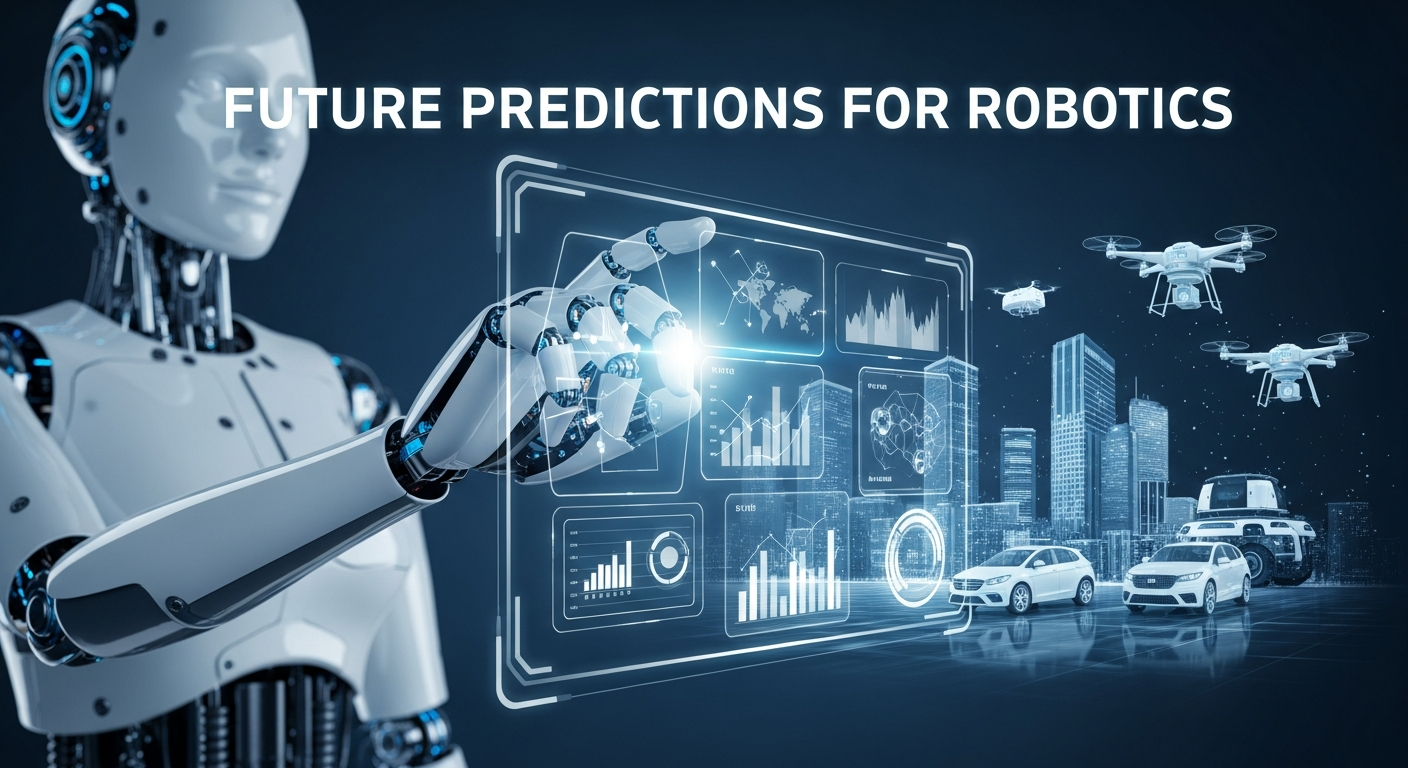
Peering into the crystal ball, the future of robotics is nothing short of exhilarating. Industry experts predict that, within the next three to five years, robotics will become more pervasive, with integration into everyday life expanding dramatically. Imagine domestic robots capable of complex chores or autonomous vehicles dominating urban transportation.
Long-term predictions are even more extraordinary. Beyond 2030, the dream of fully sentient robots, interacting seamlessly with humans and performing tasks across various sectors, seems increasingly within reach. Research from IEEE Spectrum suggests a future where personalized robotics could handle tasks customized to individual preferences, transforming industries such as retail, hospitality, and more.
Strategic Insights for Stakeholders in Robotics
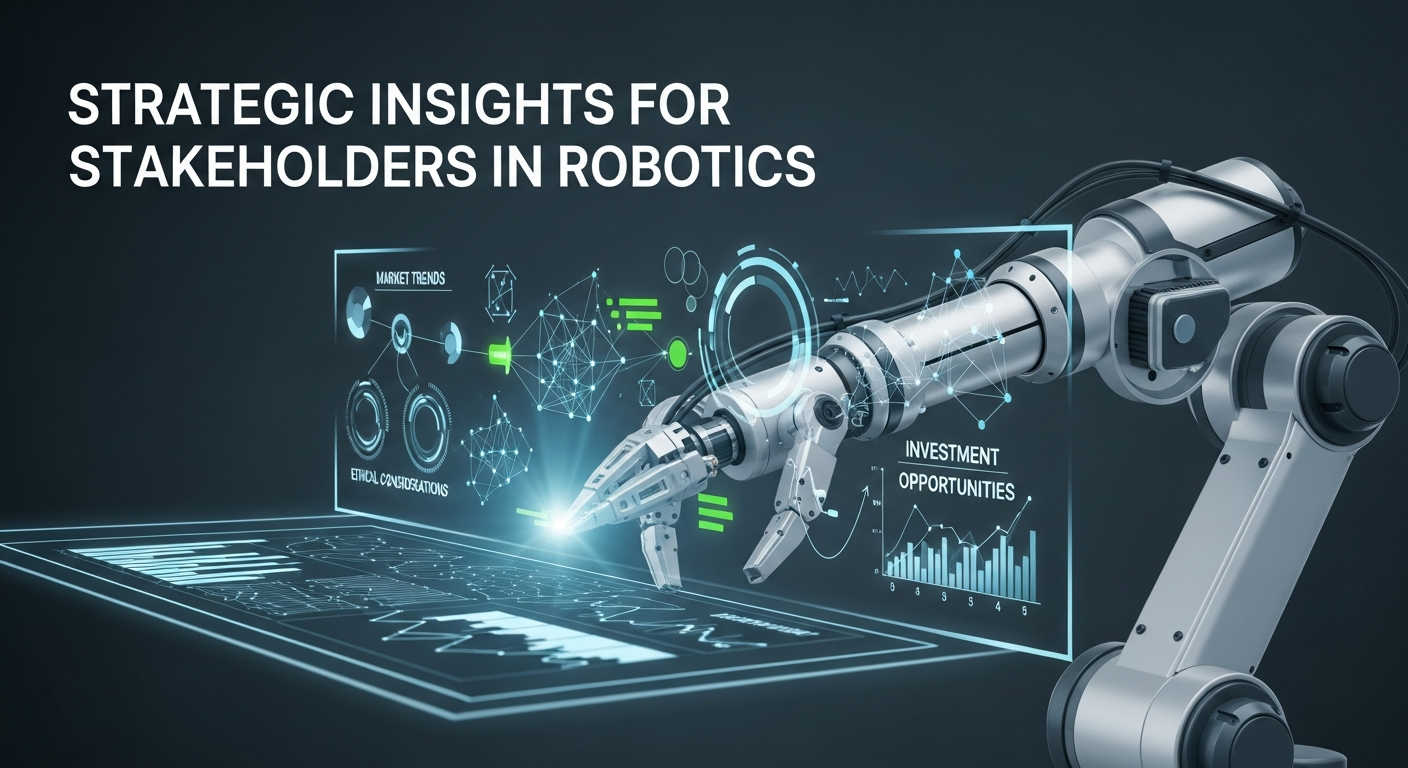
For businesses, developers, and users, preparing for this robotic revolution is crucial. One strategic move would be investing in skill acquisition and reskilling existing workers to manage and collaborate with robotic systems effectively. Companies need to foster a culture of adaptability and continuous learning, especially as the robotics landscape evolves.
Moreover, developers should prioritize creating user-friendly interfaces that allow non-experts to interact easily with robotics systems, lowering the barrier to adoption and driving widespread use. Businesses in sectors likely to be transformed by robotics must plan for infrastructure and operational changes to integrate these technologies effectively.
So where does this leave us? As the world of robotics propels us into an era defined by unprecedented efficiency and capability, we stand on the cusp of both technological marvel and moral quandary. While the promise of robotics is vast, it is essential to remain vigilant of its limitations and ethical implications. The flow of money into robotics is likely to continue unabated, driven by a relentless pursuit of innovation and economic revitalization.
What should we really pay attention to? The key will be balancing technological integration with societal needs and values, ensuring that the future shaped by robotics is not just prosperous, but equitable and inclusive. In doing so, stakeholders will find themselves not merely participants but pioneers in the business of robotics.
Thomas Huynh – Admin of RoboZone.top