There’s something inherently captivating about acceleration. Whether it’s the thrill of the sudden surge of power or the technical mastery required to achieve it, acceleration is a primary measure of both engineering achievement and audacious ambition. Enter the Tesla Roadster—Elon Musk’s latest promise to automotive enthusiasts and tech aficionados alike. The claim? The Roadster will reportedly burst from 0 to 60 mph in under one second, rewriting what we’ve traditionally considered possible for a production vehicle. At RoboZone.top, managed by the insightful Thomas Huynh, we delve into this bold claim to explore its feasibility, technical foundation, and broader implications.
The Genesis of a Legend: Tesla Roadster’s Historical Context
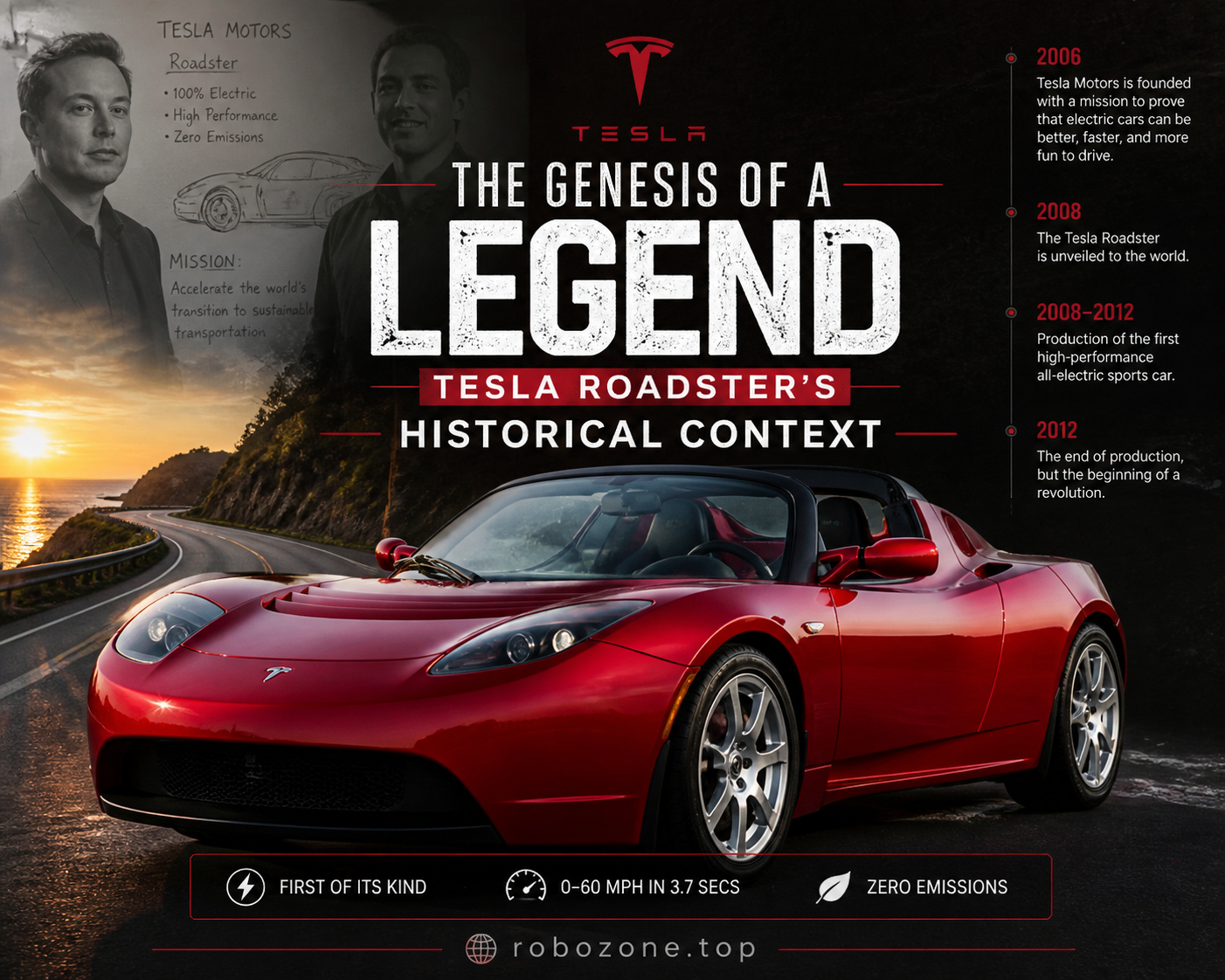
The Tesla Roadster’s journey began with its original unveiling back in 2008. It was the first fully electric vehicle in production, spearheading Tesla’s entrance into the world of electric vehicles (EVs). Fast forward to 2017, and Elon Musk amazed the crowd once again with the announcement of a second-generation Roadster prepped to redefine industry standards for speed and luxury in the EV market. Delayed developments have raised questions about its potential, yet each teaser drop encourages more speculation and investment.
Examining its timeline, the Roadster has experienced delays primarily due to Tesla’s focus on scaling the production of its more mainstream models like the Model 3 and Model S. These strategic decisions have prolonged public anticipation and intensified the impact of each new reveal or piece of information. However, separating an initial concept from a demonstrable production-ready design has often proven to be complex, as the specifics evolve.
Physics Behind the Hype: Traction, Grip, and Acceleration
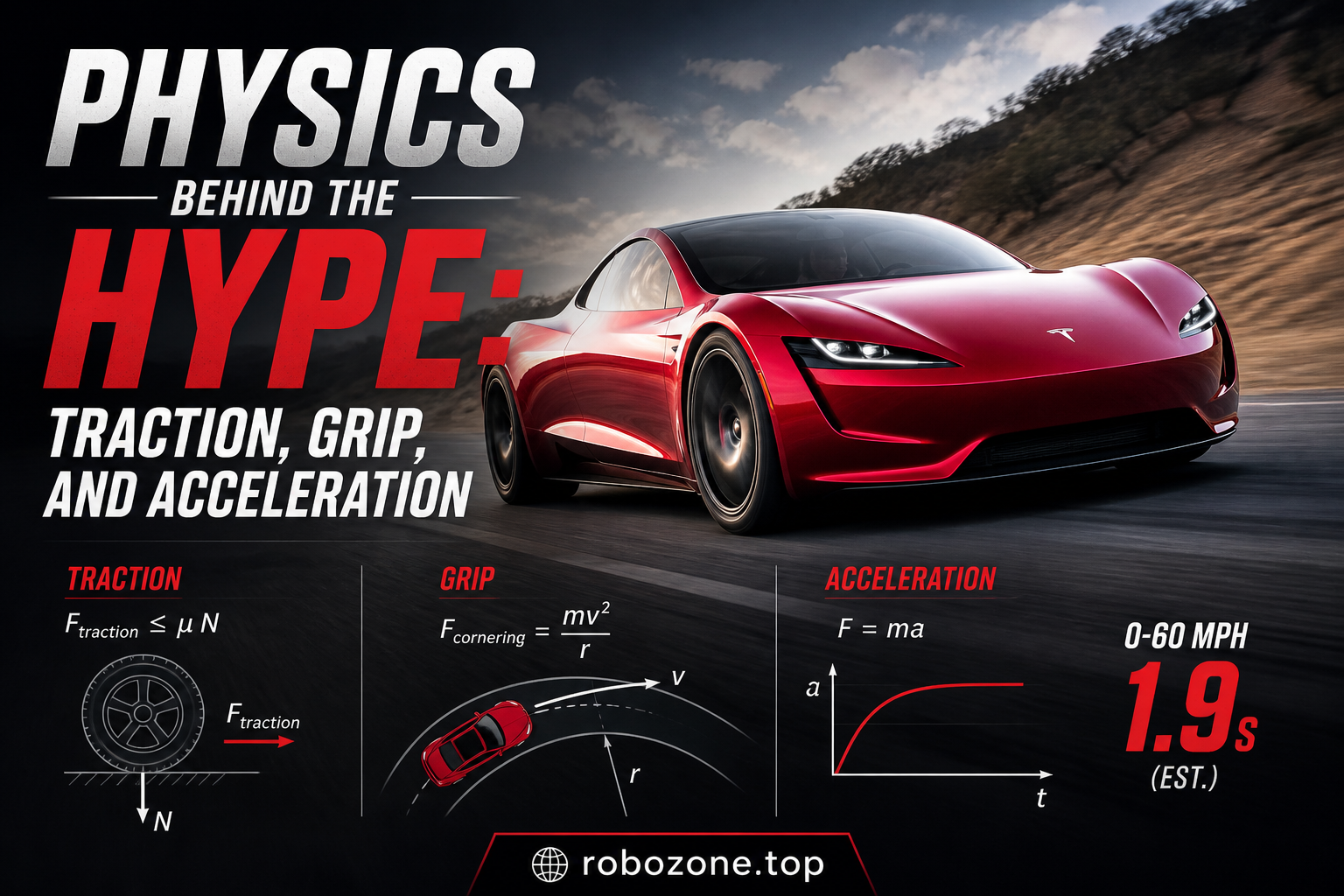
Tesla’s visionary claim of the Roadster moving from a standstill to 60 mph in less than one second is enticing but inherently tied to the laws of physics. At the core of this impressive achievement is traction and tire grip. For the Roadster, the optimal grip necessary to achieve this feat hinges on advanced tire technology capable of withstanding the intense forces while distributing power to the road efficiently.
Road surface plays a crucial role as well. Certain conditions, like rain or gravel, can limit traction capabilities regardless of technological advancements. The mechanics of acceleration are also influenced heavily by the balance between the center of gravity and aerodynamic stability to maintain vehicle control at such rapid acceleration rates.
Technical analysis reveals that a jump from 0 to 60 mph requires immense power delivery and vehicle weight dynamics working in concert. The claim pushes the boundaries of what electric drivetrains and new tire technologies can achieve. Understanding why this matters, we must look at how advancing these elements can redefine what’s feasible in electric hypercar engineering.
The Myth of Rocket Propulsion: The SpaceX Factor
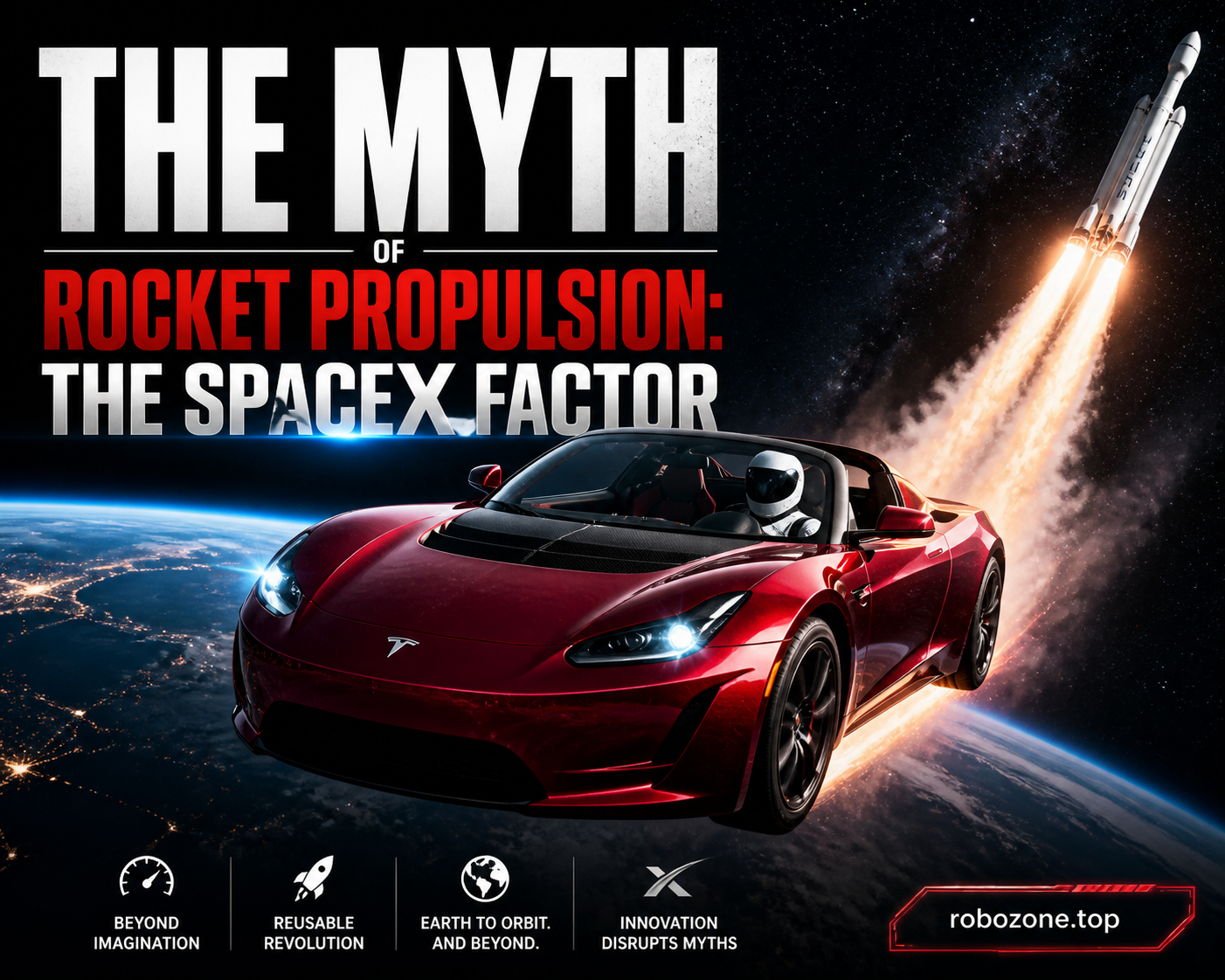
Tesla’s proposed incorporation of SpaceX cold-gas thrusters presents another layer of complexity and intrigue. This optional performance package would, theoretically, involve utilizing compressed gas thrusters to provide additional force, essentially acting like temporary rocket boosters for land vehicles. While drawing inspiration from literal space rocket technology, the practicality and regulatory measures for such an innovation in everyday street use are elaborate and unfurl multiple technical questions.
The thrusters would need to be seamlessly integrated within the vehicle for controlled launches without compromising stability. Key considerations include how swiftly this additional force can be moderated during real-time driving and how such propulsion impacts weight, energy efficiency, and safety systems. The legality of this solution follows closely on the heels of feasibility, with legislators needing extensive testing to ensure consumer safety.
From an engineering perspective, this doesn’t reach the realm of science fiction but represents an engineering frontier that addresses physics-linked limitations in unconventional ways. However, the question remains—will this innovation enact a turning point for automotive propulsion, or will it remain a niche novelty?
Batteries and Powertrain: The Heart of the Beast
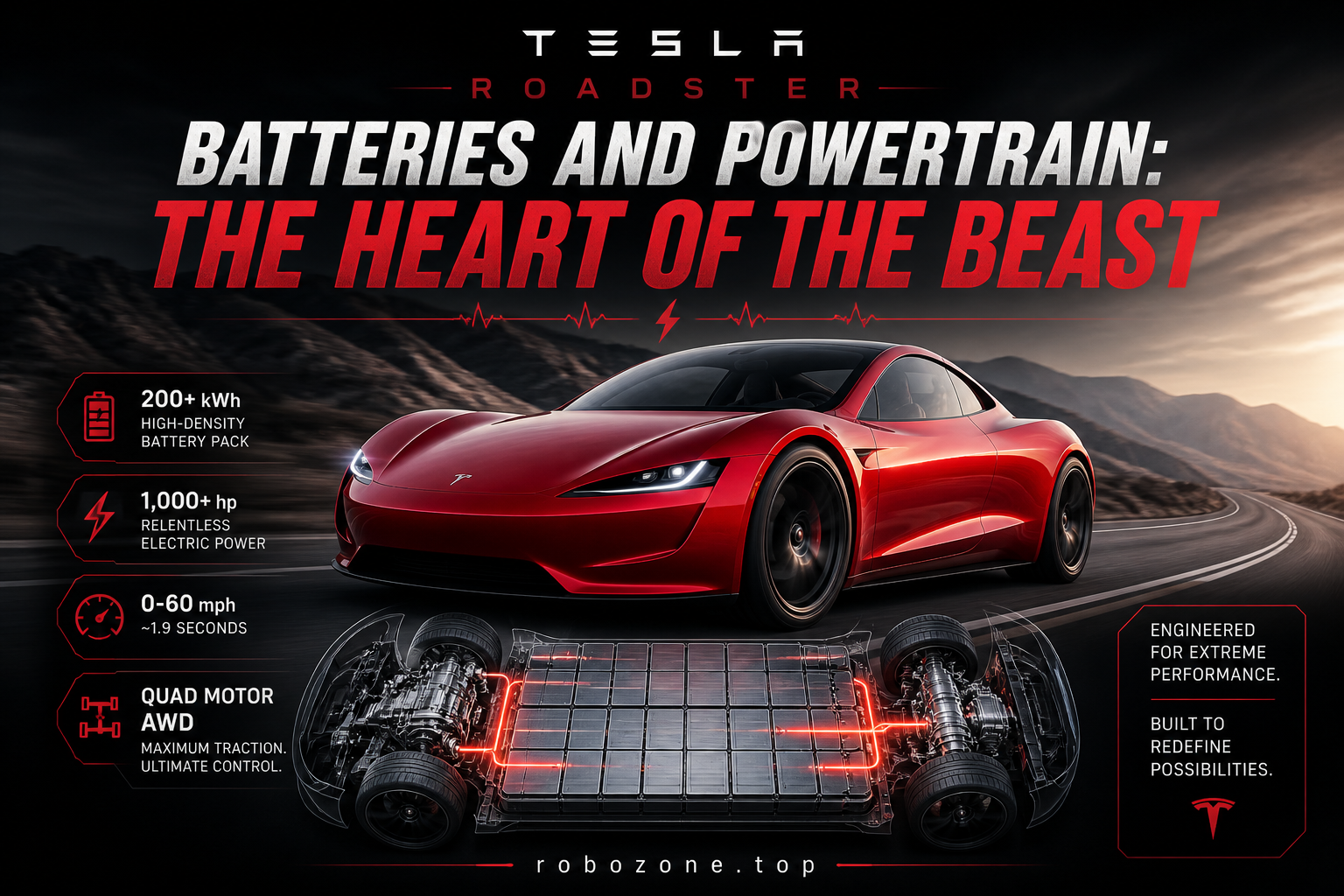
Innovation hinges on what propels these advancements—the batteries and the electric powertrain. Tesla is renowned for its ambitious battery technology, promising high energy density and rapid delivery to power the Roadster’s electric motors, potentially achieving breakthrough acceleration. The intricacies of battery chemistry optimization, thermal management, and efficient energy transfer are foundational to these aspirations.
The Roadster’s technical prowess lies in balancing battery capacity with lightweight construction and advanced regenerative braking systems, harnessing braking energy to recharge and supplement performance demands. These elements must collectively propel the entirety of the vehicle’s acceleration promise.
Moreover, charging infrastructure plays a vital role in Ground-slain such rapid acceleration becomes a norm; controversy arises over whether manufacturers will focus on ultra-fast charging methods, safe enough to handle unprecedented energy demands efficiently.
Real-World Testing and the Standards of Measurement
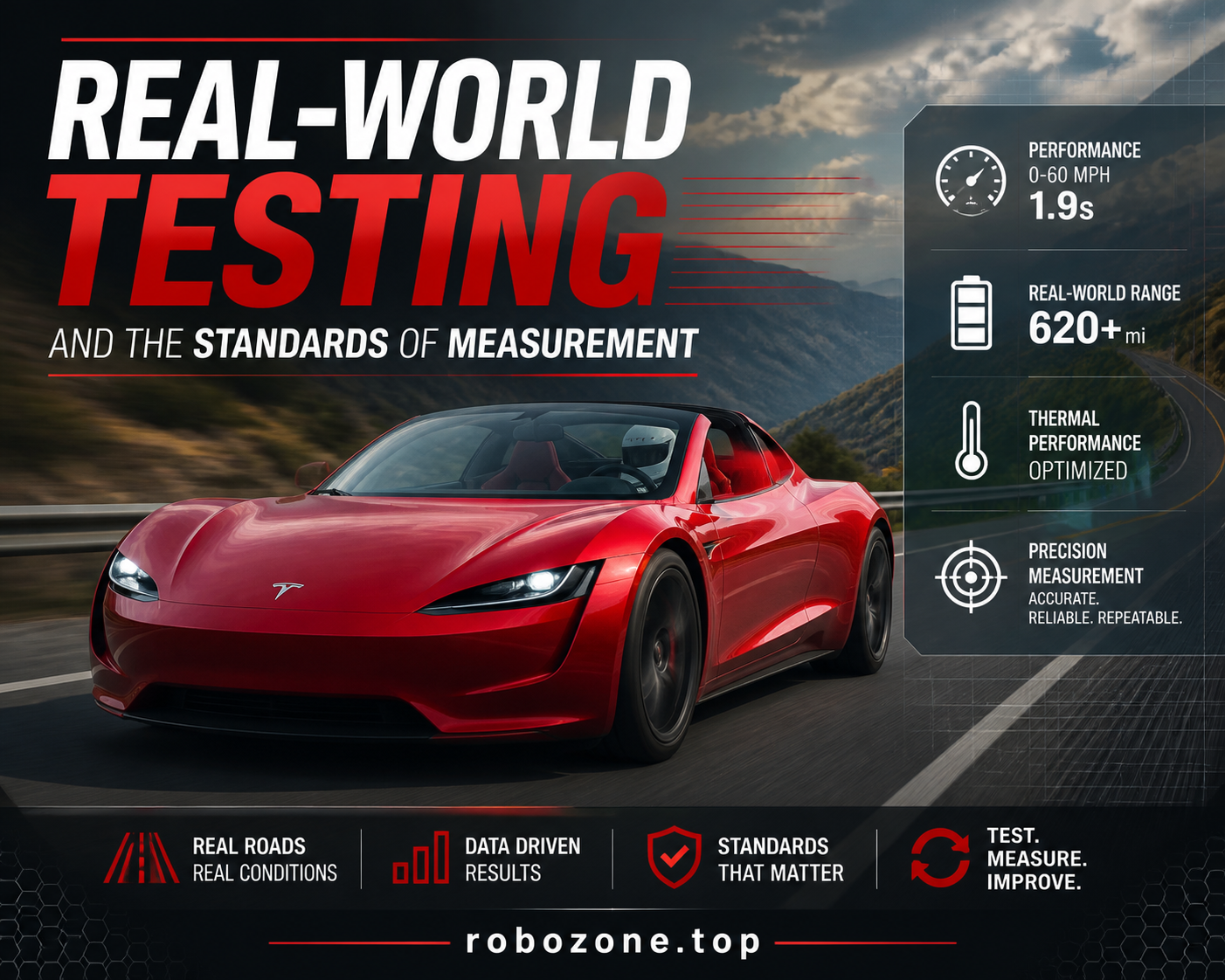
When discussing capabilities as exacting as a sub-one-second 0-60 mph acceleration, measurement metrics take center stage. Industry-standard testing methodologies provide the framework to authenticate these claims, yet not all these benchmarks consider the potential variances of the Roadster’s advanced technology.
Typically, acceleration testing accounts for variables such as road surface, atmospheric conditions, tire pressure, and vehicle load. To corroborate Tesla’s claims, third-party verifications under diverse conditions become essential. Thus far, no independent testing body has publicly confirmed Tesla’s projected figures for the Roadster.
This signifies that while Tesla’s performance targets are striking, they remain in the domain of aspirations until independently verified under controlled, comparable conditions. Besides chasing engineering breakthroughs, setting transparent, relatable, and consistent industry standards for measurement is profoundly significant.
Tensions of Innovation: Challenges and Business Obstacles
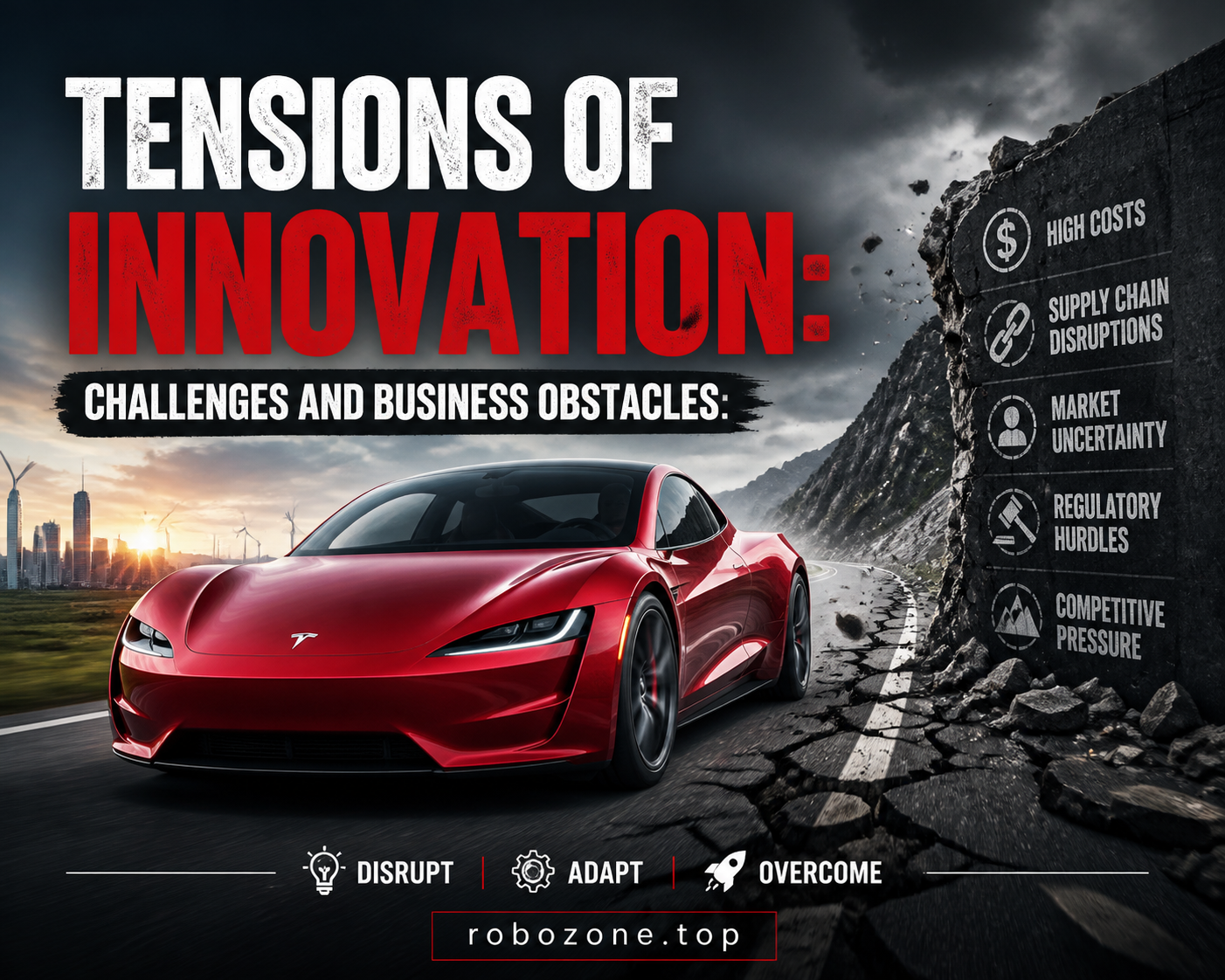
While technology marches inexorably forward, commercial viability and manufacturing logistics often govern progress as unequivocally as physics does. Tesla faces hurdles in materializing the Roadster as a consumer product. Production delays, coupled with the high cost of research and development, raise critical inquiries into resource allocation and technological scaling strategies.
In an industry where supply chain complexities are only intensifying, Tesla must navigate logistical constraints to mass-produce the Roadster or face jeopardizing its ambitions with heightened cost structures. Furthermore, understanding consumer needs and providing resonant value in a niche market of ultra-performance EVs can sway the Roadster’s standing.
Competition is also formidable, with companies like Porsche and Rimac vying for dominance in the performance electric sector. The engineering triumphs must translate into actionable market strategies and consumer offers to anchor its footprint. How Tesla resolves these dilemmas will likely be informative for the wider automotive industry.
Where Ambition Meets the Real World: The Road Ahead for Tesla Roadster
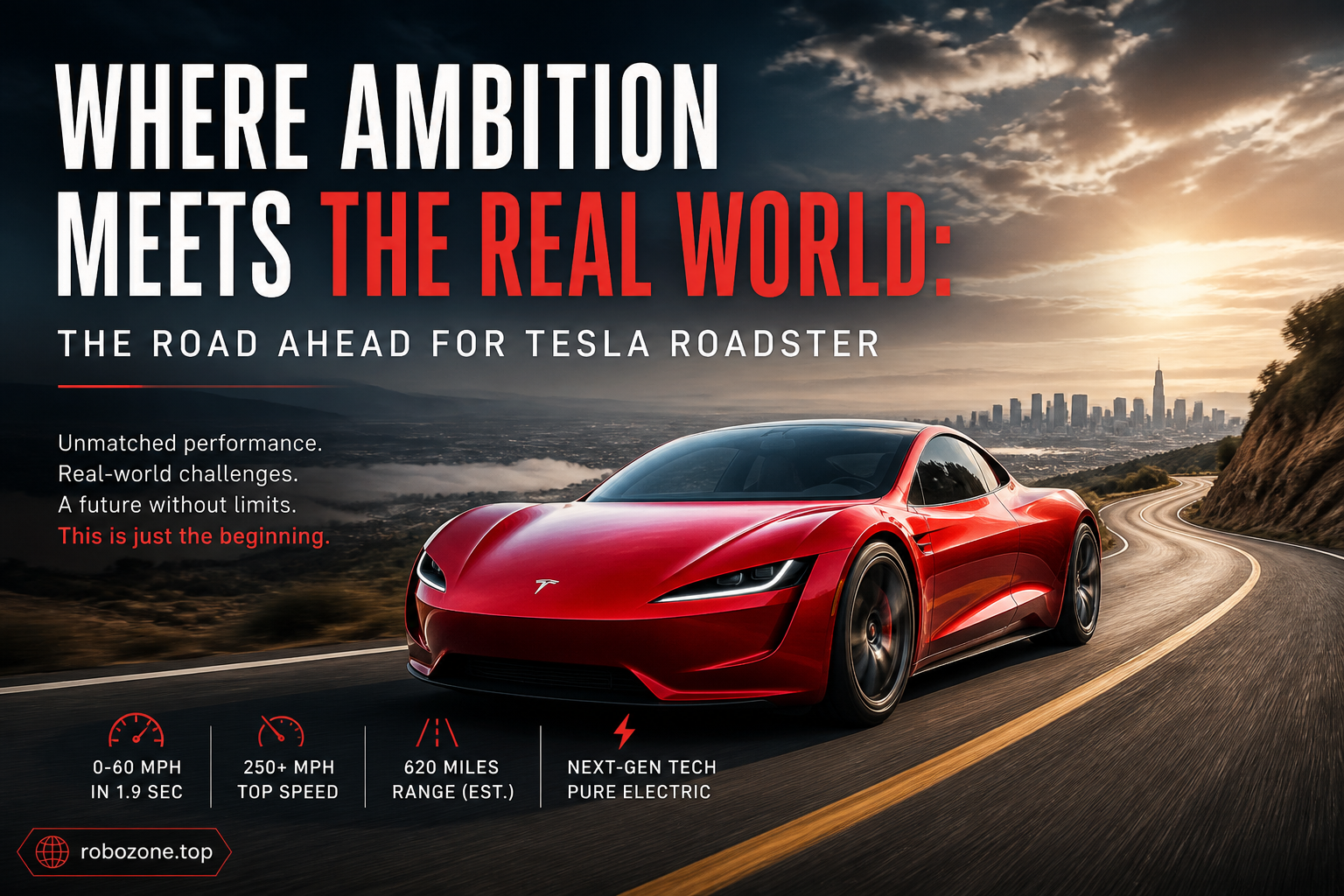
So, where does this bold claim of unprecedented acceleration leave Tesla? Synthesizing innovation with grounded reality embodies Tesla’s ethos, yet the Roadster emphasizes the tangible challenges inherent in realizing so audacious a promise. As the automotive and tech worlds watch closely, Tesla must bridge the gap between its profound vision and productive delivery.
Onlookers should specially tune for independent performance validation, the unveiling of production specifications, or any further breakthroughs that would provide clarity about manufacturing scalability. Yet, many questions will accompany the Roadster into its prospective production future: How close can it come to Musk’s promises? Will it redefine the cornerstones of what we consider fast in the automotive world? Or, as Thomas Huynh would astutely point out, will this represent another hallmark of grand ambitions with constrained execution?
The answers will not only shape the legacy of the Tesla Roadster but also provide invaluable insights for future automotive endeavors, blending innovation with practical deployment. As we wait, the boundaries of electric vehicles continue to edge forward, driven by ambition and occasionally tempered by reality.
References and Further Reading
- Tesla — Roadster Official Product Page — Manufacturer-published product information and specifications.
- Car and Driver — Tesla Roadster Revealed — Commentary and analysis from Car and Driver on the Tesla Roadster’s capabilities and industry context.
- NHTSA — Official U.S. vehicle safety and regulatory information.
- TechCrunch — Networking announcements and industry movement updates related to EV production.
- IEEE Standards Publications — Technical standards and evaluation criteria for automotive technology.
Admin of RoboZone.top