
In the electric vehicle landscape, Tesla’s Roadster emerges as a beacon of performance promise and technological daring. Since its first unveiling, the Roadster has set expectations high with its ostensibly revolutionary capabilities. Yet, amidst the fanfare, what do we truly know about its motor, horsepower, and torque? As Tesla readies the Roadster for commercial resonance, we delve deep into its engineering, performance benchmarks, and the path from prototype to production reality. Welcome to RoboZone.top, managed by Thomas Huynh, where we unravel these mysteries.
The Evolution of the Tesla Roadster: A Brief History
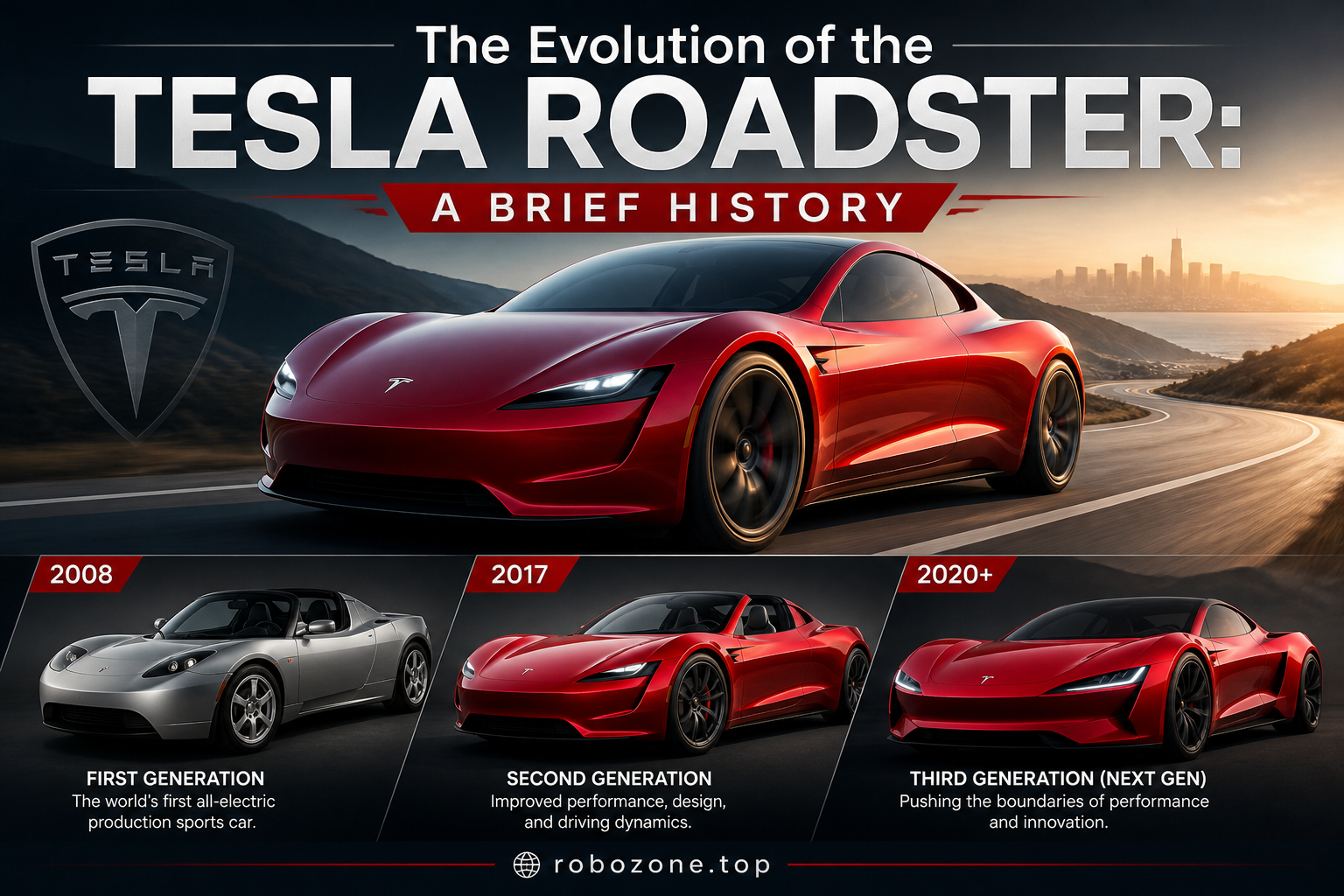
When Tesla launched the original Roadster in 2008, it marked the beginning of a revolution in how electric vehicles (EVs) were perceived. Fast forward to 2017, and Elon Musk introduced the second-generation Roadster, touting it as ‘the fastest production car ever’. From its impressive acceleration claims and futuristic design to its long gestation period—a journey marked by delays and anticipation—the Roadster’s evolution is as intriguing as its performance promises.
The original prototype was an exciting concept, yet transforming it into a commercially feasible product was a different challenge altogether. Factors such as battery scale-up, range optimization, and manufacturing logistics became paramount. Tesla’s revelation of a production version has been awaited as a touchstone, separating demonstration from delivery. This distinction remains vital for differentiating between the company’s aspirations and the model available to consumers.
Under the Hood: Motor, Horsepower, and Torque
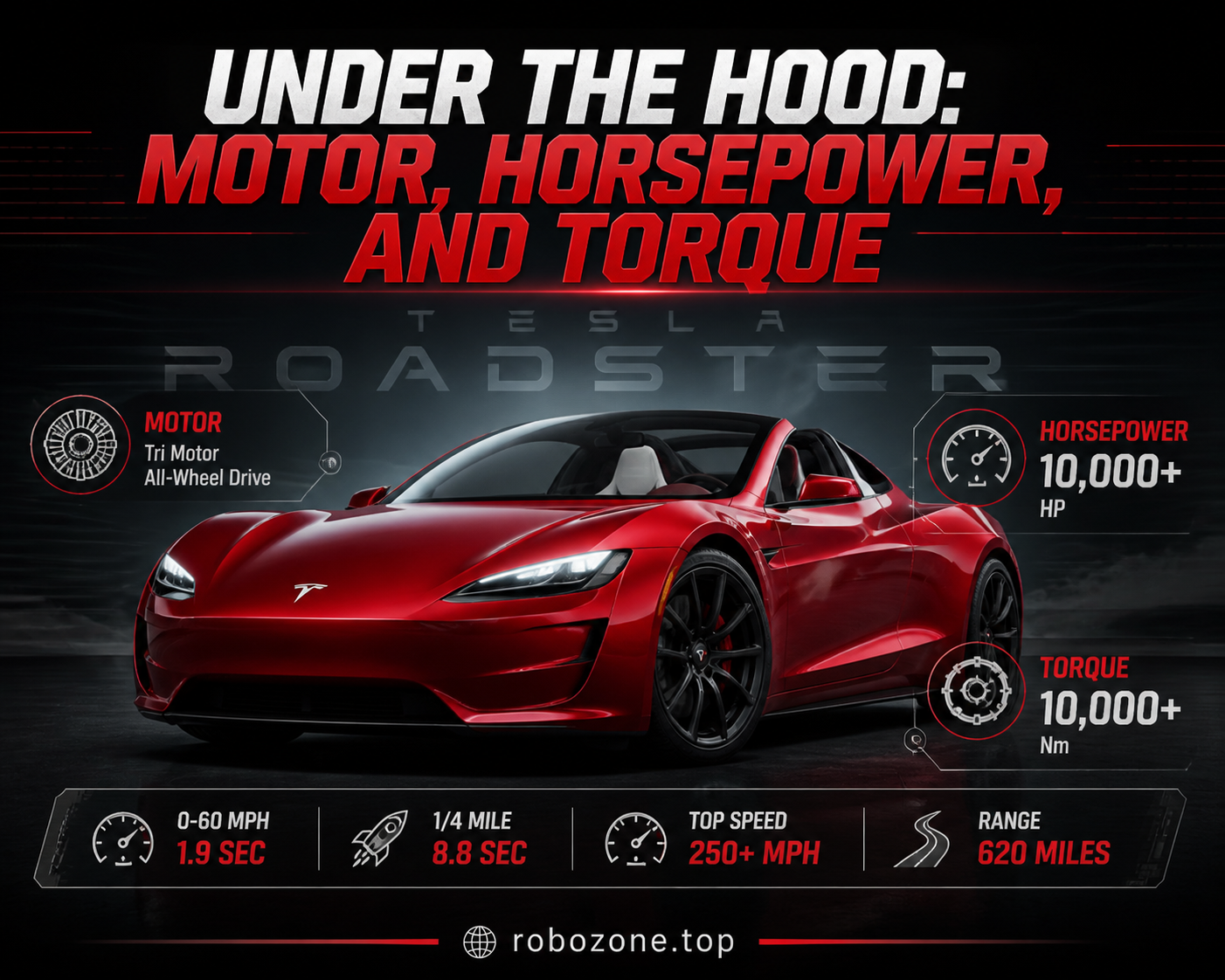
The heart of any performance vehicle lies within its powertrain, and the Roadster’s motor architecture promises to impress. Tesla has indicated the presence of multiple motors, with a configuration likely to include one in the front and two in the rear. This trinity of motors contributes not only to the car’s potentially staggering acceleration but also to torque vectoring capabilities, giving enhanced control and agility.
Horsepower, a key metric, has been another focal point of the discussion. Tesla’s high-performance motors are rumored to produce an aggregate output approaching potentially 1,000 hp. However, these figures, while tantalizing, remain within the realm of official claims rather than independently corroborated data. The real intrigue rests in how these claims translate to real-world performance—that is, sustained acceleration, thermal management, and energy consumption.
Battery and Electric Powertrain Engineering
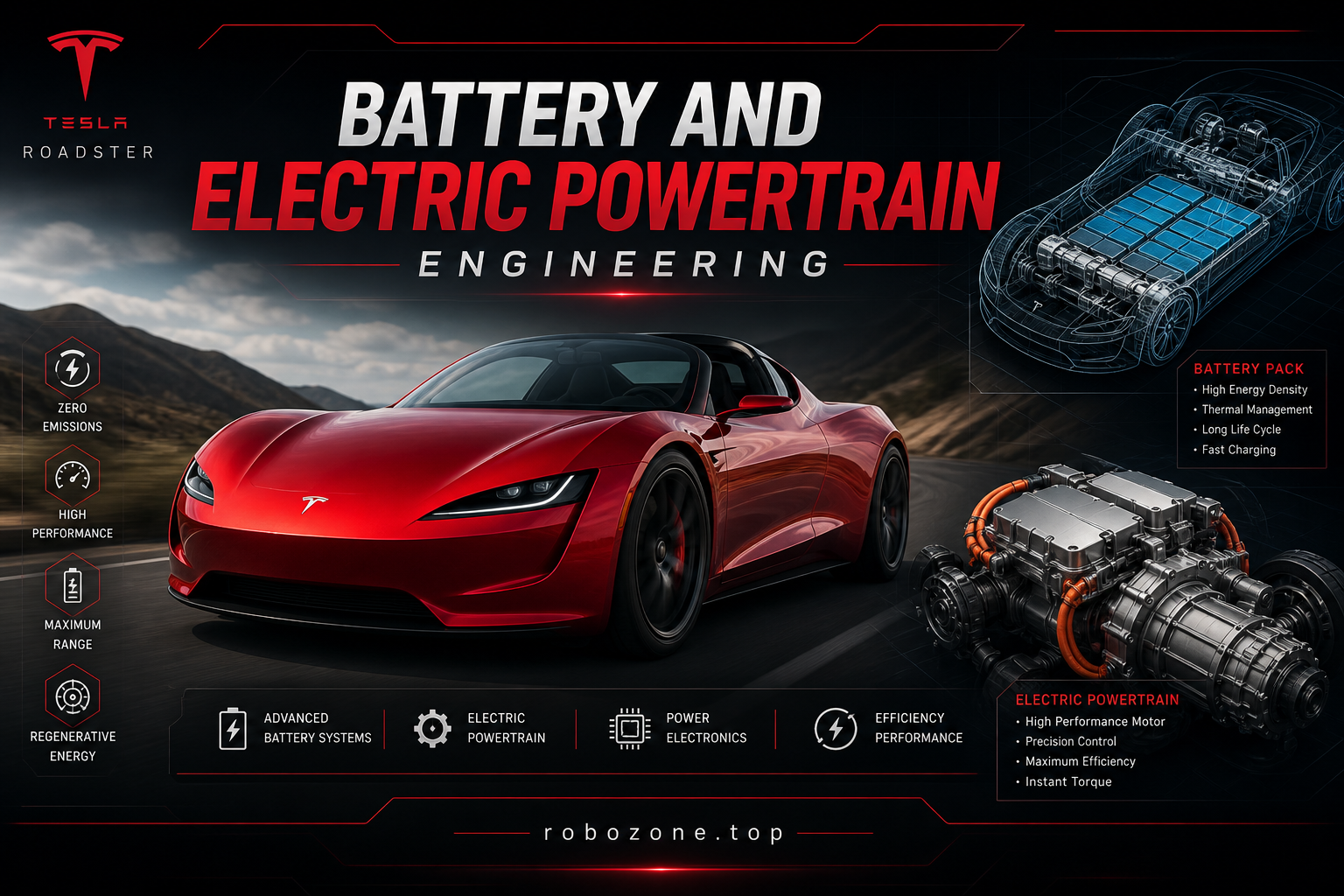
At the core of any EV lies its battery and power delivery system. The Roadster is set to include revolutionary advancements in battery technology that enhance both energy capacity and performance longevity. Tesla has suggested that their new battery configuration might support a range of upwards of 620 miles, which, if achieved, sets a new standard in the electric vehicle industry.
A critical aspect of the Roadster’s powertrain design is thermal management. Sustained performance in high-end EVs necessitates efficient heat dissipation, particularly during aggressive driving scenarios. Tesla’s expertise in this area, as seen in previous models, places them well to address these engineering challenges, promising an optimal balance between power delivery and thermal equilibrium.
The Controversial SpaceX Package
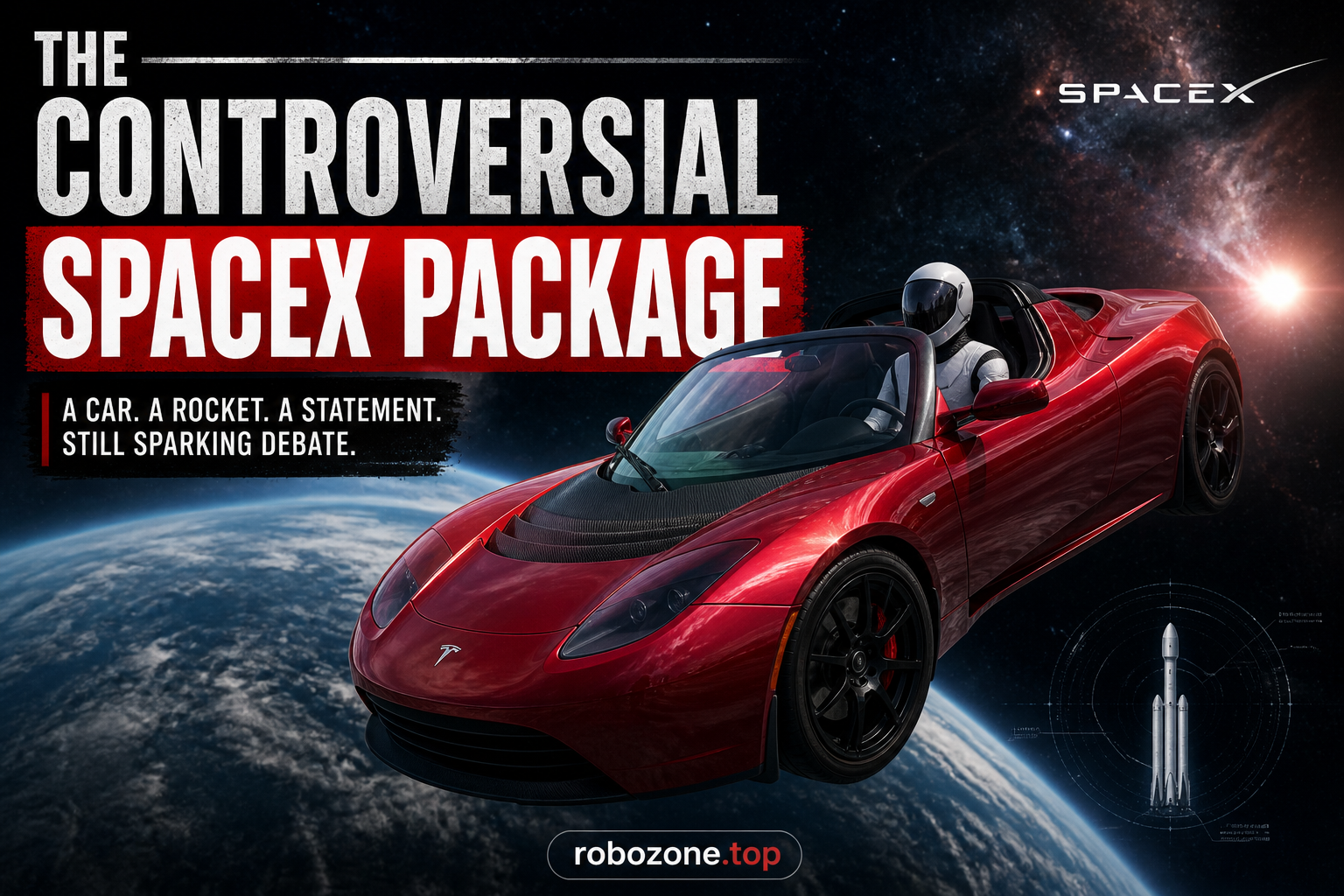
Arguably the most talked-about feature of the new Roadster is its proposed optional SpaceX package. This package is reported to include cold-gas thrusters, which, in theory, could significantly enhance vehicle acceleration beyond conventional limits. While exciting, this claim sits at the intersection of engineering achievement and practical feasibility.
These thrusters, inspired by Falcon 9 technology, could offer a staggering boost in g-forces when engaged. However, the regulatory implications, safety assessments, and real-world applicability of such technology remain opaque. How this package would translate into a ‘road-legal’ offering from Tesla stands as an unsolved puzzle awaiting clearer resolution.
Manufacturing and Market Viability
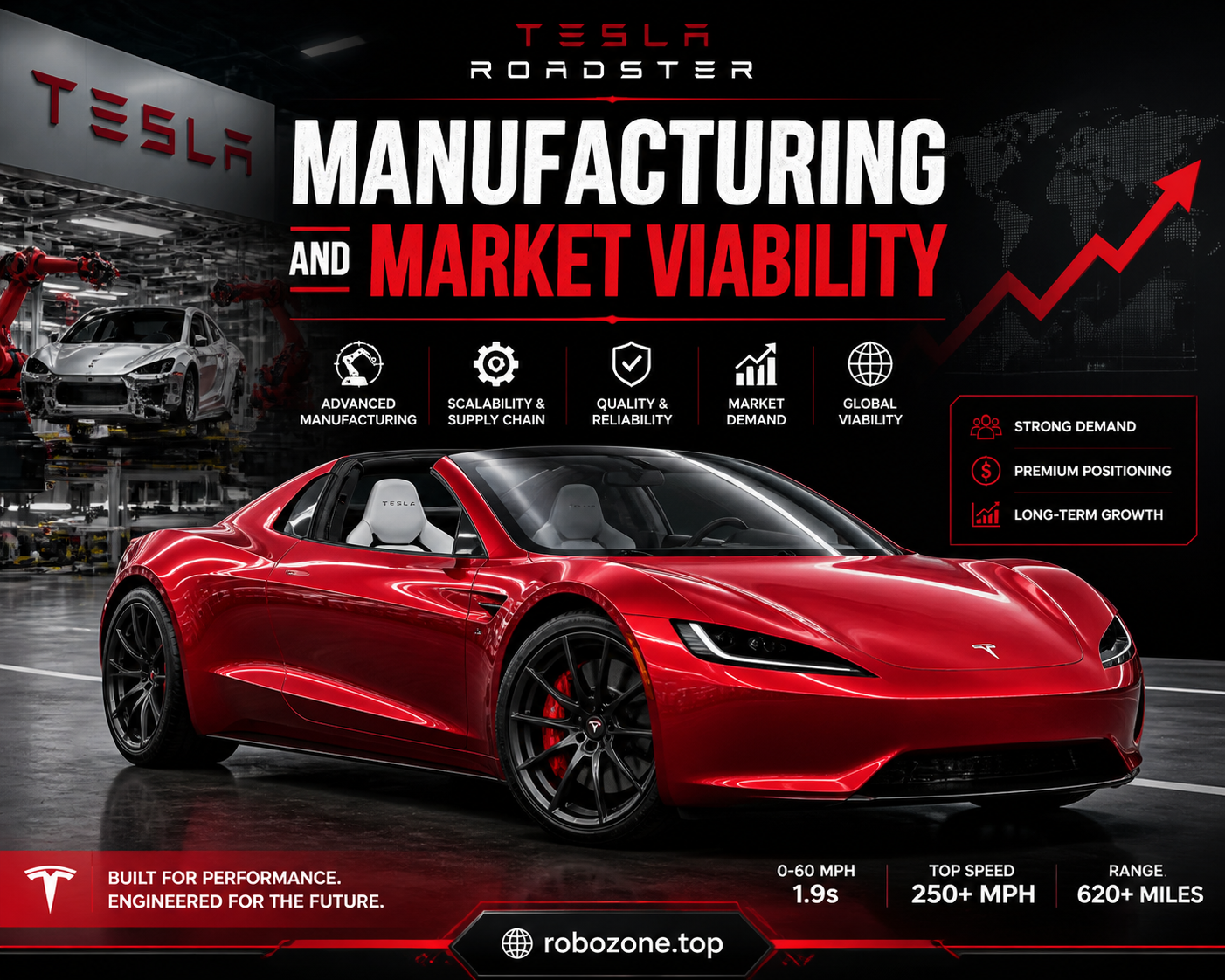
The transition from concept to consumer-ready vehicle involves surmounting several manufacturing and logistical hurdles. Tesla has continually pushed the boundaries of innovation, yet the Roadster’s path to market readiness is riddled with challenges. Battery sourcing, assembly line efficiency, and cost management are but a few aspects that will determine the vehicle’s real-world feasibility.
The commercial viability extends beyond production to embrace consumer pricing and market expectations. The Roadster’s premium positioning demands it competes with equally high-tier vehicles like the Rimac Nevera and Porsche Taycan, which have already established market credibility. Understanding the interplay between cost, performance, and perceived value will be critical for Tesla as it seeks to leverage its technological investments successfully.
Comparing the Roadster with Competitors
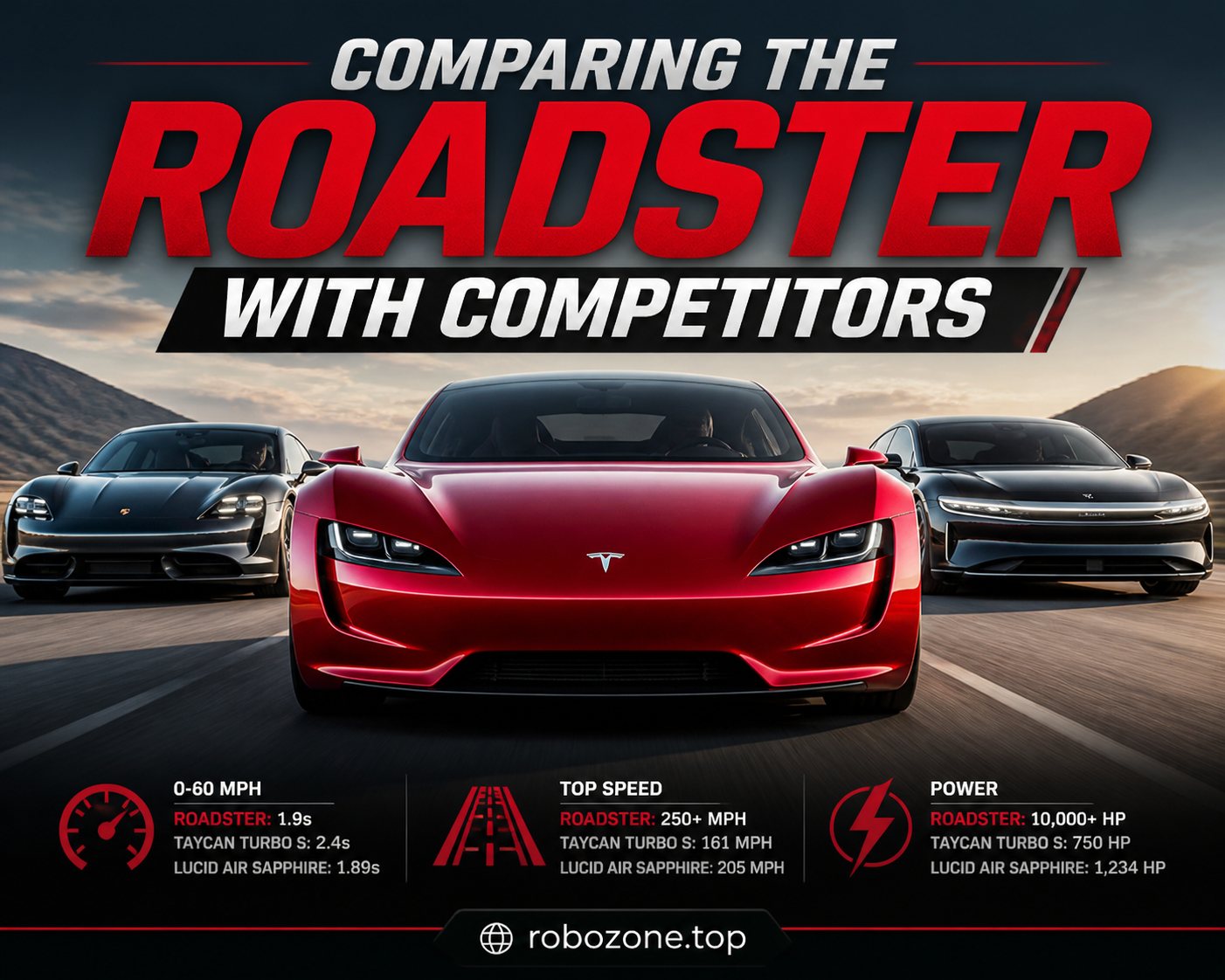
Within the high-performance EV sector, Tesla’s Roadster faces formidable competitors. Vehicles such as the Rimac Nevera and Lucid Air Sapphire each offer impressive specs that rival Tesla’s technological prowess. The Roadster’s key differentiators lie in its claimed acceleration and extended range, but market dynamics will ultimately influence consumer choice.
Rimac’s Nevera, for instance, stands out with its quad-motor setup and prodigious horsepower, appealing to enthusiasts seeking raw power. Meanwhile, the Porsche Taycan appeals to those valuing heritage and handling precision. The Roadster’s appeal will hinge not only on its specifications but also on its overall package—technology, design, and brand allure.
Safety and Regulatory Landscape
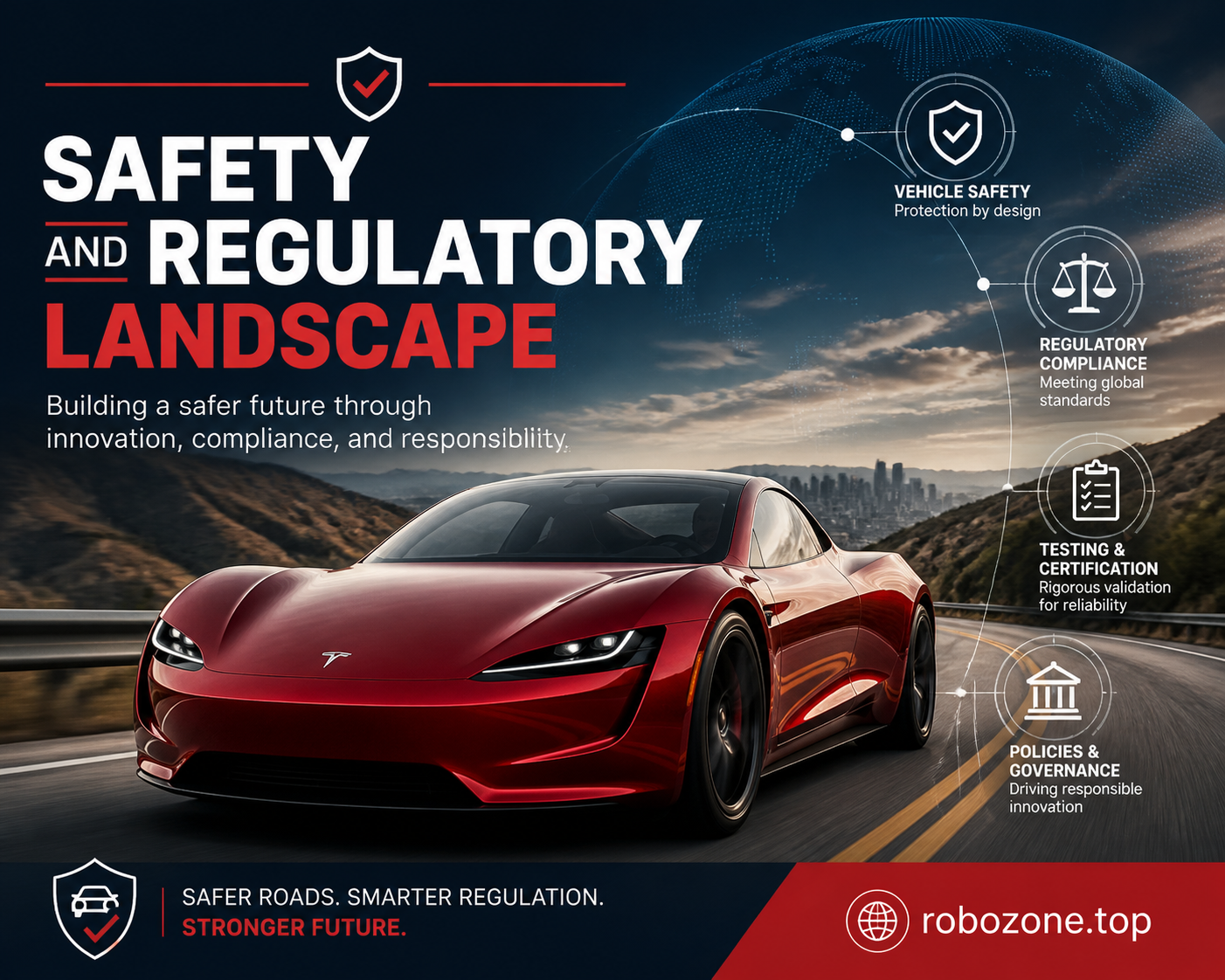
In the world of high-performance automobiles, safety remains a paramount concern. Tesla must navigate the complex regulatory environment governing innovative vehicular technologies. With potential elements like the SpaceX package, additional scrutiny will ensure that safety doesn’t take a backseat to performance.
The Roadster will need to meet NHTSA standards and pass rigorous crash tests to secure its place in the market. Additionally, any propulsion augmentations must comply with federal regulations, a variable that adds complexity to the development and approval process for this ambitious project.
Where Ambition Meets the Real World
As Tesla’s Roadster inches closer to standing with other performance titans, it embodies a blend of daring innovation and commercial caution. Its path illustrates a broader narrative: the future of high-performance vehicles isn’t merely about speed or acceleration but integrating cutting-edge technology into viable consumer products.
Thomas Huynh of RoboZone.top often highlights this intersection of ambition and realism. For Tesla, the challenge isn’t only reaching unprecedented performance metrics but ensuring these features align with everyday practicality, regulatory standards, and market demands.
The Roadster’s story will evolve as more developments unfold. Practical metrics—such as confirmed range, regulatory approvals, and consumer feedback—will provide key insights. Investors, enthusiasts, and engineers alike should watch these elements closely, as they will dictate the Roadster’s eventual place in automotive history.
References & Further Reading
- Tesla — Roadster Official Product Page — Manufacturer-published product information and specifications.
- Top Gear — First Look: Wow, the New Tesla Roadster — Overview and analysis of the Roadster’s advanced features.
- Car and Driver — In-depth reviews and coverage of electric vehicles and performance cars.
- NHTSA — Official U.S. vehicle safety and regulatory information.
- The Verge — Current developments and industry insights in technology and automobiles.
Admin of RoboZone.top