
The Tesla Roadster is no stranger to headlines. Ever since its debut, the electric supercar has captured the imaginations of car enthusiasts, engineers, and the environmentally conscious alike. As Tesla fans and critics alike await its latest incarnation, one question emerges prominently: How will the Tesla Roadster, with its electric origins, handle the demands of high-speed driving? In this exploration of tires, suspension, chassis, and the cornering physics behind this vehicle, we venture into the engineering marvels and the challenges that lie beneath its sleek exterior. Let’s delve into the intricacies of the Roadster that make it a true automotive wonder.
Understanding the Heart of Handling: Weight Distribution and Balance
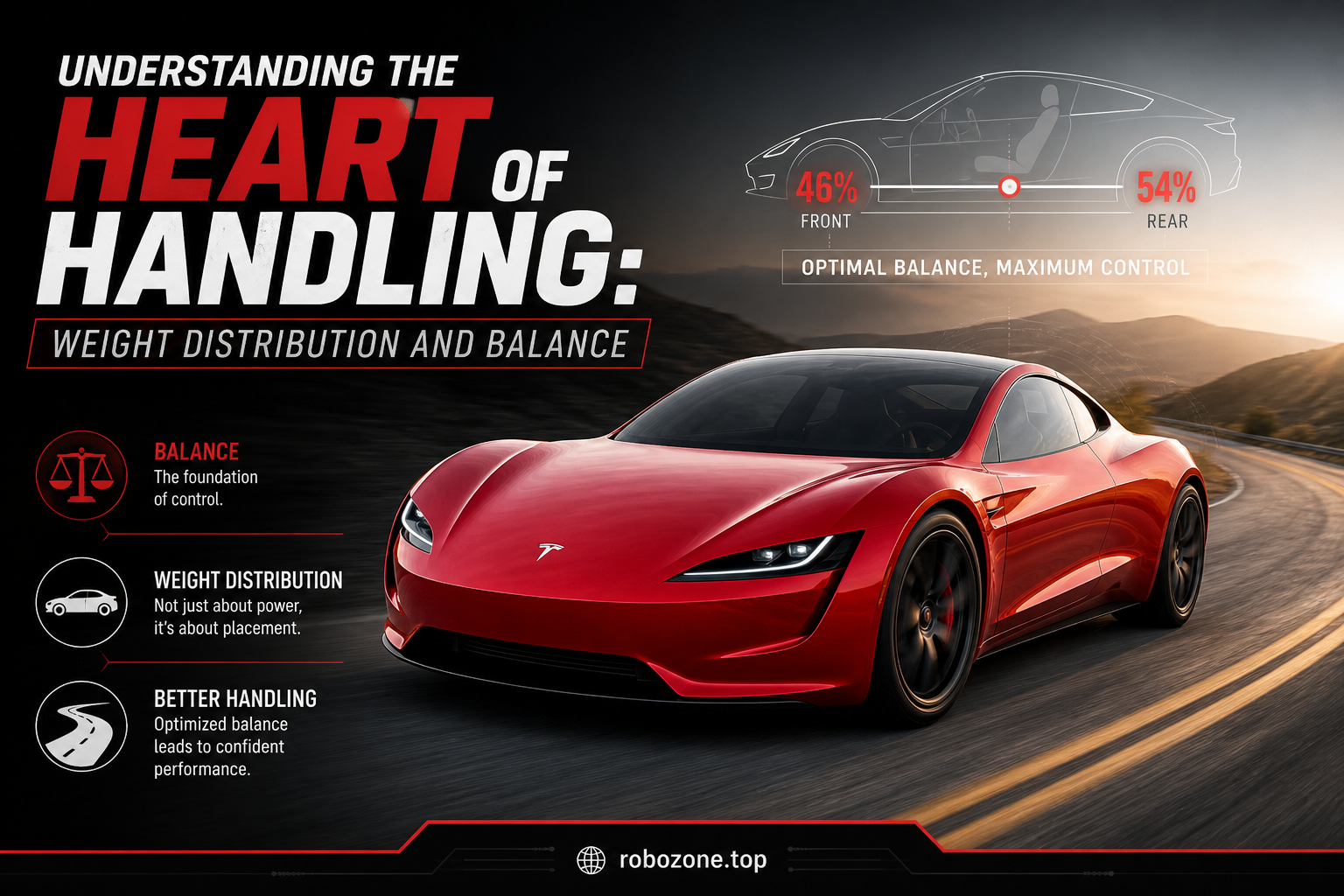
Handling is often the unsung hero behind any high-performance vehicle’s success, and the Tesla Roadster aims to redefine what’s possible. Handling is more than just the ability to steer; it is the delicate art of balancing weight distribution, ensuring the vehicle can dance as gracefully around a corner as it rushes down a straight. The Roadster, with its low-slung stance, benefits from its electric powertrain, which allows the weight to be distributed more evenly across the chassis. The absence of a traditional gasoline engine means designers can place heavier components like the battery lower and more centrally in the car. This configuration reduces body roll and enhances stability, adding an edge to the handling dynamics.
The distribution challenge doesn’t stop there. Electric cars like the Roadster face unique challenges in balancing the weight of the hefty battery pack, which can account for up to a quarter of the total vehicle weight. However, this weight can be cleverly used to an advantage. Placing batteries uniformly helps optimize the center of gravity, a key player in how a car performs in dynamic situations.
Relating to how a dancer uses precise muscle control to stay balanced while spinning, Tesla engineers must do the same with mass and energy distribution in the Roadster. They identify how to minimize undesirable ‘twisting’ effects that can unsettle less sophisticated vehicles, especially at high speeds.
Suspension: The Backbone of Comfort and Precision
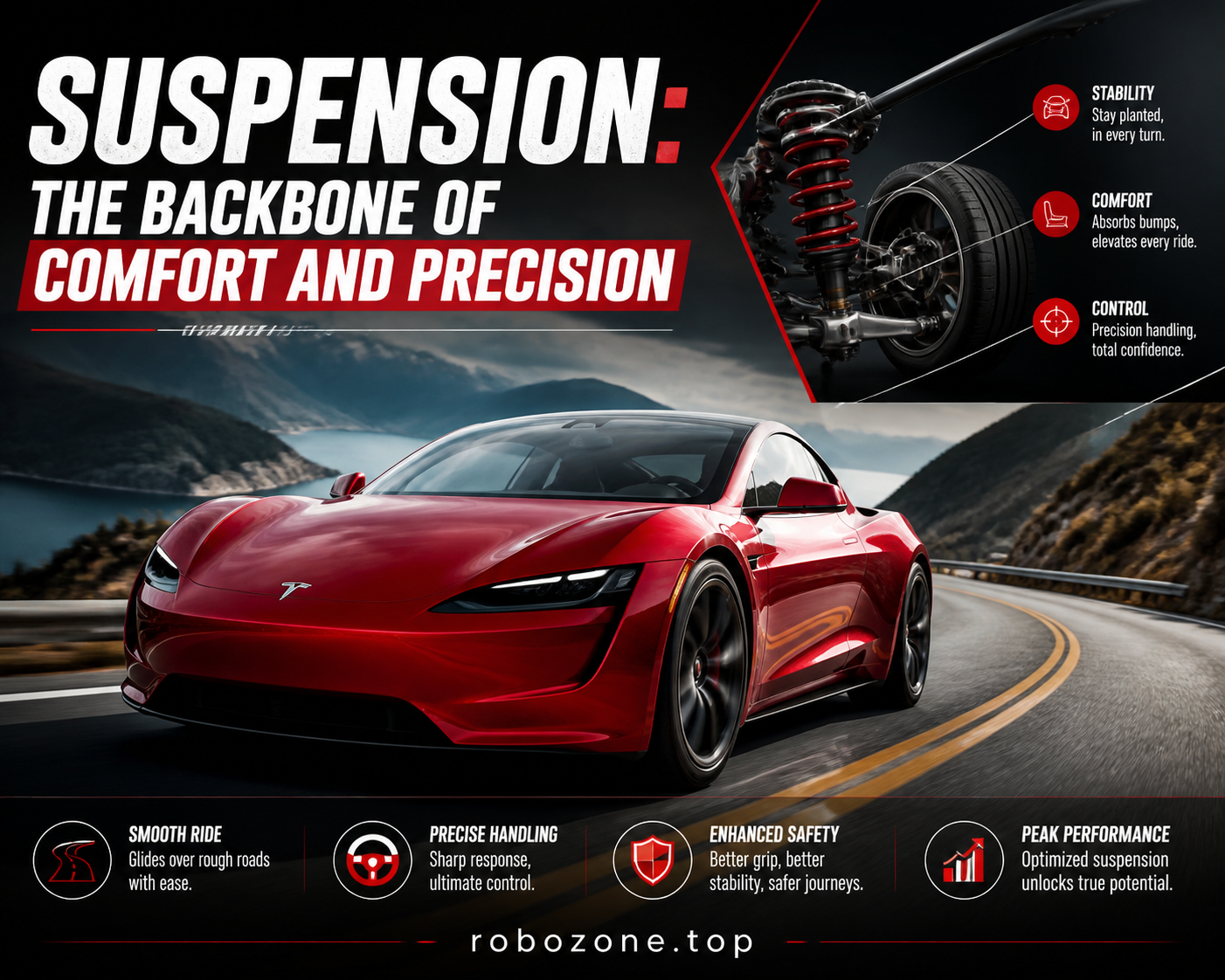
Suspension systems are to vehicles what the spinal cord is to the human body—they are the intermediary system that translates the road into sensations felt by the driver. Tesla understands this critical part well and has endowed the Roadster with a suspension system designed for performance.
Precisely tuned suspension ensures the vehicle can absorb road imperfections while maintaining tight control of the car’s attitude. The Tesla Roadster employs a fully independent, double-wishbone suspension layout—a common choice for high-performance cars due to its ability to maintain proper tire contact with the road through a range of motions. This choice helps mitigate the harsh impacts of the cruder macadam found off the track, preserving the delicate dance of grip and control.
Such engineering is akin to the art of watchmaking—everything must fit perfectly, down to the thousandth of an inch. Tesla’s choices here underscore a deep commitment to road prowess, understanding that the nuances of suspension setups can often be the difference between merely quick and truly fast.
Chassis Dynamics: Strength Meets Flexibility
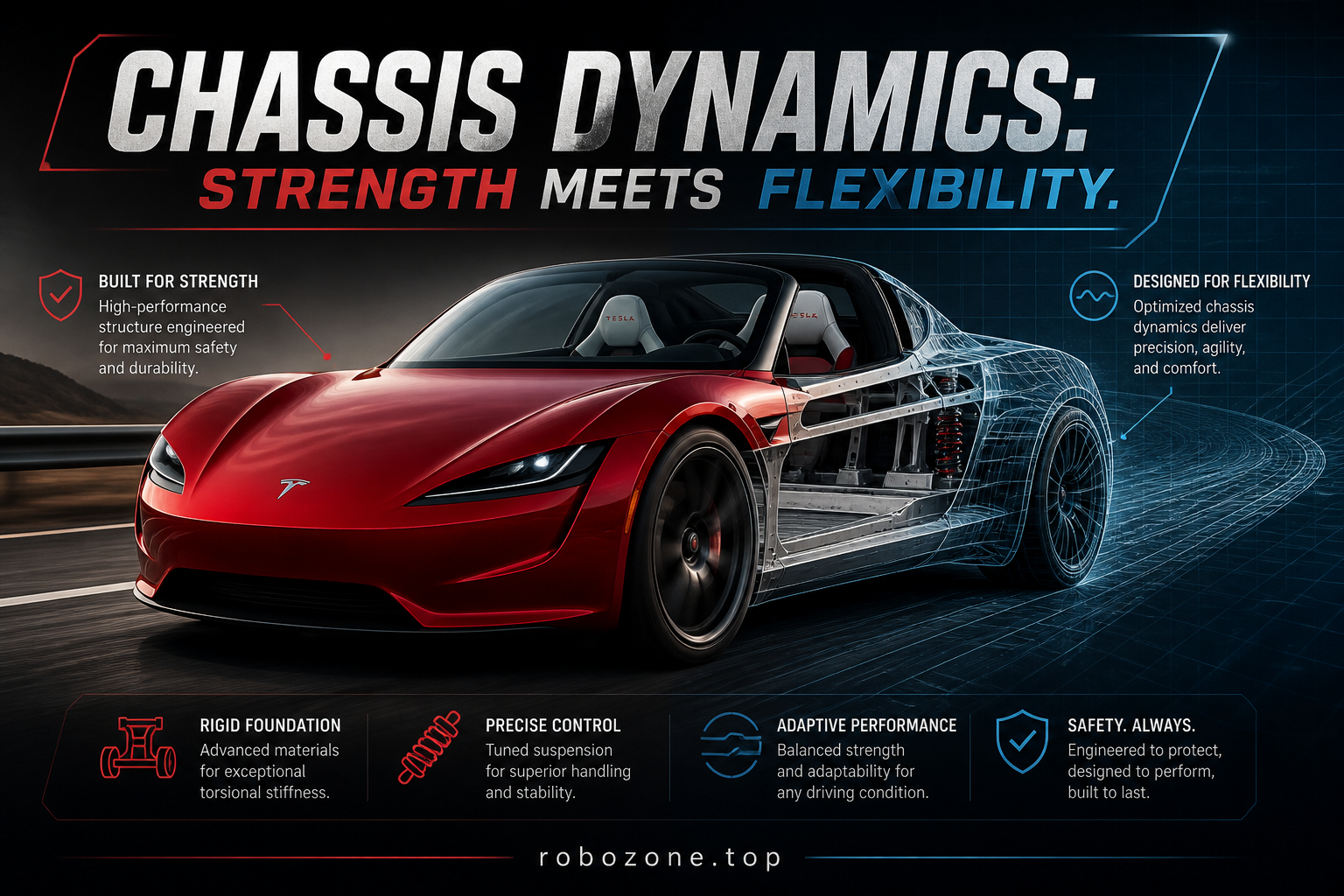
The chassis represents the skeletal system of a vehicle, defining both its shape and its structural integrity. The Roadster’s chassis, crafted from advanced composites and aluminum, ensures the vehicle remains rigid yet light—an essential balance in high-performance engineering. The Roadster is designed not only to be aesthetically pleasing but also functionally aerodynamic, cutting through the air with minimal resistance while maintaining high downforce for grip.
This isn’t merely about speed; it’s about efficiency and safety. A stiffer chassis improves handling precision, reducing flex during spirited driving, which could otherwise compromise contact patches at the tire level. Think of it like a bridge, carrying the load evenly while resisting the forces trying to bend it.
The lucky benefit, too, of the Roadster’s electric roots, is that chassis integrity is increased by sheer necessity. Without having to leave room for engine compartments or exhaust systems, space is optimized for battery housing, adding to structural rigidity.[this image: Exploded view diagram of the Tesla Roadster, highlighting its chassis and suspension components for clarity and educational insight]
Tire Technology: The Rubber That Meets the Road
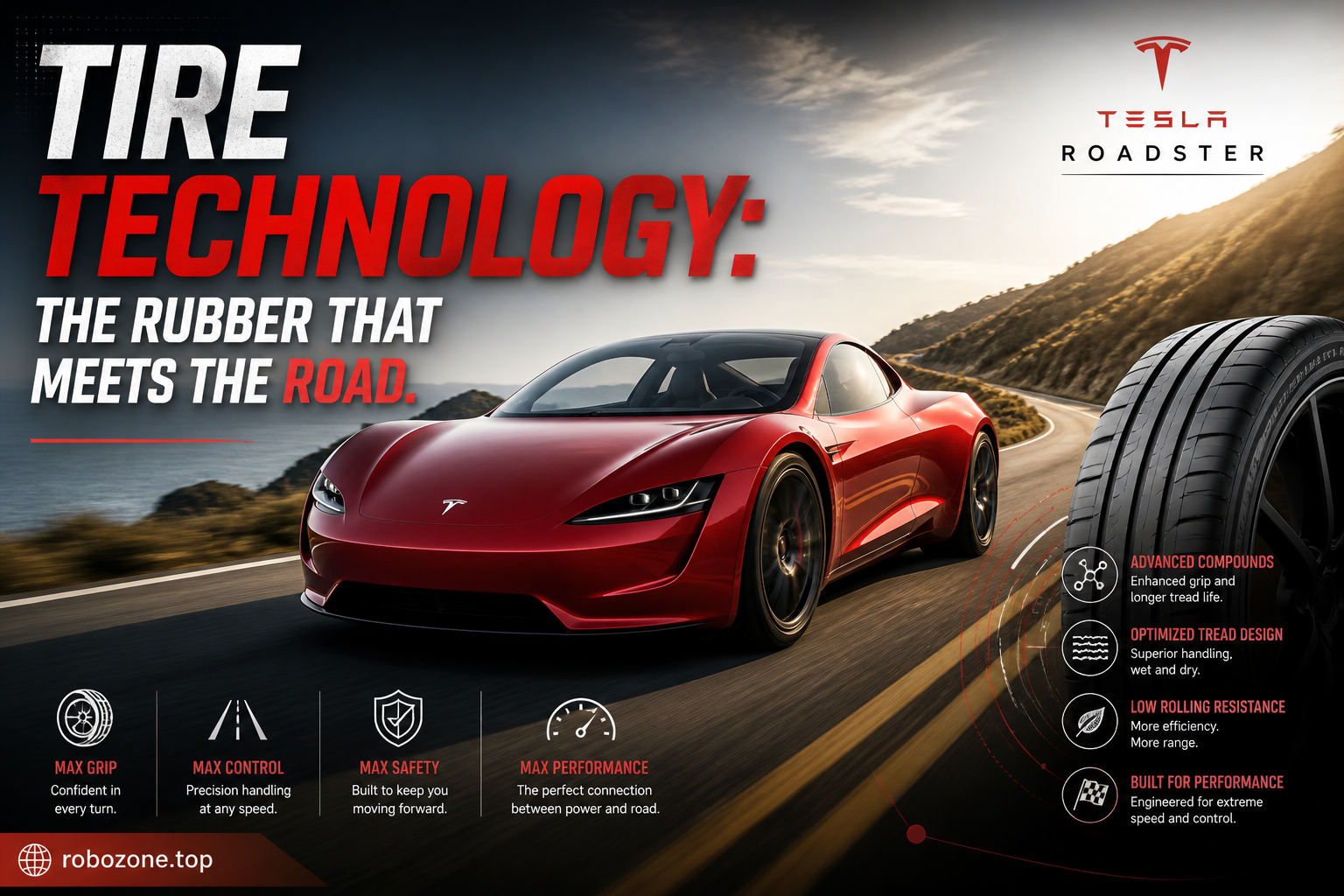
When it comes to tires, it’s all about the contact patch—the small area where the tire actually meets the road. For the Roadster, which endeavors to be among the fastest vehicles on streets worldwide, tire technology can’t be overlooked. Tesla needs tires that provide adhesion comparable to F1 tires, capable of managing the colossal torque electric motors produce.
One can think of performance tires as akin to the shoes of a marathon runner: supportive, durable, and endlessly gripping. These tires are meticulously designed, balancing between soft compounds for immediate grip and toughened sidewalls for sturdy support during cornering. Engineers exploit engineers’ expertise to incorporate compounds that manage heat brilliantly, essential for sustained high-speed runs without elevating deterioration.
Partnerships with major tire companies aim to create exclusive rubber compounds capable of withstanding the unique dynamics an electric platform demands, ensuring that as the Tesla Roadster approaches the limits of physics, it does so safely and reliably.
The Physics of Cornering: Speed Meets Science
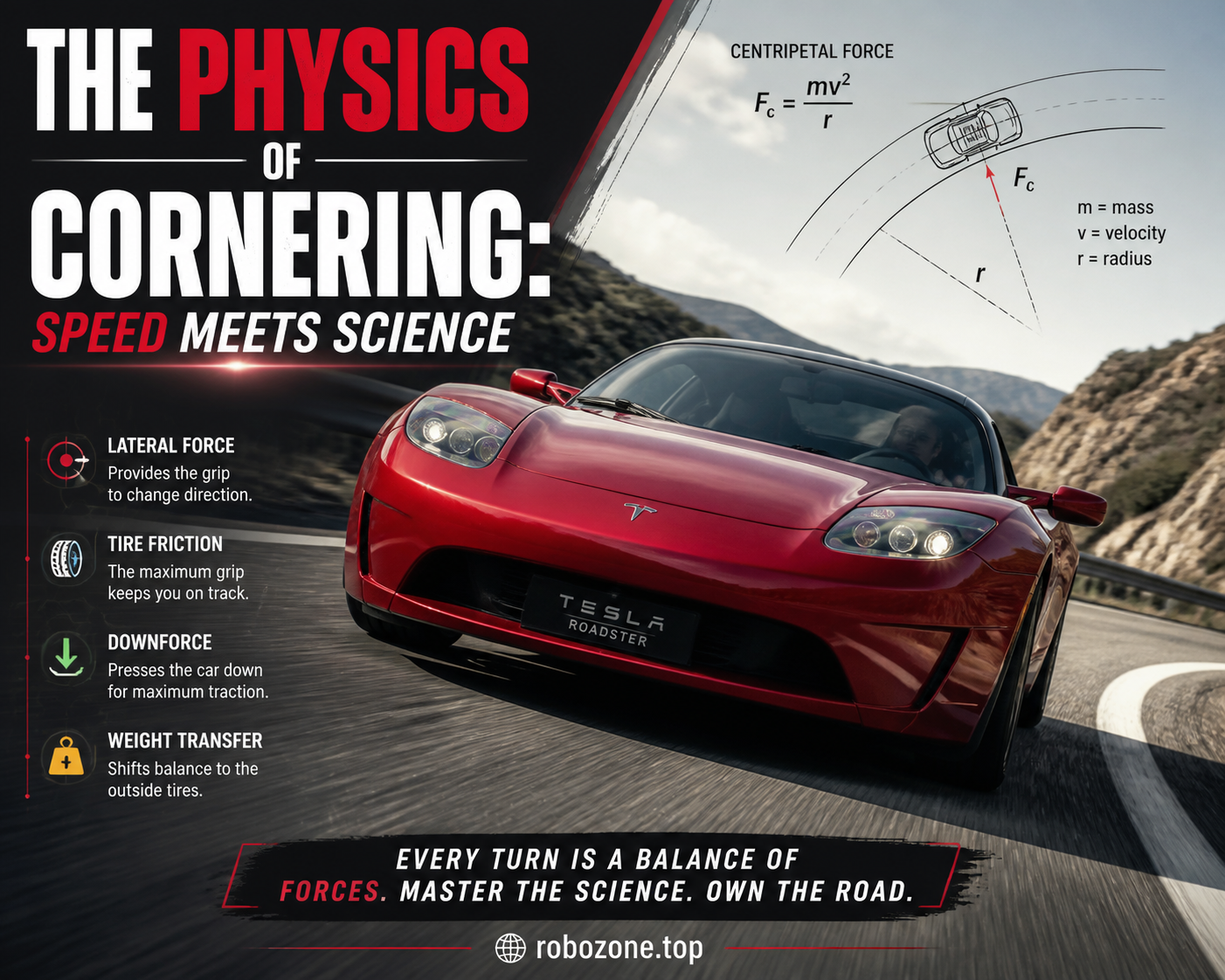
Cornering physics is where the Roadster’s true character shines through. As the car enters a corner, it experiences lateral forces, wanting to push the vehicle outwards—this is when engineering physics comes into play to maintain control without sacrificing speed.
Tesla leverages sophisticated torque vectoring methods, actively adjusting the power distribution to each wheel, allowing for precise control of cornering dynamics. It’s like having an invisible shield protecting the vehicle from losing grip.
The aerodynamic profile of the Roadster works cohesively with the physics of motion, with spoilers and diffusers helping to manage airflow, minimizing lift and increasing downforce—especially significant at sharp turns and elevated speeds. These design elements function like a professional skier’s tucked position, reducing drag and improving speed through precision shifts in the body’s angles against the elements.
Ultimately, it’s the integration of electronic aids that ensures safety without stifling excitement. Stability control, traction aids, and the intelligent ABS system are in place, offering protection against oversteer and understeer while instilling confidence in the driver at every twist and turn.
Where Ambition Meets the Real World
The Tesla Roadster stands poised on the edge of automotive innovation, embodying both the bold aspirations of its engineers and the palpable excitement of those who dare to dream of what a car can be. It is a feat of engineering where ambition meets the constraints of the real world.
However, between the challenging balance of performance goals and manufacturing realities, the path forward is not without its hurdles. Delivering on its promise demands not just technology but logistical mastery—from ensuring battery supply to regulatory compliance and beyond.
As we look to the future, the Roadster’s journey will be marked by milestones in technology deployment, manufacturing prowess, and genuine market introduction. Enthusiasts and skeptics alike will scrutinize these developments, keenly awaiting the pivotal moments that each will define what electric supercar performance—and handling—truly mean.
Here at RoboZone.top, managed by Thomas Huynh, we will continue to follow this saga, sharing insights and unraveling complexities as the Tesla Roadster evolves from dream to driveway reality.
References and Further Reading
- Tesla — Roadster Official Product Page — Manufacturer-published product information and specifications.
- NHTSA — Official U.S. vehicle safety and regulatory information.
- IIHS — Non-profit safety and testing organization providing consumer information on vehicle safety.
- MotorTrend — Automotive news and test drives.
- Car and Driver — Detailed analysis and in-depth reviews of vehicles.
- The Verge — Provides news on the verge of technology and vehicle development.
Admin of RoboZone.top