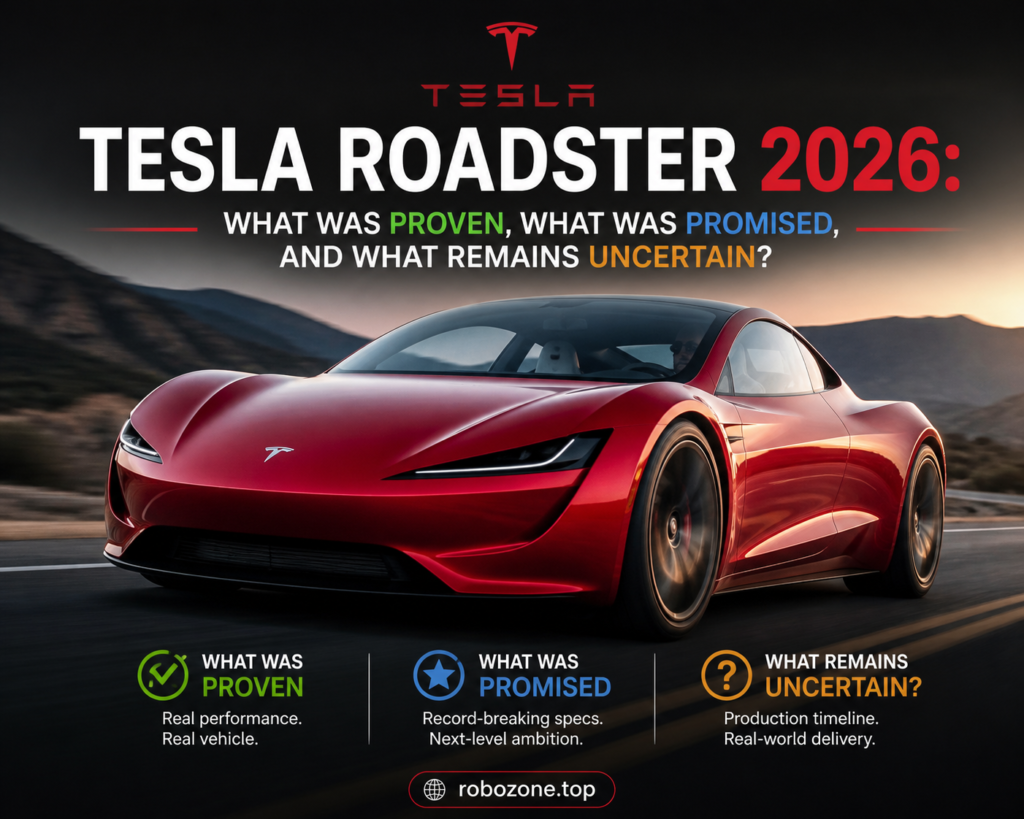
The Tesla Roadster is a remarkable vehicle that captures the imagination of car enthusiasts and tech aficionados alike. Since its grand debut in 2017, the latest Roadster has been a symbol of Tesla’s ambition to redefine what electric performance can be. As we inch closer to 2026, the promises made about this sports car warrant a closer examination to determine what has been proven, what remains a promise, and what uncertainties linger. Let’s delve into the significant aspects of this eagerly anticipated vehicle and explore its impact on the future of electric performance cars.
The Genesis of a Game-Changer
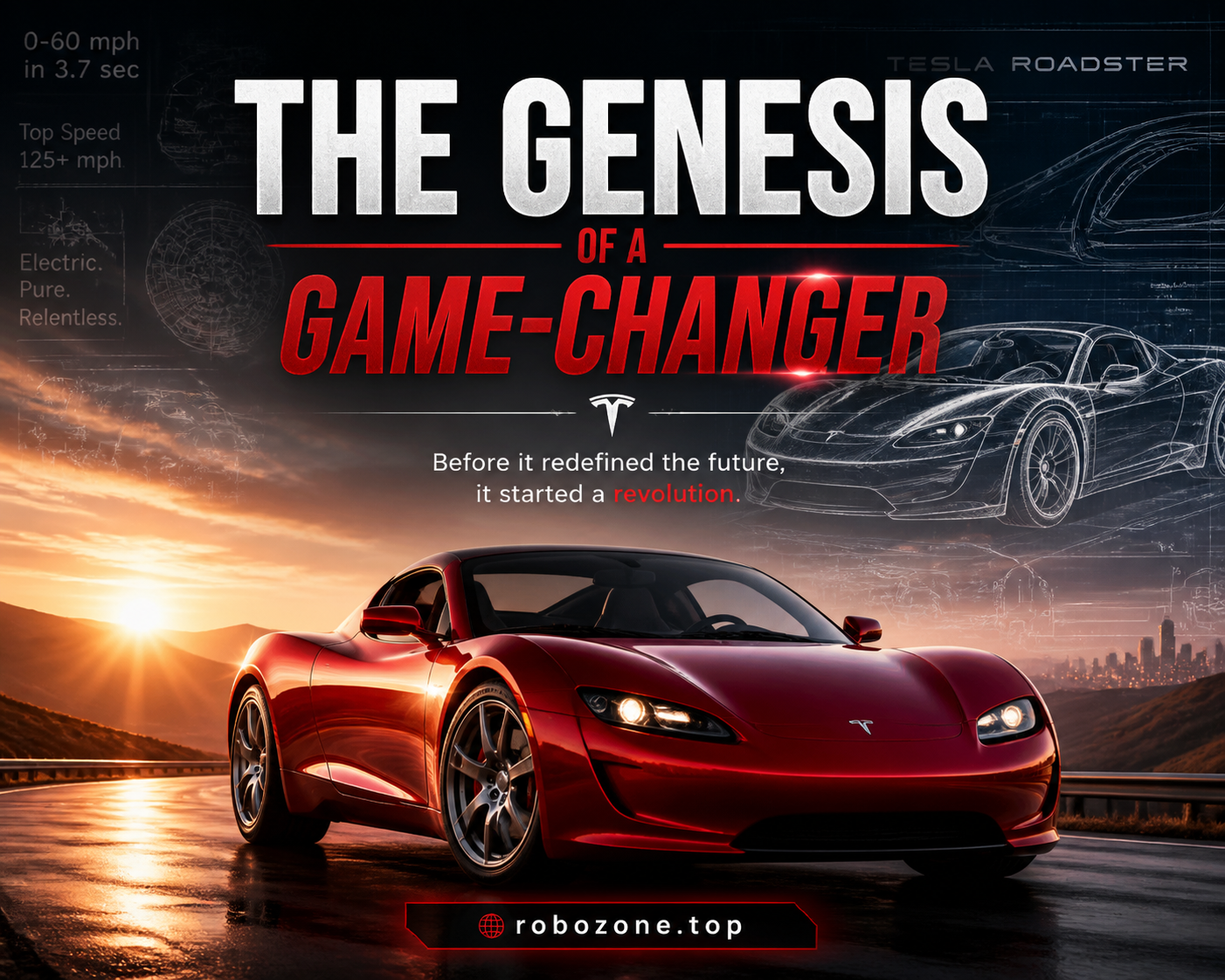
The Tesla Roadster’s story begins with its first iteration, which rolled out as Tesla’s inaugural production car. It was a statement of intent from the electric automaker, showcasing what was possible with battery-powered propulsion. The second-generation Roadster, unveiled by Elon Musk in 2017, aimed to take the automotive world by storm again with its groundbreaking specifications and audacious promises.
Musk’s unveiling in 2017 promised a sports car capable of achieving a 0-60 mph time of just 1.9 seconds, a top speed of over 250 mph, and a range of 620 miles, figures that seemed almost fantastical at the time. These bold declarations were accompanied by the suggestion of a “SpaceX package,” including cold gas thrusters for enhanced performance. However, the journey from conception to production has been far from straightforward, leading us to examine what has been definitively proven versus what remains speculative.
Tesla’s Official Claims and Specifications
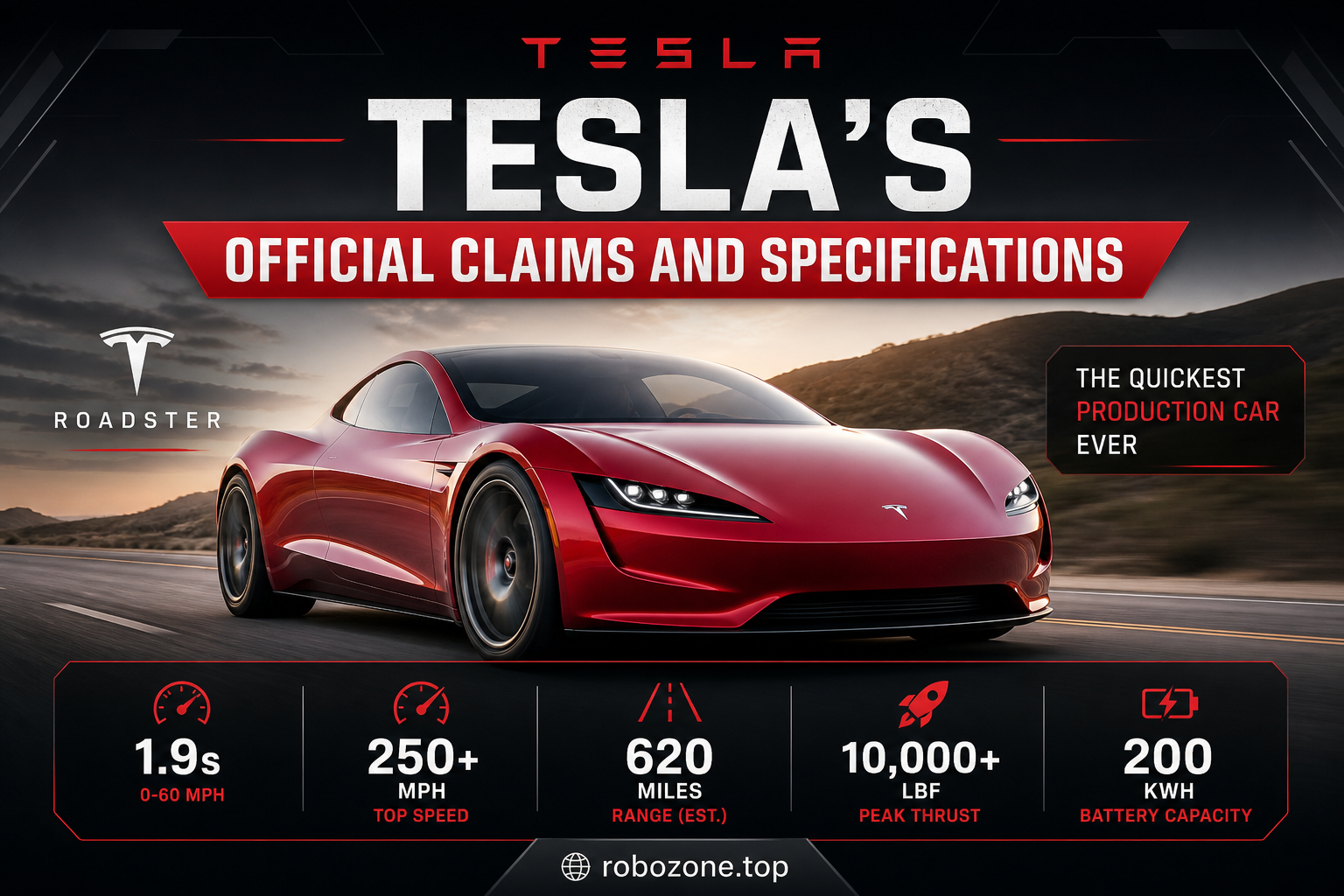
When Tesla announced the Roadster, it positioned the sports car as a testament to the potential of electric vehicles. According to Tesla’s official specifications, the Roadster claimed groundbreaking performance metrics that challenged the limits of what electric vehicles could achieve. These promised capabilities included a 0-60 mph acceleration time of less than two seconds and a quarter-mile time under nine seconds, making it the fastest production car in the world.
The Roadster’s design includes a lightweight carbon fiber body, fundamentally low drag coefficient, and what Tesla refers to as a “Plaid powertrain,” capable of delivering more than 10,000 Nm of torque. However, these ambitious specifications have yet to be corroborated by independently conducted tests or production models delivered to customers. It remains to be seen if the Roadster can consistently deliver these numbers outside of a controlled environment.
Technology at the Core: Powertrain and Battery Design
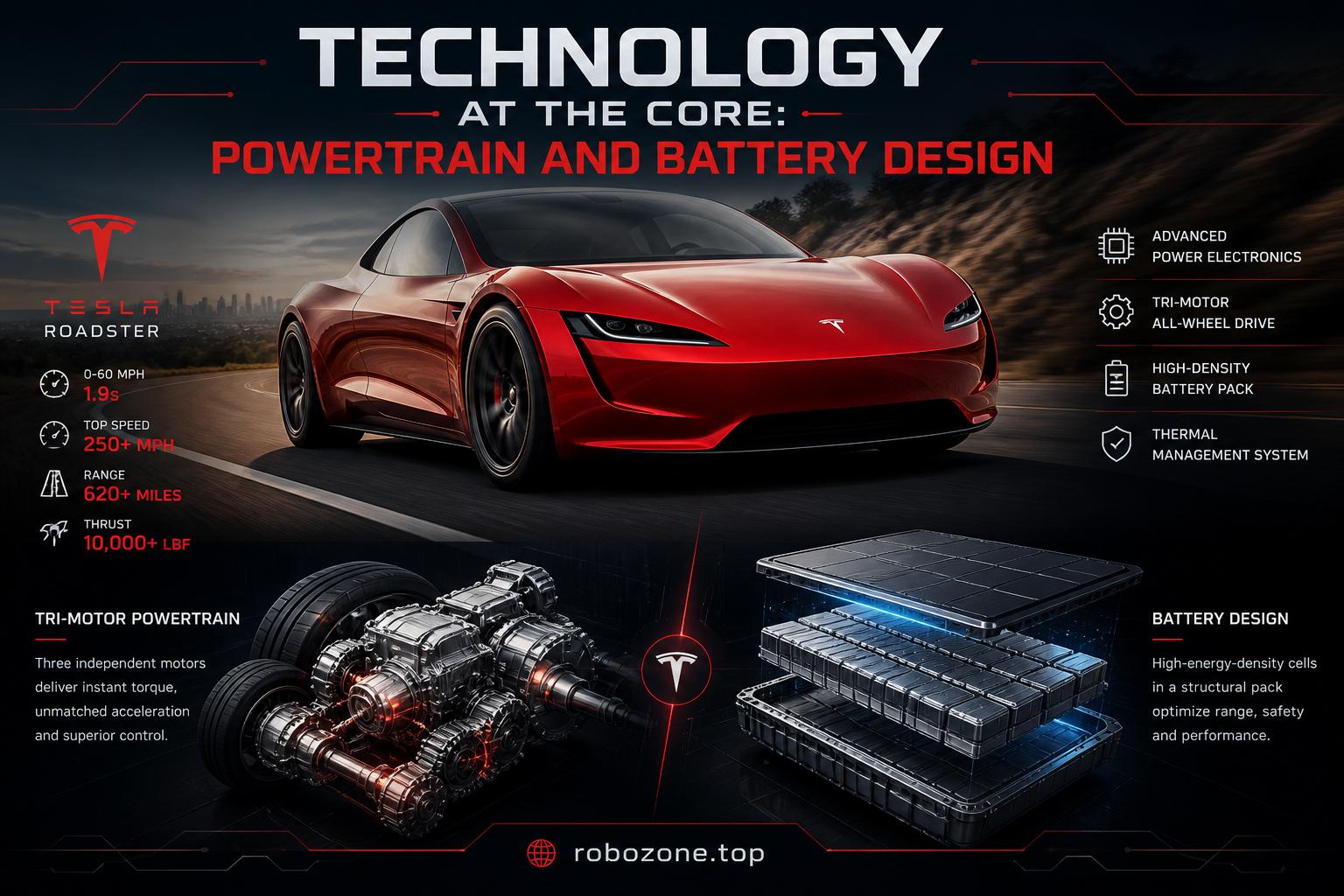
At the heart of the Roadster’s purported performance is Tesla’s cutting-edge battery and powertrain technology. The anticipated 200 kWh battery pack is a crucial component in achieving the claimed 620-mile range. Tesla’s utilization of high-density battery cells enables this extended range and supports the vehicle’s high-speed performance without significant degradation.
However, the feasibility of such a battery pack maintaining optimal performance under consistent use, particularly at the limits of speed and acceleration, raises questions. Factors like thermal management, actual energy consumption at high speeds, and the real-world efficiency of the battery cells under such stress are areas that require further scrutiny and real-world testing.
Tesla’s promise of ultra-fast charging times is another aspect experts and potential consumers eagerly await, considering the physical and infrastructural challenges in supporting such capabilities commercially.
The SpaceX Package: Fantasy or Future?
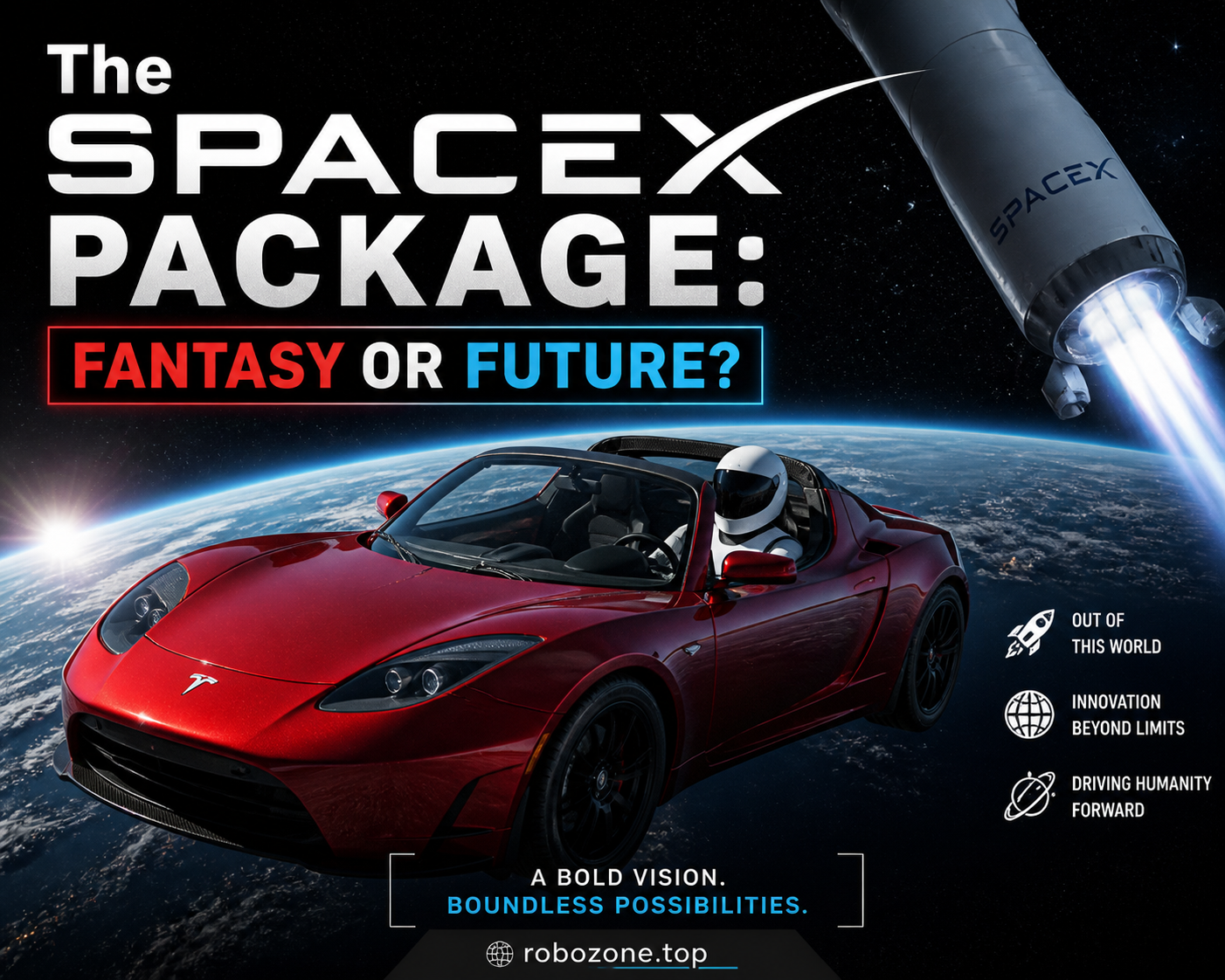
Intriguingly, Musk mentioned the potential integration of a “SpaceX package,” which would utilize cold gas thrusters to augment the vehicle’s performance even further. While this idea brings a futuristic flair and nods to Tesla’s sister company, SpaceX, the practicality of such an addition raises regulatory and safety questions. After all, integrating a rocket propulsion system into a consumer road vehicle isn’t just daring; it’s unprecedented.
From a propulsion standpoint, incorporating cold-gas thrusters would introduce increased complexity to the already sophisticated powertrain. The engineering challenges include ensuring safe handling, stability at high speeds, and controlled thrust output. Moreover, the regulatory path for such a feature is uncharted territory, posing questions about legality and the roadworthiness of vehicles equipped with such propulsion systems.
The Path to Production: Challenges and Considerations
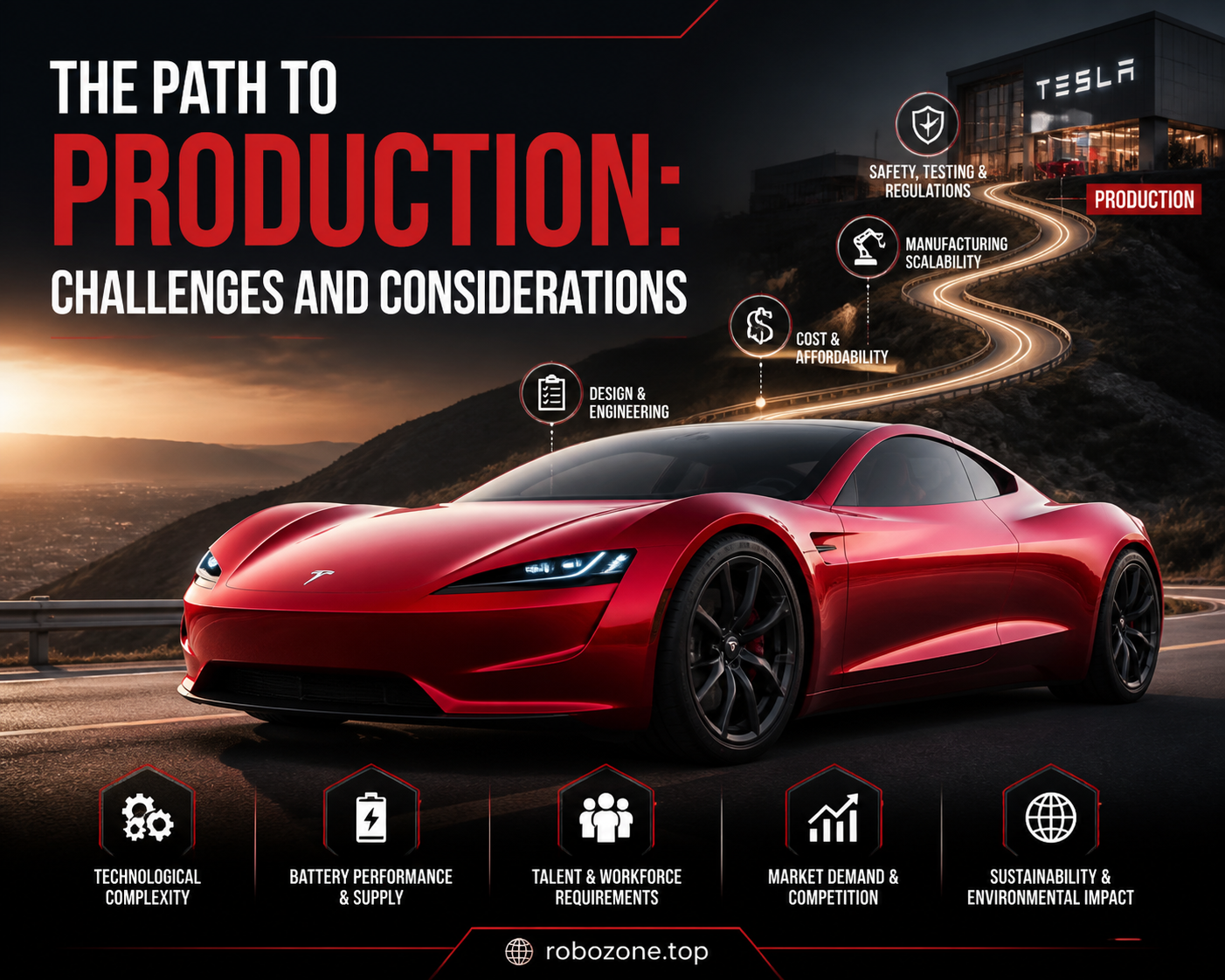
Setting aside its extraordinary specifications, the Roadster faces typical and unique production and commercial challenges. Manufacturing an electric sports car with such capabilities requires meticulous engineering precision and quality control—concerns that have historically been challenging in automotive production.
Furthermore, the reality of mass-producing a vehicle involving advanced materials, high-performance batteries, and perhaps rocket components cannot be underestimated. Supplier readiness, production capacity, and economic feasibility are critical issues Tesla must navigate as it pushes the Roadster into production.
Prospective buyers should also consider potential costs beyond the initial purchase, such as battery replacement, maintenance, and insurance, alongside the ecological implications of operating such a high-performance electric vehicle.
Competition in the High-Performance Electric Market
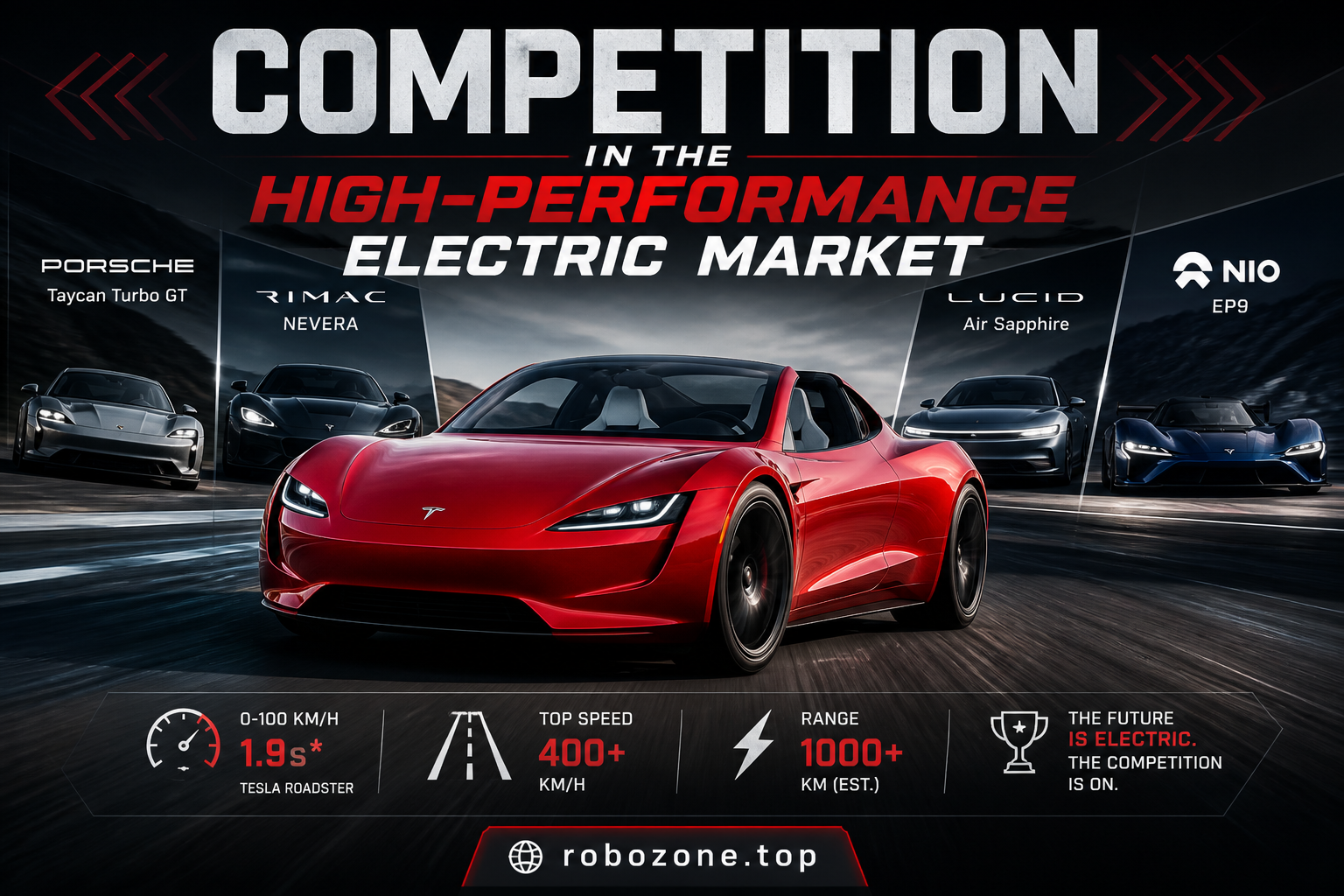
In the realm of high-performance electric vehicles, the Tesla Roadster isn’t without competition. The Rimac Nevera, a strong contender, similarly boasts extreme acceleration and record-setting capabilities, challenging Tesla’s claims head-on. Lucid Motors and Porsche also vie for a piece of this nascent but intensely competitive market with the Lucid Air Sapphire and Porsche Taycan Turbo GT, respectively.
Each competitor brings unique strengths—whether it’s Rimac’s engineering expertise or Porsche’s established brand prestige—forcing Tesla to not only meet its lofty ambitions but also surpass its rivals in usability, real-world performance, and market readiness. Consumers stand to benefit from this technological melee, as the drive to deliver superior performance, autonomy, and luxury trumps mere aesthetic appeal.
Future Prospects: What Will It Take for the Roadster to Deliver on Its Promise?
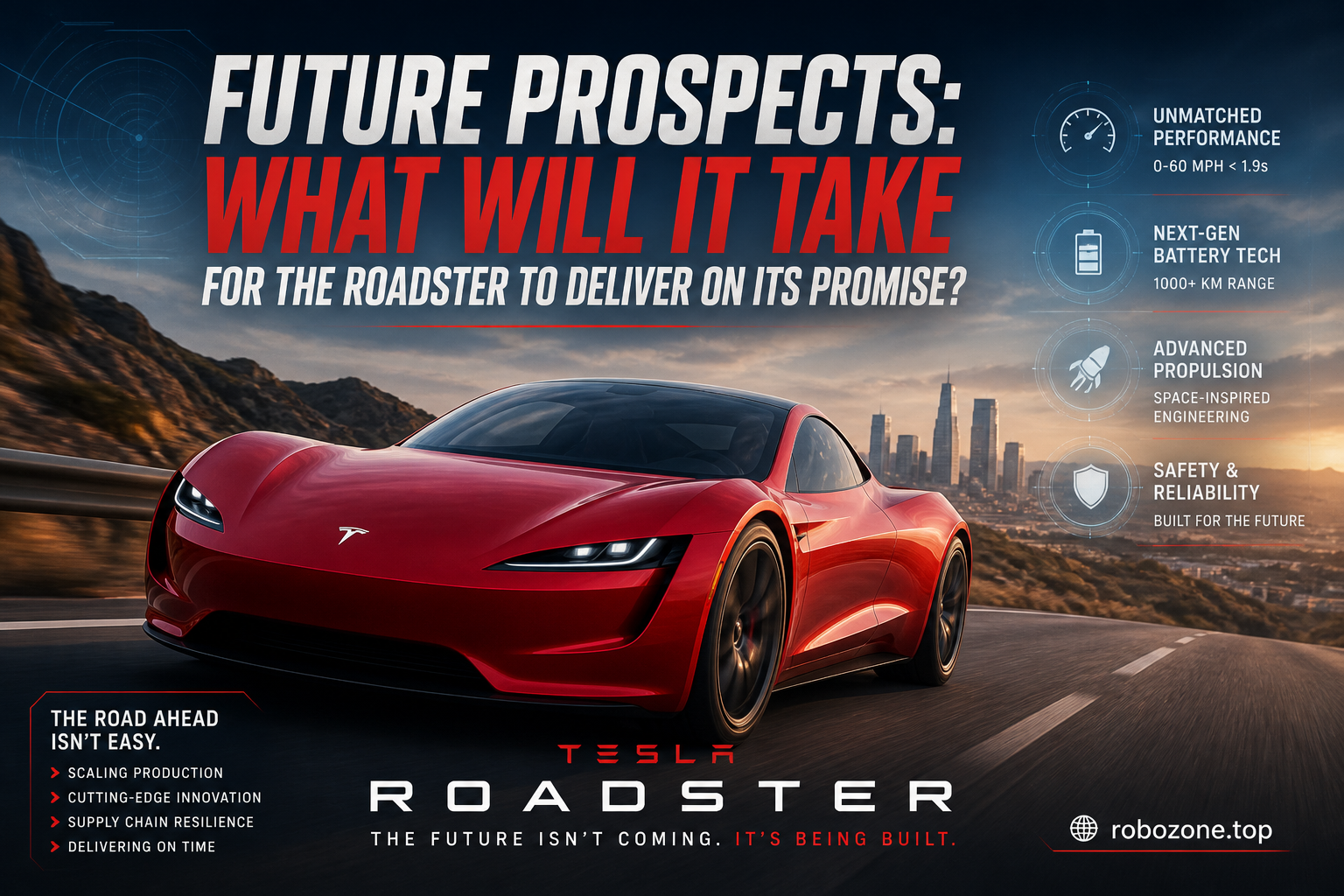
So, what does the future hold for Tesla’s next-generation Roadster? For it to deliver on the promises made, Tesla must clear several hurdles. Validating the vehicle’s specifications through real-world testing is essential. Consumers and investors alike will require concrete evidence demonstrating that the expected performance can be reliably reproduced beyond controlled settings.
Additionally, achieving a balance between the Roadster’s engineering ambitions and tangible market delivery is crucial. Production must be backed by robust quality assurance, supported by a scalable manufacturing process. The Roadster will only truly revolutionize the market if it can substantiate its claims with an attainable product that adheres to regulatory standards, delivers on performance, and maintains the high-quality consumer expectations associated with the Tesla brand.
The road ahead for this ambitious vehicle is paved with promises yearning for validation, making it a fascinating time to watch as we near the dawn of 2026.
References and Further Reading
- Tesla — Roadster Official Product Page
- Top Gear — Wow, the New Tesla Roadster Can Actually Fly
- The Verge — Tesla’s Next-Generation Roadster Goes From 0-60 in 1.9 Seconds
- Forbes — A Deep Dive into Tesla’s Next-Gen Roadster’s Market Expectations
- Bloomberg — Road to Production: Tesla Roadster’s Path Forward
Admin of RoboZone.top