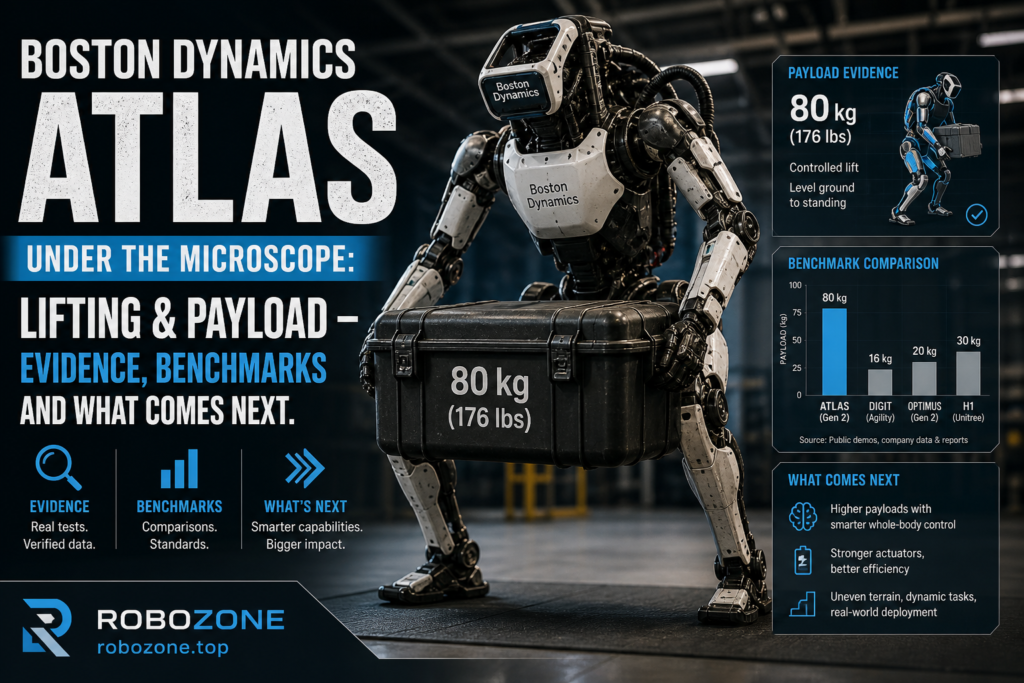
As we delve into the complex, yet fascinating world of Atlas, we’ll explore its ability to lift and carry payloads — as well as the distinct line between corporate claims and verified performance. With benchmarks that are as fluid as the technology itself, we stand at the cusp of a future where robots not only coexist with us but amplify human capability. So, just what is the current standing of the Boston Dynamics Atlas in the lifting and payload department, and what comes next?
Understanding the Core Concept: Atlas and Its Marvelous Mechanics
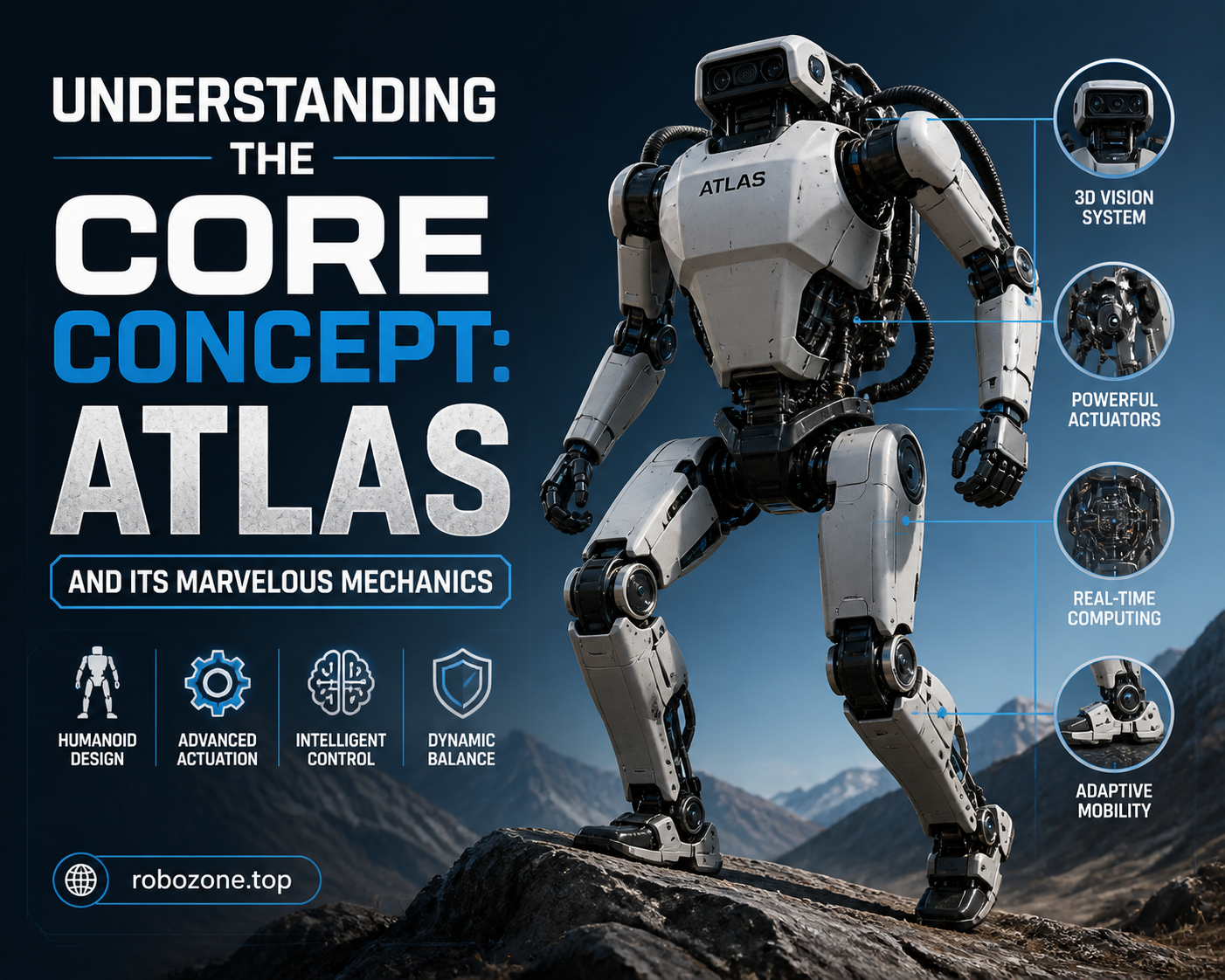
Boston Dynamics’ Atlas robot is a product of years of cutting-edge engineering and represents the pinnacle of humanoid robotics. Designed as a bipedal humanoid, Atlas is equipped with sensors, actuators, and software which combine to allow it to navigate, manipulate, and, importantly, lift objects. The core concept behind Atlas is its mimicry of human movement combined with mechanical efficiency—making it not only versatile but also robust enough to tackle a variety of tasks.
To understand how Atlas functions, picture a finely tuned orchestra, where various components work in harmony to produce a symphony. Here, the symphony is seamless movement: lidar and stereo vision systems scan environments, while hydraulic systems do the heavy lifting. With technology akin to what you’d find in autonomous vehicles, Atlas perceives its world in 3D.
However, the true marvel lies in its lifting capabilities. This feature is both Atlas’s strength and, occasionally, its Achilles’ heel. How much can it lift without sacrificing stability or efficiency? The answer to that question depends largely on the environment, payload weight, and the robot’s current task load.
Orther Robot Trend: Order HIWONDER Humanoid Robot
Real-World Applications: Beyond Laboratory Innovations
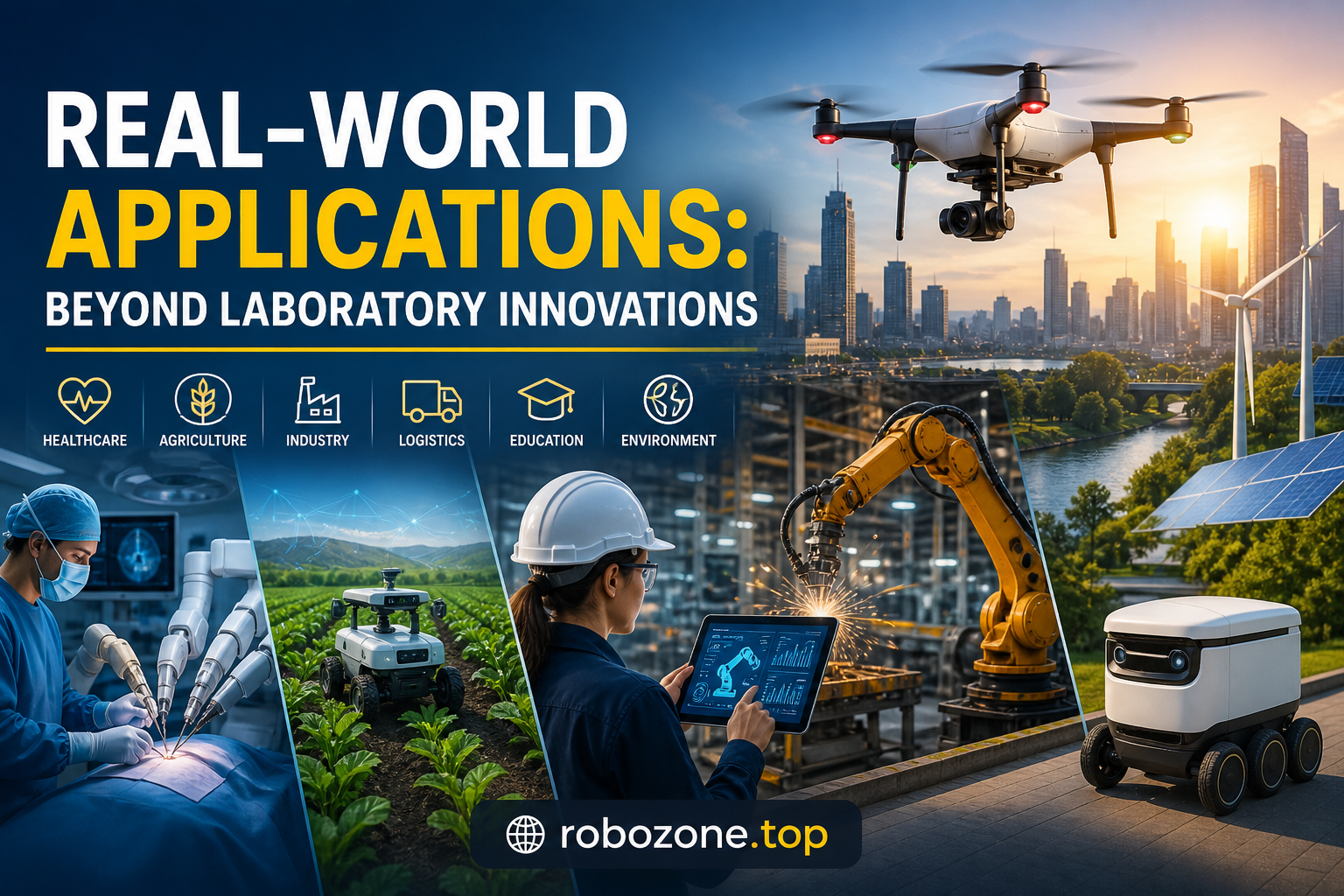
The capabilities of the Atlas robot extend far beyond the confines of Boston Dynamics’ laboratories. These robots have the potential to revolutionize industries ranging from construction to healthcare. In the realm of construction, Atlas robots can one day handle repetitive and hazardous tasks like lifting heavy materials—allowing human workers to focus on project planning. As the accumulation of even a small reduction in injury simultaneously ignites economic efficiency, such shifts are monumental.
In healthcare, Atlas might be used to assist with patient mobility or move equipment without straining human workers—a welcome relief in environments where manual labor is still prevalent. Imagine a world where a fleet of Atlas robots works side by side with nurses, lifting patients and performing tasks that require endurance.
Interestingly, these developments have, somewhat unwittingly, been accelerated due to global demands for robotic systems spurred by the pandemic era.
The Technical Insights: Inside Atlas’s Lifting Abilities
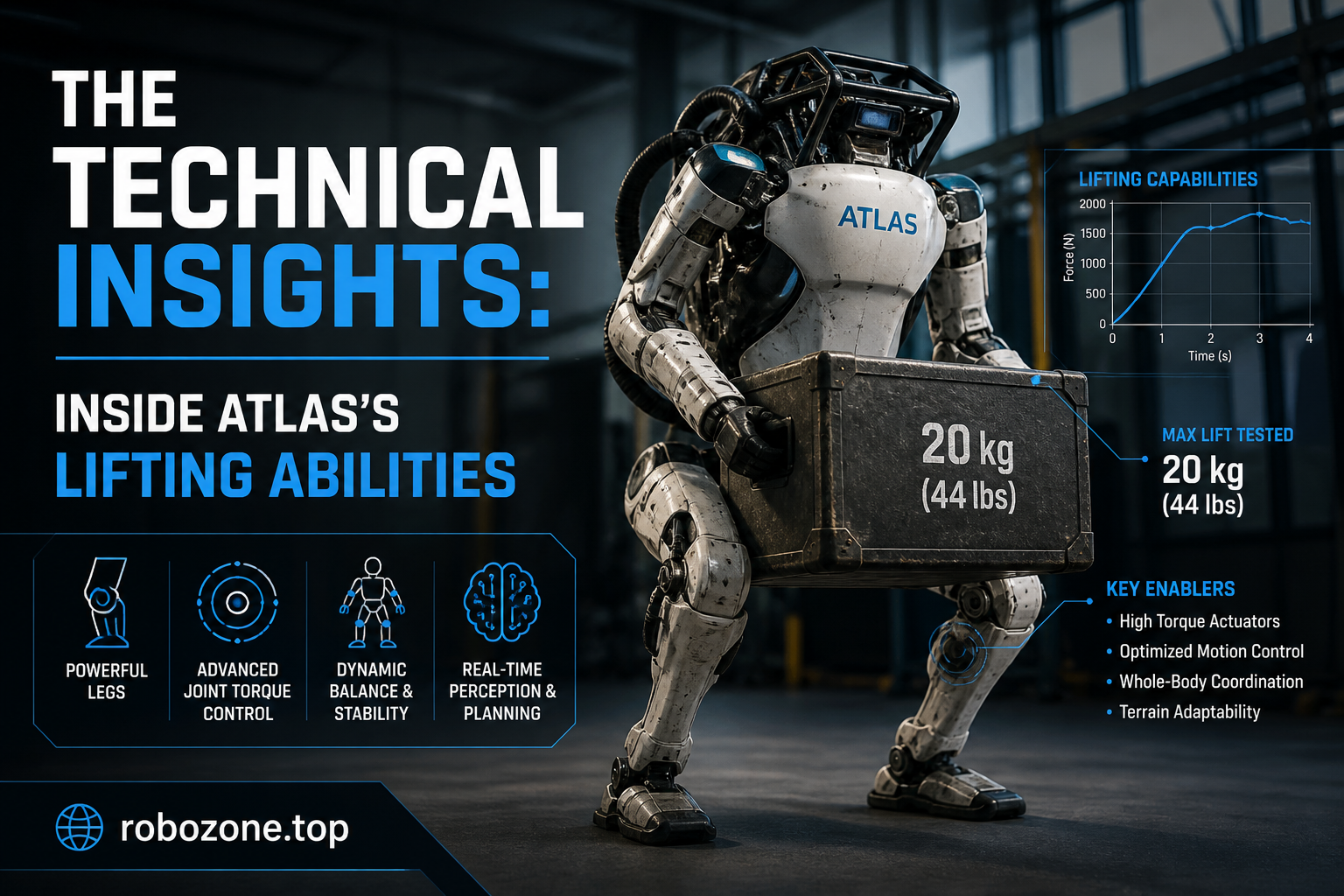
The Atlas robot’s ability to lift and maneuver objects is largely due to its highly sophisticated technical architecture. Using hydraulic actuators, it generates the force necessary to perform complex lifts. This, paired with cutting-edge sensors and AI models, allows Atlas to maintain its balance and adapt to varying terrain and payloads.
With over 28 joints and software that allows automatic control based on situation and context, the technical complexity is abundantly clear. The robot’s AI, often trained on NVIDIA’s robust processing platforms, utilizes learning algorithms that are continually updated to optimize balance and maneuverability. It’s an orchestration that’s as much about quick processing as it is about stable mechanics.
But as Thomas Huynh often says, “the devil is in the details.” Mastering these details will determine the efficiency of future iterations of the Atlas’s muscle power and payload capabilities. More importantly, it will help separate fact from corporate fiction.
Market Analysis: Robotics on the Rise
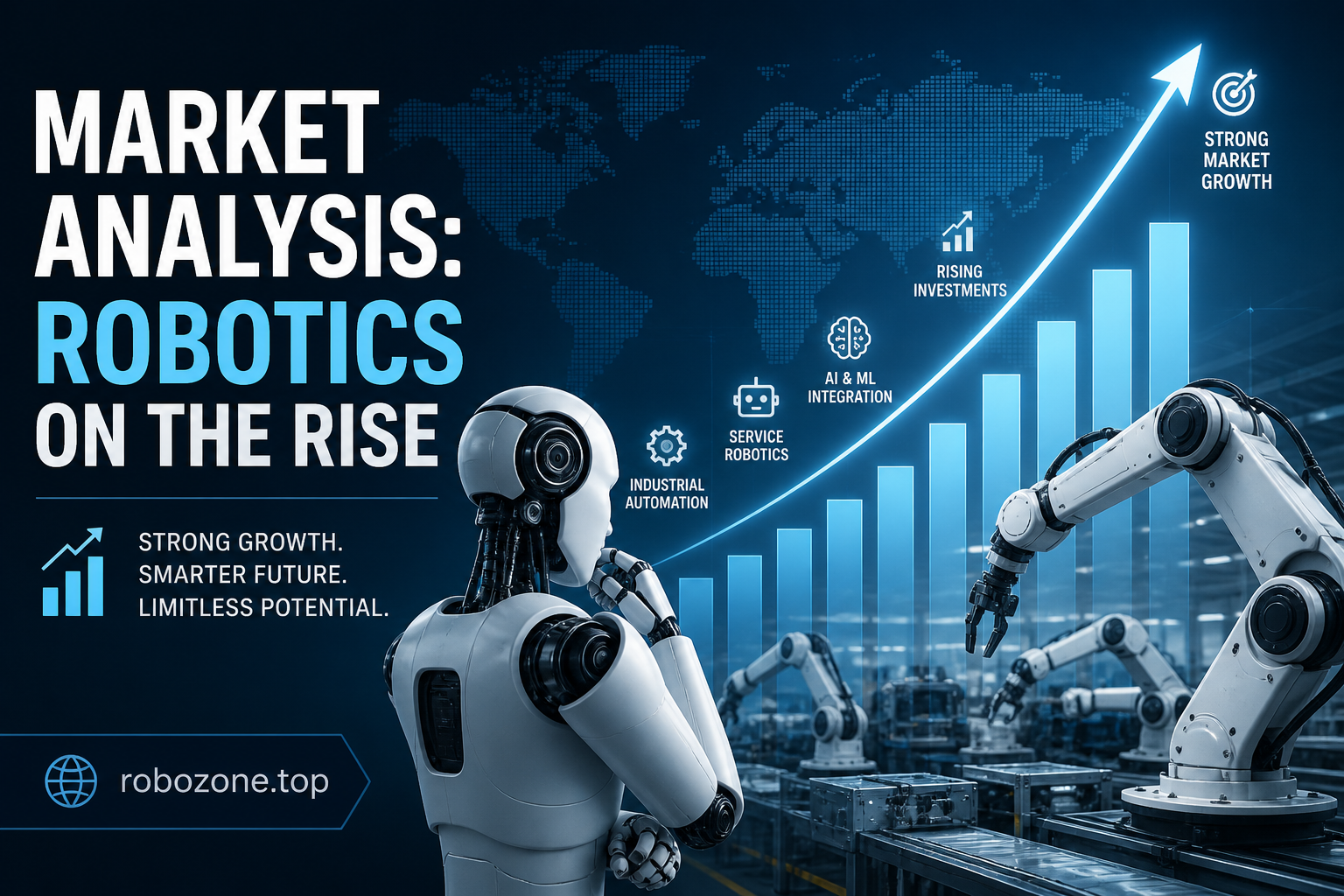
The robotics market has been riding a wave of investment and innovation with Atlas proudly steering the ship. According to international markets, industrial robotics and collaborative robots are expected to see significant growth, with Boston Dynamics at the forefront. The company’s strategic partnerships with firms like Hyundai have infused it with fresh capital, leading to technological breakthroughs that are being adapted across various sectors.
Economic studies underscore an increase in robotics-related productivity, hinting at an uptick in GDP in regions that prioritize this technology. The implications for the global economy are akin to those brought about by the Industrial Revolution, though in a more digitized and automation-centric context.
As industry evolution continues, companies and tech developers need to brace for the opportunities and challenges this robotic revolution is sure to unleash.
Challenges and Limitations: The Achilles’ Heel of Robotics
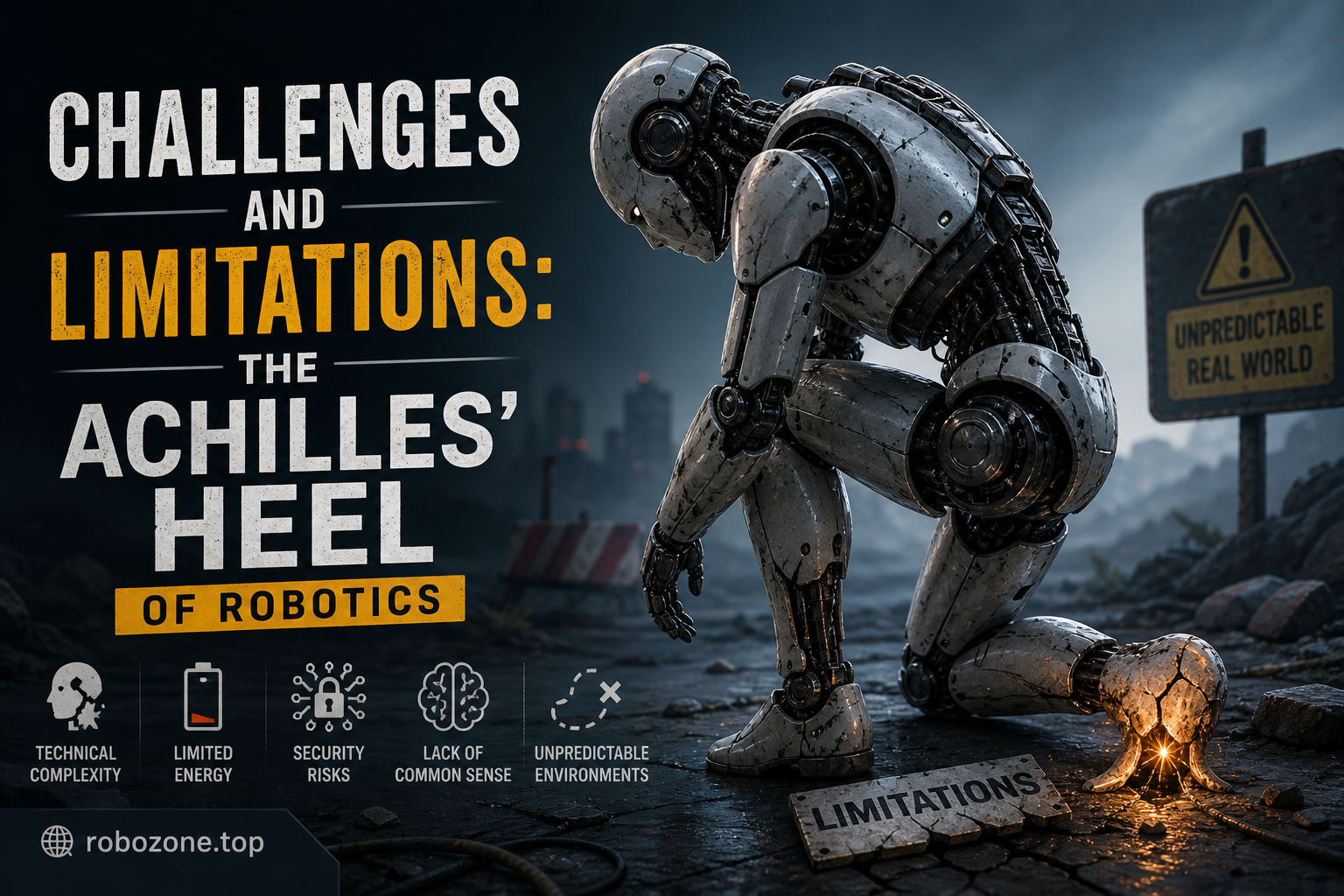
Atlas, with all its capabilities, is not without its limitations. The very technology that enables its lifting power can sometimes prevent it from performing adequately. The hydraulic systems, while powerful, consume considerable energy and generate heat—factors that can limit operational longevity. Moreover, the capability to autonomously adapt is complex and sometimes slow, given the continual readjustments needed during real-world applications.
Furthermore, robots like Atlas face significant challenges in terms of public perception and market adoption. Some might argue, “The robots are coming,” conjuring fears of a dystopian future, but at RoboZone.top, we prefer to ground ourselves in reality, aligning expectations with technical challenges and societal readiness.
Future Predictions: What Lies Ahead for Atlas?
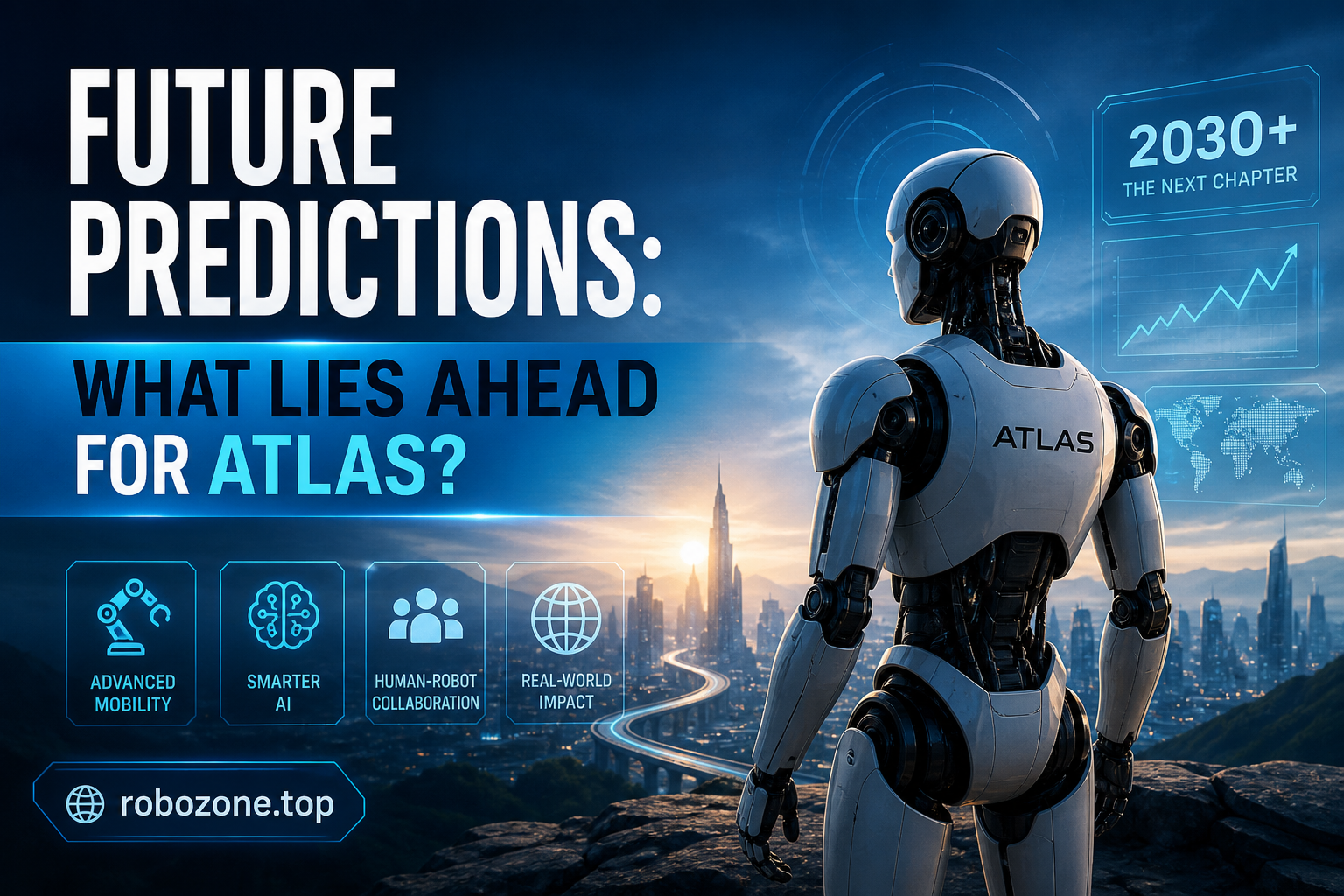
The future, as far as robotics is concerned, is as exciting as it is unpredictable. Something Thomas Huynh pointed out during a recent podcast, “In the coming 3-5 years, Atlas will likely transition from prototype to prevalent reality nearly as fast as smartphones did.” As research and development continue, we can anticipate significant advancements in Atlas’s lifting capabilities.
With investments and technological collaborations increasing at a rapid pace, expect the next-generation Atlas robots to be more efficient, perhaps achieving performance levels that current engineers only dream about. Probably more intriguing and less discernible technological breakthroughs will shape industry standards and public policies.
These advancements will undoubtedly attract further investments, making the industry more competitive and innovative.
Strategic Insights: What Should Businesses Prepare For?

As Boston Dynamics Atlas and its kin become more ingrained in industries, businesses should ready themselves for an era of unprecedented productivity. From adapting workplaces to accommodate robotic labor to training employees to work harmoniously with their new robotic colleagues, the learning curve could be steep.
Developers will need to enhance their focus on collaborative AI, whereby machines and humans work seamlessly together— each complementing the other’s strengths. Companies investing in AI will find themselves at a competitive advantage, enjoying first-mover benefits that come with being a trailblazer in this robotic frontier.
Those who don’t embrace these transformations may find themselves left adrift as the tides of technological evolution rage on.
So, where does this leave us? For Boston Dynamics and their Atlas robots, the future is wide open. While limitations and challenges persist, the potential breakthroughs in lifting and payload capacities signify not just technical advancements but also the dawn of a new era in human-robot collaboration. Companies need to consider both opportunities and preparedness. With the spotlight on benchmarks and development, our reality may just catch up to our once-imagined futures faster than anticipated.
Thomas Huynh – Admin of RoboZone.top
References & Further Reading:
- IEEE Spectrum
- McKinsey & Company
- Stanford AI Lab
- Harvard Business Review
- NVIDIA research / blogs
- International Federation of Robotics
- World Economic Forum
- Boston Dynamics
- MIT CSAIL – https://www.csail.mit.edu/
- Carnegie Mellon University – Robotics Institute – https://www.ri.cmu.edu/
- Harvard Microrobotics Laboratory – https://www.micro.seas.harvard.edu/
- DLR – Institute of Robotics and Mechatronics – https://www.dlr.de/en/rm/
- Stanford Robotics Lab – https://cs.stanford.edu/group/manips/
-
Tokyo Institute of Technology (nay thuộc Institute of Science Tokyo) – https://www.isct.ac.jp/en
University of Tokyo – https://www.u-tokyo.ac.jp/en/
-
EPFL Robotics Center – https://www.epfl.ch/research/domains/robotics/
ETH Zurich – Robotics / IRIS – https://www.iris.ethz.ch/
- KAIST Robotics Program – https://robots.kaist.ac.kr/english
- Shenyang Institute of Automation, Chinese Academy of Sciences (SIA) – https://english.sia.cas.cn/
- CSIRO – Data61 – https://research.csiro.au/data61/
– – – – – – – – – – – – – – – –
“If you found my post: Boston Dynamics Atlas Under the Microscope: Lifting & payload — Evidence, Benchmarks and What Comes Next helpful, consider checking out the product links below. It helps support the channel at no extra cost to you!”
Order HIWONDER Humanoid Robot