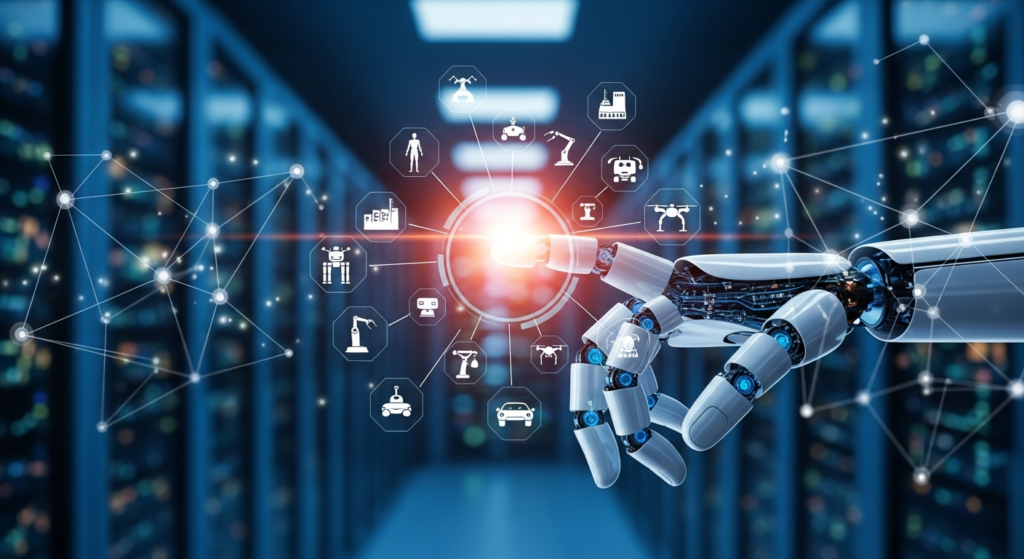
In the past few decades, technology has developed at a pace that seems almost insatiable, particularly in the realm of artificial intelligence (AI). Today, this rapidly expanding universe of AI robots is not only transforming industries but also the very fabric of our everyday lives. These cutting-edge machines, built with remarkable sophistication and intelligence, are pushing boundaries and redefining possibilities. As Thomas Huynh often observes with a wry smile, ‘The future is not something you enter, it is something you create.’ And indeed, these AI robots are key architects of the future we’re stepping into.
AI Robots in Healthcare: The Silent Revolution
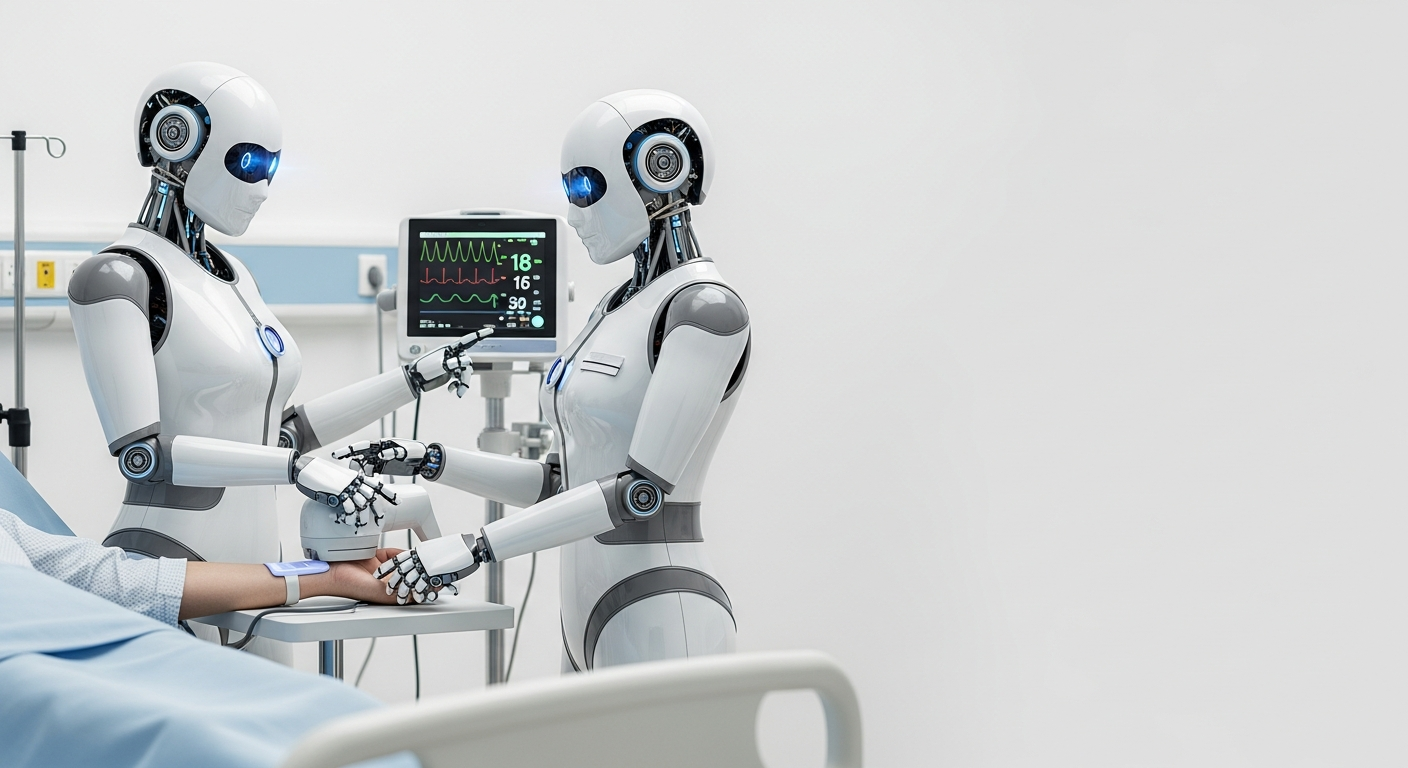
Consider room number 205 in a hospital somewhere in the bustling heart of San Francisco. A diligent nurse, ‘Nurse Amy,’ tends to her patients, and beside her is an unassuming helper—an AI robot named Moxi. Built by Diligent Robotics, Moxi is more than just metallic arms and a blank expression. It represents a new era of collaboration between humans and machines, one where repetitive tasks like fetching supplies are left to robots, freeing valuable human hands to do what they do best: providing empathetic care.
Moxi uses advanced machine learning algorithms and computer vision to navigate the complex hospital environment. It can be tasked with delivering medication, lab samples, or even just a comforting presence. These robots are powered by AI models capable of contextualized understanding, ensuring tasks are completed efficiently, minimizing human error.
The contribution of AI robots in healthcare goes beyond mere task execution. They play a transformative role in personalized medicine. AI-driven surgical robots like the da Vinci Surgical System, for instance, augment the surgeon’s precision, reducing recovery time for patients. But despite their promise, these systems are not without challenges. Interfacing these robots with existing healthcare IT systems and ensuring reliable operation under varied conditions remain significant hurdles.
As the global healthcare market develops, the adoption of AI is expected to grow exponentially. According to McKinsey & Company, the AI healthcare market is projected to reach over $45 billion by 2025. The demand for healthcare services is increasing rapidly due to an aging global population, and AI robots are poised to fill crucial gaps. But as this silent revolution unfolds, ethical considerations, data privacy, and the need for regulations will likely stand at the forefront of discussions on their widespread adoption.
AI Robots in Industrial Automation: The Future is Now
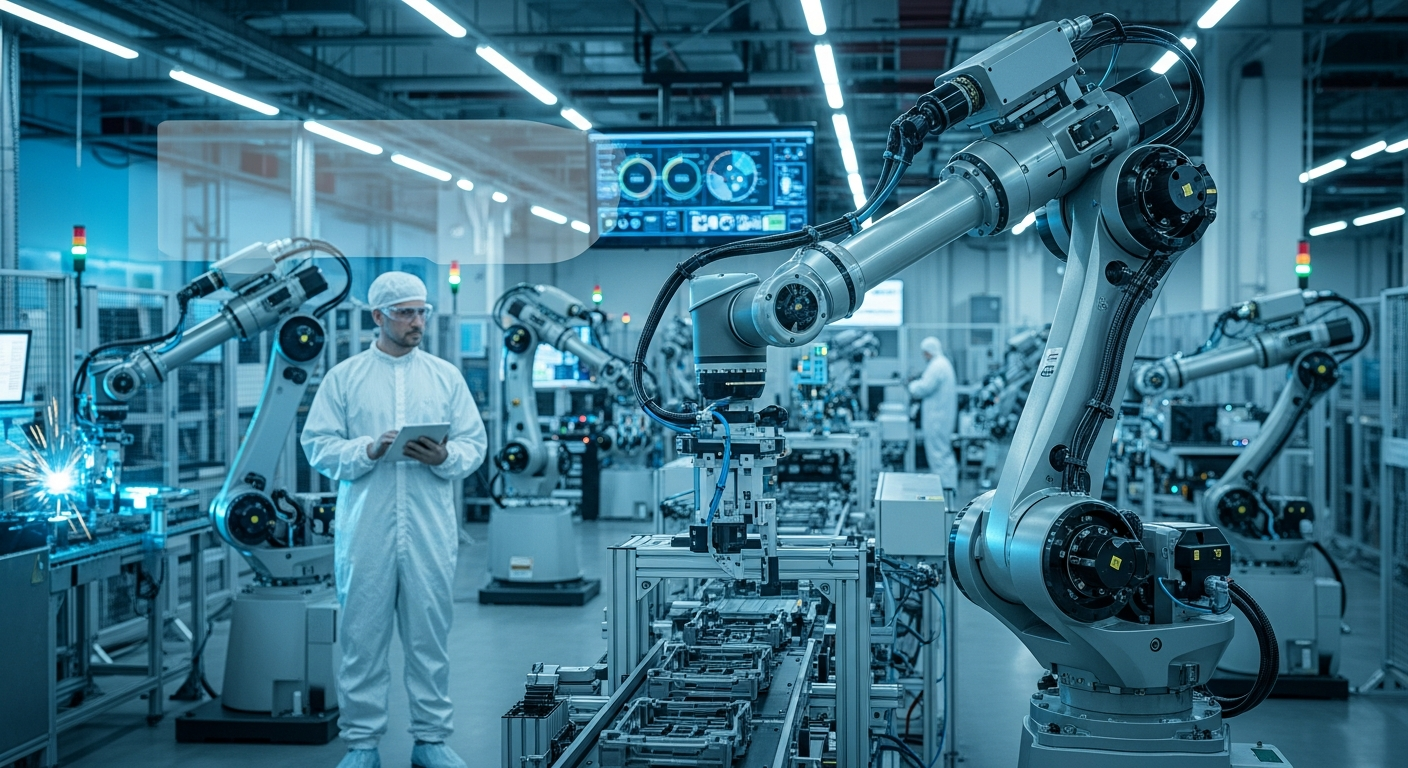
In the cavernous assembly lines where human eyes glance over endless rows of screws and bolts, AI robots like Tesla’s still-nameless factory bots are forging the future of industrial automation. Designed using state-of-the-art AI and robotics technology, these robots are not just mechanical appendages but are integrated systems capable of adapting to new tasks with minimal reprogramming.
The cornerstone of these systems is a combination of robust sensor technology and sophisticated AI capabilities. The sensors provide real-time data absorption, capturing everything from minute vibrations to temperature fluctuations. Coupled with AI, these robots can make autonomous decisions—smart logistics, defect detection, and predictive maintenance, to name a few.
Such innovations are driven by the demand for efficiency and sustainability. Consider the case of Google’s subsidiary, DeepMind, which famously applied AI to cut cooling costs in Google’s own data centers by 40%. It stands as a testament to how AI robots aren’t just tools; they’re transformative partners capable of redefining operational efficiencies.
Economically, the industrial automation market is set to experience dramatic growth. The International Federation of Robotics predicts that the global market for industrial robots will reach over $70 billion by 2026, with AI-integrated robots leading this surge. However, challenges remain—particularly in areas such as interoperability and the need for a skilled workforce capable of managing these advanced systems.
Undoubtedly, we are at the dawn of a new era. Yet, we must navigate with caution, acknowledging the profound economic and social implications. As Thomas Huynh often says, ‘Change is inevitable, but progress is optional.’
Companion Robots: The Rise of Emotional AI
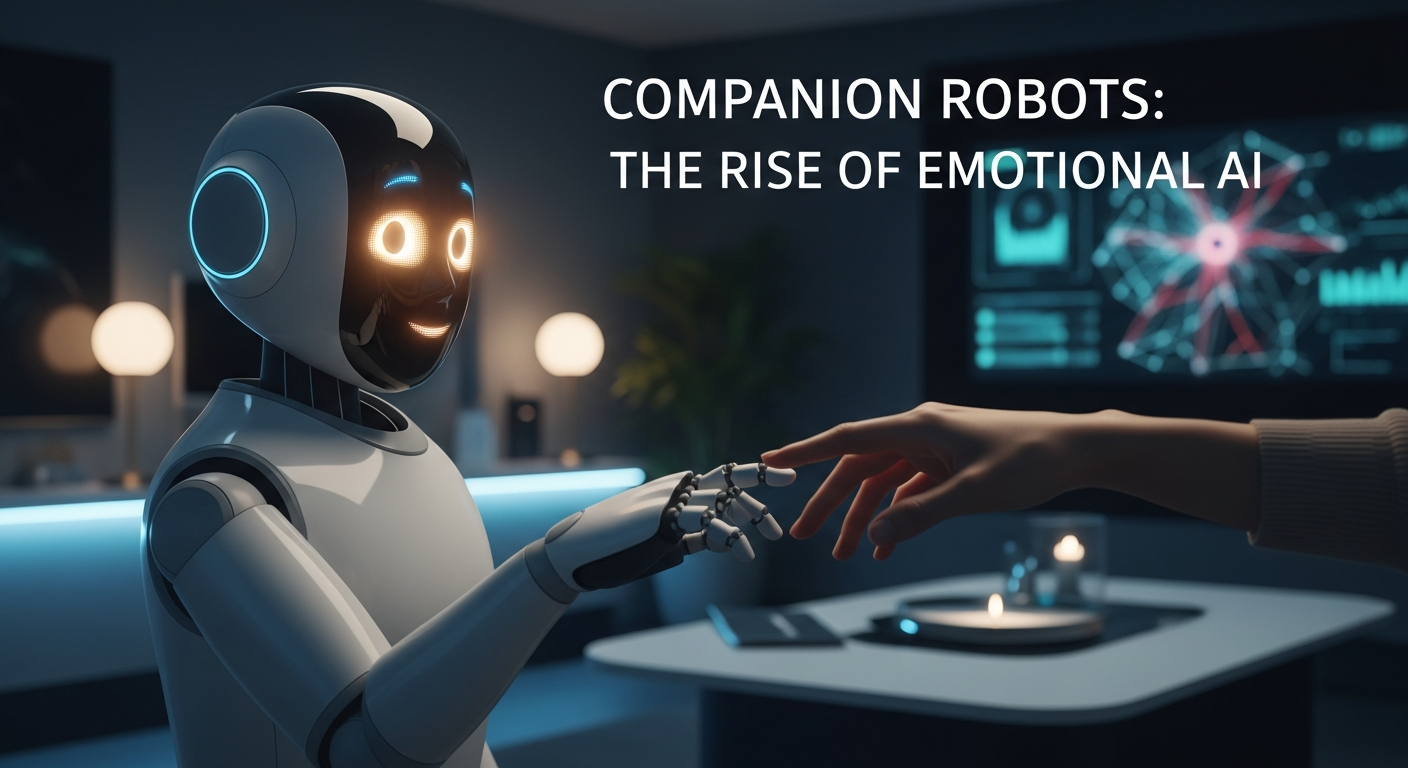
There’s a gentle whirring sound coming from the desk in a New York apartment. It’s a small device with expressive digital eyes—Jibo, a social robot designed not just for efficiency but for companionship. Jibo can dance, answer questions, and even read bedtime stories. It’s a far cry from the cold, metallic conception of robots. Here, AI marries robotics to facilitate genuine emotional connections with its users.
The Japanese phenomenon Paro, a robotic seal, is another notable example. Designed to provide comfort for elderly patients suffering from dementia, Paro responds to touch and sounds, promoting a soothing environment and reducing stress among its users. These emotional AI robots signify a significant development in robotics, powered by advances in natural language processing and emotional AI.
With the advent of these personable robots, markets are shifting. The social robotics industry is projected to grow significantly, a shift largely driven by an increasing number of single-person households and a growing appetite for emotional companionship in our tech-driven world. Ironically enough, as humans become more digitally interconnected, there’s a heightened demand for robots offering relational companionship.
Developing a robot that not only understands human emotions but also appropriately responds to them remains a challenge. AI researchers continue to work tirelessly, refining algorithms and ensuring these robots are reliable companions rather than crude conversationalists.
Will these robots replace human interaction? Probably not, but they offer a remarkable supplement—a bridge over the often-isolating gaps of modern life. It’s a future Thomas Huynh imagines as ‘where we are each allotted a little more sunshine,’ thanks to our robotic friends.
Retail Robotics: Reinventing the Shopping Experience
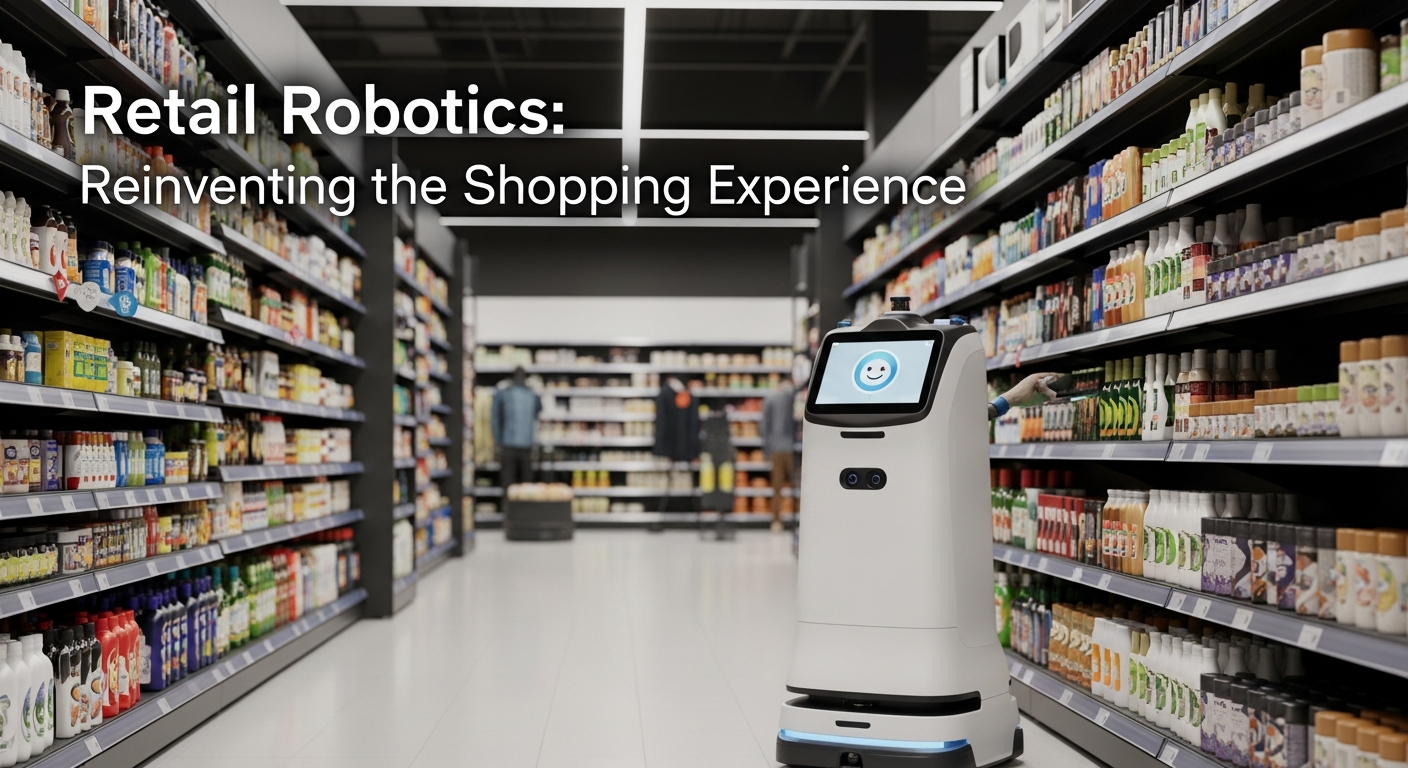
Enter the sprawling aisles of your local supermarket, and it’s increasingly likely you’ll encounter a tall, observant sentinel gliding by. Meet Tally, the invention of Simbe Robotics, designed to enhance our shopping experience by automating inventory checks in retail environments. Tally traverses aisles autonomously, meticulously scanning shelves to ensure no product goes unstocked.
The integration of AI into retail is fueled by the evolving demands of consumers and the desire for seamless shopping experiences. The AI technologies enabling Tally include deep learning and computer vision, allowing robust data collection and ensuring optimal inventory management.
Similarly, Amazon’s cashier-less stores are an embodiment of AI-driven retail innovation. Utilizing a complex network of sensors and AI analysis, these stores afford customers the luxury of walking in, picking up goods, and walking out, while the AI tallies and charges their accounts automatically. The future of retail is here, becoming increasingly intuitive and efficient, driven by a need for speed and convenience.
The retail industry is on the brink of a major transformation, with AI robots playing a pivotal role. According to the World Economic Forum, robotic application in retail is projected to rise, significantly impacting how we interact with physical stores. While the automation wave promises efficiency, it stirs concerns about job displacement and the balancing act of technological advancement and employment needs careful orchestration.
Educational Robots: Unlocking the Future of Learning
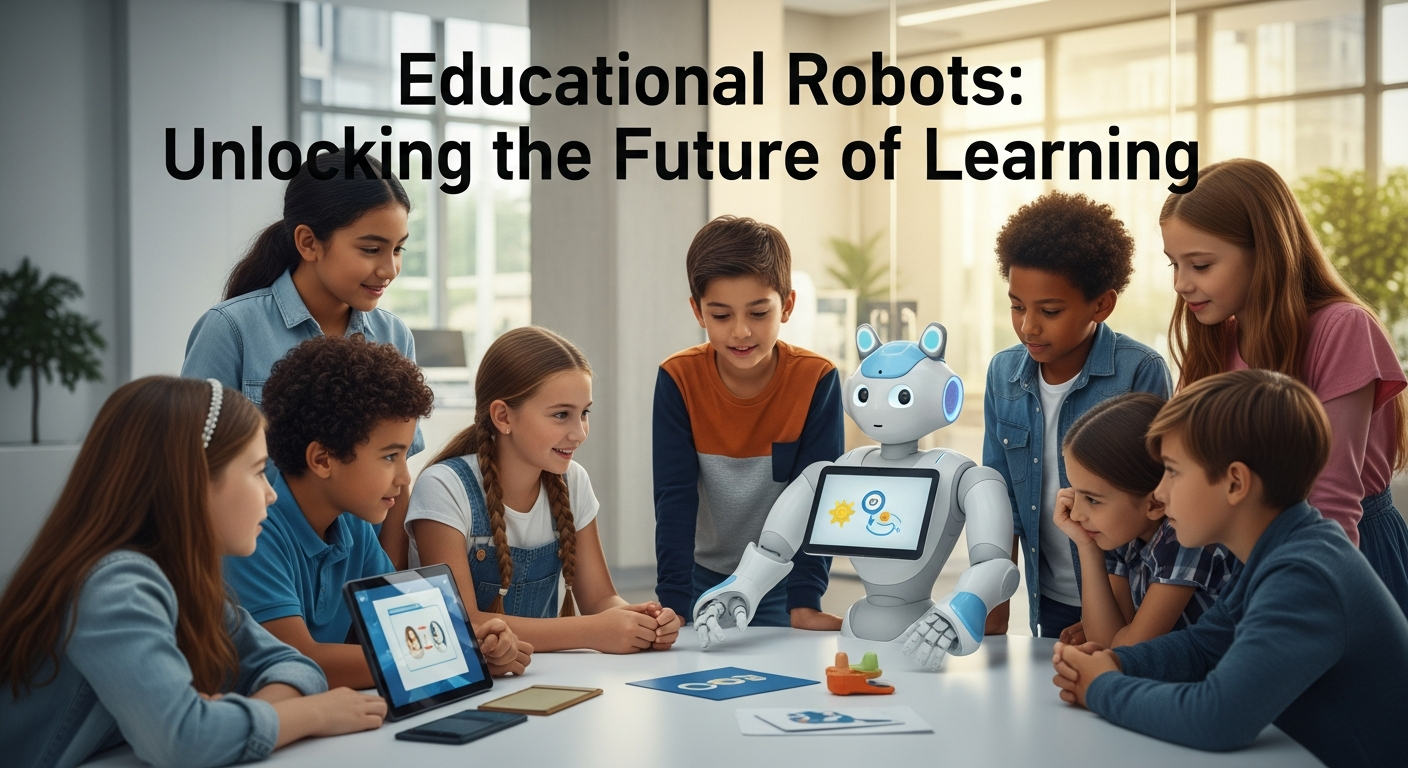
Picture a classroom where a plucky little robot introduces children to the wonders of science and math. This isn’t science fiction—it’s the present, where AI robots like NAO from SoftBank Robotics are reshaping education. With its interactive capabilities, NAO can teach coding languages or help autistic children develop social skills through engaging interactions.
Educational robots employ powerful AI technologies to provide tailored learning experiences. They’re equipped with AI models capable of adapting learning modules to suit individual student needs, a significant advantage over traditional education systems.
The use of robots in education reflects a broader societal shift towards personalized education driven by technology. Studies by institutions like Stanford AI Lab highlight how AI is not a replacement for educators but a valuable tool that enriches the learning environment by providing dynamic and interactive opportunities for students.
Despite their potential, educational robots face hurdles related to cost, acceptance among educators, and the requirement for robust internet infrastructure. Additionally, disparities in access to such technologies could further widen the existing educational divide.
Nevertheless, as we look toward a digitized education future, it’s clear that AI robots will play an instrumental role. As Thomas Huynh might quip, ‘Today’s classroom is tomorrow’s universe, and it’s our bots that will help them reach the stars.’
The Autonomous Vehicle Revolution
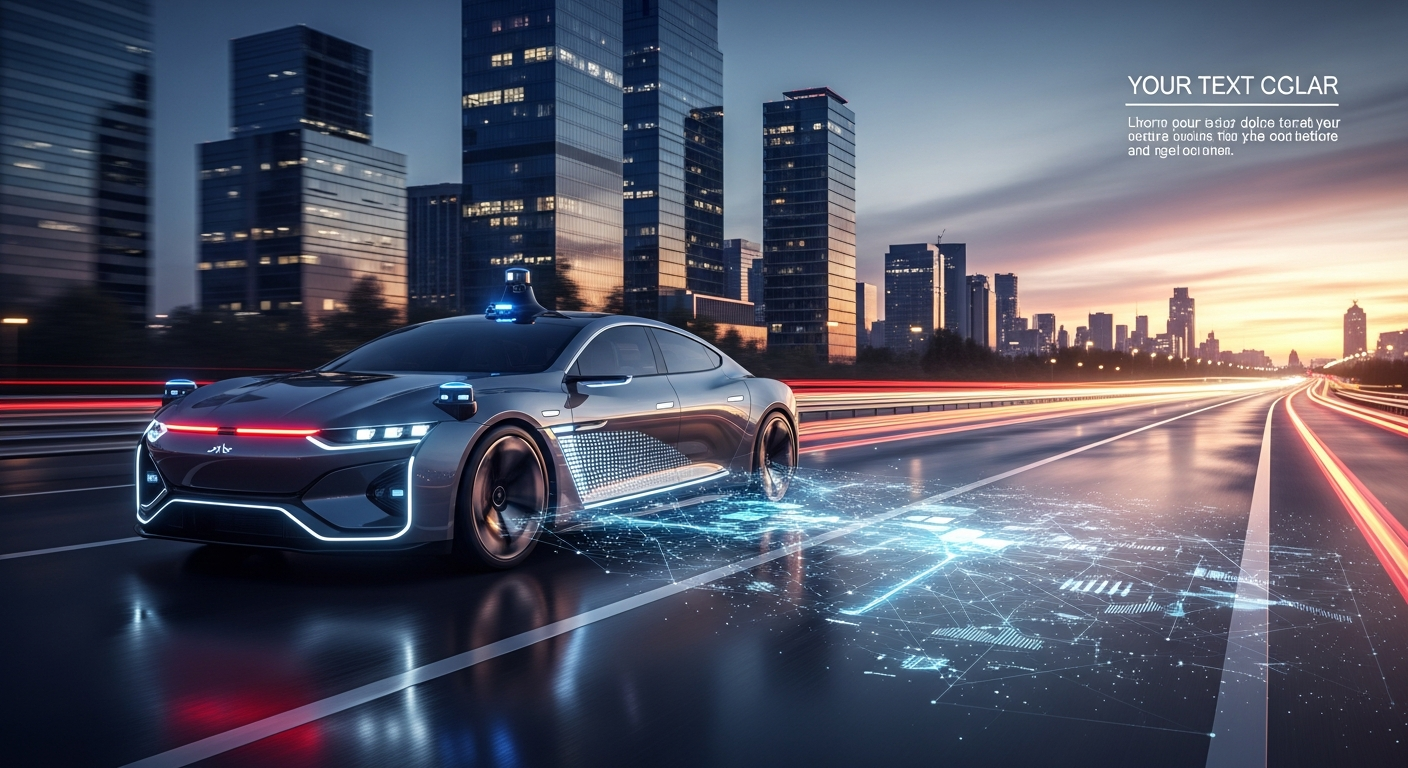
The urban landscape of 2026 is startlingly different from a decade ago. Walking along a sidewalk in any major city, you might glance over to the road and see a fleet of autonomous vehicles (AVs) gliding silently by. Driven by advancements in AI, companies like Tesla and Waymo have transformed the dream of driverless cars into a rapidly approaching reality.
These AVs leverage a combination of sensors, such as LiDAR and radar, alongside powerful AI systems to navigate complex urban environments. They are continually learning and adapting, responding to dynamic road conditions with human-like intuition. NVIDIA’s AI chips, for instance, are central to processing the immense data streams necessary for AVs to operate safely and efficiently.
The economic impact of autonomous vehicles is profound. Research by the World Economic Forum suggests that by 2030, the majority of vehicles in urban environments could be autonomous. The ripple effect includes reduced traffic congestion, lowered emissions, and a drastic reduction in road accidents—a testament to AI’s potential to enhance safety and efficiency.
However, integration of AVs is not without obstacles. Regulatory frameworks are still catching up, insurance models are being reevaluated, and public trust needs to be earned. As we pilot this exciting journey towards autonomy, Thomas Huynh reminds us to ‘keep our hands on the wheel when it comes to steering social responsibility.’
So where does this leave us? As we stand on the precipice of a world where AI robots are integral to our daily lives, it’s crucial we pause and reflect. These machines offer a world of possibilities—a promise of a future where humans and robots coexist in a symbiotic evolution. Yet, it’s essential that as we forge ahead, we remain mindful of the social, ethical, and economic complexities these advancements entail.
What we should really pay attention to is the balance between embracing innovation and maintaining our humanity. Striking this balance will define the path forward. Businesses, developers, and lawmakers must work collaboratively to ensure this technological symbiosis benefits all of society, not just a select few.
So what comes next? The horizon is filled with untapped potential and unforeseen challenges. As AI robots continue to evolve, their capacity to serve as partners in innovation is boundless. But to harness their power responsibly, continuous dialogue, ethical considerations, and sustainable practices are imperative. It’s not just about advancing AI, but advancing society alongside it.
As we envision this future, we are reminded of a quote often attributed to Thomas Huynh: ‘In the pursuit of the possible, never forget the value of the practical.’ As AI robots stride forward, so must our efforts to ensure they serve the greater good.
Thomas Huynh – Admin of RoboZone.top
- MIT Technology Review — https://www.technologyreview.com/
- IEEE Spectrum — https://spectrum.ieee.org/
- McKinsey & Company — https://www.mckinsey.com/
- Stanford AI Lab — https://ai.stanford.edu/
- Harvard Business Review — https://hbr.org/
- NVIDIA Blog — https://blogs.nvidia.com/
- International Federation of Robotics — https://ifr.org/
- World Economic Forum — https://www.weforum.org/