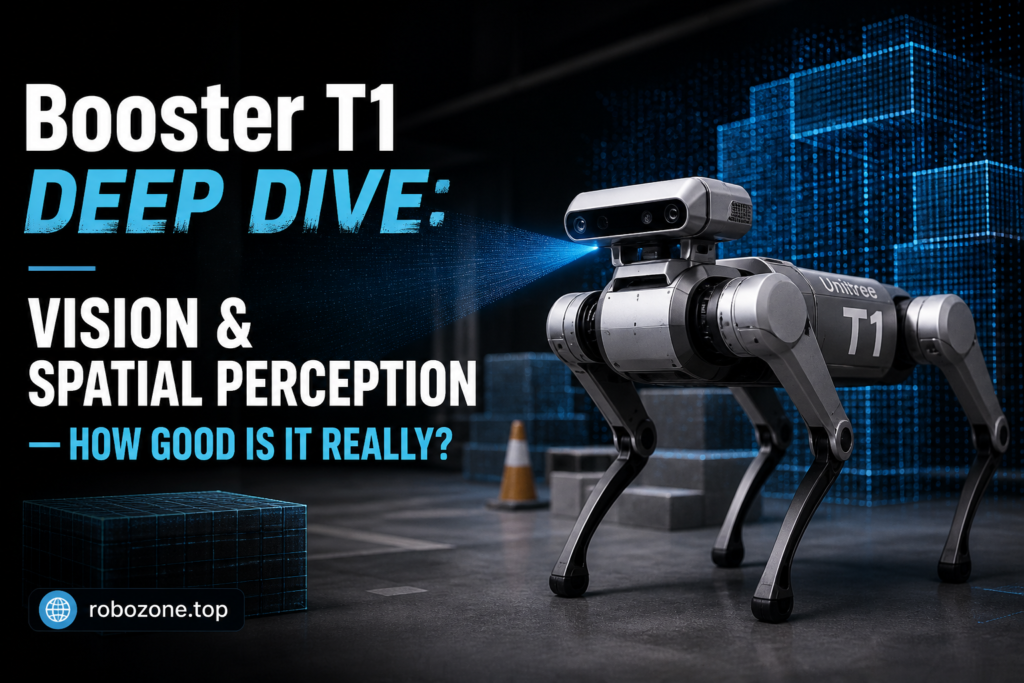
In the bustling streets of Shenzen, China, a new marvel of robotics is taking shape. The Booster T1, a cutting-edge humanoid robot, is making waves with its advanced vision and spatial perception systems. As the world eagerly watches China’s latest technological advancements, we at RoboZone.top, led by our trusted Thomas Huynh, dig deeper into what makes the Booster T1 tick. How good is its perception really? What does it mean for the industry? Strap in as we explore the intricacies of this robotic wonder.
What is the Booster T1 and How Does It Work?
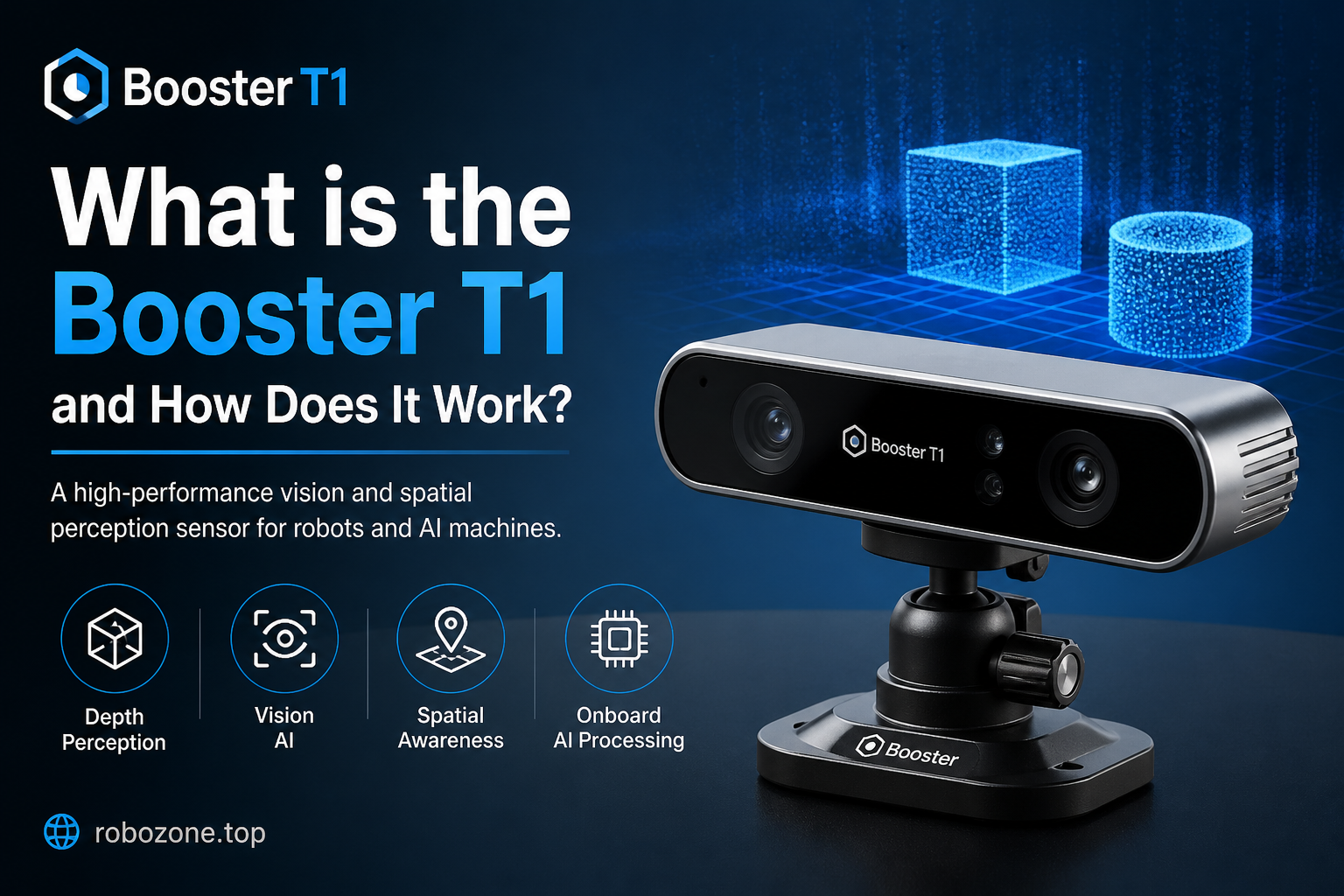
To those unfamiliar with the Booster T1, it’s an advanced humanoid robot designed to navigate complex environments with ease. At the core of its operations is a sophisticated vision and spatial perception system, enabling the robot to understand and interact with its surroundings. This feature is critical for tasks ranging from industrial automation to personal assistance, making the Booster T1 a versatile tool in the modern world.
The Booster T1 utilizes an array of cameras and sensors, integrating them with powerful AI models that process visual data in real-time. The neural networks guiding its perception are akin to those developed by industry giants like Google’s DeepMind, known for their prowess in machine learning. These models allow the T1 to not just see but comprehend the environment, identifying objects, pathways, and obstacles with surprising accuracy.
Real-World Applications Across Industries
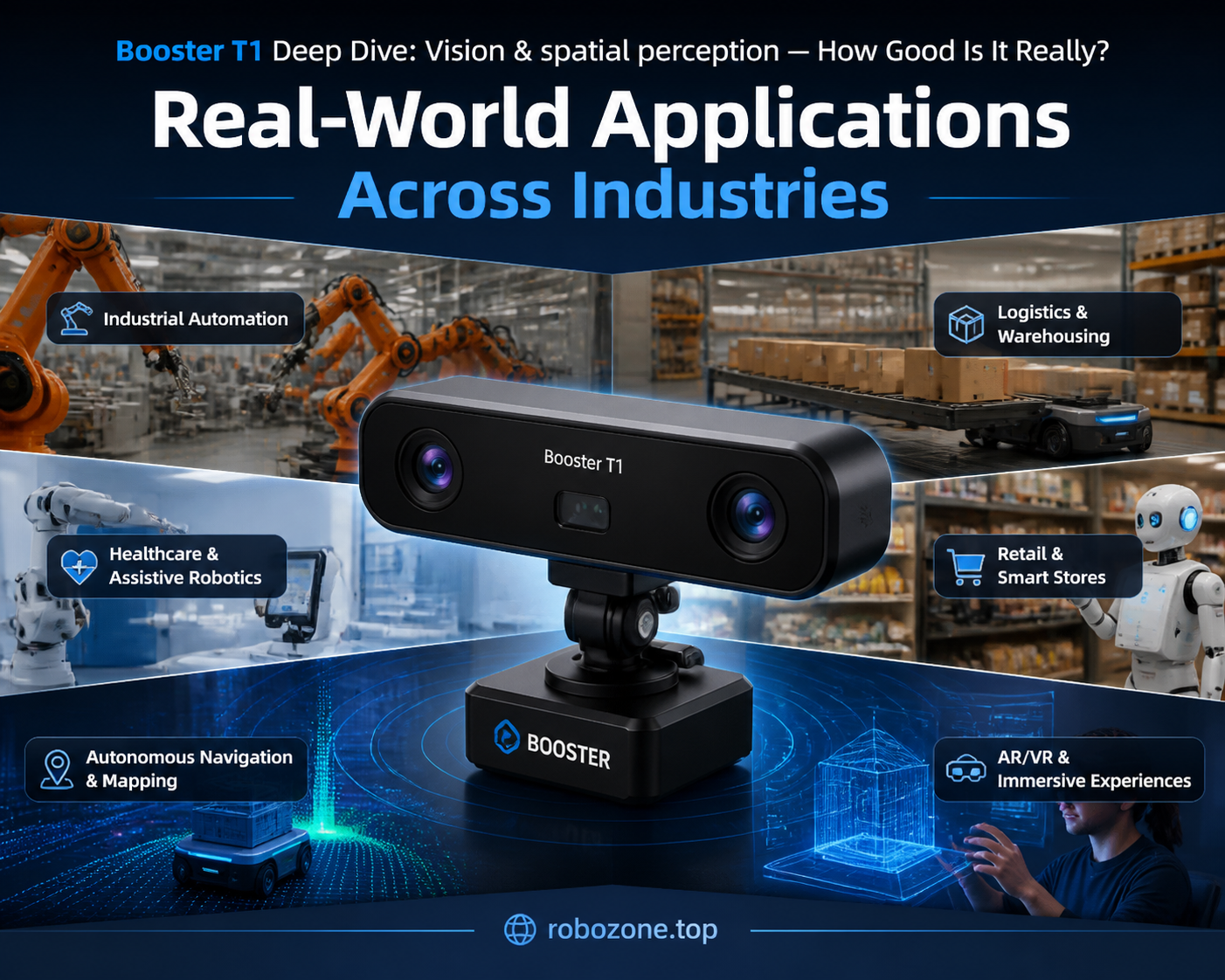
The implications of the Booster T1’s vision capabilities span numerous industries. In healthcare, for example, its precise navigation and object recognition allow it to assist in surgeries or caregiving without human intervention. Imagine a T1 guiding a visually impaired person through a crowded market — this isn’t just science fiction but a reality just around the corner.
In industrial settings, the robot’s spatial prowess transforms tasks like packaging and quality control. Companies in manufacturing hubs like Guangzhou have already started incorporating such robots into their factories to enhance efficiency and reduce error rates. The T1’s capabilities make it a prime candidate for safety inspections, particularly in hazardous environments that are too risky for human workers to enter.
Technical Insights: AI Models and Robotics Systems
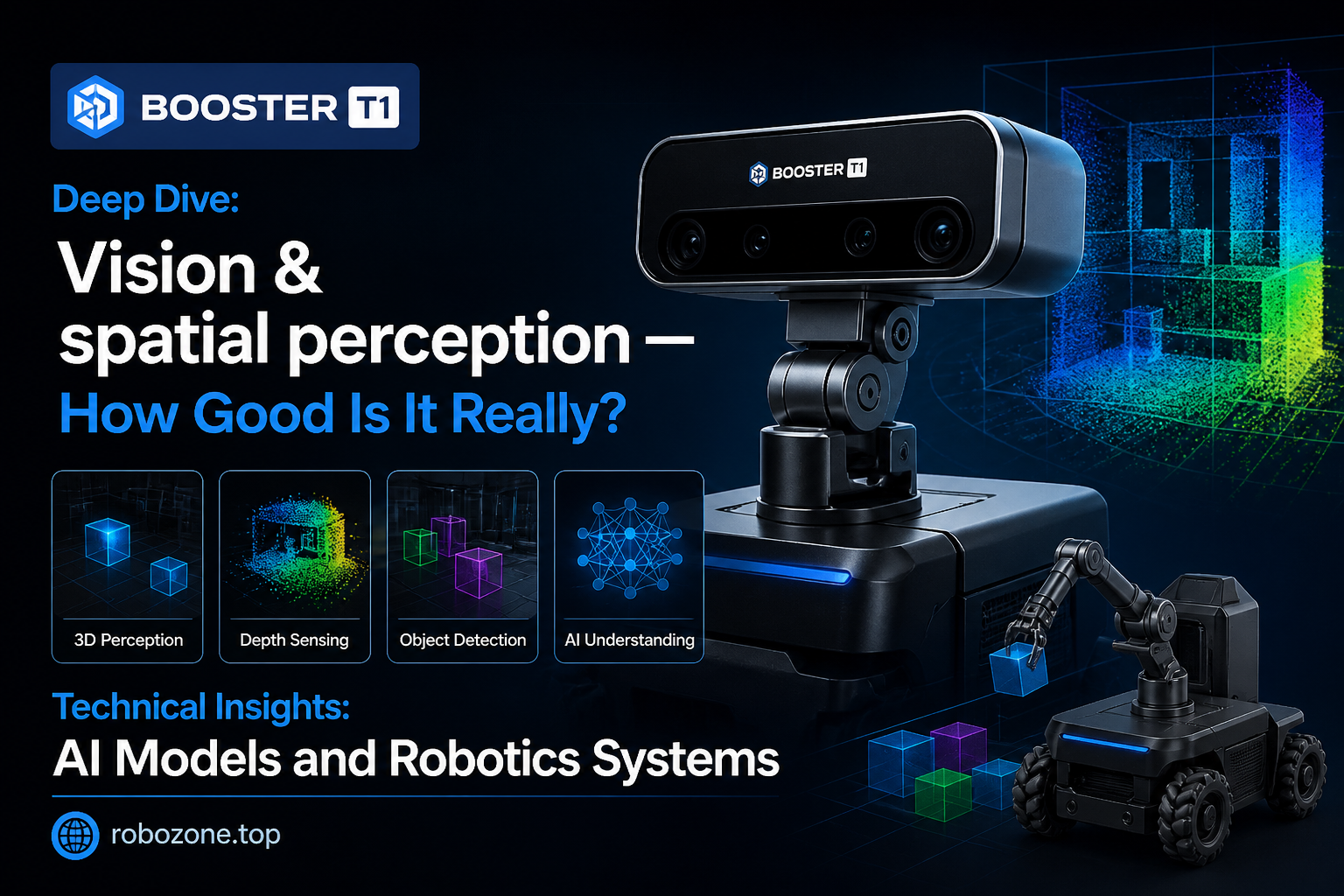
Diving into the technical underpinnings, the Booster T1 employs state-of-the-art NVIDIA processors, a choice that’s becoming as ubiquitous in robotics as a Swiss Army knife in a camper’s pocket. NVIDIA’s chips provide the necessary computational power to run complex AI algorithms essential for processing the torrents of data coming from the T1’s sensors.
The robot’s architecture is a marvel of engineering, leveraging convolutional neural networks similar to those pioneered by the Stanford AI Lab. These networks are responsible for the image recognition abilities of the T1, allowing it to distinguish between, say, a human handwave signaling ‘stop’ or ‘proceed’.
Market Analysis: Growth, Investments, and Economic Impact
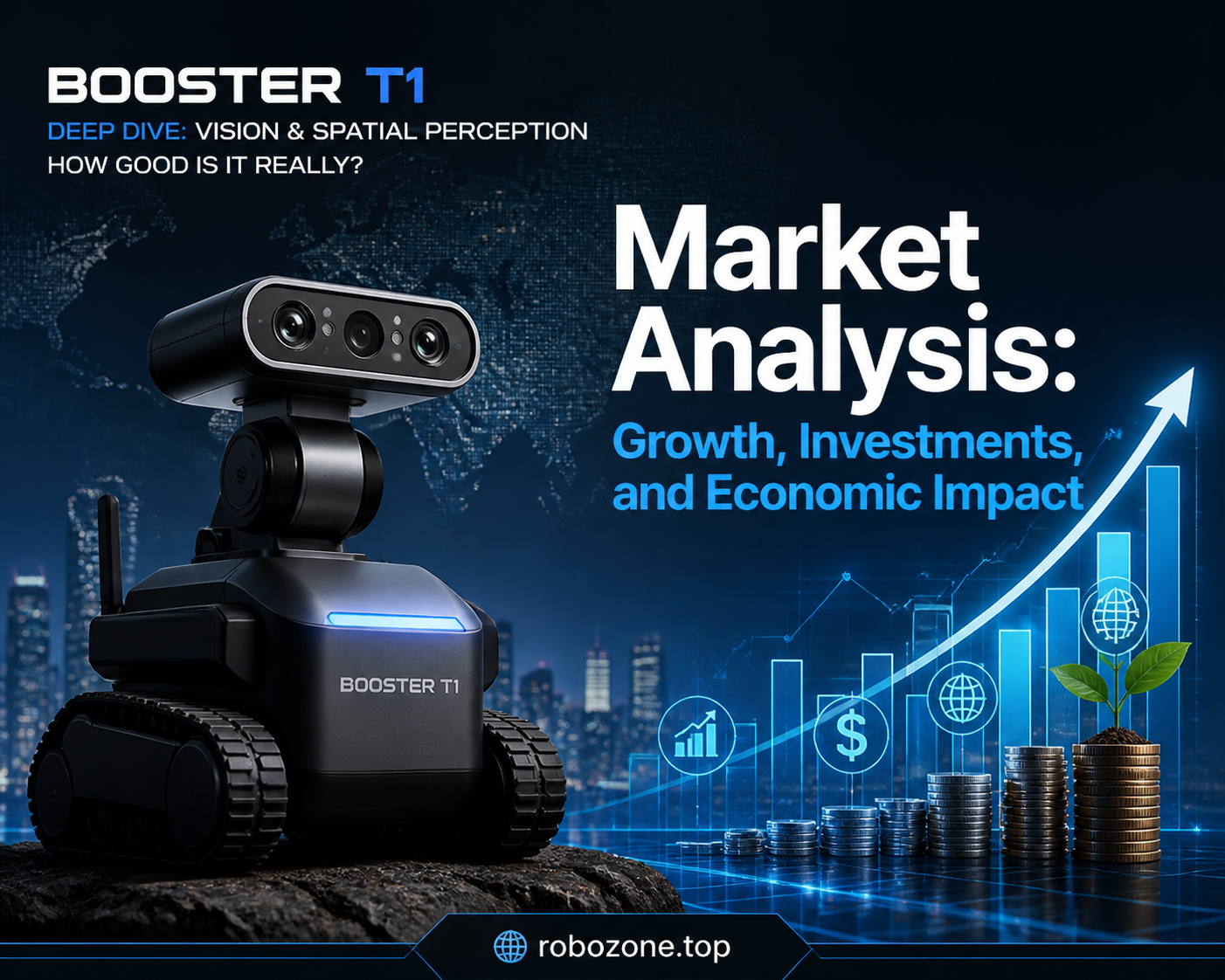
Market analysts suggest that the deployment of such advanced robots will revolutionize several sectors, driving exponential growth. According to a study by McKinsey & Company, robotics could contribute as much as $4.5 trillion to the global economy by 2030. The Booster T1, with its revolutionary features, sits at the forefront of this surge.
Investments in robotics startups in China have skyrocketed, with venture capitalists pouring billions into tech firms developing similar AI and perception technologies. These financial endorsements are not just mere speculation but a testament to the transformative potential these technologies hold.
Challenges and Limitations
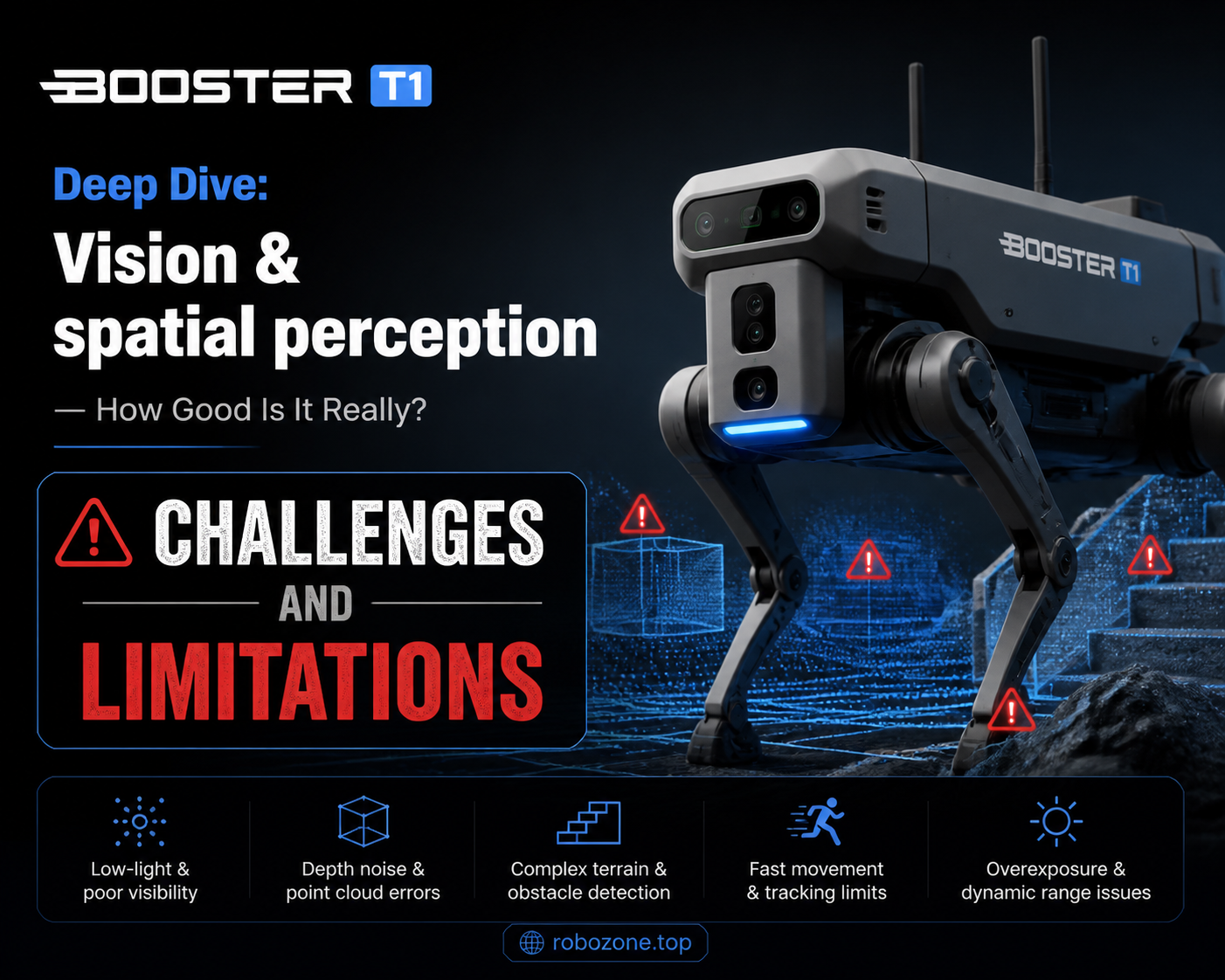
Despite the impressive capabilities of the Booster T1, challenges remain. One significant hurdle is the robot’s dependency on consistent environmental conditions. Variability in lighting or unexpected obstacles can sometimes confuse its sensors, leading to performance hiccups. As sophisticated as the AI may be, it still struggles with certain nuances of human interaction, a fact highlighted in various white papers published by IEEE Spectrum.
Security and privacy concerns also mount as these robots increase in ubiquity. Ensuring robust data protection measures is critical to prevent misuse of the insights gathered from sensitive environments.
Future Predictions and Long-Term Vision
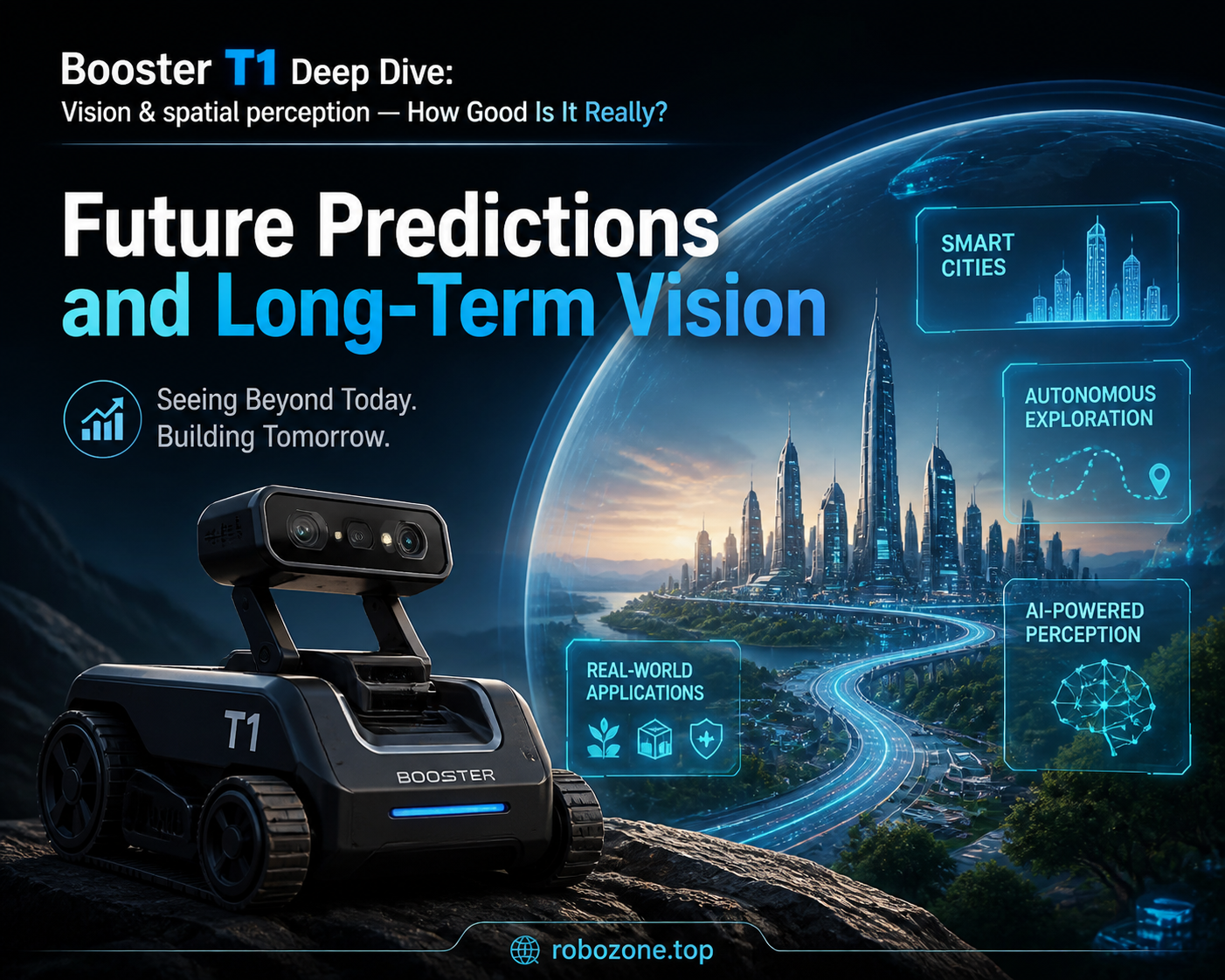
Looking to the future, it’s reasonable to anticipate a profound transformation in how robots like the T1 integrate into daily life. With continuous advancements in AI and perception technologies, we expect improvements in adaptability, making these robots nearly indistinguishable from human assistants in terms of functionality.
In the next 3 to 5 years, expect to see Booster T1 models assisting firefighters in navigating smoke-filled environments or providing personalized care in senior homes, among other applications. As Thomas Huynh often says, ‘This is just the beginning of a very bright future.’
Strategic Insights for Businesses and Developers
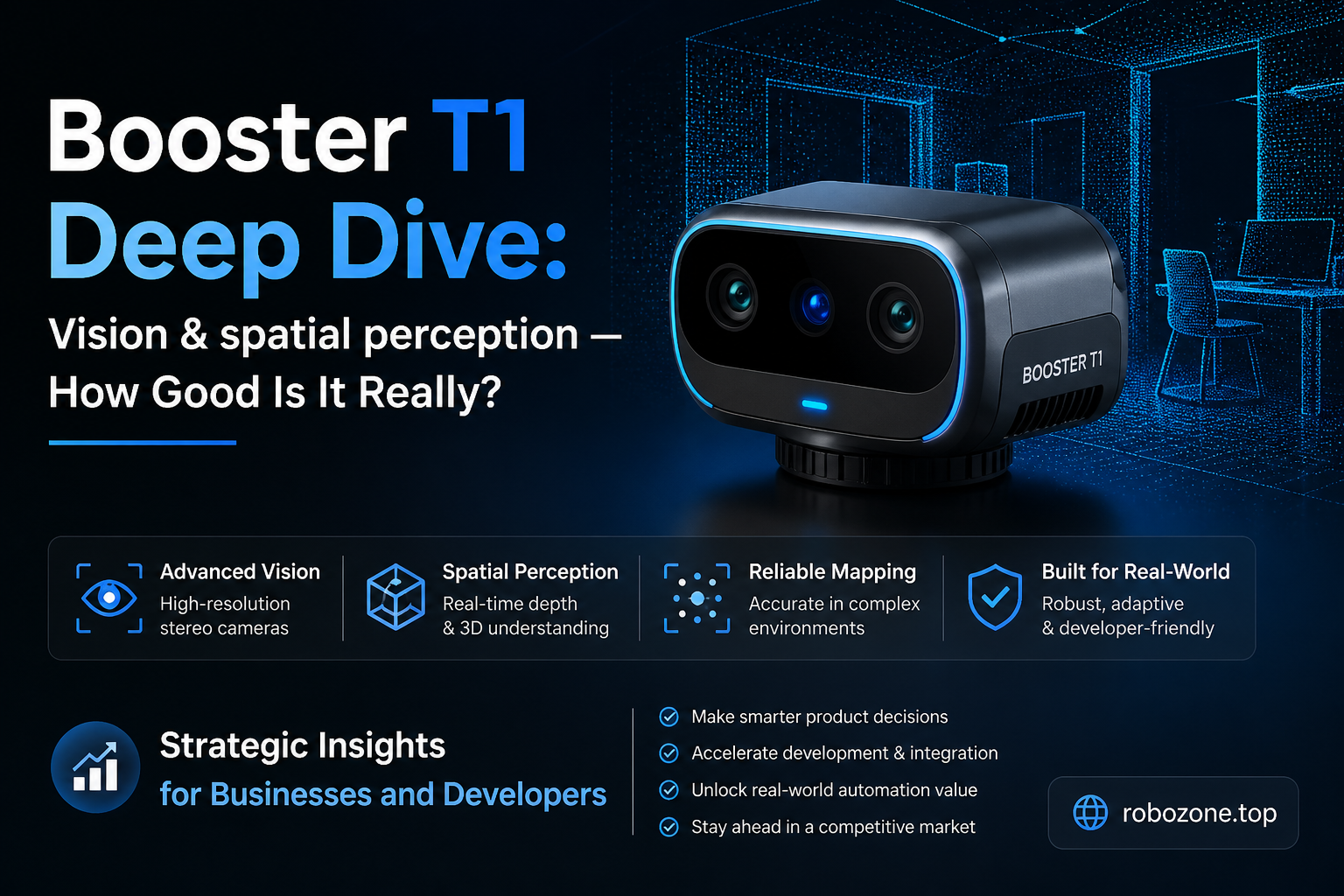
So, what should stakeholders do as the Booster T1 and its kin rise to prominence? Businesses must stay agile, incorporating robotics into their workflows to stay competitive. Developers should focus on enhancing AI algorithms to improve robot adaptability and interaction capabilities.
Furthermore, creating partnerships with tech firms specializing in AI and robotics could yield innovative solutions that address current limitations and push the boundaries of what these machines can achieve. Stakeholders should also keep an eye on regulatory changes that could affect how these robots are deployed commercially.
So where does this leave us? The Booster T1 is more than just a marvel of engineering; it’s a glimpse into the future of robotics and AI. As we continue to explore these frontiers, the importance of understanding and adapting to these changes can’t be overstated. It’s an exhilarating time for technology, and if you’re not yet excited, well, wait a moment; the robots are coming.
Thomas Huynh – Admin of RoboZone.top