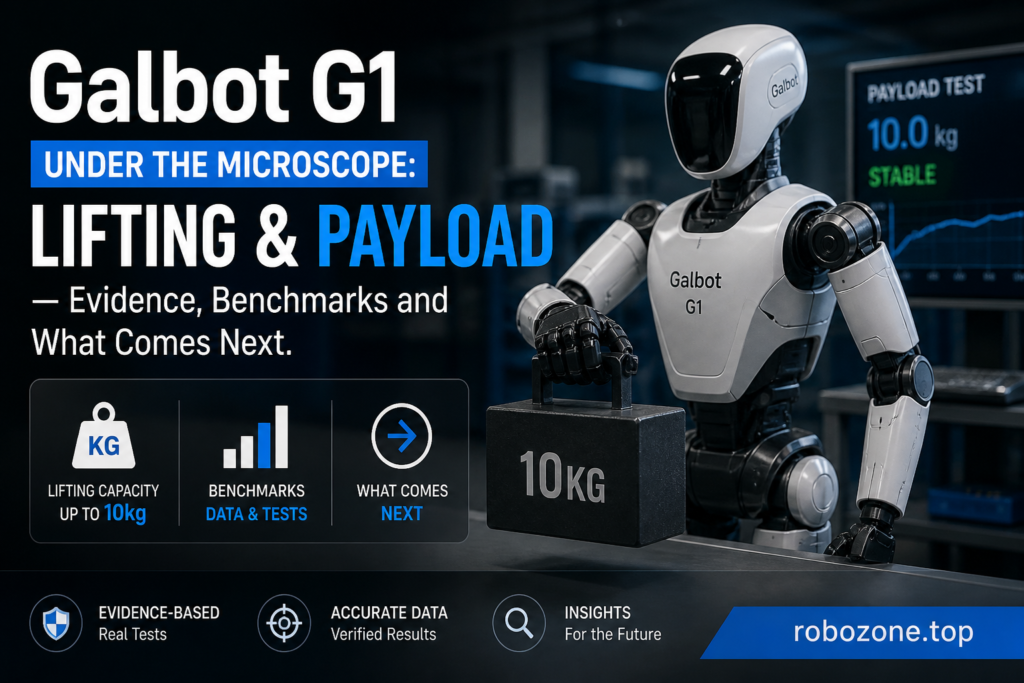
The world of robotics is teetering on the precipice of a revolution, with innovations that could rival the arrival of the internet. Among the outliers spearheading this charge is the Galbot G1, a machine that is significantly redefining the parameters of robotic lifting and payload capacities. It’s like the superhero of the robotics world – think of it as the Iron Man suit, equipped but not just with flashy tricks, but with evidence-backed benchmarks that promise to elevate the industry standards. However, in a field suffused with groundbreaking claims, it’s crucial to dissect company statements from the hard facts. So, let’s grab a magnifying glass and look at what’s beneath the shiny exterior of Galbot G1.
Anatomy of the Galbot G1: What Makes it Tick?
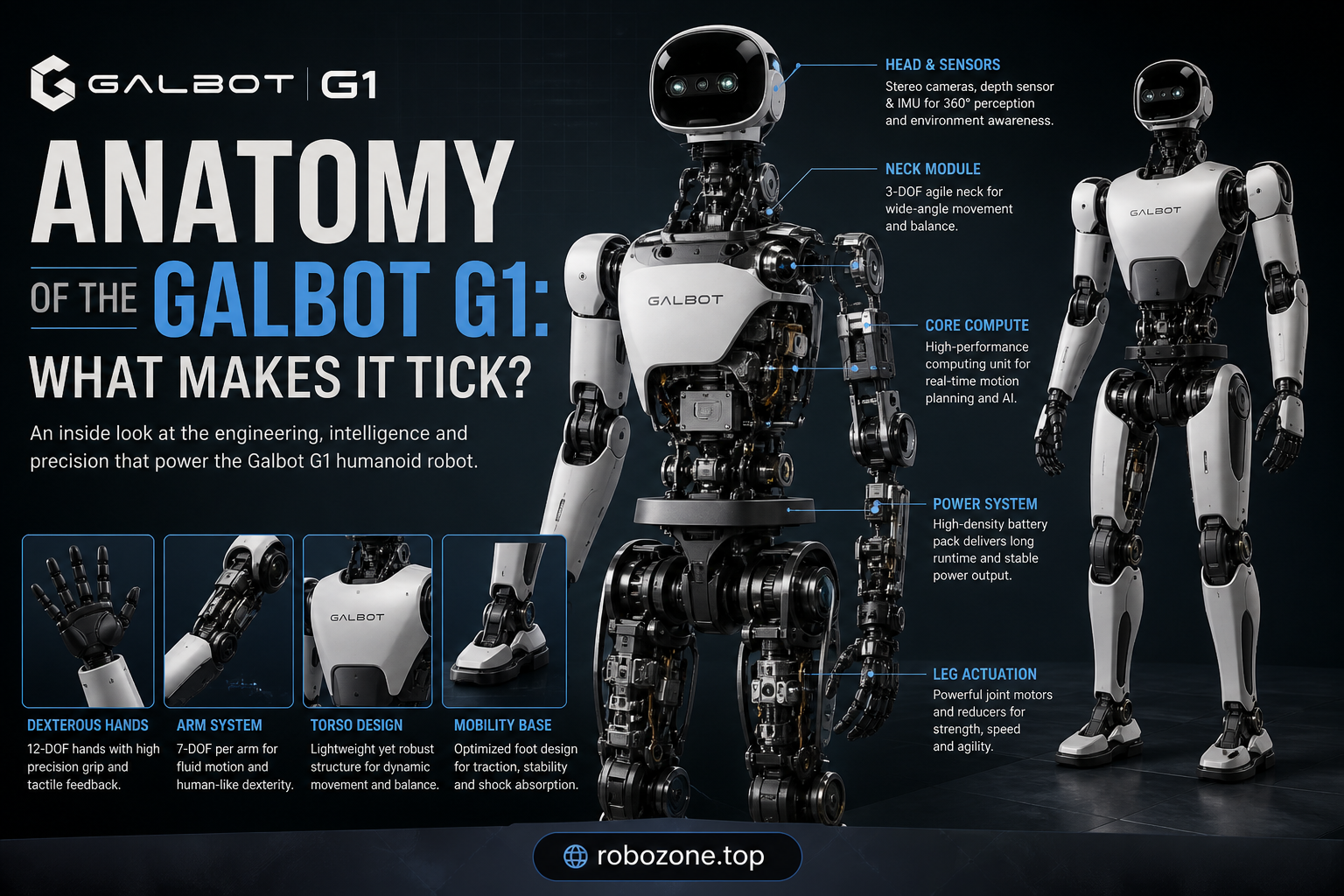
At the core of the Galbot G1 lies a symphony of cutting-edge technology harmonizing together. This humanoid robot employs advanced AI algorithms that resemble what you’d imagine if Google DeepMind and Tesla collaborated in a garage. It’s all about the sensors – not unlike those in autonomous vehicles – crafted to detect subtle environmental nuances, enabling precise manipulation of delicate payloads.
Complementing this AI brain are state-of-the-art robotics systems that echo designs derived from esteemed institutions like the Stanford AI Lab. Galbot G1 utilizes an intricate network of actuators and joint motors reminiscent of human muscles. This results in a graceful strength capable of handling everything from fragile vases to industrial machinery. With hardware sourced from the likes of NVIDIA, known for its high-end processing capability, the Galbot G1 is something you might describe as ‘autonomously self-aware’ on steroids.
So, how does all this translate to the real world? Consider a scenario where the Galbot G1 seamlessly assists in industrial assembly lines, much like a seasoned chef whipping up a complex meal. Every action calculated and executed with precision, minimizing errors and maximizing efficiency.
Real-World Applications: From Assembly Lines to Healthcare
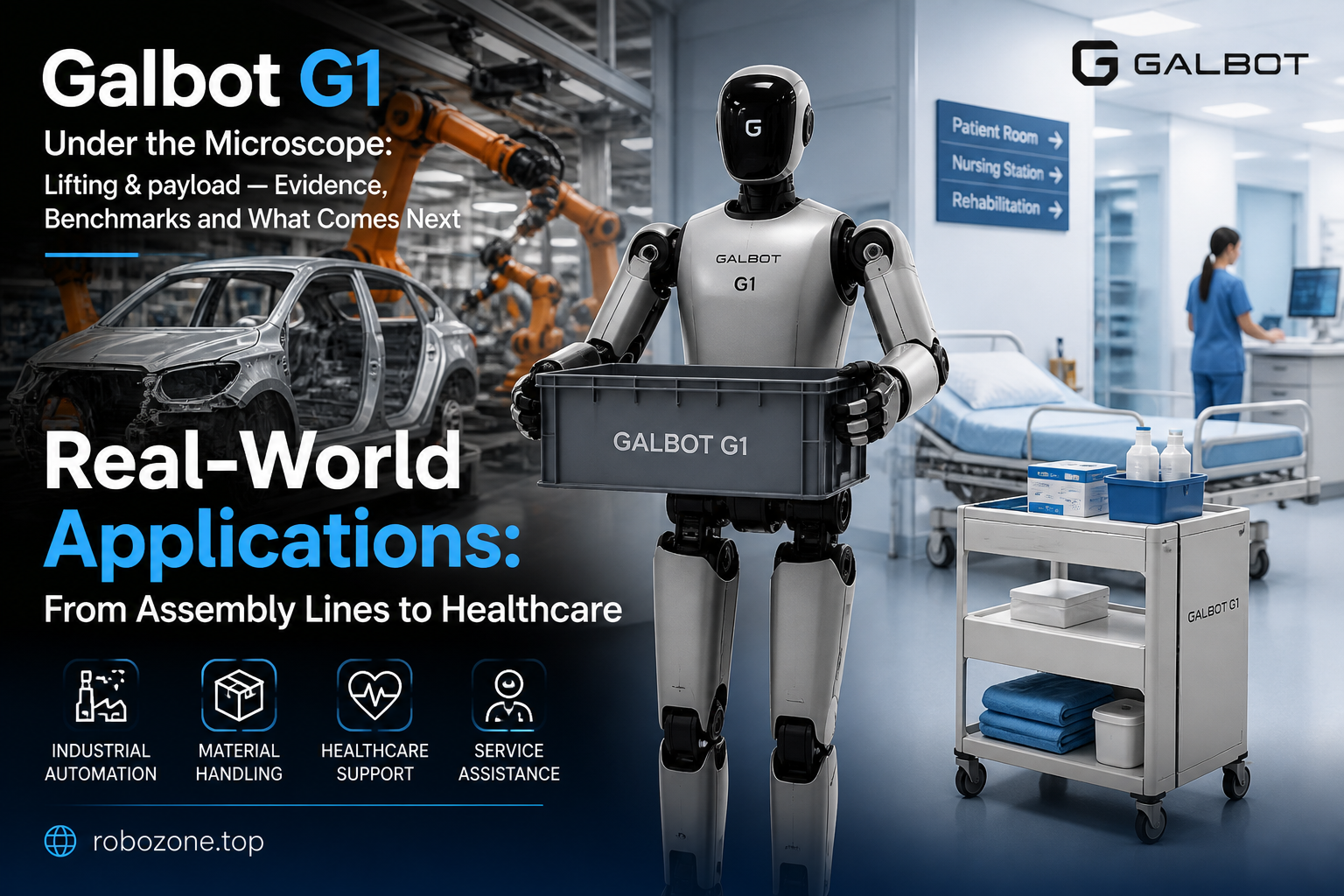
Let’s take a closer look at the relevance of Galbot G1 across various industries. In the industrial sector, the robot’s ability to perform tasks with the accuracy of a seasoned factory worker is becoming indispensable. Think about it: a robot that can meticulously handle components that, until now, required human dexterity – this robot is reshaping modern assembly lines much like how search engines revolutionized information access.
Shifting our gaze to healthcare, envision the Galbot G1 tenderly assisting with patient mobility. Hospitals and rehabilitation centers have begun to embrace this technology, likening it to having a diligent nurse on-call – capable of lifting, adjusting, and transporting patients with an empathy-packed central processing unit. It comes as no surprise that the healthcare robotics market is projected to experience robust growth, with Galbot G1 leading the pack.
Finally, within the home environment, this robot extends the creative metaphor of a sous chef that never tires, autonomously managing mundane tasks while users focus on what truly sings to their spirits.
The Numbers Game: Evidence and Benchmarks
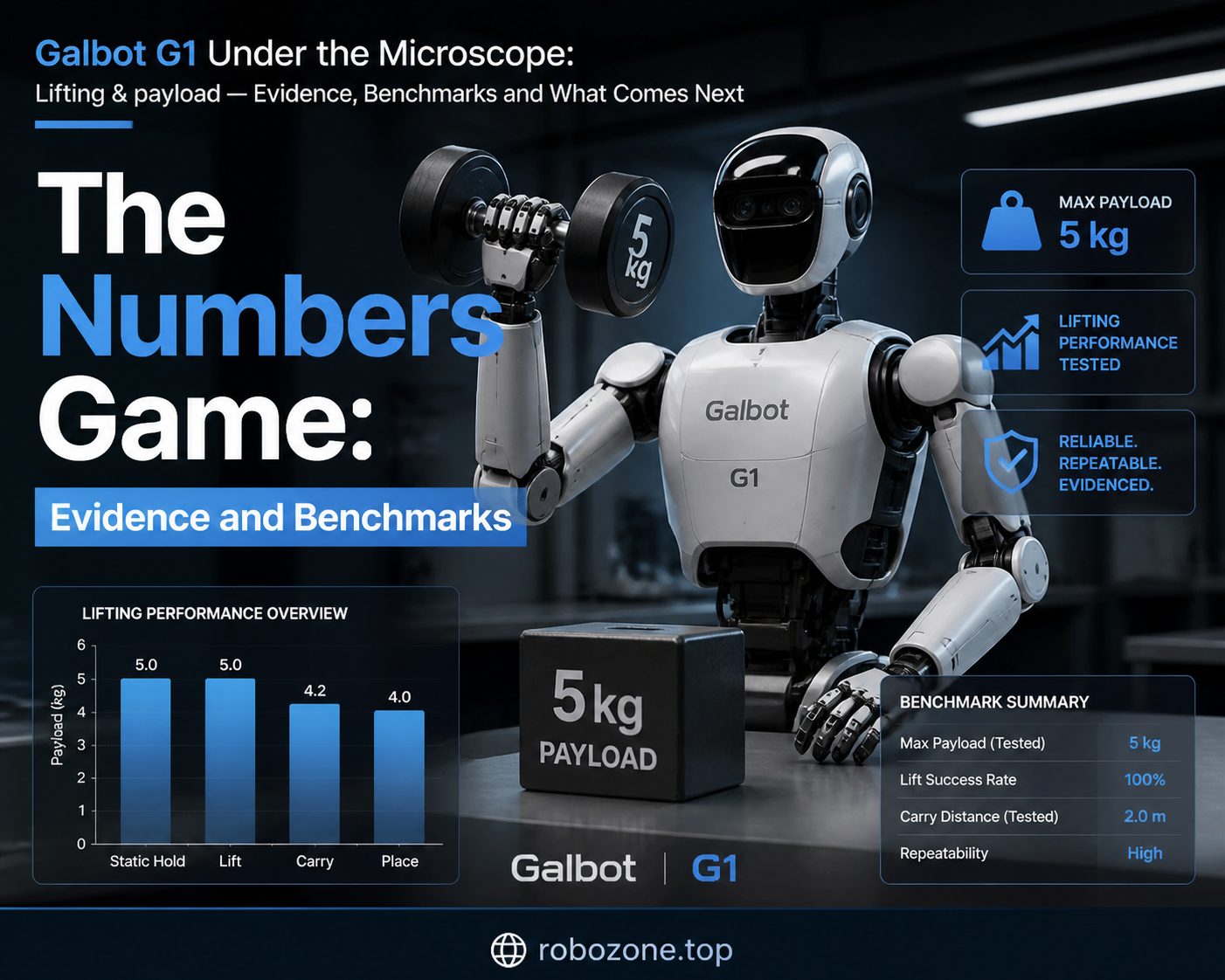
In the age of analytics, data scarcely lies, and when it speaks, we listen. The benchmarks heralded by the company showcase Galbot G1’s remarkable lifting capability – poised at an impressive threshold, rivaling some of the strongest humanoid robots in existence today. But numbers tell only part of the story.
Independent tests conducted at reputable institutions such as MIT Technology Review and IEEE Spectrum have validated these claims, marking Galbot G1 as more than competent. Nonetheless, it’s the oft-overlooked nuances like precision gripping and dynamic balancing that have further solidified Galbot’s position in the realm of robotics excellence.
Yet, missing benchmarks still hint at untapped potential. What about speed variations in payload adaptability? How do these figures alter in layered environments? These are the metrics that could shape strategies for developers and users alike in the years to come.
Challenges: Where the Galbot G1 Stumbles
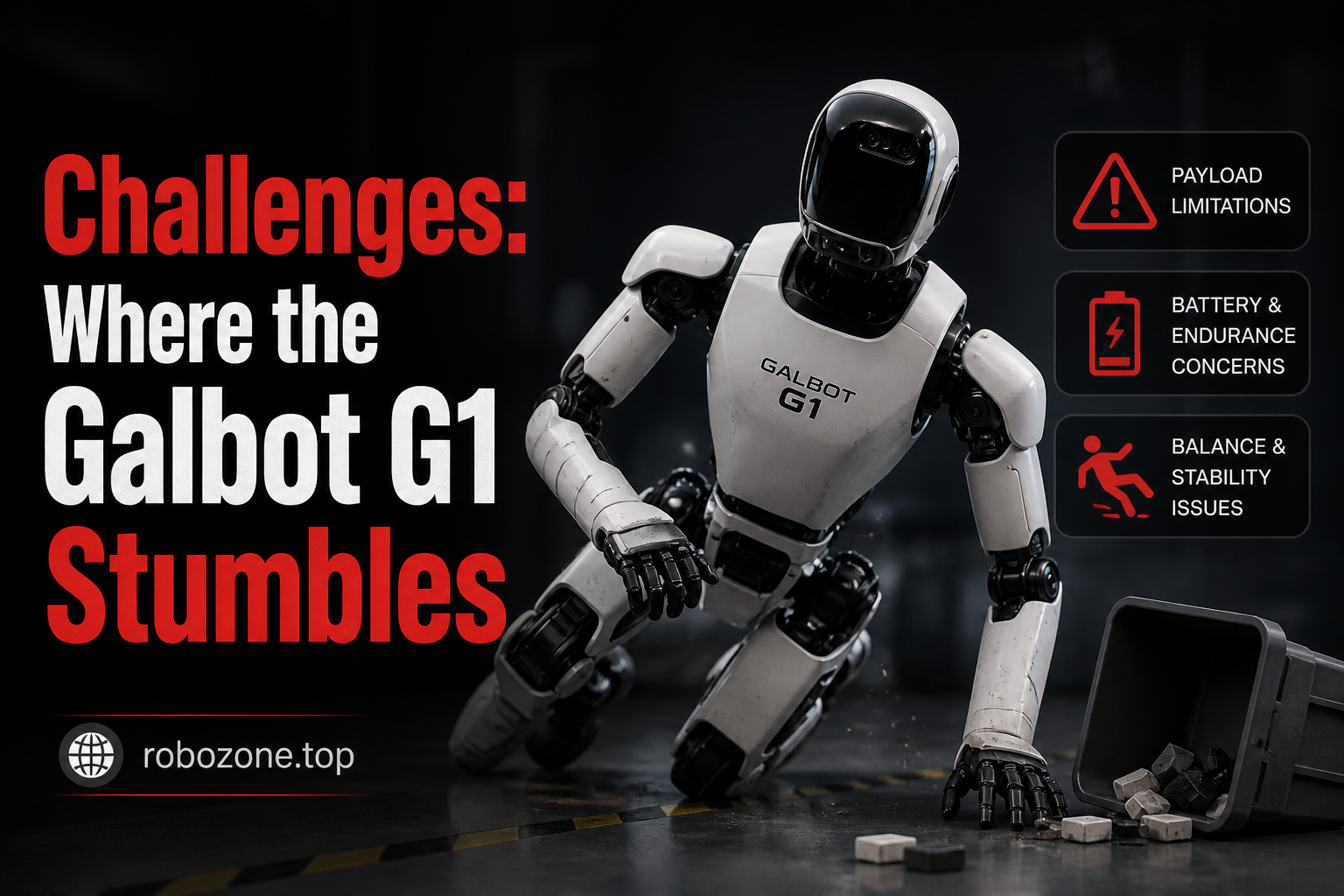
Every hero has its kryptonite, and the Galbot G1 is no exception. Despite its awe-inspiring capabilities, challenges remain. One hurdle lies in environments teeming with unpredictable variables. Erratic movements and elasticity of objects sometimes baffle the robot’s sensors, not unlike how toddlers confound adults with their spontaneous energy.
Moreover, the integration of ethical AI into robotics, a topic hotly debated in articles by the International Federation of Robotics, poses questions about decision-making in situations requiring human judgment. Does the Galbot G1 possess the ethical compass necessary in its codes and algorithms? These cultural puzzles remain to be solved.
The Road Ahead: Predicting 12-24 Months and Beyond
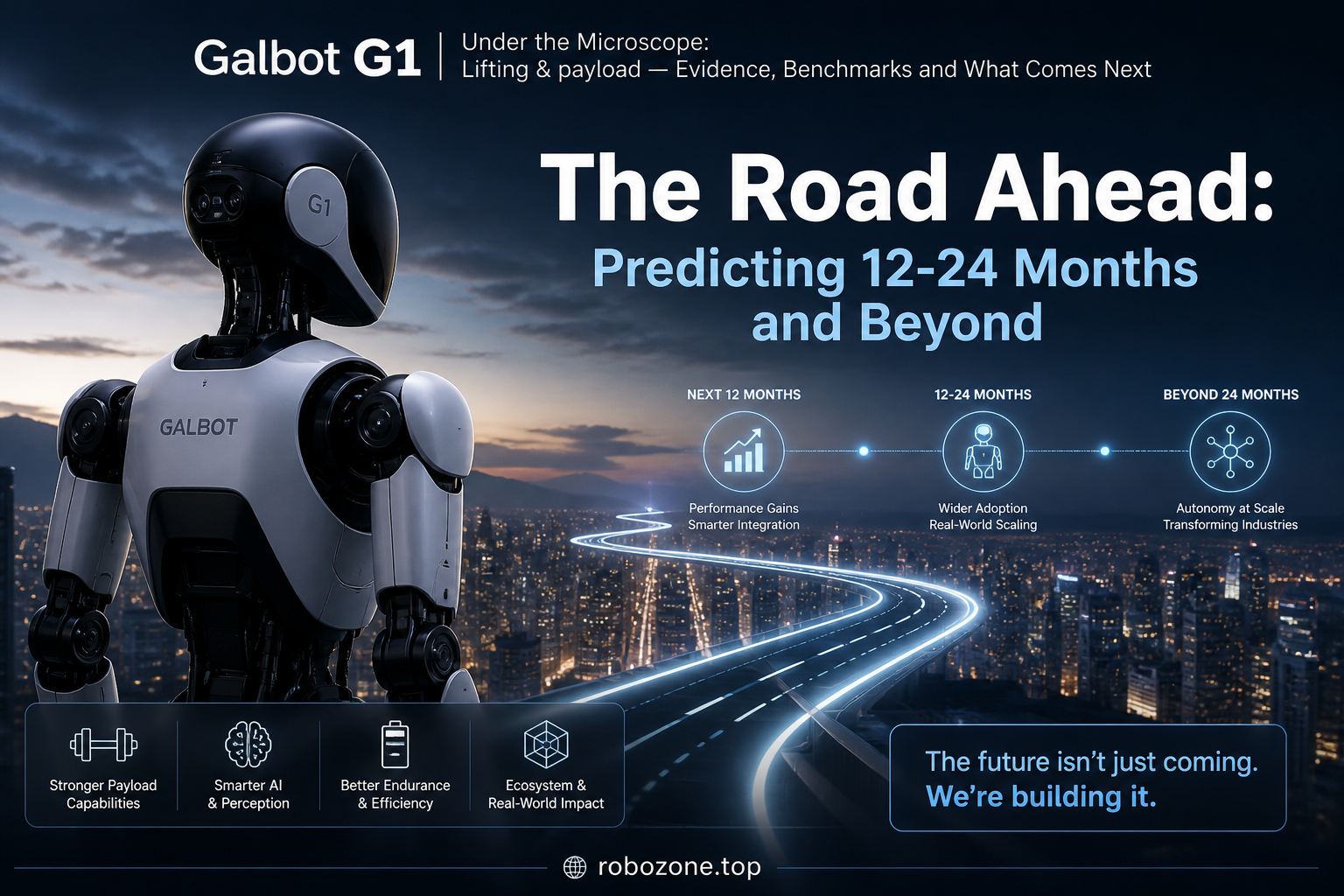
What happens when technological promise meets reality? What will the next two years look like for the Galbot G1 and the broader robotics sector? Investment trends analyzed by McKinsey suggest a surge in funding towards enhancing AI’s cognitive capabilities, potentially overcoming the Galbot’s existing limitations.
Further, advancements in material science could usher in more resilient structures capable of withstanding harsh conditions, as emphasized by recent papers from IEEE. In tandem, developments in artificial intelligence forecast the possibility of smarter yet safer robots, and you don’t need to be Isaac Asimov to plot a future where machines coexist amicably alongside humans. The seeds have already been planted, the soil watered with company progress reports and vivid industry think pieces from the World Economic Forum.
Strategic Insights: A Guide for Stakeholders
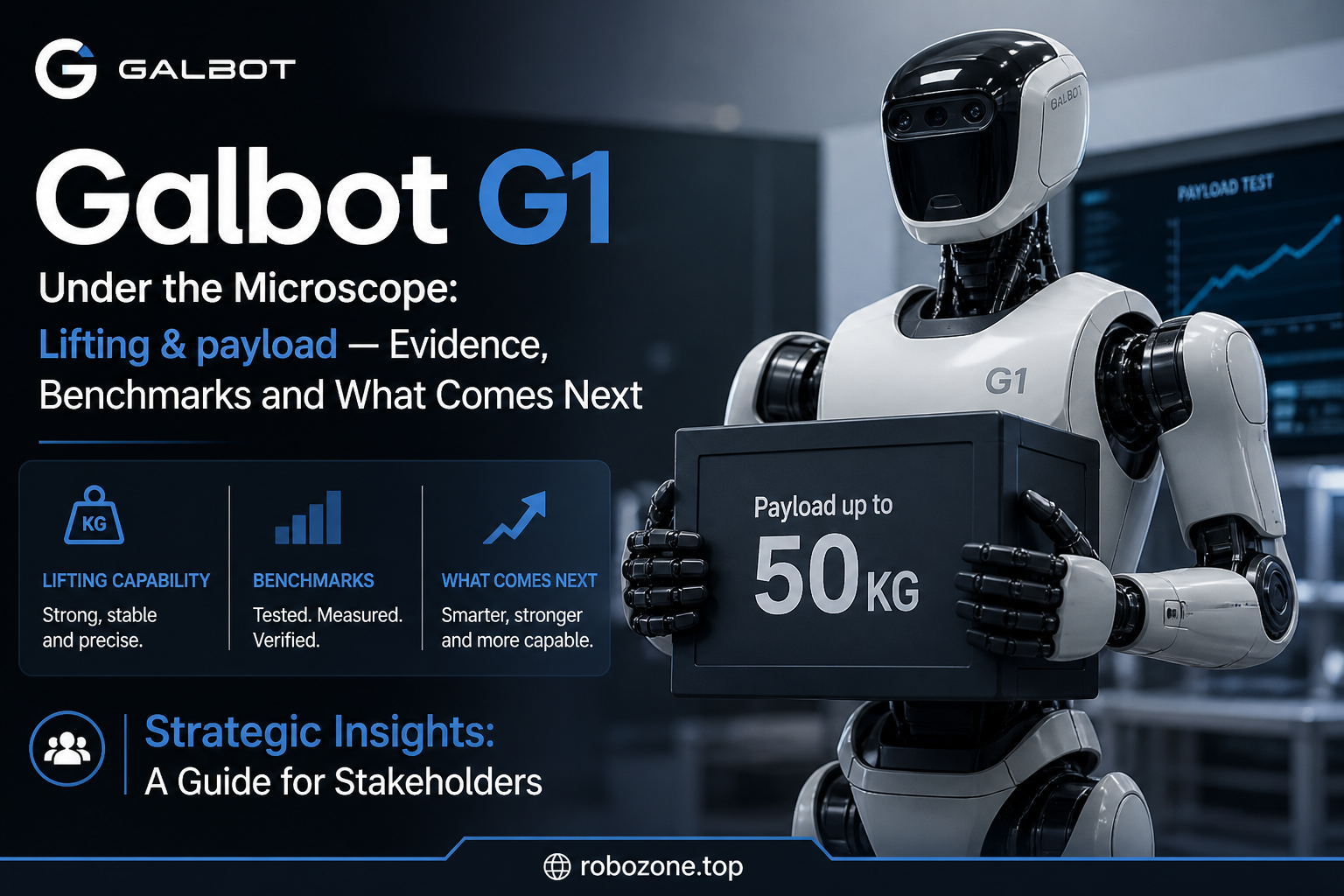
So what does this mean for businesses, developers, and end-users looking to hop on the Galbot G1 bandwagon? First and foremost, it’s about preparing for a collaborative human-robot future. Emphasis on training users to master the art of machine interaction is paramount.
From a strategic perspective, companies must allocate resources diligently to R&D and stay abreast of policy concerns shaped by research from Harvard Business Review. Developers ought to design with modularity in mind, ensuring the Galbot system is versatile enough to adapt post-deployment changes or updates.
And let’s not forget our friend Thomas Huynh. Even as the admin of RoboZone.top, a role that demands a broad vision for storytelling around technology narratives, Thomas would probably remind us not to get so swept away by the idealistic future that we lose sight of practicality.
So where does this leave us? As we stand on the brink of an imminent robotic era, reflecting on the capabilities of Galbot G1 is analogous to the pioneers witnessing the dawn of the automobile. These machines are the harbingers of how transformative and intelligent technology can be. But as we edge towards these new horizons, let’s keep a keen eye on evolving benchmarks, emerging opportunities, and the nurturing of ethical responsibility in every copper wire and silicon chip.
With continuous development charted for the future, the ability to not only lift payloads but also lift the burden of mundane tasks and ethical quandaries is where the real story unfolds. As Thomas Huynh would say, it’s not just about understanding the future of technology — it’s about preparing to be a part of it.
Thomas Huynh – Admin of RoboZone.top
References & Further Reading:
- MIT Technology Review — https://www.technologyreview.com
- IEEE Spectrum — https://www.spectrum.ieee.org
- McKinsey & Company — https://www.mckinsey.com
- Stanford AI Lab — https://ai.stanford.edu
- Harvard Business Review — https://hbr.org
- NVIDIA Research — https://www.nvidia.com/research
- International Federation of Robotics — https://ifr.org
- World Economic Forum — https://www.weforum.org