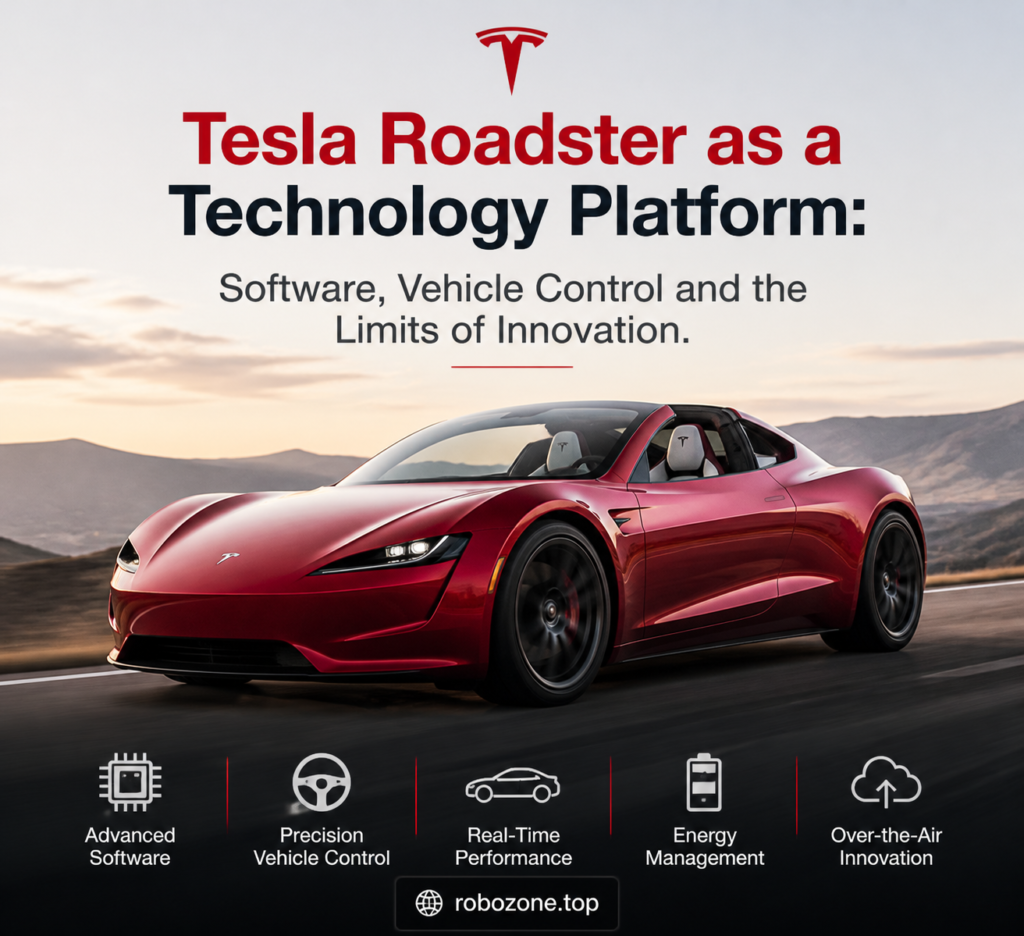
In the realm of electric vehicles, few names carry as much weight as Tesla. Since its inception, Tesla has positioned itself not just as a car manufacturer, but as a groundbreaking technology company. The Tesla Roadster, particularly in its second-generation avatar, exemplifies this philosophy, serving both as a vehicle and a technological platform. It challenges the norms with its promises of unparalleled speed and range. But beyond the flash and hype, what truly sets the Roadster apart? And what challenges lie ahead for Tesla as it seeks to redefine high-performance electric vehicles?
Tesla Roadster: A Historical Context
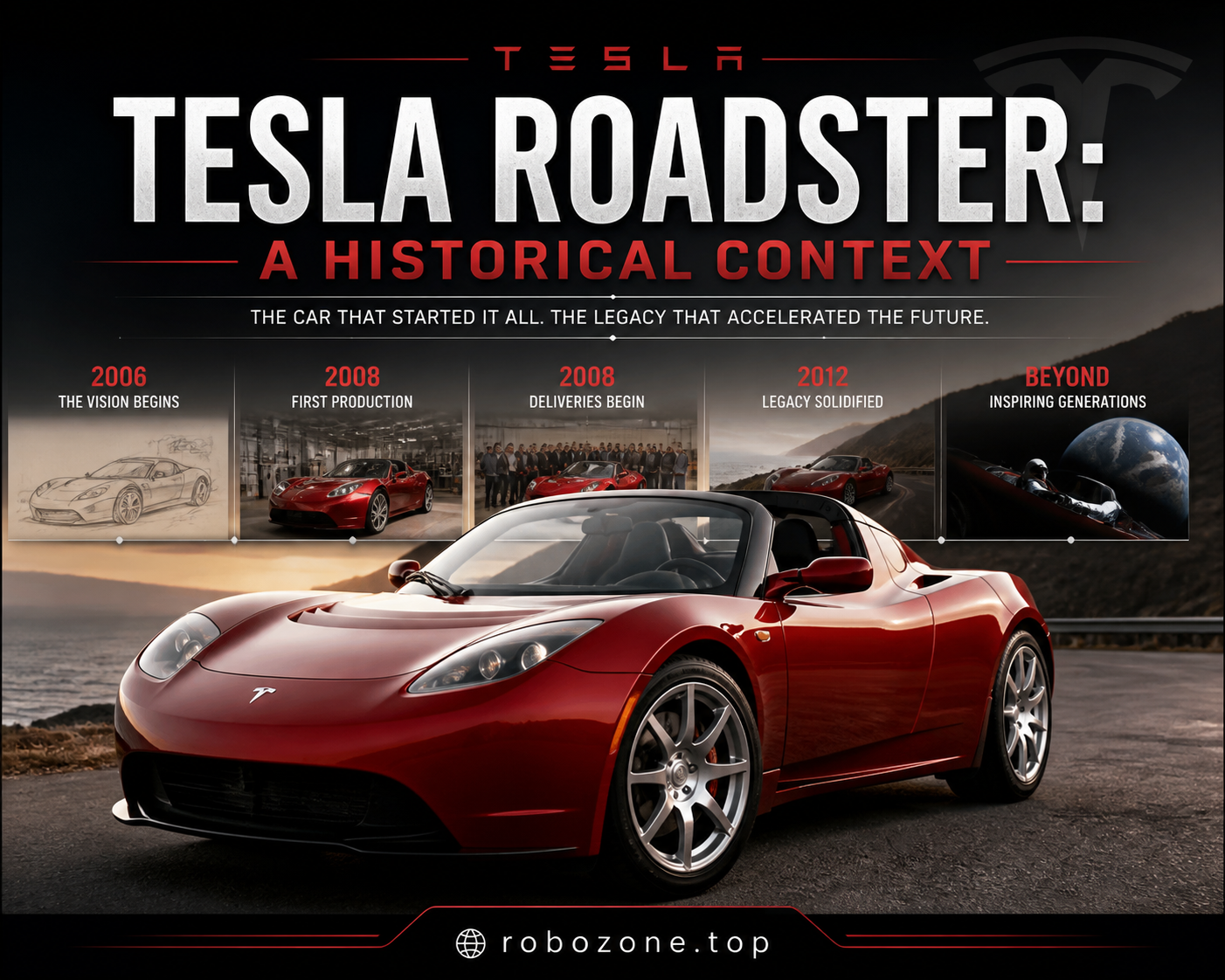
The initial Tesla Roadster, introduced in 2008, was a harbinger of things to come. As Tesla’s inaugural vehicle, it set the stage for the electric revolution by showcasing that EVs could be exciting and efficient. Fast forward to 2017, Tesla unveiled the second-generation Roadster. This version was poised to disrupt the industry once again, boasting astronomical specifications that sounded almost too good to be true: a 620-mile range, a top speed exceeding 250 mph, and a 0-60 mph time of just 1.9 seconds. Such figures were eye-popping, designed to capture the imagination of automotive enthusiasts and investors alike.
However, this ambitious reintroduction has been marred by delays. Originally slated for a 2020 release, production timelines have since been pushed back repeatedly. Each postponement fueled both skepticism and anticipation in equal measure. Such delays highlight the reality of automotive manufacturing, where transitioning from prototype to production is a journey fraught with unforeseen challenges.
What’s Under the Hood: Technical Marvels and Promises
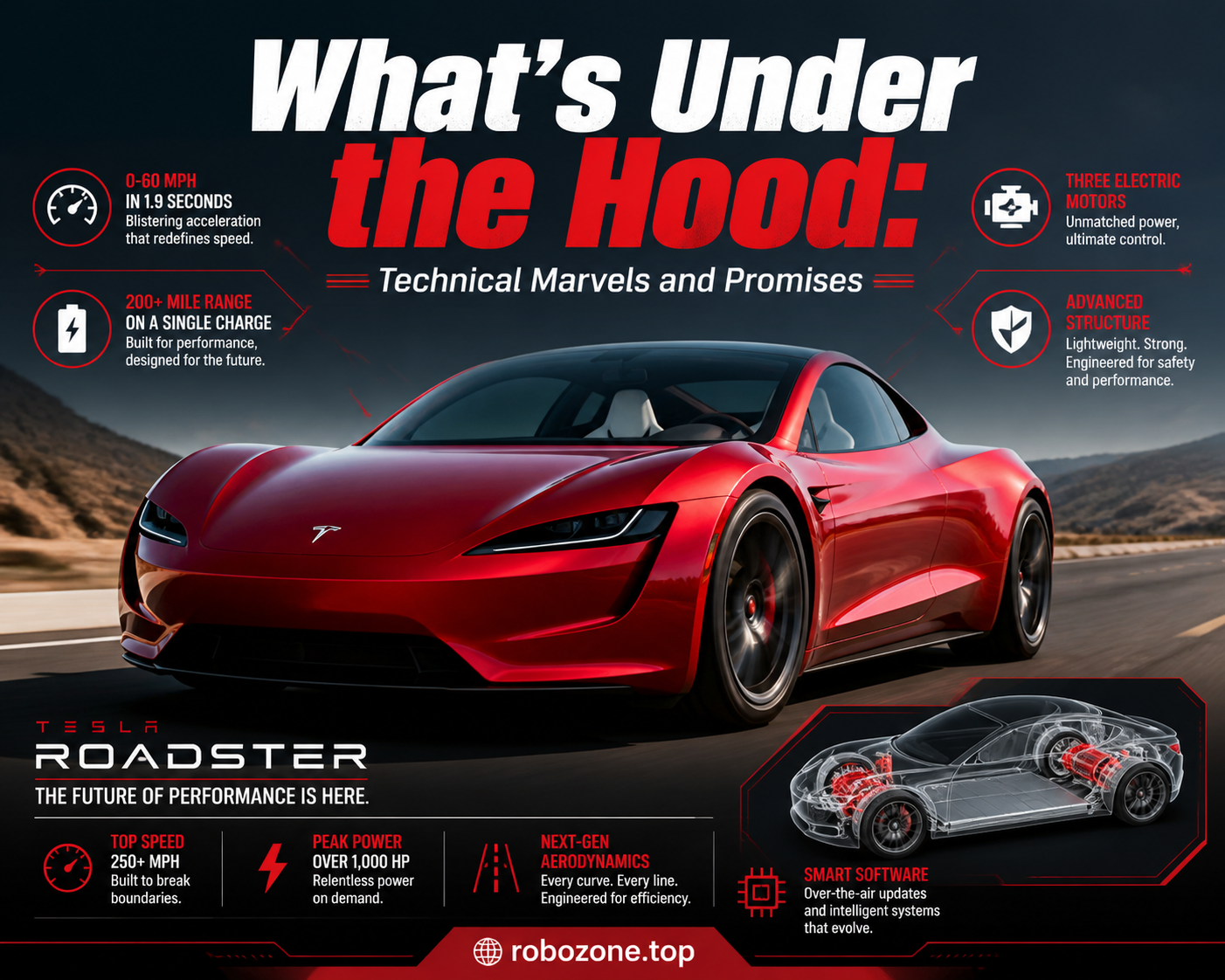
At the heart of the Roadster’s promise is its powertrain – a testament to Tesla’s ambitions in EV technology. Tesla’s use of advanced lithium-ion battery technology lies at the core of its extended range claims. The densely packed cells not only aim to deliver unprecedented energy capacity but also highlight the intricate requirements for thermal management. Achieving high speed and rapid acceleration in electric vehicles demands efficient heat dissipation, which remains a significant engineering hurdle.
Moreover, the Roadster has piqued interest with its optional ‘SpaceX package,’ which reportedly includes cold-gas thrusters for even more ludicrous acceleration. While such additions contribute to the mystique of the vehicle, they also raise practical questions about safety regulations and feasibility in everyday use. Cold-gas thrusters, typically used in space applications, would require rigorous safety validations before gaining approval for road use.
Vehicle Control and the Software Edge

In today’s landscape, where software defines much of a vehicle’s capability, Tesla’s Autopilot and Full Self-Driving (FSD) packages represent significant facets of the Roadster’s technological allure. Tesla’s vehicles are known for over-the-air updates, a hallmark of its software prowess, ensuring that the car’s systems can be continually refined even post-purchase.
These software updates are not to be viewed merely as tweaks but as transformative, sometimes endowing cars with entirely new capabilities. However, such software-centric approaches are not without controversy, particularly concerning the ethical and safety implications of semi-autonomous driving systems. While Tesla’s software innovations define a paradigm shift, they also highlight the critical need for robust regulatory frameworks and consumer education.
Beyond the Numbers: Economic and Commercial Realities
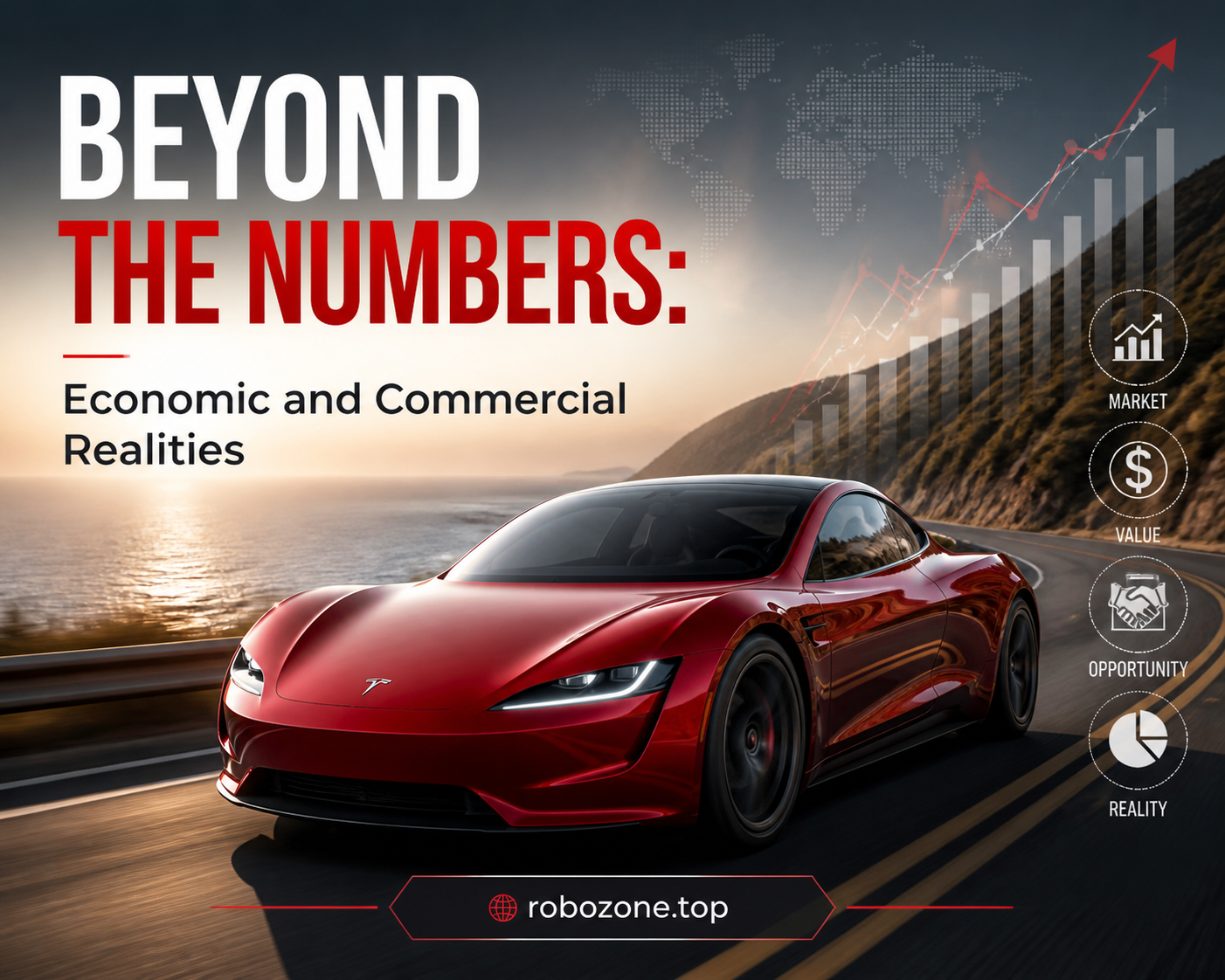
While the Roadster captures the imagination with its specifications and technological promises, discerning consumers, investors, and industry analysts must consider the commercial realities. With an expected base price upwards of $200,000, the Roadster targets a niche market populated by high-net-worth individuals and hardcore automotive aficionados.
The vehicle’s cost of ownership goes beyond its sticker price. Insurance premiums, maintenance of high-performance components, and the infrastructure for super-fast charging are factors prospective buyers must evaluate. Moreover, Tesla’s ability to scale production for such a technologically advanced vehicle serves both as a challenge and a metric of the company’s growth.
Facing the Competition: Positioning Tesla Roadster
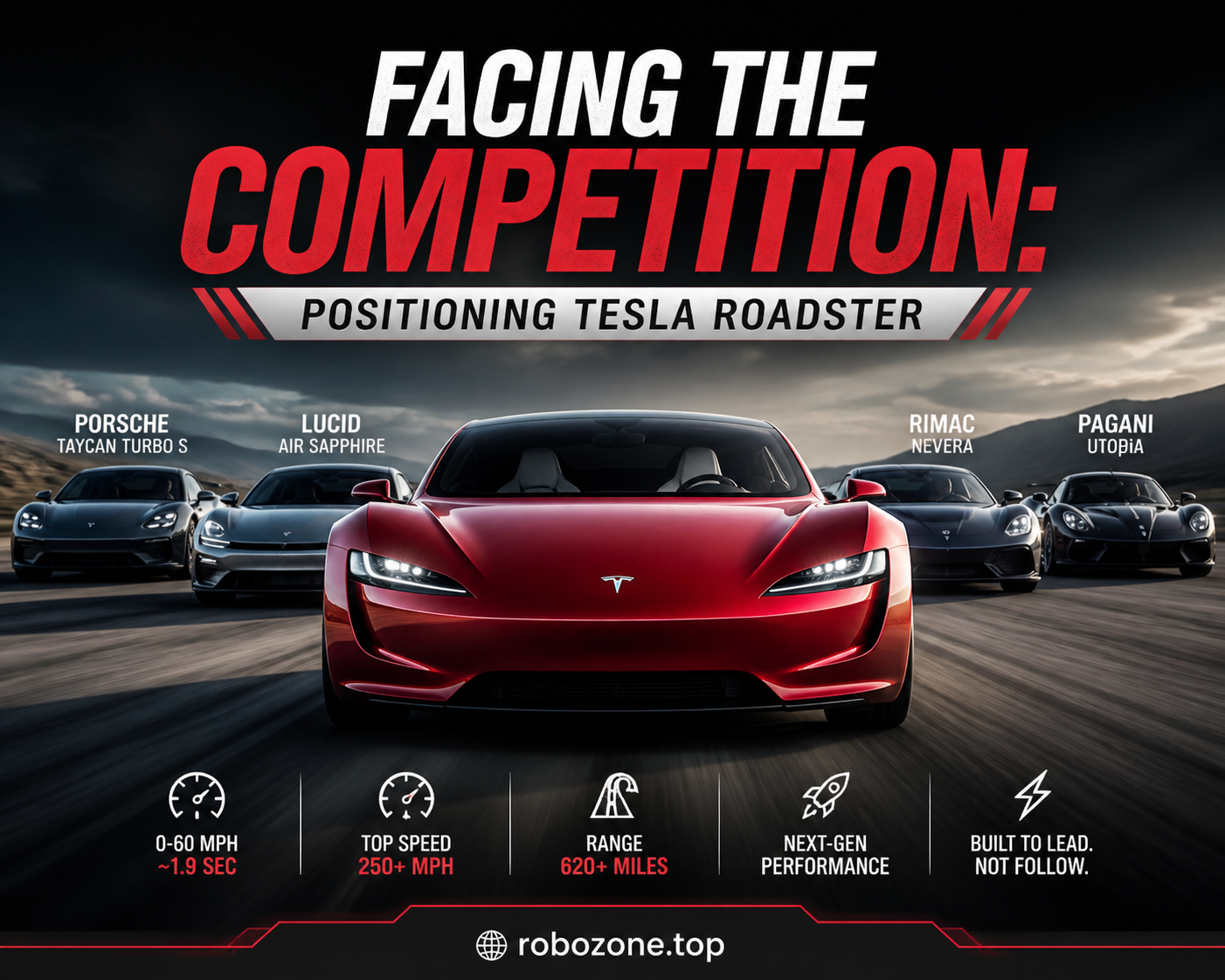
The Roadster does not exist in a vacuum. It competes in an increasingly crowded space of high-performance electric vehicles such as the Rimac Nevera or Porsche Taycan Turbo S. These competitors each bring distinctive advantages—whether it’s Rimac’s raw power or Porsche’s renowned handling dynamics.
Where Tesla seeks to differentiate itself is through its integration of cutting-edge technology, brand equity, and Musk’s larger-than-life vision that still garners significant public interest despite past delays. Yet, strong competition necessitates a keen focus on delivering promised technological advantages while ensuring readiness for market demands.
What Boundary-Pushing Innovation Means for the Future
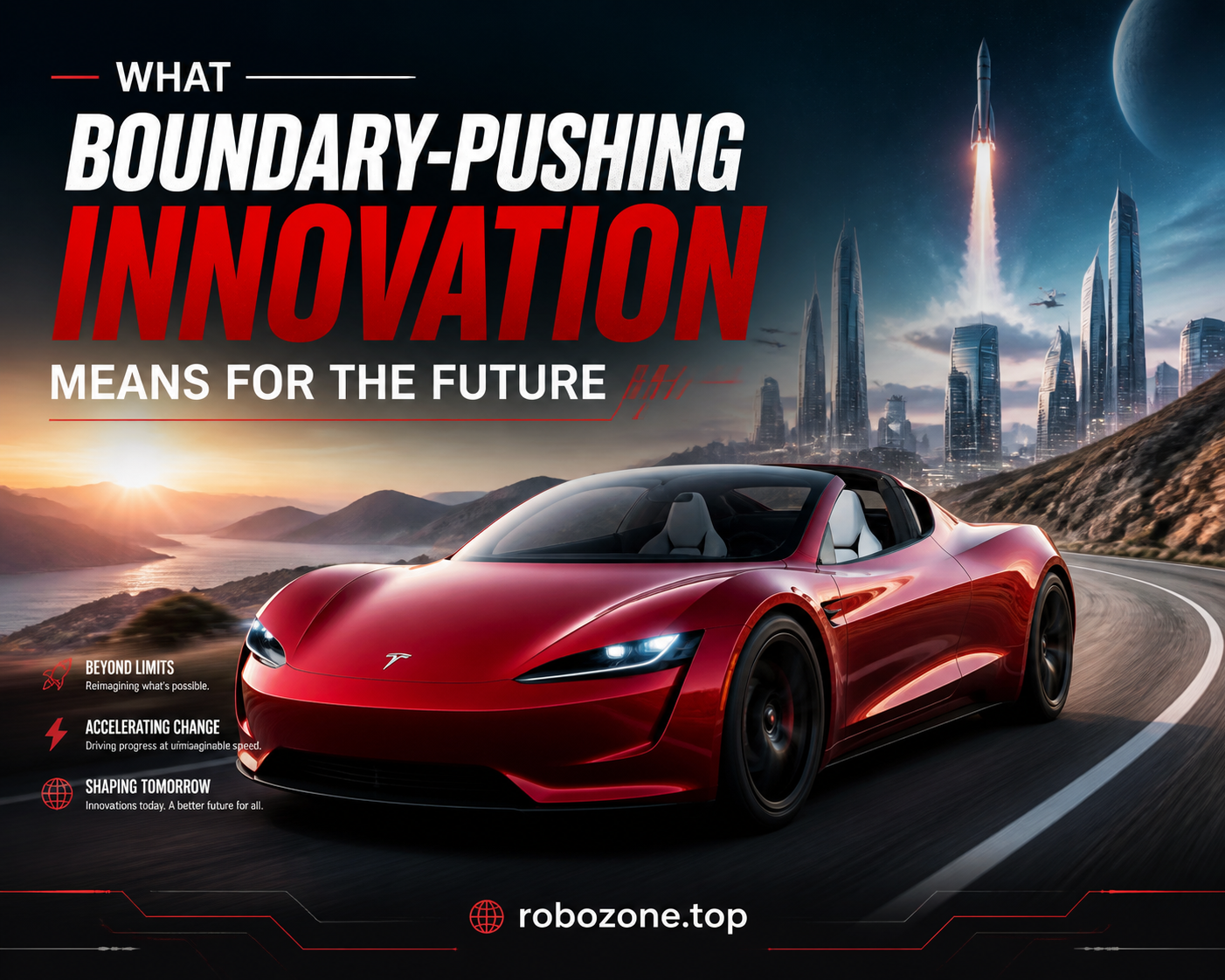
Thomas Huynh, managing editor at RoboZone.top, often points out that innovation at Tesla serves as both a beacon and a trial by fire for the entire industry. The Roadster, as Tesla’s ultimate statement in electric performance, both advances and responds to the high stakes of automotive technology. The future beckons for these electric juggernauts, promising innovations we can’t yet fully appreciate.
It’s this future that depends on how well Tesla addresses technical, regulatory, and commercial challenges. High acceleration figures and space-inspired thrusters capture imagination, but it’s the mundane yet essential aspects like safety certifications and robust production capabilities that will determine long-term viability. For those invested in the future of high-performance electric vehicles, the messages conveyed and the milestones achieved by the Tesla Roadster will provide key indicators of not just Tesla’s trajectory, but the broader shift toward sustainable, high-tech transportation solutions.
Where Ambition Meets the Real World
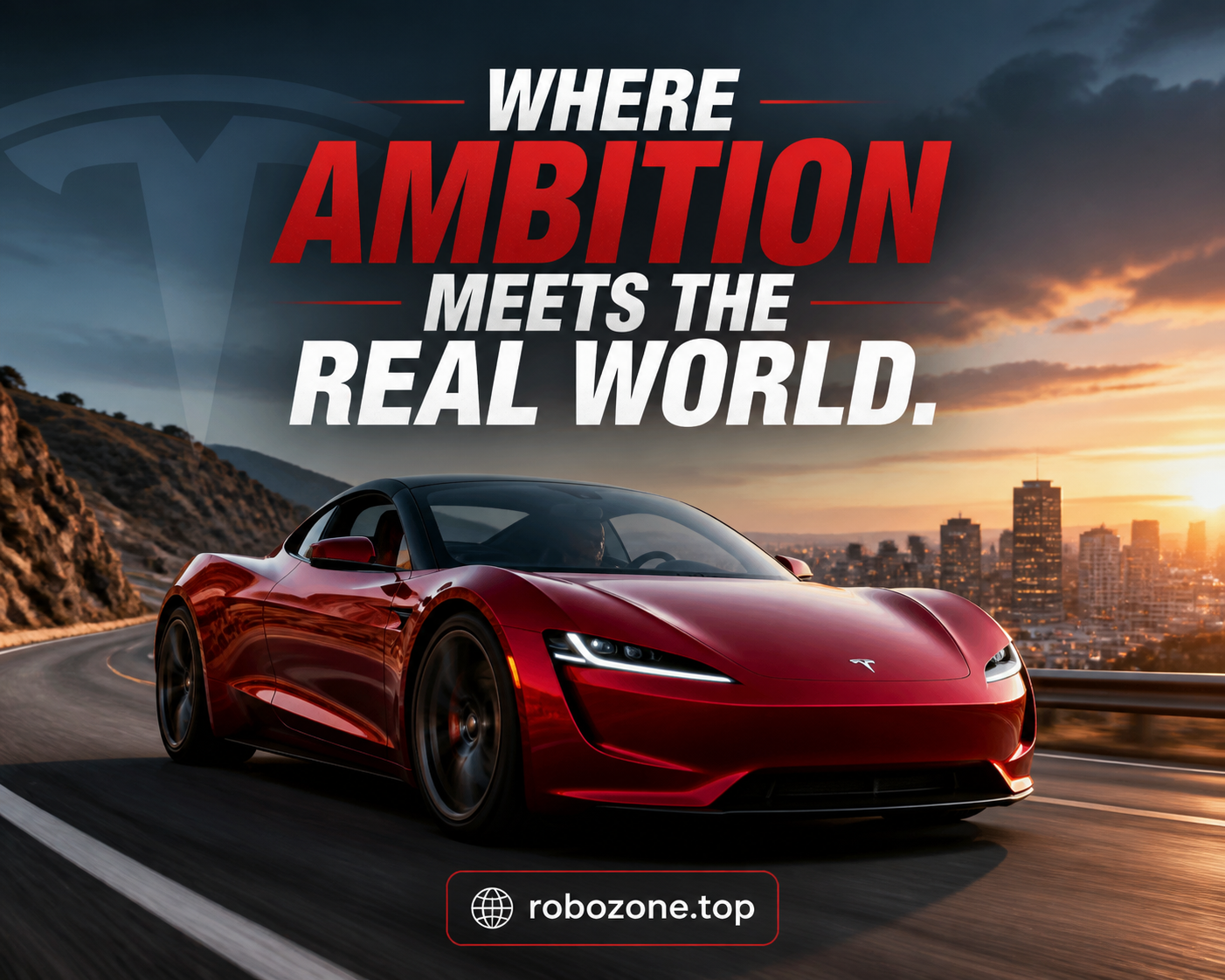
So, what can we ultimately glean from Tesla’s ambitious Roadster project? It’s a centerpiece in the broader narrative of electric vehicles as platforms for unprecedented technological elevation. What separates aspiration from real-world impact is the translation of promises into customer-ready products.
Critical signals to watch are the independent verification of performance capabilities, successful navigation through regulatory landscapes, and actual customer deliveries. These elements will both showcase and test not only Tesla’s engineering chops but also its strategic business execution.
As electrification continues to reshape the global automotive landscape, vehicles like the Roadster stand at the forefront, reimagining what’s possible. Whether Tesla can maintain its innovative edge while addressing the realities of production and delivery will define its role in tomorrow’s transportation ecosystem. It is here, where ambition continually meets the praxis of engineering and economics, that the true limits of innovation will be tested.