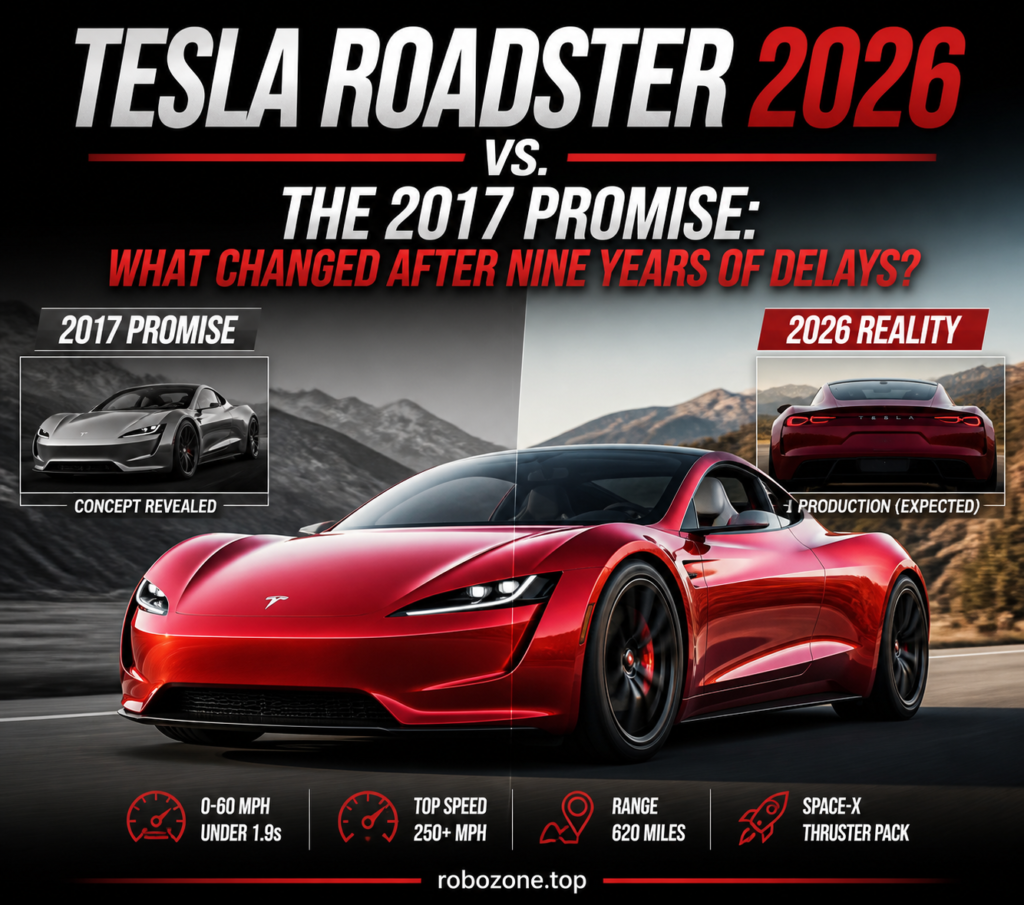
The Tesla Roadster has long been a symbol of electric performance, but its journey from promise to near-reality has been nothing short of a high-speed roller coaster. Announced with great fanfare in 2017, the Roadster was touted as the fastest production car on the planet, setting expectations sky-high with claims of a zero-to-sixty time within the blink of an eye. Fast forward to 2026, and while the excitement remains palpable, the path to this point has been riddled with delays and shifting targets. This article delves into the contrasting visions of Tesla’s 2017 announcement versus what the Roadster represents today, examining the technological evolution, production challenges, and the implications for Tesla’s trajectory in the electric sports car realm.
The 2017 Roadster Unveiling: A Bold Vision
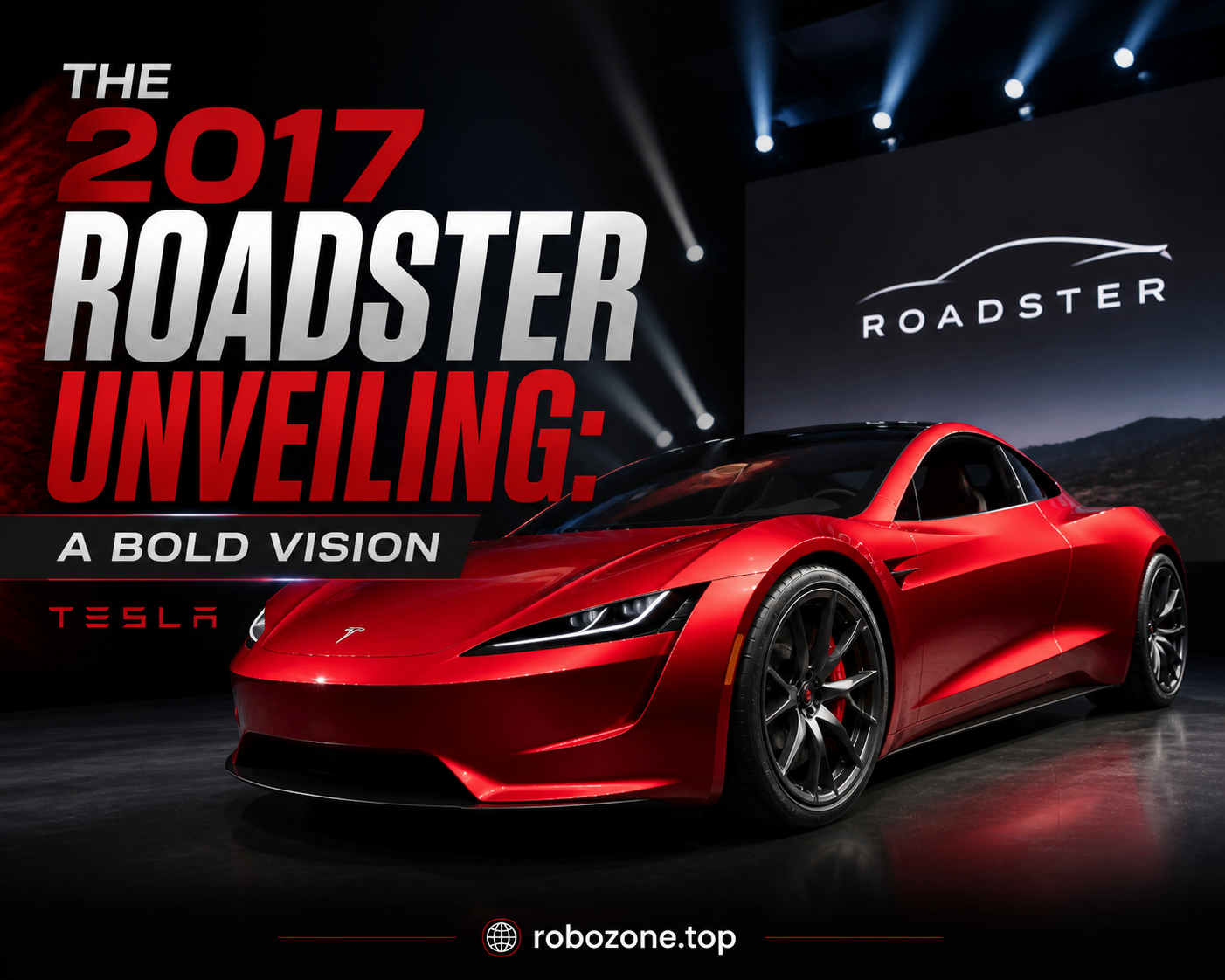
When Elon Musk unveiled the Tesla Roadster in 2017, he painted a picture that left the automotive world buzzing. The car was claimed to accelerate from 0 to 60 mph in a blistering 1.9 seconds, boasting a top speed surpassing 250 mph and a range of 620 miles. The flagship features included a 200 kilowatt-hour battery, representing a significant leap beyond the industry standard at the time. These audacious claims were not merely about setting benchmarks but reshaping the narrative around what electric vehicles (EVs) could achieve in performance and range.
Despite the initial excitement, many were skeptical. The 2017 promises raised a fundamental question: Could Tesla translate these ambitious specs into reality? After all, Musk’s announcement seemed to defy contemporary limits of battery technology and aerodynamics. The skepticism wasn’t unwarranted, given Tesla’s history of delays and stretched resources across multiple projects. Yet, the Roadster served as a beacon of Tesla’s bold future vision, aiming to challenge conventional high-performance sports cars from brands like Ferrari and Bugatti in an eco-friendly package.
Technological Advancements or Revisions?
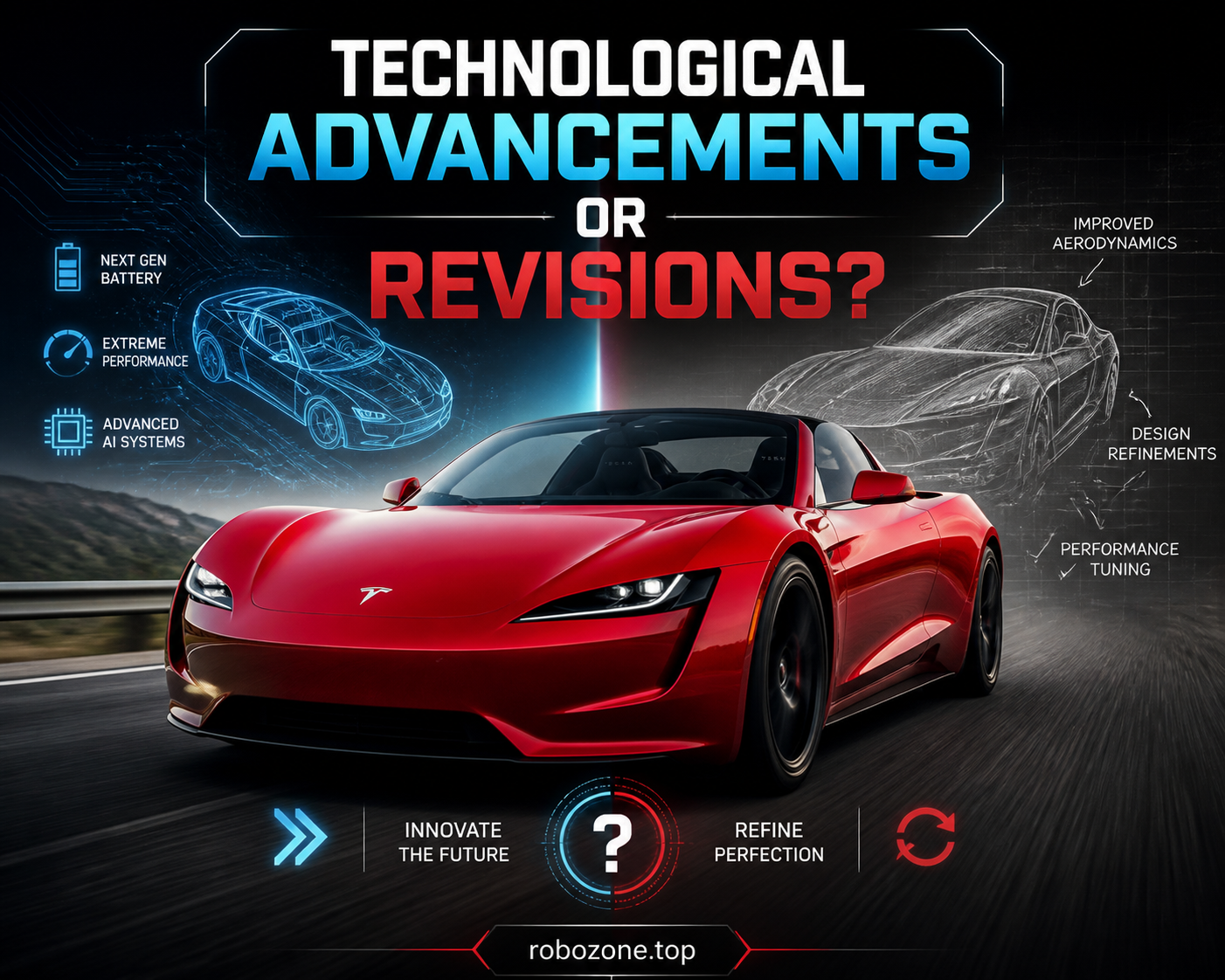
Now, nearly a decade later, the 2026 version of the Roadster maintains an allure of cutting-edge euphoria, albeit with several revisions to its proposed specifications. The most prominent update includes the integration of SpaceX’s cold-gas thruster technology, purportedly enhancing the vehicle’s acceleration and handling through space-grade propulsion capabilities. Official communications from Tesla emphasize this feature not just as an ornament but a transformative element in performance engineering.
Moreover, the anticipated introduction of the Quad-Motor Powertrain leverages Tesla’s advancements in motor efficiency and inverter technology. This propulsion system is expected to offer unrivaled traction and handling, markedly improving upon the dual-motor setup envisioned in 2017. As such, the Roadster’s envisioned capabilities appear to adapt continuously as more realistic engineering solutions take shape, balancing ambition with viable technological frameworks.
The Path to Production: Obstacles and Delays
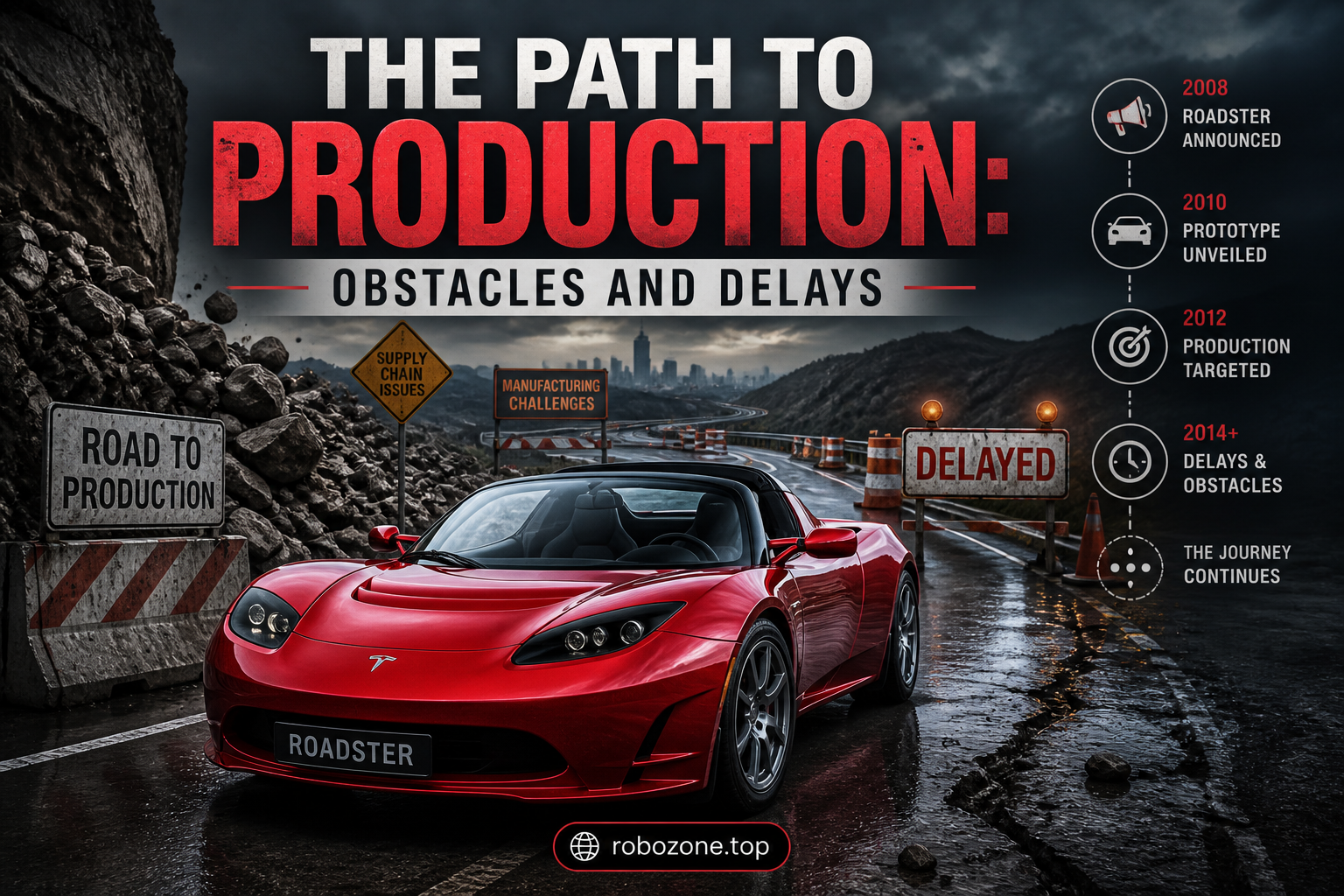
The road to the Roadster’s eventual production has been fraught with a series of delays that have tested the patience of enthusiasts and investors alike. One of the most recurring setbacks involves manufacturing complexities. The sheer novelty and complexity of the thruster technology, coupled with an innovative yet untested structural design, posed challenges to Tesla’s production lines already strained by volume-heavy models such as the Tesla Model 3 and Y.
Moreover, supply chain disruptions have exacerbated these challenges. The global semiconductor shortage during the early 2020s impacted many automakers and even stalwarts like Tesla, bringing its ambitions to a crawl. Notably, the establishment of Giga Texas, a key site for producing the next-gen Roadster, was pivotal, promising to streamline production once fully operational.
Comparing Electric Performers: Roadster vs. Competitors
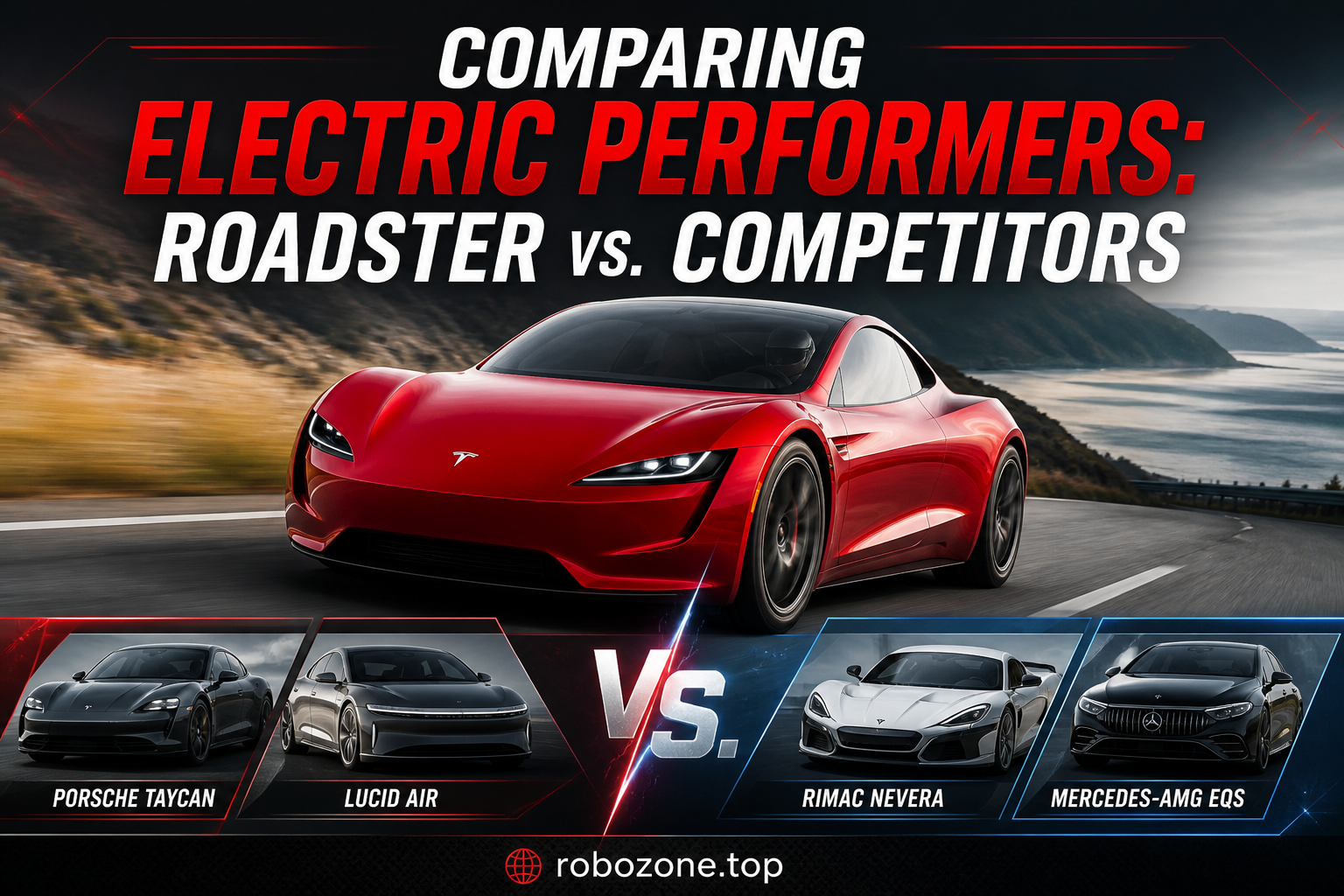
As the Roadster’s unveiling approaches in 2026, comparisons arise naturally with other high-performance electric vehicles. The Rimac Nevera and the Lucid Air Sapphire, among others, have emerged as direct competitors, each offering their interpretations of electric luxury and power. Notably, the Nevera’s capabilities such as its 1,914 horsepower output and consistent performance metrics demand attention.
Interestingly, where the Tesla Roadster seeks to distinguish itself is not merely in outright performance metrics but in the holistic driving experience. With the SpaceX package, the Roadster is positioned to offer a novel feature set encompassing unprecedented acceleration techniques and handling dynamics. Yet, the consumer perception of these features remains a key unknown, factoring in how plausible, practical expectations measure against potentially sky-high prices.
Production Realities and Market Launch
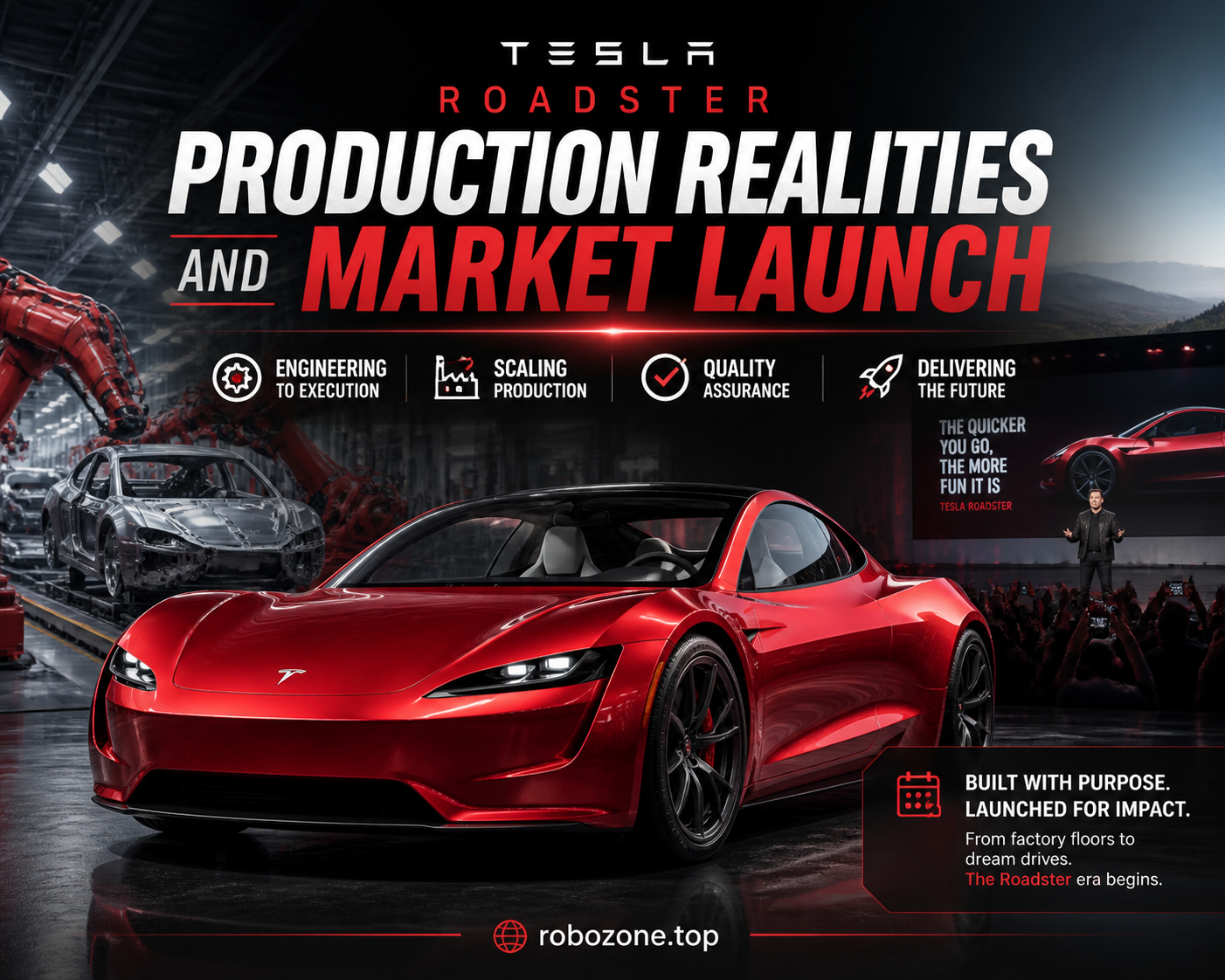
Despite the delays, Tesla’s ambition to redefine the sports car market remains steadfast. Nonetheless, bringing such an advanced vehicle to market involves overcoming significant hurdles. Firstly, the production facility readiness and rigorous quality control processes are vital, ensuring each car produced meets Tesla’s proclaimed standards. The shift toward high-volume production facilities may ultimately dictate the new Roadster’s progression from concept to certified, deliverable product.
Equally important are the battery production and supply chain strategies, particularly in the face of evolving global demand for lithium-ion modules. As Tesla fortifies its gigafactory outputs, the scaling of next-gen battery tech, potentially leveraging improved energy densities and faster charging capabilities, becomes more than a necessity—it emerges as a competitive imperative.
What Tesla Still Needs to Prove
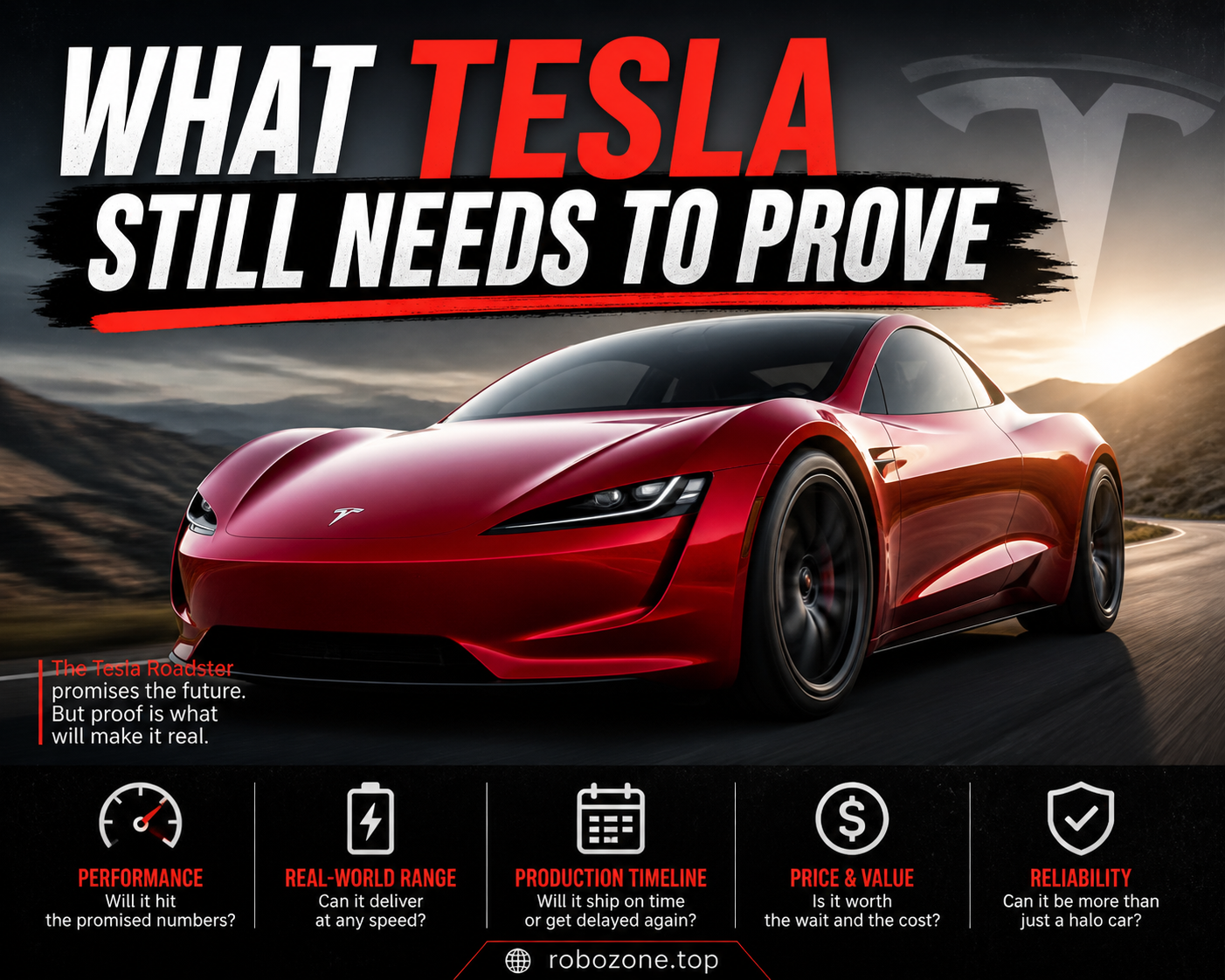
As the clock ticks down to the official rollout of the 2026 Tesla Roadster, several key metrics and promises remain unverified. For Tesla, transforming ambitious design into a practical reality involves navigating an intricate matrix of engineering, supply chain, and consumer confidence challenges. It needs to substantiate its aerodynamic and thruster-enhanced performance claims under realistic driving conditions. Additionally, by addressing pricing concerns, ensuring serviceability, and delivering tangible results on past commitments, Tesla can maintain its reputation as both an innovator and a reliable manufacturer.
Building on historical criticism regarding production scalability and timelines, Tesla is presented with an opportunity to redefine customer expectations vis-à-vis electric hypercars with the Roadster. Moreover, critical technical verification through independent testing, comprehensive crash safety validations, and regulatory approvals will fortify its market position in a burgeoning sector vying for credibility alongside traditional combustion-engine aristocrats.
Where Ambition Meets the Real World
The Tesla Roadster, in its 2026 incarnation, is as much a testament to technological dreaming as it is a challenge to the tangible limits of modern engineering and production. The vehicle’s evolution from its 2017 blueprint to its current iteration emphasizes the dynamic and often unpredictable journey from visionary concept to consumer-ready reality. For Tesla, the Roadster is not just another car—it’s a symbol of ambition pushing against the boundaries of what’s possible.
As the industry and potential buyers alike wait to see whether Tesla can deliver this electric marvel at scale, attention will focus on forthcoming performance verifications, pragmatic engineering feats, and the company’s execution strategy. While the Roadster’s tale is one of delay, it could follow the script of a transformative advance in electric vehicles. Ultimately, the world will be watching to see if the Roadster can not only meet Musk’s audacious promises but redefine its narrative from persistent delays to a triumphant breakthrough in the electric hypercar era.
Admin of RoboZone.top